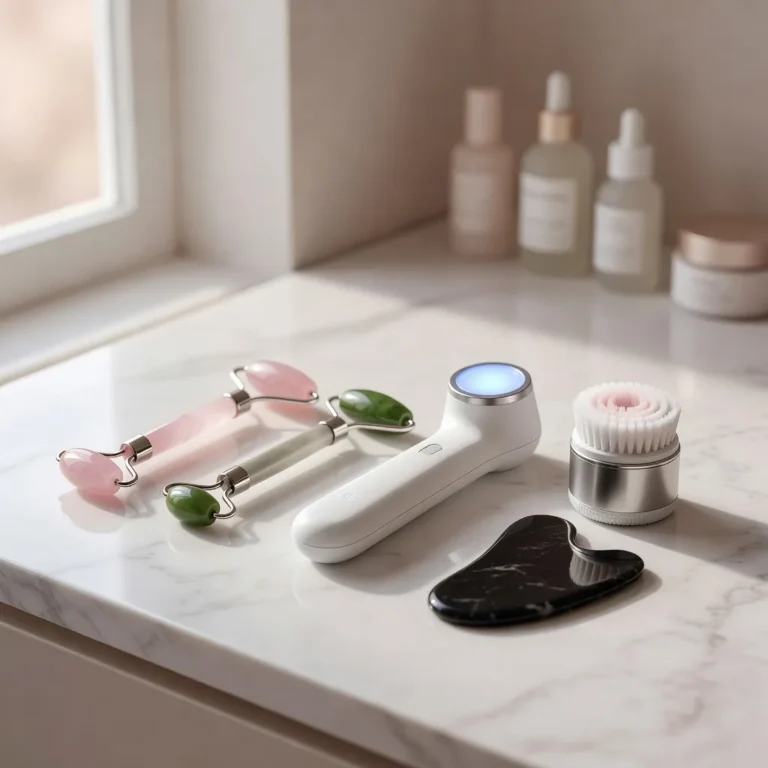
Best Professional Oxygen Facial Machine: Features, Safety and Results
Oxygen facials are popular in spas and salons because they feel cool, look glowing afterwards and suit most skin types. Behind the treatment is a machine that sprays a fine mist of serum or water with pressurised air or oxygen, and those machines vary a lot in quality, safety and honesty of their claims.
The best professional oxygen facial machine is one with a steady, adjustable airflow, a fine and even spray, a clearly described oxygen or air source, easy-to-clean nozzles and reservoirs, and proper electrical and safety documentation. Many devices sold as oxygen facial machines actually use compressed air, and that is fine, because most of the visible glow comes from hydration, serums, cooling and massage rather than from the oxygen itself. Choose a machine for comfort, control and hygiene, and describe the results honestly to clients: a temporary fresh, plump look, not lasting repair or anti-ageing effects.
In short: pick a machine for fine spray, steady pressure and easy cleaning, and treat the oxygen claims with caution.
The American Academy of Dermatology advises gentle, skin-appropriate care and warns that harsh or excessive treatments can irritate the skin, which is worth remembering when an oxygen facial is paired with exfoliation or suction.
This guide explains the types of oxygen facial machines, the features that matter, how to use them safely and what the evidence does and does not support, so you can buy with realistic expectations.
Buying for a salon, spa or clinic?
A free Amazon Business account gives you business-only pricing on eligible items, multi-user buying and tax-exemption tools.
Create a free Business accountAffiliate link: we may earn a commission at no extra cost to you.
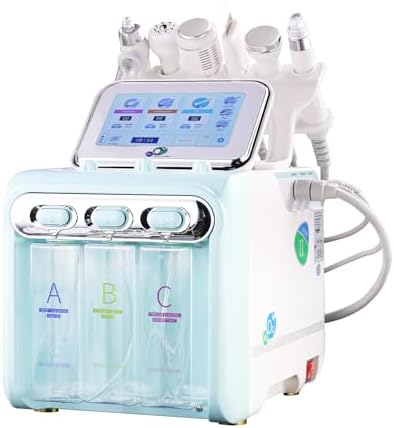
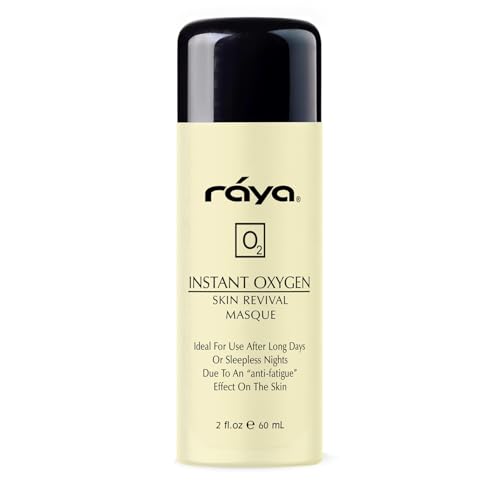
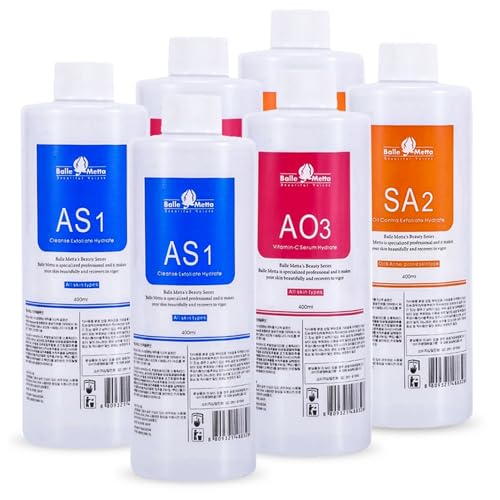
Recommended Oxygen Facial Machines on Amazon



In This Guide
- What an Oxygen Facial Machine Actually Does
- Types of Oxygen Facial Machines
- Features That Matter Most
- What the Evidence Says About Oxygen Facials
- Safety and Hygiene
- Client Consultation: Who Suits an Oxygen Facial
- How to Choose an Oxygen Facial Machine
- Professional vs Home Oxygen Facial Devices
- Combining Oxygen Facials With Other Treatments
- Dos and Don’ts
- Honest Limits
- When to See a Dermatologist
- Questions People Ask
- The Takeaway
Quick Answer
- Oxygen facial machines spray a fine mist of serum or water under pressure.
- Many use compressed air rather than concentrated oxygen.
- Most of the glow comes from hydration, serums and massage.
- Look for adjustable pressure, a fine nozzle and easy cleaning.
- Hygiene of reservoirs and nozzles is essential.
- Results are temporary and evidence for oxygen itself is limited.
- Pure oxygen equipment needs fire-safety precautions.
What an Oxygen Facial Machine Actually Does
An oxygen facial machine pushes a stream of air, or air enriched with oxygen, through a nozzle along with a liquid, usually a hydrating serum, saline-style mist or water. The result is a cool, very fine spray that is moved across the skin in slow passes.
Treatments typically last only a few minutes as a step within a longer facial. Clients usually feel a pleasant, cooling breeze. Skin looks fresher and plumper afterwards because it has been cleansed, hydrated and gently stimulated. Some machines also include extra handpieces, such as suction, radiofrequency, ultrasonic spatulas or LED, turning the oxygen spray into one step of a longer treatment.
The word oxygen on a listing does not always mean the machine delivers concentrated oxygen. Many units use a small compressor to produce pressurised room air. Check the specification or ask the seller exactly what comes out of the nozzle.
Types of Oxygen Facial Machines
Oxygen facial machines fall into a few broad groups. The right one depends on your treatment menu, space and budget for consumables.
| Type | How it works | Best for | Things to check |
|---|---|---|---|
| Handheld sprayer or injector | Small compressor drives serum mist through a nozzle | Add-on step in facials, mobile work | Spray fineness, noise, battery or cable |
| Oxygen jet with concentrator | Built-in or separate concentrator raises oxygen level | Dedicated oxygen treatments | Oxygen output details, fire safety |
| Multi-function hydro-oxygen unit | Oxygen spray plus suction, cleansing and other heads | Full treatment rooms | Quality of each handpiece, cleaning |
| Dome or mask system | Face sits under a dome with oxygen-rich air | Relaxing finish to a facial | Cleaning of the dome, client comfort |
For most salons, a reliable sprayer or a well-built multi-function unit is enough. A dedicated concentrator adds cost, maintenance and safety requirements without clear evidence that it changes the result for the skin. If you work from a small room or travel to clients, a compact, quiet sprayer is often the more practical choice.
Features That Matter Most
When comparing machines, focus on what affects the treatment and the client, not on the number of handpieces in the photo.
- Adjustable pressure, so you can soften the spray on sensitive skin and around the eyes.
- A fine, even mist that does not spit droplets or clog easily.
- Clear information on whether the machine delivers air or oxygen, and at what level.
- Reservoirs and nozzles that detach for cleaning and drying.
- Quiet operation, because a loud compressor spoils the relaxing feel of a facial.
- Stable build, sensible cable length and a handpiece that is comfortable to hold.
- Electrical safety marking, a clear manual and access to spare parts.
Ask for a demonstration or a video of the machine running if you can, so you can see the spray and hear the compressor before you commit. If you are buying a multi-function unit, check each handpiece separately. A strong oxygen sprayer paired with a weak or uncomfortable suction head is not good value if you will use both.
What the Evidence Says About Oxygen Facials
Oxygen facials are well liked, but high-quality evidence that topical oxygen improves the skin is limited. Skin receives its oxygen mainly from the blood supply, and a short spray does not change that in any lasting way.
| Claim | What is realistic |
|---|---|
| Instant glow and plumpness | Yes, mostly from hydration, cooling and massage |
| Better serum absorption | Possible slight help, but evidence is limited |
| Calmer look after extractions | Cooling mist can feel soothing |
| Lasting collagen boost | Not supported by good evidence |
| Wrinkle reduction | Temporary plumping only |
| Acne treatment | Not a substitute for proven acne care |
The honest way to describe an oxygen facial is as a hydrating, refreshing treatment with a pleasant sensory experience. That is a real benefit for events and for dull, dehydrated skin, but it should not be sold as a medical or long-term anti-ageing treatment. Setting honest expectations also protects your reputation, because clients who expect lasting change are more likely to be disappointed.
Safety and Hygiene
Oxygen facial machines are low risk when used correctly, but two areas need attention: hygiene and, for concentrated oxygen, fire safety. Both are easy to manage with simple daily habits and clear written procedures for staff.
- Empty, clean and dry reservoirs daily so water does not sit and grow microbes.
- Clean nozzles and handpieces between clients according to the manual.
- Use only serums and liquids the manufacturer says are compatible.
- Keep the spray away from eyes, or ask clients to keep eyes closed.
- Patch test new serums on clients with sensitive or reactive skin.
Concentrated oxygen makes materials burn more easily. Keep oxygen equipment away from open flames, candles, heaters and smoking, follow the manufacturer’s storage guidance, and never modify the machine or use medical oxygen cylinders with it unless it is designed for that.
Client Consultation: Who Suits an Oxygen Facial
Because the treatment is gentle, most clients can have an oxygen facial. A short consultation still matters, because the serums, the pressure and any extra steps can cause problems for some skin.
- Good fit: dull, dehydrated or tired-looking skin, and clients wanting a fresh look before an event.
- Good fit: clients who find stronger treatments too harsh and want a relaxing option.
- Take care: sensitive skin, rosacea or known reactions to fragrance or botanical extracts.
- Take care: very active acne, where extra product and pressure can aggravate spots.
- Postpone: open wounds, cold sores, sunburn or a recent cosmetic procedure on the face.
- Ask first: clients with breathing conditions, who may find a strong airflow near the nose uncomfortable.
Record the serum used and the settings for each client. If a client reacts, this makes it easy to identify the cause and avoid it next time. It also helps you repeat a treatment that a client particularly enjoyed.
How to Choose an Oxygen Facial Machine
These steps help you pick a machine that suits your treatments and will stay reliable and clean.
Decide how you will use it
A quick add-on step needs a simple sprayer; full oxygen treatments may justify a larger unit.
Check the air or oxygen source
Ask exactly what the nozzle delivers and whether a concentrator is included.
Test the spray quality
The mist should be fine and even, with adjustable pressure.
Inspect cleaning design
Reservoirs, nozzles and hoses should detach and dry easily.
Confirm safety documents
Look for electrical safety marking, a manual and fire-safety guidance.
Check consumables
Know which serums work with it and how easy they are to buy.
Plan training and aftercare
Train staff on settings, hygiene and honest client explanations.
Use a simple, fragrance-free hydrating serum in the machine for most clients. Fewer ingredients mean fewer reactions, and hydration is where most of the visible benefit comes from anyway.
Professional vs Home Oxygen Facial Devices
Home oxygen facial devices are usually small handheld sprayers or mist injectors. They create a fine spray of water or serum with pressurised air, similar to a basic professional sprayer but with less power and a smaller reservoir.
For home use, they can make applying a hydrating mist feel more pleasant, but they do not deliver anything a good hydrating serum and moisturiser cannot. The same hygiene rules apply: empty and dry the reservoir after each use, and never leave water or serum sitting in it between sessions. Use distilled water or the liquid the manufacturer recommends, because tap water can leave mineral deposits that block the nozzle. A daily broad-spectrum sunscreen and a gentle routine will do far more for long-term skin health than any mist. Clients who like the feel of an oxygen facial can combine occasional professional treatments with a simple home routine.
Combining Oxygen Facials With Other Treatments
Oxygen spray is often the final, soothing step after cleansing, exfoliation or extractions. That can work well, as long as the earlier steps are gentle enough for the client’s skin. The AAD guidance on how to exfoliate safely explains why stacking several exfoliating steps can leave skin red and irritated, so keep strong peels and aggressive suction for separate sessions.
Our comparison of hydradermabrasion and oxygen facials explains how these two treatments differ. For clients asking how often to book, our guide on how often to get a professional facial gives sensible intervals, and our post on what not to do after a facial is useful for aftercare.
Dos and Don’ts
Worth Doing
- Choose adjustable, gentle pressure
- Clean and dry reservoirs every day
- Use simple, compatible serums
- Describe results as temporary hydration and glow
- Keep oxygen equipment away from flames
Skip It
- Promise collagen or wrinkle repair
- Leave water standing in the machine
- Spray directly into the eyes
- Mix in untested or oily liquids
- Buy a machine with no manual or safety marking
Honest Limits
An oxygen facial machine can make treatments more enjoyable and leave skin looking fresh, but it is not a corrective treatment. It will not treat acne, scars, pigment or sagging, and there is little reliable evidence that the oxygen itself makes a lasting difference.
Machines sold with medical-sounding claims, such as cell regeneration or detoxifying the skin, deserve extra scepticism. A well-built, easy-to-clean sprayer used with a gentle serum often gives the same visible result as a much more expensive system. Spend on reliability, hygiene and training rather than on extra handpieces you may rarely use, and replace worn nozzles and hoses before they start to spit or leak.
When to See a Dermatologist
- Skin becomes red, itchy or swollen after an oxygen facial.
- You have acne, rosacea or eczema that needs medical treatment.
- You notice bumps or irritation that do not settle within a few days.
- You want lasting results for wrinkles, scars or pigment.
This article is for general information and does not replace professional medical advice. Anyone with a skin condition or a reaction to a treatment should see a board-certified dermatologist.
Questions People Ask
Do oxygen facial machines use real oxygen?
Some do, but many use compressed room air.
Does an oxygen facial really work?
It hydrates and refreshes the skin, but results are temporary.
Is an oxygen facial good for acne?
It can feel soothing, but it does not treat acne.
Is an oxygen facial safe for sensitive skin?
Usually, with gentle pressure and a simple serum.
How long do results last?
Usually a few days.
What serum should I use in the machine?
A compatible, fragrance-free hydrating serum.
Are home oxygen sprayers worth it?
They are pleasant but add little beyond good skincare.
How should I clean the machine?
Empty, clean and dry reservoirs and nozzles as the manual says.
Is concentrated oxygen dangerous?
It raises fire risk, so keep it away from flames and heat.
Can oxygen facials reduce wrinkles?
Only temporarily, through hydration and plumping.
The Takeaway
The best professional oxygen facial machine gives a fine, adjustable spray, is easy to clean and comes with clear safety information, whether it uses oxygen or compressed air.
Use it as a hydrating, refreshing step, keep it scrupulously clean, and be honest with clients that the glow is real but temporary.

Written by
Registered pharmacist and founder of Facial Adviser. Rakib's pharmacy training covers how skincare actives work and interact; a later course in cosmetology turned that into a focus on facial treatments and skincare products. He plans, researches and edits every guide on the site and checks health claims against sources such as the American Academy of Dermatology, the FDA and the NIH. He is not a dermatologist; see the Editorial Policy and Medical Disclaimer.
About · Editorial policy · How we choose products · Medical disclaimer · Contact