How to Make Your Spray Tan Last Longer
If you’re trying to make your spray tan last longer than the usual few days, the difference usually comes down to a handful of specific, avoidable habits rather than luck.
Part of our guide to professional machines. Start with: Best Professional Oxygen Facial Machine: Features, Safety and Results
Once DHA has fully developed on your skin, hot water, chlorine, friction from clothing, and shaving or waxing timing are the biggest factors that determine whether your tan fades evenly over its natural 3-to-10-day life or fades early and patchy. “Tan extender” products aren’t a distinct technology with unique science behind them; the real driver is mostly which ingredients they avoid, not what they add.
Friction-driven fading looks different from water-driven fading, and recognizing which pattern you’re seeing points directly to the right fix.
This guide covers exactly what accelerates fading after your tan has developed, and a simple daily routine that helps you get the full, even use of the days you already have.
Recommended Oil-Free Moisturizers for Tan Maintenance
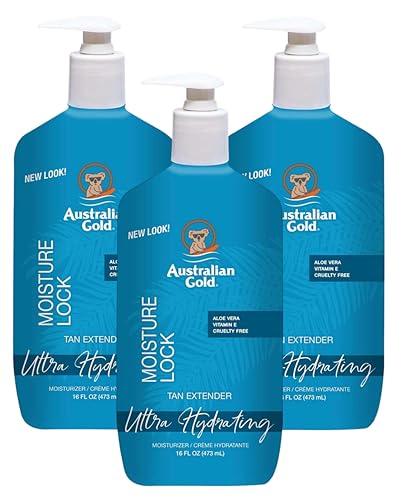
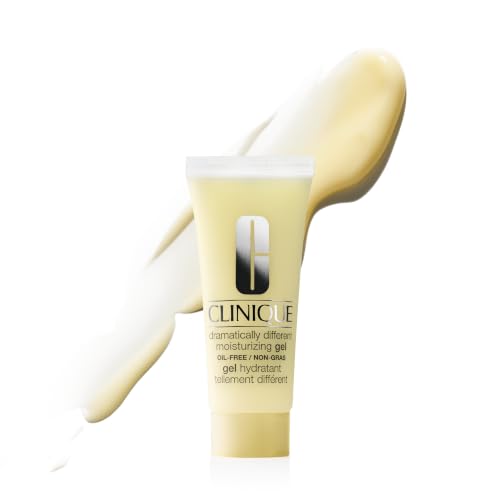
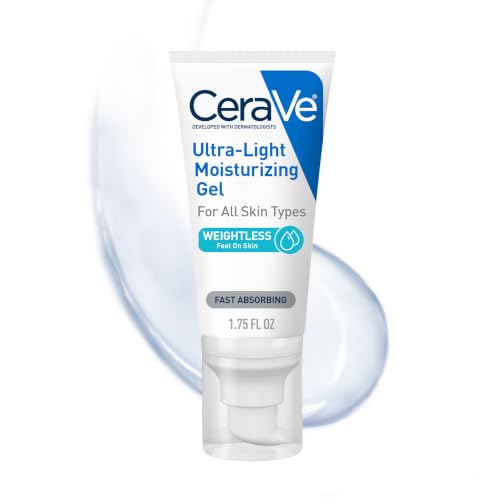

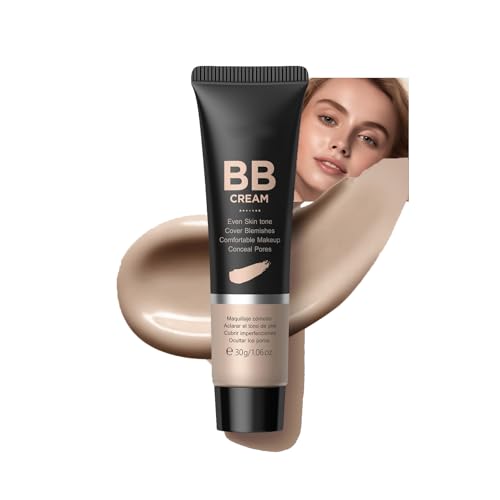

What Actually Fades a Spray Tan
A spray tan’s color comes from dihydroxyacetone, or DHA, reacting with amino acids in the outermost layer of your skin in a Maillard reaction — the same basic chemistry that browns toast. That layer sheds naturally, which is why any spray tan fades on its own timeline of roughly three to ten days no matter what you do, according to DermNet NZ, the clinical dermatology reference. What actually varies enormously, and what this guide focuses on, is whether you get the full, even life out of that window or lose color early and unevenly. Once a tan has fully developed, the fading rate isn’t fixed — it’s shaped by specific, identifiable habits: how hot your showers run, how much chlorine or saltwater your skin sees, how tight your clothing is, and what you put on your skin day to day.
Shopping these picks?
Amazon Prime members get fast, free shipping on eligible items, plus Prime Video, Amazon Music and member deals. New members can start with a free trial.
Start a free Prime trialAged 18 to 24? Prime for Young Adults comes with a longer free trial and a lower price after it.
Affiliate link: we may earn a commission at no extra cost to you.
This is a maintenance guide, not a chemistry explainer or a first-four-hours guide — those are covered elsewhere on this site. Here, the focus is entirely on what happens after your tan has developed, day by day, and which specific habits are quietly cutting days off it. Most of what shortens a tan’s life isn’t washing it off directly, it’s a handful of separate mechanisms working on the same stained skin cells at once.
The Fast Version
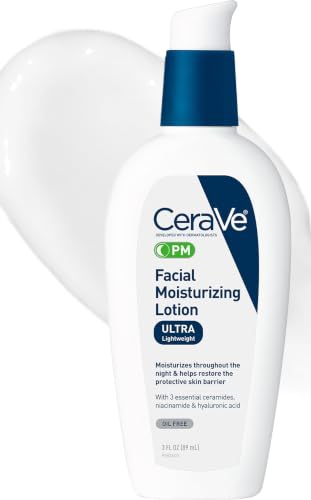
- A tan fades on its own natural timeline of about 3 to 10 days as stained skin cells shed — nothing extends that biology, but plenty of habits shorten it early.
- Hot showers, baths, and hot tubs soften and loosen the stained outer skin layer faster than lukewarm water does.
- Chlorine and saltwater fade a tan through three separate mechanisms at once: chemical oxidation, oil-stripping, and physical exfoliation.
- Tight clothing and synthetic fabrics cause visibly patchy, uneven fading at friction points, not just overall dulling.
- Shaving and waxing timing relative to your tan matters as much as whether you do them at all.
- Independent, clinical-trial evidence for “tan extender” lotions specifically doesn’t really exist — the honest case for them is more modest than the marketing.
Where to Go
- What Actually Fades a Spray Tan
- Hot Water, Pools, and Chlorine
- Friction and Clothing
- Shaving, Waxing, and Exfoliation Timing
- Do Tan Extender Lotions Actually Work?
- A Simple Daily Maintenance Routine
- Who Gets the Most Out of These Habits
- Who Should Modify Certain Steps
- When It’s a Skin Reaction, Not a Fading Issue
- A One-Minute Fade-Pattern Check
- Where the Evidence Runs Out
- Frequently Asked Questions
Hot Water, Pools, and Chlorine
Heat is one of the biggest, most avoidable accelerants. Hot showers, baths, and hot tubs open pores, increase sweating, and soften the stained stratum corneum — the same outer skin layer holding your color — so it sheds faster and more visibly than it would under lukewarm water. This is a separate issue from the well-known “don’t shower for the first several hours” rule that applies right after application; this is about ongoing exposure across the tan’s entire life, every day you’re washing or bathing.
Chlorine compounds the problem through three distinct mechanisms working at once, not just one. It’s a chemical oxidizer that breaks down the melanoidins — the actual pigment compounds DHA creates in your skin — directly fading color at a molecular level. It also strips natural skin oils, leaving skin dry in a way that reads visually as patchy or dull. And separately, pool and ocean water both act as mild physical exfoliants on skin that’s already softened by prolonged water exposure. Reported real-world estimates put regular chlorine exposure as cutting a tan’s usual 5-to-10-day life down to roughly 3 to 5 days — a meaningful, and avoidable, loss.
| Water exposure | Why it fades color faster | Practical fix |
|---|---|---|
| Hot showers/baths | Heat softens and loosens the stained outer skin layer | Lukewarm water, shorter showers |
| Chlorinated pools | Chemical oxidation of pigment plus oil-stripping | Rinse and moisturize promptly after swimming |
| Saltwater/ocean | Acts as a mild physical exfoliant on softened skin | Same as above; a light barrier balm before swimming can help |
Friction and Clothing
Water and heat tend to fade a tan fairly evenly across the whole body. Friction does the opposite — it fades color unevenly, in specific, recognizable locations. Tight clothing, synthetic activewear, bra bands, waistbands, and anywhere fabric repeatedly rubs against skin physically abrades the color layer faster than it would naturally shed elsewhere. That’s why a fading tan so often shows lighter patches at the elbows, knees, underarms, and waistband specifically, rather than fading as one uniform shade all over.
This distinction matters practically: if your tan is fading in visible patches at specific friction points while other areas stay even, the fix is different clothing choices and less scrubbing at those spots, not a different moisturizer or a shorter shower. Loose, breathable fabrics in the first several days after a tan, and avoiding tight waistbands or bra bands where possible, meaningfully reduces this specific kind of fading.
Shaving, Waxing, and Exfoliation Timing
Timing relative to your tan matters as much as the habit itself. Shaving or waxing should happen at least 24 hours before a spray tan, not after — this lets pores fully close and skin recover, avoiding the uneven, speckled “dotted” absorption pattern that happens when DHA settles into freshly opened hair follicles. After the tan, the guidance reverses: wait roughly 5 to 7 days or more before shaving again, since a razor physically scrapes away the tanned outer layer of skin with every stroke, and each shave after that will visibly lighten the shaved area. Waxing after a tan is generally discouraged altogether, because wax pulls off a layer of skin along with the hair — taking tanned color with it and leaving light patches exactly where you waxed.
Exfoliation timing works in reverse of what most people assume, too. The right time to exfoliate is 24 to 48 hours before your next tan, to clear dead skin cells for an even base — not partway through your current tan, when exfoliating just strips existing color unevenly. This connects to the same roughly 28-to-40-day skin cell turnover cycle covered elsewhere on this site in the context of exfoliating treatments: DHA-stained cells shed at that same natural rate, so exfoliating mid-tan is really just speeding up an already-uneven part of that shedding process.
Do Tan Extender Lotions Actually Work?
“Tan extender” products aren’t a distinct technology with their own mechanism — they fall into one of two categories. Some contain a low concentration of DHA, typically in the range of 1 to 2 percent, designed to gently top up color without the full strength of a fresh application. Others contain no DHA at all and are functionally just fragrance-free, oil-free moisturizers with tan-adjacent marketing language. The real differentiator isn’t some unique “extending” ingredient — it’s mainly the absence of ingredients known to strip color faster, like mineral oil, heavy emollients, alcohol denat., and glycolic or lactic acid.
Independent or clinical evidence for tan extenders as a product category essentially doesn’t exist; what’s available is self-reported, uncontrolled industry comparisons, not trials. One such comparison reported a dedicated extender adding roughly two to three extra days of visible color over a plain lotion — a real but modest difference, and one that’s confounded by not isolating the hydration effect from any added DHA. The honest framing: a genuinely oil-free, fragrance-free moisturizer used consistently gets you most of the real benefit, whether or not it’s specifically labeled a “tan extender.”
| Product type | What’s actually in it | Realistic expectation |
|---|---|---|
| DHA-containing extender | Low-concentration (~1-2%) DHA plus moisturizer base | Modest genuine color top-up, similar to a light reapplication |
| Non-DHA “extender” lotion | Oil-free, fragrance-free moisturizer with tan-adjacent marketing | Same benefit as any good oil-free moisturizer — slower, more even fading |
| Regular oil-based lotion | Contains emollients and oils that can strip color faster | Fastest fading of the three options; best avoided while tan is active |
A Simple Daily Maintenance Routine
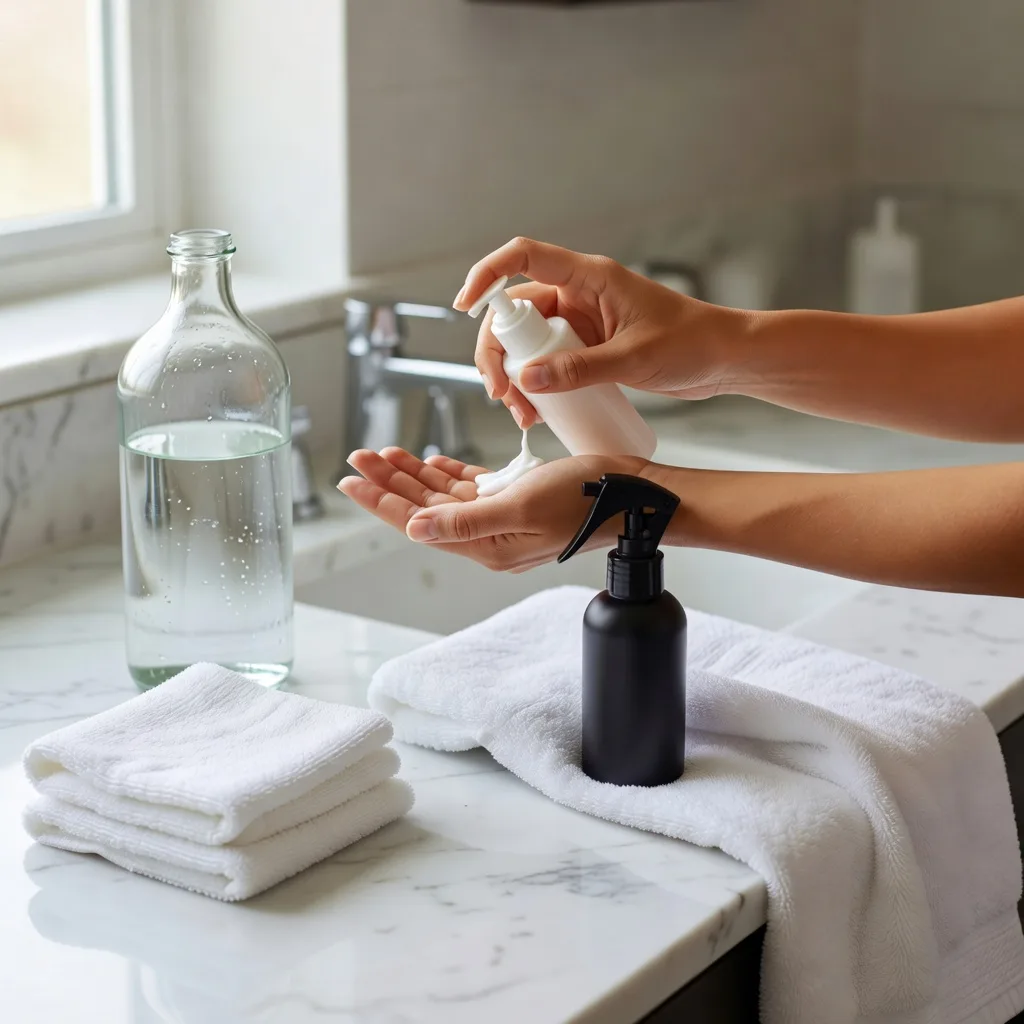
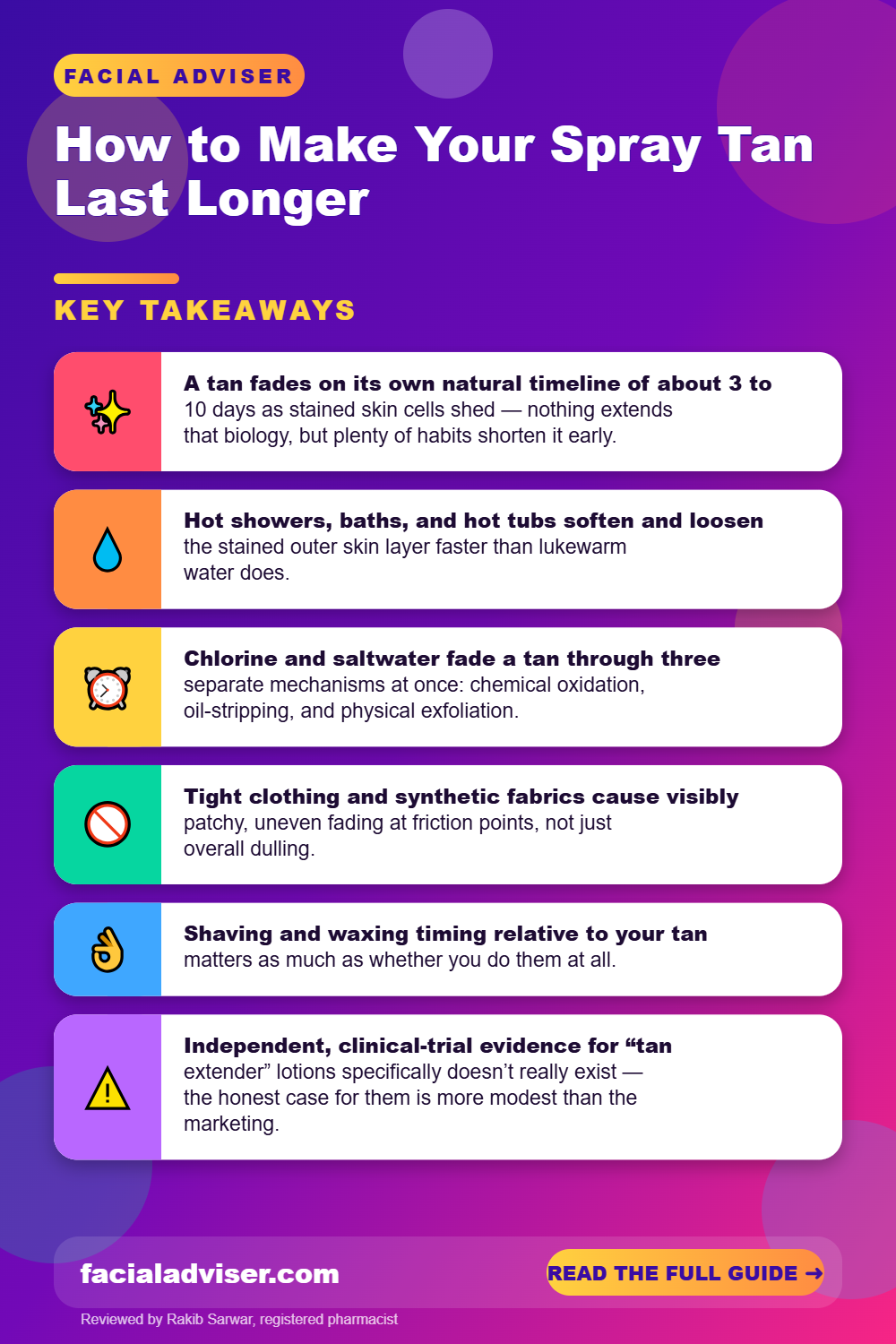
Moisturize twice daily with an oil-free lotion
Apply morning and night, focusing on drier areas like elbows, knees, and ankles where fading tends to show first.Keep showers lukewarm and brief
Hot water softens and sheds the stained skin layer faster than lukewarm water does.Pat, don’t rub, when drying off
Rubbing with a towel adds friction exactly where you don’t want it.Rinse promptly after pools or the ocean
A quick rinse and a light moisturizer afterward limits chlorine and saltwater’s fading effect.
Who Gets the Most Out of These Habits
Anyone who tans regularly and wants to stretch the useful life of each application benefits most from tightening up these habits, especially people who swim, exercise in tight synthetic activewear, or take hot showers by default. If you’re deciding whether a spray tan is worth doing at all given how it develops and fades, our guide on spray tan aftercare covers the regulatory and safety basics from the very start of the process. People who shave frequently or exfoliate as part of an existing skincare routine get the most value specifically from adjusting timing around those two habits, since they’re the ones most likely to unknowingly cut a tan short.
Do
- Moisturize with an oil-free lotion twice a day
- Keep showers lukewarm and reasonably short
- Time shaving and exfoliation around your tan, not randomly
Don’t
- Take long hot showers or soak in a hot tub if you want your tan to last
- Wax over an existing tan
- Assume a “tan extender” label means a fundamentally different product
Who Should Modify Certain Steps
People with rosacea, allergic contact dermatitis, or atopic dermatitis can have real reactions to DHA itself, according to DermNet NZ, which is a separate issue from ordinary fading and worth discussing with a dermatologist before repeat tanning rather than trying to manage around it with moisturizer alone. Anyone with broken, recently shaved, or freshly exfoliated skin should expect a spray tan to develop unevenly on those areas regardless of how carefully aftercare is followed, since the base surface itself is inconsistent.
When It’s a Skin Reaction, Not a Fading Issue
Uneven fading is cosmetic and expected. A genuine skin reaction is different: persistent redness, itching, swelling, or a rash that develops after a spray tan application, especially in someone with a history of rosacea or eczema, warrants seeing a dermatologist rather than treating it as a fading or maintenance problem. Reactions during the spraying process itself, including respiratory irritation, are also worth flagging to a doctor if they don’t resolve quickly, per DermNet NZ’s noted concern for people with lung disease.
A One-Minute Fade-Pattern Check
Look at how your tan is actually fading. If it’s fading unevenly at specific friction points — waistband, bra line, inner thighs, underarms — while the rest of your skin stays relatively even, friction and clothing choices are the dominant cause, and the fix is looser fabrics and gentler drying at those spots. If instead it’s fading uniformly all over on roughly the same timeline no matter what you’re wearing, chemical and water exposure — hot showers, chlorine, oil-based products — is the more likely driver, and the fix is adjusting water temperature and moisturizer choice. This is an observational pattern check based on the distinct mechanisms above, not a clinical diagnostic test, but it reliably points you toward the right fix.
Where the Evidence Runs Out
Be honest about what this topic actually has behind it: unlike the DHA chemistry itself, which rests on real dermatology literature, most of the specific claims about extending a tan’s life — chlorine’s exact fading timeline, tan extenders’ added days, friction’s role — come from tanning-industry sources and self-reported comparisons, not peer-reviewed clinical trials. The underlying mechanisms (oxidation, oil-stripping, physical exfoliation, friction abrasion, cell turnover) are grounded in real skin biology, but the specific numbers floating around — “extends your tan by three days,” for instance — should be read as directional industry estimates, not clinical fact. Nothing here changes the tan’s underlying biological lifespan; these habits only help you get the full, even use of the days you already have.
Frequently Asked Questions
What’s the single biggest thing that fades a spray tan early?
Hot water exposure and chlorine are typically the biggest accelerants, since both actively soften and break down the stained outer skin layer.
Do tan extender lotions really work?
There’s no independent clinical evidence for them as a category; the honest benefit mostly comes from being an oil-free moisturizer, sometimes with a small amount of added DHA.
Should I shave before or after my spray tan?
Before, ideally at least 24 hours prior, so pores are closed and skin has recovered; shaving after the tan removes color with every stroke.
Can I exfoliate while my tan is still developing color?
No — exfoliate 24 to 48 hours before your next tan instead, since exfoliating during an active tan strips color unevenly.
Why does my tan fade in patches instead of evenly?
Patchy fading at elbows, knees, underarms, or the waistband usually points to friction from clothing rather than water or chemical exposure.
Is it safe to swim with a spray tan?
Yes, but chlorine and saltwater both accelerate fading through oxidation and physical exfoliation, so rinsing and moisturizing promptly afterward helps.
Does moisturizer type actually matter?
Yes — oil-based lotions tend to strip color faster, while oil-free, fragrance-free formulas support more even, gradual fading.
Can waxing be done over an existing tan?
It’s best avoided; wax physically pulls off a layer of tanned skin along with the hair, leaving light patches.
Who should be cautious about repeat spray tanning?
People with rosacea, allergic contact dermatitis, or atopic dermatitis, since DHA itself can trigger real reactions in those conditions.
How long does a spray tan normally last without any special care?
Roughly three to ten days, as the DHA-stained outer skin layer naturally sheds — these habits help you get the full, even end of that range.

Written by
Registered pharmacist and founder of Facial Adviser. Rakib's pharmacy training covers how skincare actives work and interact; a later course in cosmetology turned that into a focus on facial treatments and skincare products. He plans, researches and edits every guide on the site and checks health claims against sources such as the American Academy of Dermatology, the FDA and the NIH. He is not a dermatologist; see the Editorial Policy and Medical Disclaimer.
About · Editorial policy · How we choose products · Medical disclaimer · Contact
Keep reading: Professional spa machines
- Best Professional Oxygen Facial Machine: Features, Safety and Results
- Cavitation Massage: What the Real Evidence Shows
- Isavera Fat Freezing System: Does At-Home Fat Freezing Work?
- 10 Best Body Wash for Spray Tan (2026): Before and After Picks
- Is 80k Cavitation Better Than 40k?
- Can Cavitation Cause Cancer? The Real Question to Ask First