Glycolic Acid Facial: What the Evidence Shows
A glycolic acid facial can mean a mild drugstore toner or a genuine professional chemical peel, and that gap matters more than most product pages let on.
Part of our guide to facial treatments. Start with: Facial vs Chemical Peel: Differences, Results and Which to Choose
Glycolic acid has real, well-documented evidence for improving rough skin texture specifically, but a large 2025 network meta-analysis found it doesn’t come close to matching retinoids for fine wrinkles — a distinction that changes which treatment makes sense for which goal.
Photosensitivity and barrier disruption are real, dose-dependent risks that make daily sunscreen a genuine requirement, not an afterthought.
This guide covers what a glycolic acid facial actually does at each concentration level, and where the evidence is stronger or thinner than the marketing suggests.
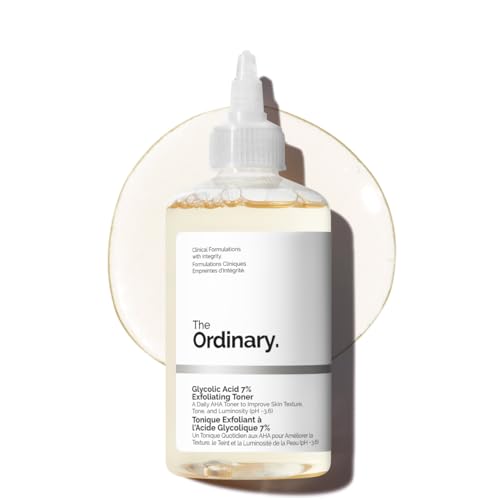
Recommended At-Home Glycolic Acid Products
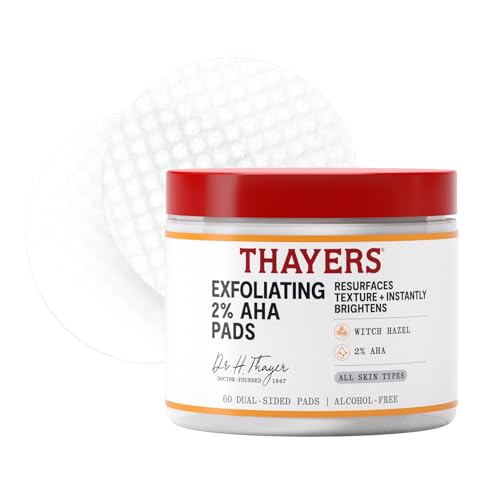
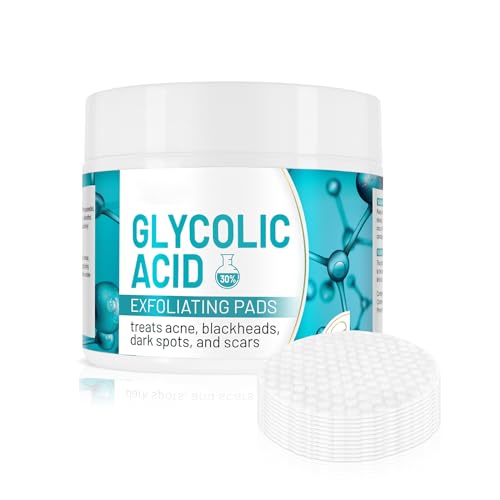
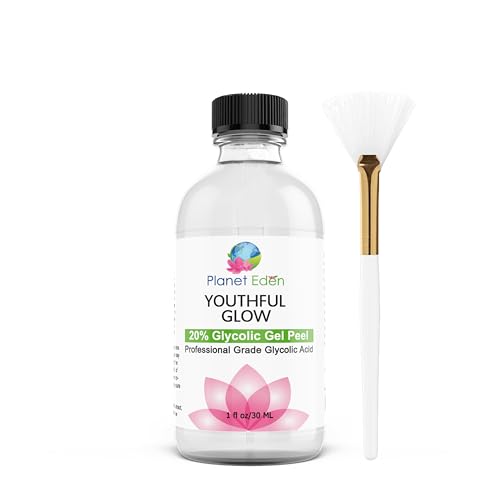
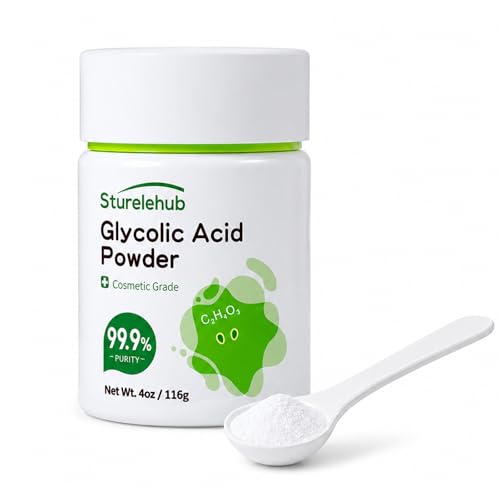


What a Glycolic Acid Facial Actually Involves
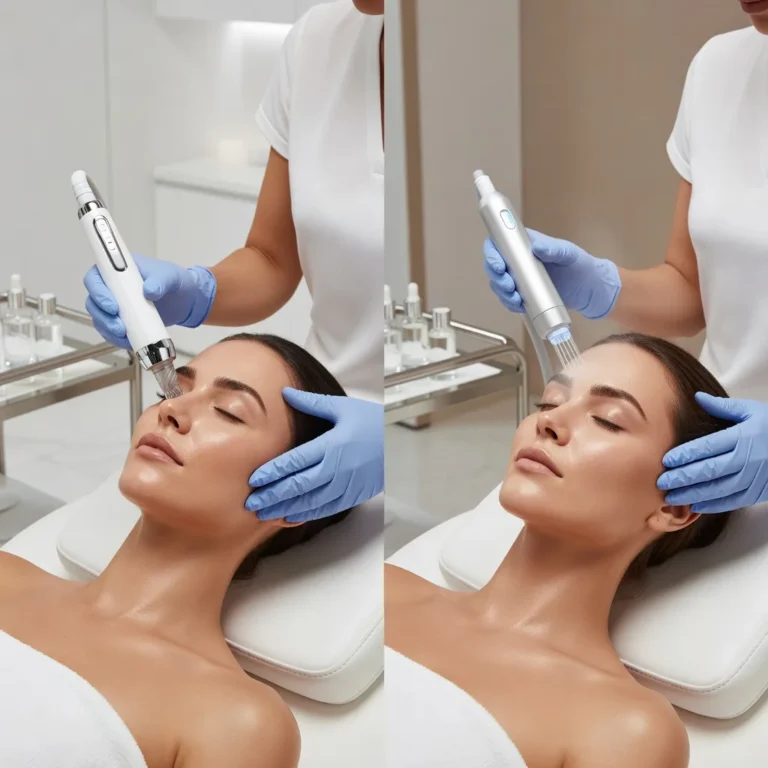
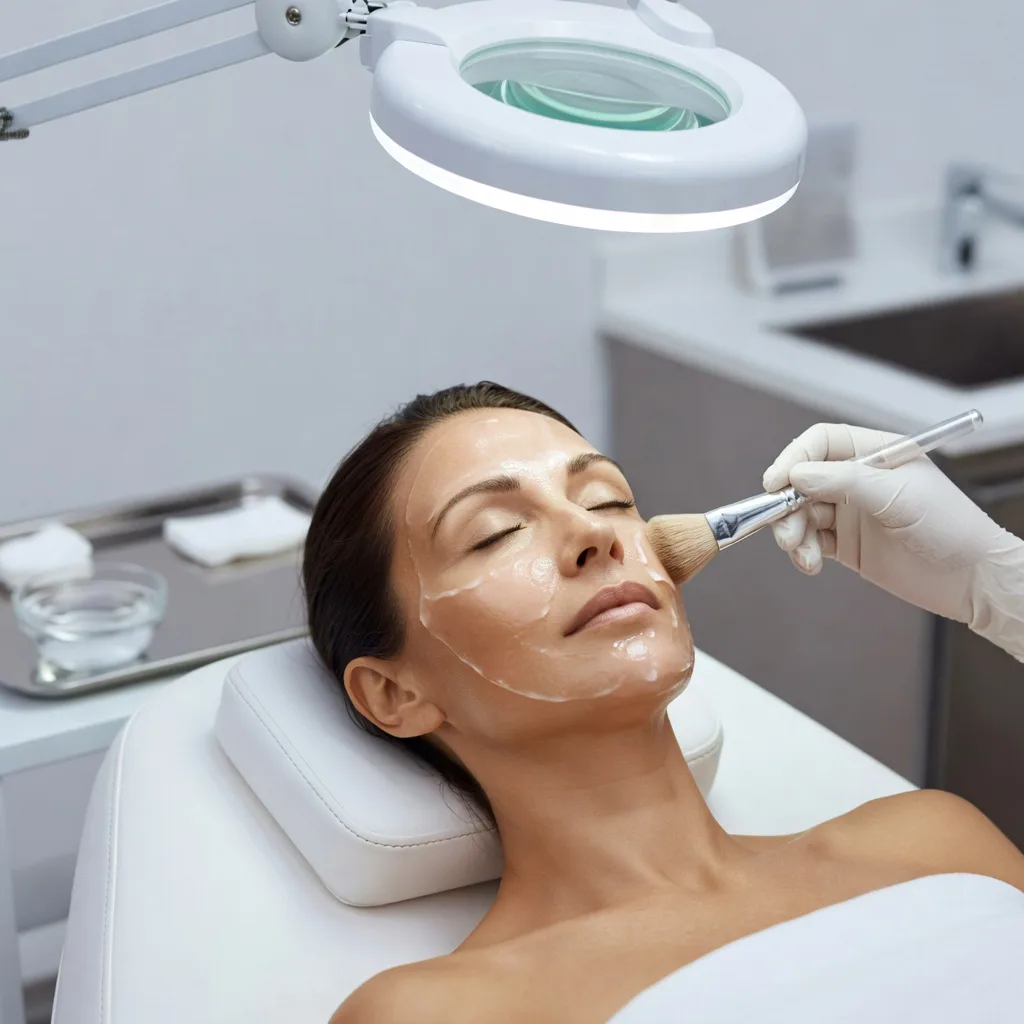
A glycolic acid facial applies an alpha-hydroxy acid (AHA) derived from sugar cane to the skin at a range of strengths, from a gentle at-home product up to a genuine professional chemical peel. The strength gap is large: over-the-counter products typically run 5-10% for mild daily exfoliation, while professional peels commonly use 20-30% for standard resurfacing, and documented clinical studies have used concentrations as high as 50-70% for medium-depth resurfacing, often sequenced with other acids like TCA.
Shopping these picks?
Amazon Prime members get fast, free shipping on eligible items, plus Prime Video, Amazon Music and member deals. New members can start with a free trial.
Start a free Prime trialAged 18 to 24? Prime for Young Adults comes with a longer free trial and a lower price after it.
Affiliate link: we may earn a commission at no extra cost to you.
That spread matters because “glycolic acid facial” can mean genuinely different things depending on where you get one — a spa’s 20% peel and a drugstore toner with 8% glycolic acid are related in ingredient only, not in intensity or expected result. This guide covers what the evidence actually supports at each end of that range, and where the marketing outpaces the research. For a look at deeper chemical resurfacing beyond AHAs, our skin peel facial guide covers the broader depth categories these treatments fall into.
What You Need to Know First
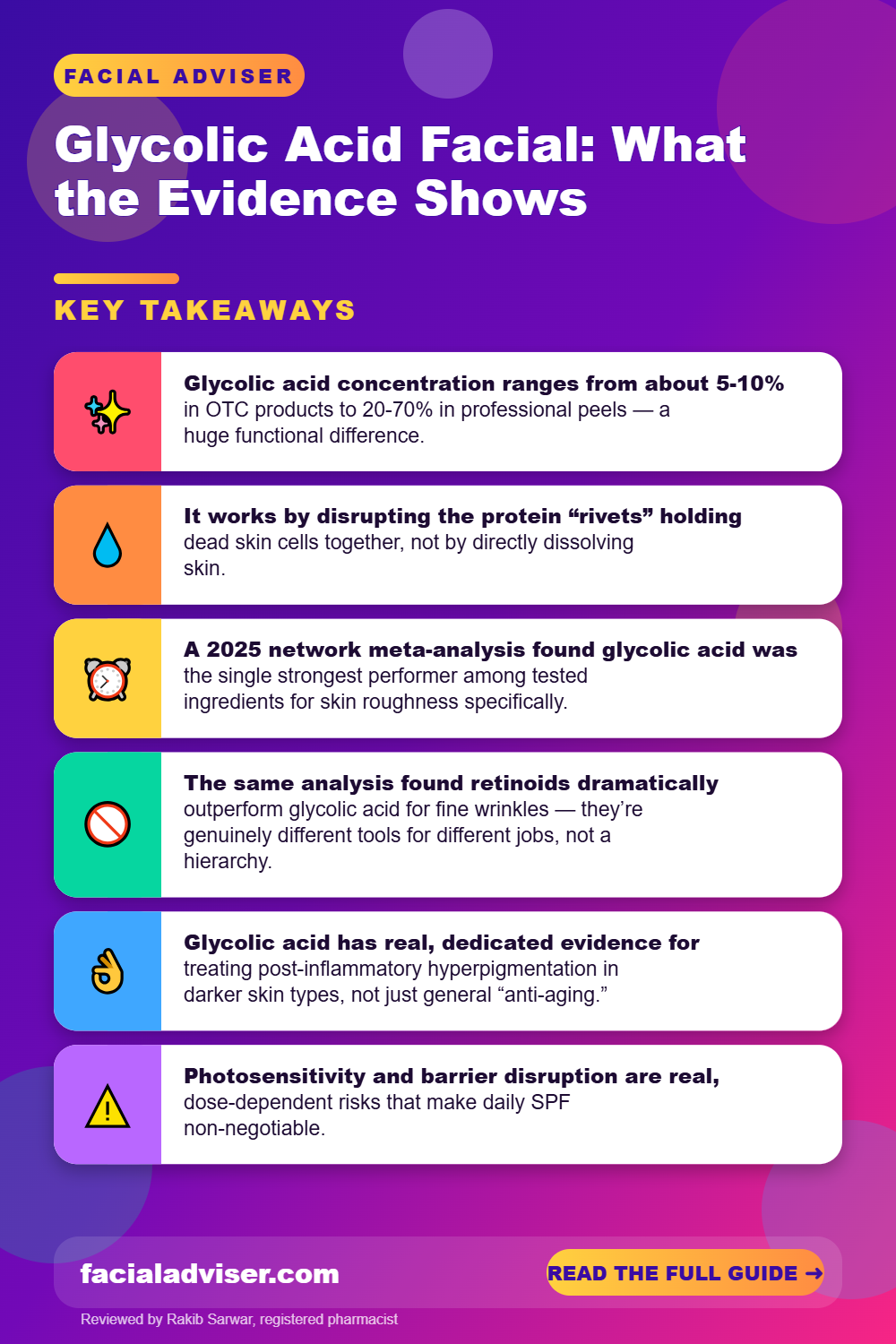
- Glycolic acid concentration ranges from about 5-10% in OTC products to 20-70% in professional peels — a huge functional difference.
- It works by disrupting the protein “rivets” holding dead skin cells together, not by directly dissolving skin.
- A 2025 network meta-analysis found glycolic acid was the single strongest performer among tested ingredients for skin roughness specifically.
- The same analysis found retinoids dramatically outperform glycolic acid for fine wrinkles — they’re genuinely different tools for different jobs, not a hierarchy.
- Glycolic acid has real, dedicated evidence for treating post-inflammatory hyperpigmentation in darker skin types, not just general “anti-aging.”
- Photosensitivity and barrier disruption are real, dose-dependent risks that make daily SPF non-negotiable.
Section Map
- What a Glycolic Acid Facial Actually Involves
- How Glycolic Acid Actually Works on Skin
- What the Research Actually Shows
- Glycolic Acid vs. Retinoids: Different Tools, Different Jobs
- Photosensitivity, Barrier Disruption, and Who Should Be Careful
- What a Professional Glycolic Peel Session Involves
- Who Glycolic Acid Actually Suits
- When to Avoid Glycolic Acid
- When to See a Dermatologist Instead
- A Simple Check Before You Commit to a Concentration
- Where the Evidence Runs Thinner Than the Marketing
- Frequently Asked Questions
How Glycolic Acid Actually Works on Skin
Glycolic acid is the smallest AHA molecule, which is part of why it penetrates skin more readily than larger acids like lactic acid. Mechanistically, AHAs work by disrupting corneodesmosomes — the protein structures that act like rivets holding dead skin cells (corneocytes) together in the stratum corneum — which stimulates natural desquamating enzymes and speeds shedding of the outer skin layer. A 2023/2024 review in the journal Cosmetics states the optimal formulation pH for meaningful exfoliative activity is “typically ranging from 3 to 5”; outside that range, the acid is present but not doing much practical work. This is a genuinely different mechanism from retinoids, which act on nuclear receptors to normalize how skin cells differentiate and upregulate collagen-related genes, rather than physically loosening the bonds between existing dead cells.
What the Research Actually Shows
The collagen-stimulation story has real support, though most of the strongest evidence sits at the cell-culture and tissue-explant level rather than large in-vivo human trials with histological confirmation. Kim et al. (Journal of Dermatology, 1998) found glycolic acid applied to cultured human skin fibroblasts increased cell proliferation and collagen synthesis, and Moy and Howe (Dermatologic Surgery, 1996) documented similar collagen-production effects in fibroblast cultures. More recently, Narda et al. (Journal of Cosmetic Dermatology, 2021) found glycolic acid adjusted to pH 4 stimulated collagen production and epidermal renewal in human skin explants without raising levels of the inflammatory marker TNF-alpha — a useful data point addressing the barrier-irritation question directly.
For hyperpigmentation specifically, a classic and still-cited study (Dermatologic Surgery, 1997) established glycolic acid peels’ benefit for post-inflammatory hyperpigmentation in Black patients — a dedicated evidence base for darker skin types that most general “anti-aging” content skips entirely. A 2025 randomized clinical trial in the Indian Journal of Dermatology directly compared an 80% lactic acid peel against a 50% glycolic acid peel for melasma, confirming this remains an actively studied comparative question. On texture specifically, a 2025 network meta-analysis in Scientific Reports pooling 11 RCTs and 2,096 participants found glycolic acid had the single strongest effect on skin roughness among all tested ingredients, with an odds ratio of 120.00 — beating both retinol (OR 5.49) and tretinoin (OR 1.91) on that specific outcome.
| Outcome | Best performer (2025 network meta-analysis) | Glycolic acid’s result |
|---|---|---|
| Skin roughness/texture | Glycolic acid (OR 120.00) | Strongest of all tested ingredients |
| Fine wrinkles | Isotretinoin (OR 116.23) | OR 2.36, not statistically significant (p=0.244) |
Glycolic Acid vs. Retinoids: Different Tools, Different Jobs
This is where a lot of skincare content oversimplifies. The same 2025 Scientific Reports network meta-analysis, using 22 RCTs and 3,801 subjects for fine-wrinkle outcomes, found retinoids dramatically outperformed glycolic acid: isotretinoin (OR 116.23), retinol (OR 14.10), and tretinoin (OR 6.87) all showed strong, statistically significant improvement, while glycolic acid’s fine-wrinkle result (OR 2.36) was not statistically significant. Flip the outcome to skin roughness, and glycolic acid wins decisively instead. The honest takeaway is that these are genuinely different tools solving different problems, not a hierarchy where one simply beats the other across the board.
Historically, the evidence base for AHAs has also been thinner than for retinoids. A 1998 American Academy of Family Physicians review noted that, at the time, tretinoin already had “several three- to six-month double-blind trials” behind it, while for AHAs “only one controlled trial has been conducted to date” — a trial that still found over 70% of lactic/glycolic acid users reported improvement versus 40% of controls, but the review’s blunt conclusion was that “data on alpha-hydroxy acids are lacking” despite their popularity. The evidence has grown substantially since, but AHAs entered the market well ahead of the rigorous trial data that eventually caught up to them.
| Concentration range | Typical context | Best-evidenced use |
|---|---|---|
| 5-10% | OTC daily products | Mild maintenance exfoliation |
| 20-30% | Standard professional peel | Texture, post-inflammatory hyperpigmentation |
| 50-70% | Medium-depth resurfacing, often sequenced with TCA | Deeper resurfacing under professional supervision |
Photosensitivity, Barrier Disruption, and Who Should Be Careful
AHAs measurably increase UV sensitivity and sunburn risk, which makes daily broad-spectrum SPF a non-negotiable pairing rather than a nice-to-have. Barrier disruption — irritation, redness, stinging, and increased water loss through the skin — is described in the literature as typically transient, but it’s dose- and concentration-dependent, and higher-percentage peels carry a genuinely higher risk of post-inflammatory hyperpigmentation in darker skin types if not properly buffered, neutralized, and followed with rigorous sun protection.
What a Professional Glycolic Peel Session Involves
Skin assessment and cleansing
The provider checks for active irritation or contraindications, then thoroughly cleanses and degreases the skin.Acid application
The glycolic solution, typically 20-30% for standard sessions or higher for medium-depth resurfacing, is applied evenly and timed carefully.Neutralization
A neutralizing solution stops the acid’s action at the intended depth — this step is what separates a controlled professional peel from an uncontrolled at-home over-application.Post-peel protection
A calming moisturizer and, critically, daily broad-spectrum SPF for the following days protect the freshly exfoliated skin.
Who Glycolic Acid Actually Suits
Glycolic acid is well suited to anyone dealing with rough texture, dullness, mild post-inflammatory hyperpigmentation, or looking for a well-evidenced exfoliation option with a comparatively fast track record for that specific outcome. It’s a reasonable complement to, rather than a replacement for, a retinoid if fine wrinkles are also a priority, given how differently the two perform on that particular outcome.
Do
- Match the concentration to your actual experience level, starting low with OTC products
- Pair every session with consistent daily SPF
- Consider alternating with a retinoid if wrinkles are also a concern
Don’t
- Combine a strong at-home product with a professional peel in the same week
- Use it on sunburned or actively irritated skin
- Expect it to outperform retinoids on fine wrinkles specifically
When to Avoid Glycolic Acid
Skip glycolic acid treatment, professional or at-home, if you have active dermatitis, a sunburn, an open wound, or recent isotretinoin use. Darker skin types considering a higher-percentage professional peel should have an explicit conversation with the provider about post-inflammatory hyperpigmentation risk and the specific aftercare plan to manage it, rather than assuming a standard protocol applies equally to every skin tone.
When to See a Dermatologist Instead
See a dermatologist rather than pursuing higher-concentration peels on your own if you have a diagnosed pigmentation condition like melasma, persistent post-inflammatory hyperpigmentation that isn’t responding to lower-strength products, or any active skin condition that could interact unpredictably with acid exfoliation.
A Simple Check Before You Commit to a Concentration
There’s no formal at-home diagnostic for how your skin will handle a given glycolic acid concentration, but a practical substitute exists: patch test any new percentage on a small area for a few days, and if you’re moving up from an OTC product to a professional peel, ask the provider directly what percentage they’re using and how it compares to what you’ve already tolerated. That single question does more to prevent an unpleasant surprise than any general skin-type guideline.
Where the Evidence Runs Thinner Than the Marketing
Be precise about what’s solid here: the texture-improvement evidence and the fine-wrinkle comparison against retinoids both come from a real, sizable 2025 network meta-analysis. What’s genuinely thinner is large-scale, in-vivo human evidence with histological confirmation for the collagen-stimulation story specifically — most of that comes from cell-culture and tissue-explant studies, which is a real evidence tier below a confirmatory human trial, even though the underlying mechanism is plausible and consistent across multiple independent studies.
Frequently Asked Questions
What percentage of glycolic acid is used in a professional facial?
Typically 20-30% for a standard peel, with some medium-depth protocols using up to 50-70%.
Is glycolic acid better than retinol?
Neither is universally better — glycolic acid has the stronger evidence for texture and roughness, while retinoids have the stronger evidence for fine wrinkles.
How often can I get a glycolic acid facial?
Professional peels are typically spaced several weeks apart; at-home low-percentage products are often used a few times a week, depending on tolerance.
Does glycolic acid really stimulate collagen?
Cell-culture and tissue-explant studies support this, though large in-vivo human trials with histological confirmation are comparatively limited.
Do I need sunscreen after a glycolic acid treatment?
Yes, every time — AHAs measurably increase sun sensitivity, and skipping SPF raises the risk of hyperpigmentation.
Can glycolic acid help with dark spots?
It has dedicated evidence for post-inflammatory hyperpigmentation specifically, distinct from general anti-aging claims.
Is glycolic acid safe for darker skin tones?
It can be, and even has specific evidence supporting its use, but darker skin types carry a higher risk of post-inflammatory hyperpigmentation if the peel isn’t properly managed.
What’s the difference between glycolic and lactic acid?
Glycolic acid is smaller and penetrates more readily; lactic acid is generally considered gentler and better tolerated by sensitive skin.
Can I use glycolic acid and retinol together?
Many dermatologists recommend alternating rather than combining them on the same night, to reduce irritation risk.
What does neutralizing a glycolic peel actually do?
It stops the acid’s action at the intended depth, which is what separates a controlled professional treatment from uncontrolled over-exfoliation.

Written by
Registered pharmacist and founder of Facial Adviser. Rakib's pharmacy training covers how skincare actives work and interact; a later course in cosmetology turned that into a focus on facial treatments and skincare products. He plans, researches and edits every guide on the site and checks health claims against sources such as the American Academy of Dermatology, the FDA and the NIH. He is not a dermatologist; see the Editorial Policy and Medical Disclaimer.
About · Editorial policy · How we choose products · Medical disclaimer · Contact
Keep reading: Chemical peels and acid facials
- Facial vs Chemical Peel: Differences, Results and Which to Choose
- 10 Best Facial Peels for Aging Skin (2026): Smoother, Brighter at Home
- Is Facial Peeling After a New Product Normal? What to Do
- Grape Peel Treatment: What It Really Does
- Vitalize Peel Treatment: What's Really In It
- Microneedling Facial: Real Results, Explained
- Is Hydrafacial a Gimmick? What Evidence Shows