Facial Oil vs Serum: Which Does Your Skin Need, and Which Goes First?
Face oils and serums often sit side by side in the same routine, sometimes even in the same small dropper bottles. Both are marketed as concentrated, both cost more than an ordinary moisturizer, and both promise glowing skin. So which one do you actually need, and if you use both, which goes on first?
Part of our guide to skincare products. Start with: 10 Best Facial Moisturizers for Dry Skin (2026): Rich, Gentle Creams
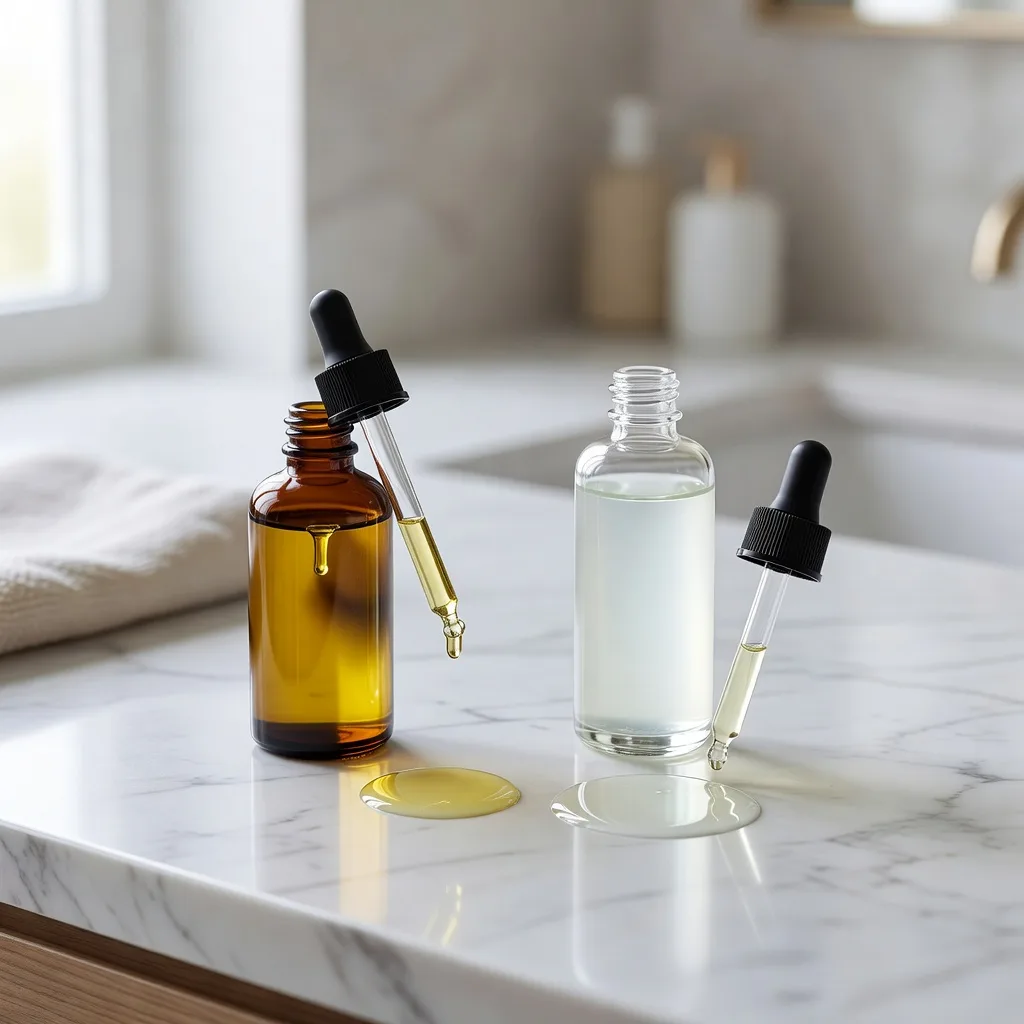
A serum is usually a water-based formula that delivers hydration or a targeted active ingredient into the skin. A facial oil is an emollient that sits on top, softens, and slows moisture from escaping. One adds, the other seals. That is why they are not really alternatives to each other, even though they are often shopped for as if they were.
Choosing the right one starts with a question most people skip: is your skin short on water or short on oil? Dehydrated skin needs water, which a humectant serum provides. Dry skin needs lipids, which an oil or rich moisturizer provides. Oily skin can still be dehydrated, which is why a greasy-but-tight face often does better with a serum than with more oil.
Order matters too. A water-based serum applied over an oil struggles to reach the skin, so the general rule is serum first and oil later. There are exceptions, such as oil-based serums, which this guide covers.
Below you will find how serums and oils differ, a simple check to tell whether your skin lacks water or oil, how to layer them, and what each can and cannot realistically do.
Shopping these picks?
Amazon Prime members get fast, free shipping on eligible items, plus Prime Video, Amazon Music and member deals. New members can start with a free trial.
Start a free Prime trialAged 18 to 24? Prime for Young Adults comes with a longer free trial and a lower price after it.
Affiliate link: we may earn a commission at no extra cost to you.
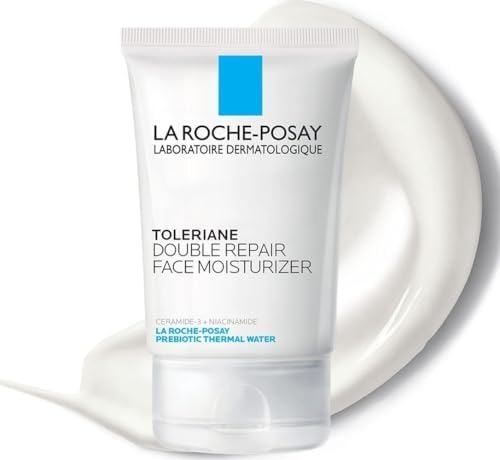
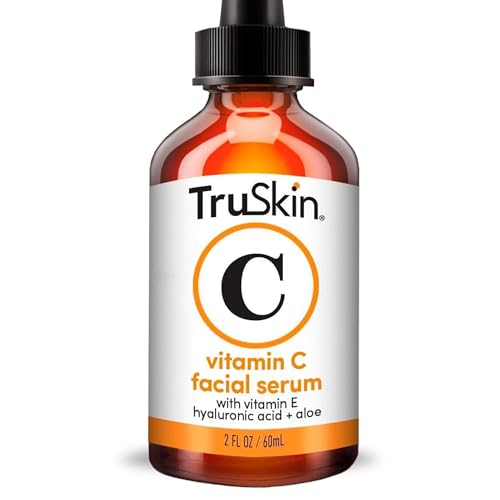
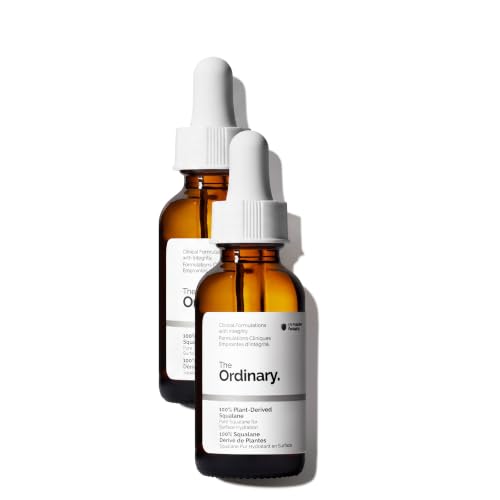
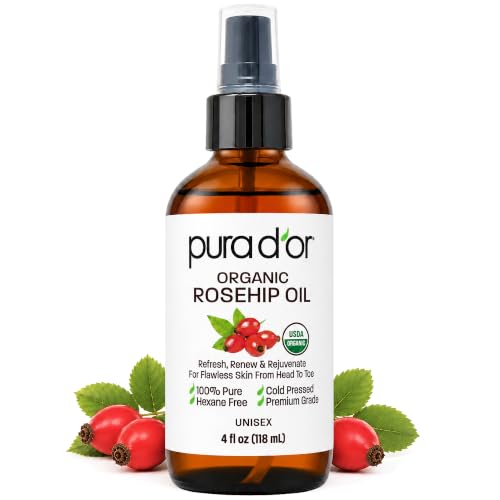
Recommended Serums and Facial Oils


In This Guide
- What a Serum Does
- What a Facial Oil Does
- Facial Oil vs Serum Side by Side
- Does Your Skin Lack Water or Oil?
- Which Goes First?
- How to Apply Each for the Best Results
- Choosing by Skin Type
- Common Mistakes With Oils and Serums
- What Neither Can Do
- When to See a Dermatologist
- Common Questions
- Where This Leaves You
In Brief
- Serums are usually water-based and deliver hydration or targeted actives. Facial oils soften the skin and seal moisture in.
- Dehydrated skin lacks water and benefits from a humectant serum. Dry skin lacks oil and benefits from an oil or rich moisturizer.
- Oily skin can be dehydrated, so a lightweight serum often helps more than adding oil.
- Apply water-based serums before oils. An oil on the bottom can block what follows.
- Some serums are oil-based, such as retinol in squalane, and go on after water-based steps.
- A facial oil is optional for most people and does not replace a moisturizer if your skin is dehydrated.
What a Serum Does
Serums are designed to carry a meaningful amount of one or two ingredients in a light base that absorbs quickly. Most are water or gel based. Some are purely hydrating, built on humectants such as hyaluronic acid and glycerin, which draw water into the upper layers of skin. Others focus on an active ingredient, such as vitamin C for brightness, niacinamide for oil and redness, or a retinoid for texture.
Because they are thin and concentrated, serums are typically the step that produces visible changes over time. They are not meant to seal anything in, which is why a moisturizer or oil usually follows.
Humectants are the backbone of most hydrating serums. Glycerin is inexpensive, well studied, and very effective. Hyaluronic acid comes in different molecular sizes, and many serums combine several to hydrate at different depths of the outer skin layer. Panthenol, urea, and sodium PCA are other common humectants. None of them seal water in on their own, which is why what you put on top matters.
What a Facial Oil Does
Facial oils are plant fats and similar lipids, such as squalane, jojoba, rosehip, and argan. They are emollients, which means they smooth and soften the skin surface by filling gaps between cells, and they act as a light occlusive, slowing water loss.
Oils do not add water. On already hydrated skin, they lock that hydration in. On dehydrated skin with nothing underneath, they can make the surface feel soft while the skin below still feels tight.
If you are new to oils, it is worth knowing they differ a lot from essential oils, which are fragrance extracts. Our guide to facial oil vs essential oil explains why that distinction matters for sensitive skin.
Different oils feel very different. Squalane and jojoba are light and absorb quickly, which makes them easy to use even on combination skin. Rosehip, argan, and marula feel richer and suit drier skin better. Heavier oils such as coconut are more likely to feel greasy on the face and can be a problem for acne-prone skin.
Facial Oil vs Serum Side by Side
| Feature | Serum | Facial oil |
|---|---|---|
| Base | Usually water or gel | Oils and lipids |
| Main job | Hydrate or deliver an active | Soften and seal in moisture |
| Adds water? | Yes, if it contains humectants | No |
| Where it goes | After cleansing and toner | Near the end, before or with moisturizer |
| Best for | Dehydration, dark spots, oiliness, texture | Dry, rough, or flaky skin |
| Can replace moisturizer? | Rarely | Sometimes for dry skin at night |
Does Your Skin Lack Water or Oil?
This check tells you which product will actually help. Do it on a normal day, not right after a harsh treatment.
Cleanse and wait 30 minutes
Wash with a gentle cleanser and apply nothing afterwards.
Look for flakes and roughness
Rough texture, visible flakes, or a powdery feel point to dry skin that lacks oil.
Notice tightness and fine lines
Tightness, fine crisscross lines when you smile, and a dull look without much flaking point to dehydration, meaning a lack of water.
Check for shine
Oil on the nose and forehead alongside tightness means oily but dehydrated skin.
Match the product
Dehydrated or oily-dehydrated: add a hydrating serum. Dry: add a facial oil or richer moisturizer. Both: serum first, then oil or cream.
Dehydration can change quickly with weather, air conditioning, or harsh cleansers. Dry skin, in the sense of low oil production, tends to be more constant. It is worth repeating this check when the seasons change.
Which Goes First?
The general rule in skincare is thinnest to thickest, and water-based before oil-based.
| Step | What to apply | Why |
|---|---|---|
| 1 | Cleanser | Clean base |
| 2 | Toner or essence (optional) | Light hydration |
| 3 | Water-based serum | Reaches the skin before any oil barrier |
| 4 | Oil-based serum, if you use one | Oil-soluble actives like some retinols |
| 5 | Moisturizer | Hydration and barrier support |
| 6 | Facial oil (optional) | Seals everything in; some people apply before moisturizer instead |
| 7 | Sunscreen in the morning | Protection |
There is some flexibility at the end. Many people with dry skin press a few drops of oil after moisturizer at night. Others mix a drop or two into their moisturizer. Both are fine, as long as your water-based serum goes on first.
Oil-based serums are the exception. Some retinol and vitamin C products are dissolved in oil or squalane. These go after water-based serums but before heavier creams, following the thinnest to thickest idea.
How to Apply Each for the Best Results
Technique makes a surprising difference with both products.
For water-based serums, apply to slightly damp skin, right after cleansing or toning. Humectants pull water from their surroundings, and a damp surface gives them water to hold on to. Use two to four drops, warm them between your fingertips, and press them in rather than rubbing hard. Give the serum a minute to settle before the next step.
For facial oils, a little goes a long way. Two to four drops are enough for the whole face. Warm them between your palms and press them onto the skin, focusing on drier areas such as the cheeks. Applying oil over a moisturizer at night works well for dry skin. In the morning, a lighter touch helps makeup and sunscreen sit better.
If you use an active serum such as vitamin C or a retinoid, apply it to dry skin rather than damp skin, because damp skin can increase penetration and irritation for some actives.
Choosing by Skin Type
Do
- Oily or acne-prone: use a lightweight serum, such as niacinamide or hyaluronic acid.
- Dry: use a hydrating serum plus a few drops of oil at night.
- Combination: use serum all over and oil only on dry areas.
- Sensitive: choose fragrance-free serums and stable oils like squalane.
- Mature: pair a retinoid or vitamin C serum with a nourishing oil or cream.
- Dehydrated: focus on humectant serums before thinking about oil.
Don’t
- Skip moisture entirely because your skin is oily.
- Put water-based serums on top of oils.
- Use heavy oils like coconut on acne-prone facial skin.
- Layer several actives in one routine without testing tolerance.
- Use fragranced oils on reactive skin.
- Assume more expensive means more effective.
If you are using a retinoid serum and want to add oil, our guide on using rosehip oil with retinol covers the practical details.
Common Mistakes With Oils and Serums
- Using oil to fix tight, dehydrated skin without adding any water-based hydration underneath.
- Applying serum to bone-dry skin when damp skin would help humectants work better.
- Using too much oil, which feels greasy and can transfer onto pillows and hair.
- Choosing a serum by trend rather than by what your skin needs.
- Mixing a vitamin C serum with other acids and a retinoid in the same routine while your skin is adjusting.
- Keeping rosehip or other unsaturated oils in a warm bathroom, which speeds rancidity.
If a new serum or oil causes burning, itching, swelling, or a rash, stop using it. Reintroduce products one at a time to find the trigger, and see a dermatologist if the reaction is severe or does not settle.
What Neither Can Do
Neither a serum nor an oil can change your skin type or permanently shrink pores. Oils cannot deliver the targeted results of an active serum, and most serums cannot seal in moisture the way an oil or cream can.
Many oil products promise anti-aging or brightening effects based on the vitamins they contain. In practice, the amounts are usually small, and those effects are far better supported by proven actives such as retinoids, vitamin C, and daily sunscreen.
Finally, results take time. Hydration improves within hours, but changes in texture, tone, or fine lines from serums usually take 8 to 12 weeks of consistent use.
When to See a Dermatologist
Book an appointment if:
- Your skin stays dry, tight, or flaky despite a gentle routine with serum, moisturizer, and oil.
- You develop a rash, hives, or swelling after using a product.
- You have persistent acne, redness, or pigmentation that is not responding to over-the-counter serums.
- You suspect eczema or another condition causing chronic dryness.
Medical disclaimer: This article is for general information and is not a substitute for professional medical advice. Speak with a dermatologist about persistent skin problems or reactions to skincare products.
Common Questions
What is the difference between a facial oil and a serum?
A serum is usually water-based and delivers hydration or actives, while a facial oil softens the skin and seals moisture in.
Should I use serum or oil first?
Apply water-based serums first, then oils. Oil-based serums go after water-based steps.
Can a facial oil replace a serum?
Not really. Oils do not add water or deliver most targeted actives, so they do a different job.
Can I use face oil instead of moisturizer?
Some people with dry skin use oil at night, but most skin does better with a moisturizer that contains humectants.
Is face oil good for oily skin?
Light oils like squalane can work for some oily skin, but a hydrating serum usually helps more if oily skin feels tight.
How do I know if my skin is dry or dehydrated?
Dry skin lacks oil and feels rough or flaky. Dehydrated skin lacks water and feels tight with fine lines, even if it is oily.
Can I mix face oil into my moisturizer?
Yes. Mixing one or two drops into moisturizer is a common way to add richness without an extra layer.
Do I need both a serum and a facial oil?
Not necessarily. Many people only need a serum and moisturizer. Oil is optional, mainly for dry skin.
Are oil-based serums different?
Yes. Some serums, such as certain retinol and vitamin C products, are made with oil and go after water-based serums.
How many drops of face oil should I use?
Two to four drops is usually enough for the whole face.
Where This Leaves You
Serums and facial oils are partners rather than rivals. A serum adds water or a targeted active, and an oil softens the skin and helps keep that moisture in, which is why water-based serums go first and oils go near the end.
Work out whether your skin is short on water, oil, or both, then choose accordingly. For most people, a well-chosen serum plus a good moisturizer is enough, with a few drops of oil at night reserved for skin that still feels dry.

Written by
Registered pharmacist and founder of Facial Adviser. Rakib's pharmacy training covers how skincare actives work and interact; a later course in cosmetology turned that into a focus on facial treatments and skincare products. He plans, researches and edits every guide on the site and checks health claims against sources such as the American Academy of Dermatology, the FDA and the NIH. He is not a dermatologist; see the Editorial Policy and Medical Disclaimer.
About · Editorial policy · How we choose products · Medical disclaimer · Contact
Keep reading: Moisturisers and face oils
- 10 Best Facial Moisturizers for Dry Skin (2026): Rich, Gentle Creams
- Facial Moisturizer vs Body Lotion: Can You Use Lotion on Your Face?
- Day Cream vs Day Lotion for Your Face: Which Texture Does Your Skin Need?
- Skincode Exclusive Cellular Night Refine and Repair Cream: Is It Worth It?
- 10 Best Facial Moisturisers for Oily Skin (2026): Shine-Free Hydration
- 10 Best Facial Moisturisers for Very Dry Skin (2026): Lasting Comfort
- 10 Best Face Masks for Every Skin Type (2026): Clay, Gel and Sheet
- What Does a Facial Toner Do? The Real Answer