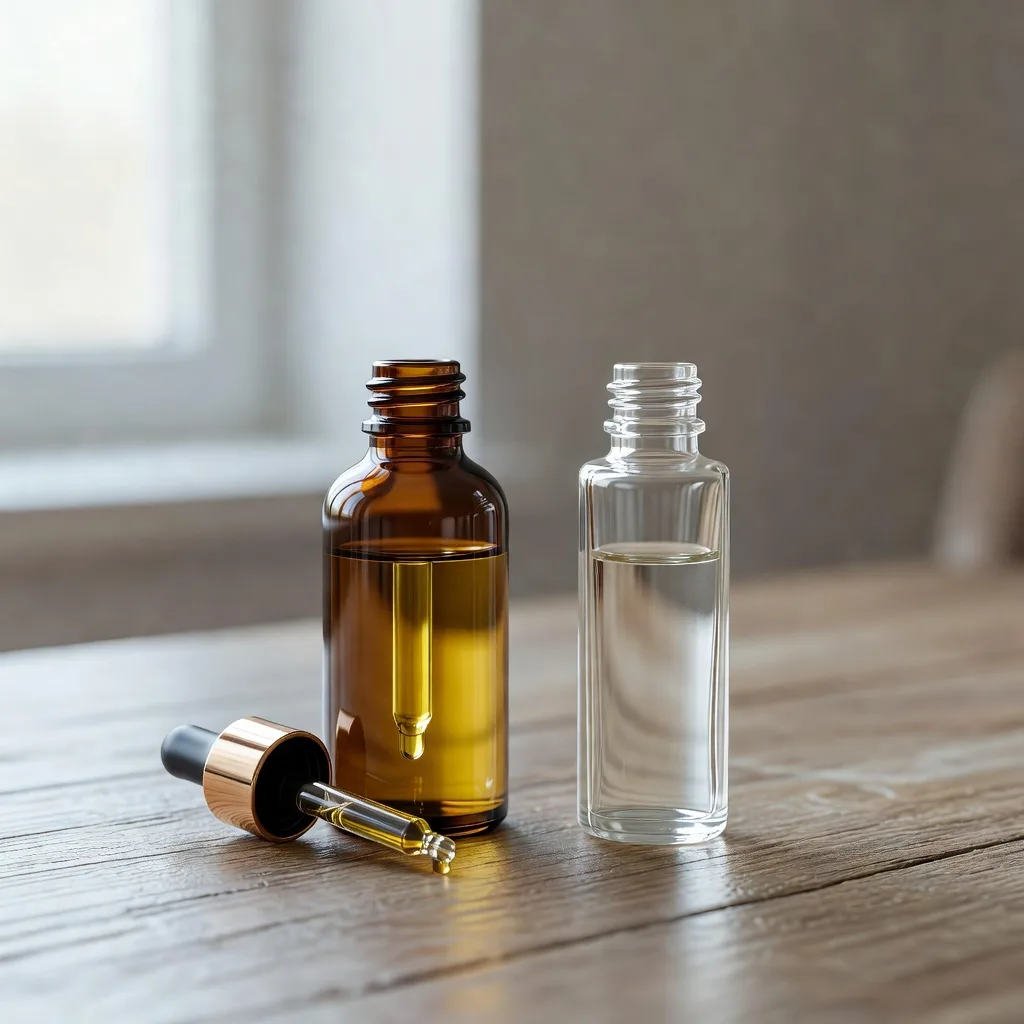
Facial Oil vs Essential Oil: Why One Moisturizes and the Other Can Irritate
Oils have become one of the most confusing corners of skincare. A face oil promises glow and softness, an essential oil promises to calm or clear, and many products blend both in the same bottle. It is easy to assume that because they are both oils, and both come from plants, they do roughly the same job.
Part of our guide to skincare products. Start with: 10 Best Facial Moisturizers for Dry Skin (2026): Rich, Gentle Creams
They do not. A facial oil, also called a carrier or fixed oil, is a plant fat that moisturizes and softens skin. An essential oil is a concentrated mix of fragrant, volatile compounds, and it is one of the more common causes of allergic skin reactions in cosmetics. Squalane, jojoba, rosehip, and argan are facial oils. Lavender, tea tree, peppermint, and citrus oils are essential oils.
That difference shapes how you should use them. Facial oils can be applied directly to the skin as the last step of a routine. Essential oils should never go onto the face undiluted, and people with sensitive, reactive, or eczema-prone skin often do best avoiding them entirely. Some, such as bergamot and other citrus oils, can also make skin react to sunlight.
Labels do not always make the distinction obvious, especially when a product lists botanical names. A simple paper test at home tells you which kind of oil you are holding in about an hour, and a quick look at the plant part named on the label gives a strong hint in seconds.
This guide explains how facial and essential oils differ, which facial oils suit which skin types, the risks of essential oils, what the evidence says about tea tree oil, and how to use each safely.
Shopping these picks?
Amazon Prime members get fast, free shipping on eligible items, plus Prime Video, Amazon Music and member deals. New members can start with a free trial.
Start a free Prime trialAged 18 to 24? Prime for Young Adults comes with a longer free trial and a lower price after it.
Affiliate link: we may earn a commission at no extra cost to you.
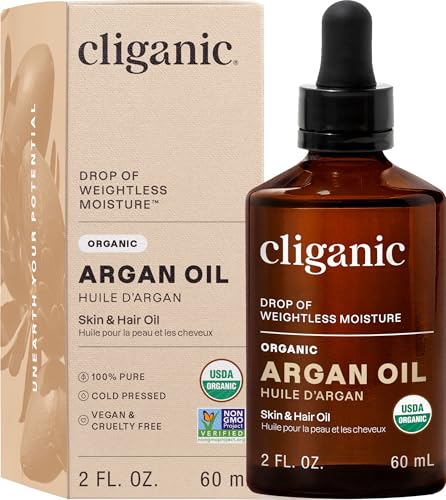
Recommended Facial Oils

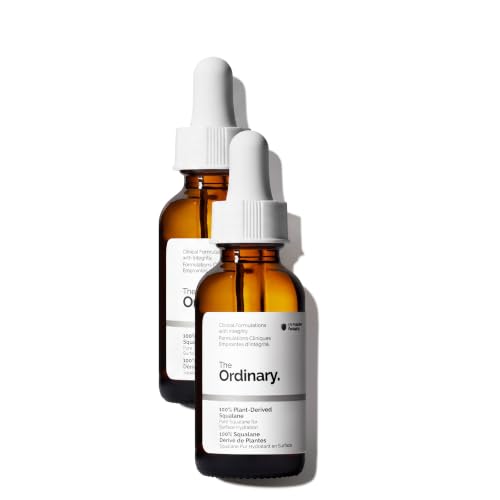

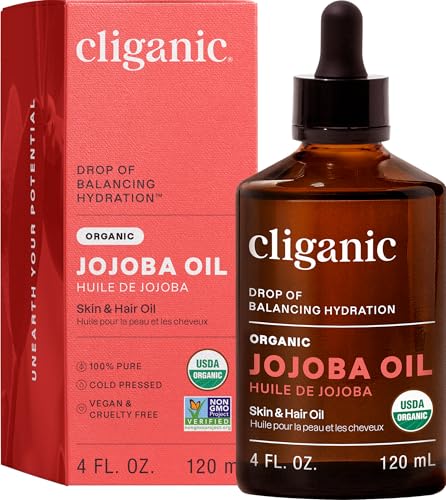
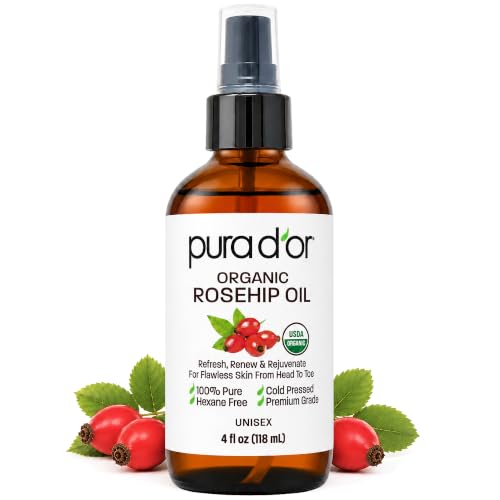

In This Guide
- What a Facial Oil Is
- What an Essential Oil Is
- Facial Oil vs Essential Oil at a Glance
- The Paper Test and Label Check
- Which Facial Oil Suits Your Skin
- The Real Risks of Essential Oils on Skin
- What About Tea Tree Oil for Acne?
- How to Use Each Safely
- What Neither Can Do
- When to See a Dermatologist
- Questions People Ask
- The Takeaway
The Short Version
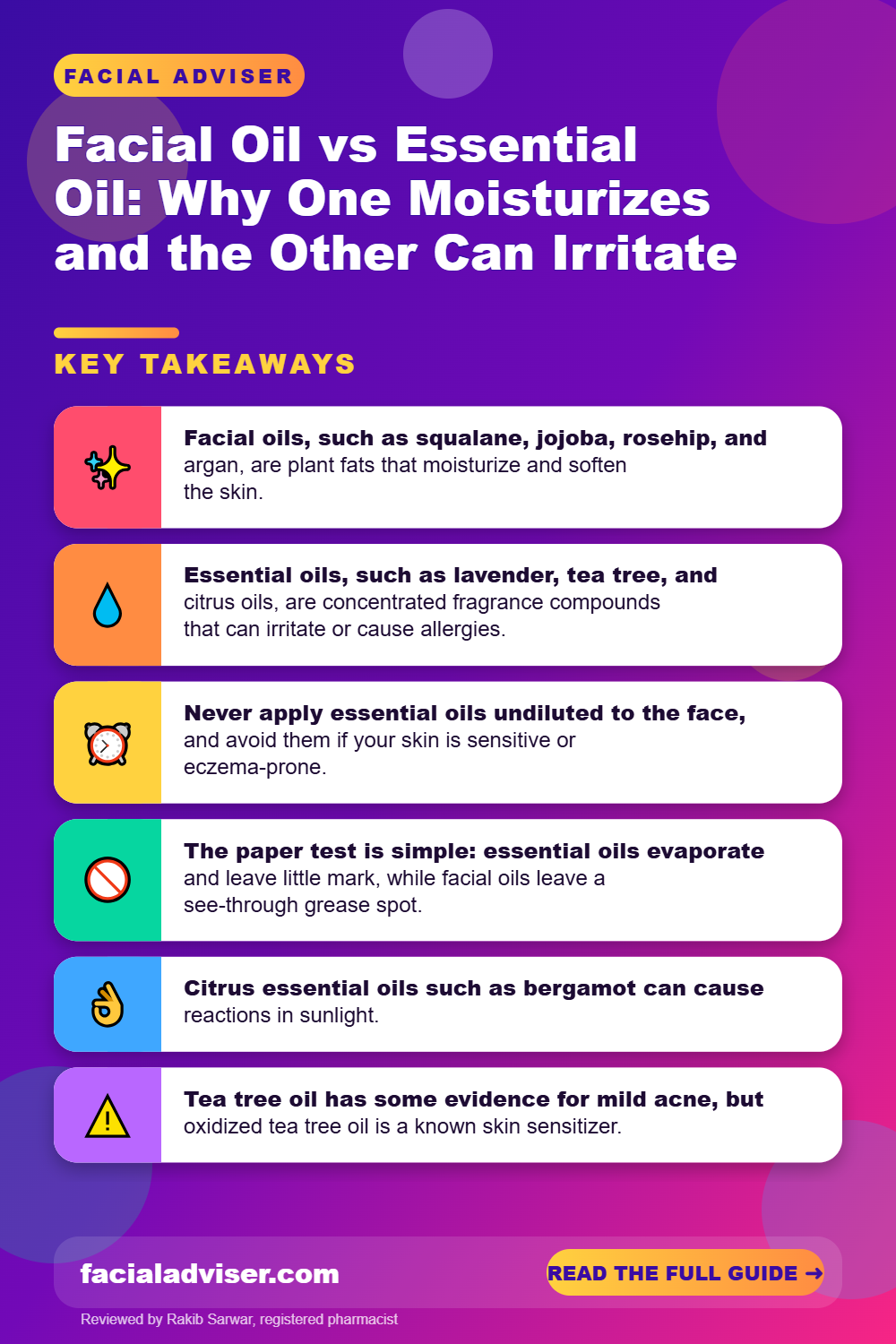
- Facial oils, such as squalane, jojoba, rosehip, and argan, are plant fats that moisturize and soften the skin.
- Essential oils, such as lavender, tea tree, and citrus oils, are concentrated fragrance compounds that can irritate or cause allergies.
- Never apply essential oils undiluted to the face, and avoid them if your skin is sensitive or eczema-prone.
- The paper test is simple: essential oils evaporate and leave little mark, while facial oils leave a see-through grease spot.
- Citrus essential oils such as bergamot can cause reactions in sunlight.
- Tea tree oil has some evidence for mild acne, but oxidized tea tree oil is a known skin sensitizer.
- Facial oils are optional. They seal in moisture but do not replace a moisturizer for most skin types.
What a Facial Oil Is
Facial oils are usually pressed or extracted from seeds, nuts, or fruits. Chemically, most are triglycerides, the same basic structure as cooking oils, along with fatty acids, sterols, and sometimes vitamin E. Squalane is slightly different: it is a stable, saturated oil often derived from olives or sugarcane that closely resembles squalene, a lipid our own skin produces.
On the skin, facial oils act as emollients and light occlusives. They fill gaps between skin cells so the surface feels smoother, and they slow water loss. That is why they are best applied as the last step of your evening routine, or mixed with moisturizer.
They are also called carrier oils because aromatherapists use them to dilute, or carry, essential oils. In skincare, they are the main event rather than a vehicle.
Quality matters more than exotic sourcing. Cold-pressed, unrefined oils keep more of their natural antioxidants but go rancid faster, while refined oils are more stable and often less likely to irritate. A rancid oil smells sharp, like old crayons or stale nuts, and should be thrown away because oxidized fats can irritate the skin.
What an Essential Oil Is
Essential oils are concentrated aromatic extracts, usually made by steam-distilling or cold-pressing leaves, flowers, peels, bark, or roots. They contain dozens of volatile compounds, such as linalool, limonene, geraniol, and terpinen-4-ol, which give them their scent and many of their effects.
Despite the name, they are not oils in the moisturizing sense. They evaporate, they do not moisturize, and many are chemically reactive, especially once they have been exposed to air and light. Some compounds become stronger allergens as they oxidize.
In cosmetics, essential oils are mainly used as fragrance. Several of their components are among the fragrance allergens that must be declared on cosmetic labels in the European Union.
Facial Oil vs Essential Oil at a Glance
| Feature | Facial (carrier) oil | Essential oil |
|---|---|---|
| What it is | Plant fat or squalane | Concentrated aromatic compounds |
| Main job | Moisturize and soften | Scent, sometimes antimicrobial effects |
| Evaporates? | No | Yes |
| Use on face | Directly, a few drops | Only well diluted, if at all |
| Allergy risk | Low for most | Higher, a common cause of fragrance allergy |
| Sun sensitivity | Rare | Some citrus oils can cause reactions |
| Examples | Squalane, jojoba, rosehip, argan, marula | Lavender, tea tree, peppermint, bergamot, eucalyptus |
The Paper Test and Label Check
If a bottle only lists botanical names, this is a quick way to tell what you have.
Read the plant part on the label
Names ending in seed oil, kernel oil, or fruit oil, such as Simmondsia chinensis seed oil (jojoba), are usually facial oils. Leaf oil, flower oil, peel oil, or bark oil, such as Lavandula angustifolia oil, often indicate essential oils.
Look for fragrance flags
Words such as parfum, fragrance, linalool, limonene, citral, or geraniol suggest essential oils or added fragrance.
Put one drop on plain paper
Use white printer paper and set it somewhere with airflow.
Check after an hour
An essential oil largely evaporates and leaves little or no mark. A facial oil leaves a clear, see-through grease spot that stays.
Decide how to use it
A facial oil can go straight on the skin. An essential oil needs heavy dilution, and sensitive skin is usually better off without it.
Some thicker essential oils leave a faint residue, and blended products may contain both types. When in doubt, treat the product as fragranced and patch test it before using on your face.
Which Facial Oil Suits Your Skin
Different facial oils have different fatty acid profiles, and that affects how they feel and who tolerates them.
| Oil | Feel | Often suits | Notes |
|---|---|---|---|
| Squalane | Very light, non-greasy | Most skin types, including oily | Stable and rarely irritating |
| Jojoba | Light | Combination and oily | Technically a liquid wax, similar to skin sebum |
| Rosehip seed | Light to medium | Dry and uneven tone | Rich in linoleic acid, can go rancid, store cool |
| Argan | Medium | Normal to dry | Contains vitamin E |
| Marula | Medium to rich | Dry | High in oleic acid |
| Coconut | Heavy | Body rather than face | More likely to clog pores for acne-prone skin |
If you use retinoids, our guide on using rosehip oil with retinol covers how to layer them.
The Real Risks of Essential Oils on Skin
Natural does not mean gentle. Essential oils are among the more frequent causes of allergic contact dermatitis from cosmetics, and patch-test clinics in several countries report rising reactions to specific oils such as lavender and tea tree.
- Allergy: repeated exposure can sensitize the skin, after which even small amounts trigger itchy, red, sometimes blistering rashes.
- Irritation: oils such as peppermint, cinnamon, clove, and eucalyptus can sting and inflame skin, especially undiluted.
- Oxidation: as oils such as tea tree and lavender age and oxidize, some compounds become stronger allergens.
- Sun reactions: bergamot and some other citrus oils contain compounds that can cause burns and dark marks when skin is exposed to sunlight.
Never apply essential oils undiluted to the face, near the eyes, or on broken skin. Keep them away from children and pets, and stop immediately if you notice itching, burning, redness, or swelling.
If fragrance tends to set off your skin, our guide to facial sensitivity to fragrance explains how to identify and avoid triggers.
What About Tea Tree Oil for Acne?
Tea tree oil is the essential oil with the most skincare research behind it. A frequently cited 1990 trial by Bassett and colleagues in the Medical Journal of Australia compared a 5 percent tea tree oil gel with 5 percent benzoyl peroxide for mild to moderate acne. Both reduced lesions. Tea tree worked more slowly but caused fewer side effects.
That study was small, and later research has been limited in size and quality. Tea tree oil is a reasonable option to try for mild acne only in properly formulated, low-concentration products, not as a neat oil dabbed on spots. Fresh product matters, because oxidized tea tree oil is a recognized sensitizer.
Better-studied alternatives: for most people with acne, benzoyl peroxide, salicylic acid, adapalene, and azelaic acid have stronger evidence and more predictable results than tea tree oil.
How to Use Each Safely
Good Habits
- Use two to four drops of facial oil as your last evening step.
- Press facial oil into slightly damp skin or over moisturizer.
- Choose fragrance-free facial oils for sensitive skin.
- Store oils away from heat and light, and close them tightly.
- Patch test any new oil on the inner arm or jawline for several days.
- Replace oils that smell off or rancid.
Common Mistakes
- Apply essential oils undiluted to the face.
- Use citrus essential oils before going into the sun.
- Put essential oils near the eyes or on broken skin.
- Assume a natural oil cannot cause allergies.
- Keep using a product that itches or burns.
- Rely on oil alone if your skin is very dry and flaky.
If you enjoy scent in your routine, aromatherapy through a diffuser or fragrance on clothing avoids direct skin contact. Our guide to ways to use fragrance oils covers skin-safe approaches.
What Neither Can Do
Facial oils seal in moisture but add little water themselves. For dehydrated skin, a humectant serum or moisturizer underneath matters more than the oil. Oils also cannot shrink pores, reverse wrinkles, or replace sunscreen, whatever the marketing says.
Claims that essential oils detox, balance hormones, or heal skin conditions are mostly unsupported by good-quality human research. Apart from tea tree oil in mild acne, the evidence for essential oils in skincare is thin, and the allergy risk is real.
When to See a Dermatologist
Seek medical advice if:
- You develop an itchy, red, swollen, or blistering rash after using an oil.
- A rash spreads beyond where you applied the product or does not settle after stopping.
- You notice dark patches or burn-like marks after using a citrus oil in the sun.
- You suspect a fragrance allergy and want patch testing to identify the trigger.
- Acne is not improving after several months of over-the-counter treatment.
Medical disclaimer: This article is for general information only and is not a substitute for professional medical advice. Seek urgent care for swelling of the face, lips, or throat, or difficulty breathing.
Questions People Ask
What is the difference between a facial oil and an essential oil?
A facial oil is a plant fat that moisturizes skin, while an essential oil is a concentrated, volatile fragrance extract that does not moisturize and can irritate.
Can I put essential oils directly on my face?
No. Essential oils should not be used undiluted on the face, and people with sensitive skin may do best avoiding them entirely.
Is rosehip oil an essential oil?
No. Rosehip seed oil is a facial or carrier oil pressed from seeds. Rose essential oil, or rose otto, is a different product.
Which facial oil is best for oily skin?
Lightweight oils such as squalane or jojoba are usually best tolerated by oily and combination skin.
Does tea tree oil help acne?
A small 1990 trial found 5 percent tea tree gel reduced mild acne, but more slowly than benzoyl peroxide. Evidence remains limited.
Can essential oils cause allergies?
Yes. Essential oils are a common cause of fragrance-related allergic contact dermatitis, especially as they oxidize.
Why do citrus oils cause sun reactions?
Some citrus oils, such as bergamot, contain compounds that react with UV light and can cause burns or dark marks.
How can I tell if a product contains essential oils?
Look for plant leaf, flower, peel, or bark oils and fragrance allergens such as linalool and limonene on the label.
Should I use a facial oil instead of a moisturizer?
For most people, no. Oils seal in moisture, but a moisturizer with humectants adds water to the skin.
Do facial oils clog pores?
Some can, especially heavier oils like coconut. Lighter oils such as squalane are less likely to cause problems.
The Takeaway
Facial oils and essential oils share a word but not a job. Facial oils such as squalane, jojoba, and rosehip are gentle plant fats that help skin hold on to moisture. Essential oils are concentrated fragrance compounds that can irritate, sensitize, and in some cases react with sunlight.
Use the paper test or the plant-part clue on the label to tell them apart, apply facial oils as a final step, and keep essential oils off your face, especially undiluted. If a product leaves your skin itchy or red, stop using it and consider patch testing to find the cause.

Written by
Registered pharmacist and founder of Facial Adviser. Rakib's pharmacy training covers how skincare actives work and interact; a later course in cosmetology turned that into a focus on facial treatments and skincare products. He plans, researches and edits every guide on the site and checks health claims against sources such as the American Academy of Dermatology, the FDA and the NIH. He is not a dermatologist; see the Editorial Policy and Medical Disclaimer.
About · Editorial policy · How we choose products · Medical disclaimer · Contact
Keep reading: Moisturisers and face oils
- 10 Best Facial Moisturizers for Dry Skin (2026): Rich, Gentle Creams
- Facial Oil vs Serum: Which Does Your Skin Need, and Which Goes First?
- Facial Moisturizer vs Body Lotion: Can You Use Lotion on Your Face?
- Day Cream vs Day Lotion for Your Face: Which Texture Does Your Skin Need?
- Skincode Exclusive Cellular Night Refine and Repair Cream: Is It Worth It?
- 10 Best Facial Moisturisers for Oily Skin (2026): Shine-Free Hydration
- 10 Best Facial Cleansers for Combination Skin (2026): Balanced Picks
- 10 Best Facial Serums for Aging Skin (2026): Picks by Concern