8 Ways You Can Use Fragrance Oils Safely
There are genuinely useful ways you can use fragrance oils, but most guides skip the real safety data behind them entirely.
Part of our guide to cosmetic science. Start with: How to Read a Cosmetic Ingredient List: A Beginner Guide
Fragrance is the second most common cosmetic contact allergen after preservatives, and standard patch-test screening has become less sensitive over time — now missing an estimated 4 in 10 fragrance-allergic people as the number of commercial fragrance chemicals has grown past 3,000. “Natural” doesn’t mean hypoallergenic either: the same allergenic compounds appear in both natural and synthetic fragrance sources.
Phototoxicity, often blamed on fragrance broadly, is actually mainly an essential-oil issue, since most synthetic fragrance oils replicating citrus scents lack the responsible compounds entirely.
This guide covers real dilution ratios for skin-safe use, what FDA and IFRA actually regulate, and when to avoid direct skin application altogether.
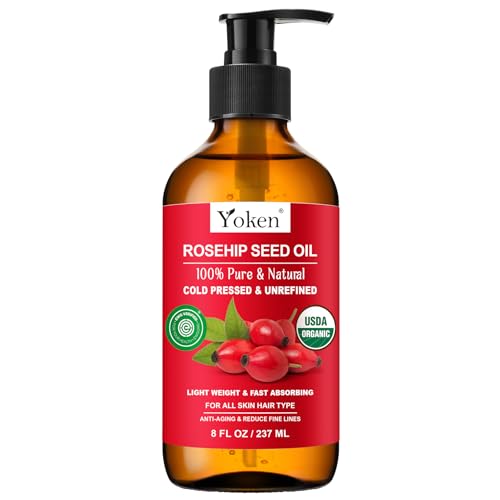
Recommended Carrier Oils and Skin-Safe Fragrance Products



Fragrance Oils vs. Essential Oils: The Distinction That Matters
Fragrance oils are typically synthetic, or a synthetic-natural blend, formulated to replicate a specific scent cheaply and consistently. That’s fundamentally different from essential oils, which are steam-distilled or cold-pressed extracts of a single plant source with a naturally variable, complex chemical profile — a distinction covered in more depth in our facial oil vs. essential oil comparison. Most fragrance oil manufacturers formulate and market their products for candles, diffusers, and soap-making — not for direct, undiluted skin contact — and many contain components like phthalates or synthetic musks, or unlisted “trade secret” ingredients, that a comparable essential oil wouldn’t have. Understanding this distinction is the foundation for using fragrance oils safely.
Shopping these picks?
Amazon Prime members get fast, free shipping on eligible items, plus Prime Video, Amazon Music and member deals. New members can start with a free trial.
Start a free Prime trialAged 18 to 24? Prime for Young Adults comes with a longer free trial and a lower price after it.
Affiliate link: we may earn a commission at no extra cost to you.
Heads Up
- Fragrance is the second most common cosmetic contact allergen after preservatives, and second only to nickel among all contact allergens generally.
- Standard patch-test screening for fragrance allergy has become less sensitive over time as the number of fragrance chemicals in commercial use has grown — it now misses an estimated 4 in 10 fragrance-allergic people.
- “Natural” doesn’t mean “hypoallergenic” — allergenic compounds like cinnamaldehyde and eugenol appear in both natural and synthetic fragrance sources.
- U.S. cosmetic labels can legally list “fragrance” as a single umbrella term without disclosing individual ingredients — unlike the EU, which mandates disclosure of dozens of specific fragrance allergens.
- Phototoxicity from citrus oils is mainly an essential-oil issue, since synthetic fragrance oils replicating citrus scents typically lack the actual photosensitizing compounds.
- Undiluted skin contact with certain warming fragrance ingredients has caused documented chemical burns in case-report literature.
Article Roadmap
- Fragrance Oils vs. Essential Oils: The Distinction That Matters
- The Real Allergy Numbers
- Why Patch Testing Doesn’t Catch Everyone
- The Phototoxicity Myth, Corrected
- Safe Ways to Actually Use Fragrance Oils
- How to Dilute and Patch Test Properly
- What FDA and IFRA Actually Regulate
- Who Should Be Extra Cautious
- When to Avoid Skin Application Entirely
- When to See a Dermatologist Instead
- A One-Minute Check Before Using on Skin
- Where the Marketing Gets It Backwards
- Frequently Asked Questions
The Real Allergy Numbers
Fragrance sits near the very top of the cosmetic-allergen list. According to North American Contact Dermatitis Group patch-test data — a peer-reviewed, multi-center U.S. and Canadian research cohort — Fragrance Mix and Balsam of Peru each accounted for over 300 positive reactions in one recent screening cycle among female patients, with a positivity rate around 19% and a clinical relevance rate above 10%. Roughly 10% of all patch-tested patients show a fragrance allergy of some kind, while general population prevalence is estimated at about 1% of adults and 1.8% of children and adolescents. That’s a meaningful, real-world allergy burden, not a niche concern.
Why Patch Testing Doesn’t Catch Everyone
Here’s a genuinely underused point worth knowing before assuming a clean patch test rules out fragrance sensitivity entirely: the classic two-allergen screen (Fragrance Mix I plus Balsam of Peru) used to detect roughly 90% of fragrance-allergic patients when it was developed. But as the number of distinct fragrance chemicals in commercial use has expanded — over 3,000 different fragrance materials are now used across cosmetics — that same two-allergen screen’s detection rate has fallen to an estimated 60%. In response, Fragrance Mix II was added to standard patch-test panels specifically to recapture some of that lost sensitivity. The practical implication: a negative patch test using only the classic screen doesn’t fully rule out a fragrance allergy, since it may simply be testing for a component that isn’t the one you’d react to.
The Phototoxicity Myth, Corrected
Certain citrus and botanical oils — bergamot, lime, bitter orange, angelica root — contain furocoumarin compounds that cause a genuine phototoxic reaction: not an allergy, but a direct chemical photosensitization that produces burn-like, hyperpigmented lesions after UV exposure. This is a well-documented risk, but it’s worth being precise about where it actually applies: it’s overwhelmingly an issue with cold-pressed citrus essential oils, extracted directly from the peel, where the furocoumarins are naturally present. Most commercial synthetic fragrance oils that replicate a citrus scent are built from lab-synthesized aroma compounds rather than extracted peel oil, and typically don’t contain the actual furocoumarin molecules responsible for the reaction. This is a genuinely counterintuitive, often-inverted point: marketing sometimes implies synthetic equals more dangerous, but for phototoxicity specifically, the natural, cold-pressed version is usually the higher-risk one.
| Oil type | Phototoxicity risk | Why |
|---|---|---|
| Cold-pressed citrus essential oil (bergamot, lime, bitter orange) | Real, documented risk | Contains natural furocoumarins extracted directly from the peel |
| Synthetic citrus-scented fragrance oil | Typically low or absent | Built from synthesized aroma compounds, generally lacking furocoumarin molecules |
Safe Ways to Actually Use Fragrance Oils
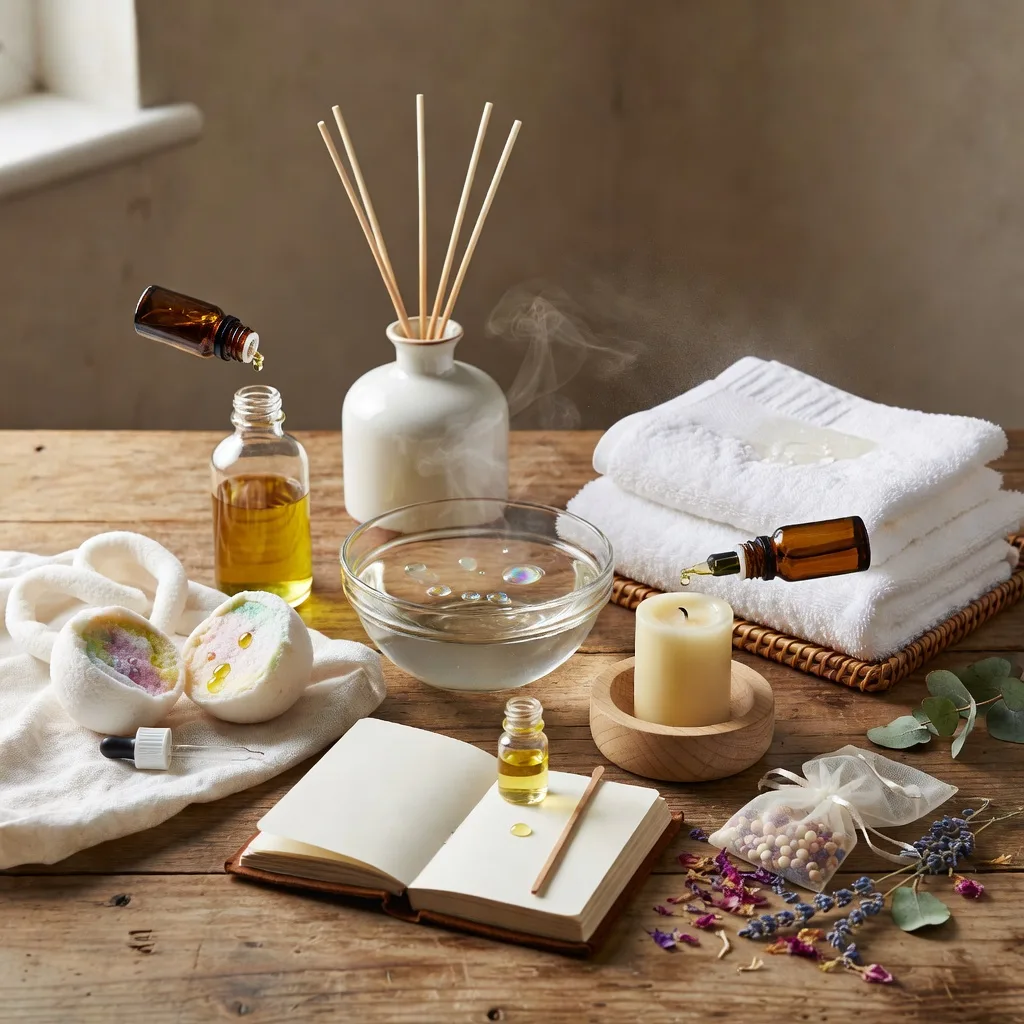
Fragrance oils have several genuinely appropriate uses, and separating them by exposure route matters, since skin contact and inhalation carry different risk profiles entirely.
| Use case | Exposure route | Key safety consideration |
|---|---|---|
| Diffuser or room scenting | Inhalation | Respiratory/asthma sensitization in susceptible individuals; indoor air quality |
| Candle or soap making | Minimal direct skin contact (soap is rinsed off) | Follow manufacturer usage-rate guidance; not the same as leave-on skin products |
| DIY perfume or body spray | Direct, leave-on skin contact | Requires proper carrier-oil dilution, typically 0.5-2% for leave-on products |
| Massage oil blend | Direct, extended skin contact | Higher-risk use case; dilution and patch testing matter most here |
How to Dilute and Patch Test Properly
Choose a carrier oil
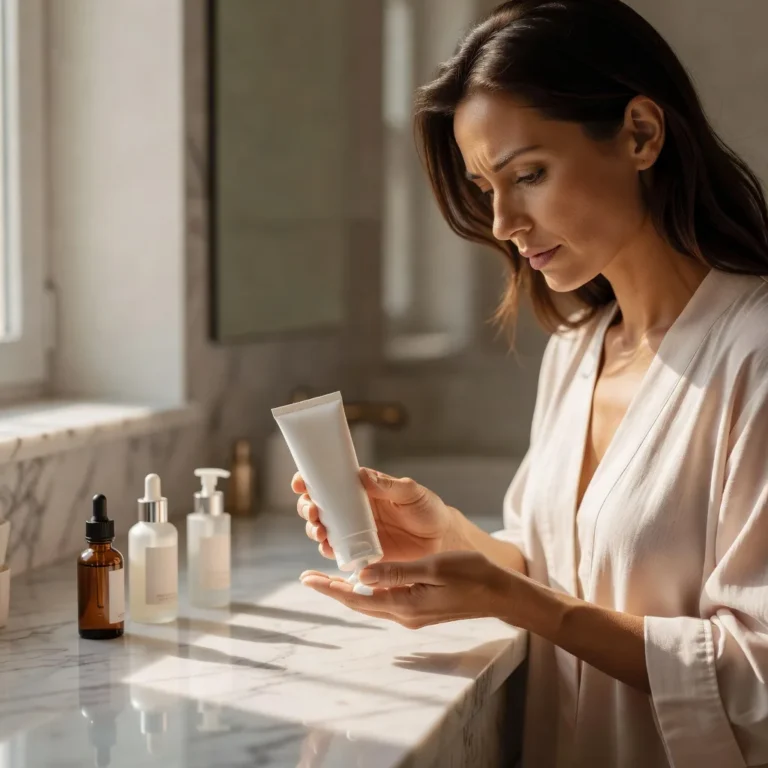
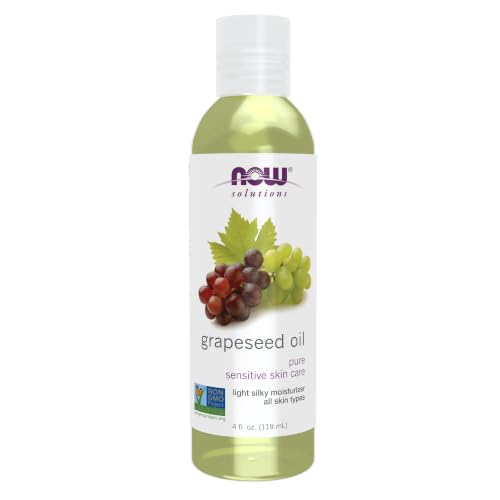
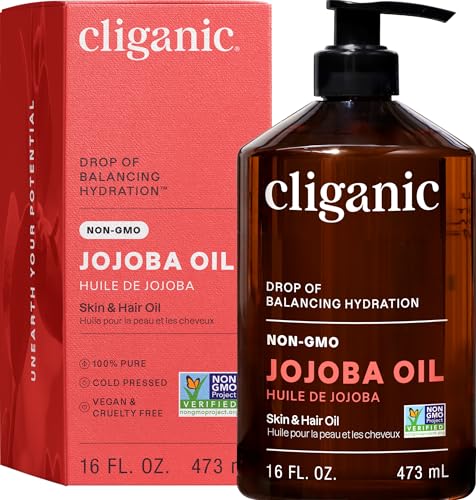
Jojoba, sweet almond, or fractionated coconut oil are common, stable choices for diluting fragrance oil for skin use.Dilute appropriately
Aim for roughly 0.5-2% fragrance oil in the carrier for leave-on skin products, broadly consistent with industry dilution guidance for this product category.Patch test first
Apply the diluted blend to the inner forearm and wait 24-48 hours before wider use, watching for redness, itching, or swelling — the same core method covered in our patch-testing guide.Reassess periodically
Sensitization can develop over time even to a product you’ve used before, so occasional re-checking is reasonable, especially after a formulation change.
What FDA and IFRA Actually Regulate
It’s worth understanding the regulatory landscape precisely, since it’s often misrepresented. Under current FDA rules, cosmetic fragrance ingredients are not required to be individually disclosed — “fragrance” or “parfum” can legally appear on a label as a single umbrella term hiding a proprietary blend, a trade-secret allowance with roots going back to the original 1938 federal cosmetics framework. The 2022 Modernization of Cosmetics Regulation Act (MoCRA) was the first major expansion of FDA cosmetics authority in decades, and it specifically directed the FDA to establish a list of fragrance allergens requiring individual label disclosure — but that rulemaking has already missed its original mid-2024 statutory deadline and remains unfinalized. As things currently stand, U.S. consumers have no legal right to see individual fragrance allergens listed on a cosmetic label, a real gap compared to the EU, which already mandates disclosure of dozens of specific fragrance allergens above certain concentration thresholds.
IFRA, the International Fragrance Association, is a private industry self-regulatory body, not a government regulator. It issues voluntary Standards — concentration limits and restrictions on specific fragrance materials — that member manufacturers agree to follow. “IFRA-compliant” is a meaningful industry and safety credential, but it’s not the same as FDA approval, and marketing language that conflates the two is worth reading skeptically.
Who Should Be Extra Cautious
Anyone with a history of eczema, atopic dermatitis, or a previously diagnosed fragrance allergy should be especially deliberate about dilution and patch testing, since compromised skin barrier function increases the likelihood and severity of a reaction. People with asthma or reactive airways should be cautious with diffuser and inhalation use specifically, a separate exposure route from topical use with its own distinct risk profile.
Do
- Dilute fragrance oil properly in a carrier oil before any skin application
- Patch test on the inner forearm 24-48 hours before wider use
- Separate your thinking about inhalation risk from topical skin-contact risk
Don’t
- Apply undiluted fragrance oil directly to skin
- Assume “natural” fragrance sources are automatically hypoallergenic
- Assume a past negative patch test rules out sensitivity to every fragrance chemical
When to Avoid Skin Application Entirely
Avoid direct skin use of any fragrance oil during an active eczema or dermatitis flare, on broken or irritated skin, or if you’ve had a prior reaction to a similar product. A real case report documented a chemical burn after roughly two hours of undiluted cinnamon bark oil contact with skin — a concrete illustration that undiluted, prolonged fragrance-ingredient exposure isn’t a theoretical risk.
When to See a Dermatologist Instead
See a board-certified dermatologist if you develop a persistent rash, blistering, or swelling after using a fragrance-containing product, especially if over-the-counter measures don’t resolve it within a few days. A dermatologist can perform a proper expanded patch-test panel, including Fragrance Mix II, to identify the specific allergen responsible — something a home patch test can’t reliably distinguish.
A One-Minute Check Before Using on Skin
Before applying any fragrance oil to skin, ask: is it diluted in a carrier oil, or undiluted straight from the bottle? Have I patch tested this specific product on my forearm in the last 24-48 hours? Do I have any active skin condition in the area I’m about to apply it to? A “no” to the first two questions is a reason to stop and dilute or test before proceeding, regardless of how pleasant the scent is.
Where the Marketing Gets It Backwards
Be precise about two claims that commonly get inverted in casual advice: first, “natural” fragrance sources are not inherently safer or less allergenic than synthetic ones, since the specific allergenic chemical compounds appear in both; and second, for phototoxicity specifically, synthetic fragrance oils are typically lower-risk than the natural, cold-pressed citrus essential oils they’re meant to imitate. Both points run counter to a common “natural equals safer” assumption, and both are grounded in real chemistry rather than a marketing narrative either way.
Frequently Asked Questions
Are fragrance oils the same as essential oils?
No — fragrance oils are typically synthetic or synthetic-natural blends formulated to replicate a scent, while essential oils are single-botanical extracts with a naturally variable chemical profile.
How common is fragrance allergy?
About 10% of patch-tested patients show a fragrance allergy, with general population prevalence estimated around 1% of adults.
Does a negative patch test mean I’m not allergic to fragrance?
Not fully — the classic screening panel’s detection rate has fallen to an estimated 60% as the number of commercial fragrance chemicals has grown.
Are natural fragrance oils safer for skin than synthetic ones?
Not necessarily — the specific allergenic compounds responsible for most reactions appear in both natural and synthetic fragrance sources.
Can fragrance oils cause sunburn-like reactions?
Phototoxicity is mainly a concern with cold-pressed citrus essential oils, not synthetic fragrance oils, which typically lack the responsible furocoumarin compounds.
How should I dilute fragrance oil for skin use?
Roughly 0.5-2% in a carrier oil like jojoba or fractionated coconut oil is a commonly used range for leave-on skin products.
Does the FDA require fragrance ingredients to be listed?
No — “fragrance” can legally appear as a single umbrella term without disclosing individual ingredients under current U.S. rules.
What does “IFRA-compliant” actually mean?
It means a manufacturer follows a private industry association’s voluntary safety standards — it’s not the same as FDA approval.
Can undiluted fragrance oil actually burn skin?
Yes — a documented case report describes real chemical burns after roughly two hours of undiluted cinnamon bark oil contact with skin.
Is inhaling fragrance oil from a diffuser as risky as applying it to skin?
No — inhalation and topical exposure are separate risk routes, with respiratory sensitization a concern for the former and contact allergy or irritation for the latter.

Written by
Registered pharmacist and founder of Facial Adviser. Rakib's pharmacy training covers how skincare actives work and interact; a later course in cosmetology turned that into a focus on facial treatments and skincare products. He plans, researches and edits every guide on the site and checks health claims against sources such as the American Academy of Dermatology, the FDA and the NIH. He is not a dermatologist; see the Editorial Policy and Medical Disclaimer.
About · Editorial policy · How we choose products · Medical disclaimer · Contact
Keep reading: How cosmetics are made