PDRN Skincare: What It Is, What It Does and Does It Work?
PDRN has gone from an injection used in clinics to a name on serum bottles, sheet masks and mists. Searches for it have exploded, and so have the promises: skin repair, a glass-skin glow, even a gentler alternative to a salmon DNA facial.
Part of our guide to skincare routines and ingredients. Start with: Best Skin Care Routine: Simple AM and PM Steps for Every Skin Type
Before you buy, it helps to know what the ingredient is and what evidence actually exists.
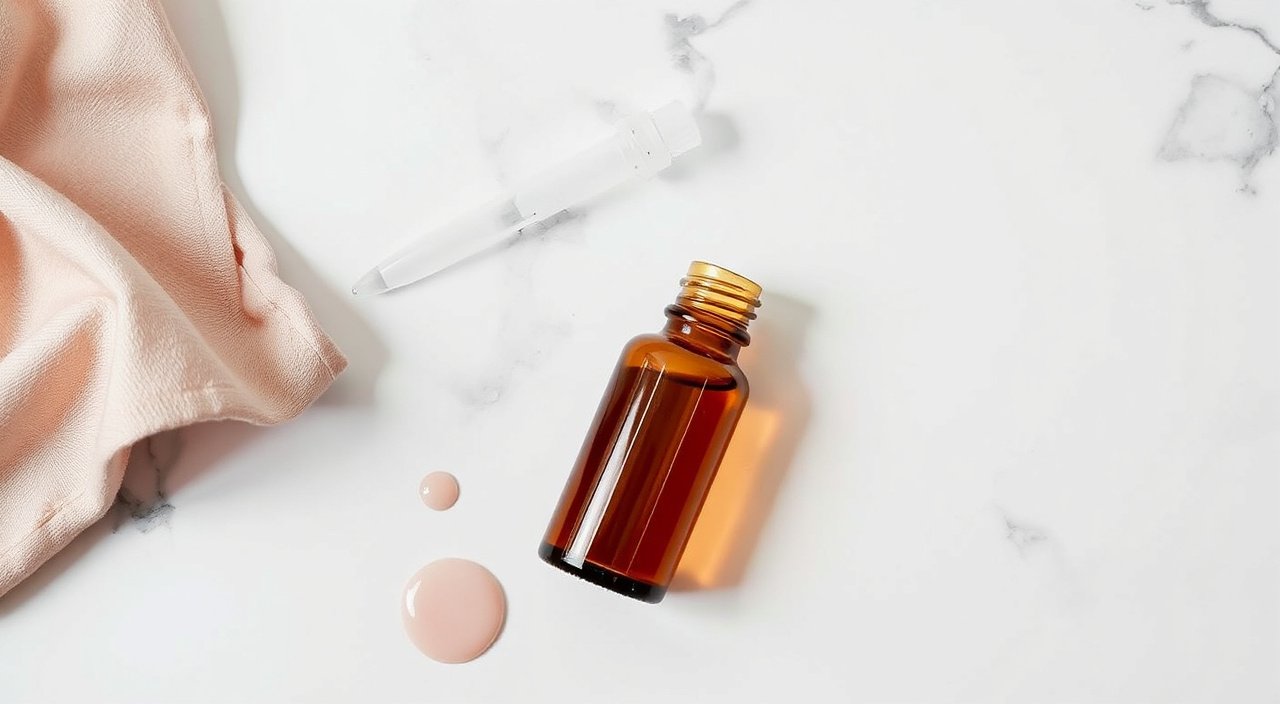
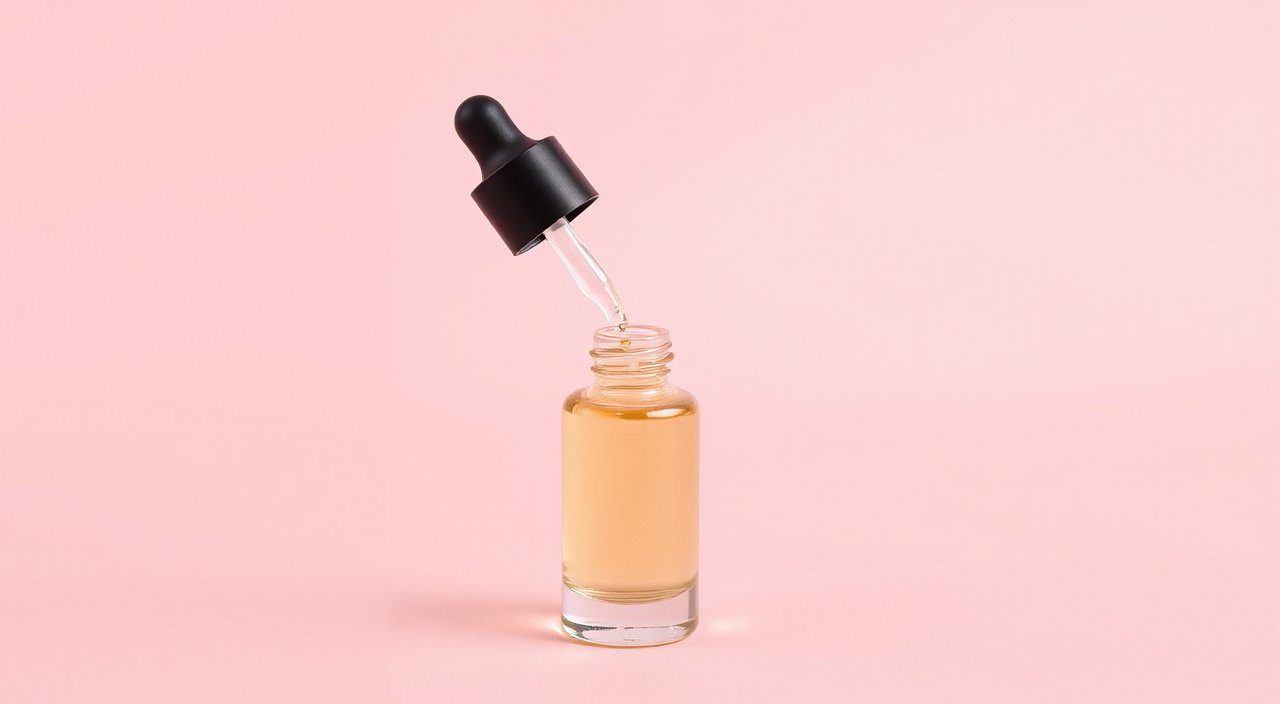
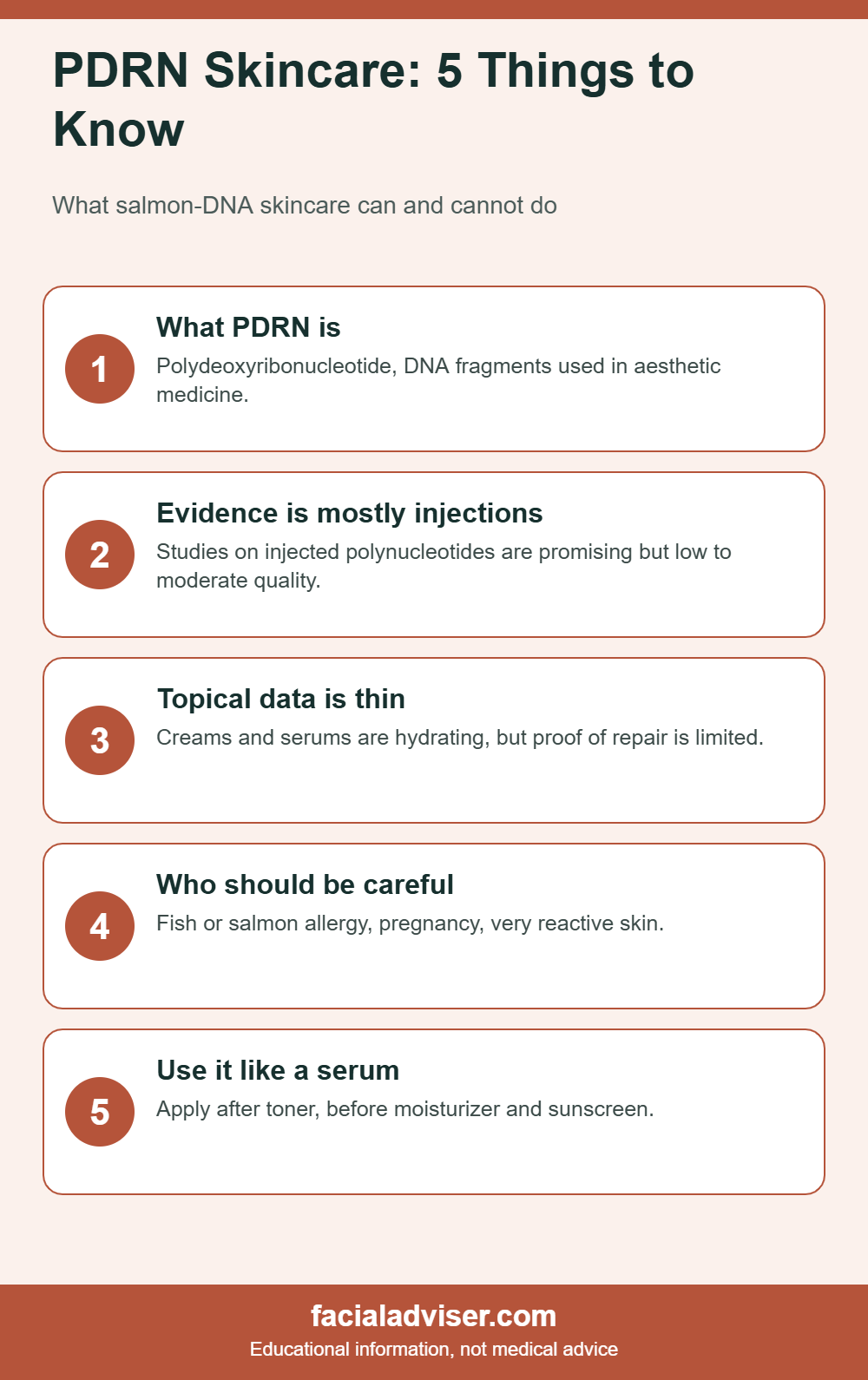
PDRN stands for polydeoxyribonucleotide, a mix of short DNA fragments, traditionally taken from salmon, used in aesthetic medicine to support skin repair and a firmer, smoother look. Studies on injected polynucleotides are promising for wrinkles, texture and elasticity, but they are small and of low to moderate quality. Topical PDRN serums are far less studied, so think of them as hydrating, soothing skincare with an interesting ingredient, not a replacement for clinic treatments. Most are used once or twice a day after toner and before moisturizer.
Black Friday is coming: shop the deals with Prime
In short: PDRN serums are low-risk for most people and pleasant to use, but expect hydration and a calmer look, not injection-level results.
A systematic analysis of polynucleotides in esthetic medicine, published in the Journal of Cosmetic Dermatology in 2025, pooled nine studies of 219 patients. It reported promising results for injections on wrinkles, texture and elasticity with mild, short-lived side effects, and also said consensus on best use is limited and better trials are needed.
This guide explains what PDRN is, how injections differ from creams and serums, how to read a label, who should be careful, a simple routine and seven products to consider. If you are building a serum shelf, our guide to serums for aging skin is a useful next stop.
Recommended PDRN Serums and Essences


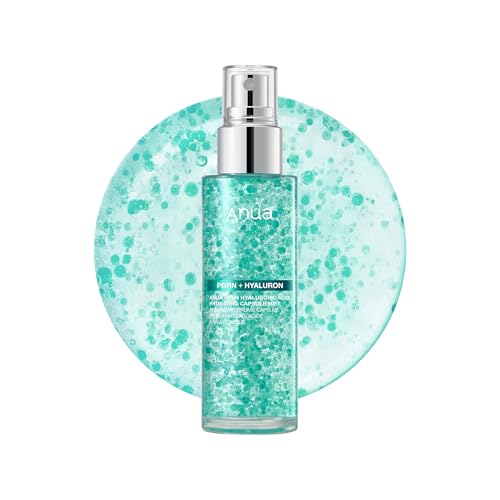

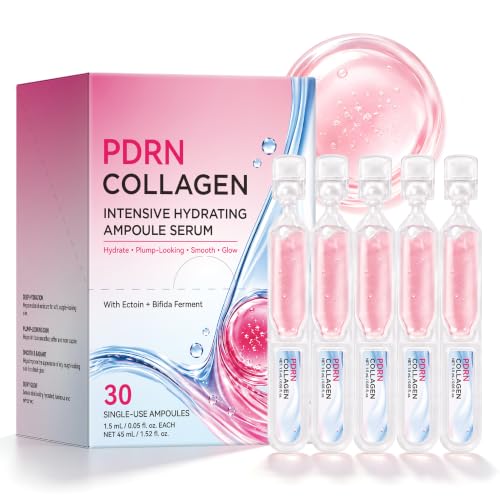
What to Know First
- PDRN is a group of DNA fragments, often salmon-derived, that became popular in aesthetic clinics first.
- The best evidence is for injected polynucleotides, and even that is small and mixed in quality.
- Topical PDRN has far less research, so benefits are likely mostly hydration and comfort.
- Label numbers such as “100” or ppm are not standardized and cannot be compared across brands.
- People with fish or salmon allergy, or who are pregnant, should ask a clinician before using it.
- Apply after toner and before moisturizer, and always follow with sunscreen in the day.
- Pair it with proven basics: sunscreen, retinoids and a gentle routine.
Contents
What PDRN Is
PDRN is short for polydeoxyribonucleotide. It is a mixture of DNA fragments, and in most skincare it comes from salmon or trout. In medicine, polynucleotides were first explored for wound healing. Aesthetic doctors later adopted them as “skin boosters” injected into the skin to improve quality and firmness.
The skincare idea is that these fragments support the skin’s own repair signals and hold water, which leads to a softer, bouncier look. That is a reasonable idea and it explains the buzz. It is not the same as proof that a bottle at home does the same job.
You will also see “PDRN” paired with other ingredients: hyaluronic acid, peptides, collagen, niacinamide, or copper peptides. In many bottles those companions do a lot of the visible work.
Why salmon? Salmon and trout have long been the traditional source of the material used in clinical polynucleotide products. Newer versions are described as plant-derived, which may suit people who avoid animal-derived ingredients.
For everyday buyers the practical point is simple: check where the PDRN comes from, whether the brand explains it clearly, and whether you have any allergy that matters.
Injections vs Topical Products
The two formats share a name and very little else. Injections place purified polynucleotides into the skin with a needle, performed by a clinician. Topical products sit on the surface and mostly act on the outer layers.
| Feature | Injected polynucleotides | Topical PDRN serums |
|---|---|---|
| Who applies it | Trained clinician | You, at home |
| Where it acts | Inside the skin | Skin surface and upper layers |
| Evidence | Small studies, promising but limited | Very little controlled research |
| Cost and effort | Clinic visits and downtime | Low cost, daily use |
| Typical risks | Bruising, swelling, infection risk | Irritation or allergy to the formula |
| Realistic expectation | Gradual improvement over a series | Hydration, comfort, glow |
What the Evidence Says
The 2025 analysis mentioned above included nine studies of low or moderate quality. Injections showed promising results for reducing wrinkles, improving texture and enhancing elasticity, with side effects that were generally mild and short-lived and with moderate to high patient satisfaction.
The authors still concluded that there is limited consensus on how to use polynucleotides best and that rigorous, high-quality studies are needed.
That is a cautious thumbs-up for a clinic treatment, not for a serum. We did not find controlled trials showing that topical PDRN products deliver the same results. Marketing pages often borrow clinic data to sell bottles, so be wary of that leap.
“Promising” in a research summary means worth studying further. It does not mean proven, and it does not apply automatically to products you apply yourself.
How to Read a PDRN Label
PDRN products use different words, numbers and claims. The table translates the common ones.
| What you see | What it usually means | What to check |
|---|---|---|
| PDRN 100, 5 PDRN, 120,000 ppm | Brand-specific strength or marketing number | No standard scale; do not compare across brands |
| Salmon DNA | Source of the fragments | Allergy concerns if you react to fish |
| Plant-derived PDRN | Fragments from non-fish sources | Newer, less studied |
| Hyaluronic acid, peptides, collagen | Supporting ingredients | These often drive hydration |
| Fragrance, essential oils | Added scent | Skip if your skin is reactive |
| Alcohol denat. high on the list | Drying solvent | Avoid if you are dry or sensitive |
For a refresher on ingredient order and naming, our guide to reading a cosmetic ingredient list shows how to spot what comes first and what is a token amount.
Who Might Like It and Who Should Be Careful
PDRN serums suit people who want a hydrating, soothing step with a modern twist: normal, dry, dehydrated or mature skin, and anyone who likes layering light, watery products. They also appeal to people who want a simple add-on after a procedure, though that should be cleared by your clinician.
Do
- Patch test on your inner arm or jawline first
- Look for fragrance-free formulas if you are sensitive
- Keep using sunscreen every morning
- Judge results after six to eight weeks of steady use
Don’t
- Use it if you have a fish or salmon allergy without asking your doctor
- Expect it to replace retinoids, sunscreen or clinic treatments
- Apply over broken, burnt or infected skin
- Stack five new products at once
Pregnant or nursing, on medication or under care for a skin condition? Ask a doctor or pharmacist before adding any new active. There is not enough research on topical PDRN in pregnancy to call it safe.
How to Use a PDRN Serum
Cleanse gently
Wash with a mild cleanser and pat skin damp. Water-based serums absorb best on slightly damp skin.
Apply toner or essence
If you use one, pat it in first so lighter layers go under heavier ones.
Dispense a small amount
Use the pump, dropper or mist to apply a few drops or sprays over the face and neck.
Press, do not rub
Pat gently with your palms until the serum feels tacky or absorbed.
Moisturize
Seal in with a moisturizer suited to your skin type. Add sunscreen in the morning.
Keep it consistent
Use once or twice a day for six to eight weeks before judging results.
If a serum feels sticky, apply fewer drops on damp skin rather than layering more. Tacky is normal, stringy or pilling is a sign you used too much.
Where It Fits in a Routine
PDRN is a supporting step. A simple order is cleanser, toner or essence, PDRN serum, moisturizer, then sunscreen in the morning. At night you can swap the order of actives, such as retinol, on different days if your skin is sensitive.
Our guide to the best skin care routine explains the core steps, and it is the place to start if your basics are not yet in place. Proven ingredients, such as sunscreen and retinoids, still do more for texture and fine lines than any trending extra.
Common PDRN Myths
Myth: a higher number means a stronger product. Names such as “PDRN 100” or “120,000 ppm” are brand choices. There is no shared scale, and a number on a label tells you little about purity, fragment size or how much reaches the skin. Myth: it works like a clinic treatment. Clinical polynucleotides are purified, standardized and placed under the skin. A serum is formulated to be stable, pleasant and absorbed at the surface, which is a different job. Myth: natural source means gentle. Salmon-derived does not guarantee low irritation. Fragrance, alcohol or essential oils in the formula often matter more for sensitive skin than the DNA fragments themselves. Myth: more layers means better results. Stacking a PDRN essence, serum, mist and mask on the same night rarely adds value and can irritate. One well-chosen product used consistently is a better test. Myth: it replaces sunscreen or retinoids. Daily sunscreen and retinoids have the strongest evidence for protecting skin and softening fine lines. A PDRN step is an extra, not a substitute.If you are comparing several products, write down what you used, when you started and how your skin felt each week. That small log keeps you from crediting a serum for changes that came from a better moisturizer or a change in weather.
Honest Limits
Marketing around PDRN moves faster than research. Studies we have on injections cannot be assumed for serums, and there is no standard strength or purity statement across consumer products. Results shown in before-and-after pictures online are rarely controlled.
Products on this page were shortlisted from widely reviewed listings, based on research and listing details, not tested by us. Prices and formulas change, so compare the current ingredient list before you buy.
If a brand claims clinical results, look for a link to the actual study, the number of participants and whether the test used the finished product. Many claims rest on lab or ingredient-supplier data, which tells you much less about how a serum behaves on real faces over weeks.
When to See a Professional
See a dermatologist or qualified clinician if you are considering injected polynucleotide treatments, have persistent redness, rashes or itching after a new product, or want help with scars, deep lines or pigmentation. Check credentials and ask what is in the vial, how it is stored and what follow-up looks like.
This article is for general information and is not medical advice. It does not diagnose or treat any condition. Talk to a doctor, pharmacist or dermatologist before using new active ingredients, especially if you have allergies, are pregnant or nursing.
Common Questions
What is PDRN in skincare?
PDRN is polydeoxyribonucleotide, short DNA fragments, often derived from salmon. It is used in aesthetic clinics as an injection and in cosmetic serums, essences and masks.
Does PDRN really work?
Small studies of injected polynucleotides show promising results for wrinkles, texture and elasticity. Topical PDRN has far less research, so benefits are probably mostly hydration and comfort.
Is topical PDRN as good as injections?
There is no strong evidence that it is. Injections work inside the skin under clinical supervision, while serums act on the surface.
Is PDRN safe?
Studies of injections report mostly mild, short-lived side effects. Topical products can still cause irritation or allergy, so patch test first.
Can I use PDRN if I am allergic to fish?
Many PDRN products are salmon-derived, so ask your doctor first. Some brands offer plant-derived versions, but they are newer and less studied.
Can I use PDRN with retinol or vitamin C?
Many people do, but if your skin is sensitive, use them at different times of day. Introduce one new product at a time.
How long until I see results?
Hydration may feel better within days. Give any serum six to eight weeks before judging changes in texture.
Is PDRN vegan?
Salmon-derived PDRN is not. Look for plant-derived or vegan-labeled products if that matters to you.
Can I use PDRN while pregnant?
There is not enough research to say. Ask your doctor or pharmacist before using it.
Which PDRN product should I choose?
Start with a fragrance-free serum or essence from a widely reviewed brand, patch test, and compare the ingredient lists in the picks above.
Where This Leaves You
PDRN is an interesting ingredient with promising clinic data and thin evidence for home use. A well-made PDRN serum can be a hydrating, comfortable step, but it will not replace sunscreen, retinoids or professional treatments.
Choose a gentle formula, patch test, give it six to eight weeks and keep your expectations realistic. If you want deeper changes in lines, scars or tone, speak with a qualified clinician.

Written by
Registered pharmacist and founder of Facial Adviser. Rakib's pharmacy training covers how skincare actives work and interact; a later course in cosmetology turned that into a focus on facial treatments and skincare products. He plans, researches and edits every guide on the site and checks health claims against sources such as the American Academy of Dermatology, the FDA and the NIH. He is not a dermatologist; see the Editorial Policy and Medical Disclaimer.
About · Editorial policy · How we choose products · Medical disclaimer · Contact
Keep reading: Skincare routine basics
- Best Facial Skincare Tips: Evidence-Based Habits Dermatologists Recommend
- Best Skin Care Routine: Simple AM and PM Steps for Every Skin Type
- Why Professional Skin Care Is Important
- 7 Best Facial Routine Skincare Kits for Men (2026): What to Look For and How to Use It
- Is Mineral Water Good for Your Skin? What the Evidence Says
Build a spa-like routine with ad-free music