What Is a Clean-Label Cosmetic? What Clean Beauty Really Means
Clean beauty has become one of the biggest trends in cosmetics. Retailers have clean sections, brands carry clean seals and many shoppers now look for the word clean before anything else on a label. Yet two clean products can have very different ingredient lists.
Part of our guide to cosmetic science. Start with: How to Read a Cosmetic Ingredient List: A Beginner Guide
A clean-label cosmetic is a product marketed as being made without a list of ingredients the brand or retailer considers undesirable. Common exclusions include parabens, formaldehyde-releasing preservatives, phthalates, synthetic fragrance, sulfates, mineral oil, talc and certain chemical sunscreen filters. There is no legal or regulatory definition of clean in cosmetics, so each brand and retailer sets its own rules. Clean does not automatically mean safer, gentler, more natural or better for sensitive skin. It tells you what a product leaves out, not how well it works or whether it will suit you.
Some clean standards are thoughtful and transparent. Others are mostly marketing. Knowing how the claims work helps you use them as one piece of information rather than a guarantee.
The FDA notes that the source of an ingredient does not determine its safety and that many plants, organic or not, contain allergenic substances, which is a useful reminder when a clean product leans heavily on botanicals or essential oils.
This guide explains what clean labels usually mean, which exclusions have good reasons behind them, where the claims can mislead and how to judge any product for yourself.
Shopping these picks?
Amazon Prime members get fast, free shipping on eligible items, plus Prime Video, Amazon Music and member deals. New members can start with a free trial.
Start a free Prime trialAged 18 to 24? Prime for Young Adults comes with a longer free trial and a lower price after it.
Affiliate link: we may earn a commission at no extra cost to you.
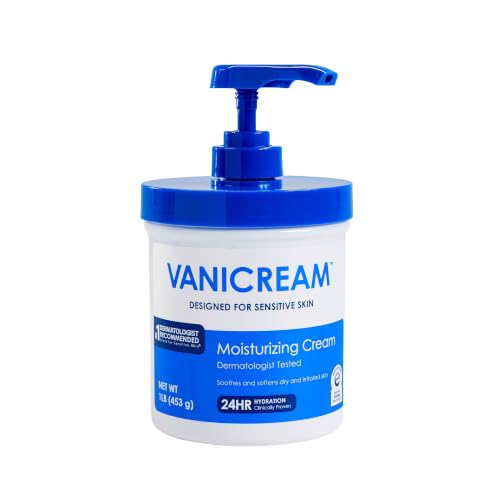
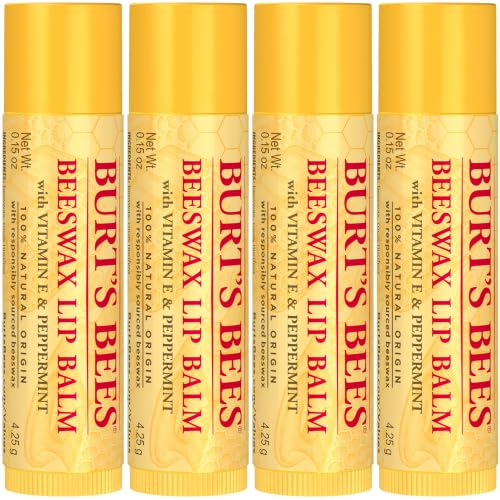
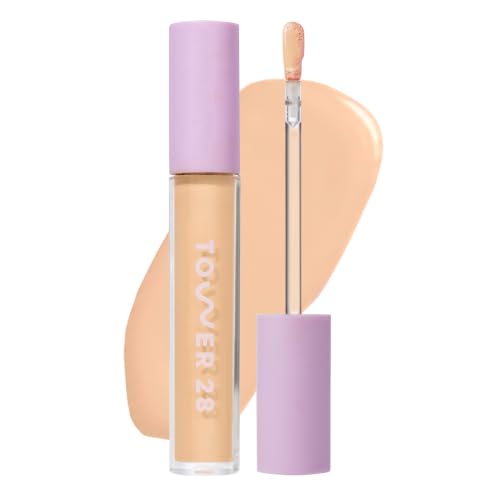
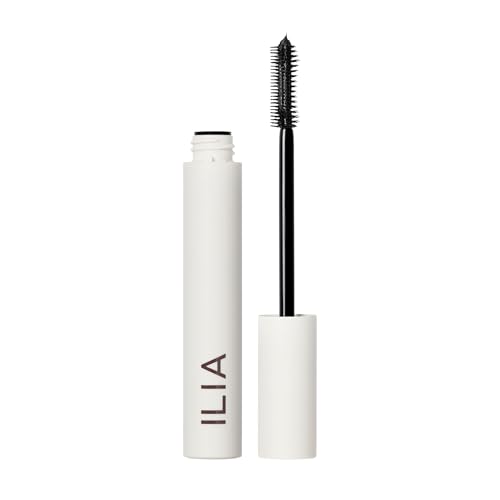
Recommended Makeup and Skincare With Simple Formulas



Quick Answer
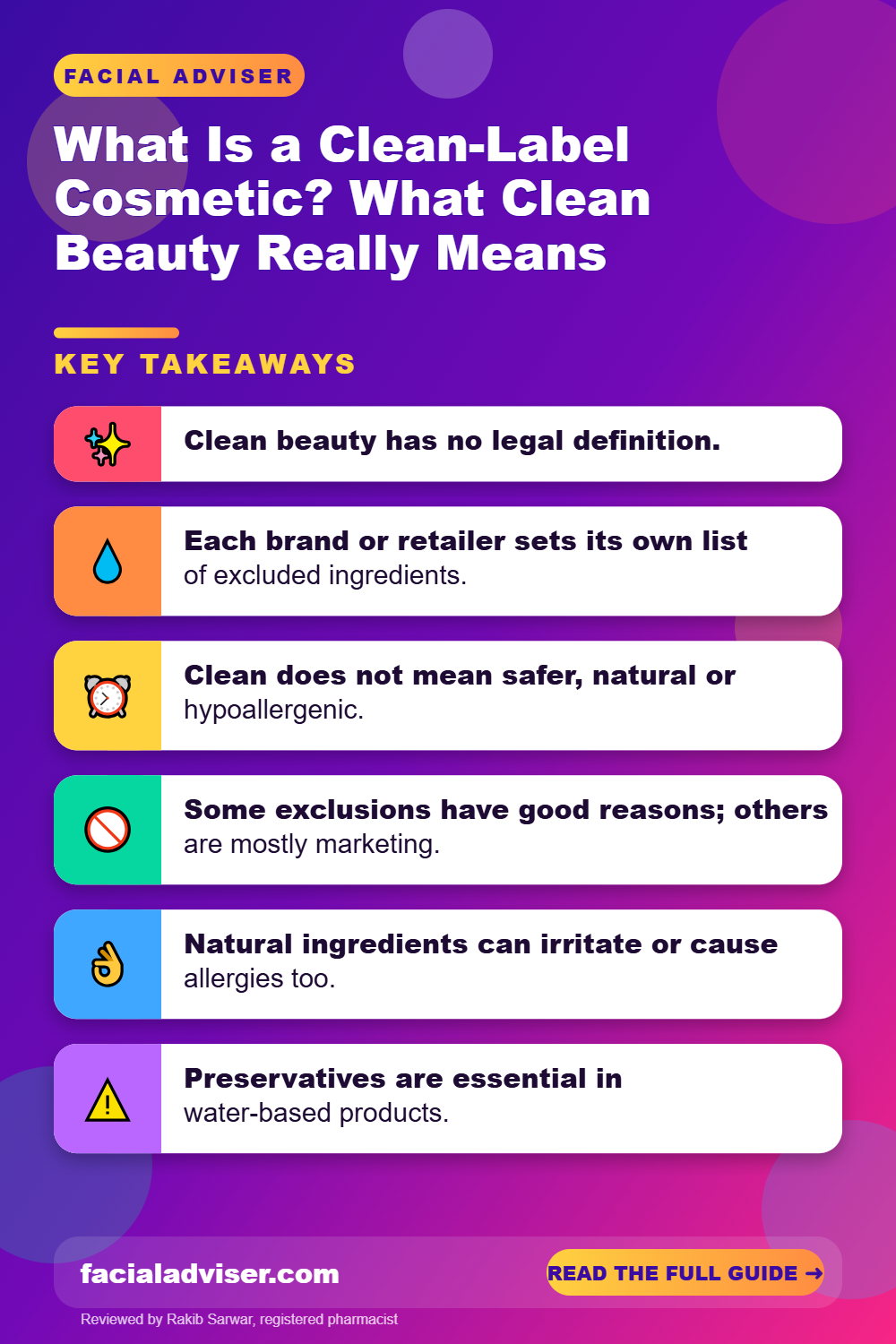
- Clean beauty has no legal definition.
- Each brand or retailer sets its own list of excluded ingredients.
- Clean does not mean safer, natural or hypoallergenic.
- Some exclusions have good reasons; others are mostly marketing.
- Natural ingredients can irritate or cause allergies too.
- Preservatives are essential in water-based products.
- The full ingredient list tells you more than a clean seal.
Contents
- What Clean Usually Means
- Ingredients Clean Brands Commonly Exclude
- Where Clean Claims Can Mislead
- How to Evaluate a Clean Beauty Claim
- Why Clean Beauty Became So Popular
- Clean, Natural, Organic and Other Claims
- Clean Beauty and Sensitive Skin
- Clean Makeup: What to Expect
- Dos and Don’ts
- Honest Limits
- When to See a Dermatologist
- Your Questions, Answered
- Summing Up
What Clean Usually Means
Most clean standards are lists of ingredients a brand promises not to use. Retailers with clean programmes publish their own lists, and some independent certifications exist, but none of them is a legal standard.
Some brands add other values to the word clean, such as vegan formulas, cruelty-free testing, sustainable packaging or ethical sourcing. These are separate claims, so it is worth checking which one a brand actually means.
In the United States, cosmetics must be safe for their intended use and must list ingredients on the label, whatever claims they make. The FDA also does not define terms such as natural or organic for cosmetics. Its page on organic cosmetics explains that the USDA sets organic standards for agricultural ingredients and that a product’s source does not determine its safety.
Clean, natural, non-toxic, green and conscious are all marketing terms without legal definitions in cosmetics. Organic is the exception in that USDA rules apply when a product carries the USDA organic seal.
Ingredients Clean Brands Commonly Exclude
| Ingredient | Why some brands avoid it | What the evidence suggests |
|---|---|---|
| Parabens | Concern about weak hormone-like activity | Widely studied; commonly used parabens are considered safe at typical cosmetic levels by major safety panels |
| Formaldehyde releasers | Can cause allergic reactions in some people | A real allergy concern for sensitised people |
| Phthalates | Concern about hormone effects | Largely phased out of most cosmetics already |
| Synthetic fragrance | Common cause of cosmetic allergy | A reasonable exclusion for sensitive skin, though natural fragrance can also irritate |
| Sulfates | Can be drying in cleansers | Harshness depends on the formula; not a safety issue at normal use |
| Mineral oil and petrolatum | Perception of being unnatural | Highly refined cosmetic grades are well tolerated and widely recommended for dry skin |
| Talc | Concern about asbestos contamination | Cosmetic talc from reputable sources is tested; contamination is a sourcing issue |
Some of these exclusions make good sense for certain people. If you are allergic to fragrance or a specific preservative, avoiding it matters. Others are based more on perception than on evidence, which is why clean does not always equal better.
Our guide on whether talc causes breakouts looks at one frequently excluded ingredient in more detail.
Where Clean Claims Can Mislead
Natural is not the same as gentle. Essential oils, plant extracts and botanical fragrances are common causes of allergic contact dermatitis. A clean product packed with botanicals may be a poorer choice for sensitive skin than a simple synthetic formula. Free-from claims can create unnecessary fear. Labels such as paraben-free or chemical-free suggest the missing ingredient was dangerous. Everything, including water, is a chemical, and many excluded ingredients have long safety records. Replacement ingredients are not always better. When a brand removes a well-studied preservative, it has to use something else. Some alternatives are less studied or more likely to cause reactions. Our guide to which cosmetic preservatives are mild explains the trade-offs. Clean does not mean hypoallergenic. Neither term has a legal definition, and neither guarantees you will not react. Our guide on what hypoallergenic makeup means covers that label in more detail.Do not avoid preservatives entirely in water-based products. Unpreserved or poorly preserved creams, liquids and mascaras can grow bacteria and fungi, which can cause skin and eye infections.
How to Evaluate a Clean Beauty Claim
Find the brand’s definition
Look for a published list of what clean means for that brand or retailer.
Read the full ingredient list
Check what is actually in the product, not just what is left out.
Look for your personal triggers
If you react to fragrance, essential oils or a specific preservative, check for those first.
Check how it is preserved
Water-based products need an effective preservative system.
Judge performance separately
A clean claim says nothing about whether a product hydrates, covers or protects well.
Patch test before full use
Try it on a small area for several days, especially if it contains botanicals.
If a brand explains why it excludes each ingredient and links to evidence, that is usually a sign of a thoughtful standard. A long list of scary-sounding exclusions with no explanation is more likely to be marketing.
Why Clean Beauty Became So Popular
Interest in clean beauty grew as shoppers started reading ingredient lists more closely and sharing information online. Many people want more transparency about what they put on their skin, and clean brands often answer that by publishing detailed ingredient explanations.
Regulation has also played a part in the conversation. For many years cosmetics in the United States were regulated under rules that had changed little since the 1930s. The Modernization of Cosmetics Regulation Act of 2022 gave the FDA new powers, including facility registration, product listing and adverse event reporting, which addresses some of the transparency concerns that drove interest in clean products.
Clean beauty also overlaps with wider values such as sustainability, animal welfare and supporting smaller brands. For some shoppers the appeal is less about safety and more about choosing products that match how they want to live.
The downside is that fear-based marketing can make perfectly safe, well-studied ingredients sound dangerous. That can push people away from effective products such as petrolatum for very dry skin or preserved creams that stay safe to use for longer. A balanced view keeps the benefits of transparency without the unnecessary worry.
Clean, Natural, Organic and Other Claims
| Claim | Who defines it | What it tells you |
|---|---|---|
| Clean | Each brand or retailer | Which ingredients the brand chose to leave out |
| Natural | No legal definition | Usually that some ingredients come from plants or minerals |
| Organic (USDA seal) | USDA National Organic Program | Agricultural ingredients meet organic standards |
| Vegan | Brand or certifier | No animal-derived ingredients |
| Cruelty-free | Brand or certifier | The brand says no animal testing was done for the product |
| Fragrance-free | No legal definition | No fragrance added for scent |
These claims answer different questions. A product can be vegan but not clean by a retailer’s standard, or clean but full of fragrant plant oils. Decide which values matter most to you, then check the specific claim rather than relying on a general sense of cleanness.
Clean Beauty and Sensitive Skin
Many people turn to clean beauty because their skin is reactive. For some, it helps, often because clean products tend to avoid synthetic fragrance. For others it backfires, because clean products can contain essential oils, plant extracts and newer preservatives that are just as likely to irritate.
For sensitive skin, fragrance-free and short ingredient lists usually matter more than a clean label. Our guide on spotting fragrance in an ingredient list shows how to find hidden scent ingredients, including essential oils.
If you react to many products, a dermatologist can perform patch testing to identify your specific allergens. That gives you a personal list to avoid, which is far more reliable than any general clean standard.
Clean Makeup: What to Expect
Clean makeup ranges from simple mineral powders to skin tints, cream blushes and mascaras. Mineral foundations based on zinc oxide, titanium dioxide and iron oxides have been popular with clean shoppers for years because their ingredient lists are short.
Performance varies just as it does with conventional makeup. Some clean mascaras and long-wear products perform very well, while others fade or smudge faster because they avoid certain film formers or preservatives. Reading reviews that mention your skin type and testing samples is the best way to know.
Clean skin tints and concealers often include skincare ingredients such as hyaluronic acid or squalane. These can feel lovely on dry skin, but if you are oily or acne-prone, check for heavy oils and butters in the formula.
Dos and Don’ts
Do
- Read the full ingredient list
- Check the brand’s definition of clean
- Choose fragrance-free if you are sensitive
- Look for a reliable preservative system
- Patch test new products
Don’t
- Assume clean means safer
- Assume natural means gentle
- Fear an ingredient just because it is synthetic
- Buy unpreserved water-based products
- Rely on a clean seal alone
Honest Limits
Clean beauty standards change over time and differ between brands and retailers, so a product that is clean by one standard may not be by another.
Research on some ingredients is still developing, and reasonable people can disagree about how cautious to be. Choosing clean products because you prefer to avoid certain ingredients is a personal choice, and it is a valid one as long as it is based on accurate information.
This guide does not rank brands or certify products. It is meant to help you read labels and claims so you can decide what matters to you. If you are unsure about a particular ingredient, a dermatologist or pharmacist can help you weigh the evidence for your own skin, which is often more useful than general lists found online. Whatever you choose, sticking with products your skin tolerates well is usually the best decision.
When to See a Dermatologist
- You react to many different products, clean or conventional.
- You have repeated rashes, itching or swelling after using cosmetics.
- Your eyelids or lips are persistently red, dry or itchy.
- You want to identify the exact ingredients you are allergic to.
This article is for general information and does not replace professional medical advice. See a dermatologist for persistent skin reactions.
Your Questions, Answered
What is a clean-label cosmetic?
A product marketed as made without ingredients the brand or retailer considers undesirable.
Is clean beauty regulated?
No. There is no legal definition of clean in cosmetics.
Is clean makeup safer?
Not automatically. All cosmetics must be safe for intended use regardless of claims.
Is clean the same as natural?
No. Clean describes what is left out; natural usually describes ingredient sources.
Is clean makeup better for sensitive skin?
Not always. Botanical ingredients and essential oils can irritate.
Why do clean brands avoid parabens?
Because of concerns about hormone-like activity, though commonly used parabens are considered safe at typical levels.
Do clean products still contain preservatives?
Water-based products should, to prevent microbial growth.
What does the USDA organic seal mean?
That agricultural ingredients meet USDA organic standards.
How can I tell if a clean claim is meaningful?
Look for a published definition, clear reasons and a full ingredient list.
Should I switch to clean beauty?
It is a personal choice; focus on ingredients that matter for your skin.
Summing Up
A clean-label cosmetic is one made without a list of ingredients the brand chooses to avoid. The term has no legal definition, and clean does not automatically mean safer, natural or gentler.
Use clean claims as a starting point, read the full ingredient list, look for your personal triggers and judge performance on its own merits. For sensitive skin, fragrance-free and simple formulas usually matter more than any clean seal.

Written by
Registered pharmacist and founder of Facial Adviser. Rakib's pharmacy training covers how skincare actives work and interact; a later course in cosmetology turned that into a focus on facial treatments and skincare products. He plans, researches and edits every guide on the site and checks health claims against sources such as the American Academy of Dermatology, the FDA and the NIH. He is not a dermatologist; see the Editorial Policy and Medical Disclaimer.
About · Editorial policy · How we choose products · Medical disclaimer · Contact
Keep reading: How cosmetics are made
- How to Read a Cosmetic Ingredient List: A Beginner Guide
- Silicone vs Water-Based Cosmetics: How to Tell Them Apart and Pair Them
- How Mica Creates Shimmer in Makeup: The Science of Sparkle
- Filler vs Pigment in Makeup: What Each Does and Why It Matters
- How to Choose Cruelty-Free Brands: Logos, Loopholes and What to Check
- Pigment vs Dye in Makeup: Why Some Colours Stain and Others Wipe Off