How to Spot Fragrance in an Ingredient List
You picked a moisturiser because the front said gentle and natural, but your skin still stung. When you turned the bottle over, the ingredient list was a wall of long chemical names, and nothing obviously said perfume. Fragrance is one of the most common causes of skin reactions to cosmetics, yet it is surprisingly easy to miss on a label.
Part of our guide to cosmetic science. Start with: How to Read a Cosmetic Ingredient List: A Beginner Guide
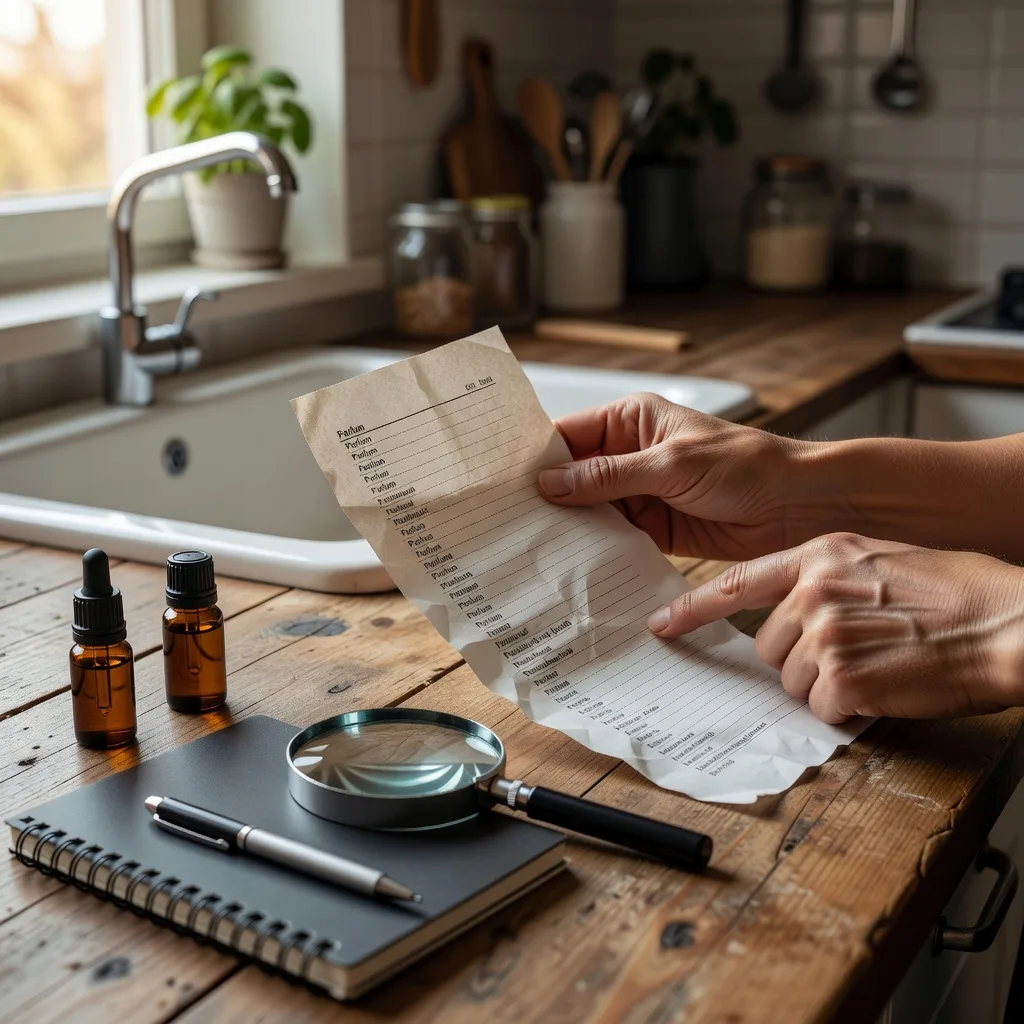
To spot fragrance, look for the words fragrance, parfum, perfume, aroma or flavor in the ingredient list, then check for essential oils and plant extracts used for scent, such as lavender, citrus, rose, peppermint or ylang-ylang oil. Also look for named fragrance allergens like linalool, limonene, citronellol, geraniol and eugenol. Choose products labelled fragrance-free rather than unscented, because unscented products can contain masking fragrance.
The US Food and Drug Administration explains that fragrance can be listed simply as fragrance or flavor, without naming each component, because the mixtures are treated as trade secrets. It also notes that products labelled unscented may contain a small amount of fragrance to mask the smell of other ingredients.
That makes label reading a skill worth learning, especially if you have sensitive skin, eczema, rosacea or a known fragrance allergy. Once you know what to look for, it only takes a few seconds per product.
This guide covers the words to watch for, where fragrance hides, the difference between fragrance-free and unscented, and how to choose products that are gentler on reactive skin.
Shopping these picks?
Amazon Prime members get fast, free shipping on eligible items, plus Prime Video, Amazon Music and member deals. New members can start with a free trial.
Start a free Prime trialAged 18 to 24? Prime for Young Adults comes with a longer free trial and a lower price after it.
Affiliate link: we may earn a commission at no extra cost to you.
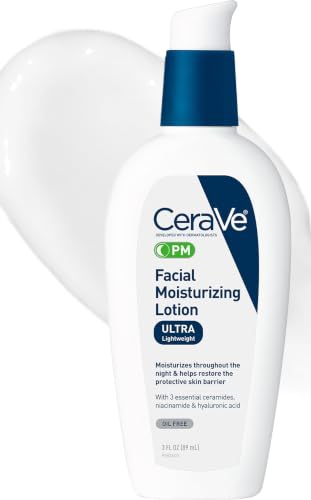
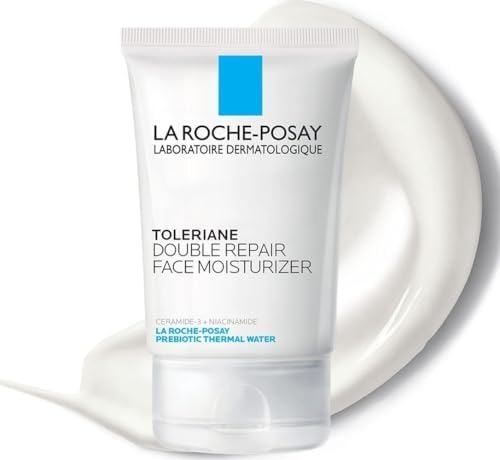
Recommended Fragrance-Free Skincare
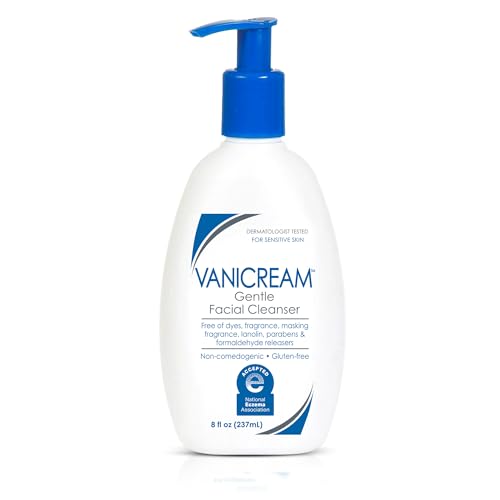

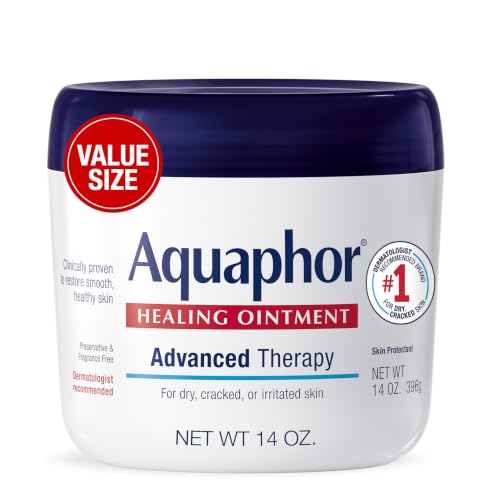
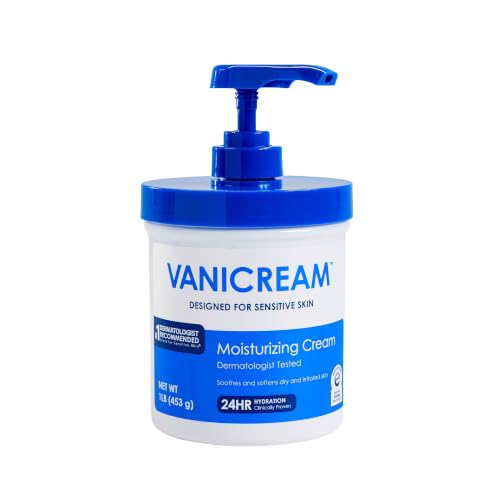
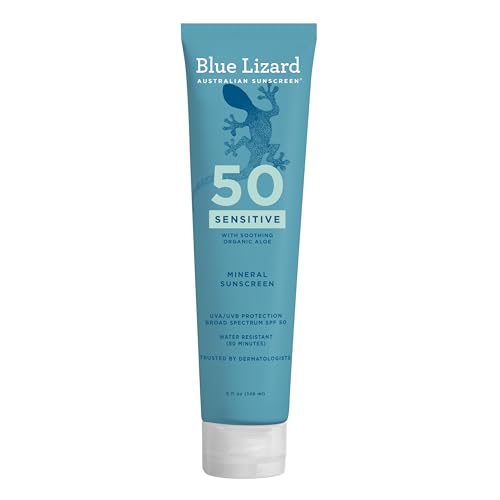
Jump to a Section
- The Words That Mean Fragrance
- Common Fragrance Allergens to Recognise
- Where Fragrance Hides
- How to Check a Product for Fragrance in Five Steps
- Fragrance-Free vs Unscented
- Why Fragrance Causes Skin Problems
- Which Products Matter Most
- If You Have Sensitive or Reactive Skin
- Reading Real-World Labels
- Shopping Tips for Fragrance-Free Skincare
- Honest Limits
- When to See a Dermatologist
- Questions People Ask
- Where This Leaves You
In Brief
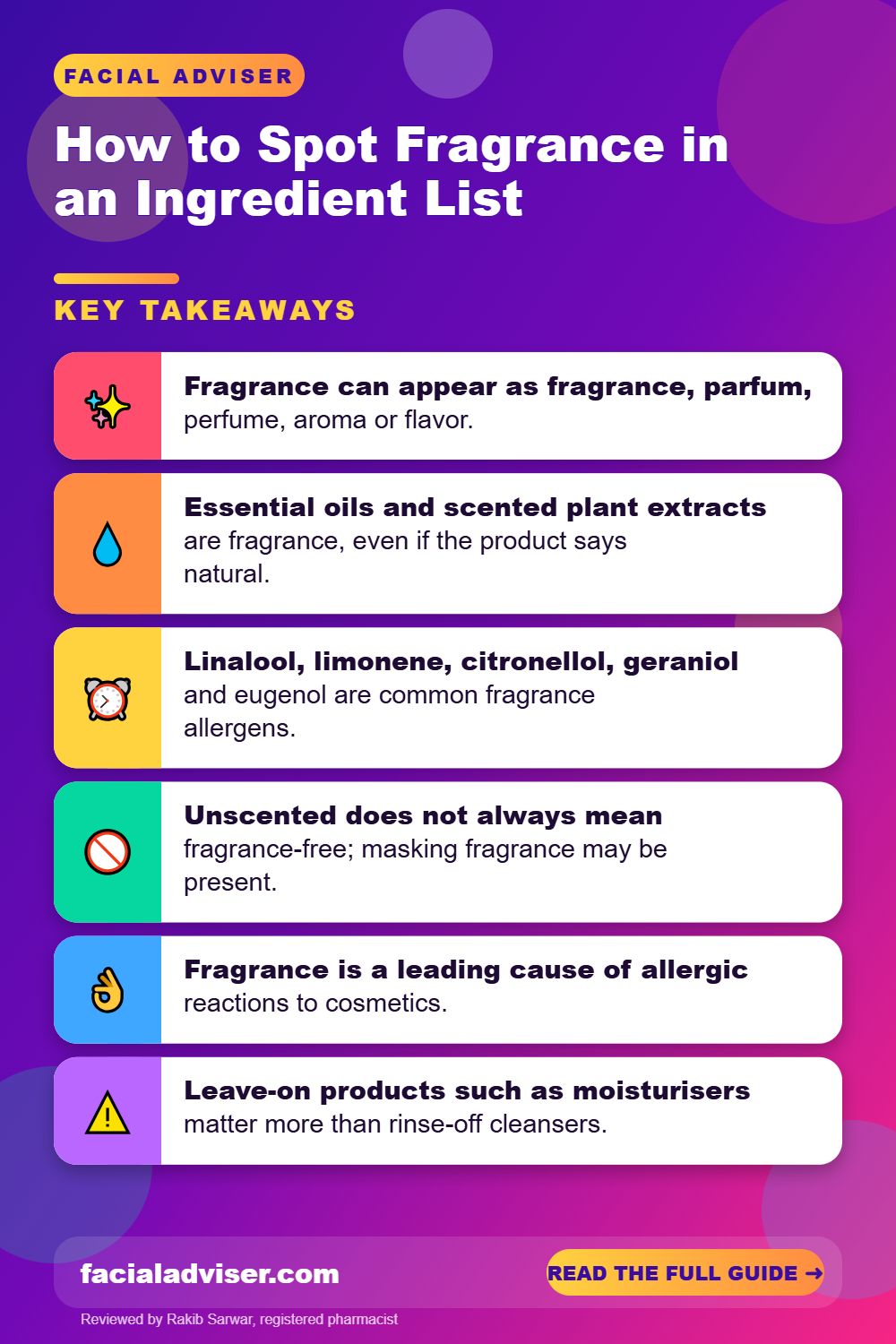
- Fragrance can appear as fragrance, parfum, perfume, aroma or flavor.
- Essential oils and scented plant extracts are fragrance, even if the product says natural.
- Linalool, limonene, citronellol, geraniol and eugenol are common fragrance allergens.
- Unscented does not always mean fragrance-free; masking fragrance may be present.
- Fragrance is a leading cause of allergic reactions to cosmetics.
- Leave-on products such as moisturisers matter more than rinse-off cleansers.
- Patch testing by a dermatologist can identify specific fragrance allergies.
The Words That Mean Fragrance
| Label term | What it means | Where you see it |
|---|---|---|
| Fragrance | A blend of scent ingredients, not individually listed | US labels |
| Parfum | Same as fragrance, using the international name | EU, UK and international labels |
| Perfume | Fragrance blend | Some labels |
| Aroma or flavor | Scent or taste ingredients | Lip products, toothpastes, some skincare |
| Essential oil | Concentrated plant oil used for scent | Natural and clean brands |
| Named allergens | Individual fragrance chemicals such as linalool | Often listed near the end |
Ingredients are listed roughly in order of concentration, so fragrance often appears near the end. That does not mean it is harmless; even small amounts can trigger reactions in sensitised skin.
Fragrance can also appear inside other ingredient blends. Some botanical complexes or proprietary extracts contain scented components, and a few ingredients labelled as masking agents are there to hide smells. If a product has a noticeable scent but you cannot find fragrance on the list, the scent is coming from somewhere, and it is worth contacting the manufacturer.
Common Fragrance Allergens to Recognise
In the European Union and UK, certain fragrance allergens must be named on the label when they are present above a set level. You will often see them on products sold internationally, even in the US. The EU list has been expanded in recent years, so newer labels may name more of these compounds than older ones. Seeing a long list of them is a good sign the product is heavily scented.
- Linalool
- Limonene
- Citronellol
- Geraniol
- Eugenol
- Citral
- Coumarin
- Cinnamal and cinnamyl alcohol
- Benzyl alcohol, benzyl benzoate and benzyl salicylate
- Hydroxycitronellal
- Farnesol
- Oak moss and tree moss extracts
Some of these, such as benzyl alcohol, can also be used as preservatives. Their presence does not always mean the product is scented, but it is worth noting if you know you react to them.
Where Fragrance Hides
Good Habits
- Check the full ingredient list, not the front label
- Look for essential oils by their plant names
- Notice citrus, mint, lavender and rose extracts
- Check lip balms, sunscreens and hair products
- Look for named allergens near the end
Common Mistakes
- Trust natural or gentle claims alone
- Assume unscented means fragrance-free
- Assume botanical means non-irritating
- Ignore rinse-off products if you are very sensitive
- Forget products used by others that touch your skin
Essential oils are a common blind spot. Lavender oil, tea tree oil, peppermint oil, citrus peel oils, rose oil and ylang-ylang all add scent and contain the same allergenic compounds found in synthetic fragrances.
Natural does not mean gentler. Plant-derived fragrance chemicals behave in exactly the same way on the skin as lab-made ones, and some essential oils become more irritating as they age and oxidise after opening. Tea tree oil and lavender oil, for example, are both known to cause allergic reactions in some people, particularly when the product is old or has been stored in warm conditions.
How to Check a Product for Fragrance in Five Steps
Read the full ingredient list
Ignore front-of-pack claims and turn the product over.
Search for fragrance words
Look for fragrance, parfum, perfume, aroma or flavor.
Scan for essential oils
Look for words ending in oil or extract from scented plants, such as lavender, citrus, rose or peppermint.
Check the end of the list
Look for linalool, limonene, citronellol, geraniol, eugenol and similar names.
Choose fragrance-free when unsure
If the list is unclear or you react easily, pick a product explicitly labelled fragrance-free.
Take a photo of ingredient lists for products that suit you and those that cause problems. Comparing them over time often reveals the ingredient you react to.
Fragrance-Free vs Unscented
These terms sound the same but can mean different things. Fragrance-free generally means no fragrance ingredients have been added for scent. Unscented means the product does not have a noticeable smell, which can be achieved by adding a masking fragrance to cover the odour of other ingredients.
The FDA notes that unscented products may contain fragrance to mask unpleasant smells, and advises people who are sensitive to choose fragrance-free products and check the ingredient list (FDA).
A product can be labelled fragrance-free and still contain an essential oil or botanical extract with a scent if the manufacturer considers it a functional ingredient. Always read the full list.
Why Fragrance Causes Skin Problems
Fragrance can cause two kinds of reaction. Irritant reactions happen when the ingredients directly sting or inflame the skin, especially if the barrier is already weakened. Allergic contact dermatitis happens when the immune system becomes sensitised to a specific fragrance chemical, and then reacts every time it touches the skin.
Allergic reactions often appear as itchy, red, sometimes bumpy or blistered patches, and can spread beyond the area where the product was applied. They may take a day or two to appear, which makes the cause easy to miss. Once someone becomes allergic to a fragrance ingredient, the allergy is usually lifelong, so avoidance becomes the main treatment. That is why dermatologists often suggest fragrance-free products for people with eczema and other sensitive skin conditions. If you have been dealing with redness or stinging, our guide to calming inflamed red patches covers what to do next.
Which Products Matter Most
| Product type | Why it matters | Priority for fragrance-free |
|---|---|---|
| Moisturisers and serums | Left on the skin for hours | High |
| Sunscreen | Applied daily, often generously | High |
| Eye and lip products | Thin, sensitive skin | High |
| Cleansers | Rinsed off quickly | Medium |
| Hair products | Run onto the face and neck | Medium |
| Laundry products | Contact with pillowcases and towels | Medium for very sensitive skin |
If you want to cut back on fragrance but not replace everything at once, start with leave-on products used on the face every day.
Do not forget products that touch your face indirectly, such as hair conditioners, styling creams, perfumed laundry detergents and fabric softeners on pillowcases, and even a partner’s aftershave or perfume. For people with confirmed fragrance allergy, these hidden sources can be the reason reactions continue despite a fragrance-free skincare routine.
If You Have Sensitive or Reactive Skin
People with eczema, rosacea, very dry skin or a history of product reactions benefit most from avoiding fragrance. A simple routine of a fragrance-free cleanser, moisturiser and sunscreen removes a major source of irritation.
Keeping the number of products low also helps. Every extra product adds another ingredient list to check, and more chances for a hidden fragrance or irritant to slip in.
Patch testing new products helps too. Our guide on reactions to new products explains how to test a product before using it on your whole face. For sunscreen specifically, our article on roughness after sunscreen covers how to choose a gentle formula.
Reading Real-World Labels
It helps to see how fragrance shows up in practice. Here are typical patterns you might find at the end of an ingredient list, and what each one tells you.
| What you see at the end of the list | What it tells you |
|---|---|
| …phenoxyethanol, fragrance | Contains an added fragrance blend |
| …parfum, linalool, limonene, citronellol | Contains fragrance plus named allergens |
| …lavandula angustifolia oil, citrus aurantium dulcis peel oil | Scented with essential oils |
| …glycerin, ceramide NP, cholesterol | No obvious fragrance ingredients |
| …aroma, sodium saccharin | Flavouring, common in lip products and toothpaste |
Latin plant names are a common stumbling block. Lavandula means lavender, citrus aurantium dulcis is sweet orange, mentha piperita is peppermint, rosa damascena is rose and cananga odorata is ylang-ylang. Once you learn a handful of these, scented botanicals become much easier to spot.
Shopping Tips for Fragrance-Free Skincare
- Look for fragrance-free on the front, then confirm it on the ingredient list.
- Check brand websites, which often publish full ingredient lists you can read before buying.
- Be wary of products described as lightly scented, subtle or with a fresh scent.
- Compare several products in the same category; fragrance-free versions are often available from the same brand.
- Remember that price is no guide: luxury and budget products can both contain fragrance.
Many pharmacy brands aimed at sensitive or eczema-prone skin make a point of leaving fragrance out, which makes them a good starting point if you are building a gentler routine.
Honest Limits
Not everyone reacts to fragrance, and many people use scented products without any problems. Avoiding fragrance is most important if you already have sensitive skin or a confirmed allergy.
Label rules differ between countries, and trade secret protection means you cannot always see every component of a fragrance blend. If you keep reacting despite careful label reading, a dermatologist’s patch test is the most reliable way to find out exactly what you are allergic to.
It is also fine to enjoy fragrance if your skin tolerates it. Some people prefer to keep scent for perfume sprayed on clothing or hair rather than in face products, which gives them the pleasure of fragrance while keeping it away from the more reactive skin of the face.
When to See a Dermatologist
- You get itchy, red or blistering rashes after using skincare or cosmetics.
- Reactions keep happening even with products labelled fragrance-free.
- A rash spreads beyond where you applied a product.
- You want patch testing to identify specific allergens.
This article is for general information and does not replace professional medical advice. See a dermatologist if you suspect an allergy to skincare ingredients.
Questions People Ask
What does parfum mean on an ingredient list?
It is the international term for fragrance, a blend of scent ingredients.
Is unscented the same as fragrance-free?
Not always. Unscented products may contain masking fragrance to hide other smells.
Are essential oils fragrance?
Yes. Essential oils add scent and contain compounds that can cause allergies.
What are common fragrance allergens?
Linalool, limonene, citronellol, geraniol, eugenol, citral and coumarin are among the most common.
Why is fragrance not listed in detail?
Fragrance blends are treated as trade secrets, so they can be listed as a single term.
Can natural products contain fragrance?
Yes. Many natural products use essential oils and scented plant extracts.
Is fragrance in a cleanser a problem?
Rinse-off products are less likely to cause problems, but very sensitive skin may still react.
How do I know if I am allergic to fragrance?
Itchy, red rashes after using scented products suggest it; a dermatologist can confirm with patch testing.
Does fragrance cause acne?
Fragrance is more linked to irritation and allergy than to acne.
What products should be fragrance-free first?
Leave-on products used daily, such as moisturiser and sunscreen.
Where This Leaves You
Fragrance is not always obvious on a label. It can appear as fragrance, parfum, aroma or flavor, hide inside essential oils and plant extracts, or show up as named allergens such as linalool and limonene near the end of the list.
If your skin is sensitive, choose products labelled fragrance-free rather than unscented, start with the leave-on products you use every day, and see a dermatologist for patch testing if reactions keep happening.

Written by
Registered pharmacist and founder of Facial Adviser. Rakib's pharmacy training covers how skincare actives work and interact; a later course in cosmetology turned that into a focus on facial treatments and skincare products. He plans, researches and edits every guide on the site and checks health claims against sources such as the American Academy of Dermatology, the FDA and the NIH. He is not a dermatologist; see the Editorial Policy and Medical Disclaimer.
About · Editorial policy · How we choose products · Medical disclaimer · Contact
Keep reading: How cosmetics are made
- How to Read a Cosmetic Ingredient List: A Beginner Guide
- Antioxidant Synergy in Skincare: Which Combinations Work?
- The Role of Emulsifiers in Cosmetic Stability: How They Keep Creams Together
- What Makes Makeup High Coverage? Pigments Explained
- Which Cosmetic Preservatives Are Mild? A Plain-English Guide
- Physical vs Chemical SPF in Cosmetics: What the Difference Means