Best Facial Hair Removal Cream for Women: How to Choose and Use It Safely
Hair removal creams are one of the quickest ways to deal with fine hair on the upper lip, chin and jawline. They are painless, cheap to use and leave skin smooth for longer than shaving, but they are also chemical products, and the face is more delicate than the legs they were first designed for.
Part of our guide to at-home facial devices. Start with: 10 Best Products for Women's Facial Hair Removal (2026): Gentle Picks
The best facial hair removal cream for women is one made specifically for the face, labelled for sensitive skin, with a short contact time of about five to ten minutes and a soothing base or aftercare balm. Face formulas use milder concentrations of the hair-dissolving ingredient, usually a thioglycolate salt, than body creams. Choose fragrance-free or low-fragrance versions if you react easily, and always patch test 24 hours before the first full use. Use it only on the upper lip, chin, cheeks and jaw, never on eyebrows or near the eyes, and keep to the timing on the pack. If you have very sensitive skin or use retinoids, waxing alternatives or threading may suit you better.
In short: pick a face-specific, sensitive formula, patch test first and never leave it on longer than directed.
The US Food and Drug Administration notes that cosmetic reactions usually show up as itchy, red rashes, and advises knowing what you are sensitive to and checking ingredient labels before you buy.
This guide explains which cream types suit which skin, what to avoid, how to apply it step by step and how to care for your skin afterwards.
Shopping these picks?
Amazon Prime members get fast, free shipping on eligible items, plus Prime Video, Amazon Music and member deals. New members can start with a free trial.
Start a free Prime trialAged 18 to 24? Prime for Young Adults comes with a longer free trial and a lower price after it.
Affiliate link: we may earn a commission at no extra cost to you.
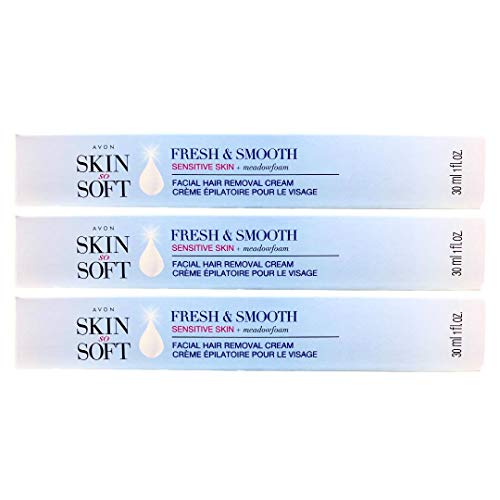
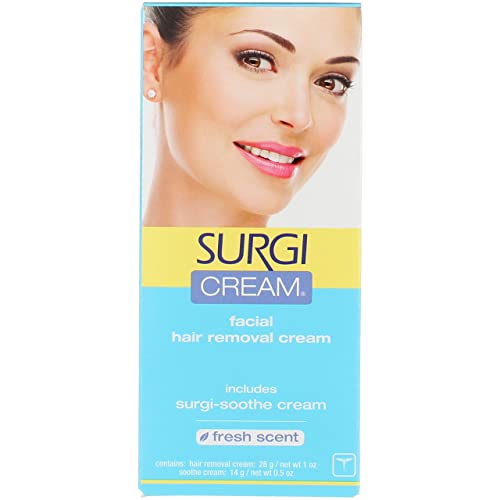
Recommended Facial Hair Removal Creams for Women on Amazon




Jump to a Section
- How Facial Hair Removal Creams Work
- Types of Facial Hair Removal Cream Compared
- Matching the Cream to Your Skin and Hair Type
- What to Look For When Choosing a Cream
- What to Avoid
- Why Patch Testing Matters
- How to Use Facial Hair Removal Cream Safely
- Timing, Frequency and Other Treatments
- Aftercare and Dos and Don’ts
- Honest Limits
- When to See a Dermatologist
- Common Questions
- Summing Up
Quick Answer
- Only use creams labelled for the face.
- Sensitive formulas with soothing ingredients are the safest starting point.
- Patch test 24 hours before every new product.
- Never go over the maximum time on the pack.
- Keep creams away from eyebrows, eyes and broken skin.
- Pause retinoids and exfoliating acids for several days first.
- Results usually last a few days to about a week.
How Facial Hair Removal Creams Work
Hair removal creams, also called depilatories, contain an alkaline ingredient, most often potassium or calcium thioglycolate, that breaks down the keratin bonds in hair. After a few minutes the hair turns soft and jelly-like at the skin surface and can be wiped away.
Because they work at the surface, results are similar to a very close shave, but the hair tip regrows softer and rounded rather than blunt, so regrowth usually feels less stubbly. Hair does not grow back thicker or darker after using a cream; that is a persistent myth. Hair grows in cycles, so a few new hairs may appear within days simply because they were just below the surface when you treated the area. The downside is that the same chemistry that dissolves hair can also irritate skin, since skin contains keratin too. That is why face formulas matter.
Creams remove hair above the skin only. They do not slow growth or treat the cause of new or increased facial hair.
Types of Facial Hair Removal Cream Compared
Several formats are sold for the face. They differ in strength, texture and how easy they are to control on small areas.
| Type | Best for | Pros | Cons |
|---|---|---|---|
| Face cream for sensitive skin | First-time users, reactive skin | Milder strength, soothing base | May need a second go on coarse hair |
| Face cream kit with aftercare balm | Upper lip and chin | Balm helps calm skin afterwards | More steps |
| Gel-cream | Precise application | Stays in place, clear to see | Can feel cooler or tingle more |
| Roll-on or precision tip | Small areas like the upper lip | Less mess, controlled amount | Harder to judge thickness |
| Regular body cream | Legs and arms only | Stronger for coarse hair | Too harsh for facial skin |
If you are choosing between a cream and other methods, our comparison of waxing vs shaving facial hair explains how each option compares for comfort, regrowth and how long results last.
Matching the Cream to Your Skin and Hair Type
The right product depends as much on your skin as on the hair you want to remove. Use this as a starting point before you buy.
- Fine, light peach fuzz: a gentle sensitive formula at the shortest time is usually enough.
- Darker hair on the upper lip: a face cream with a precision applicator gives better control.
- Coarse chin or jawline hairs: creams may only partly work; tweezing, threading or waxing may be more effective.
- Dry skin: choose creamy textures with oils or butters and moisturise well afterwards.
- Oily or acne-prone skin: avoid heavy, oily aftercare balms and work around active spots.
- Sensitive skin or rosacea: patch test carefully and consider physical methods instead.
- Medium to deep skin tones: irritation can leave dark marks, so prioritise the gentlest formula and short timing.
If you are unsure whether the hair you see is normal fine vellus hair or something to treat, our guide to peach fuzz vs facial hair explains the difference.
What to Look For When Choosing a Cream
Reading the label tells you most of what you need to know.
- The word face or facial on the front, not just body or legs.
- Sensitive skin labelling, often with a shorter recommended time.
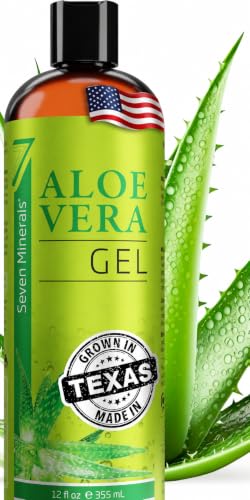
- Soothing ingredients such as aloe, glycerin, shea butter or vitamin E in the base.
- Fragrance-free or low fragrance if you react to scented products.
- Clear timing instructions, usually five to ten minutes for the face.
- An aftercare balm or cream included, or plan to use your own bland moisturiser.
- A small applicator or spatula for control on the upper lip.
Check the ingredient list against anything you already know irritates you. The FDA page on allergens in cosmetics explains that reading labels and knowing your own sensitivities is the most reliable way to avoid reactions.
What to Avoid
Some choices make burns and rashes much more likely.
- Body or leg creams used on the face; they are usually stronger.
- Heavily fragranced formulas if you have sensitive or allergy-prone skin.
- Using a cream the same day as a chemical peel, microdermabrasion or retinoid.
- Applying over spots, cuts, sunburn, eczema or rosacea flares.
- Leaving the cream on longer to get a better result.
- Old or separated products past their expiry date.
Never use a hair removal cream on the eyebrows, eyelids or anywhere near the eyes. If cream gets into an eye, rinse immediately with plenty of lukewarm water and seek medical help if pain or redness continues.
Why Patch Testing Matters
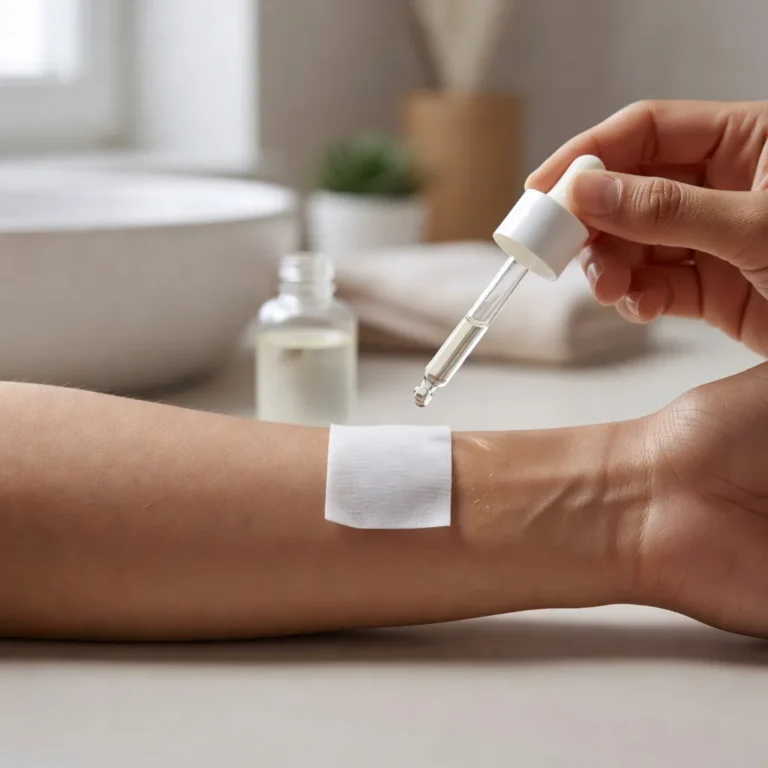
Even a sensitive face formula can irritate some people, and reactions are more likely on the face than on the legs. A patch test takes a day but can save you a week of red, sore skin.
Apply a small amount to a clear patch of skin at the jawline or behind the ear, leave it on for the shortest time on the pack, then remove it and wait 24 hours. Any burning, itching, redness or bumps mean that product is not right for you. Repeat the test when you buy a new product or if your skin has become more sensitive, for example after starting a new active ingredient.
Tingling during use is common, but a strong burning feeling is not. Remove the cream straight away if it stings sharply, even if the timer has not finished. Skin can also react differently from one session to the next, so pay attention each time rather than assuming a product that suited you once will always be fine. Hormonal changes, a recent sunburn, new skincare actives and cold, dry weather can all make facial skin more reactive than usual.
How to Use Facial Hair Removal Cream Safely
Follow the directions on your product first; these general steps fit most face creams.
Prepare clean, dry skin
Wash with a gentle cleanser, pat dry and avoid any moisturiser on the area.
Patch test
Test 24 hours before the first full use of any new cream.
Apply an even layer
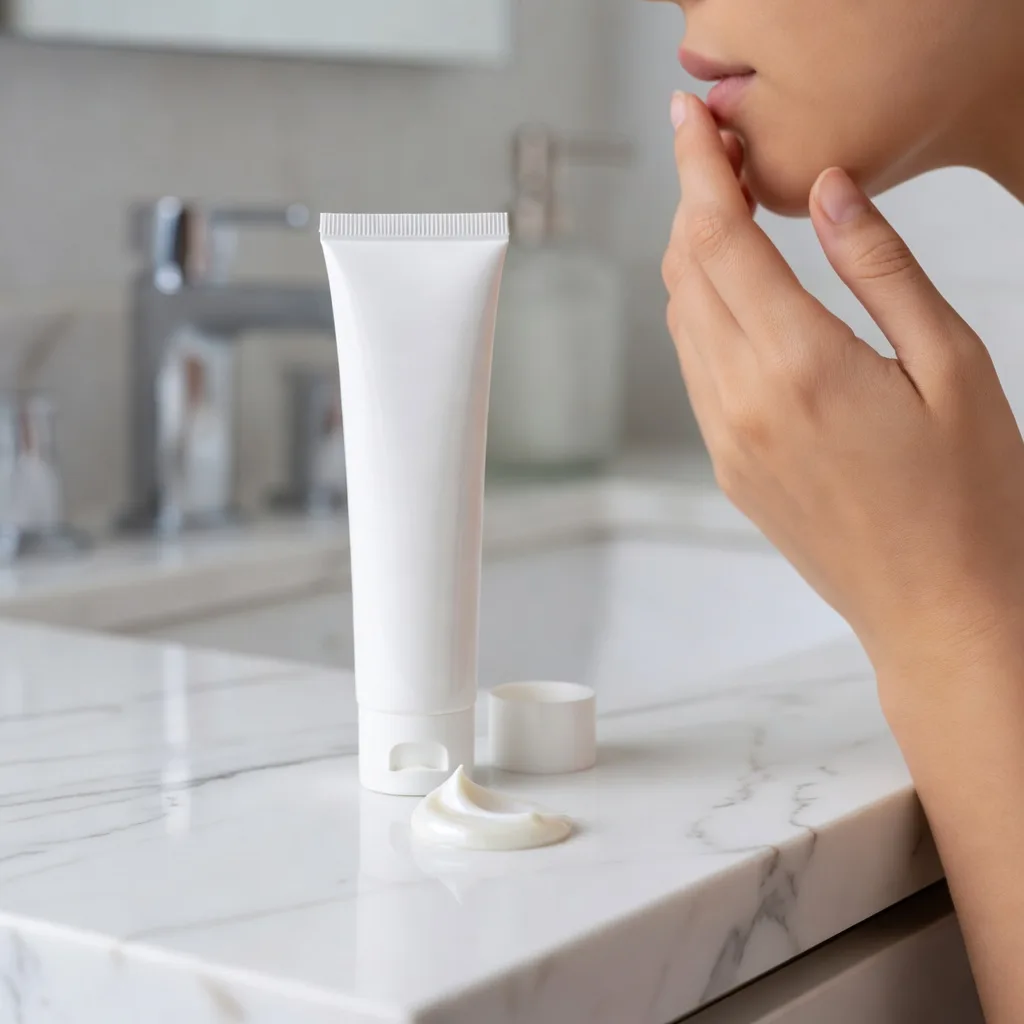
Use the spatula to cover the hair with a smooth layer, without rubbing it in.
Set a timer
Start with the shortest time on the pack, usually around five minutes.
Check a small area
Wipe a tiny patch; if hair comes away easily, remove the rest.
Remove and rinse
Wipe gently with a damp cloth, then rinse thoroughly with lukewarm water.
Soothe the skin
Pat dry and apply the aftercare balm or a fragrance-free moisturiser.
Use the cream in the evening. That gives any mild redness time to settle overnight and keeps freshly treated skin out of the sun for a few hours.
Timing, Frequency and Other Treatments
Creams are best used no more than once or twice a week on the face, and only once the previous session has fully settled.
| Situation | Wait before using cream |
|---|---|
| After shaving or dermaplaning | At least 2 to 3 days |
| After waxing or threading | Until any redness has cleared, often a few days |
| Using retinoids or exfoliating acids | Pause for several days before and after |
| After a chemical peel or microdermabrasion | About a week, or as your provider advises |
| Sunburn, cuts or active breakouts | Until the skin has fully healed |
Retinoids and acids thin the outer layer of skin, which makes chemical burns more likely. If you use them nightly, you may find physical methods such as threading, tweezing or dermaplaning gentler, because they do not rely on a chemical reaction with the skin. Whichever method you choose, spacing sessions out and keeping the skin barrier healthy with moisturiser and sunscreen makes irritation less likely. Plan hair removal a few days before an event rather than the night before, so any redness has time to fade.
Aftercare and Dos and Don’ts
The first 24 hours after hair removal are when skin is most reactive.
Do
- Rinse off every trace of cream
- Use a bland, fragrance-free moisturiser
- Apply sunscreen the next morning
- Keep the area clean and untouched
- Wait a few days before the next session
Don’t
- Apply perfume, toner or acids the same day
- Use makeup straight away on red skin
- Scrub the area
- Sunbathe or use a sauna that day
- Reapply cream to remove missed hairs immediately
If a few hairs remain, tweeze them rather than repeating the cream on the same skin. Mild pinkness that fades within an hour or two is normal. Cool water and a fragrance-free moisturiser are usually all you need. Avoid hot showers on the face, steam rooms and intense workouts for the rest of the day, as heat and sweat can sting freshly treated skin. If you normally wear makeup, give the area until the next morning where possible.
Honest Limits
Hair removal creams are a short-term, surface method. Results usually last a few days to about a week, similar to or a little longer than shaving. Coarse or dark hair on the chin may not dissolve fully with gentle face formulas, and no cream reduces how much hair grows over time. Some people simply cannot tolerate depilatories on the face, whatever the formula.
If you want longer-lasting results, laser or electrolysis are the options that reduce regrowth. Sudden or increasing facial hair is also worth checking with a doctor; our guide on normal facial hair in women vs PCOS explains the signs to look for.
When to See a Dermatologist
- You get blistering, weeping, crusting or pain after using a cream.
- Redness or dark patches last more than a few days.
- Facial hair appears suddenly or grows much faster or coarser.
- You have a skin condition such as eczema or rosacea on the area.
This article is for general information and does not replace professional medical advice. Always follow the product directions and speak to a board-certified dermatologist or doctor about skin reactions or unexplained hair growth.
Common Questions
Is hair removal cream safe for the face?
Yes, if it is made for the face and used as directed after a patch test.
Can I use body hair removal cream on my face?
No, body creams are usually too strong for facial skin.
How long should I leave it on?
Follow the pack, usually five to ten minutes and never longer.
Can I use it on my eyebrows?
No, keep all depilatory creams away from the brows and eyes.
Will hair grow back thicker?
No, regrowth is not thicker or darker.
How long do results last?
Usually a few days to about a week.
Why does it burn?
The active ingredient can irritate skin; remove it at once if it stings strongly.
Can I use it with retinol?
Pause retinoids for several days before and after to lower the risk of burns.
What should I put on after?
A bland, fragrance-free moisturiser or the balm from the kit.
Is it better than waxing?
It is painless, but results are shorter and the risk of irritation is different.
Summing Up
The best facial hair removal cream for women is a face-specific, sensitive formula with a short contact time and a soothing aftercare step.
Patch test every new product, keep it well away from the eyes and brows, respect the timer and choose another method if your skin keeps reacting.

Written by
Registered pharmacist and founder of Facial Adviser. Rakib's pharmacy training covers how skincare actives work and interact; a later course in cosmetology turned that into a focus on facial treatments and skincare products. He plans, researches and edits every guide on the site and checks health claims against sources such as the American Academy of Dermatology, the FDA and the NIH. He is not a dermatologist; see the Editorial Policy and Medical Disclaimer.
About · Editorial policy · How we choose products · Medical disclaimer · Contact
Keep reading: Facial hair removal
- 10 Best Facial Hair Removal Tools for Sensitive Skin (2026): Gentle Picks
- Best Facial Hair Removal Cream for PCOS: How to Choose for Coarse Hair
- 10 Best Facial Hair Removal Products for Women (2026): Smooth, Simple
- 10 Best Products for Women's Facial Hair Removal (2026): Gentle Picks
- 10 Best Trimmers for Facial Hair (2026): Beard, Detail and Face Picks
- 10 Best LED Light Therapy Masks (2026): Clearer Skin, Softer Lines
- How to Incorporate Microcurrent Into Your Routine: Gel, Timing and Safety