Best Facial Hair Removal Cream for PCOS: How to Choose for Coarse Hair
Polycystic ovary syndrome, or PCOS, is one of the most common reasons women develop thick, dark hair on the chin, upper lip, jaw and neck. Many people look for a quick, painless way to manage it at home, and facial hair removal creams are often the first thing they try.
Part of our guide to at-home facial devices. Start with: 10 Best Products for Women's Facial Hair Removal (2026): Gentle Picks
The best facial hair removal cream for PCOS is one made specifically for the face, labelled for coarse or stubborn hair, and formulated for sensitive skin. These creams, called depilatories, use ingredients such as potassium or calcium thioglycolate to dissolve hair at the surface, so the result lasts a few days rather than weeks. Coarse PCOS hair often needs the full recommended time but never longer. Always patch test, never use a body cream on your face, and avoid broken or recently waxed skin. A cream only manages hair; a doctor can check the hormones behind it and discuss prescription options such as eflornithine cream.
In short: choose a face-specific depilatory for coarse hair, patch test every time you switch, and see a doctor about the underlying cause.
The American Academy of Dermatology advises gentle, non-irritating skincare, which matters here because PCOS skin is often also acne-prone and chemical hair removers can sting.
This buyer’s guide covers what to look for in a facial hair removal cream, what to avoid, how to use one safely and when other methods, such as laser or prescription treatment, make more sense.
Shopping these picks?
Amazon Prime members get fast, free shipping on eligible items, plus Prime Video, Amazon Music and member deals. New members can start with a free trial.
Start a free Prime trialAged 18 to 24? Prime for Young Adults comes with a longer free trial and a lower price after it.
Affiliate link: we may earn a commission at no extra cost to you.
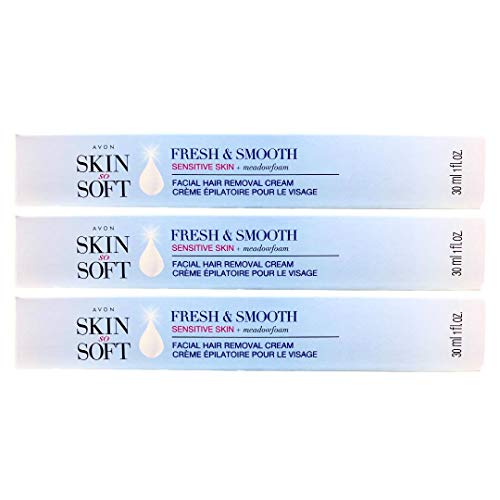
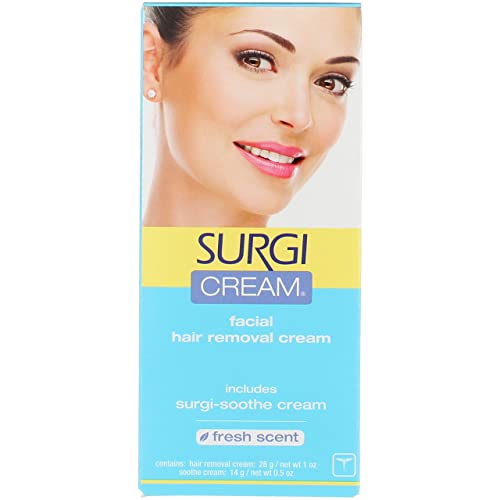
Recommended Facial Hair Removal Creams for Coarse Hair on Amazon




The Short Version
- PCOS hair is often coarse and fast-growing, so results from creams last days, not weeks.
- Choose a depilatory made for the face and labelled for sensitive skin.
- Patch test on the jaw 24 hours before full use, every time you change product.
- Never exceed the stated time, even if hair is not fully removed.
- Do not use on broken, sunburned, recently waxed or retinoid-treated skin.
- Prescription creams and laser are longer-term options to discuss with a doctor.
- Hair removal treats the symptom; PCOS itself needs medical care.
What This Covers
- Why PCOS Causes Facial Hair
- How Facial Hair Removal Creams Work
- What to Look for in a Cream for Coarse PCOS Hair
- What to Avoid
- Creams vs Other Facial Hair Removal Methods
- How to Use a Facial Hair Removal Cream Safely
- Protecting Acne-Prone PCOS Skin
- Medical Treatments to Ask Your Doctor About
- Choosing a Cream for Each Facial Area
- Dos and Don’ts
- Honest Limits
- When to See a Dermatologist
- Questions People Ask
- Final Word
Why PCOS Causes Facial Hair
PCOS often involves higher levels of androgens, the hormones that tend to be higher in men. Androgens can turn fine, pale peach fuzz on the face into thick, dark terminal hair. Doctors call this pattern hirsutism, and it commonly appears on the chin, upper lip, jawline, sideburns and neck.
Because the hair is driven by hormones, it usually grows back steadily whatever removal method you use. That does not mean creams are pointless; it means they are part of a routine rather than a cure. Our guide on normal facial hair in women versus PCOS explains how to tell the difference and when to get checked.
If facial hair appears suddenly, grows very quickly, or comes with a deeper voice, irregular periods or rapid weight change, see a doctor promptly rather than relying on hair removal alone.
How Facial Hair Removal Creams Work
Depilatory creams contain alkaline chemicals, usually thioglycolate salts, that break the bonds holding hair keratin together. The hair softens and can be wiped away at the skin surface. Because the root is left intact, regrowth is quicker than with waxing or threading but tends to feel softer than shaving stubble for some people.
- Painless compared with waxing, threading or epilating.
- Removes hair slightly below the surface, so the finish looks smooth.
- Results usually last from a few days to about a week.
- Can irritate skin because the same chemistry acts on the outer skin layer.
- Coarse hair may need the full contact time and occasionally a second session on another day.
That last point is the trade-off with PCOS hair. Thick hair takes longer to dissolve, but skin tolerates only so much contact time, so the right product balances strength with gentleness.
What to Look for in a Cream for Coarse PCOS Hair
Brand names matter less than the features on the label. Use this table when comparing products online or in store.
| Feature | What to look for | Why it matters |
|---|---|---|
| Face-specific | Labelled for face, upper lip or chin | Face formulas are milder than body creams |
| Hair type | Coarse, stubborn or thick hair | Designed to work within a safe contact time |
| Skin type | Sensitive skin, fragrance-free | Less stinging and fewer reactions |
| Soothing additives | Aloe, glycerin, shea, vitamin E | Helps comfort skin, though it does not remove irritation risk |
| Applicator | Precision spatula or pen | Easier to target small areas and avoid lips and eyes |
| Aftercare | Included post-treatment balm | Calms skin after removal |
| Clear timing | Exact minutes on the pack | Reduces the risk of leaving it on too long |
If you have very sensitive or acne-prone skin, start with the mildest face formula even if it takes two sessions to clear coarse hair. A slightly slower result is better than a chemical burn.
What to Avoid
Some choices make irritation, burns or breakouts much more likely, especially on the thinner skin of the face.
- Body, leg or bikini creams used on the face.
- Strong fragrance, which adds irritation risk without helping hair removal.
- Leaving the cream on longer than stated to deal with stubborn hairs.
- Applying straight after exfoliating, waxing, threading or shaving.
- Using it within a few days of retinoids, acid peels or prescription acne creams.
- Applying on acne spots, cuts, sunburn, eczema or irritated skin.
- Using near the eyes, eyebrows or inside the nose.
The AAD’s advice on how to safely exfoliate at home notes that some products, such as retinoids, make skin more sensitive and that exfoliating too often can cause redness. The same caution applies to depilatories, which also weaken the outer skin layer.
Creams vs Other Facial Hair Removal Methods
Creams are only one option. For coarse PCOS hair, many people combine methods, such as laser for long-term reduction and a cream or tweezers for touch-ups.
| Method | How long it lasts | Pros | Cons |
|---|---|---|---|
| Depilatory cream | Days to about a week | Painless, quick, covers areas | Irritation risk, frequent reapplication |
| Shaving or dermaplaning | 1 to 3 days | Cheap, gentle if done well | Fast regrowth, stubble feel |
| Waxing or threading | 2 to 4 weeks | Longer smoothness | Painful, ingrown hairs, irritation |
| Tweezing | 1 to 3 weeks per hair | Precise for a few hairs | Slow, can cause ingrown hairs |
| Laser hair removal | Long-term reduction | Fewer hairs over time | Several sessions, works best on dark hair |
| Electrolysis | Permanent per treated hair | Works on all hair colours | Slow, many sessions |
Our guide on laser versus electrolysis for facial hair compares the two longer-term options in more detail, including how many sessions each usually needs.
How to Use a Facial Hair Removal Cream Safely
Follow the instructions on your product first. These general steps help reduce the risk of irritation on coarse, frequently treated areas.
Patch test
Apply a small amount on the jaw for the stated time and wait 24 hours.
Start with clean, dry skin
Wash with a gentle cleanser and pat completely dry.
Apply an even layer
Cover the hair fully with the spatula, without rubbing it in.
Time it exactly
Use a phone timer and remove at the minimum time first.
Remove gently
Wipe off with a damp cloth or the spatula in one direction.
Rinse thoroughly
Use lukewarm water until no cream remains.
Soothe and wait
Apply a plain moisturiser and avoid actives, makeup and sun for the rest of the day.
Keep a simple log of the product, contact time and how your skin reacted. It quickly shows you the shortest time that works for your hair without irritating your skin.
Protecting Acne-Prone PCOS Skin
PCOS commonly causes acne and oily skin as well as unwanted hair, so hair removal needs to fit around a gentle skincare routine. Avoid applying cream over active pimples, and wait until the skin has settled before using acne treatments again.
- Use a mild, fragrance-free cleanser before and after.
- Pause retinoids and exfoliating acids for a few days around removal.
- Choose a light, non-comedogenic moisturiser afterwards.
- Wear sunscreen, as freshly treated skin can be more reactive.
The AAD’s acne skincare tips recommend gentle products and avoiding scrubbing, which fits well with depilatory aftercare. Our guide on how hormones affect sebum production explains why oil and breakouts often go hand in hand with PCOS.
Medical Treatments to Ask Your Doctor About
Because PCOS hair is hormone-driven, the most lasting improvements usually come from medical care alongside hair removal. A doctor, gynaecologist or dermatologist can discuss options that suit your health, age and plans for pregnancy.
- Prescription eflornithine cream, which slows facial hair growth rather than removing it.
- Hormonal treatments that lower androgen effects, where suitable.
- Lifestyle and metabolic support, which helps some people with PCOS symptoms.
- Laser or electrolysis for longer-term reduction, often combined with the above.
Stop using a depilatory immediately if you feel burning, see blistering or notice raw, weeping skin. Rinse with cool water and seek medical advice for anything more than mild, short-lived redness.
Choosing a Cream for Each Facial Area
PCOS hair rarely grows evenly across the face, and each area has slightly different needs. Thinking area by area helps you choose the right format and avoid over-treating delicate spots.
- Upper lip: skin is thin and close to the lips, so use a gentle face formula with a precise applicator and the shortest effective time.
- Chin: hair is often the coarsest here, so a coarse-hair face formula usually works best; avoid any active spots.
- Jawline and sideburns: larger areas suit a cream with a wider spatula, applied in sections so timing stays accurate.
- Neck: skin can be more sensitive than it looks, and shaving bumps are common, so patch test here separately.
- Cheeks: fine hair may not need removing at all; if it bothers you, a mild formula or dermaplaning may be kinder.
If only a few scattered hairs bother you, tweezing them may be simpler than covering the area in cream. For wider areas of coarse growth, a cream is faster, but it pays to rotate days so the same patch of skin is not treated repeatedly within the same week.
Dos and Don’ts
Try This
- Use a cream made for the face
- Patch test before every new product
- Time each application exactly
- Moisturise and protect skin afterwards
- See a doctor about the cause of new hair growth
Avoid This
- Use body or bikini creams on your face
- Leave cream on longer to catch stubborn hairs
- Apply on acne, cuts or irritated skin
- Combine with retinoids or peels the same week
- Expect a cream to slow regrowth
Honest Limits
No hair removal cream treats PCOS or reduces how much hair grows back. Regrowth after a depilatory is usually visible within days, and coarse PCOS hair can return faster than lighter hair. Claims of long-lasting or slower regrowth on packaging tend to describe the feel of the hair rather than a real change in growth.
Creams also suit some skin better than others. If your skin reacts every time, even with sensitive formulas, it is a sign to move to a different method, such as careful shaving, laser or electrolysis, rather than to keep trying stronger products.
When to See a Dermatologist
- Facial hair that is new, sudden or spreading quickly.
- Hair growth together with irregular periods, acne or weight changes.
- Repeated irritation, burns or dark marks after hair removal.
- Painful ingrown hairs or bumps along the jaw and neck.
- You want to discuss prescription creams, laser or electrolysis.
This article is for general information only and does not replace medical advice. PCOS should be diagnosed and managed by a qualified doctor. See a board-certified dermatologist or your GP for skin reactions and hair removal options.
Questions People Ask
What is the best facial hair removal cream for PCOS?
A face-specific depilatory for coarse hair, labelled for sensitive skin.
Do hair removal creams work on coarse PCOS hair?
Yes, though coarse hair may need the full time or a second session another day.
How long do results last?
Usually a few days to about a week.
Do creams make hair grow back thicker?
No, but regrowth has a blunt tip that can feel coarse.
Can I use a body cream on my face?
No, body creams are usually too strong for facial skin.
Can I use a cream on my chin every day?
No, leave several days between applications.
Is there a cream that slows PCOS hair growth?
Prescription eflornithine cream may slow growth; ask a doctor.
Can I use hair removal cream with acne?
Avoid active spots and pause acne treatments around removal.
Is laser better than cream for PCOS hair?
For long-term reduction, often yes; creams suit quick touch-ups.
Should I see a doctor about facial hair?
Yes, especially if it is new, sudden or worsening.
Final Word
The best facial hair removal cream for PCOS is a face-specific, sensitive-skin depilatory designed for coarse hair, used with a patch test and exact timing.
Treat it as a short-term tool, protect acne-prone skin around it, and see a doctor about the hormones behind the hair and longer-term options such as prescription creams or laser.

Written by
Registered pharmacist and founder of Facial Adviser. Rakib's pharmacy training covers how skincare actives work and interact; a later course in cosmetology turned that into a focus on facial treatments and skincare products. He plans, researches and edits every guide on the site and checks health claims against sources such as the American Academy of Dermatology, the FDA and the NIH. He is not a dermatologist; see the Editorial Policy and Medical Disclaimer.
About · Editorial policy · How we choose products · Medical disclaimer · Contact
Keep reading: Facial hair removal
- 10 Best Facial Hair Removal Products for Women (2026): Smooth, Simple
- 10 Best Products for Women's Facial Hair Removal (2026): Gentle Picks
- 10 Best Trimmers for Facial Hair (2026): Beard, Detail and Face Picks
- Best Facial Epilator for Women: How to Choose One for Smooth, Calm Skin
- DERMAFLASH LUXE: Sonic Dermaplaning for Peach Fuzz and Smoother Skin
- 10 Best Gua Sha Facial Tools (2026): Stone and Steel Picks Compared
- 10 Best Facial Tools (2026): LED, Cleansing, Gua Sha and More