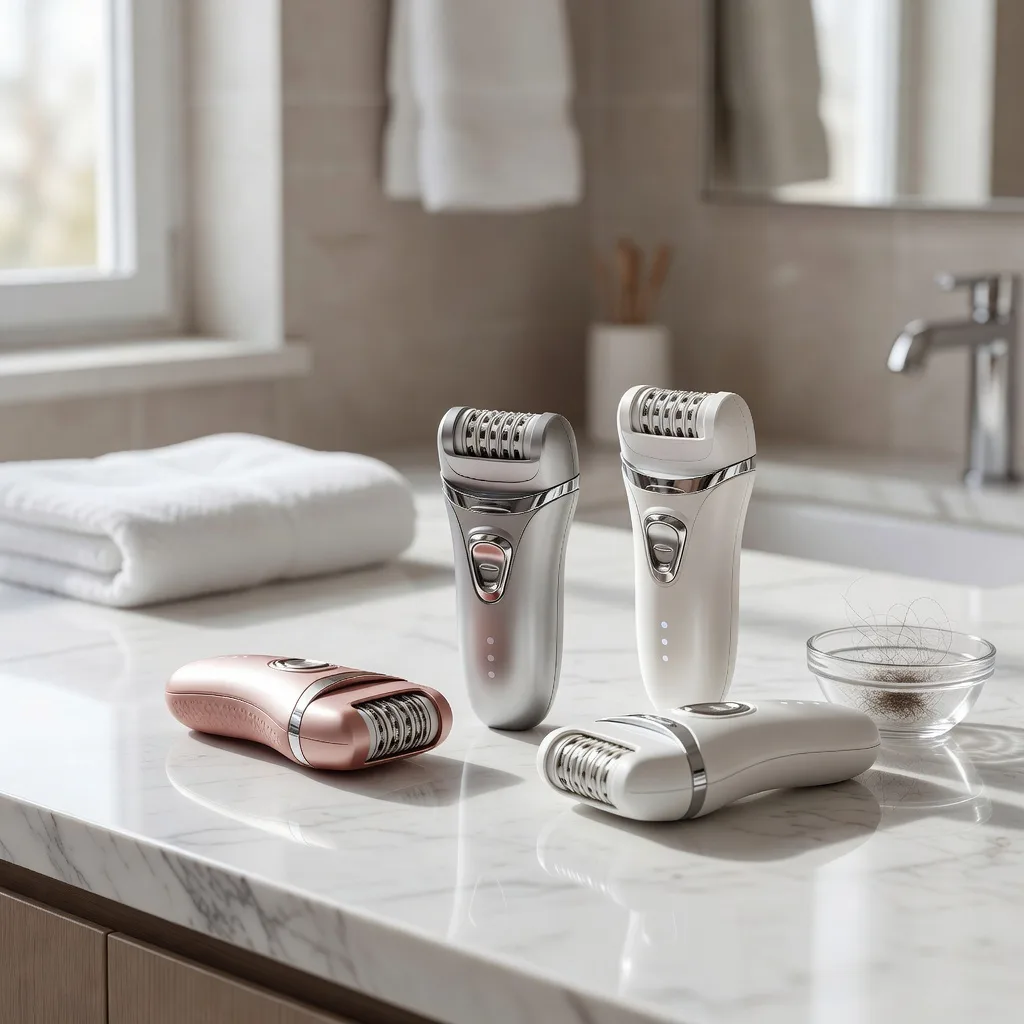
Best Facial Epilator for Women: How to Choose One for Smooth, Calm Skin
A facial epilator promises smooth skin for weeks without razors, wax strips or salon visits. For many women it delivers exactly that, but only when the device suits their hair type, their skin and their tolerance for a little discomfort.
Part of our guide to at-home facial devices. Start with: 10 Best Products for Women's Facial Hair Removal (2026): Gentle Picks
The best facial epilator for women is a small, face-specific device with a narrow tweezer head or a simple spring coil, gentle speed settings and a head that comes off for cleaning. Epilators pull hairs out from the root, so results usually last about two to four weeks, far longer than shaving or dermaplaning. Tweezer-head models suit fine upper lip and chin hair and are easier to control, while manual spring epilators are cheap and portable but slower. Choose a cordless, rechargeable design with a small head, and avoid large body epilators on the face, because they are harder to control and more likely to pinch and irritate delicate skin.
In short: pick a small face-specific head, start slowly and keep the device clean.
The American Academy of Dermatology notes that methods which remove hair from the root, such as waxing, can leave skin red and irritated for a short while, and it advises testing hair removal products before full use.
This buyer’s guide explains the types of facial epilator, the features worth paying attention to, what to avoid and how to use one with fewer ingrown hairs and less redness.
Shopping these picks?
Amazon Prime members get fast, free shipping on eligible items, plus Prime Video, Amazon Music and member deals. New members can start with a free trial.
Start a free Prime trialAged 18 to 24? Prime for Young Adults comes with a longer free trial and a lower price after it.
Affiliate link: we may earn a commission at no extra cost to you.
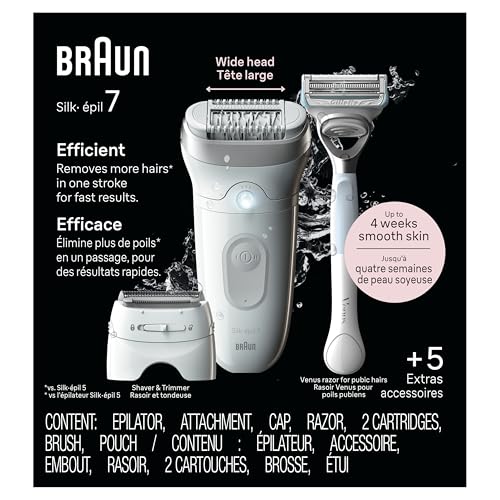
Recommended Facial Epilators for Women on Amazon




In Brief
- Facial epilators remove hair from the root, so results last weeks.
- Small tweezer heads give the most control on the lip and chin.
- Spring epilators are simple and portable but slower.
- Body epilators are too large for most facial areas.
- Pain usually eases after the first few sessions.
- Gentle exfoliation between sessions helps prevent ingrown hairs.
- Clean the head after every use to reduce spots and irritation.
Jump to a Section
- What a Facial Epilator Does and Who It Suits
- Types of Facial Epilator Compared
- Features to Look For When Choosing
- Matching an Epilator to Your Hair Type
- Does Facial Epilating Hurt?
- How to Use a Facial Epilator Safely
- Preventing Ingrown Hairs and Bumps
- Choosing an Epilator for Sensitive Skin
- How to Clean and Care for Your Epilator
- What to Avoid
- Honest Limits
- When to See a Dermatologist
- Frequently Asked Questions
- Where This Leaves You
What a Facial Epilator Does and Who It Suits
A facial epilator uses rotating tweezer discs or a twisting coil to grab several hairs at once and pull them out from the root. Because the hair has to grow back from below the surface, regrowth tends to look finer and softer at first, and smooth results often last two to four weeks.
Epilators work best on short, visible hairs on the upper lip, chin, jawline and sides of the face. They are less suitable for very fine peach fuzz, which can be too short to grip, and for eyebrow shaping, which needs precision. If you are unsure whether your hair growth is typical, our guide to normal facial hair in women versus PCOS explains when extra hair is worth discussing with a doctor.
Compared with other at-home methods, an epilator sits in the middle: more uncomfortable than shaving, but longer lasting and with no ongoing supplies.
An epilator is one of several ways to remove facial hair at home, and each method trades comfort against how long results last.
- Shaving or dermaplaning: painless and quick, but hair returns within a day or two.
- Threading or tweezing by hand: precise and cheap, but slow for larger areas.
- Waxing strips: fast and long-lasting, but can lift or irritate delicate facial skin.
- Depilatory creams: painless, but more likely to sting or trigger a reaction, so a patch test matters.
- Epilator: weeks of smoothness with no ongoing supplies, but uncomfortable at first.
Many women combine methods, for example epilating the upper lip and chin while tweezing stray brow hairs by hand.
Types of Facial Epilator Compared
There are two main designs, plus a few hybrids. The right one depends on your hair, your budget and how much time you want to spend.
| Type | How it works | Best for | Drawbacks |
|---|---|---|---|
| Electric tweezer head | Rotating discs pluck several hairs at once | Upper lip, chin, jawline | Needs charging; noisier |
| Manual spring coil | You bend and roll a coiled spring over skin | Occasional touch-ups, travel | Slower; takes practice |
| Mini pen-style epilator | Narrow head on a slim handle | Small patches and stray hairs | Small coverage area |
| Body epilator with face cap | Large head fitted with a smaller cap | Occasional face use if you already own one | Bulky and harder to control |
For most women, a compact electric epilator made for the face is the easiest starting point. A spring epilator is a reasonable low-cost option if you only have a few hairs to manage.
Features to Look For When Choosing
Face-specific epilators vary more than their packaging suggests. These features make the biggest difference to comfort and results.
- A small, narrow head that fits the curve of the upper lip and chin.
- Two speed settings, so you can start gently and increase later.
- Cordless, rechargeable power for easy control around the face.
- A removable or washable head for proper cleaning.
- A built-in light to help you see fine, pale hairs.
- A comfortable grip that does not slip in damp hands.
- Optional cooling or massage attachments, which some people find reduce the sting.
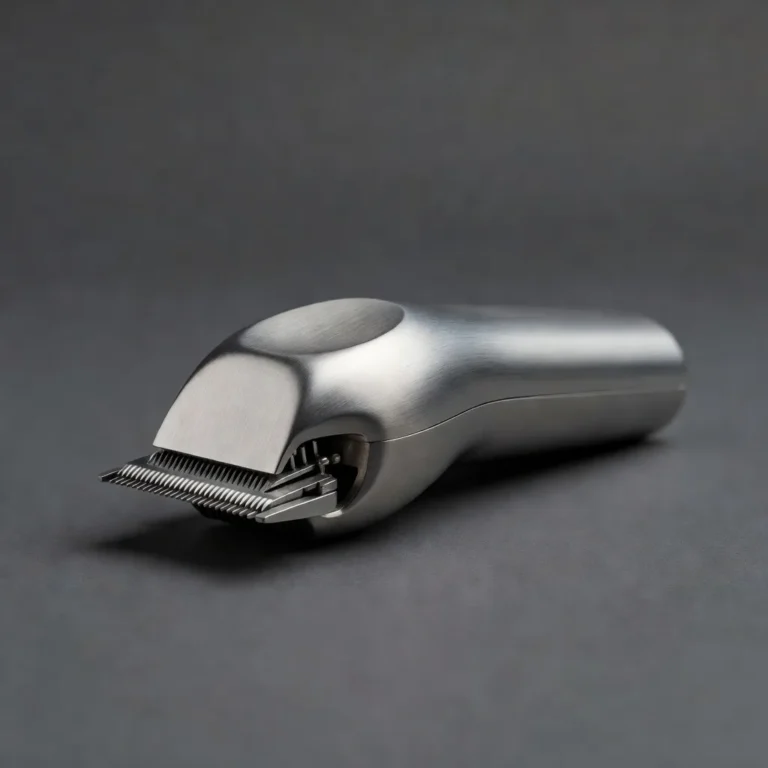
Epilators are not the same as small electric facial hair removers that shave or trim at the surface. Those are painless but last only a day or two, because they cut the hair rather than removing it from the root.
Matching an Epilator to Your Hair Type
Your hair colour, thickness and length matter as much as the device itself. An epilator needs something to grip, so hair should be long enough to see and pinch, usually a few millimetres. If you have just shaved or dermaplaned, wait until the hairs have grown back a little before your first session.
- Fine, light hair: choose a device with a built-in light and a narrow head so you can see what you are removing.
- Coarse, dark hair: expect more discomfort at first; a tweezer head with a low speed setting gives the most control.
- Curly hair: plan for regular gentle exfoliation, as curled hairs are more likely to grow back into the skin.
- Scattered stray hairs: a spring epilator or a pen-style device is often enough.
- Dense growth across the chin and jaw: a compact electric device saves time compared with a spring.
If your hair is very fine and pale, an epilator may not be worth the discomfort. Our guide to peach fuzz versus facial hair explains which kind of growth you have and which methods suit it.
Does Facial Epilating Hurt?
Yes, especially at first. The upper lip is one of the most sensitive areas of the face, and the first session often causes watery eyes and a stinging feeling. Most people find it becomes easier over the following weeks, as regrowing hairs are finer and fewer come through at once.
- Epilate after a warm shower, when hairs slide out more easily.
- Hold the skin taut with your free hand.
- Use the lowest speed setting to start.
- Work in short sessions rather than one long one.
- Avoid the days just before your period if your skin is more sensitive then.
If the pain is intolerable, a different method may suit you better. Our comparison of epilators versus waxing for facial hair weighs up comfort, results and cost of time for each.
How to Use a Facial Epilator Safely
A careful routine reduces redness, spots and ingrown hairs, especially during the first few sessions.
Test a small patch
Try a small area first and wait a day to check how your skin reacts.
Cleanse and dry
Wash your face and dry it fully so the device can grip the hairs.
Pull the skin taut
Stretch the skin gently with your free hand.
Glide against growth
Hold the head at a right angle and move slowly against the direction of hair growth without pressing.
Go slowly
Pass over each area once or twice rather than scrubbing back and forth.
Soothe afterwards
Apply a plain, fragrance-free moisturiser and avoid actives for the rest of the day.
Clean the head
Remove trapped hairs and clean the head as the maker directs.
Epilate in the evening. Any redness has time to settle overnight, and you avoid makeup, sweat and sun on freshly treated skin.
Preventing Ingrown Hairs and Bumps
Ingrown hairs happen when a regrowing hair curls back into the skin or gets trapped under dead skin cells. They are more common in people with curly or coarse hair.
Gentle exfoliation two or three times a week between sessions helps keep the surface clear. The AAD’s guide on how to safely exfoliate at home recommends choosing a method that suits your skin type and being gentle. A mild chemical exfoliant is usually kinder than a gritty scrub on freshly epilated skin.
Do not dig out ingrown hairs with needles or tweezers. This can cause infection, dark marks and scarring. See a doctor if bumps become painful, hot, swollen or filled with pus.
Choosing an Epilator for Sensitive Skin
Sensitive skin can still tolerate epilating, but it needs a more cautious approach and the right device.
| Skin concern | What to choose | What to do |
|---|---|---|
| Easily reddened skin | Small head, lowest speed | Keep sessions short and soothe afterwards |
| Acne-prone skin | Washable head | Never epilate over active spots |
| Rosacea | Discuss with a doctor first | Heat and friction can trigger flushing |
| Darker skin tones | Gentle settings | Avoid irritation that can leave dark marks |
| Using retinoids or acids | Any type | Pause actives for several days beforehand |
The AAD’s overview of ways to remove unwanted hair compares at-home and in-office methods and stresses testing products first.
How to Clean and Care for Your Epilator
A dirty epilator head holds skin cells, oil and bacteria, which can lead to spots and irritation after each use. Cleaning takes a minute.
- Remove trapped hairs with the brush supplied.
- Rinse a washable head under running water if the maker allows it.
- Wipe with isopropyl alcohol when the manual permits it.
- Let the head dry fully before storing it.
- Never share your epilator with anyone else.
Check the head regularly for bent or loose discs, which can pinch skin, and replace the device if the head no longer turns smoothly. Charge it as the maker recommends and keep it in a dry place rather than a steamy bathroom, where moisture can damage the motor and encourage bacteria.
What to Avoid
Helps
- Choose a face-specific head
- Start on the lowest speed
- Exfoliate gently between sessions
- Clean the head after each use
- Patch test first
Backfires
- Use a large body epilator on the lip
- Epilate over spots, cuts or moles
- Press hard or scrub back and forth
- Apply fragrance or acids right after
- Epilate eyebrows or inside the nose
Also be wary of devices that claim to remove hair permanently. Epilation slows regrowth for a few weeks, but the follicle stays active. For long-term reduction, professional options such as laser or electrolysis are worth discussing with a dermatologist.
Honest Limits
An epilator is a good tool, but not a perfect one. It hurts at first, it does not grip very short or very fine hairs well, and some people get red bumps every time no matter how careful they are. Claims that hair grows back permanently thinner are overstated: regrowth may feel finer at first, but it is not reliably reduced over time.
If you have many coarse hairs, sudden new growth or hair along with irregular periods or acne, a device only treats the symptom. It is worth having the cause checked. Remember too that no device suits everyone: if you still get painful bumps after several careful sessions, switching method is a sensible choice rather than a failure.
When to See a Dermatologist
- You notice sudden or rapidly increasing facial hair.
- Bumps after epilating become infected or leave scars.
- You have dark marks that do not fade.
- You have a skin condition such as rosacea or eczema on the face.
This article is for general information and does not replace professional medical advice. See a board-certified dermatologist or your doctor about new hair growth, persistent irritation or skin infections.
Frequently Asked Questions
What is the best type of facial epilator for women?
A small, cordless tweezer-head epilator made for the face.
How long do epilator results last?
Usually two to four weeks, depending on your hair.
Does facial epilating hurt?
Yes at first, but most people find it eases with regular use.
Can I use a body epilator on my face?
It is possible with a face cap, but a small facial device is easier.
Are spring epilators good for the face?
Yes for small areas, but they are slower and take practice.
Does epilating cause ingrown hairs?
It can, so exfoliate gently between sessions.
Can I epilate sensitive skin?
Often yes, with low speed, short sessions and patch testing.
Will hair grow back thicker?
No, removing hair from the root does not make it thicker.
How often should I epilate my face?
When regrowth is long enough to grip, often every few weeks.
Can I epilate my eyebrows?
It is not recommended, as epilators are not precise enough.
Where This Leaves You
The best facial epilator for women is a compact, face-specific device with a small head, gentle speed settings and a washable head.
Start slowly, patch test, exfoliate gently between sessions and keep the device clean, and see a doctor about sudden or heavy new hair growth.

Written by
Registered pharmacist and founder of Facial Adviser. Rakib's pharmacy training covers how skincare actives work and interact; a later course in cosmetology turned that into a focus on facial treatments and skincare products. He plans, researches and edits every guide on the site and checks health claims against sources such as the American Academy of Dermatology, the FDA and the NIH. He is not a dermatologist; see the Editorial Policy and Medical Disclaimer.
About · Editorial policy · How we choose products · Medical disclaimer · Contact
Keep reading: Facial hair removal
- 10 Best Products for Women's Facial Hair Removal (2026): Gentle Picks
- DERMAFLASH LUXE: Sonic Dermaplaning for Peach Fuzz and Smoother Skin
- BaBylissPRO FX Professional Barber Cord/Cordless Facial Hair Trimmer: Is It Worth It?
- 10 Best Dermaplaning Tools (2026): Safer Blades for Smooth Skin
- 10 Best Body Hair Removal Devices (2026): IPL, Epilators, Trimmers
- How Much Facial Hair Is Normal for a Woman?
- 10 Best Facial Tools (2026): LED, Cleansing, Gua Sha and More
- 10 Best LED Light Therapy Masks (2026): Clearer Skin, Softer Lines