Peach Fuzz vs Facial Hair: How to Tell the Difference and What to Do
Almost everyone has some hair on their face. For many people it is soft, pale and barely visible except in bright light; for others, some hairs are darker and coarser, especially on the upper lip, chin or jaw. Knowing which type you have helps you decide whether to leave it alone, remove it or get it checked.
Part of our guide to at-home facial devices. Start with: 10 Best Products for Women's Facial Hair Removal (2026): Gentle Picks
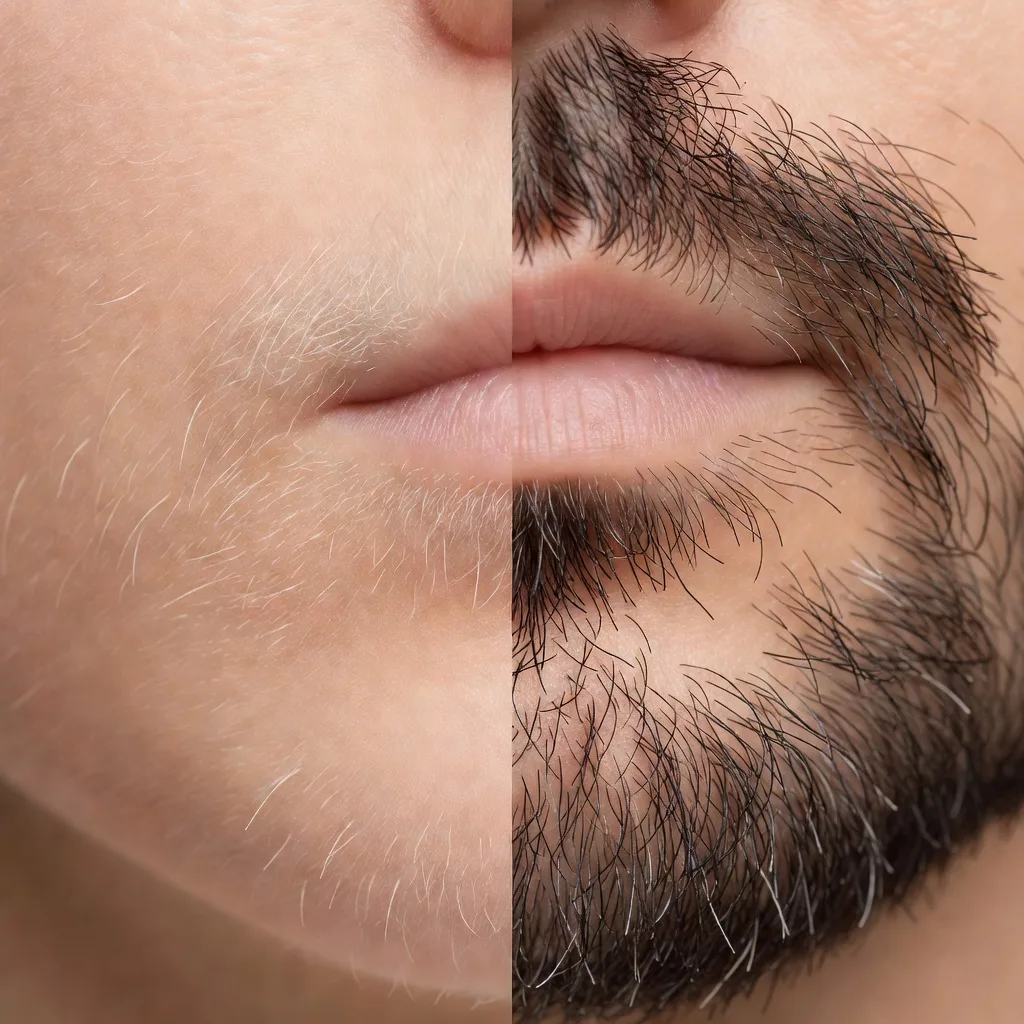
Peach fuzz is vellus hair: short, fine, soft and usually light in colour, covering most of the face and body. Facial hair in the usual sense is terminal hair: thicker, longer and darker, like the hair on the scalp or brows. Hormones can turn some vellus hairs into terminal hairs, which is why coarse hairs often appear on the chin and upper lip after puberty or around menopause. Both are normal, but a sudden increase in dark, coarse facial hair in women can be a sign of a hormonal condition worth checking.
Put simply, peach fuzz is fine and pale, while terminal facial hair is thicker and darker, and removal methods work differently on each.
The Endocrine Society’s clinical practice guideline on hirsutism recommends testing for raised androgen levels in women with an abnormal hirsutism score, but not in women with regular periods and only unwanted local hair growth. The American Academy of Dermatology describes the main options for removing unwanted hair safely.
This guide explains the difference, how to check your own hair, removal options for each type and when to see a doctor.
Shopping these picks?
Amazon Prime members get fast, free shipping on eligible items, plus Prime Video, Amazon Music and member deals. New members can start with a free trial.
Start a free Prime trialAged 18 to 24? Prime for Young Adults comes with a longer free trial and a lower price after it.
Affiliate link: we may earn a commission at no extra cost to you.
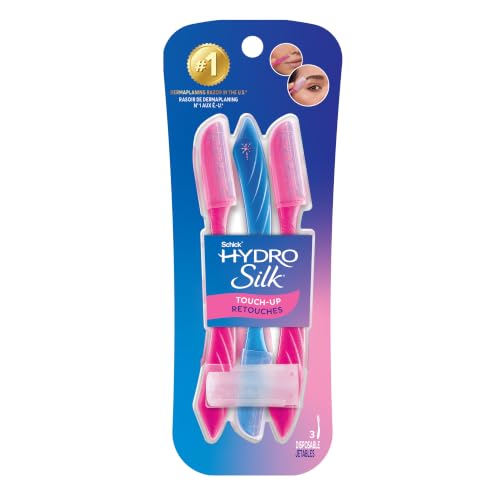
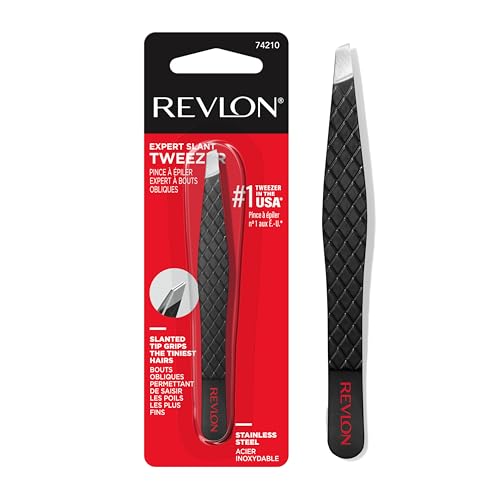
Recommended Tools for Removing Peach Fuzz and Facial Hair
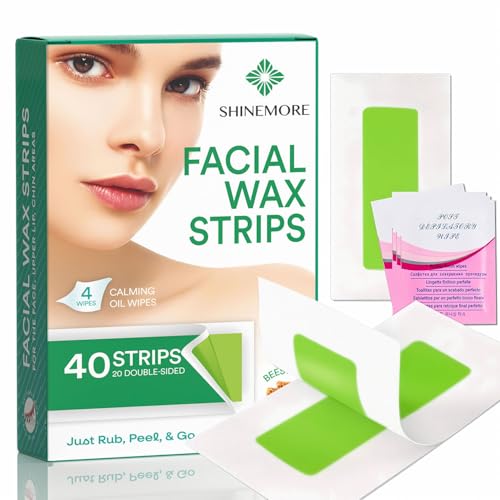
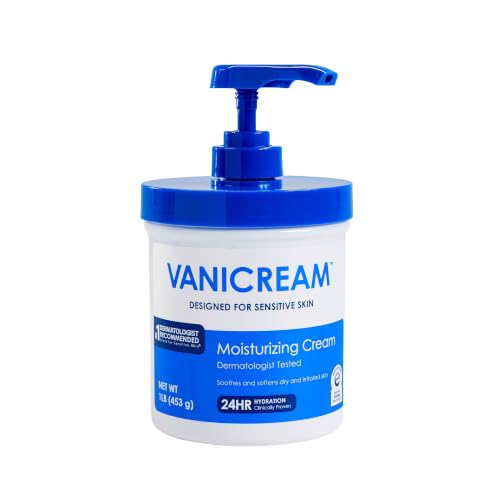
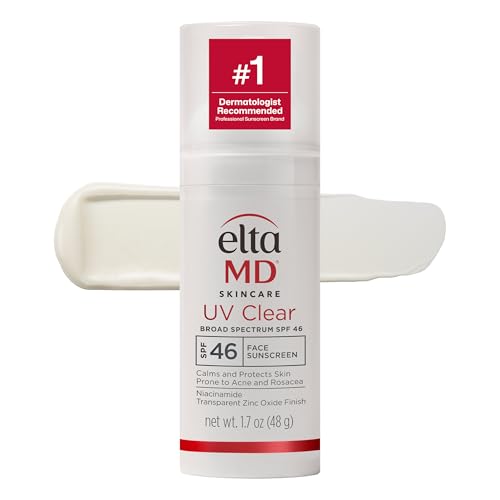
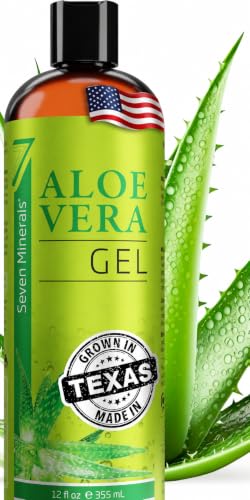

Jump to a Section
- Peach Fuzz vs Facial Hair at a Glance
- Why Some Facial Hair Becomes Coarse
- How to Check Whether Your Facial Hair Is Normal
- Removing Peach Fuzz
- Removing Coarser Facial Hair
- Myths About Facial Hair
- Safety Tips for Facial Hair Removal
- Preventing Ingrown Hairs and Bumps
- Choosing the Right Approach for You
- Dos and Don’ts
- Honest Limits
- When to See a Doctor
- Frequently Asked Questions
- Where This Leaves You
In Brief
- Peach fuzz is fine, pale vellus hair; facial hair can include coarser terminal hair.
- Hormones can convert vellus hairs into darker terminal hairs.
- Both types are normal on most faces.
- Dermaplaning and shaving suit peach fuzz; waxing and tweezing suit coarser hairs.
- Hair removal does not make hair grow back thicker.
- Sudden or widespread coarse hair growth in women should be checked.
- Laser or electrolysis give longer-term reduction for terminal hair.
Peach Fuzz vs Facial Hair at a Glance
This table summarises the main differences between vellus hair and terminal facial hair.
| Feature | Peach fuzz (vellus hair) | Terminal facial hair |
|---|---|---|
| Thickness | Very fine and soft | Thicker and coarser |
| Colour | Pale or translucent | Usually darker |
| Length | Short | Can grow longer |
| Where on the face | Cheeks, forehead, most of the face | Upper lip, chin, jaw, sideburns |
| Hormone sensitivity | Low | Higher; influenced by androgens |
| Visibility | Mostly noticed in bright light or with makeup | Visible in normal light |
Most faces have both. What varies from person to person is how many hairs are terminal, where they are and how dark they look against the skin. Lighting also changes how facial hair looks: side lighting and bright bathroom bulbs make fine hair far more visible than ordinary daylight, which is worth remembering before deciding that you have a lot of it.
Why Some Facial Hair Becomes Coarse
Hair follicles respond to hormones called androgens. At puberty, rising androgen levels turn vellus hairs into terminal hairs in certain areas, such as the underarms. On the face, this happens to a much greater degree in men, but many women also develop some terminal hairs on the chin, upper lip or jaw.
- Genetics and ethnicity strongly influence how much facial hair is normal for you.
- Changes around menopause can make chin and lip hairs more noticeable.
- Some medications, including certain steroids, can increase hair growth.
- Hormonal conditions such as polycystic ovary syndrome can cause more widespread coarse hair.
A few dark hairs on the chin or upper lip are very common in women and are usually not a sign of a medical problem, especially if periods are regular and the hairs have appeared gradually.
Facial hair patterns also vary widely between families and ethnic backgrounds, so comparing yourself with friends or online photos is not a reliable guide. What matters most is what is normal for you and whether it has changed. Our guide on normal facial hair versus PCOS explains the patterns that are more likely to point to a hormonal cause.
How to Check Whether Your Facial Hair Is Normal
This quick self-check can help you decide whether your facial hair is likely to be normal or worth discussing with a doctor.
Look in natural light
Check the texture and colour: fine and pale suggests vellus hair; thick and dark suggests terminal hair.
Map where it grows
Note whether coarse hairs are limited to a few on the chin or lip, or spread across the jaw, cheeks and neck.
Think about timing
Gradual changes over years are usually normal; a noticeable change over months deserves attention.
Consider other symptoms
Irregular periods, acne, scalp hair thinning or a deepening voice can point to raised androgen levels.
Check your medicines
Review any new medications with your pharmacist or doctor.
Decide on removal
If it is normal and bothers you, choose a method suited to your hair type.
Book a check if unsure
A doctor can examine you and decide whether tests are needed.
The Endocrine Society guideline, available on PubMed, suggests testing androgen levels in women with an abnormal hirsutism score, but suggests against routine testing in women with regular periods and only unwanted local hair growth. This is why the overall pattern matters more than a few individual hairs.
Removing Peach Fuzz
Peach fuzz is harmless, and many people leave it alone. Others remove it because makeup sits on top of it or because they like a smoother look.
- Dermaplaning: a small blade removes fuzz and dead skin; lasts a few weeks.
- Facial shavers and trimmers: quick and painless, with soft regrowth.
- Enzyme or depilatory creams: dissolve hair but can irritate sensitive facial skin; patch test first.
- Threading: removes small areas precisely, often used around the brows and upper lip.
Waxing can remove peach fuzz too, but it can be harsh on large areas of fine hair and sensitive skin. Our guide on facial waxing versus dermaplaning compares the two most popular options. If you are unsure whether to remove peach fuzz at all, try a few weeks without makeup-heavy days and see whether it bothers you in normal light. Many people find it is far less noticeable to others than it is under a magnifying mirror.
Removing Coarser Facial Hair
Terminal hairs are more noticeable and regrow faster at the surface, so methods that remove the root often suit them better.
| Method | Best for | How long it lasts | Things to know |
|---|---|---|---|
| Tweezing | A few stray hairs | Weeks | Can cause ingrown hairs if hairs break |
| Waxing | Upper lip, chin, larger areas | Three to six weeks | Avoid with retinoids or isotretinoin |
| Threading | Brows, upper lip | Weeks | Needs a skilled practitioner |
| Laser hair removal | Dark hair on lighter skin; newer lasers suit more skin tones | Long-term reduction | Several sessions; less effective on light hair |
| Electrolysis | Any hair colour | Permanent for treated follicles | Many sessions; each hair treated individually |
The Endocrine Society guideline suggests laser or light-based hair removal for most women who choose a hair removal method for hirsutism, and for many women pharmacological treatment first when hair growth is significant.
Myths About Facial Hair
Several beliefs about facial hair are widespread but wrong.
- Myth: shaving makes hair grow back thicker. Reality: it cuts hair bluntly, so regrowth can feel coarser, but thickness and colour do not change.
- Myth: removing peach fuzz causes dark stubble. Reality: vellus hair grows back as vellus hair.
- Myth: facial hair in women always means a hormone problem. Reality: some coarse hairs are common and normal.
- Myth: plucking one hair makes more grow. Reality: plucking does not create new follicles.
Knowing these facts can take some of the worry out of choosing a removal method that suits you.
Safety Tips for Facial Hair Removal
Facial skin is more delicate than skin on the legs or underarms, so gentle technique matters.
- Always start with clean skin and clean tools.
- Use a fresh or clean blade for dermaplaning or shaving and never share it.
- Patch test waxes and hair removal creams on a small area first.
- Avoid removal over active acne, cold sores, rashes or sunburn.
- Apply a gentle moisturiser afterwards and wear sunscreen.
Avoid waxing and dermaplaning if you use prescription retinoids or have recently taken isotretinoin, as the skin can tear or peel. Stop any method that causes burning, blistering or lasting irritation, and seek advice if bumps become painful or infected.
People with darker skin tones are more prone to dark marks after irritation, so gentle methods and good aftercare are especially important.
Preventing Ingrown Hairs and Bumps
Coarse, curly hairs on the chin and jaw are more likely to grow back into the skin after removal, causing red bumps.
Gentle exfoliation a few times a week, avoiding very close shaves, and removing hair in the direction of growth where possible can all reduce ingrown hairs. Tweezing is best saved for hairs that are fully above the skin rather than digging for hairs below the surface.
If you get frequent painful bumps, dark marks or scarring, a dermatologist can suggest treatments or longer-term hair reduction to break the cycle. Warm compresses can help a trapped hair work its way to the surface, while squeezing or picking tends to push it deeper and raise the risk of infection and marks. The American Academy of Dermatology outlines ways to remove unwanted hair with tips for each method.
Choosing the Right Approach for You
The right choice depends on your hair type, skin, budget of time and how long you want results to last.
| Your situation | Good options |
|---|---|
| Soft peach fuzz, want smoother makeup | Dermaplaning or a facial shaver |
| A few dark chin hairs | Tweezing or threading |
| Noticeable upper lip hair | Waxing, threading or laser |
| Widespread coarse hair | See a doctor; laser or electrolysis plus possible medical treatment |
| Very sensitive skin | Trimming or gentle shaving; patch test everything |
Keep a small mirror and good tweezers in a spot with natural light. Checking for stray hairs every week or two is quicker and gentler than tackling many at once.
Dos and Don’ts
Worth Doing
- Learn which hair type you have
- Choose a method that suits it
- Patch test new products
- Moisturise and use sunscreen afterwards
- See a doctor about sudden changes
Skip It
- Assume all facial hair is a problem
- Share razors or tweezers
- Remove hair over broken or inflamed skin
- Dig for ingrown hairs
- Ignore rapid hair growth with other symptoms
Honest Limits
Temporary methods such as shaving, dermaplaning, waxing and tweezing all need repeating, and none changes how your hair grows. Laser hair removal reduces hair over time but may need maintenance, and it works less well on light, grey or red hair. Electrolysis is the only method considered permanent for each treated follicle, but it is slow.
If excess hair has a hormonal cause, removal methods treat the appearance but not the underlying cause. In that case, working with a doctor gives better long-term results. Our guide on what dermaplaning is covers that method in more depth.
When to See a Doctor
- Coarse facial hair appears quickly over a few months.
- Hair growth comes with irregular periods, acne or scalp hair thinning.
- You notice a deepening voice or other changes in your body.
- Hair removal regularly causes painful bumps, infection or scarring.
This article is for general information and does not replace professional medical advice. See a doctor or board-certified dermatologist about sudden or significant changes in facial hair growth.
Frequently Asked Questions
What is the difference between peach fuzz and facial hair?
Peach fuzz is fine, pale vellus hair; coarser, darker facial hair is terminal hair.
Is peach fuzz normal?
Yes, almost everyone has it.
Does shaving peach fuzz make it grow back thicker?
No, it grows back the same, though the blunt tip can feel slightly coarser.
Why do I have dark hairs on my chin?
Hormones can convert fine hairs into coarser ones; a few are very common.
When is facial hair a sign of PCOS?
When it is widespread or comes with irregular periods, acne or other symptoms.
What is the best way to remove peach fuzz?
Dermaplaning or a facial shaver are gentle, popular options.
What is the best way to remove chin hair?
Tweezing, threading or waxing for a few hairs; laser for longer-term reduction.
Is laser hair removal permanent?
It gives long-term reduction but may need maintenance.
Can I remove facial hair while using retinoids?
Avoid waxing and dermaplaning; ask your dermatologist.
Should I see a doctor about facial hair?
Yes, if it appears suddenly or comes with other symptoms.
Where This Leaves You
Peach fuzz is fine, pale vellus hair that almost everyone has, while coarser, darker facial hair is terminal hair influenced by hormones. Both are usually normal and can be removed with methods suited to each type.
Choose gentle removal methods, look after your skin afterwards, and see a doctor if coarse hair appears quickly or comes with other symptoms.

Written by
Registered pharmacist and founder of Facial Adviser. Rakib's pharmacy training covers how skincare actives work and interact; a later course in cosmetology turned that into a focus on facial treatments and skincare products. He plans, researches and edits every guide on the site and checks health claims against sources such as the American Academy of Dermatology, the FDA and the NIH. He is not a dermatologist; see the Editorial Policy and Medical Disclaimer.
About · Editorial policy · How we choose products · Medical disclaimer · Contact
Keep reading: Facial hair removal
- 10 Best Products for Women's Facial Hair Removal (2026): Gentle Picks
- Facial Waxing vs Dermaplaning: Which Is Better for Facial Hair and Smooth Skin?
- Microdermabrasion vs Dermaplaning: Differences, Results and Which to Choose
- Normal Facial Hair in Women vs PCOS: The Signs That Point to Hormones
- Waxing vs Shaving Facial Hair: Which Is Better for Your Skin?
- Beard vs Clean-Shaven: What Facial Hair Does for Your Skin and Look
- How to Incorporate Microcurrent Into Your Routine: Gel, Timing and Safety
- 10 Best Gua Sha Facial Tools (2026): Stone and Steel Picks Compared