
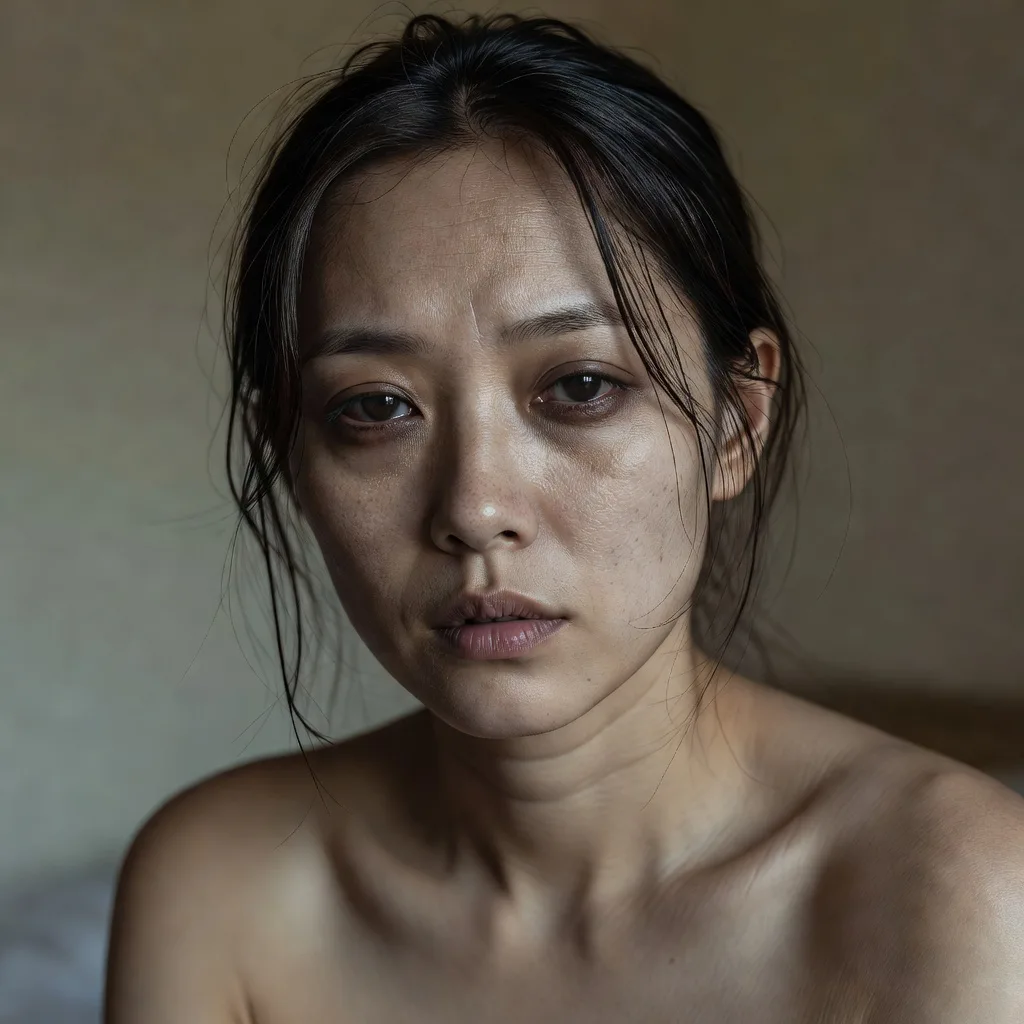
How Sleep Deprivation Causes Dull Skin (and How to Recover)
Most people have looked in the mirror after a short night and seen it straight away: a paler, flatter complexion, puffy eyes, darker circles and a face that simply looks tired. It is not your imagination. Sleep affects blood flow, fluid balance and the skin’s repair processes, and other people notice the difference too.
Part of our guide to lifestyle and skin. Start with: How Diet Impacts the Skin Microbiome: What the Science Actually Shows
Sleep deprivation makes skin look dull mainly because it changes circulation and fluid balance in the face, leading to paler skin, puffiness and darker under-eye circles, and because poor sleep over time is linked to weaker skin barrier function and slower recovery from damage. Research shows that sleep-deprived people are rated as looking paler, more tired and less healthy, and that chronic poor sleepers have more signs of skin aging and slower barrier repair. One bad night causes temporary changes; months of poor sleep may contribute to longer-lasting ones.
In short, a single short night mostly affects colour and puffiness, while ongoing poor sleep can affect how well skin repairs itself.
In a study published in the journal Sleep, faces photographed after sleep deprivation were rated as having paler skin, darker circles, more swollen eyes and more fine lines. A separate study in Clinical and Experimental Dermatology found that good sleepers had better skin barrier recovery and fewer signs of intrinsic aging than poor sleepers.
This guide explains why sleep loss shows on your face, how to tell tired skin from other causes of dullness and what helps it recover.
Shopping these picks?
Amazon Prime members get fast, free shipping on eligible items, plus Prime Video, Amazon Music and member deals. New members can start with a free trial.
Start a free Prime trialAged 18 to 24? Prime for Young Adults comes with a longer free trial and a lower price after it.
Affiliate link: we may earn a commission at no extra cost to you.
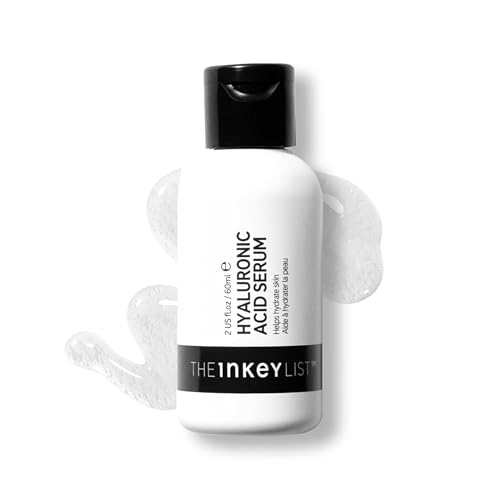
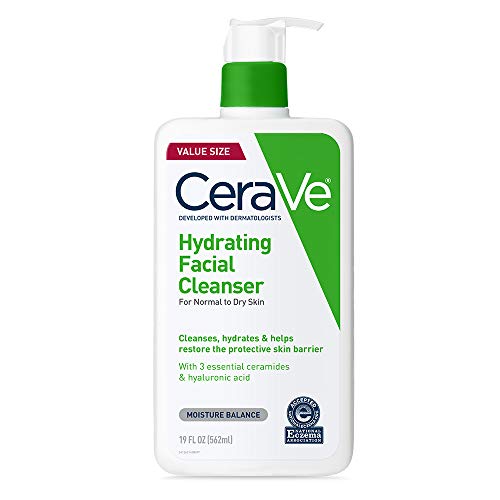
Recommended Products for Tired-Looking Skin and Better Sleep
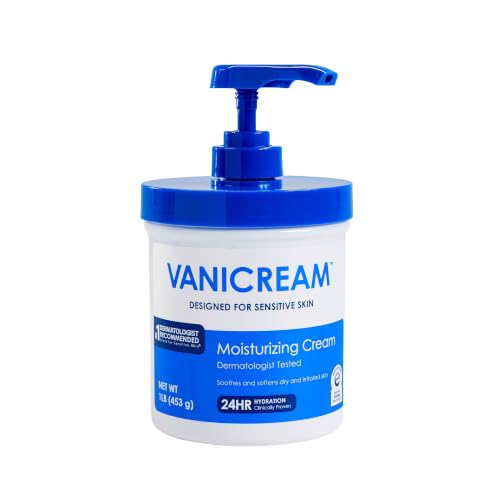
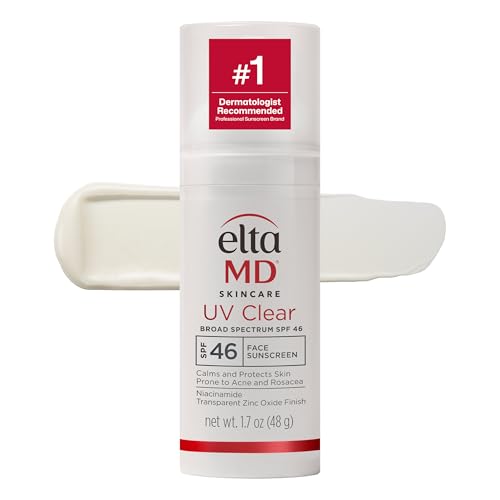
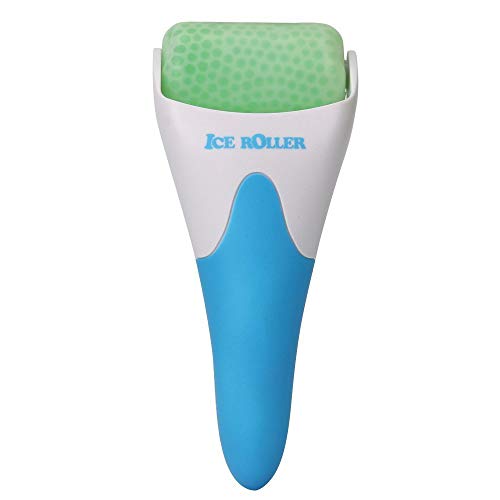


Quick Answer
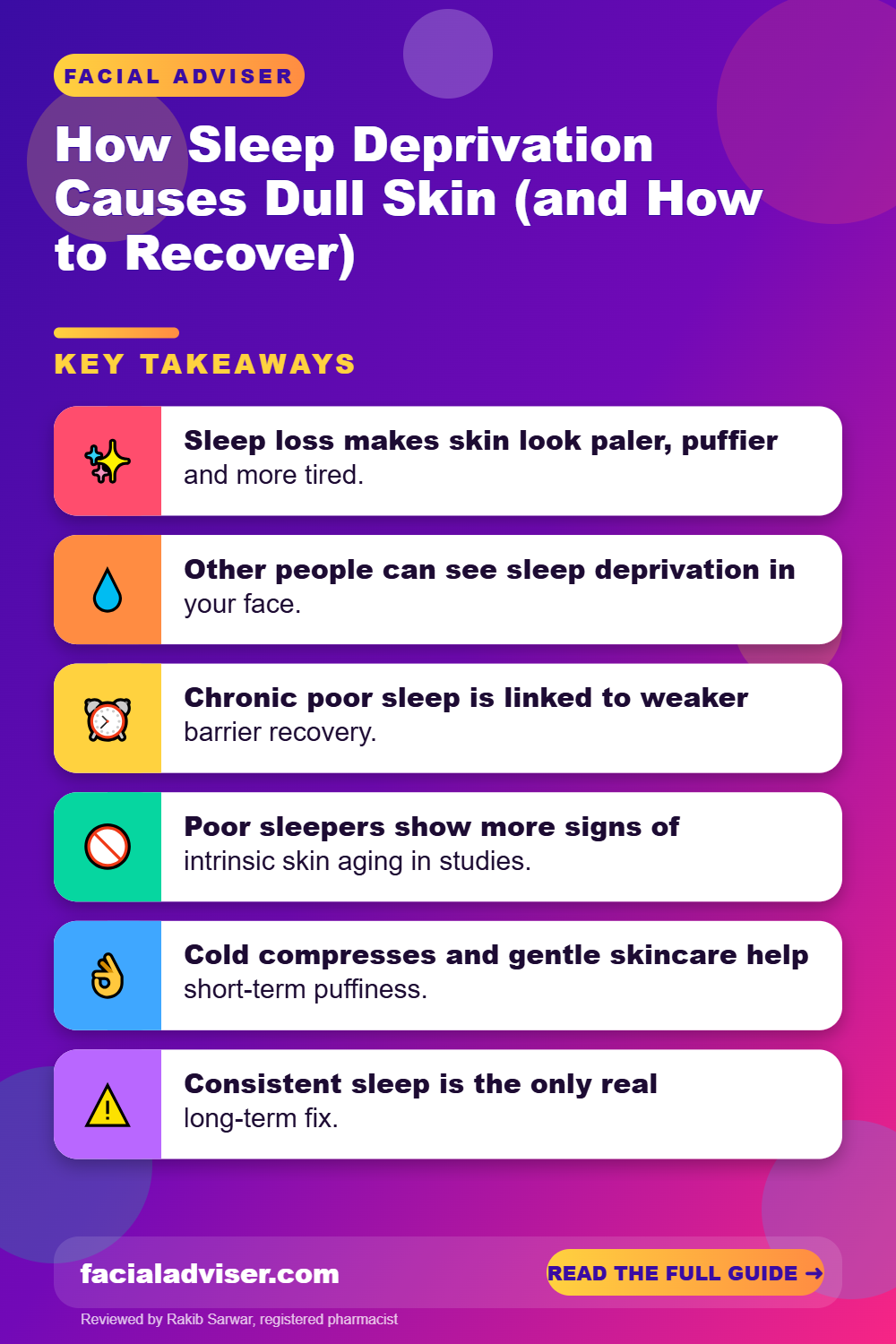
- Sleep loss makes skin look paler, puffier and more tired.
- Other people can see sleep deprivation in your face.
- Chronic poor sleep is linked to weaker barrier recovery.
- Poor sleepers show more signs of intrinsic skin aging in studies.
- Cold compresses and gentle skincare help short-term puffiness.
- Consistent sleep is the only real long-term fix.
- Persistent dullness can have other causes worth checking.
In This Guide
- Why Sleep Loss Shows on Your Face
- What the Research Shows
- Is It Tiredness or Something Else?
- How to Help Your Skin Recover After Poor Sleep
- Chronic Poor Sleep and Skin Aging
- Sleep Habits That Support Your Skin
- An Evening Routine for Tired Skin
- Shift Work, Travel and New Parents
- Common Myths About Sleep and Skin
- Dos and Don’ts
- Honest Limits
- When to See a Doctor
- Your Questions, Answered
- Final Word
Why Sleep Loss Shows on Your Face
Several things happen in the body when you do not get enough sleep, and each one can change how your skin looks.
- Circulation: blood flow to the skin changes, which can make the face look paler and less even in colour.
- Fluid balance: fluid can collect around the eyes overnight, causing puffiness that is more noticeable after poor sleep.
- Under-eye circles: thin skin under the eyes shows blood vessels and shadows more clearly when you are tired.
- Stress hormones: short sleep is linked to higher stress hormone levels, which may affect oil production and inflammation.
- Repair time: skin carries out much of its repair work during rest, so less sleep may mean less recovery.
These effects combine to create the classic tired look: flatter colour, shadowed eyes and a face that seems less bright. Our guide on how the circadian rhythm influences skin repair explains the skin’s day and night cycles in more detail.
What the Research Shows
Several studies have looked at how sleep affects both how skin looks and how it functions.
| Study | What was tested | Key finding |
|---|---|---|
| BMJ, 2010 | Observers rated photos of people after normal sleep and after sleep deprivation | Sleep-deprived people were rated as less healthy, less attractive and more tired |
| Sleep, 2013 | Photos after normal sleep and after 31 hours awake | Paler skin, darker circles, more swollen eyes, more fine lines and droopier mouth corners |
| Clinical and Experimental Dermatology, 2015 | Good versus poor sleepers | Poor sleepers had more signs of intrinsic aging, higher water loss and slower barrier recovery |
The 2013 study, available on PubMed, found that sleep deprivation affected features around the eyes, mouth and skin, and that these acted as visible cues of sleep loss to other people. The 2010 BMJ study, also on PubMed, found observers rated sleep-deprived people as looking less healthy and more tired.
The 2015 study, available on PubMed, found that good sleepers had 30 percent greater barrier recovery 72 hours after the skin was stripped with tape, recovered better from redness after ultraviolet exposure and were more satisfied with their appearance. It showed an association rather than proving that poor sleep causes skin aging.
Is It Tiredness or Something Else?
Dull skin has many possible causes. This quick check can help you work out whether sleep is the main factor.
| Sign | Likely due to poor sleep | Worth considering other causes |
|---|---|---|
| Timing | Worse after short nights, better after rest | Constant regardless of sleep |
| Puffiness | Mainly in the morning, fades by midday | Persistent swelling all day |
| Dark circles | Deeper when tired | Always present, run in family |
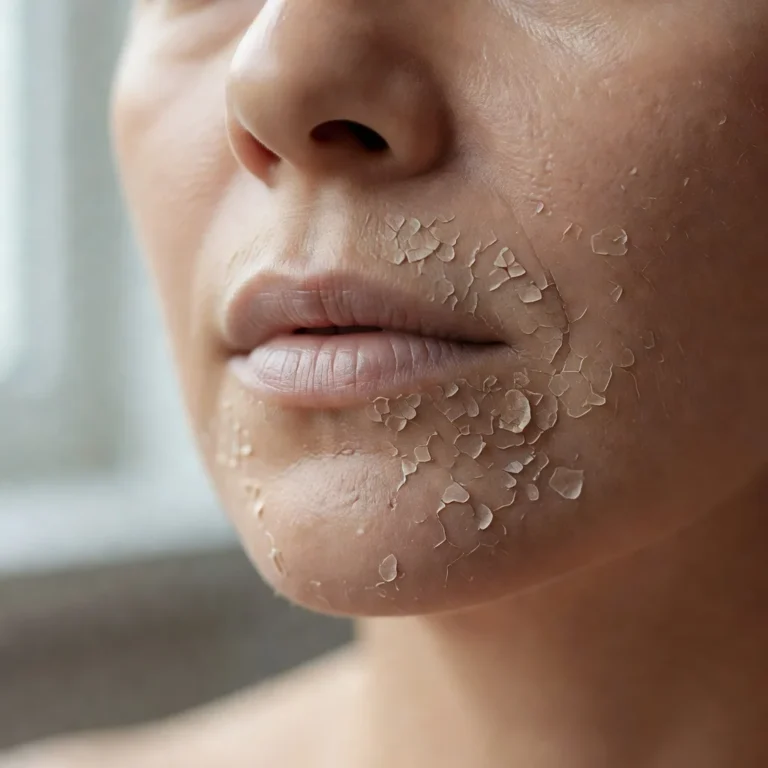
| Texture | Normal, just less bright | Rough, flaky or tight |
| Other symptoms | Tiredness only | Fatigue despite good sleep, weight change, feeling cold |
If dullness persists even after a run of good nights, dehydration, dry skin, a build-up of dead cells, sun damage or medical issues such as thyroid problems or anaemia may be involved. Our guide on the effects of dehydration on skin covers one of the most common alternatives.
How to Help Your Skin Recover After Poor Sleep
You cannot fully undo a short night, but a few simple steps can reduce the visible signs.
Cool the eye area
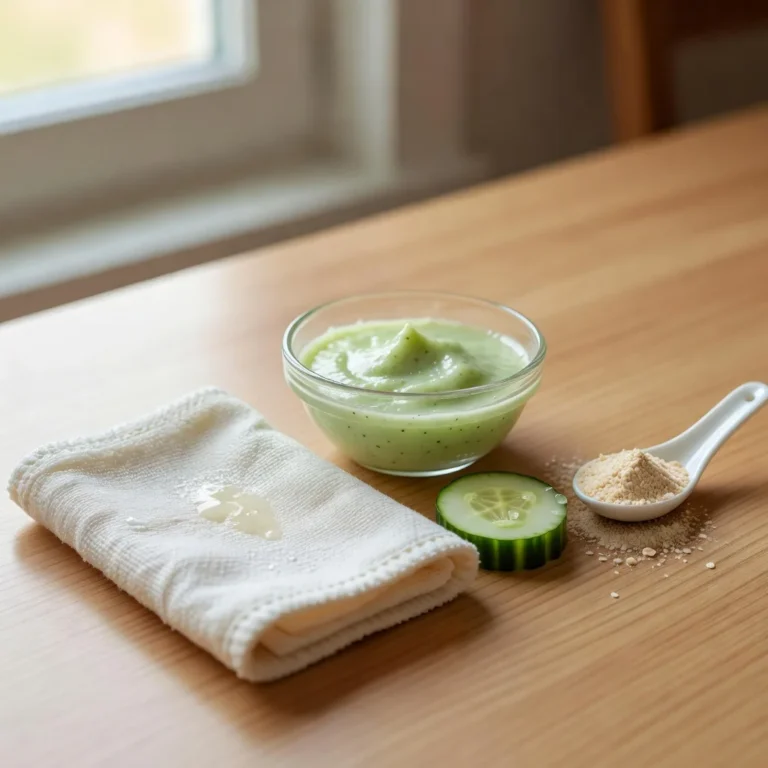
Use a cold compress, chilled spoon or ice roller wrapped in a cloth for a few minutes to reduce puffiness.
Cleanse gently
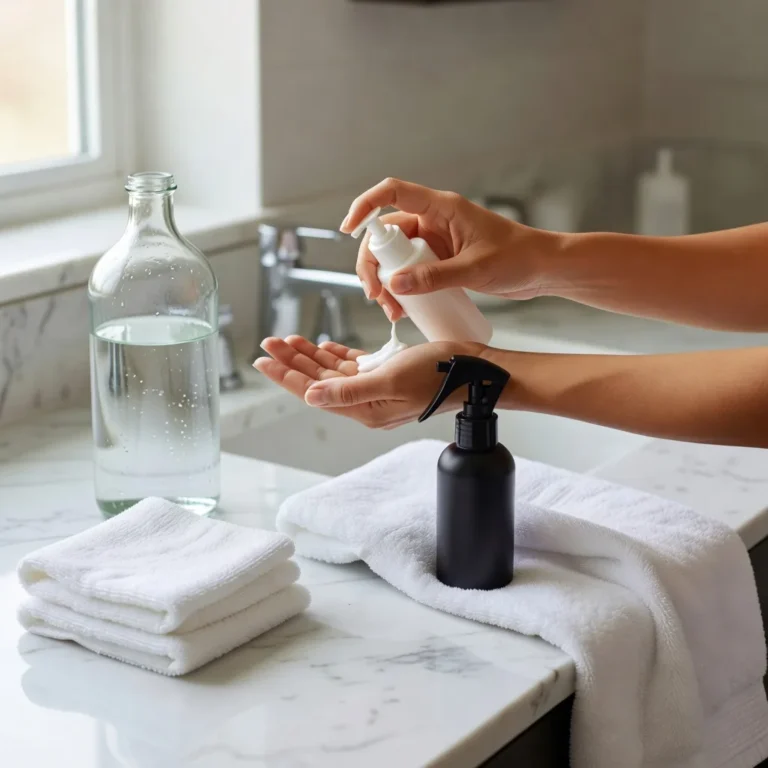
Use a mild, lukewarm-water cleanse rather than scrubbing tired skin.
Hydrate the skin
Apply a hydrating serum and moisturiser to plump the surface and improve light reflection.
Protect with sunscreen
Tired skin still needs broad-spectrum SPF every morning.
Drink water and eat breakfast
Hydration and a regular meal support how you feel and look.
Get daylight and move
Morning light and gentle activity help reset your body clock.
Protect the next night
Aim for a regular bedtime to avoid a cycle of poor sleep.
If you use makeup on tired days, a little colour on the cheeks and a light, hydrating base tend to look fresher than heavy, matte layers, which can emphasise dullness and fine lines.
Sleep position can also affect how your face looks in the morning. Our guide on sleep position and wrinkle formation explains why.
Chronic Poor Sleep and Skin Aging
One short night causes temporary changes that usually settle with rest. Ongoing poor sleep is different. Research suggests that people who regularly sleep badly show more signs of intrinsic aging, such as fine lines and uneven tone, and their skin barrier takes longer to recover from damage.
A weaker barrier can mean drier, more sensitive skin that reacts more easily to products and the environment. Slower recovery from sun-induced redness may also mean skin copes less well with everyday exposure.
Most studies show an association between poor sleep and skin changes rather than proof of cause and effect. Stress, lifestyle and health conditions often go hand in hand with poor sleep and can also affect skin.
Improving sleep is not a cosmetic quick fix, but it supports your overall health, and skin is one of the places where the benefits may show.
Do not rely on sleeping pills, alcohol or antihistamines to fix poor sleep without medical advice. They can affect sleep quality and interact with other medicines, and ongoing insomnia is best assessed by a doctor.
Sleep Habits That Support Your Skin
Better sleep habits benefit your whole body, including your skin.
- Keep a regular sleep and wake time, even at weekends.
- Keep your bedroom dark, quiet and cool; an eye mask can help if light is a problem.
- Limit caffeine in the afternoon and heavy meals close to bedtime.
- Reduce screen time in the hour before bed.
- Keep a consistent evening skincare routine as part of winding down.
- Get daylight exposure and physical activity during the day.
Stress is one of the biggest reasons people sleep badly. Our guide on how to reduce cortisol for better skin covers practical ways to manage it.
An Evening Routine for Tired Skin
A simple, consistent routine helps skin make the most of the sleep you do get.
- Remove makeup and sunscreen thoroughly with a gentle cleanser.
- Apply a hydrating serum to damp skin.
- Use a moisturiser that suits your skin type; a richer cream can help dry, tired skin.
- Add a retinoid a few nights a week if your skin tolerates it.
- Apply lip balm and keep hands off your face through the night.
Silk or satin pillowcases feel smooth and some people find them more comfortable, but there is little evidence that they change skin aging. Clean pillowcases, changed regularly, matter more for skin that is prone to breakouts.
Shift Work, Travel and New Parents
Some people cannot simply go to bed earlier. Shift workers, frequent travellers and new parents often have broken or irregular sleep for long periods, and their skin may show it.
If your schedule is out of your control, focus on what you can influence. Keep your sleeping space as dark and quiet as possible, use an eye mask and earplugs for daytime sleep, and try to keep the same routine before every main sleep, whatever the time of day. Short naps can help you feel more alert, even if they do not replace a full night.
For skin, keep things simple and consistent: a gentle cleanser, a moisturiser and daily sunscreen are more useful than a complicated routine you struggle to maintain when tired. Cool compresses in the morning and a hydrating serum can reduce puffiness and dullness on the hardest days.
Common Myths About Sleep and Skin
Beauty sleep is a popular idea, and a few myths have grown up around it.
- Myth: expensive night creams can replace sleep. Reality: they can hydrate and support skin, but they cannot make up for chronic sleep loss.
- Myth: you can catch up on a whole week at the weekend. Reality: extra sleep helps, but a regular schedule is better for body and skin.
- Myth: dark circles are always from tiredness. Reality: genetics, skin tone, thin skin and allergies also play a large part.
- Myth: more sleep always means better skin. Reality: very long or irregular sleep can also leave you feeling unrested.
The most reliable approach is steady: enough sleep most nights, a simple routine and daily sun protection.
Dos and Don’ts
Try This
- Keep a regular sleep schedule
- Use cool compresses for puffy eyes
- Hydrate skin morning and night
- Wear sunscreen even on tired days
- See a doctor for ongoing fatigue
Avoid This
- Rely on products to replace sleep
- Scrub or over-exfoliate tired skin
- Use caffeine late in the day
- Scroll on screens in bed
- Ignore persistent dullness or fatigue
Honest Limits
Studies on sleep and skin are relatively small and often rely on photographs, ratings or short-term measurements. They show clear short-term effects of sleep loss on appearance and an association between chronic poor sleep and skin aging, but they cannot show exactly how much sleep improves skin over years.
Skincare can reduce the visible signs of a bad night, but it cannot replace sleep. If you sleep poorly for weeks, have loud snoring, wake unrefreshed or feel exhausted despite enough time in bed, the priority is your health, not your complexion.
When to See a Doctor
- You regularly struggle to fall or stay asleep for weeks.
- You snore loudly, gasp at night or feel exhausted despite sleeping.
- Dullness comes with fatigue, weight change, hair loss or feeling cold.
- Puffiness or dark circles are persistent, one-sided or painful.
This article is for general information and does not replace professional medical advice. Talk to a doctor about ongoing sleep problems or fatigue, and see a dermatologist for persistent skin concerns.
Your Questions, Answered
Does lack of sleep make skin dull?
Yes. Sleep loss can make skin look paler, puffier and more tired.
How quickly does sleep loss show on the face?
Changes can be visible after a single short night.
Can poor sleep age your skin?
Studies link chronic poor sleep to more signs of intrinsic aging.
Does sleep affect the skin barrier?
Good sleepers showed faster barrier recovery in research.
How do I fix puffy eyes after a bad night?
Use a cold compress for a few minutes and keep your head slightly raised.
Do dark circles always mean tiredness?
No, genetics, thin skin and allergies also contribute.
Can a night cream replace sleep?
No, it can support skin but not replace rest.
Do silk pillowcases help skin?
They can feel comfortable, but evidence for skin benefits is limited.
How much sleep is enough?
Most adults need around 7 to 9 hours a night.
When should I worry about tired-looking skin?
If it persists despite good sleep or comes with other symptoms.
Final Word
Sleep deprivation makes skin look dull mainly by changing circulation and fluid balance, which leads to paler skin, puffiness and darker circles, and chronic poor sleep is linked to weaker barrier recovery and more signs of skin aging.
Cool compresses and gentle, hydrating skincare help on tired mornings, but a regular sleep schedule is the only lasting fix, and ongoing fatigue deserves a conversation with a doctor.

Written by
Registered pharmacist and founder of Facial Adviser. Rakib's pharmacy training covers how skincare actives work and interact; a later course in cosmetology turned that into a focus on facial treatments and skincare products. He plans, researches and edits every guide on the site and checks health claims against sources such as the American Academy of Dermatology, the FDA and the NIH. He is not a dermatologist; see the Editorial Policy and Medical Disclaimer.
About · Editorial policy · How we choose products · Medical disclaimer · Contact
Keep reading: Diet, sleep, stress and skin
- How Diet Impacts the Skin Microbiome: What the Science Actually Shows
- Why Your Face Goes Red After Exercise and When It Matters
- Can Vitamin Deficiency Cause a Dull Face? What the Evidence Says
- Hormonal Facial Skin Changes During Your Cycle: A Phase-by-Phase Guide
- How Do You Get Cell Nutrition? The Real Answer
- Does Stress Make Your Skin Darker?
One Comment