How to Lower Cortisol for Better Skin: What Stress Really Does
Most people have noticed it at some point: a breakout before a big presentation, an eczema flare during a hard month, skin that looks grey and tired after weeks of pressure. Stress shows on the face, and cortisol, the body’s main stress hormone, gets much of the blame.
Part of our guide to lifestyle and skin. Start with: How Diet Impacts the Skin Microbiome: What the Science Actually Shows
Cortisol and other stress signals affect skin by slowing barrier repair, increasing oil production and inflammation, and disrupting sleep. Studies show that psychological stress, such as exam periods, slows skin barrier recovery and is linked with worse acne. You cannot remove stress entirely, but regular exercise, good sleep, relaxation techniques and social support lower its effects, and a gentle, consistent skincare routine helps skin cope.
Cortisol is not the villain it is often made out to be. It is essential for life, helps regulate blood sugar and blood pressure and damps down inflammation in the short term. The problems come when stress is prolonged and the body’s stress system stays switched on for weeks or months.
The skin is also more than a passive target. It has its own local stress system that can make cortisol and related hormones, and it is wired to the nervous system, which is why emotional states can show up so quickly as flushing, itching or sweating.
This guide explains how stress hormones affect the skin, which skin conditions are most stress-sensitive, the practical ways to lower stress that have good evidence, and when stress or skin symptoms need professional help.
Shopping these picks?
Amazon Prime members get fast, free shipping on eligible items, plus Prime Video, Amazon Music and member deals. New members can start with a free trial.
Start a free Prime trialAged 18 to 24? Prime for Young Adults comes with a longer free trial and a lower price after it.
Affiliate link: we may earn a commission at no extra cost to you.
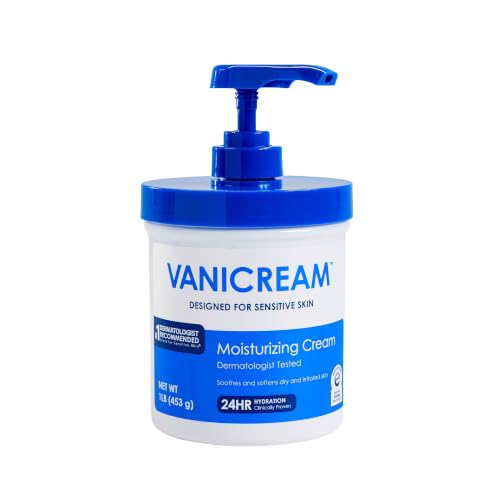
Recommended Products for Stress Relief and Calm Skin



Key Takeaways
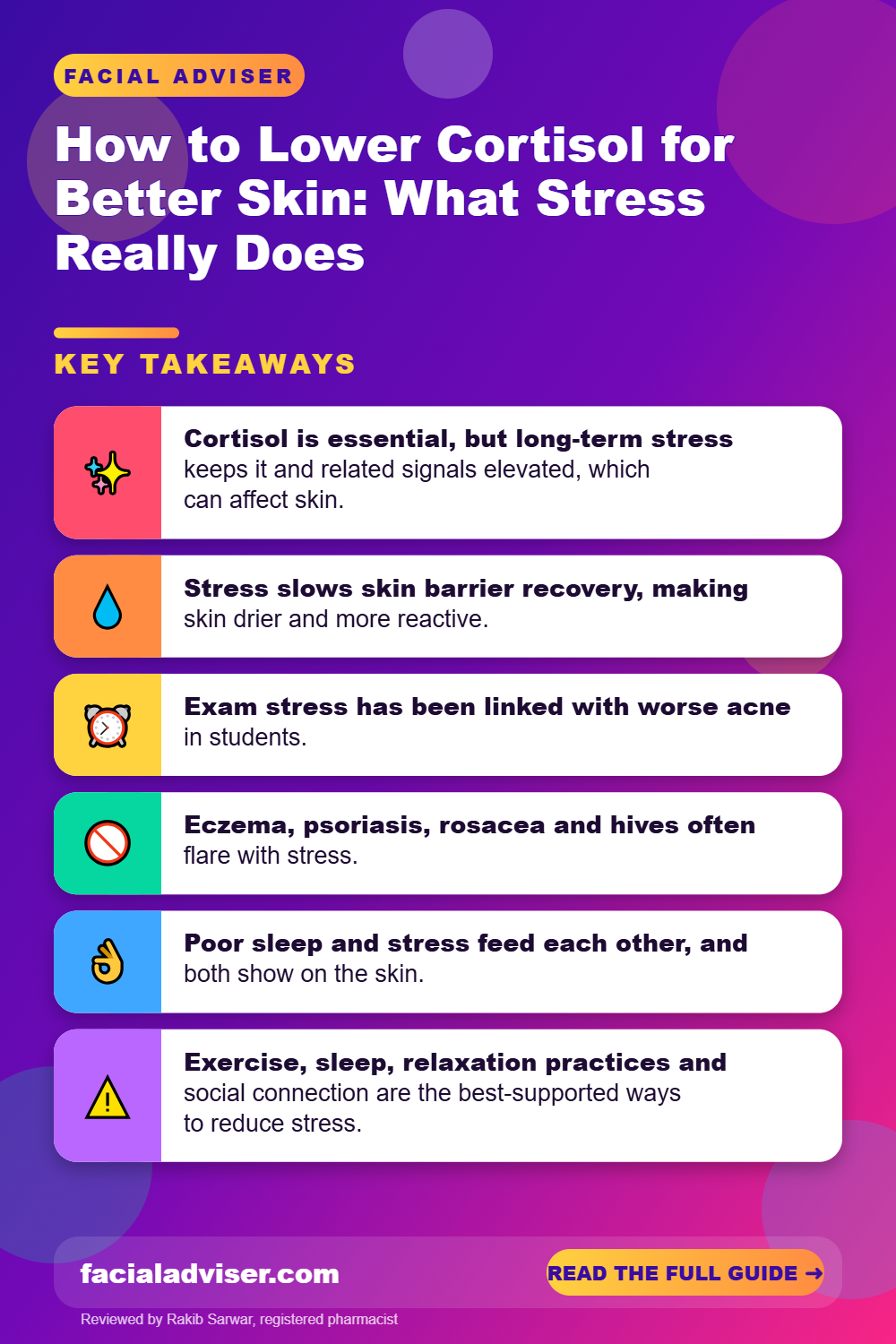
- Cortisol is essential, but long-term stress keeps it and related signals elevated, which can affect skin.
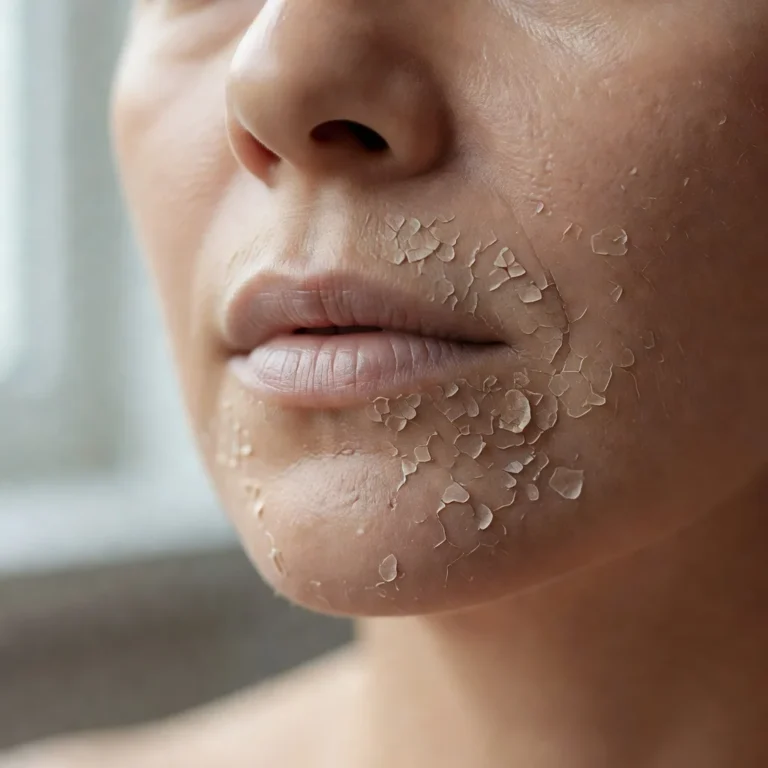
- Stress slows skin barrier recovery, making skin drier and more reactive.
- Exam stress has been linked with worse acne in students.
- Eczema, psoriasis, rosacea and hives often flare with stress.
- Poor sleep and stress feed each other, and both show on the skin.
- Exercise, sleep, relaxation practices and social connection are the best-supported ways to reduce stress.
- Cortisol supplements and ‘adrenal’ products are not recommended and may be harmful.
What This Covers
- How Stress Hormones Affect Skin
- What the Research Shows
- Skin Conditions Most Affected by Stress
- The Stress Habits That Hurt Skin Most
- Is Stress Showing on Your Skin?
- How to Lower Stress for Better Skin
- Relaxation Techniques Compared
- A Stress-Proof Skincare Routine
- Eating and Drinking During Stressful Times
- Dos and Don’ts
- Honest Limits
- When to Get Help
- Common Questions
- The Takeaway
How Stress Hormones Affect Skin
When you are stressed, the brain triggers a chain of signals known as the HPA axis, ending in the release of cortisol from the adrenal glands. At the same time, adrenaline rises and the nervous system shifts into ‘fight or flight’.
| Effect | What happens | What you might see |
|---|---|---|
| Slower barrier repair | Stress hormones reduce production of barrier fats | Drier, more sensitive skin |
| More oil | Stress hormones can stimulate oil glands | Shinier skin, more breakouts |
| Inflammation | Nerve signals and immune changes increase inflammation | Flares of acne, eczema, psoriasis, rosacea |
| Slower healing | Immune function and repair slow down | Spots and cuts linger longer |
| Blood flow changes | Flushing or pallor | Redness or a grey, tired look |
| Behaviour | Picking, rubbing, poor sleep, skipped skincare | Scabs, marks, dullness |
These effects overlap. A stressful week often means less sleep, more convenience food, skipped routines and more face-touching, all of which add to what the hormones are doing. Short bursts of stress are normal and the skin copes well with them; it is weeks or months of unrelieved pressure that tend to leave a visible mark, which is why steady daily habits matter more than occasional pampering.
What the Research Shows
One of the clearest studies looked at medical and dental students during exams compared with a holiday period. During exam stress, their skin barrier took longer to recover after being deliberately disrupted, and the slowdown was linked to how stressed they felt (Garg et al., 2001).
A separate study followed university students through exams and found that increases in stress were associated with worsening acne severity, independent of changes in diet or sleep they reported (Chiu et al., 2003).
Both studies were small, but they fit with a large body of research showing that stress affects skin barrier function and inflammatory skin diseases. The UCSF Stress Measurement Network summarises this link between stress and skin in some detail (UCSF).
Stress rarely causes a skin condition on its own. It is better thought of as a trigger or amplifier for conditions you are already prone to.
Skin Conditions Most Affected by Stress
- Acne: stress can increase oil production and inflammation, and adult women in particular often notice stress breakouts along the jaw.
- Eczema: stress and itch feed each other, and scratching further damages the barrier.
- Psoriasis: flares commonly follow stressful events.
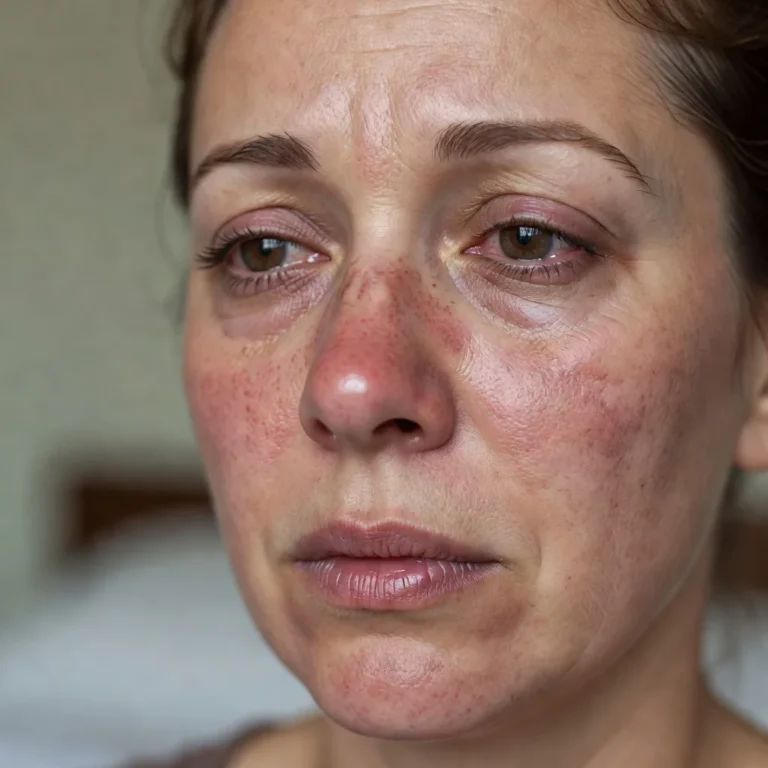
- Rosacea: emotional stress is one of the most commonly reported triggers for flushing.
- Hives: stress can trigger or worsen chronic hives.
- Hair and nail changes: significant stress can lead to temporary hair shedding a few months later.
The Stress Habits That Hurt Skin Most
Some of stress’s biggest effects on the face come not from hormones but from what we do when we are under pressure. Recognising these patterns is often the quickest win.
- Picking and squeezing: many people pick at spots or rough skin when anxious, turning small blemishes into marks that last for weeks.
- Face touching: resting your chin on your hand or rubbing your eyes transfers oil and bacteria and irritates the skin.
- Skipping routines: sleeping in makeup or forgetting sunscreen during busy weeks adds to barrier damage and pigmentation.
- Product overload: reacting to a flare by trying lots of new products at once often makes things worse.
- Comfort eating and drinking: more sugar, alcohol and caffeine can affect sleep and, for some people, breakouts.
If you spot yourself in this list, pick one habit to work on first. Small, concrete changes such as keeping hydrocolloid patches handy or setting a phone reminder for your evening routine are easier to keep than big resolutions.
Is Stress Showing on Your Skin?
- Your skin flares during busy or difficult periods and settles on holiday.
- You pick, rub or scratch your skin more when stressed.
- You are sleeping less or poorly.
- You skip your skincare routine or sleep in makeup when overwhelmed.
- You notice more redness, itching or breakouts after tense days.
- You feel wired but tired, with trouble switching off in the evening.
If several apply, working on stress is likely to help your skin alongside any treatment you already use.
How to Lower Stress for Better Skin
Move most days
Regular aerobic exercise is one of the best-proven ways to reduce stress. Brisk walking counts.
Protect your sleep
Keep regular bed and wake times and a wind-down routine. Sleep and stress are closely linked.
Practise a relaxation technique daily
Slow breathing, meditation, yoga or progressive muscle relaxation for 10 to 15 minutes can lower stress responses.
Stay connected
Time with friends and family is a strong buffer against stress.
Keep skincare simple and consistent
A gentle cleanser and moisturiser every day, plus any prescribed treatment, is enough during stressful periods.
Limit caffeine and alcohol
Both can worsen anxiety and disrupt sleep.
If you pick at your skin when stressed, keep your hands busy with a stress ball or fidget toy, and cover tempting spots with hydrocolloid patches.
Relaxation Techniques Compared
| Technique | How to start | Good for |
|---|---|---|
| Slow breathing | Breathe in for four counts, out for six, for five minutes | Quick calm, before bed |
| Mindfulness meditation | Use an app or class, 10 minutes a day | Ongoing stress, rumination |
| Yoga | Gentle beginner classes two or three times a week | Stress plus flexibility and movement |
| Progressive muscle relaxation | Tense and release muscle groups from feet to face | Physical tension, sleep |
| Journalling | Write down worries or three good things each evening | Racing thoughts at night |
| Time outdoors | A daily walk in green space | Mood and sleep |
The best technique is the one you will actually do. Try a few for two weeks each and keep what fits your life. Pairing a technique with an existing habit, such as slow breathing while the kettle boils, makes it far easier to stick with.
A Stress-Proof Skincare Routine
When life is hectic, the most useful skincare routine is the one you can keep doing when you are exhausted. Strip it back to the essentials.
| Step | Morning | Evening |
|---|---|---|
| Cleanse | Rinse or gentle cleanser | Gentle cleanser to remove sunscreen and makeup |
| Treat | Only what you are prescribed or already tolerate | Your usual treatment, if skin is calm |
| Moisturise | Light moisturiser | Richer moisturiser if skin feels tight |
| Protect | Broad-spectrum sunscreen | Not needed |
Pause new actives, strong exfoliants and at-home peels until your skin and life settle. If your skin stings with products that never bothered it before, that is a sign the barrier needs rest rather than more treatment.
Eating and Drinking During Stressful Times
Stress changes appetite. Some people lose interest in food; others reach for sugary snacks, takeaway and extra coffee. Regular meals with protein, vegetables, whole grains and healthy fats help keep energy and mood steadier, which in turn makes stress easier to handle.
Alcohol can feel relaxing in the moment but disrupts sleep later in the night and can trigger flushing and puffiness. Caffeine is fine for most people earlier in the day, but late caffeine adds to the wired-but-tired feeling that makes stress worse.
Dos and Don’ts
Try This
- Exercise regularly
- Keep a simple, gentle skincare routine
- Prioritise sleep
- Talk to someone about ongoing stress
- See a dermatologist for flares that do not settle
Avoid This
- Pick or squeeze spots
- Pile on new products during a flare
- Rely on alcohol to unwind
- Take cortisol-lowering supplements without medical advice
- Ignore signs of anxiety or depression
Honest Limits
Online, you will see many products promising to ‘lower cortisol’, from adaptogen supplements to special skincare. Some herbs, such as ashwagandha, have small studies suggesting a modest effect on stress, but quality varies and they can interact with medicines and affect the thyroid. Cortisol-blocking claims in skincare are not supported by good evidence.
Stress management helps skin, but it will not replace treatment for acne, eczema or psoriasis. The best results come from combining both.
It is also important not to add to your stress by worrying about your stress. A breakout during a hard week is normal. Focus on the few habits that help rather than trying to be perfect, and be as kind to yourself as you would be to a friend in the same situation.
Do not stop or change steroid medicines, including steroid creams and tablets, without advice. Some conditions need them, and stopping suddenly can be harmful.
When to Get Help
See a doctor if you have:
- Persistent anxiety, low mood or feeling unable to cope
- Sleep problems lasting more than a few weeks
- Skin flares that do not respond to your usual treatment
- Skin picking or hair pulling that you cannot control
- Rapid weight gain, a rounder face, easy bruising or purple stretch marks, which can rarely signal excess cortisol (Cushing’s syndrome)
A GP can help with stress and mental health support, and a dermatologist can adjust skin treatment during stressful periods.
This article is for general information and is not a substitute for medical or psychological advice. If you are struggling with stress, anxiety or low mood, please reach out to a doctor or mental health professional.
Common Questions
Does cortisol cause acne?
Stress hormones can increase oil production and inflammation, and stress has been linked with worse acne.
Can stress damage your skin barrier?
Yes. Studies show stress slows the skin barrier’s recovery, making skin drier and more reactive.
How can I lower cortisol naturally?
Regular exercise, good sleep, relaxation techniques and social connection are the best-supported approaches.
Do cortisol supplements help skin?
There is no good evidence, and some supplements can interact with medicines. Speak to a doctor first.
Can stress cause rosacea flares?
Emotional stress is one of the most commonly reported rosacea triggers.
Why does my skin break out before exams or deadlines?
Stress hormones, poor sleep, diet changes and skin picking during busy periods all contribute.
Does meditation improve skin?
Meditation lowers stress, which may help stress-sensitive skin conditions, though direct skin studies are limited.
Can stress cause dark circles?
Stress often leads to poor sleep, which can make dark circles and puffiness worse.
How long does it take for skin to improve after stress?
Many people notice improvement within a few weeks of stress easing and sleep improving.
Is it normal for skin to flare during stressful times?
Yes, it is very common. A consistent routine and stress management help.
The Takeaway
Cortisol and the wider stress system affect skin in several ways: slower barrier repair, more oil and inflammation, slower healing and disrupted sleep. Studies of students under exam pressure show that stress can measurably slow barrier recovery and worsen acne, and conditions like eczema, psoriasis and rosacea often flare in hard times.
You cannot remove stress from life, but you can lower its impact. Move regularly, protect your sleep, practise a relaxation technique that suits you, stay connected, and keep skincare simple and gentle. If stress or skin flares feel out of control, reach out to a doctor, since both are very treatable.

Written by
Registered pharmacist and founder of Facial Adviser. Rakib's pharmacy training covers how skincare actives work and interact; a later course in cosmetology turned that into a focus on facial treatments and skincare products. He plans, researches and edits every guide on the site and checks health claims against sources such as the American Academy of Dermatology, the FDA and the NIH. He is not a dermatologist; see the Editorial Policy and Medical Disclaimer.
About · Editorial policy · How we choose products · Medical disclaimer · Contact
Keep reading: Diet, sleep, stress and skin
- How Diet Impacts the Skin Microbiome: What the Science Actually Shows
- Cold vs Warm Compress for the Face: Effects on Blood Flow and When to Use Each
- Can Vitamin D Deficiency Cause Acne? What Studies Show
- Can Iron Deficiency Cause Pale Skin? Signs, Tests and Fixes
- How Hormones Control Oil Production in Your Skin
- Facial Nerve Sensitivity: Why Your Face Stings, Burns or Flushes