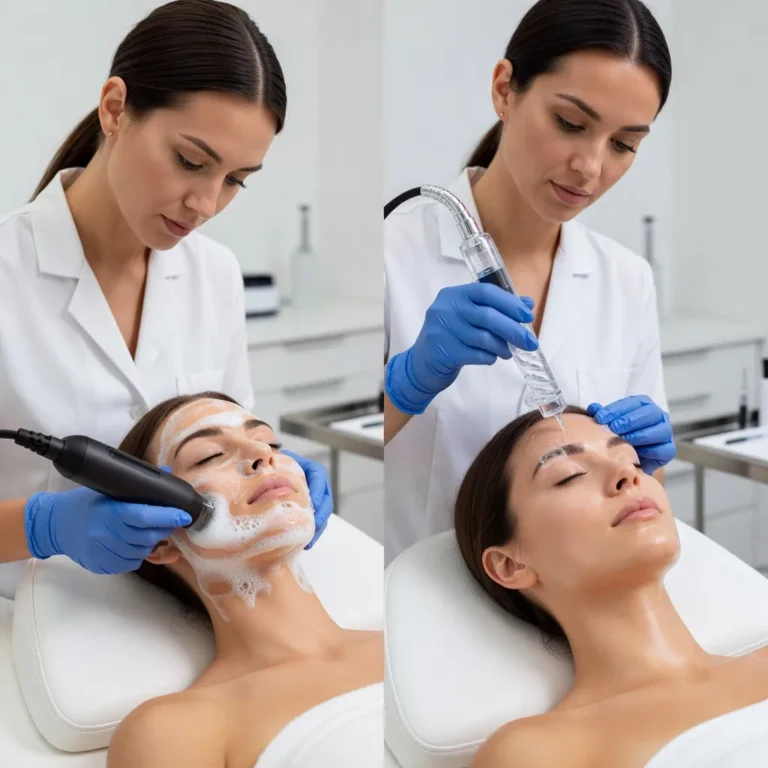

Microcurrent Facial: Steps, Benefits, Cost
A microcurrent facial promises a natural, needle-free lift, and the mechanism it leans on for that claim genuinely exists, just not quite in the context most marketing implies.
Part of our guide to at-home facial devices. Start with: How to Incorporate Microcurrent Into Your Routine: Gel, Timing and Safety
Electrical microcurrent stimulation has real, peer-reviewed support for accelerating wound healing, but independent review rates the evidence for the same mechanism producing lasting cosmetic toning in healthy, intact skin as limited, with effects that fade without continued use. FDA 510(k) clearance for these devices confirms safety-equivalence review, not proof of the marketed lifting or toning outcome.

A peer-reviewed analysis of FDA adverse-event data found arrhythmia as the most commonly reported effect for one popular device brand, a real, specific safety signal worth knowing before buying one, particularly for anyone with a cardiac history.
Black Friday is coming: shop the deals with Prime
This guide covers the real mechanism and its actual evidence tier, what device trials show, the regulatory reality behind “FDA-cleared,” a documented safety consideration, and realistic expectations for cost and results.
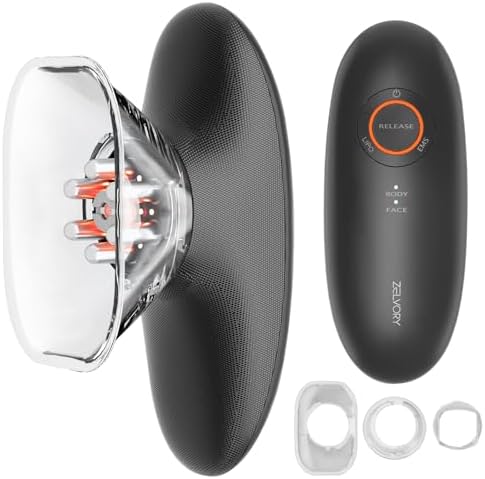
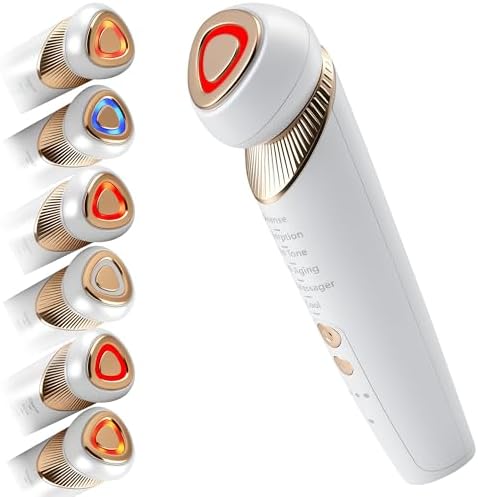
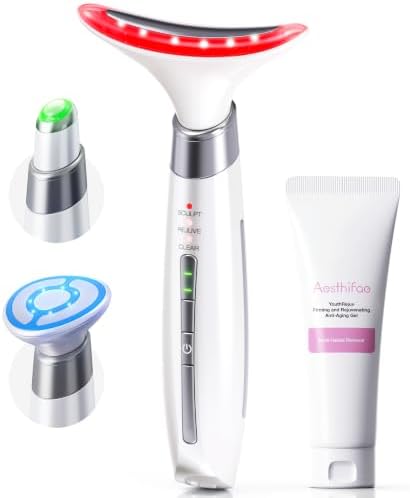
Recommended At-Home Microcurrent Devices



At a Glance
- Microcurrent devices deliver very low, microamp-range electrical current, below the threshold that produces visible muscle contraction, distinguishing it from higher-current EMS or galvanic devices.
- The proposed ATP-boosting mechanism has real support from wound-healing research, but that evidence base is different from, and stronger than, the evidence for cosmetic “toning” in intact, healthy skin.
- Independent review rates cosmetic microcurrent facial-toning evidence as limited, with most support coming from small or manufacturer-sponsored studies whose effects fade without continued use.
- FDA 510(k) clearance for these devices confirms substantial equivalence to an existing product, a paperwork comparison, not proof the device delivers its marketed toning or lifting outcome.
- A peer-reviewed analysis of FDA adverse-event reports found arrhythmia as the most common reported effect for one popular device brand, a real, specific safety signal, especially relevant for anyone with a cardiac condition.
- Manufacturer-recommended usage frequency is a company protocol claim, not something independently validated by a dosing-response trial.
Table of Contents
- How Microcurrent Actually Works
- A Mechanism Borrowed From a Different Context
- What Device Trials Actually Show
- What FDA Clearance Does and Doesn’t Mean
- A Real Safety Signal From Adverse-Event Data
- Where the Technology Actually Comes From
- Realistic Expectations: What the Evidence Actually Predicts
- Professional vs. At-Home Microcurrent
- Do This, Not That
- What a Session or At-Home Routine Involves
- One-Minute Check Before You Buy or Book
- Cost and Usage Cadence
- Who Should Avoid It
- When to See a Dermatologist
- Frequently Asked Questions
- The Bottom Line
How Microcurrent Actually Works
Microcurrent devices deliver very low-level electrical current, in the microamp range, through handheld probes applied to facial skin, well below the threshold needed to cause a visible muscle contraction. That distinguishes it from higher-current EMS (electrical muscle stimulation) and galvanic devices, which work at meaningfully different current levels for different purposes.
The proposed mechanism is that this low-level current stimulates ATP, cellular energy, production in fibroblasts, theoretically promoting collagen and elastin synthesis along with improved muscle tone.
A Mechanism Borrowed From a Different Context
Worth knowing: the electrical-stimulation-boosts-ATP concept has legitimate support from wound-healing research specifically. A meta-analysis of randomized controlled trials on electrical microcurrent stimulation for wound healing supports its role in accelerating wound closure, a real, peer-reviewed finding.
What’s not well established is that the same mechanism, at the current levels and exposure durations used by cosmetic facial devices, produces meaningful collagen or tone changes in intact, healthy, non-wounded facial skin. That’s a mechanistically plausible extrapolation from a different, better-studied context, not the same evidence base, and the two shouldn’t be treated as interchangeable when evaluating cosmetic marketing claims.
What Device Trials Actually Show
Independent evidence review of cosmetic microcurrent devices rates the evidence for at-home facial-toning claims as limited, explicitly noting that most support comes from small or manufacturer-sponsored studies, and that visible effects fade without continued use, consistent with a transient, non-structural effect rather than durable collagen remodeling.
A practical transparency problem compounds this: many consumer devices don’t disclose their actual power or current output specifications, making it difficult to verify whether a given at-home session even delivers current comparable to what was used in the already-limited supporting studies.
What FDA Clearance Does and Doesn’t Mean
Consumer microcurrent facial devices are FDA-regulated under a product code covering powered muscle stimulators cleared for aesthetic facial use, via the 510(k) clearance pathway as Class II devices. One specific example device received 510(k) clearance based on substantial equivalence to an existing predicate device.
| What Clearance Confirms | What Clearance Does Not Confirm |
|---|---|
| The device is similar enough to an existing marketed device | That the device produces its marketed toning, lifting, or wrinkle-reduction outcome |
| Basic electrical-safety review has occurred | Independent efficacy testing at the specific current and duration used |
This is the crucial regulatory-literacy point: 510(k) clearance means the device was found similar enough to something already on the market to skip new efficacy testing, a paperwork comparison rather than a results trial. Readers commonly, and reasonably, mistake “FDA-cleared” for “FDA-proven effective,” and microcurrent devices are a clean, checkable example of why that assumption doesn’t hold.
A Real Safety Signal From Adverse-Event Data
Heads up: a peer-reviewed analysis of FDA adverse-event reports covering roughly a twelve-year span found 28 unique reports across a small set of at-home microcurrent device brands. For the most-reported brand, arrhythmia appeared in about 28 percent of its reports, followed by pain, dizziness, headache, and inflammation, plus individual reports of swelling, hemorrhage, nerve damage, and one case of retinal detachment.
The study authors themselves note that randomized controlled trials evaluating adverse events related to this technology are lacking, and that existing safety data is limited by small samples and short follow-up. They specifically recommend that anyone with a cardiac condition discuss potential risk with a dermatologist before use. The arrhythmia signal comes from unverified, self-reported adverse-event data, not causally proven, but it’s a real, specific, name-checkable finding worth taking seriously rather than dismissing as noise.
Where the Technology Actually Comes From
Low-level electrical stimulation has a genuine, decades-long history in physical therapy and clinical rehabilitation contexts, including treatment of muscle weakness and nerve-related facial conditions like Bell’s palsy, well before it was adapted into a cosmetic facial-toning device. That real clinical lineage is part of why the underlying electrical-stimulation concept sounds credible to begin with.
The cosmetic application is a genuine adaptation of that older technology to a new purpose, at different current levels and treatment goals than the original physical-therapy context, which is exactly why the evidence question needs to be asked fresh for the cosmetic use case rather than assumed to transfer automatically from the clinical one.
Realistic Expectations: What the Evidence Actually Predicts
Given the “limited” evidence rating from independent review and the transient nature of reported effects, a realistic expectation for microcurrent is a temporary, subtle firming or glow sensation that fades within days without continued use, not a lasting, structural lifting effect comparable to a professional injectable or energy-based device.
That’s not necessarily a reason to avoid it; a temporary, low-risk (for most people) cosmetic effect can still be worth the cost and time to some users. The honest framing is simply that the marketed “toning” language implies something more durable and structurally proven than what the current evidence actually supports.
Professional vs. At-Home Microcurrent
| Factor | Professional Session | At-Home Device |
|---|---|---|
| Current control | Typically higher, professionally calibrated | Often undisclosed output; varies by device |
| Cost structure | Recurring cost per session or package | One-time purchase plus ongoing conductive gel |
| Supervision | Administered by a trained professional | Self-administered, no real-time supervision |
Do This, Not That
Do
- Check whether your device is FDA-cleared under the relevant muscle-stimulator product code
- Disclose any cardiac condition or pacemaker to a physician before starting use
- Treat visible results as temporary and dependent on continued, ongoing use
Don’t
- Assume FDA clearance means the toning or lifting claim was independently proven
- Use an at-home device with an implanted electrical device or pacemaker without medical guidance
- Expect a single session to produce a lasting structural change
What a Session or At-Home Routine Involves
Cleanse skin
Remove makeup and cleanse the face thoroughly before applying a conductive gel.Apply conductive gel
A water-based gel is applied to help the current transmit evenly across skin.Glide the device
Probes are moved in upward, outward strokes across specific facial zones for the manufacturer-recommended duration.Cleanse and moisturize
Residual gel is removed and a standard moisturizer and SPF are applied to finish.
One-Minute Check Before You Buy or Book
Quick tip: before buying an at-home device, check two things: is it FDA-cleared under the relevant muscle-stimulator product code, confirming baseline electrical-safety review, and do you have any cardiac condition, pacemaker, or implanted electrical device. If the answer to the second is yes, the documented adverse-event arrhythmia signal above is a real, specific reason to consult a physician before use, not a generic caution to skip.
Cost and Usage Cadence
Professional microcurrent sessions are typically a recurring, moderate-cost expense, often recommended in a package or series. At-home devices are a one-time moderate-to-premium purchase, with ongoing cost from conductive-gel consumables. Manufacturer-recommended usage cadence, often several minutes daily or every other day, is a company protocol claim rather than something independently validated by a dosing-response trial; there is no independent research establishing an evidence-based optimal frequency.
Who Should Avoid It
Anyone with a cardiac arrhythmia history, a pacemaker, or another implanted electrical device should discuss microcurrent device use with a physician before starting, based directly on the adverse-event signal described above. Pregnant individuals and anyone with active skin infection or recent injectable treatment in the treatment area should also check with a provider before use.
When to See a Dermatologist
A dermatologist or skin specialist can help weigh whether microcurrent is a reasonable option given your specific health history, particularly any cardiac considerations. Readers wanting the fuller comparison between this and a related electrical technology should also read the existing electric current facial guide, which covers galvanic versus microcurrent technology more broadly.
Frequently Asked Questions
Does microcurrent facial actually work?
Independent review rates the evidence as limited, with most support from small or manufacturer-sponsored studies and effects that fade without continued use.
Is microcurrent FDA-approved?
Devices are FDA-cleared under a muscle-stimulator product code via the 510(k) pathway, which confirms safety-equivalence review, not proof of the marketed toning outcome.
Is microcurrent facial safe?
Generally yes for most people, though adverse-event data shows arrhythmia as the most commonly reported effect for one popular brand, relevant mainly to those with cardiac conditions.
Can I use a microcurrent device with a pacemaker?
This should be discussed with a physician first, given the documented arrhythmia signal in adverse-event reports.
How often should I use a microcurrent device?
Manufacturer recommendations, often daily or every other day, aren’t independently validated by a dosing-response trial, so treat them as a starting point rather than a proven optimum.
How much does microcurrent treatment cost?
Professional sessions are a recurring moderate-cost expense, while at-home devices are a one-time purchase plus ongoing conductive-gel cost.
Are results from microcurrent permanent?
No; available evidence describes effects as temporary, fading without continued, ongoing use.
What’s the difference between microcurrent and EMS?
Microcurrent uses current low enough to avoid visible muscle contraction, while EMS uses higher current specifically to trigger it.
Can microcurrent replace professional treatments like fillers?
No; its evidence base supports only a temporary, non-structural effect, not the same category of outcome as an injectable treatment.
What should I check before buying a device?
Confirm FDA clearance under the relevant product code and disclose any cardiac condition or implanted device to a physician first.
The Bottom Line
Microcurrent’s underlying ATP-stimulation mechanism has real support in wound-healing research, but that evidence doesn’t fully transfer to cosmetic toning claims on intact, healthy skin, where independent review rates the evidence as limited and effects as temporary.
FDA clearance confirms a device’s basic safety-equivalence review, not its marketed outcome, and a real, documented arrhythmia signal in adverse-event data makes this one of the few facial treatments in this category with a specific, checkable cardiac-health consideration worth taking seriously.

Written by
Registered pharmacist and founder of Facial Adviser. Rakib's pharmacy training covers how skincare actives work and interact; a later course in cosmetology turned that into a focus on facial treatments and skincare products. He plans, researches and edits every guide on the site and checks health claims against sources such as the American Academy of Dermatology, the FDA and the NIH. He is not a dermatologist; see the Editorial Policy and Medical Disclaimer.
About · Editorial policy · How we choose products · Medical disclaimer · Contact
Keep reading: Microcurrent and RF devices
- How to Incorporate Microcurrent Into Your Routine: Gel, Timing and Safety
- Galvanic Facial Treatments: What Actually Works
- Best Microcurrent Facial Devices (2026): What to Look For Before You Buy
- Is RF Microneedling Better Than Laser?
- Facial Treatment Devices Explained: Microcurrent, Galvanic, LED and More
- Microcurrent Facial vs Radiofrequency: Which Works Better for Firmer Skin?
- 10 Best Products for Women's Facial Hair Removal (2026): Gentle Picks
- 10 Best Gua Sha Facial Tools (2026): Stone and Steel Picks Compared
Build a spa-like routine with ad-free music