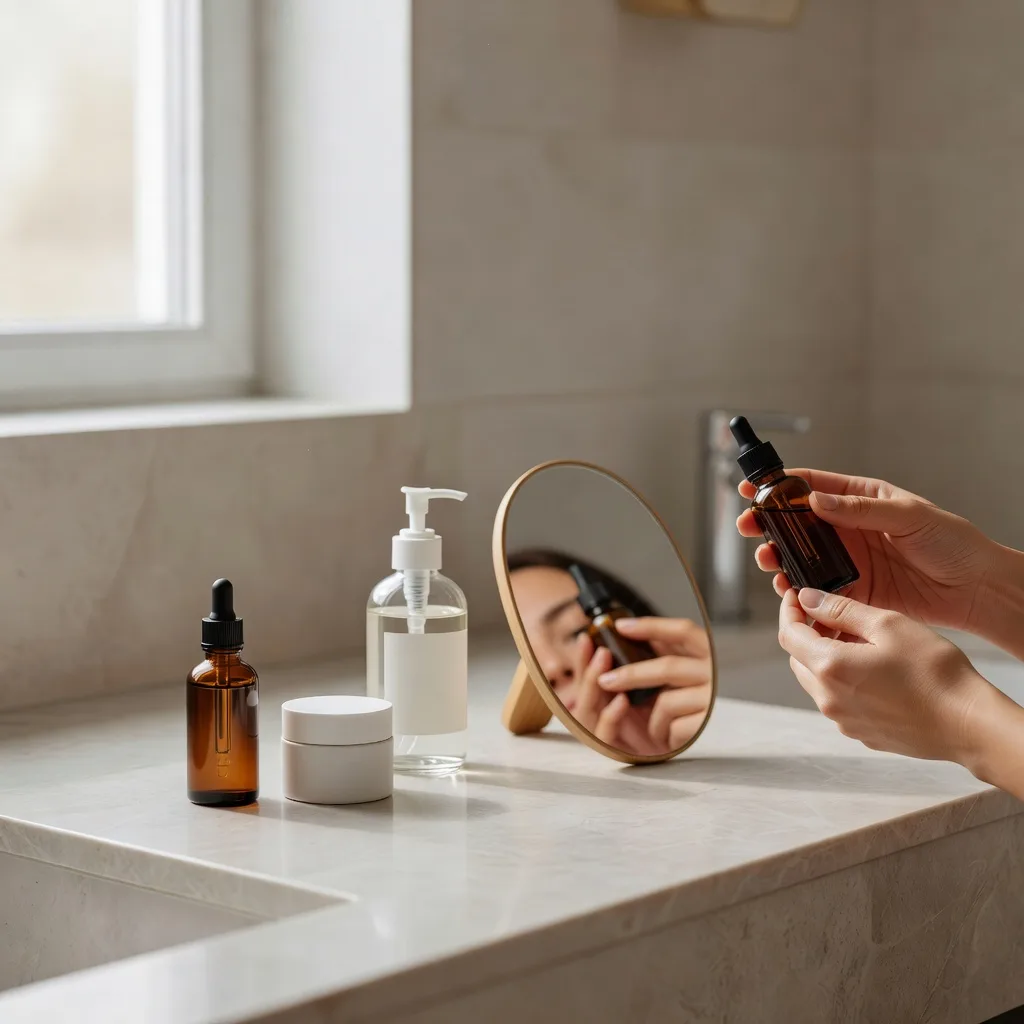
Skinimalism Guide: How to Build a Simple Minimal Skincare Routine
Skinimalism, sometimes spelled skinminimalism, is a reaction against ten-step routines and shelves full of half-used products. The idea is simple: use fewer, well-chosen products, let your skin look like skin, and spend less time and money on steps that add little. It has grown popular as more people notice that long routines can irritate skin as often as they help it.
Part of our guide to skincare products. Start with: 10 Best Facial Serums for Aging Skin (2026): Picks by Concern
Skinimalism is a minimal skincare approach built around three core steps: a gentle cleanser, a moisturiser and a broad-spectrum sunscreen every morning. You add only what solves a real concern, such as a single active for acne or pigmentation, and you choose multi-use products where they make sense, like a moisturiser with SPF, a tinted moisturiser instead of foundation, or a balm for dry lips, cuticles and patches. It suits beginners, people with sensitive or over-treated skin, busy people and anyone trying to cut waste. It is not a cure for skin conditions, and it does not mean skipping sunscreen or proper treatment when you need it.
In short: cleanse, moisturise and protect, then add only what your skin genuinely needs.
The American Academy of Dermatology recommends a broad-spectrum sunscreen of SPF 30 or higher for daily use, which is why sunscreen stays in even the most minimal routine.
This guide explains the core steps, how to choose multi-use products, who benefits most, how to switch safely, sample routines by skin type and where a minimal approach falls short.
Shopping these picks?
Amazon Prime members get fast, free shipping on eligible items, plus Prime Video, Amazon Music and member deals. New members can start with a free trial.
Start a free Prime trialAged 18 to 24? Prime for Young Adults comes with a longer free trial and a lower price after it.
Affiliate link: we may earn a commission at no extra cost to you.
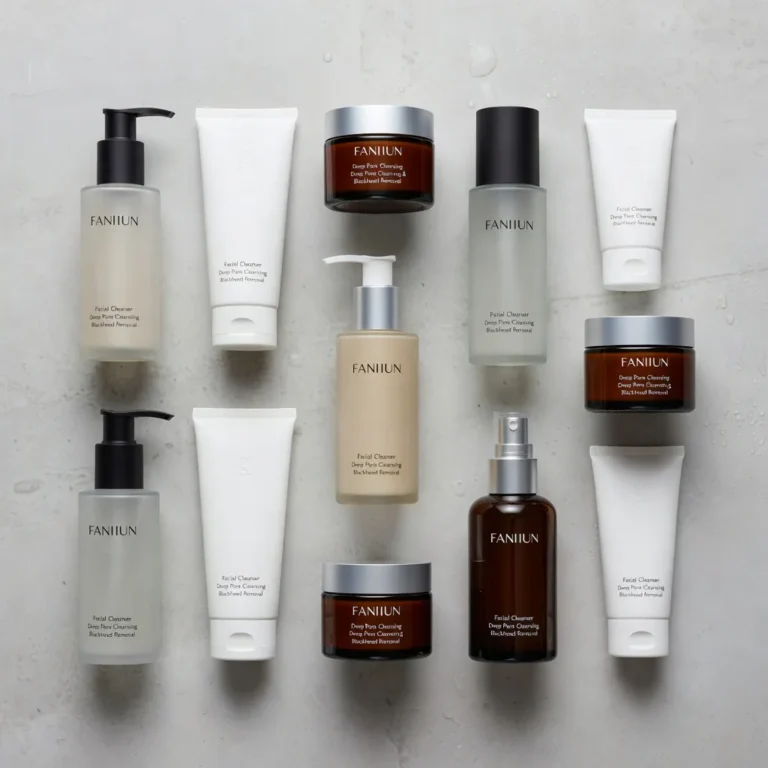
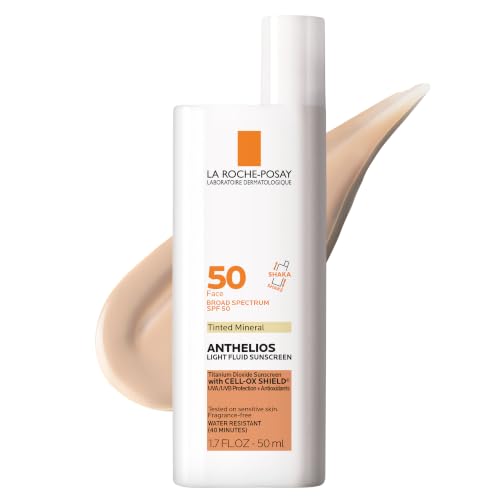
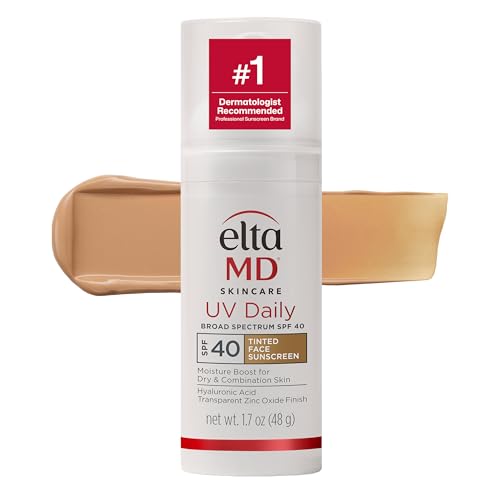
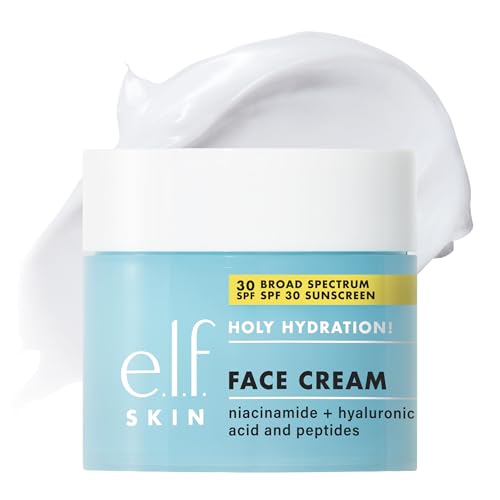
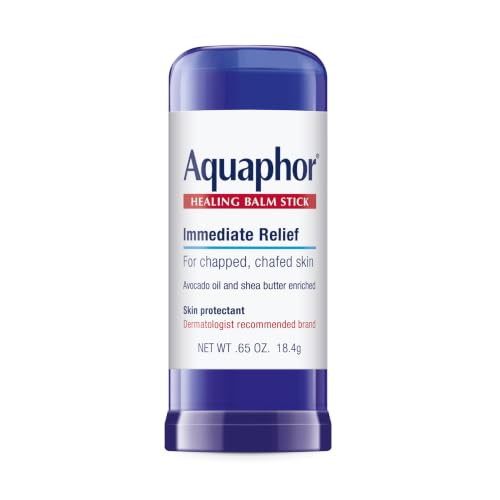
Recommended Products for a Minimal Routine
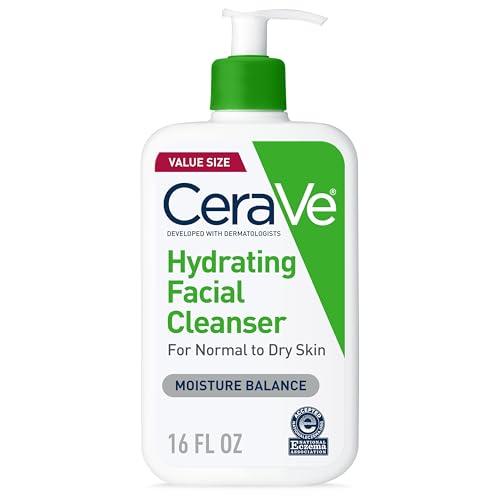
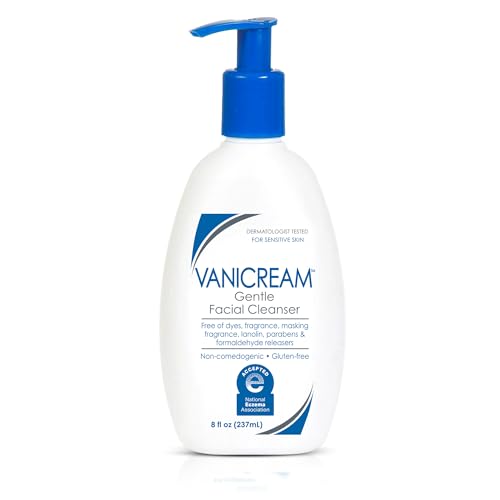
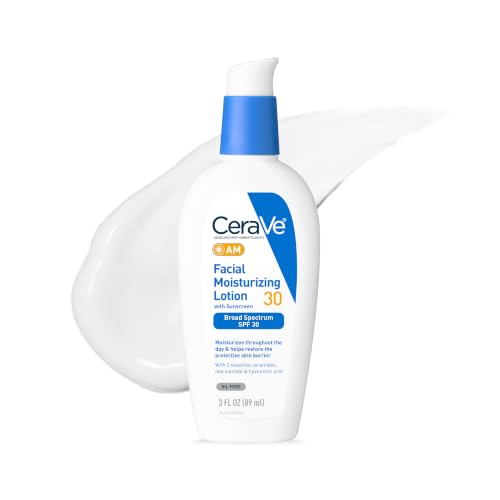
Quick Answer
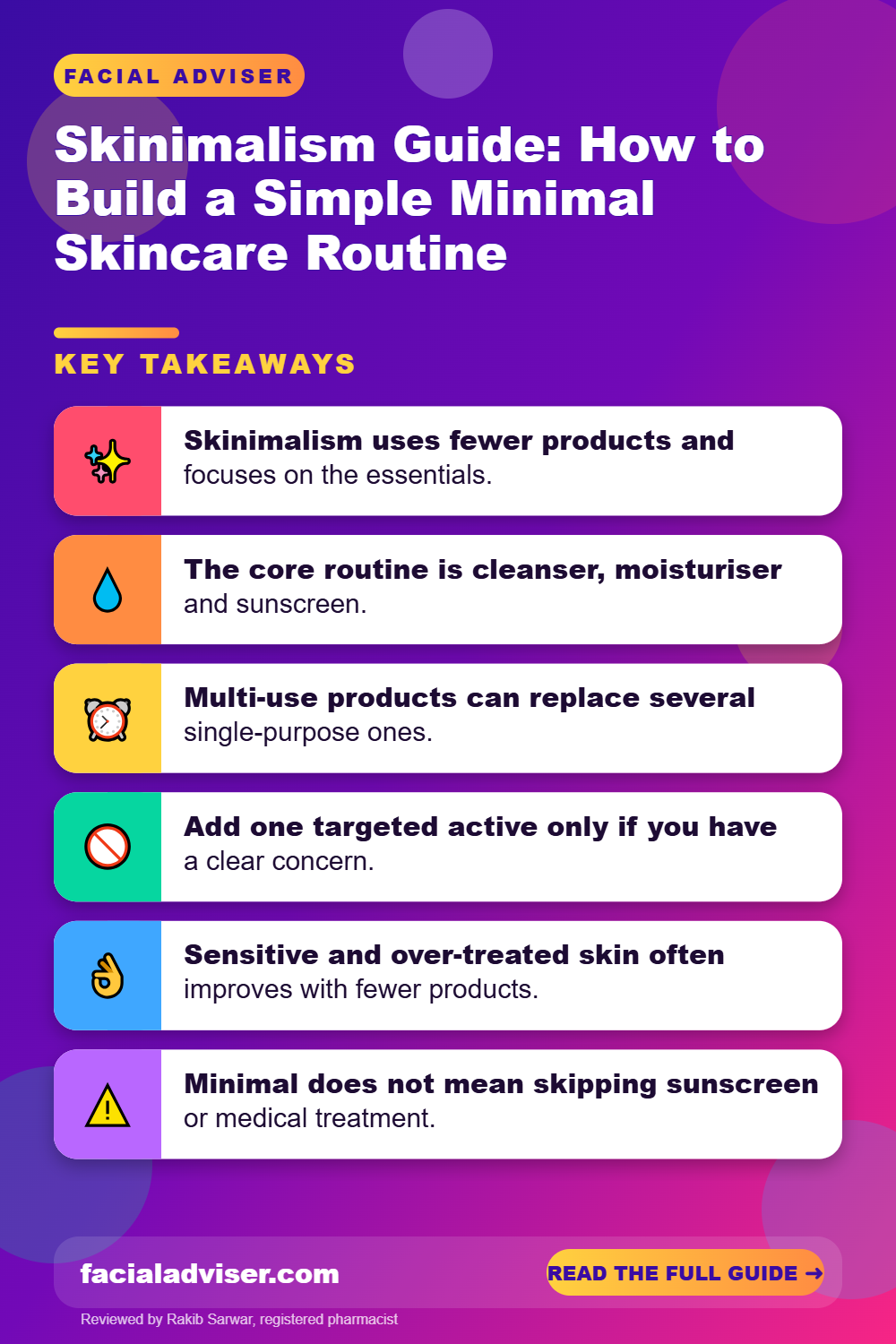
- Skinimalism uses fewer products and focuses on the essentials.
- The core routine is cleanser, moisturiser and sunscreen.
- Multi-use products can replace several single-purpose ones.
- Add one targeted active only if you have a clear concern.
- Sensitive and over-treated skin often improves with fewer products.
- Minimal does not mean skipping sunscreen or medical treatment.
- Switch gradually so you can see what your skin really needs.
Contents
- What Is Skinimalism?
- The Three Core Steps: Cleanser, Moisturiser, Sunscreen
- Multi-Use Products That Save Steps
- Who Benefits Most From a Minimal Routine
- When to Add One More Step
- How to Switch to a Skinimalist Routine
- Choosing Core Products for Your Skin Type
- Sample Minimal Morning and Night Routines
- Common Skinimalism Mistakes
- Dos and Don’ts
- Honest Limits of Skinimalism
- When to See a Dermatologist
- Your Questions, Answered
- The Takeaway
What Is Skinimalism?
Skinimalism combines skin and minimalism. It is less a strict set of rules and more a mindset: every product in your routine should earn its place. Instead of layering many serums, toners and masks, you keep the steps that protect and support the skin barrier and drop the ones that mostly add cost, time and risk of irritation.
The approach also extends to makeup. Skinimalists often prefer a light tint, concealer only where needed and a natural finish that lets texture and freckles show. Our guide on how to wear the least amount of makeup covers the makeup side in more detail.
| Aspect | Maximal routine | Skinimalist routine |
|---|---|---|
| Number of steps | Often 7 to 12 | Usually 2 to 4 |
| Products owned | Many overlapping serums and treatments | A few trusted, multi-use items |
| Time needed | Long morning and night routines | A few minutes |
| Risk of irritation | Higher with many actives | Lower with fewer ingredients |
| Cost and waste | Higher | Lower |
| Focus | Trying many trends | Consistency and barrier health |
The Three Core Steps: Cleanser, Moisturiser, Sunscreen
Almost every dermatologist-recommended routine starts with the same three steps. In a skinimalist routine they are the whole foundation, and everything else is optional.
- Cleanser: a gentle, non-stripping cleanser removes sunscreen, sweat and oil without leaving skin tight. Many people only need it at night, with a water rinse in the morning.
- Moisturiser: supports the skin barrier and reduces dryness. Look for simple formulas with ingredients such as glycerin or ceramides and choose the texture by skin type.
- Sunscreen: broad spectrum, SPF 30 or higher, applied every morning and reapplied outdoors. It helps prevent sunburn, dark spots and premature ageing.
The FDA page on sunscreen and sun protection explains why broad-spectrum protection matters and why reapplication is needed. The order of these steps is covered in our guide to morning vs night skincare routine order.
If your skin feels comfortable, is not breaking out and is protected from the sun, these three steps may be all you need. More products do not automatically mean better skin.
Multi-Use Products That Save Steps
Multi-use products are central to skinimalism, but they work only when each function is done well enough. Use this table to see where combining makes sense and where it does not.
| Multi-use product | Replaces | Works well when | Watch out for |
|---|---|---|---|
| Moisturiser with SPF | Moisturiser plus sunscreen | You apply a generous amount indoors or on low-sun days | Thin layers give less protection than the label |
| Tinted moisturiser with SPF | Moisturiser, light base, sunscreen | You want sheer coverage and a quick morning | Shade range and SPF amount applied |
| Multi-use balm | Lip balm, cuticle cream, dry patch treatment | Dry lips, elbows, flaky spots | Too rich for oily or acne-prone faces |
| Gentle cleansing balm or milk | Makeup remover plus cleanser | You wear light makeup or sunscreen | Some leave a film on oily skin |
| Cream blush for cheeks and lips | Blush plus lip tint | Quick, natural colour | Hygiene: use clean fingers or tools |
If you are unsure how tinted moisturiser compares with other light bases, our guide on whether tinted moisturiser is the same as BB cream explains the differences.
Who Benefits Most From a Minimal Routine
Skinimalism is not ideal for everyone, but some groups tend to benefit clearly.
- Beginners who feel overwhelmed and want a routine they can actually stick to.
- People with sensitive or reactive skin, where every extra product is another chance of irritation.
- Anyone whose skin feels tight, stinging or red after using several actives at once.
- Busy people who skip long routines and would do better with a short one done daily.
- People trying to spend less and reduce packaging waste.
- Travellers who want a small, reliable kit.
Over-treated skin is a common reason people switch. Layering exfoliating acids, retinoids and strong serums can weaken the skin barrier, and simplifying for a few weeks often lets skin calm down.
When to Add One More Step
A minimal routine is not a zero-active routine. If you have a specific concern, one targeted product can be worth adding, as long as you add it on its own and give it time.
- Acne: a product with benzoyl peroxide, salicylic acid or adapalene, as advised in the AAD acne skin care tips.
- Signs of ageing: a retinoid at night, introduced slowly.
- Dark spots: a brightening ingredient such as vitamin C or azelaic acid, with daily sunscreen.
- Very dry skin: a richer night moisturiser rather than several extra serums.
Add only one new product at a time and use it for several weeks before judging it. That way you know what is helping and what is causing problems, which is the whole point of a minimal routine.
How to Switch to a Skinimalist Routine
Switching suddenly from a long routine can leave you unsure what changed. These steps make the move gradual and informative.
List what you use now
Write down every product, morning and night, and what you use it for.
Keep the core three
Choose a gentle cleanser, a suitable moisturiser and a broad-spectrum sunscreen you like wearing.
Pause overlapping actives
Stop using duplicate exfoliants, toners and serums that do similar jobs.
Keep one treatment if needed
If you use a prescribed or proven product for a real concern, keep it.
Swap to multi-use where sensible
Replace several products with one, such as a tinted moisturiser with SPF.
Give it four to six weeks
Skin needs time to settle; judge comfort, breakouts and texture after a few weeks.
Add back only what you miss
If a concern returns, reintroduce one targeted product at a time.
Choosing Core Products for Your Skin Type
The three core steps stay the same for everyone, but the textures and formulas should match your skin. Picking the right versions matters more in a minimal routine because each product has to do more of the work.
- Dry skin: a creamy, non-foaming cleanser and a richer moisturiser with ceramides or glycerin; a balm can cover very dry patches.
- Oily skin: a gentle gel or foaming cleanser, a light oil-free moisturiser and a fluid or gel sunscreen that does not feel greasy.
- Combination skin: a gentle gel cleanser, a lightweight lotion, and a richer cream only on dry areas if needed.
- Sensitive skin: fragrance-free products with short ingredient lists and a mineral sunscreen if chemical filters sting.
- Acne-prone skin: products labelled non-comedogenic or oil-free, and a sunscreen that does not trigger breakouts.
If you are unsure of your skin type, wash with a gentle cleanser, wait an hour without applying anything and notice how your skin feels. Tight and flaky suggests dry, shiny all over suggests oily, and shiny only in the centre suggests combination.
Sample Minimal Morning and Night Routines
These examples show how few steps a complete routine can have. Adjust them for your skin type and any treatment your doctor has recommended.
- Basic morning: rinse with water or a gentle cleanser, apply moisturiser, then broad-spectrum sunscreen SPF 30 or higher.
- Quick morning: rinse, then a moisturiser with SPF or a tinted moisturiser with SPF applied generously.
- Outdoor morning: gentle cleanser, moisturiser and a dedicated sunscreen, reapplied every two hours outdoors.
- Basic night: gentle cleanser to remove sunscreen and makeup, then moisturiser.
- Night with one active: gentle cleanser, your one treatment product, then moisturiser.
- Weekly extra: nothing is required, though some people add gentle exfoliation once a week if their skin tolerates it.
Notice that none of these routines needs toner, essence, face mist, several serums or a weekly mask. Those products are optional extras that some people enjoy, but they are not needed for healthy skin. If you love one of them and your skin tolerates it, there is no rule against keeping it; the goal is intention, not strict counting.
Common Skinimalism Mistakes
Going minimal is simple, but a few mistakes can undo the benefits.
- Dropping sunscreen because it feels like an extra step.
- Relying on a thin layer of SPF moisturiser or tinted moisturiser for long outdoor days.
- Stopping prescribed treatment because it does not fit a minimal look.
- Using a harsh cleanser to make up for having fewer steps.
- Expecting quick results; skin improvements often take weeks.
Some people also worry that skin becomes dependent on products when they cut back. In practice, skin may feel slightly different for a week or two as it adjusts, but a well-chosen core routine should leave it comfortable once that period passes.
Do not stop prescription treatments for acne, rosacea, eczema or other conditions without talking to the doctor who prescribed them. A minimal routine should work around necessary treatment, not replace it.
Dos and Don’ts
Try This
- Wear broad-spectrum sunscreen every morning
- Choose gentle, fragrance-free basics if you are sensitive
- Use enough SPF product to get real protection
- Add new products one at a time
- Adjust your moisturiser with the seasons
Avoid This
- Skip sunscreen to save a step
- Use several exfoliating acids together
- Assume fewer products means no products
- Stop prescribed treatments on your own
- Expect results in a few days
Honest Limits of Skinimalism
Skinimalism is a sensible default, not a treatment. It will not clear moderate or severe acne, fade stubborn melasma or reverse deep wrinkles on its own. Those concerns usually need targeted, often prescription, treatments and professional advice.
Multi-use products also involve trade-offs. A moisturiser with SPF only protects well if you apply a generous layer, and many people do not. The AAD guide on how to apply sunscreen explains how much to use and when to reapply. On long outdoor days, a dedicated sunscreen is still the more reliable choice.
When to See a Dermatologist
- Your skin stays red, stinging or flaky even with a simple routine.
- You have acne that leaves marks or scars.
- You have dark patches or spots that do not fade with sunscreen.
- A mole or spot changes in size, shape or colour.
This article is for general information and does not replace professional medical advice. See a board-certified dermatologist for skin conditions or before stopping any prescribed treatment.
Your Questions, Answered
What is skinimalism?
A minimal skincare approach using fewer, well-chosen products.
What are the basic steps of skinimalism?
Gentle cleanser, moisturiser and broad-spectrum sunscreen.
Is skinimalism good for sensitive skin?
Often yes, because fewer products mean fewer potential irritants.
Can a moisturiser with SPF replace sunscreen?
For short, low-sun days if applied generously; not for long outdoor days.
Can I use actives in a minimal routine?
Yes, one targeted active for a real concern.
Is skinimalism good for acne?
It can help calm skin, but acne usually still needs a proven treatment.
How long does it take to see results?
Give your skin four to six weeks.
Does skinimalism include makeup?
Often, with light tints and a natural finish.
Is skinimalism cheaper?
Usually, because you buy fewer products.
Should I cleanse twice a day?
Many people only need a gentle cleanse at night.
The Takeaway
Skinimalism keeps skincare simple: a gentle cleanser, a moisturiser and daily broad-spectrum sunscreen, with one targeted product only when a real concern needs it.
Switch gradually, use multi-use products where they genuinely do the job, and see a dermatologist for conditions that a minimal routine cannot fix.

Written by
Registered pharmacist and founder of Facial Adviser. Rakib's pharmacy training covers how skincare actives work and interact; a later course in cosmetology turned that into a focus on facial treatments and skincare products. He plans, researches and edits every guide on the site and checks health claims against sources such as the American Academy of Dermatology, the FDA and the NIH. He is not a dermatologist; see the Editorial Policy and Medical Disclaimer.
About · Editorial policy · How we choose products · Medical disclaimer · Contact
Keep reading: Serums and actives
- 10 Best Facial Serums for Aging Skin (2026): Picks by Concern
- Snow Mushroom Benefits for Glowing Skin: Tremella vs Hyaluronic Acid
- Skin Barrier Repair: Signs of Damage, Ceramides and a Simple Routine
- Niacinamide Skin Benefits: Oil, Pores, Redness, Barrier and Dark Spots
- How Hormonal Changes Affect Collagen and What You Can Do
- How to Stimulate Collagen Naturally: What Works and What Does Not
- What Does a Facial Toner Do? The Real Answer
- 10 Best Facial Cleansers for Combination Skin (2026): Balanced Picks