Niacinamide Skin Benefits: Oil, Pores, Redness, Barrier and Dark Spots
Niacinamide shows up in serums, toners, moisturisers and even sunscreens, and it is often described as the ingredient that suits almost everyone. That reputation is partly deserved. It is gentle, stable and works on several common concerns at once, but it is not a cure-all, and the strongest bottle is rarely the best one.
Part of our guide to skincare products. Start with: 10 Best Facial Serums for Aging Skin (2026): Picks by Concern
Niacinamide is a form of vitamin B3 that helps the skin in several modest but useful ways. It can reduce the look of excess oil and enlarged pores, calm visible redness, strengthen the skin barrier by helping the skin make more of its own ceramides, and gradually fade dark spots by slowing the transfer of pigment to the surface. Most people do well with a 2 to 5 percent product used once or twice a day after cleansing and before moisturiser. It pairs well with most ingredients, including retinol, acids and vitamin C. Results build slowly over eight to twelve weeks, and higher strengths are more likely to irritate than to help.
In short: niacinamide is a gentle all-rounder for oil, redness, barrier health and uneven tone, best used at modest strength and with patience.
The American Academy of Dermatology notes that consistent, gentle skin care matters more than any single product, and its advice for acne-prone skin stresses non-comedogenic products and avoiding harsh scrubbing, which fits well with how niacinamide is best used.
This guide explains what niacinamide is, what each benefit looks like in real life, how to add it to your routine, what to pair it with and what it cannot do.
Shopping these picks?
Amazon Prime members get fast, free shipping on eligible items, plus Prime Video, Amazon Music and member deals. New members can start with a free trial.
Start a free Prime trialAged 18 to 24? Prime for Young Adults comes with a longer free trial and a lower price after it.
Affiliate link: we may earn a commission at no extra cost to you.
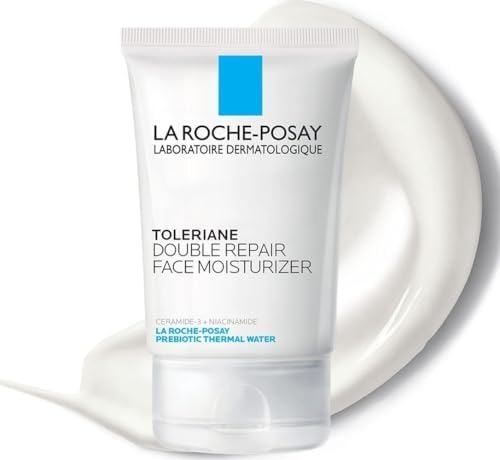
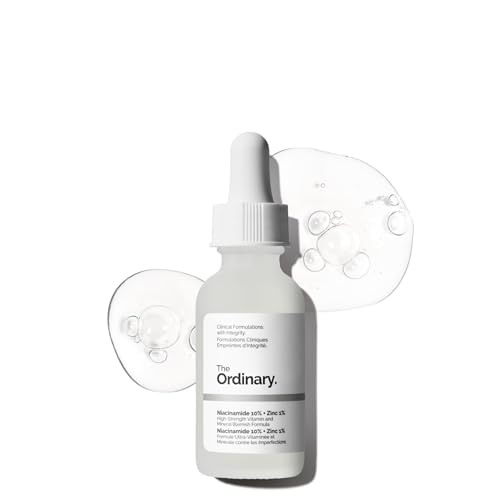
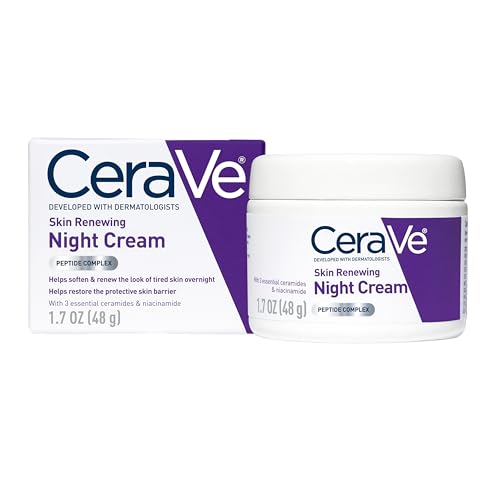
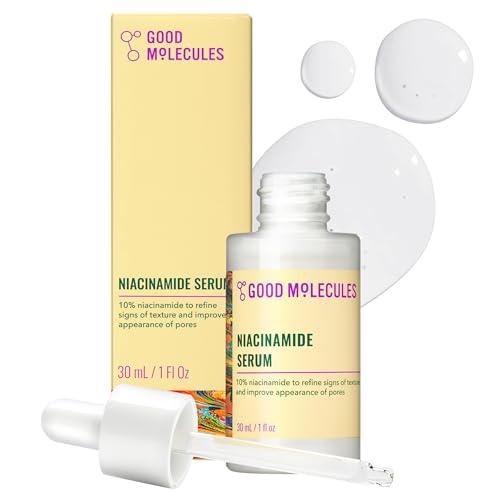
Recommended Niacinamide Serums and Moisturisers



In Brief
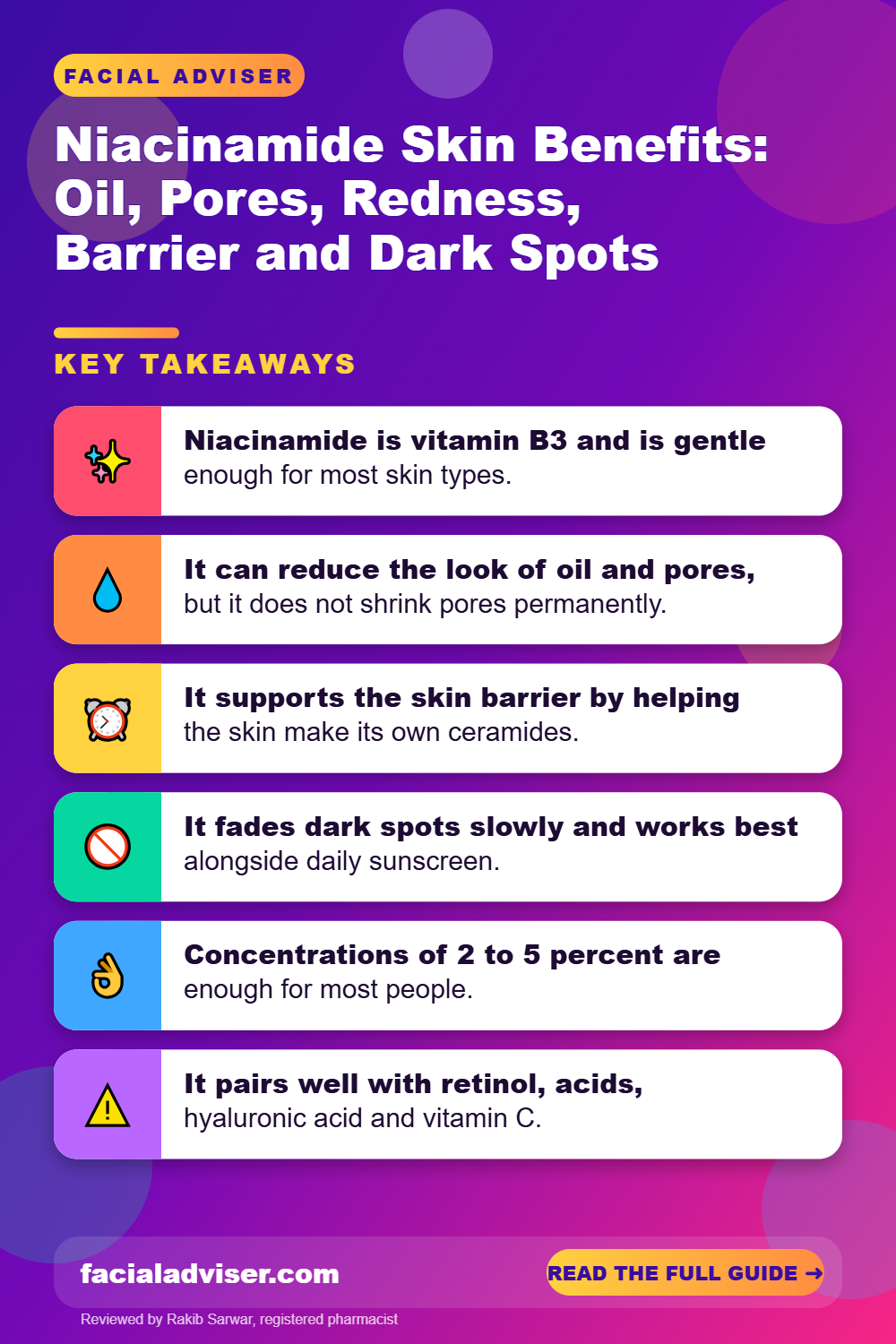
- Niacinamide is vitamin B3 and is gentle enough for most skin types.
- It can reduce the look of oil and pores, but it does not shrink pores permanently.
- It supports the skin barrier by helping the skin make its own ceramides.
- It fades dark spots slowly and works best alongside daily sunscreen.
- Concentrations of 2 to 5 percent are enough for most people.
- It pairs well with retinol, acids, hyaluronic acid and vitamin C.
- Expect gradual change over eight to twelve weeks, not overnight.
Jump to a Section
- What Is Niacinamide?
- Niacinamide Skin Benefits at a Glance
- Oil and Pores: What to Expect
- Redness and the Skin Barrier
- Dark Spots and Uneven Tone
- How to Add Niacinamide to Your Routine
- What to Pair Niacinamide With
- Can Niacinamide Irritate Your Skin?
- Niacinamide Dos and Don’ts
- Honest Limits of Niacinamide
- When to See a Dermatologist
- FAQ
- The Takeaway
What Is Niacinamide?
Niacinamide, also called nicotinamide, is one of the active forms of vitamin B3. Your body uses it to make molecules that help cells produce energy and repair themselves. In skin care it is applied directly to the skin, where it acts on the outer layers rather than working as a dietary vitamin. It is water soluble, stable in light and air, and has a near-neutral pH, which is why formulators like it and why it rarely stings.
| Question | Short answer |
|---|---|
| Other names | Nicotinamide, vitamin B3 (niacin is related but different) |
| Typical strengths | 2 to 5 percent in most products; some sell 10 percent or more |
| Product types | Serums, toners, moisturisers, sunscreens, cleansers |
| Skin types | Most, including oily, dry, combination and sensitive |
| How often | Once or twice a day |
| Time to see change | Usually eight to twelve weeks |
Do not confuse it with niacin, the form of vitamin B3 in some supplements that can cause a hot, red flush. Topical niacinamide does not usually do this, although a small number of people notice brief warmth, especially with high-strength products. On an ingredient list it appears simply as niacinamide, often near the top in serums and lower down in moisturisers. Our guide on how to read a cosmetic ingredient list explains what its position tells you.
Niacinamide Skin Benefits at a Glance
Niacinamide is popular because it touches several concerns at once. The effects are real but moderate, so it helps to know what a realistic result looks like for each one.
| Concern | What niacinamide does | Realistic result |
|---|---|---|
| Oily skin | Helps regulate surface oil | Less shine by midday for some people |
| Enlarged pores | Reduces oil and supports skin firmness around pores | Pores look slightly smaller, not gone |
| Redness | Calms and strengthens the barrier | Less reactive, less flushed skin |
| Dry or tight skin | Boosts ceramides and reduces water loss | Skin feels more comfortable |
| Dark spots | Slows pigment transfer to the surface | Gradual fading over months |
| Dull or uneven tone | Evens tone and supports barrier | Brighter, more even look |
| Breakouts | Mild anti-inflammatory effect | A helpful extra, not a treatment on its own |
The pattern is clear. Niacinamide is a supporting player that makes skin calmer, more even and more resilient, rather than a strong treatment that changes one concern dramatically. That is exactly why it fits into so many routines.
Oil and Pores: What to Expect
Many people first try niacinamide for oily skin and large-looking pores. Small studies suggest it can reduce the rate at which oil appears on the skin surface, which means less shine as the day goes on. Because pores look bigger when they are stretched by oil and debris, less oil also makes them look a little smaller.
- It does not close or shrink pores permanently, because pore size is largely set by genetics and age.
- Improvement is usually modest and shows after several weeks of steady use.
- A lightweight niacinamide serum under an oil-free moisturiser suits most oily skin.
- Pairing it with a gentle cleanser matters, since stripping skin can trigger more oil.
- It works alongside, not instead of, proven acne treatments such as benzoyl peroxide or retinoids.
If your main concern is breakouts rather than shine, niacinamide is best seen as a calming extra. The AAD’s acne skin care tips recommend gentle cleansing, non-comedogenic products and giving any acne treatment time to work, and niacinamide slots neatly into that approach.
Redness and the Skin Barrier
The skin barrier is the outer layer that keeps water in and irritants out. It is built from skin cells held together by fats, mainly ceramides, cholesterol and fatty acids. Niacinamide appears to help skin cells make more ceramides, which strengthens this layer and reduces the amount of water that escapes.
A stronger barrier has visible effects. Skin tends to feel less tight after cleansing, sting less when you apply other products and look less blotchy. This is why niacinamide is often recommended for people who find actives such as retinol or acids hard to tolerate.
- Look for niacinamide combined with ceramides, glycerin or panthenol for extra barrier support.
- Choose fragrance-free formulas if your skin flushes easily.
- Keep the strength low, around 2 to 4 percent, if you have rosacea or very reactive skin.
- Use a plain moisturiser on top to lock in hydration.
- Give it at least a month before judging whether redness has improved.
Redness from rosacea, eczema or an allergy is a medical issue, not just a cosmetic one. Niacinamide can help skin feel calmer, but it does not treat these conditions and should not delay a proper diagnosis.
Dark Spots and Uneven Tone
Niacinamide does not stop your skin from making pigment. Instead, it slows the transfer of pigment packets from the cells that make them to the surface cells you can see. Over time, that can make sun spots, post-acne marks and general unevenness look lighter.
Fading is slow, typically noticeable after two to three months, and it works best when combined with daily sun protection. Without sunscreen, new pigment keeps forming and cancels out the gains. The AAD explains how to apply sunscreen properly, including using enough and reapplying.
- Pair it with vitamin C in the morning for an extra brightening effect.
- Use a retinoid at night if your skin tolerates it, since retinoids also help with marks.
- Be realistic about melasma, which usually needs a dermatologist’s plan.
- Stay consistent; stopping and starting slows progress.
If you want to build a brightening routine, our guide on the benefits of vitamin C facial cream explains how the two ingredients complement each other.
How to Add Niacinamide to Your Routine
Niacinamide is easy to use, but a few simple habits make it more effective and less likely to cause problems.
Choose a modest strength
Start with a 2 to 5 percent serum or moisturiser rather than a high-strength product.
Patch test first
Apply a small amount on the jawline for two or three days and watch for stinging or bumps.
Apply after cleansing
Use it on clean skin, before thicker creams, following the thinnest to thickest rule.
Use a small amount
Two or three drops of serum is enough for the whole face and neck.
Follow with moisturiser
Seal it in with a moisturiser suited to your skin type.
Add sunscreen in the morning
Finish with broad-spectrum SPF 30 or higher during the day.
Be patient
Use it daily for eight to twelve weeks before judging results.
If you already use a moisturiser or sunscreen that contains niacinamide, you may not need a separate serum. Check your labels before adding another layer, especially if your skin feels warm or itchy.
What to Pair Niacinamide With
One of niacinamide’s strengths is how well it plays with others. An old claim that it cannot be used with vitamin C came from older lab tests under conditions that do not match modern formulas, and most dermatologists now say the two can be used together.
| Ingredient | Pair with niacinamide? | How to use |
|---|---|---|
| Hyaluronic acid | Yes | Layer together for hydration |
| Ceramides | Yes | Great for barrier repair |
| Retinol | Yes | Niacinamide can reduce retinol dryness |
| Vitamin C | Yes | Use together or split morning and night |
| AHAs and BHAs | Yes, with care | Use acids on alternate nights if sensitive |
| Benzoyl peroxide | Yes | Niacinamide may soften dryness |
| Sunscreen | Yes | Always in the morning |
The main thing to watch is the total load of actives, not any single combination. If you pair niacinamide with acids, follow the AAD’s advice on exfoliating safely at home and keep acid use to a few times a week. For retinol, our guide on how to transition to retinol smoothly shows how to build tolerance, and niacinamide can be part of that plan.
Can Niacinamide Irritate Your Skin?
Niacinamide is one of the best-tolerated actives, but irritation does happen, usually for one of three reasons: the strength is too high, the formula contains other irritants such as fragrance or alcohol, or it is layered with too many other actives.
- Warmth, stinging or redness shortly after applying.
- Small itchy bumps, which may be irritation rather than breakouts.
- Dry or flaky patches, especially around the nose and mouth.
- Pilling when layered under other products.
Niacinamide does not speed up skin cell turnover, so true purging is unlikely. If you get new breakouts after starting a product, the formula may not suit you. Try a lower strength, a simpler product or using it once a day. Pilling is usually about layering too much or too fast, so use fewer products and let each one settle before the next.
Stop using the product if you develop swelling, a spreading rash, blistering or intense itching. These can be signs of an allergy and should be checked by a doctor or dermatologist.
Niacinamide Dos and Don’ts
Worth Doing
- Start with 2 to 5 percent
- Patch test new products
- Use it consistently for at least two months
- Pair it with sunscreen in the morning
- Choose fragrance-free if your skin is sensitive
Skip It
- Assume 10 percent or more works better
- Stack several niacinamide products at once
- Expect pores to disappear
- Use it to replace acne or melasma treatment
- Keep using a product that stings or itches
Honest Limits of Niacinamide
Much of the evidence for niacinamide comes from small studies, often run with or by manufacturers, and usually using 2 to 5 percent. There is little good evidence that very high strengths give better results, and they are more likely to cause irritation. The effects are real but modest, and they fade if you stop using it.
Niacinamide will not reverse deep wrinkles, lift sagging skin, cure acne or rosacea, or remove stubborn melasma. It also cannot make up for sun damage if you skip sunscreen. Think of it as a dependable support ingredient that makes a good routine a little better, rather than as the centrepiece of a treatment plan. Skin also varies, so an ingredient that transforms one person’s shine may barely change another’s.
When to See a Dermatologist
- Your acne is painful, cystic or leaving scars.
- Redness, flushing or visible veins are getting worse.
- Dark patches have not improved after three months of sunscreen and topical care.
- Your skin reacts to most products you try.
- A spot is changing in size, shape or colour.
This article is for general information and does not replace professional medical advice. Speak to a board-certified dermatologist about skin conditions, persistent irritation or before starting treatment during pregnancy.
FAQ
What does niacinamide do for skin?
It can reduce oil and redness, support the barrier and fade dark spots.
Can I use niacinamide every day?
Yes, once or twice a day suits most people.
What percentage of niacinamide is best?
Around 2 to 5 percent works well for most skin.
Can I use niacinamide with vitamin C?
Yes, modern formulas can be used together.
Can I use niacinamide with retinol?
Yes, and it may reduce retinol dryness.
Does niacinamide shrink pores?
It can make them look smaller, but not permanently.
Is niacinamide good for sensitive skin?
Usually, at low strength and without fragrance.
How long does niacinamide take to work?
Most people see changes after eight to twelve weeks.
Does niacinamide cause purging?
It is unlikely; new breakouts suggest the formula does not suit you.
Should I use niacinamide morning or night?
Either works, and many people use it at both times.
The Takeaway
Niacinamide is a gentle, versatile ingredient that can help with oil, pores, redness, barrier health and dark spots, with modest but real results over a few months.
Choose a 2 to 5 percent product, use it consistently after cleansing, pair it with sunscreen and a good moisturiser, and see a dermatologist for acne, rosacea or pigment that does not improve.

Written by
Registered pharmacist and founder of Facial Adviser. Rakib's pharmacy training covers how skincare actives work and interact; a later course in cosmetology turned that into a focus on facial treatments and skincare products. He plans, researches and edits every guide on the site and checks health claims against sources such as the American Academy of Dermatology, the FDA and the NIH. He is not a dermatologist; see the Editorial Policy and Medical Disclaimer.
About · Editorial policy · How we choose products · Medical disclaimer · Contact
Keep reading: Serums and actives
- 10 Best Facial Serums for Aging Skin (2026): Picks by Concern
- How Hormonal Changes Affect Collagen and What You Can Do
- How to Stimulate Collagen Naturally: What Works and What Does Not
- Sensitive Skin Barrier Damage Signs: Causes, Repair Routine and Timeline
- Essence vs Serum: The Real Difference and Whether You Need Both
- Is Niacinamide Safe With Acids? What Actually Happens When You Mix Them
- 10 Best Facial Cleansers for Combination Skin (2026): Balanced Picks
- 10 Best Facial Moisturizers for Dry Skin (2026): Rich, Gentle Creams