How Hormonal Changes Affect Collagen and What You Can Do
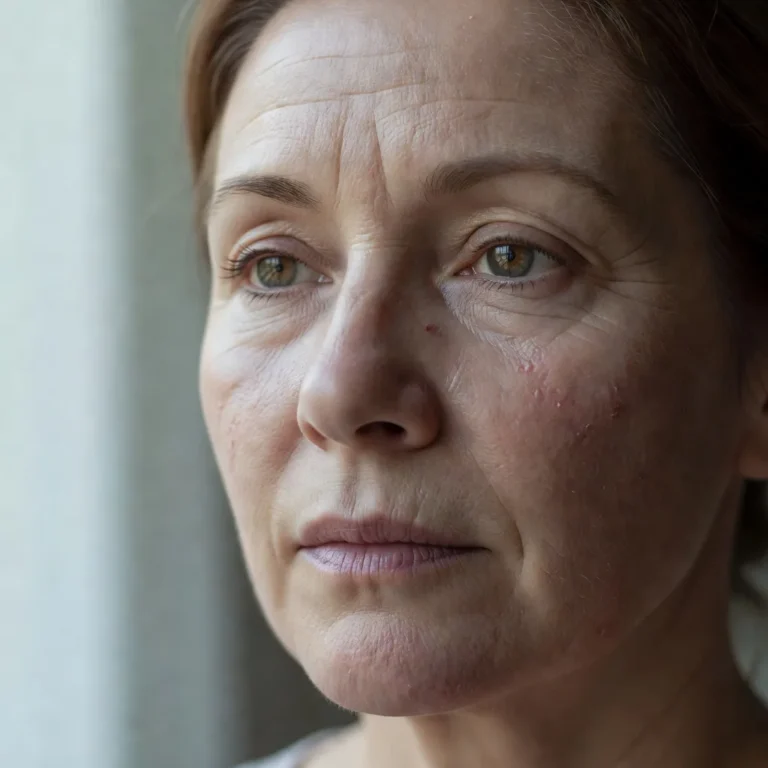
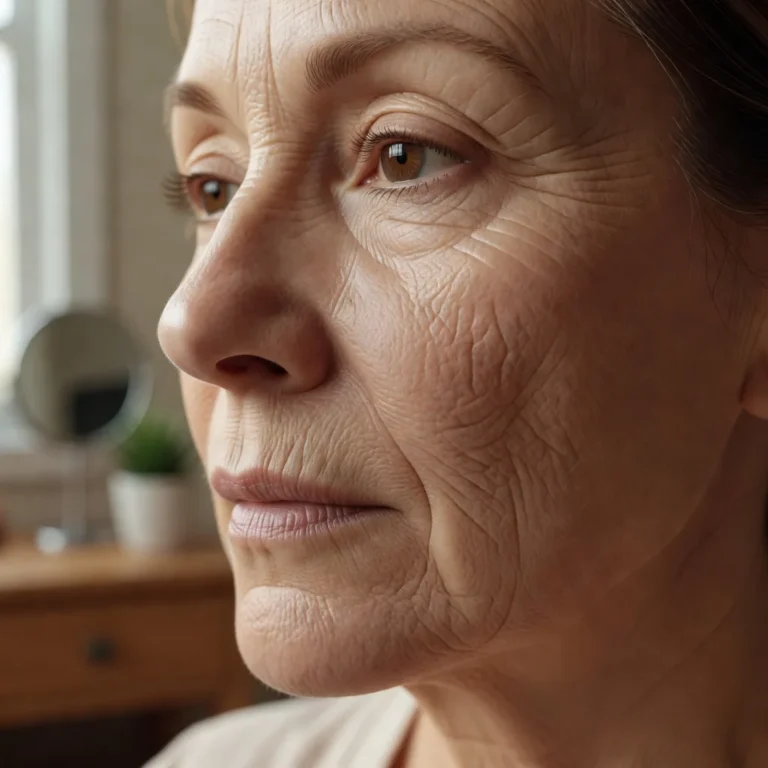
Collagen is the protein that gives skin its firmness and structure. It slowly declines with age for everyone, but many women notice that their skin changes much faster around menopause: thinner, drier, looser, and more wrinkled than just a few years earlier. It can feel sudden and discouraging, but it is a normal part of hormonal change.
Part of our guide to skincare products. Start with: 10 Best Facial Serums for Aging Skin (2026): Picks by Concern
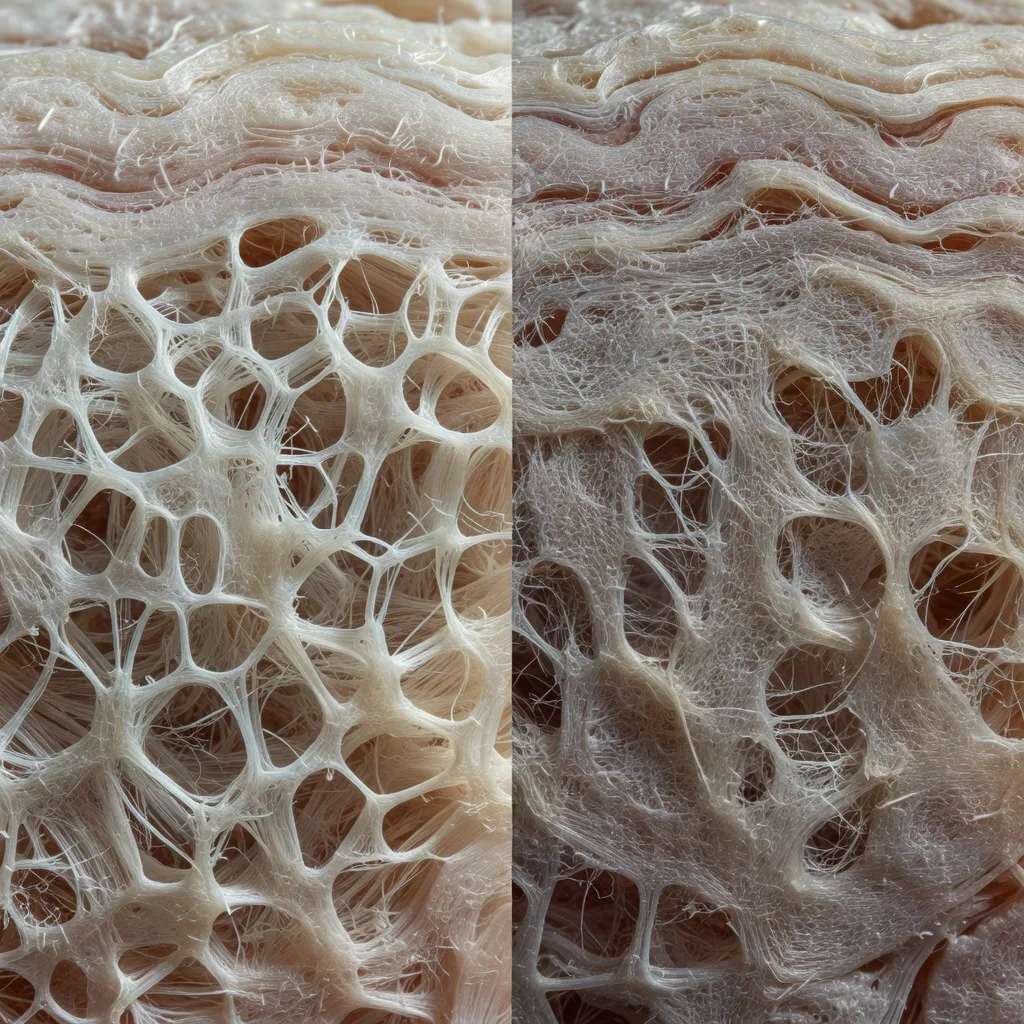
Hormones play a major role in collagen levels. Estrogen helps maintain skin collagen, thickness, and moisture, so when estrogen falls during perimenopause and menopause, collagen drops quickly. The American Academy of Dermatology notes that women’s skin loses about 30 percent of its collagen in the first five years of menopause, then about 2 percent a year for the next 20 years.
Other hormonal shifts affect skin too. Pregnancy, thyroid conditions, high cortisol from chronic stress, and changes in testosterone can influence oil production, thickness, and healing. But menopause has the most dramatic and well-documented effect on collagen. Men experience gradual hormonal changes with age as well.
You cannot stop hormonal aging, but you can slow collagen loss and support what remains. Daily sunscreen, retinoids, and good skincare have strong evidence, and some people may discuss hormone therapy with their doctor for broader menopausal symptoms.
This guide explains how different hormones affect collagen, what happens during menopause, evidence-based ways to protect collagen, and when to talk to a doctor. It also covers a simple routine for mature skin.
Shopping these picks?
Amazon Prime members get fast, free shipping on eligible items, plus Prime Video, Amazon Music and member deals. New members can start with a free trial.
Start a free Prime trialAged 18 to 24? Prime for Young Adults comes with a longer free trial and a lower price after it.
Affiliate link: we may earn a commission at no extra cost to you.
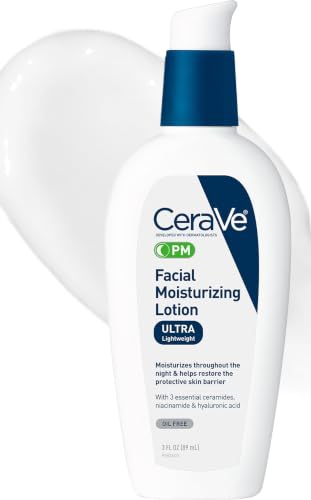
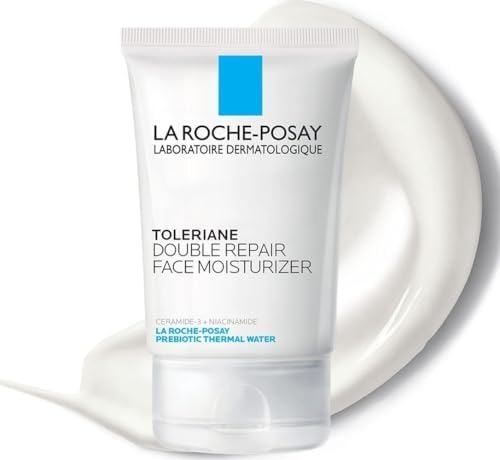
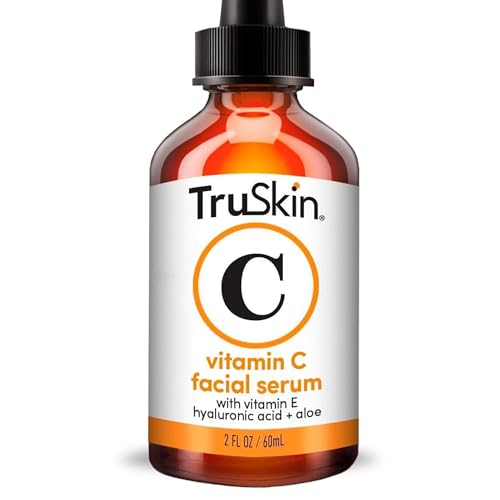
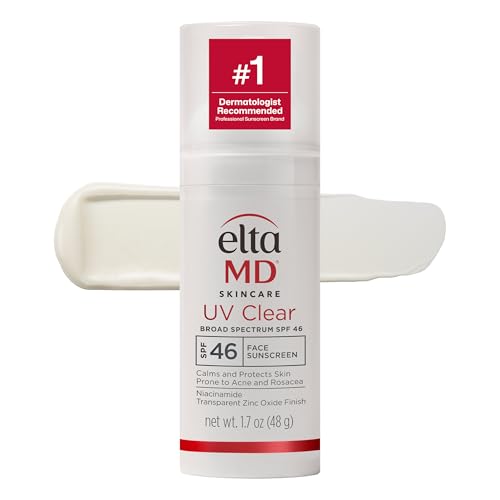
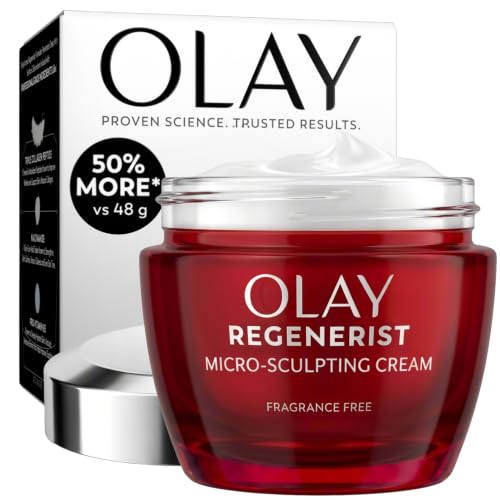
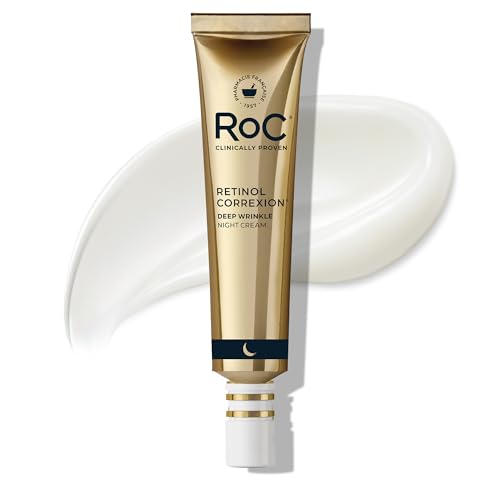
Recommended Collagen-Supporting Skincare

Jump to a Section
- What Collagen Does in Your Skin
- Estrogen and Collagen
- Other Hormones That Affect Skin
- A Simple Skin Review During Hormonal Changes
- Evidence-Based Ways to Protect Collagen
- What About Collagen Supplements?
- Hormone Therapy and Skin
- Lifestyle Factors That Affect Collagen
- A Simple Routine for Hormonally Changing Skin
- Hormones, Collagen, and Men
- What Skincare Cannot Do
- When to See a Doctor
- Questions People Ask
- Final Word
What to Know First
- Estrogen helps maintain skin collagen, thickness, and hydration.
- The AAD notes skin loses about 30 percent of its collagen in the first five years of menopause.
- After that, collagen loss continues at about 2 percent per year for roughly 20 years.
- Stress hormones, thyroid problems, and pregnancy can also affect skin.
- Daily sunscreen is one of the most effective ways to protect collagen.
- Retinoids and peptides may help support collagen, according to the AAD.
- Talk to a doctor about hormone therapy if menopausal symptoms affect your quality of life.
What Collagen Does in Your Skin
Collagen is the main structural protein in the dermis, the deeper layer of skin. Along with elastin, which lets skin snap back, and hyaluronic acid, which holds water, collagen gives skin its firmness, strength, and smooth surface.
Skin cells called fibroblasts make collagen, and the body constantly breaks down and rebuilds it. With age, fibroblasts make less collagen, and enzymes that break it down become more active, especially with sun exposure.
Collagen production starts slowing gradually in early adulthood, but most people do not notice until visible changes appear, such as fine lines, thinner skin, and less bounce.
For a comparison of collagen with other skin-plumping ingredients, see our guide on collagen vs hyaluronic acid.
Estrogen and Collagen
Estrogen receptors are found throughout the skin. Estrogen supports collagen production, helps skin retain moisture, and keeps skin thicker and more elastic.
During perimenopause and menopause, estrogen levels fall. The result is faster collagen loss, drier skin, reduced elasticity, and slower wound healing. The AAD notes that about 30 percent of skin collagen is lost in the first five years of menopause, followed by about 2 percent a year for the next two decades.
This is why many women notice skin changes appear to speed up in their late 40s and 50s, even if their skincare routine has not changed.
Sun damage and hormones add up. Years of UV exposure break down collagen, and the drop in estrogen at menopause adds to that loss, which is why sun protection matters at every age.
Estrogen decline also affects the skin barrier. Many women notice more sensitivity and slower recovery from irritation, so gentle products become more important.
Other Hormones That Affect Skin
| Hormone or condition | Effect on skin | Notes |
|---|---|---|
| Estrogen (menopause) | Faster collagen loss, drier, thinner skin | Most well documented |
| Cortisol (chronic stress) | May break down collagen, worsen acne and healing | Linked to stress and poor sleep |
| Thyroid hormones | Low levels can cause dry, thick, or puffy skin | Treated by correcting thyroid levels |
| Testosterone and androgens | Increase oil production and acne | Relative androgen levels rise at menopause |
| Pregnancy hormones | Melasma, stretch marks, acne, glow | Changes often improve after birth |
| Insulin and IGF-1 | High levels linked to acne | Influenced by diet |
Hormonal effects on skin often overlap, so changes can come from more than one source at the same time.
If you notice skin changes along with other symptoms, it is worth looking at the bigger picture with your doctor rather than focusing only on skincare.
A Simple Skin Review During Hormonal Changes
This review helps you adjust your routine as your skin changes.
Notice what has changed
Look for new dryness, thinning, loss of firmness, fine lines, or breakouts, and note when they started.
Check your sun protection
Make sure you use broad-spectrum SPF 30 or higher daily, including in winter and on cloudy days.
Adjust your moisturizer
If skin feels drier, switch to a richer, barrier-supporting cream, especially at night.
Consider a retinoid
Introduce retinol or a prescription retinoid slowly, a few nights a week, to support collagen.
Talk to your doctor
Discuss other menopausal symptoms, such as hot flashes or sleep problems, and whether hormone therapy is appropriate for you.
Make one change at a time and give each several weeks before judging, since skin turnover is slower with age.
Evidence-Based Ways to Protect Collagen
Good Habits
- Use broad-spectrum SPF 30 or higher every day.
- Add a retinoid gradually at night.
- Use a moisturizer with ceramides or peptides.
- Consider vitamin C in the morning for antioxidant protection.
- Get enough sleep and manage stress.
Common Mistakes
- Skip sunscreen on cloudy days.
- Start strong retinoids every night right away.
- Use harsh scrubs on thinning skin.
- Smoke, which accelerates collagen breakdown.
- Expect creams to fully reverse hormonal aging.
The AAD suggests considering skincare products containing retinol or peptides, which can help boost collagen. Prescription retinoids such as tretinoin have the strongest evidence for improving sun-related wrinkles. Our guide on starting retinol smoothly explains how to minimize irritation.
Professional treatments such as microneedling, laser resurfacing, and radiofrequency can also stimulate collagen. A dermatologist can advise which, if any, suit your skin and goals.
What About Collagen Supplements?
Collagen supplements are widely marketed for skin aging. Some studies suggest oral collagen peptides may modestly improve skin hydration and elasticity, but many trials are small and industry-funded.
Supplements do not replace sunscreen or retinoids, and they cannot restore estrogen-related collagen loss. If you want to try them, discuss with your doctor, especially if you have kidney problems or take other supplements. Our guide on whether collagen pills really work covers the research.
Getting enough protein from food is a simple, evidence-based first step, since collagen is built from amino acids.
Hormone Therapy and Skin
Menopausal hormone therapy is used primarily to treat symptoms such as hot flashes, night sweats, and vaginal dryness. Some studies suggest it may also help maintain skin thickness and collagen, but it is not prescribed for skin aging alone.
Hormone therapy has benefits and risks that depend on your age, health history, and timing. The decision should always be made with your doctor, weighing your overall health rather than skin appearance.
Do not use hormone creams or supplements without medical advice. Unregulated products may contain hormones in unknown amounts.
If you do use hormone therapy, continue daily sunscreen and good skincare, since hormones alone do not protect against sun damage.
Lifestyle Factors That Affect Collagen
Smoking is one of the most damaging habits for collagen, reducing blood flow to the skin and increasing enzymes that break collagen down. Stopping smoking at any age helps skin.
A diet with enough protein, vitamin C, and a variety of fruits and vegetables provides building blocks for collagen. High-sugar diets may contribute to glycation, a process that stiffens collagen fibers.
Sleep and stress management matter too, since chronic stress and poor sleep raise cortisol, which may interfere with skin repair.
Regular exercise supports circulation and overall health, which may benefit skin as part of a healthy lifestyle.
A Simple Routine for Hormonally Changing Skin
Keeping your routine simple makes it easier to stick with and less likely to irritate thinner, drier skin.
In the morning, use a gentle, hydrating cleanser or just rinse with water, apply a vitamin C serum if you tolerate it, a moisturizer suited to drier skin, and a broad-spectrum sunscreen of SPF 30 or higher.
At night, cleanse gently and apply a retinoid a few nights a week to start, building up as tolerated, followed by a richer moisturizer. On nights you skip the retinoid, a peptide moisturizer can be a gentle alternative.
Once or twice a week, gentle exfoliation with a mild lactic acid product can help with dullness, but skip it if your skin feels sensitive or you are using a strong retinoid.
Patience is key, since results build over months.
Hormones, Collagen, and Men
Men also lose collagen with age, but the decline is more gradual, because testosterone levels fall slowly rather than dropping sharply. Men’s skin also tends to be thicker and oilier, which can make visible aging appear later.
The same collagen-protecting steps apply: daily sunscreen, a retinoid if tolerated, a good moisturizer, and avoiding smoking. Many men skip sunscreen, which is one of the biggest factors in visible skin aging.
Low testosterone can be associated with changes in skin and body composition, but treatment decisions should always be made with a doctor, based on overall health and symptoms rather than skin alone.
What Skincare Cannot Do
| Belief | Reality |
|---|---|
| Creams can replace lost estrogen | Topical skincare does not restore hormone levels |
| Collagen creams add collagen to skin | Collagen molecules are too large to penetrate deeply |
| Collagen loss is unavoidable, so nothing helps | Sunscreen and retinoids can slow and partly improve changes |
| Hormone therapy is an anti-aging treatment | It is prescribed for menopausal symptoms, not skin alone |
| Only women experience hormonal skin aging | Men also lose collagen with age, though the pattern differs |
Realistic goals are slowing further loss and improving skin quality, not reversing aging completely.
Consistency with a few proven steps matters more than any single product.
When to See a Doctor
See a doctor or dermatologist if you notice:
- Sudden skin changes along with fatigue, weight changes, or feeling cold, which may suggest a thyroid problem.
- Menopausal symptoms that affect sleep, mood, or daily life.
- Very dry, itchy, or cracked skin that does not respond to moisturizer.
- Adult acne with irregular periods or excess hair growth.
- New or changing spots on sun-exposed skin.
- Easy bruising or thin, fragile skin.
Medical disclaimer: This article is for general information and is not a substitute for professional medical advice. Talk to a healthcare provider about hormonal symptoms and treatment options.
Questions People Ask
How do hormones affect collagen?
Estrogen supports collagen production, so falling estrogen during menopause leads to faster collagen loss.
How much collagen is lost during menopause?
The AAD notes about 30 percent in the first five years, then about 2 percent a year for the next 20 years.
Can you rebuild collagen after menopause?
You can support it with sunscreen, retinoids, and peptides, but you cannot fully restore it.
Does stress affect collagen?
Chronic stress raises cortisol, which may interfere with collagen and skin repair.
Does hormone therapy help skin?
Some studies suggest benefits, but it is prescribed for menopausal symptoms, not skin alone.
Do collagen supplements work?
Some studies show modest benefits, but evidence is limited and they do not replace sunscreen or retinoids.
What skincare helps collagen?
Daily sunscreen, retinoids, peptides, and antioxidants such as vitamin C.
Does thyroid disease affect skin?
Yes. Low thyroid levels can cause dry, thick, or puffy skin.
When does collagen loss start?
Gradually in early adulthood, with faster loss around menopause.
Do men lose collagen too?
Yes, gradually with age, although they do not experience the rapid drop of menopause.
Final Word
Hormones strongly influence skin collagen. Estrogen helps keep skin thick, firm, and hydrated, so collagen drops sharply during menopause, about 30 percent in the first five years according to the AAD. Stress, thyroid changes, and other hormones also affect skin.
You cannot stop hormonal aging, but daily sunscreen, retinoids, peptides, gentle moisturizing, and a healthy lifestyle can slow collagen loss and improve skin quality. Talk to your doctor about menopausal symptoms and whether hormone therapy is right for you.

Written by
Registered pharmacist and founder of Facial Adviser. Rakib's pharmacy training covers how skincare actives work and interact; a later course in cosmetology turned that into a focus on facial treatments and skincare products. He plans, researches and edits every guide on the site and checks health claims against sources such as the American Academy of Dermatology, the FDA and the NIH. He is not a dermatologist; see the Editorial Policy and Medical Disclaimer.
About · Editorial policy · How we choose products · Medical disclaimer · Contact
Keep reading: Serums and actives
- 10 Best Facial Serums for Aging Skin (2026): Picks by Concern
- How to Stimulate Collagen Naturally: What Works and What Does Not
- Sensitive Skin Barrier Damage Signs: Causes, Repair Routine and Timeline
- Essence vs Serum: The Real Difference and Whether You Need Both
- Is Niacinamide Safe With Acids? What Actually Happens When You Mix Them
- Does Sleeping With the Window Open Affect Your Skin?
- What Does a Facial Toner Do? The Real Answer
- 10 Best Facial Cleansers for Combination Skin (2026): Balanced Picks