Sensitive Skin Barrier Damage Signs: Causes, Repair Routine and Timeline
Your usual moisturiser suddenly stings, your cheeks feel tight an hour after washing, and patches of redness or flaking appear for no obvious reason. When skin that used to cope well starts reacting to almost everything, the problem is often not a new allergy but a weakened skin barrier. Sensitive skin is especially prone to this, and the signs are easy to misread.
Part of our guide to skincare products. Start with: 10 Best Facial Serums for Aging Skin (2026): Picks by Concern
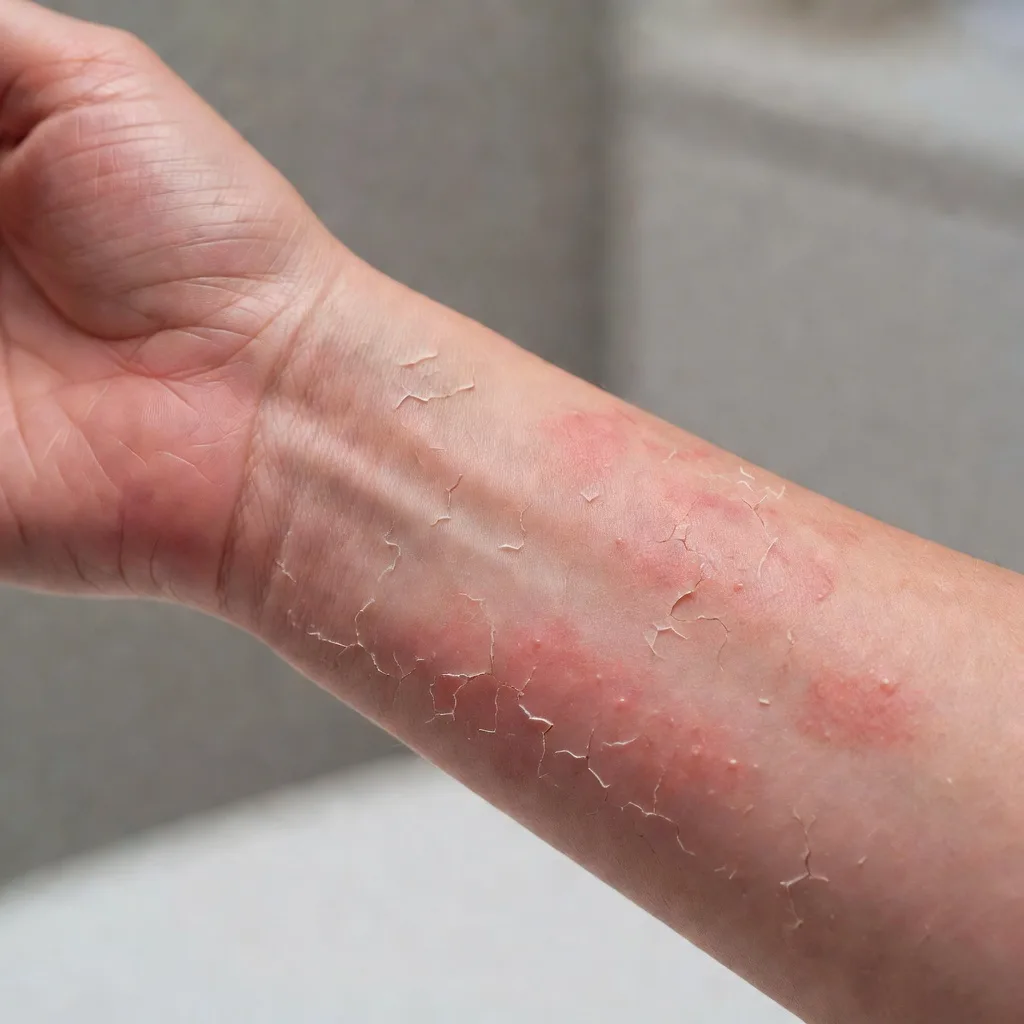
The main signs of a damaged skin barrier are stinging or burning when you apply products that used to feel fine, persistent tightness, dryness or flaking, new redness, a rough or shiny, slightly tight surface, and breakouts or bumps that appear alongside irritation. It is usually caused by over-cleansing, over-exfoliating, too many active ingredients, hot water, fragrance and harsh weather. Repair means cutting back to a gentle cleanser, a ceramide-rich moisturiser, a protective ointment on raw areas and daily sunscreen. Mild damage often feels better within a week or two, while fuller recovery commonly takes two to four weeks or longer.
In short: if everything stings, stop the actives, simplify your routine and give your skin a few weeks of gentle care.
The American Academy of Dermatology advises that people with sensitive skin exfoliate carefully, if at all, because harsh or frequent exfoliation can damage the skin and cause redness and irritation.
This guide covers how to recognise barrier damage, what usually causes it, a simple repair routine, a realistic healing timeline and the signs that mean it is time to see a dermatologist.
Shopping these picks?
Amazon Prime members get fast, free shipping on eligible items, plus Prime Video, Amazon Music and member deals. New members can start with a free trial.
Start a free Prime trialAged 18 to 24? Prime for Young Adults comes with a longer free trial and a lower price after it.
Affiliate link: we may earn a commission at no extra cost to you.
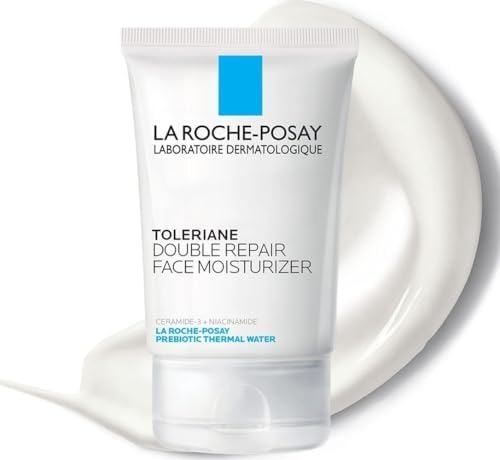
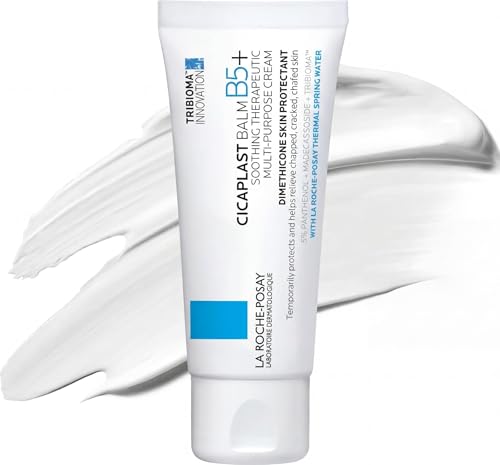
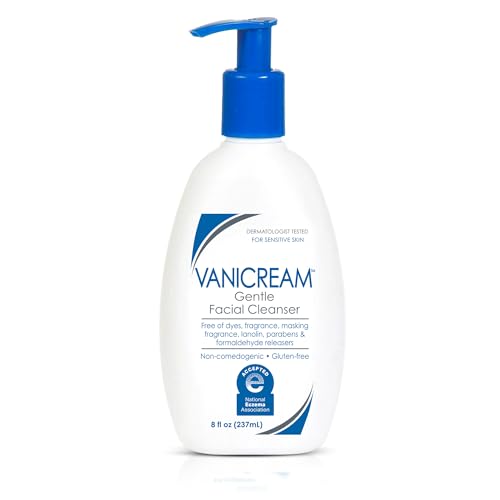
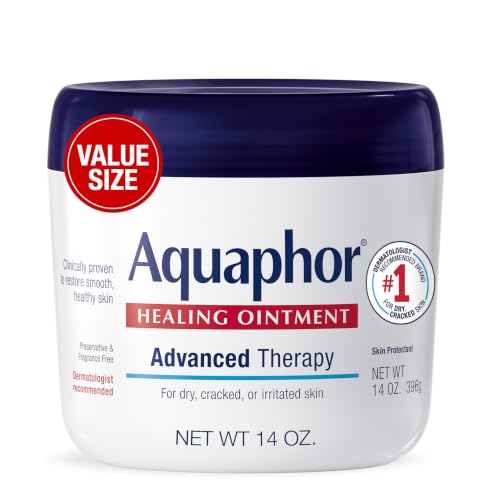
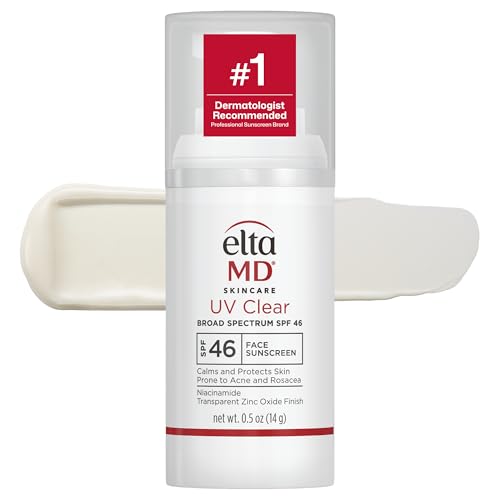
Recommended Products for Repairing a Damaged Skin Barrier


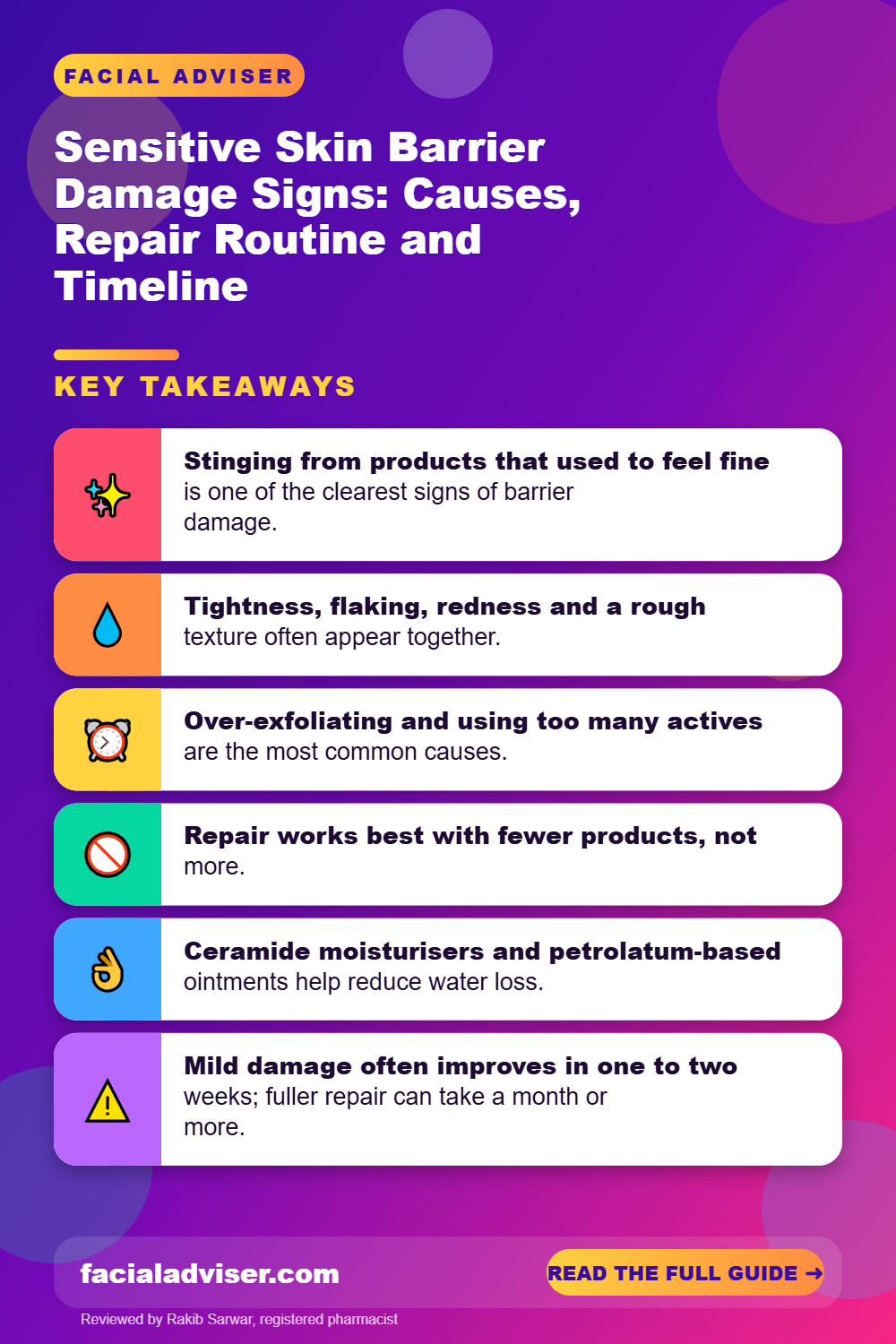
Key Takeaways
- Stinging from products that used to feel fine is one of the clearest signs of barrier damage.
- Tightness, flaking, redness and a rough texture often appear together.
- Over-exfoliating and using too many actives are the most common causes.
- Repair works best with fewer products, not more.
- Ceramide moisturisers and petrolatum-based ointments help reduce water loss.
- Mild damage often improves in one to two weeks; fuller repair can take a month or more.
- Persistent rashes, swelling or oozing need a dermatologist, not a new cream.
In This Guide
- What the Skin Barrier Is and Why Sensitive Skin Struggles
- Signs Your Skin Barrier Is Damaged
- What Causes Barrier Damage in Sensitive Skin
- Barrier Damage or Something Else?
- What to Stop Using Right Away
- Ingredients That Support Barrier Repair
- How to Repair a Damaged Skin Barrier Step by Step
- Why Sunscreen Matters During Repair
- How Long Does It Take a Damaged Barrier to Heal?
- Reintroducing Actives Without Damaging Your Barrier Again
- Honest Limits of Barrier Repair
- When to See a Dermatologist
- FAQ
- Where This Leaves You
What the Skin Barrier Is and Why Sensitive Skin Struggles
The skin barrier is the outermost layer of the skin, the stratum corneum. It is often described as a brick wall: skin cells are the bricks and a mix of lipids, including ceramides, cholesterol and fatty acids, forms the mortar. Together they keep water in and keep irritants, allergens and microbes out.
When the mortar is stripped away or the cells are worn down, water escapes more easily and irritants get in more easily. That combination is what makes a damaged barrier feel dry and reactive at the same time. People with sensitive skin, eczema-prone skin or rosacea often start with a barrier that is less resilient, so the same routine that another person tolerates can push their skin over the edge.
Signs Your Skin Barrier Is Damaged
Barrier damage rarely shows up as a single symptom. Most people notice several of these at the same time:
| Sign | What it feels or looks like | Why it happens |
|---|---|---|
| Stinging or burning | Products that used to feel fine now sting on application | Irritants reach nerve endings more easily |
| Tightness | Skin feels stretched, especially after washing | Water escapes through the weakened barrier |
| Dryness and flaking | Fine flakes or rough patches, even with moisturiser | Lipids are depleted and cells shed unevenly |
| New redness | Flushed cheeks, blotchy patches or a pink sheen | Low-level inflammation in the skin |
| Shiny, tight surface | Skin looks glassy but feels dry and thin | Over-exfoliated surface with fewer protective layers |
| Bumps or breakouts | Small red bumps or spots with irritation | Inflammation and disrupted skin balance |
| Itching | Mild to persistent itch, often worse at night | Irritated, dehydrated skin |
A useful test is how your skin reacts to plain water and a basic moisturiser. If even gentle products sting, the barrier is likely compromised. If only one new product causes a reaction, that product may be the problem rather than your barrier.
What Causes Barrier Damage in Sensitive Skin
Barrier damage is usually the result of several small stresses adding up rather than one dramatic event. The most common causes are:
- Over-exfoliating with acids, retinoids, scrubs or cleansing brushes, or combining several at once.
- Cleansing too often or with a strongly foaming cleanser that leaves skin squeaky.
- Hot showers and hot water on the face.
- Fragrance, essential oils and high levels of drying alcohol in skincare.
- Cold wind, low humidity, indoor heating and air conditioning.
- Sunburn and unprotected sun exposure.
- Rubbing with rough towels or pressing hard when removing makeup.
- Using too many new products at once, so the skin never settles.
Our guide on how to tell if a cleanser is too harsh explains the warning signs of a stripping face wash, which is one of the most overlooked causes.
Barrier Damage or Something Else?
Several skin conditions can look like a damaged barrier, and some of them need medical treatment. It helps to know the differences before you assume a simple fix will work.
| Condition | Typical clues | What helps |
|---|---|---|
| Damaged barrier | Stinging, tightness, flaking after a change in routine | Simplify routine, moisturise, protect |
| Rosacea | Recurring flushing, visible vessels, bumps on central face, triggers like heat or spicy food | Gentle care plus dermatologist treatment |
| Contact dermatitis | Itchy rash where a product was applied, sometimes with swelling | Stop the product, see a dermatologist if severe |
| Eczema | Dry, itchy patches that come and go, often with a personal or family history | Emollients and medical treatment when needed |
| Seborrhoeic dermatitis | Greasy flaking around the nose, eyebrows and hairline | Specific medicated treatments |
Barrier damage can happen alongside these conditions and make them worse. If symptoms keep returning after you simplify your routine, a proper diagnosis is more useful than trying another product.
What to Stop Using Right Away
The first step in repair is removing whatever is causing ongoing damage. Pause these until your skin feels calm again:
- Chemical exfoliants such as glycolic, lactic, mandelic and salicylic acid.
- Retinoids, including over-the-counter retinol and prescription retinoids unless your doctor advises otherwise.
- Physical scrubs, cleansing brushes and peel-off masks.
- Vitamin C serums with a low pH, which often sting on irritated skin.
- Fragranced products, toners with drying alcohol and essential oils.
- Clay masks and anything designed to be strongly mattifying.
Do not try to fix barrier damage by adding more active ingredients or a stronger treatment. Layering new serums on already irritated skin often makes redness and stinging worse. If you use prescription treatments, ask your prescriber before stopping or changing them.
Ingredients That Support Barrier Repair
Barrier repair relies on ingredients that replace lost lipids, hold water and slow water loss. None of them work instantly, but together they give the skin the conditions it needs to recover.
- Ceramides, cholesterol and fatty acids: lipids that mirror the skin’s own mortar.
- Petrolatum: a highly effective occlusive that forms a protective seal on raw or cracked areas.
- Panthenol (provitamin B5): a humectant with soothing properties, common in repair balms.
- Glycerin and hyaluronic acid: humectants that draw water into the skin.
- Squalane and shea butter: emollients that soften rough, flaking skin.
- Centella asiatica (cica) and colloidal oatmeal: often used in soothing formulas for irritated skin.
Our guide on how to repair your moisture barrier fast goes deeper into how these ingredients work together.
How to Repair a Damaged Skin Barrier Step by Step
Keep this routine as short as possible for at least two weeks. Fewer products means fewer chances of irritation.
Pause actives
Stop acids, retinoids, scrubs and fragranced products until stinging settles.
Cleanse gently once or twice
Use lukewarm water and a gentle, non-foaming or low-foam cleanser; in the morning, plain water may be enough.
Pat dry
Press a soft towel against the skin rather than rubbing.
Moisturise on damp skin
Apply a fragrance-free ceramide moisturiser within a minute or two of cleansing.
Seal raw areas
Dab a thin layer of petrolatum ointment or panthenol balm on cracked, flaky or very tight spots, especially at night.
Protect in the morning
Finish with a broad-spectrum mineral sunscreen of SPF 30 or higher.
Wait before reintroducing
Only bring back actives once your skin has felt calm for at least one to two weeks.
Why Sunscreen Matters During Repair
Irritated skin burns and pigments more easily, and sun exposure adds to inflammation. The American Academy of Dermatology recommends a broad-spectrum sunscreen with SPF 30 or higher, applied generously and reapplied when you are outdoors.
Mineral sunscreens with zinc oxide or titanium dioxide are often better tolerated by sensitive skin because they are less likely to sting. Choose a fragrance-free formula, apply it gently without rubbing, and use shade, hats and sensible timing to reduce the load on your skin.
If even your sunscreen stings, apply your ceramide moisturiser first and let it settle for a few minutes. The extra layer often reduces stinging while your barrier recovers.
How Long Does It Take a Damaged Barrier to Heal?
Recovery time depends on how badly the barrier was damaged, how long the cause went on and whether you have an underlying condition. These are typical ranges, not guarantees:
| Stage | Typical timing | What you may notice |
|---|---|---|
| First few days | Days 1 to 4 | Stinging starts to ease once irritants are removed |
| Early recovery | Week 1 to 2 | Less tightness, fewer flakes, redness begins to fade |
| Settling | Week 2 to 4 | Skin tolerates basic products; texture smooths |
| Fuller repair | Week 4 and beyond | Skin feels resilient; actives can be slowly reintroduced |
Skin renews its surface gradually, so pushing for faster results usually backfires. If you see no improvement at all after two weeks of a truly simple routine, something else may be going on.
Reintroducing Actives Without Damaging Your Barrier Again
Once your skin feels calm, you can bring back actives if you want them, but slowly. Add only one product at a time and wait about two weeks before adding another.
Helps
- Start with a low strength once or twice a week
- Apply actives on dry skin after your moisturiser if they sting
- Keep your ceramide moisturiser and sunscreen as fixed steps
- Patch test new products on a small area first
- Stop at the first sign of stinging or flaking
Backfires
- Do not restart every active at once
- Do not use acids and retinoids on the same night
- Do not exfoliate daily if you have sensitive skin
- Do not use hot water or rough cloths on your face
- Do not push through burning in the hope it will adapt
Our guide on how often to exfoliate sensitive skin can help you set a sensible schedule once you are ready.
Honest Limits of Barrier Repair
No cream can rebuild the barrier overnight, and labels promising instant repair overstate what skincare can do. A good moisturiser supports the skin while it heals itself; it does not replace time and gentle habits. If you have rosacea, eczema or another chronic condition, your barrier may stay more fragile than average, and flares can return with triggers such as weather, stress or new products. Expensive products are not automatically better than simple, fragrance-free ones, and plain petrolatum remains one of the most effective ways to reduce water loss on very dry areas. Barrier-focused skincare also will not treat infections, allergies or medical skin conditions.
When to See a Dermatologist
See a dermatologist if your skin is swollen, blistering, oozing, crusting or very painful, if a rash spreads beyond where you applied a product, or if symptoms do not improve after two to four weeks of a gentle routine. Recurring flushing, visible blood vessels and persistent bumps may point to rosacea, which usually needs medical treatment.
This article is for general information and does not replace professional medical advice. Patch test new products, stop using anything that irritates your skin and see a board-certified dermatologist for persistent, severe or spreading symptoms.
FAQ
What are the first signs of a damaged skin barrier?
Stinging when you apply products, tightness after washing and new dryness or flaking are usually the first signs.
Can a damaged skin barrier cause breakouts?
It can contribute to small red bumps and spots because irritated skin is more inflamed.
How long does a damaged skin barrier take to heal?
Mild damage often improves within one to two weeks; fuller repair commonly takes two to four weeks or longer.
Should I stop using retinol if my barrier is damaged?
Usually yes, pause it until skin is calm. If it is prescribed, ask your doctor first.
Is petrolatum good for barrier repair?
Yes. It is a strong occlusive that reduces water loss and protects raw or cracked skin.
Do ceramide creams really help?
They can support repair by replacing lipids the barrier needs, alongside gentle habits.
Can I wear makeup with a damaged barrier?
Keep it minimal and fragrance-free, and remove it gently. Less is better while skin heals.
Is it barrier damage or an allergy?
Barrier damage makes most products sting; an allergy usually causes an itchy rash where one product was used.
Should I use a mineral sunscreen?
Many people with sensitive skin find mineral sunscreens gentler, but any broad-spectrum SPF 30 or higher that does not sting is fine.
Can drinking water fix my barrier?
Staying hydrated is healthy, but it will not repair the barrier on its own. Topical care and removing irritants matter more.
Where This Leaves You
A damaged skin barrier usually announces itself through stinging, tightness, flaking and new redness. The fix is rarely a new product; it is removing irritants, cleansing gently, moisturising with ceramides, sealing raw areas and protecting your skin from the sun.
Give your skin a few weeks of simple care before judging the results, reintroduce actives slowly, and see a dermatologist if symptoms are severe, spreading or not improving.

Written by
Registered pharmacist and founder of Facial Adviser. Rakib's pharmacy training covers how skincare actives work and interact; a later course in cosmetology turned that into a focus on facial treatments and skincare products. He plans, researches and edits every guide on the site and checks health claims against sources such as the American Academy of Dermatology, the FDA and the NIH. He is not a dermatologist; see the Editorial Policy and Medical Disclaimer.
About · Editorial policy · How we choose products · Medical disclaimer · Contact
Keep reading: Serums and actives
- 10 Best Facial Serums for Aging Skin (2026): Picks by Concern
- Essence vs Serum: The Real Difference and Whether You Need Both
- Is Niacinamide Safe With Acids? What Actually Happens When You Mix Them
- Does Sleeping With the Window Open Affect Your Skin?
- Should You Apply Acids Before or After Vitamin C?
- How to Store Vitamin C Serum So It Lasts Longer
- What Does a Facial Toner Do? The Real Answer
- 10 Best Facial Cleansers for Combination Skin (2026): Balanced Picks