How to Fix Translucent Under-Eye Skin: Visible Veins and What Really Helps
If you can see a blue, purple or greenish tint under your eyes, and sometimes even small veins, the skin there is probably thin and translucent. It is one of the most common reasons people look tired even after plenty of sleep, and it often runs in families. The good news is that there is plenty you can do to protect it and make it far less noticeable.
Part of our guide to makeup how-to. Start with: How to Choose the Right Eye Makeup Color for Your Eyes and Skin
You cannot permanently thicken translucent under-eye skin at home, but you can make it look noticeably better. Daily sunscreen protects the collagen that keeps the skin from thinning further. A gentle retinol eye cream, introduced slowly, and peptide eye creams may improve firmness and thickness modestly over months. Caffeine and cold compresses briefly shrink visible vessels and puffiness. A peach or orange colour corrector under concealer hides blue and purple tones straight away. For more lasting change, professional options include fillers, energy-based treatments and prescription retinoids, assessed by a dermatologist.
In short: protect the skin, support it slowly with gentle actives, and use colour correction for instant results.
The American Academy of Dermatology recommends daily broad-spectrum sunscreen of SPF 30 or higher, and sun protection is the single most important step for thin skin anywhere on the face, including under the eyes.
This guide explains why under-eye skin becomes translucent, which ingredients are worth trying, how to use retinoids safely near the eyes, concealer techniques and the professional treatments available.
Shopping these picks?
Amazon Prime members get fast, free shipping on eligible items, plus Prime Video, Amazon Music and member deals. New members can start with a free trial.
Start a free Prime trialAged 18 to 24? Prime for Young Adults comes with a longer free trial and a lower price after it.
Affiliate link: we may earn a commission at no extra cost to you.
Recommended Products for Thin, Translucent Under-Eye Skin
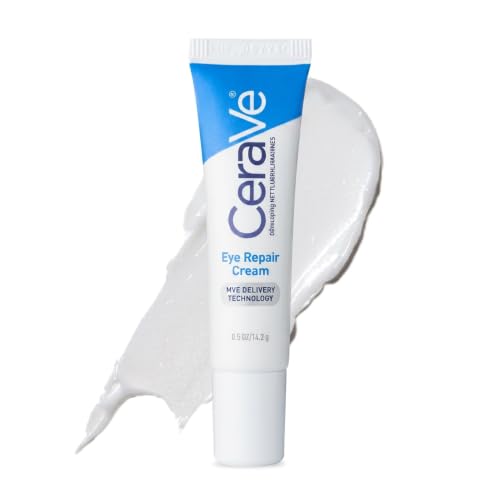
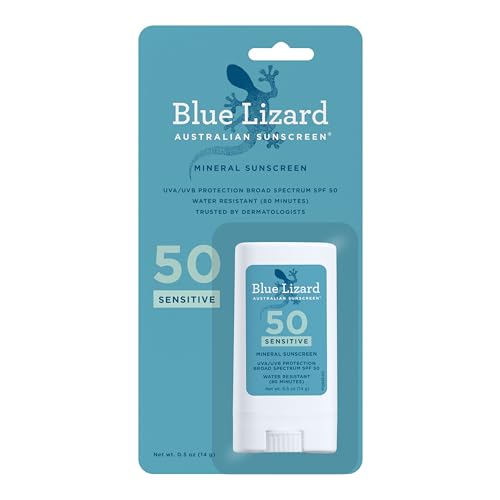

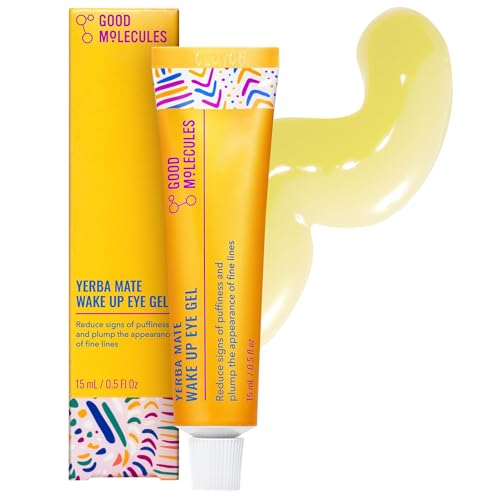
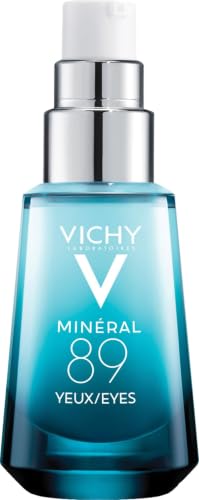


What to Know First
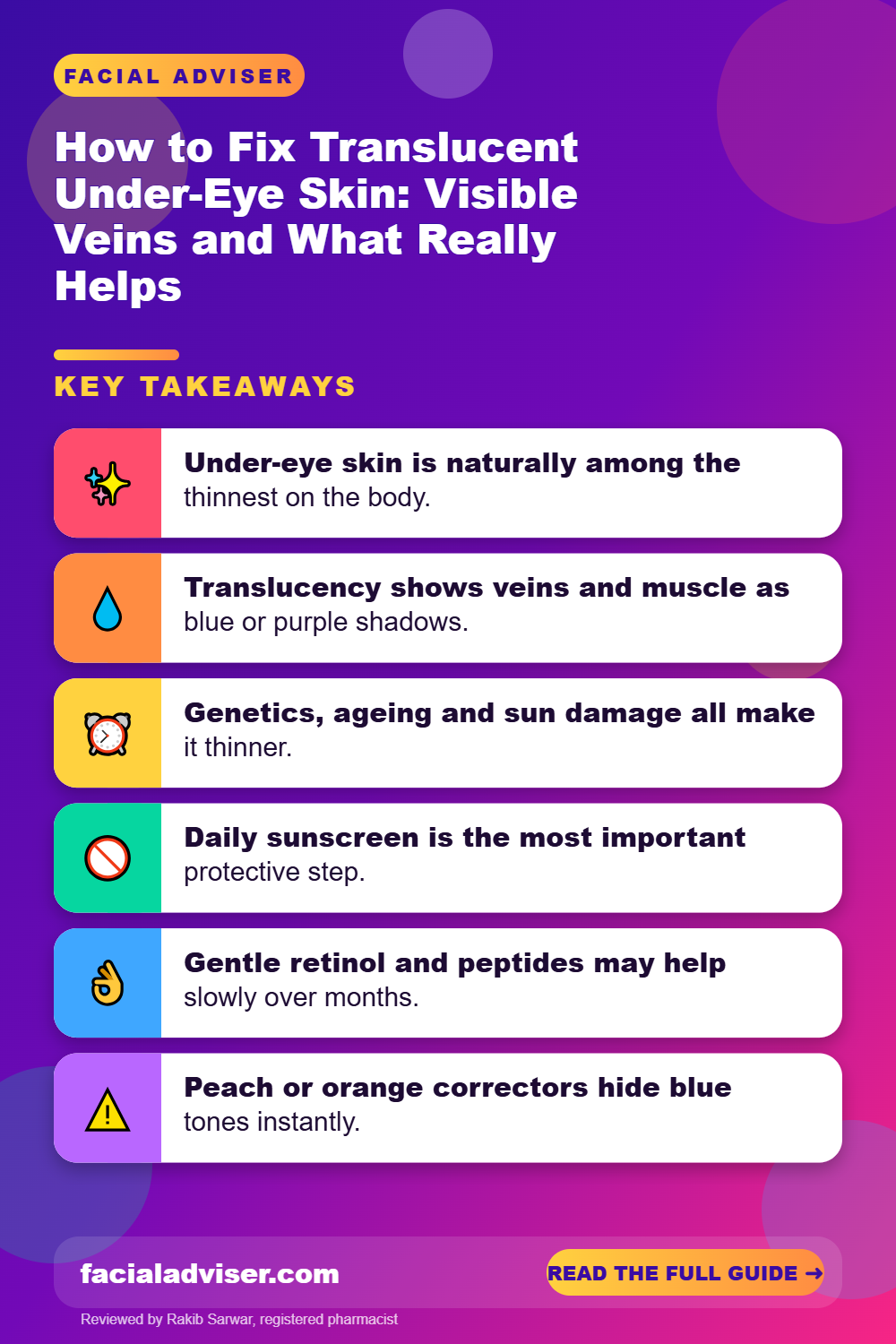
- Under-eye skin is naturally among the thinnest on the body.
- Translucency shows veins and muscle as blue or purple shadows.
- Genetics, ageing and sun damage all make it thinner.
- Daily sunscreen is the most important protective step.
- Gentle retinol and peptides may help slowly over months.
- Peach or orange correctors hide blue tones instantly.
- Fillers and energy devices are options but carry real risks.
What This Covers
- Why Under-Eye Skin Looks Translucent
- Is Your Under-Eye Skin Thin or Is It Something Else?
- Sunscreen: The Step That Matters Most
- Retinoids Near the Eyes: Use With Caution
- Peptides, Caffeine and Other Helpful Ingredients
- How to Care for Translucent Under-Eye Skin
- Concealer Tips for Visible Veins
- Professional Treatments for Thin Under-Eye Skin
- Dos and Don’ts for Thin Under-Eye Skin
- Honest Limits
- When to See a Dermatologist
- Questions People Ask
- Where This Leaves You
Why Under-Eye Skin Looks Translucent
The skin under the eyes is much thinner than on the cheeks, with less fat underneath and fewer oil glands. That means blood vessels, the dark colour of the eye muscle and even small veins can show through, giving a blue, purple or slightly green cast.
- Genetics: some people are born with thinner, fairer or more see-through skin.
- Ageing: collagen and fat pads reduce, so the skin thins and hollows deepen.
- Sun damage: UV breaks down collagen over years and speeds up thinning.
- Rubbing: allergies, contact lenses and eye makeup removal all add friction.
- Long-term steroid creams: using them near the eyes can thin skin.
- Smoking: reduces blood flow and speeds up collagen loss.
- Low body fat or weight loss: reduces padding under the skin.
Translucency is not the same as brown pigment. Our guide on dark circles vs hyperpigmentation under the eyes explains how to tell them apart, because the treatments differ.
Is Your Under-Eye Skin Thin or Is It Something Else?
A few simple checks in daylight can help you understand what you are seeing.
| Check | Result | What it suggests |
|---|---|---|
| Gently stretch the skin | Colour fades or turns lighter | Vascular or translucent skin |
| Gently stretch the skin | Colour stays brown | Pigmentation |
| Look from above with light overhead | Shadow deepens | Hollow or tear trough |
| Visible fine veins | Blue or purple lines | Thin, translucent skin |
| Worse in the morning | Swelling that improves later | Fluid and puffiness |
Most people have a mix. Knowing which is dominant helps you choose between sunscreen and brightening for pigment, volume options for hollows, or skin support and concealer for translucency.
Veins under the eyes are normal and usually harmless. A sudden new bulging vein, a single dark patch or swelling on one side is different and worth showing to a doctor.
Sunscreen: The Step That Matters Most
Sun exposure is one of the biggest controllable reasons skin thins, and the damage builds up quietly over many years. UV damages collagen and elastin, and the under-eye area is often skipped because sunscreen can sting or run into the eyes.
A mineral sunscreen stick is a practical solution. Zinc oxide and titanium dioxide are usually gentler around the eyes, and a stick lets you glide product along the orbital bone without it migrating. Wraparound sunglasses and a wide-brimmed hat add protection and stop you squinting.
The FDA’s guide to sunscreen and how it protects your skin explains broad spectrum and reapplication, and the AAD’s advice on how to apply sunscreen reminds people not to miss areas such as the eyelids.
Retinoids Near the Eyes: Use With Caution
Retinoids are the best-studied ingredients for stimulating collagen, and over months they can make skin slightly thicker and firmer. The catch is that thin under-eye skin is also the most likely to become red, dry and flaky from them, which can make the area look worse in the short term.
- Choose an eye cream with a low-strength or encapsulated retinol made for the eye area.
- Start two nights a week and increase slowly over several weeks.
- Apply a rice-grain amount per eye along the orbital bone, not close to the lashes.
- Put moisturiser on first if your skin is sensitive.
- Use it only at night, and always follow with sunscreen the next morning.
- Stop if you get stinging, peeling or swelling, and try again less often.
Our guide on how to transition to retinol smoothly covers buffering and building tolerance.
Do not use retinoids during pregnancy or while trying to conceive, and do not apply prescription-strength tretinoin under the eyes unless a doctor has told you to. Keep all retinoids away from the eyes themselves and the lash line.
Peptides, Caffeine and Other Helpful Ingredients
If retinol does not suit you, several gentler ingredients can support thin skin, though the evidence for most is more limited.
| Ingredient | What it may do | How fast | Evidence |
|---|---|---|---|
| Peptides | Support firmness and smoothness | Months | Modest, mostly small studies |
| Caffeine | Briefly constrict vessels and reduce puffiness | Minutes to hours | Short-term effect |
| Vitamin C | Support collagen and brighten | Months | Reasonable for general skin |
| Niacinamide | Support the barrier, even tone | Weeks to months | Reasonable, gentle |
| Hyaluronic acid | Plump the surface with water | Immediate, temporary | Surface hydration only |
| Ceramides | Strengthen the barrier, reduce dryness | Weeks | Good for dry, crepey skin |
When choosing an eye cream, a short ingredient list without fragrance or essential oils is usually a better sign than dramatic packaging claims. Thin skin reacts more easily, so gentle formulas matter more here than on the rest of the face. None of these will turn translucent skin opaque. Their role is to keep the skin well hydrated, smooth and supported so it reflects light more evenly and the veins are a little less obvious.
How to Care for Translucent Under-Eye Skin
A simple, consistent routine is gentler and more effective than piling on eye products. One or two well-chosen products used every day will do more than several used occasionally.
Remove makeup gently
Press a soaked pad on the eye for a few seconds, then wipe once instead of rubbing.
Apply a peptide or hydrating eye cream
Pat a small amount along the orbital bone in the morning.
Add caffeine when puffy
Use a caffeine eye serum on mornings when shadows look worse.
Protect with sunscreen
Glide a mineral sunscreen stick under the eyes, then wear sunglasses outdoors.
Use retinol at night
Introduce a gentle retinol eye cream two nights a week and build slowly.
Treat allergies
Manage hay fever or eye allergies so you are not rubbing the area.
Be patient
Assess changes after three to six months, not weeks.
Concealer Tips for Visible Veins
Makeup is the fastest and most reliable way to hide translucent skin. The key is colour correction, not heavy coverage. Thick, full-coverage concealers tend to crease on thin skin and can make the area look drier and more textured.
- Use a peach corrector on fair to light skin and an orange or deep peach corrector on medium to deep skin.
- Apply the corrector only where the blue or purple tone shows, usually the inner corner.
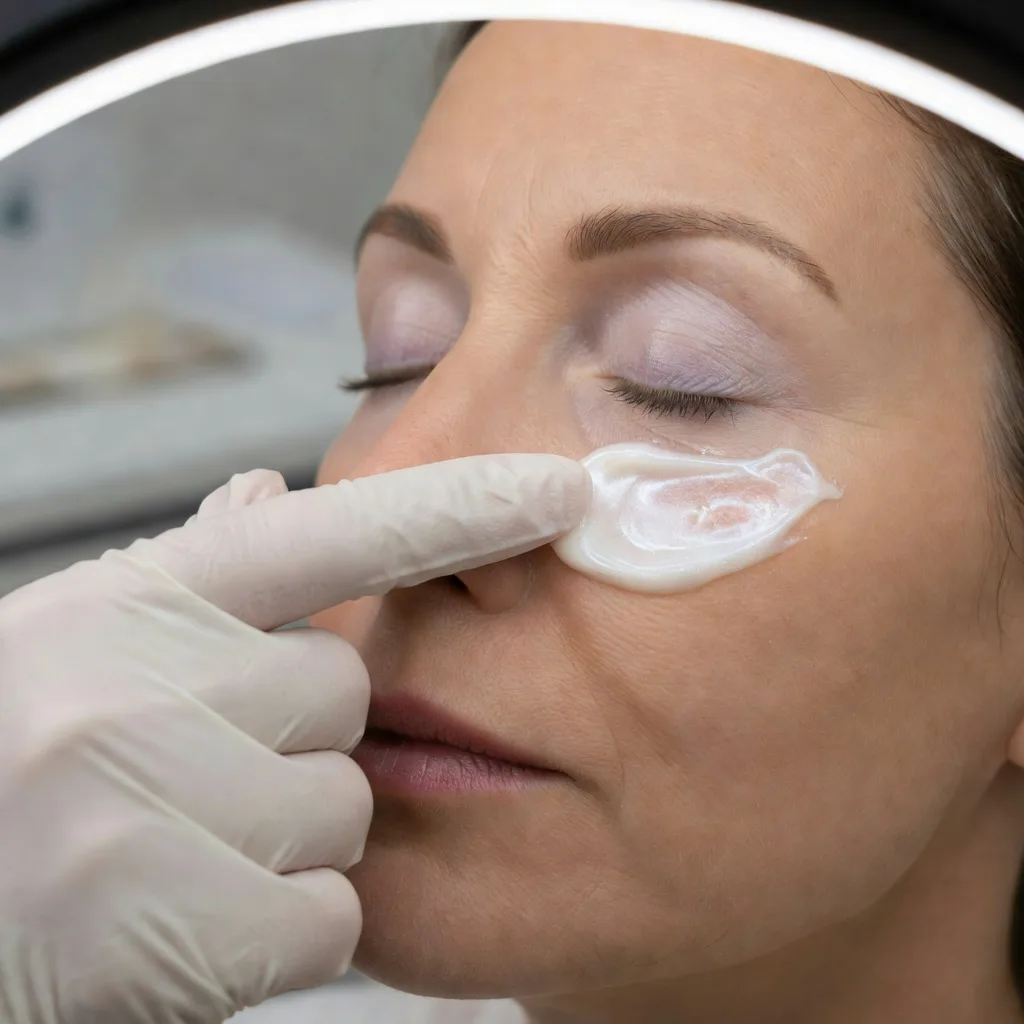
- Tap it in with a fingertip; warmth helps it melt into thin skin.
- Add a thin layer of concealer that matches your skin, not one several shades lighter.
- Set lightly with a small amount of powder only where it creases.
A very light concealer on top of blue shadows can turn them grey. Our guide on how colour correctors neutralise undertones explains why peach and orange cancel blue and purple.
Hydrate the under-eye area a few minutes before makeup. A light eye cream smooths the surface so corrector and concealer sit evenly instead of settling into fine lines, which draws more attention to thin skin.
Professional Treatments for Thin Under-Eye Skin
If home care and makeup are not enough, a dermatologist or experienced medical practitioner can discuss options. Each has benefits and trade-offs, and results depend heavily on the practitioner.
- Hyaluronic acid fillers: can soften hollows and add a little padding, but in very thin skin they may show a bluish tint, lumps or swelling.
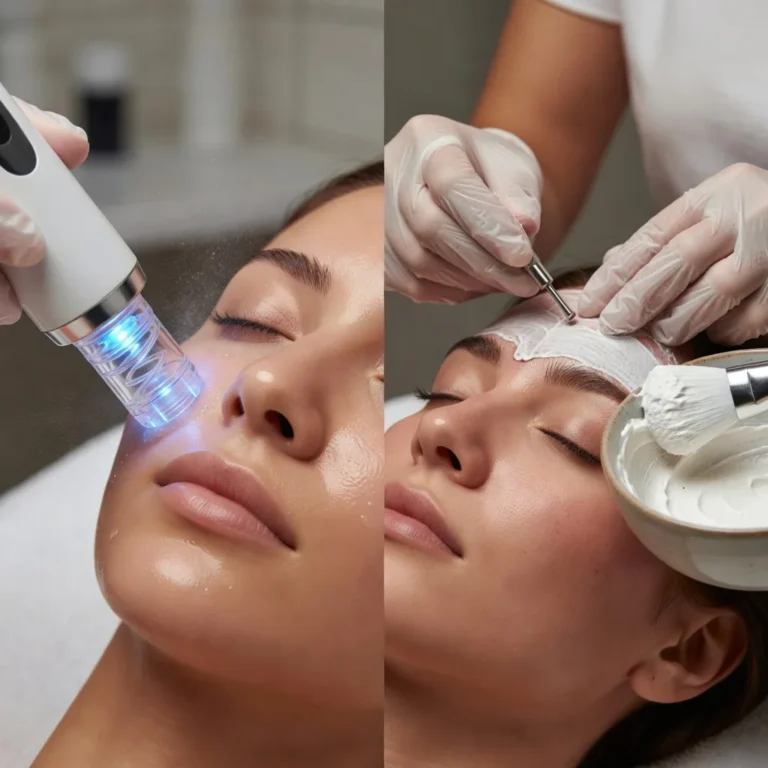
- Radiofrequency and microneedling: aim to stimulate collagen over several sessions with gradual, modest results.
- Laser treatments: some target visible vessels or skin quality around the eyes.
- Platelet-rich plasma: sometimes offered, but evidence for the under-eye area is still limited.
- Prescription retinoids: stronger than cosmetic retinol and used under medical guidance.
Always ask about the practitioner’s experience with the under-eye area, which is technically demanding, and about downtime, risks and how many sessions are realistic. Bruising, swelling and lumps are more common around the eyes than elsewhere on the face, so plan treatments well ahead of any important event, and ask what happens if you are unhappy with the result. Hyaluronic acid fillers can be dissolved if needed, but other treatments cannot be reversed.
Dos and Don’ts for Thin Under-Eye Skin
Protecting this area is mostly about avoiding damage day to day. Small habits repeated for years matter more than any single product.
Try This
- Wear sunscreen and sunglasses every day.
- Use gentle, fragrance-free eye products.
- Pat products on with your ring finger.
- Sleep on your back if morning puffiness is a problem.
- Keep allergies under control.
Avoid This
- Do not rub or tug the skin when removing makeup.
- Do not use strong acids or scrubs under the eyes.
- Do not use steroid creams near the eyes without medical advice.
- Do not cover blue shadows with a very pale concealer.
- Do not expect any cream to erase veins completely.
Honest Limits
Translucent under-eye skin is largely down to genetics and ageing, and no eye cream can make it permanently thicker or opaque. Peptides and retinol may give a small improvement over months; caffeine and hyaluronic acid give temporary, surface-level changes that fade within hours.
Claims that a product will remove dark circles or make veins disappear should be treated with caution. Professional treatments can help selected people, but they are not risk-free and very thin skin can make fillers look worse. For many people, the most satisfying combination is steady sun protection, a gentle routine and good colour correction. It also helps to remember that other people notice under-eye veins far less than you do when looking closely in a bathroom mirror under harsh overhead light.
When to See a Dermatologist
- The colour or swelling under one eye is new or different from the other side.
- A vein under the eye suddenly becomes bulging, tender or painful.
- You have persistent itching, redness or flaking around the eyes.
- Skin became thin after using steroid creams.
- You want to discuss fillers, lasers or prescription retinoids.
This article is for general information and does not replace professional medical advice. See a board-certified dermatologist or doctor for sudden changes around the eyes and before starting prescription or in-clinic treatments.
Questions People Ask
Why is my under-eye skin see-through?
It is naturally thin and may thin further with age, sun and genetics.
Can you thicken under-eye skin?
Only slightly, with retinoids and sunscreen over months.
Is retinol safe under the eyes?
Gentle eye-specific retinol is, if introduced slowly.
Do peptide eye creams work?
They may help firmness modestly over time.
Does caffeine hide veins under the eyes?
It reduces them briefly but the effect is temporary.
What concealer hides blue veins?
Peach or orange corrector under a matching concealer.
Can fillers fix translucent under-eye skin?
They help hollows but can look blue in very thin skin.
Is sunscreen needed under the eyes?
Yes, it helps prevent further thinning.
Does lack of sleep make veins more visible?
It can make the area look paler and darker.
Are visible under-eye veins dangerous?
Usually not, but sudden changes should be checked.
Where This Leaves You
Translucent under-eye skin shows the veins and muscle underneath, and it is mostly shaped by genetics, age and sun, so the goal is to protect and support it rather than expect a cure.
Wear sunscreen daily, try a peptide or gentle retinol eye cream with patience, use caffeine for quick depuffing and colour correct for instant results, and see a dermatologist for professional options.

Written by
Registered pharmacist and founder of Facial Adviser. Rakib's pharmacy training covers how skincare actives work and interact; a later course in cosmetology turned that into a focus on facial treatments and skincare products. He plans, researches and edits every guide on the site and checks health claims against sources such as the American Academy of Dermatology, the FDA and the NIH. He is not a dermatologist; see the Editorial Policy and Medical Disclaimer.
About · Editorial policy · How we choose products · Medical disclaimer · Contact
Keep reading: Eye makeup
- How to Choose the Right Eye Makeup Color for Your Eyes and Skin
- How to Blend Eyeshadow on Hooded Eyes So It Actually Shows
- Why Some Mascaras Smudge (and How to Stop Raccoon Eyes)
- What Causes Mascara Clumping and How to Get Clean, Separated Lashes
- 10 Tips to Prevent Creasing Under Eyes (Concealer That Stays Smooth)
- How to Avoid Fallout With Dark Eyeshadow: Clean Smoky Eyes Every Time
- How to Get Started as a Freelance Makeup Artist: Training, Kit and Clients
- Best Way to Use Makeup Remover: Micellar Water, Balms, Oils and Eye Removers