How to Avoid Fallout With Dark Eyeshadow: Clean Smoky Eyes Every Time
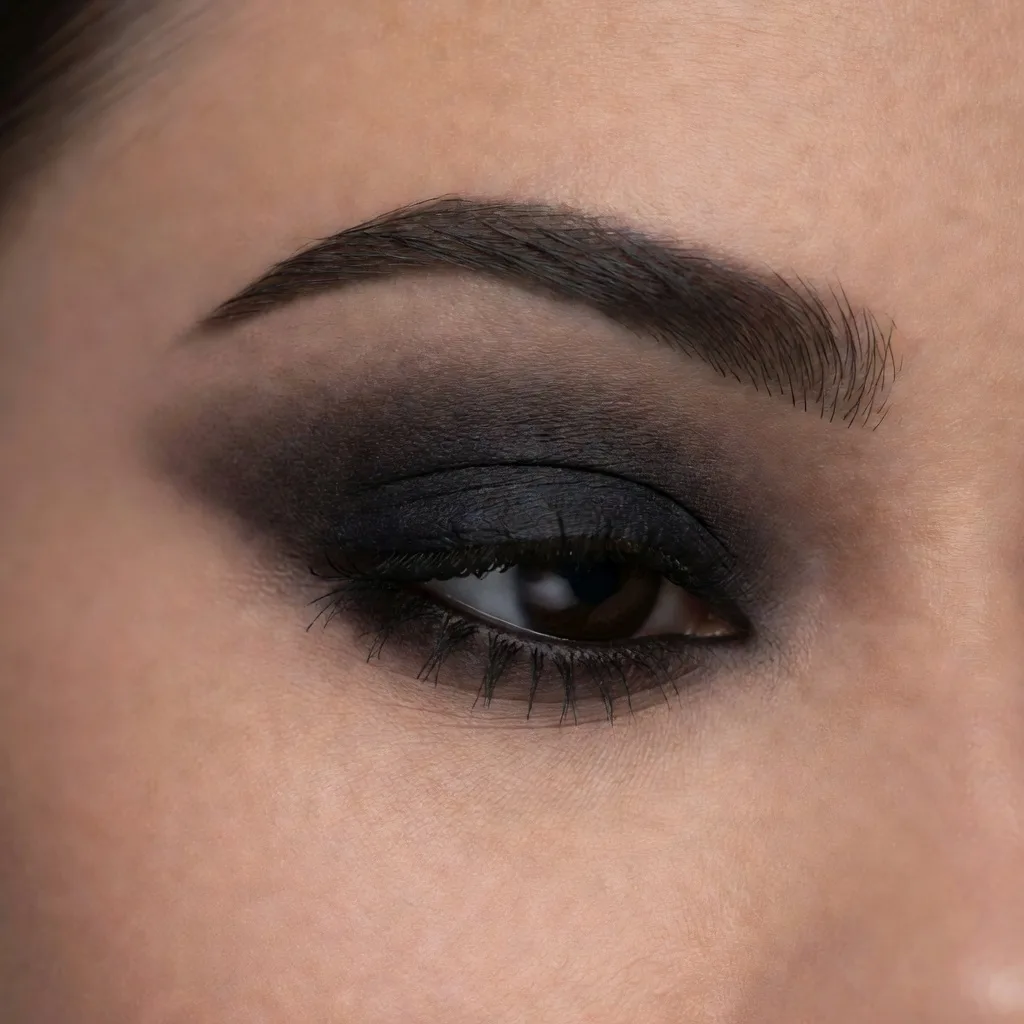
Dark eyeshadows such as black, deep brown, navy and plum create dramatic smoky eyes, but they are also the worst for fallout. Tiny particles drop onto the under-eyes and cheeks, leaving grey smudges that are hard to remove without ruining your concealer and foundation.
Part of our guide to makeup how-to. Start with: How to Choose the Right Eye Makeup Color for Your Eyes and Skin
You can avoid fallout from dark eyeshadow by giving the powder something to grip, using less product and applying it in the right order. Start with an eyeshadow primer or a cream base in a similar shade, tap excess powder off the brush, press rather than sweep dark shades onto the lid, and build intensity in thin layers. Do your eye makeup before foundation and concealer, or protect the under-eyes with a thick layer of loose powder or shadow shields, then brush or wipe away any fallout before finishing your base. Choosing well-pressed, less crumbly formulas also helps.
Fallout is not always a sign of a bad palette. Even excellent dark shadows can drop particles, because deep shades are often highly pigmented and softly pressed so they blend well.
The FDA’s advice on eye cosmetic safety includes keeping eye products clean and not sharing them, which is worth remembering when using brushes and tape near the eyes.
This guide explains what causes fallout, how to prevent it, how to clean it up and which formulas and tools make dark shades much easier to wear day to day.
Shopping these picks?
Amazon Prime members get fast, free shipping on eligible items, plus Prime Video, Amazon Music and member deals. New members can start with a free trial.
Start a free Prime trialAged 18 to 24? Prime for Young Adults comes with a longer free trial and a lower price after it.
Affiliate link: we may earn a commission at no extra cost to you.
Recommended Products for Fallout-Free Eye Makeup



In Brief
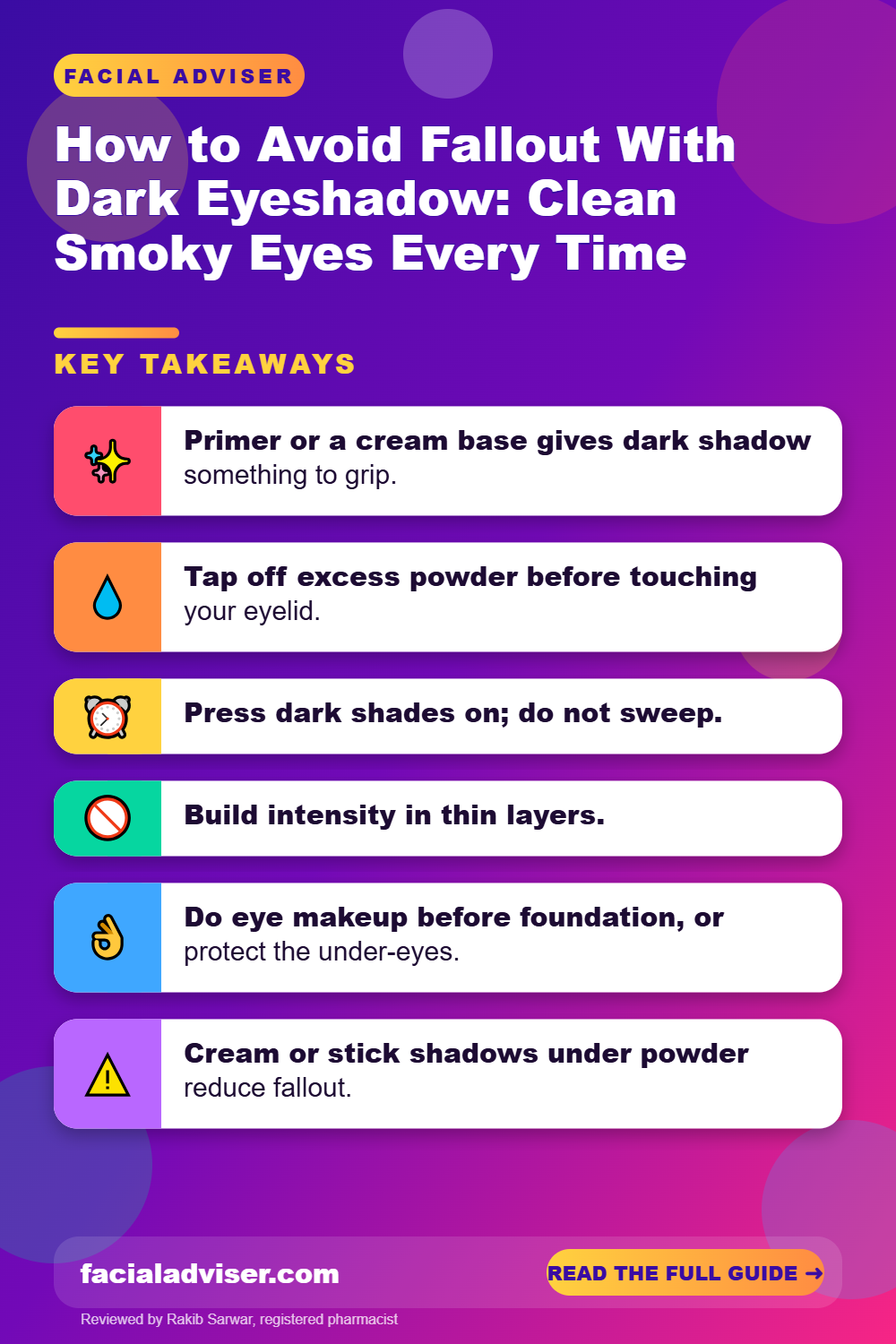
- Primer or a cream base gives dark shadow something to grip.
- Tap off excess powder before touching your eyelid.
- Press dark shades on; do not sweep.
- Build intensity in thin layers.
- Do eye makeup before foundation, or protect the under-eyes.
- Cream or stick shadows under powder reduce fallout.
- Brush fallout away rather than rubbing it in.
Jump to a Section
- Why Dark Eyeshadow Falls Out
- Start With the Right Base
- Eyes First or Face First?
- How to Apply Dark Eyeshadow Without Fallout
- Brushes and Tools That Reduce Fallout
- How to Clean Up Fallout Without a Trace
- Choosing Formulas That Fall Out Less
- Adjusting for Your Eye Shape
- Eye Safety With Dark Shadows
- Dos and Don’ts
- Honest Limits
- When to See a Doctor
- Your Questions, Answered
- Summing Up
Why Dark Eyeshadow Falls Out
| Cause | What happens | Fix |
|---|---|---|
| Too much product on the brush | Excess powder drops as soon as you touch the lid | Tap or blow off excess first |
| Soft, loosely pressed formula | Powder crumbles easily | Use a tacky base or choose a firmer formula |
| No primer or base | Powder has nothing to grip | Apply primer or a cream shadow first |
| Sweeping motion | Loose particles scatter | Press and pat shadow onto the lid |
| Fluffy brush for dark shades | Picks up and releases too much powder | Use a denser, flat brush for placement |
| Shimmer or glitter particles | Larger particles fall more easily | Use a sticky base or apply with a fingertip |
Dark shades also show fallout more clearly. A few specks of beige shadow disappear on the skin, but the same amount of black shadow looks like a smudge. Fallout can also happen hours later, as oil softens the shadow and particles migrate downward, which is why a good primer matters for all-day wear.
Our guide on filler versus pigment explains why highly pigmented, softly pressed shades can be both beautiful and messy.
Start With the Right Base
A base gives powder something to stick to, which is the single most effective way to reduce fallout.
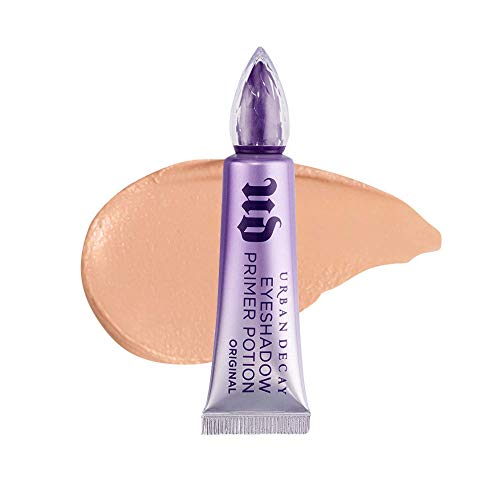
- Eyeshadow primer: evens the lid, controls oil and grips powder.
- Cream shadow or shadow stick: a dark cream base under a dark powder intensifies colour and holds powder in place.
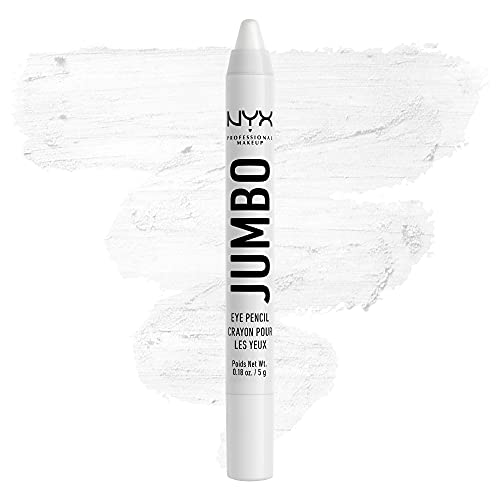
- Jumbo eye pencil: scribbled on and smudged out, it creates an instant smoky base.
Apply a thin layer and let it set for about 30 seconds. Too much primer can cause creasing, while applying powder to a very wet base can make it patchy. A light dusting of translucent or skin-tone powder over the primer before your dark shade can help blending on very tacky primers.
If you have oily lids, a primer is even more important. Oil breaks down powder and makes both fallout and creasing worse later in the day.
Eyes First or Face First?
The order you apply makeup in can make fallout either a minor annoyance or a real problem. Many makeup artists do eye makeup first when using dark shades. That way, any fallout can be wiped away with micellar water or a cleanser before foundation and concealer go on, leaving no grey marks.
If you prefer to do your base first, protect it. Two common options are:
- Powder shield: press a thick layer of loose translucent powder under the eyes before eyeshadow, then sweep it away with a fluffy brush afterwards, taking the fallout with it.
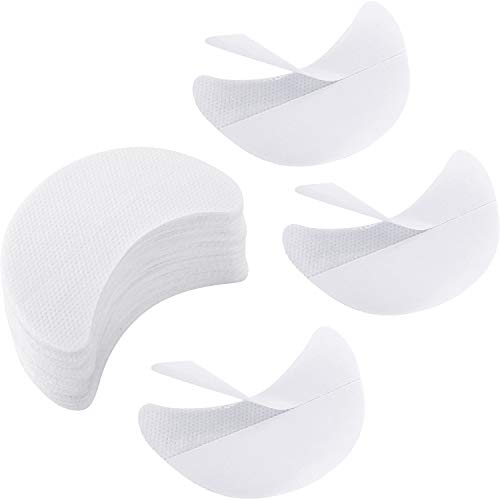
- Shadow shields or tape: place lint-free pads or tape under the eyes to catch falling particles, then remove them.
Both methods work well. Choose based on how dry your under-eyes are; a thick layer of powder can be drying on mature or dry skin. If you use the powder method, press the powder on with a damp sponge or puff so it forms a thick cushion rather than sinking into the skin, and sweep it away within a few minutes.
How to Apply Dark Eyeshadow Without Fallout
Prime the lids
Apply a thin eyeshadow primer or cream base and let it set.
Protect or skip the base
Do eyes before foundation, or protect under-eyes with powder or shields.
Load the brush lightly
Dip a flat or dense brush into the shadow and tap off the excess.
Press shadow onto the lid
Pat colour on rather than sweeping it.
Blend edges with a clean brush
Use a fluffy brush with little or no product to soften the edges.
Build in layers
Add more dark shade gradually where you want depth.
Clean up
Brush away fallout, then wipe any marks with micellar water before your base.
Hold a folded tissue under the eye while applying dark shadow to the lower lash line. It catches particles before they reach your cheek.
Brushes and Tools That Reduce Fallout
Flat, dense shader brushes pack colour onto the lid with less scattering. Small pencil brushes give control along the lash line. Fluffy blending brushes are for softening edges, not for placing dark colour. A fan brush sweeps away fallout gently without disturbing foundation. Fingertips press shimmer and dark shadow firmly onto the lid, which reduces fallout for loose or glittery formulas.Clean brushes pick up and release product more evenly. Our guide on how to sanitize makeup tools covers washing eye brushes.
How to Clean Up Fallout Without a Trace
If fallout lands on bare skin, it is easy to remove. On top of foundation, you need to be more careful.
- Sweep loose particles away with a clean fan or fluffy brush first.
- Lift stubborn specks with a piece of tape pressed lightly on the skin.
- Remove marks with a cotton bud dipped in micellar water.
- Tap a little concealer or foundation back over the area and set it lightly.
Avoid rubbing with your fingers, which grinds dark pigment into the skin and creates a grey smear that is harder to fix. If a mark will not budge, it is often quicker to remove the foundation in that small area and reapply than to keep layering concealer on top.
Keep tape and shields on the skin under the eye, well away from the eye itself, and remove them gently. Do not use tape on irritated or broken skin.
Choosing Formulas That Fall Out Less
| Formula | Fallout risk | Best way to use |
|---|---|---|
| Firmly pressed matte powder | Low to moderate | Press on with a flat brush over primer |
| Soft, buttery matte powder | Moderate to high | Tap off excess; use a tacky base |
| Shimmer or metallic powder | High | Press on with a fingertip or damp brush |
| Loose pigment or glitter | Very high | Use glitter glue or a sticky base; apply last |
| Cream shadow or stick | Very low | Wear alone or as a base under powder |
Formula makes a big difference. Firmly pressed mattes usually fall out less than soft, buttery shades or loose shimmers, although well-made soft shadows can still be manageable with the right base.
Cream shadows and shadow sticks produce little or no fallout. Wearing a dark cream shade alone, or under a matching powder, is one of the easiest ways to create a smoky eye with minimal mess. A dark kohl pencil smudged along the lash line and blended upward with a small brush creates a similar effect in under a minute.
Shimmer and glitter shades are the most likely to fall. Apply them last, press them on with a fingertip or damp brush and use a sticky base. Our guide on how mica creates shimmer explains why larger reflective particles behave differently.
Adjusting for Your Eye Shape
Hooded eyes: dark shadow on the lid can transfer to the brow bone when you blink. Keep dark colour close to the lash line and blend it upward with eyes open. Deep-set eyes: heavy dark colour in the crease can make eyes look more recessed. Focus darker shades on the outer corner and lash line. Uneven lids: apply dark colour slightly higher on the more hooded side. Our guide on makeup for asymmetrical features explains how to balance eye shapes. Mature eyes: matte and satin shades with a cream base usually look smoother and fall out less than chunky shimmer.Eye Safety With Dark Shadows
Particles that fall into the eye can cause irritation. If you wear contact lenses, put them in before applying eye makeup and choose formulas with little fallout.
The FDA’s page on eye cosmetic safety advises against sharing eye cosmetics and recommends only using products intended for the eye area. Some pigments sold as craft or special-effect products are not approved for use near the eyes.
If shadow gets into your eye, rinse gently with clean water or saline rather than rubbing. Rubbing can scratch the surface of the eye if a particle is trapped under the lid.
Dos and Don’ts
Good Habits
- Prime lids before dark shadow
- Tap excess powder off the brush
- Press shadow on in layers
- Do eyes first or protect the under-eyes
- Brush fallout away gently
Common Mistakes
- Load a fluffy brush with dark powder
- Sweep dark shadow across the lid
- Rub fallout into foundation
- Use craft pigments near the eyes
- Share eye brushes
Honest Limits
Some fallout is almost unavoidable with very dark, highly pigmented or glittery shades. The goal is to reduce it and make clean-up easy, not to eliminate it completely.
Every palette behaves differently. The same technique may work perfectly with one black shadow and still leave specks with another, so it is worth testing new products on a no-plans day. Practice also helps: pressing rather than sweeping and tapping off excess quickly become habits that make any dark shade easier to use.
Skin type matters too. Oily lids and under-eyes can grab fallout more easily, so an extra layer of powder under the eyes can help if you are oily.
When to See a Doctor
- Your eyes become red, painful or watery after using eyeshadow.
- You feel something scratching your eye that does not rinse out.
- Your eyelids become itchy, swollen or flaky after using a product.
- Your vision changes or you notice discharge.
This article is for general information and does not replace professional medical advice. See a doctor or eye specialist for persistent eye symptoms.
Your Questions, Answered
Why does dark eyeshadow fall out so much?
Deep shades are often highly pigmented and softly pressed, and show every speck.
How do I stop eyeshadow fallout?
Use a primer or cream base, tap off excess and press shadow on in layers.
Should I do eye makeup before foundation?
With dark shades, doing eyes first makes clean-up easy.
What is the powder shield method?
Pressing loose powder under the eyes to catch fallout, then sweeping it away.
How do I clean fallout off foundation?
Brush it away, lift with tape and fix marks with micellar water and concealer.
Which brush reduces fallout?
A flat, dense shader brush for placing dark shades.
Do cream eyeshadows have fallout?
Very little, which makes them good under dark powders.
Why does shimmer shadow fall out?
Larger reflective particles do not grip the skin as easily.
Can fallout irritate my eyes?
Yes; rinse gently with water or saline if particles get in.
Should I use tape under my eyes?
It can help, but keep it well away from the eye and remove gently.
Summing Up
Dark eyeshadow fallout comes from excess powder, loose formulas and a lack of base. Prime your lids, tap off excess, press shadow on in thin layers and build intensity gradually.
Do eye makeup before foundation or protect your under-eyes with powder or shields, then brush fallout away rather than rubbing. With the right base and tools, even the darkest smoky eye can stay clean.

Written by
Registered pharmacist and founder of Facial Adviser. Rakib's pharmacy training covers how skincare actives work and interact; a later course in cosmetology turned that into a focus on facial treatments and skincare products. He plans, researches and edits every guide on the site and checks health claims against sources such as the American Academy of Dermatology, the FDA and the NIH. He is not a dermatologist; see the Editorial Policy and Medical Disclaimer.
About · Editorial policy · How we choose products · Medical disclaimer · Contact
Keep reading: Eye makeup
- How to Choose the Right Eye Makeup Color for Your Eyes and Skin
- How to Fix Smudged Eyeliner Midday (and Stop It Happening Again)
- How to Apply Eyeliner for Droopy Lids: Lifting Techniques That Work
- How to Revive Dried Mascara Safely (and When to Throw It Out)
- Eyeshadow Looks for Small Eyes: Placement Tricks That Open Them Up
- Under Eye Skin Pinch Test: What It Reveals
- What Can You Use to Make Your Makeup Stay On All Day? 9 Products and Tricks
- How to Get Started as a Freelance Makeup Artist: Training, Kit and Clients