Makeup for Asymmetrical Features: How to Balance Eyes, Brows and Lips
Look closely at almost any face and you will notice that the two sides are not identical. One brow sits a little higher, one eye looks slightly larger, the lips tilt a touch to one side or one cheekbone is more prominent. This is completely normal, and it is part of what makes a face look natural and individual.
Part of our guide to makeup how-to. Start with: How to Properly Put On Face Makeup: The Right Order, Step by Step
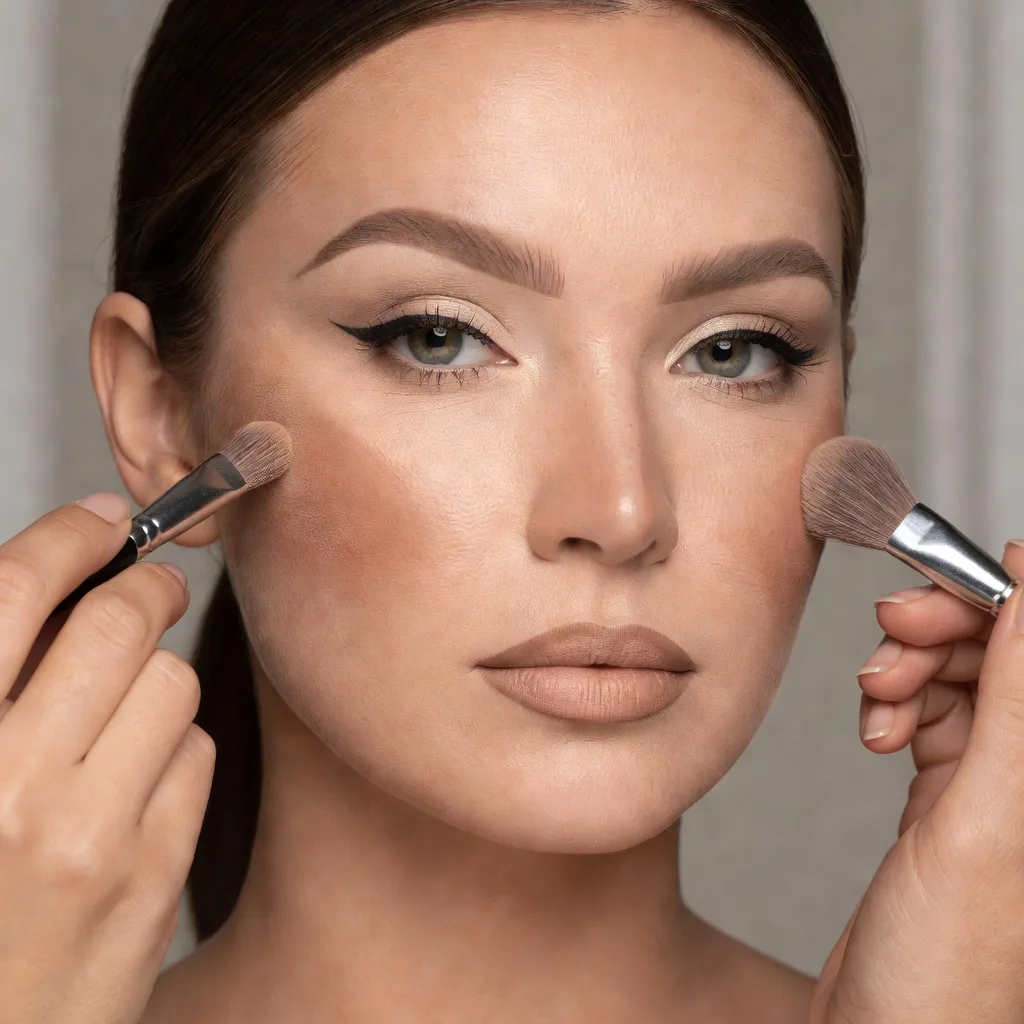
Makeup can soften the look of asymmetry by balancing, not copying, the two sides. Start by identifying your stronger or higher feature, then adjust the other side slightly to meet it. Useful techniques include shaping brows so their tails and highest points sit at similar heights, using liner and shadow to even out eye shape, lining lips to balance their outline, and placing blush and contour at matching heights on both cheeks. Work in small amounts, check from a distance and in photos, and aim for balance rather than perfect symmetry, which rarely looks natural.
The goal is not to hide your face but to create a little more visual balance where you want it. Many people only notice their own asymmetry because they see themselves up close in a mirror every day.
Sudden changes in facial symmetry are different. New drooping on one side of the face, especially with weakness or slurred speech, needs urgent medical attention.
This guide explains how to check your features, then shows technique-by-technique ways to balance brows, eyes, lips and cheeks.
Shopping these picks?
Amazon Prime members get fast, free shipping on eligible items, plus Prime Video, Amazon Music and member deals. New members can start with a free trial.
Start a free Prime trialAged 18 to 24? Prime for Young Adults comes with a longer free trial and a lower price after it.
Affiliate link: we may earn a commission at no extra cost to you.
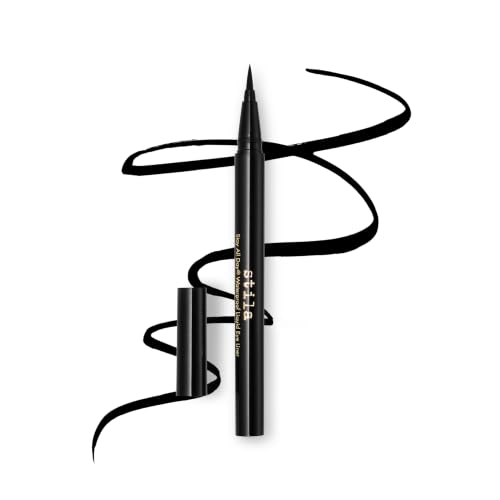
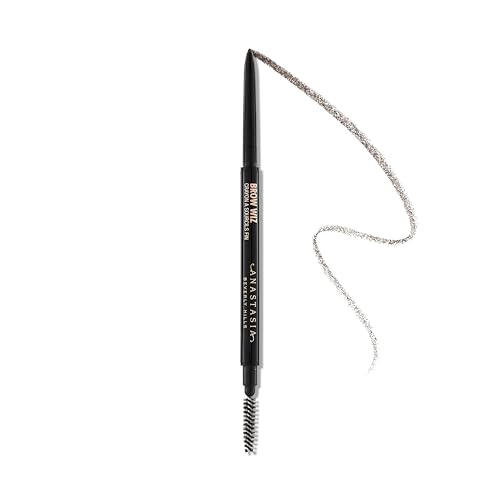
Recommended Products for Balancing Features





The Short Version
- Most faces are naturally asymmetrical.
- Balance your features rather than trying to make them identical.
- Use the stronger or higher side as your guide.
- Brows have the biggest effect on overall balance.
- Liner and shadow placement can even out eye shape.
- Lip liner can balance uneven lips.
- Sudden facial drooping needs urgent medical care.
Jump to a Section
- How to Check Your Features
- Balancing Uneven Brows
- Balancing Eyes of Different Shapes or Sizes
- How to Balance Asymmetrical Features With Makeup
- Balancing Uneven Lips
- Balancing Cheekbones and Face Shape
- Softening a Nose That Leans
- Quick Reference: Common Asymmetries and Fixes
- Asymmetry in Photos and on Camera
- Dos and Don’ts
- Honest Limits
- When to See a Doctor
- FAQ
- The Bottom Line
How to Check Your Features
Mirrors show a reversed image, and close-up views exaggerate small differences. For an honest look, take a straight-on photo in natural light with your face relaxed and hair pulled back.
| Feature | What to look for | Common differences |
|---|---|---|
| Brows | Height of the arch and tail, thickness and length | One brow higher or more arched |
| Eyes | Lid space, eye size, position of the outer corners | One eye looks smaller or more hooded |
| Lips | Height of the cupid’s bow peaks, fullness of each side | One side fuller or higher |
| Cheeks | Prominence and height of the cheekbones | One cheekbone sits higher |
| Nose | Straightness of the bridge, nostril size | Slight lean to one side |
Hold a pencil vertically along the centre of your face in the photo to see how each side compares. Note only the differences that bother you; many are invisible to other people. It can also help to look at a few photos taken on different days, since expression, tiredness and even how you slept can change how uneven your features look.
Balancing Uneven Brows
Brows frame the face, so even small adjustments here make the biggest difference to overall balance.
- Match the highest point: fill or extend the lower brow slightly at the top of the arch so both peaks sit at a similar height.
- Line up the tails: use a pencil held from the side of your nose to the outer corner of the eye to find where each tail should end.
- Even thickness: fill sparse areas of the thinner brow with light, hair-like strokes.
- Use brow gel: brush hairs upward and set them to lift a lower brow slightly.
Work on both brows at the same time, a few strokes on one side then the other, rather than finishing one completely. That makes it much easier to keep them balanced.
Do not over-pluck to match a thinner brow. Brow hairs can take months to grow back. Fill in the thinner brow instead.
Balancing Eyes of Different Shapes or Sizes
If one eye looks smaller: apply a slightly thicker liner or a little more lash-line shadow on the larger eye to reduce the contrast, or use a thinner liner and lighter shadow on the smaller eye to open it up. Curling lashes and mascara on the smaller eye can also help. If one lid is more hooded: take eyeshadow a little higher above the crease on the hooded side, with eyes open, so it remains visible. Use a matte transition shade to create the look of more lid space. If the outer corners sit at different heights: angle your winged liner so both wings end at the same height, even if the starting points differ.Always check your eye makeup with eyes open and looking straight ahead, since that is how others see you. Our guide on why some mascaras smudge can help if hooded lids cause transfer.
The FDA’s advice on eye cosmetic safety recommends applying liner outside the lash line rather than on the inner rim near the eye, and not sharing eye products.
How to Balance Asymmetrical Features With Makeup
Take a straight-on photo
Identify the differences that matter to you in natural light.
Choose your guide side
Use the higher or fuller feature as the reference.
Start with brows
Adjust height, tails and thickness with light strokes.
Balance the eyes
Adjust liner thickness, wing angle and shadow height.
Line the lips
Use liner to even out the cupid’s bow and fullness.
Place blush and contour at matching heights
Use a reference point, such as the corner of the nose, on both sides.
Check from a distance
Step back from the mirror or take another photo to review.
Make small changes and check often. Asymmetry corrections work best when they are subtle; heavy adjustments tend to draw attention to the area you want to balance.
Balancing Uneven Lips
Lip liner is the most useful tool for uneven lips. Choose a shade close to your natural lip colour so any adjustment looks seamless.
- Trace just outside the natural line on the thinner side to match the fuller side.
- Even out the peaks of the cupid’s bow by adjusting the lower peak slightly.
- Blend the liner inward with a lip brush so there is no harsh edge.
- Add a touch of gloss or a lighter shade in the centre of the thinner side to create fullness.
Stay close to your natural lip line. Overlining by a lot is more noticeable, and the colour can transfer or bleed. Our guide on keeping makeup from bleeding in the heat explains how liner helps lipstick stay in place.
Balancing Cheekbones and Face Shape
When one cheekbone sits higher, blush and contour can look lopsided if you follow each cheekbone exactly. Instead, use a fixed reference point on both sides, such as a line from the corner of the nose to the top of the ear, and place product at the same height on each side.
Contour slightly more on the fuller side of the face and slightly less on the flatter side to create balance. Keep the difference small; even a few extra strokes of contour on one side can be enough to change how balanced the face looks from a distance. Highlight the flatter cheekbone a little more to bring it forward.
If contour looks uneven or blotchy, our guide on how to fix patchy contour covers blending and quick fixes.
Softening a Nose That Leans
If your nose bridge leans slightly to one side, a thin line of highlight drawn straight down the centre of the face, rather than following the bridge exactly, can create the look of a straighter nose.
Use very soft contour on either side of the bridge, keeping the lines parallel to the centre of the face. Blend thoroughly; nose contour that is too strong looks obvious in daylight.
This technique works best with matte products and very little of them. Shimmer on the nose tends to highlight any bumps or curves. If you are unsure, skip nose contour entirely; balancing brows and eyes usually does more for overall symmetry than any nose technique.
Quick Reference: Common Asymmetries and Fixes
| Asymmetry | Makeup technique | Product that helps |
|---|---|---|
| One brow higher | Raise the lower arch slightly; brush hairs up with gel | Brow pencil and tinted gel |
| One brow shorter | Extend the tail to match the other side | Fine brow pencil |
| One eye smaller | Lighter shadow and thinner liner on that side; curl lashes | Liner, mascara, lash curler |
| One lid more hooded | Take shadow slightly higher, placed with eyes open | Matte transition shadow |
| Uneven lip outline | Line just outside the thinner side and blend inward | Lip liner close to lip colour |
| One cheek fuller | Slightly more contour on the fuller side | Cream or powder contour |
| One cheekbone higher | Place blush and highlight at the same reference height | Blush and highlighter |
Start with the one change that makes the biggest difference for you, usually the brows, and live with it for a few days before adding more. Small tweaks often do more than a full routine of corrections.
Asymmetry in Photos and on Camera
Cameras flatten the face and can make asymmetry more noticeable than in real life, especially with wide-angle phone lenses held close to the face. Holding the phone slightly further away and at eye level gives a more accurate picture.
Many people have a side they prefer in photos, often the side with the more open eye or higher cheekbone. Turning slightly towards that side is a simple, natural way to feel more confident in pictures.
Soft, even lighting also reduces the shadows that make asymmetry stand out. Facing a window rather than standing under a ceiling light gives the most balanced look, both for applying makeup and for photos.
Dos and Don’ts
Try This
- Aim for balance, not perfect symmetry
- Work on both sides at once
- Use reference points for blush and contour
- Check makeup in photos and daylight
- Use shades close to your natural colouring
Avoid This
- Over-pluck to match brows
- Overline lips dramatically
- Follow uneven features exactly
- Use heavy contour to reshape the face
- Judge only from a close-up mirror
Seek emergency medical care for sudden drooping on one side of the face, especially with weakness, numbness, confusion or trouble speaking. These can be signs of a stroke.
Honest Limits
Makeup can create the look of more balance, but it cannot change bone structure or muscle position. Small differences can be softened; larger ones will still be visible.
Some asymmetry comes from how you habitually move your face, such as raising one brow more when you talk. Makeup looks balanced when your face is at rest but may look different when you are animated.
Most importantly, facial asymmetry is normal and often part of what makes a face attractive and memorable. Many people feel more confident simply learning that others rarely notice what they see in the mirror.
When to See a Doctor
- Your face suddenly droops on one side.
- You notice new weakness in your facial muscles or cannot close one eye.
- One eyelid starts to droop over time.
- A new lump or swelling makes your face look uneven.
This article is for general information and does not replace professional medical advice. See a doctor promptly for any new or sudden change in facial symmetry.
FAQ
Is it normal for my face to be asymmetrical?
Yes. Almost everyone has some facial asymmetry.
How can I make uneven brows look even?
Match the arch height and tail position and fill in the thinner brow.
How do I make one smaller eye look bigger?
Use lighter shadow, thinner liner and curled lashes on that side.
How do I fix uneven lips with makeup?
Use a natural lip liner to balance the outline and cupid’s bow.
Where should I put blush if my cheekbones are uneven?
At the same height on both sides using a reference point.
Should I aim for perfect symmetry?
No. Balanced, not identical, looks most natural.
How do I check my asymmetry accurately?
Take a straight-on photo in natural light.
Can makeup fix a nose that leans?
A straight centre highlight can soften the look.
Should I pluck brows to match?
No. Fill in the thinner brow instead of over-plucking.
When is asymmetry a medical concern?
When it appears suddenly or comes with weakness or drooping.
The Bottom Line
Every face is a little asymmetrical, and that is normal. Makeup can soften differences by balancing brows, eyes, lips and cheeks using the stronger side as a guide.
Make small adjustments, work on both sides together, use reference points for blush and contour and check your look in photos. Aim for balance rather than perfect symmetry, and see a doctor promptly for any sudden change.

Written by
Registered pharmacist and founder of Facial Adviser. Rakib's pharmacy training covers how skincare actives work and interact; a later course in cosmetology turned that into a focus on facial treatments and skincare products. He plans, researches and edits every guide on the site and checks health claims against sources such as the American Academy of Dermatology, the FDA and the NIH. He is not a dermatologist; see the Editorial Policy and Medical Disclaimer.
About · Editorial policy · How we choose products · Medical disclaimer · Contact
Keep reading: Makeup basics and skin
- How to Properly Put On Face Makeup: The Right Order, Step by Step
- Makeup Mistakes That Age You and What to Do Instead
- How to Adjust Your Makeup to Match a Tan Without Buying New Foundation
- Makeup Tips for Uneven Skin Tone: Even Out Redness, Spots and Dullness
- Makeup or Hair First? The Real Chemistry Behind It
- Makeup vs No Makeup: Does Wearing It Damage Skin?
- How to Choose the Right Eye Makeup Color for Your Eyes and Skin
- What Can You Use to Make Your Makeup Stay On All Day? 9 Products and Tricks