How to Reapply Sunscreen Over Makeup (Without Ruining It)
Everyone knows sunscreen should be reapplied, and almost everyone dreads doing it over makeup. The thought of rubbing lotion on top of a finished base can feel like undoing an hour of work, so many people skip it.
Part of our guide to makeup how-to. Start with: How to Properly Put On Face Makeup: The Right Order, Step by Step
That means the sunscreen they applied at 8 a.m. may be doing very little by 2 p.m. The solution is a better method, not a skipped step.

The skin does not know that you are wearing makeup. Ultraviolet light still reaches it, and the protection from a morning application wears off as you sweat, touch your face, blot oil and go about your day.
Black Friday is coming: shop the deals with Prime
Official guidance from dermatology groups is to reapply broad-spectrum sunscreen about every two hours when you are outdoors, and more often after swimming or heavy sweating. Sun damage builds up quietly over years.
The good news is that reapplying over makeup is much easier than it used to be. Sunscreen sticks, mists, cushions and powders are designed for exactly this problem, and a few small habits make the difference between a patchy, greasy face and one that still looks finished.
In this guide we explain why reapplication matters, which product formats work best over makeup, and how to apply them step by step. We also cover the common mistakes and list seven sunscreen sticks to consider. We describe products from their listings and general knowledge, so check labels before you buy.
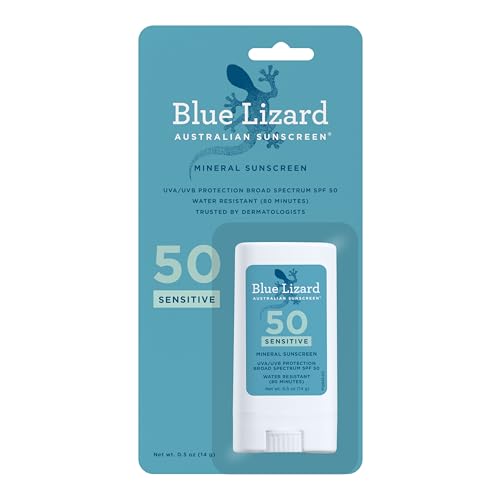
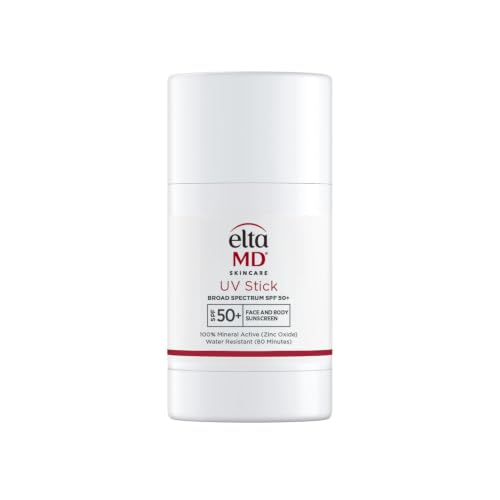
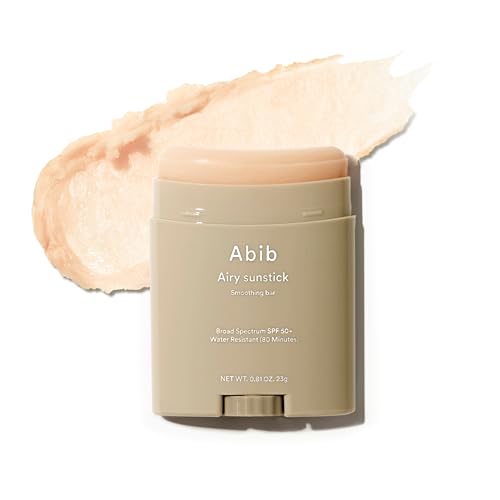
Sunscreen Sticks Worth Trying Over Makeup




Quick Answer
- Sunscreen wears off during the day, so reapplication matters even if you wear makeup.
- Reapply about every two hours when outdoors, and after sweating or swimming.
- Sticks, cushions and sprays are the easiest to use over makeup; powders are a backup, not a full replacement.
- Blot oil first, then apply in light layers and press rather than rub.
- A SPF in your foundation usually does not provide the labeled protection because we apply too little.
- Use a broad-spectrum SPF 30 or higher and check expiry dates.
- See a doctor for new, changing or non-healing spots on the skin.
Contents
- Why Reapplication Matters
- Does the SPF in Makeup Count?
- Best Forms for Reapplying Over Makeup
- Step-by-Step: Reapplying Over Makeup
- How Much to Use
- Mineral vs Chemical Over Makeup
- Common Mistakes
- A Realistic Reapplication Plan
- Who Should Reapply Most Carefully
- Handy Tools for Touch-Ups
- Honest Limits
- When to See a Professional
- Questions People Ask
- The Takeaway
Why Reapplication Matters
Sunscreen does not last all day. It breaks down with UV exposure, rubs off with sweat and touching, and is absorbed or wiped away as you blot or wash your face. A single morning application, even a good one, is not meant to carry you through a full day outdoors.
The standard advice from dermatology groups is to apply a generous amount before going outside and reapply about every two hours. If you swim or sweat heavily, reapply sooner, even with water-resistant products.
If you spend most of your day in an office and only walk outside briefly, you may not need frequent reapplication. Windows block most UVB but let a lot of UVA through, so sitting beside a bright window can still expose you.
A sensible approach is to reapply when you will be outdoors for longer than a short commute.
Reapplication also matters for dark spots and melasma. UV exposure is a major trigger for pigmentation, and even a short unprotected period can undo weeks of careful treatment with brightening ingredients.
Does the SPF in Makeup Count?
Many foundations, tinted moisturizers and powders list an SPF. It is tempting to treat them as your sunscreen, but there is a catch: the SPF number is tested at a thick layer, about two milligrams per square centimeter. Most people apply makeup much more thinly, so the real protection is lower than the label suggests.
| Product | Typical use | Why it is not enough alone |
|---|---|---|
| Foundation with SPF | Thin layer | Applied far less than the tested amount |
| SPF powder | Light dusting | Hard to cover evenly |
| Tinted moisturizer with SPF | Thin to medium layer | Better, but still variable |
| Dedicated sunscreen | Generous layer | Tested and designed for this job |
SPF makeup is a helpful extra layer, not a replacement. Think of it as a bonus on top of a proper sunscreen.

Best Forms for Reapplying Over Makeup
Not every sunscreen format suits a finished face. These are the main options.
| Format | Pros | Cons |
|---|---|---|
| Sunscreen stick | Targeted, no rubbing, portable | Can drag on powder; needs enough passes |
| Spray or mist | Quick, covers large areas | Easy to under-apply; avoid inhaling |
| Cushion compact | Applies with a sponge and adds coverage | Can build up with thick makeup |
| Powder with SPF | Mattifying and light | Hard to get enough coverage |
| Lotion or cream | Most reliable coverage | Disrupts makeup the most |
Sticks are the best balance for most people because they let you glide sunscreen where you need it without rubbing away your base. Cushions are a good option if you also want touch-up coverage.
Mists deserve one more note. They are quick, but most people apply far too little, so spray until the skin looks evenly glossy and wait for it to dry before touching it. If you wear contact lenses or have sensitive eyes, close your eyes and avoid breathing the mist.
Step-by-Step: Reapplying Over Makeup
Follow this method for the least disruption to your makeup.
Blot oil
Press a blotting sheet or clean tissue over oily areas to remove sweat and shine.
Choose your format
Use a stick, cushion or fine mist rather than a thick lotion.
Apply in layers
Glide the stick over the forehead, cheeks, nose and chin, then repeat for coverage.
Press, do not rub
Use a clean sponge or fingertips to press the product in gently.
Set if needed
Lightly dust with translucent powder to reduce shine.
Reapply before your makeup looks tired, not after. A thin layer on fresher makeup blends better than a thick layer on a patchy base.
Do not spray sunscreen directly onto your face if the label says not to. Spray into your hands first, and avoid breathing the mist.
How Much to Use
Most people use only a fraction of the amount used in sunscreen testing. For the face, a quarter teaspoon is a common guideline. Over makeup, that can feel like a lot, which is why sticks and layers help.
With a stick, make several passes across each area rather than one quick swipe. With a spray, hold the can close and spray until the skin looks evenly shiny, then let it dry before touching it.
If you cannot apply enough without ruining your makeup, consider moving your main sun protection to a fresh layer of sunscreen before makeup, and use makeup with SPF as backup rather than the only protection.
Mineral vs Chemical Over Makeup
Both types can be reapplied over makeup. Mineral sticks tend to leave a slight tint or white cast, while chemical formulas are often more transparent but can sting the eyes or feel greasy for some people.
If your skin is sensitive, a mineral stick is a sensible choice. If you have darker skin and dislike white cast, look for sheer or tinted options and test them in daylight.
Whatever you pick, choose broad-spectrum protection, SPF 30 or higher, and a product you like enough to actually use.
Common Mistakes
The most common mistake is skipping reapplication entirely. A skipped dose leaves you with much less protection later in the day.
Another is dusting on powder and treating it as enough. Powder can add some protection, but it is hard to apply the required amount evenly.
People also rub the product in, which drags foundation across the face. Pressing is gentler and keeps makeup in place.
Finally, some use expired or heat-damaged sunscreen. Check the date, and do not leave sticks in a hot car.
One more error is waiting too long. If your makeup has already faded and your skin is red or warm, sunscreen reapplication is overdue. Treat reapplication as a regular habit, not a rescue.
A Realistic Reapplication Plan
The best plan is the one you will actually follow. For an office day, apply a full layer of sunscreen before makeup in the morning, wear sunglasses and a hat on the commute, and reapply with a stick at lunch if you go outside or sit beside a bright window.
For a day outdoors, such as a picnic, a hike or a sports event, plan to reapply every two hours. Set a phone reminder, keep a stick in your bag and bring a small mirror and blotting papers so the touch-up takes less than a minute.
For beach days, pools and sweaty workouts, use a water-resistant sunscreen and reapply after swimming, towel drying or heavy sweating. Water-resistant labels last 40 or 80 minutes at most, so they do not remove the need to reapply.
If you wear heavy makeup, consider simplifying on sunny days. A light tint, mascara and a lip balm with SPF are quicker to refresh than a full base, and they leave more room for sunscreen to work.
Who Should Reapply Most Carefully
Worth Doing
- Anyone spending long periods outdoors
- People with fair or sun-sensitive skin
- Those using retinoids or exfoliating acids
- People prone to dark spots or melasma
- Anyone who sweats or swims
Skip It
- People allergic to sunscreen ingredients (choose another product)
- Anyone with irritated or broken skin who needs a doctor first
- Those who prefer to avoid sprays near the eyes
- People who rely only on SPF makeup for sun protection
- Anyone who cannot apply enough to get real coverage
If sunscreen irritates your skin, try a different type, such as a mineral stick, and speak with a doctor if you are unsure.
Handy Tools for Touch-Ups
A few small items make touch-ups faster. Keep blotting sheets to remove oil before you apply, a clean makeup sponge to press product in, and a travel-size stick in your bag so you do not have to dig for a bottle.
A compact mirror helps you spot missed areas such as the sides of the nose, the hairline, ears and neck. These are common places for sunburn and uneven tanning.
If you wear glasses, check the nose and cheeks where frames sit, and do not forget the lips. A lip balm with SPF is a simple add-on that covers an area people often forget.
Finally, store sunscreen out of direct heat. Sticks left in a hot car can melt or lose effectiveness, and old products can separate. Replace any sunscreen that has changed smell or texture or is past its expiry date.
Honest Limits
Sunscreen is only one part of sun protection. Shade, hats, sunglasses and clothing matter as well, and no product blocks all UV.
We have not tested every product, and the descriptions here come from listings and general knowledge of the ingredients. Your skin may respond differently.
Reapplying over makeup is never as ideal as applying sunscreen to bare skin, but it is far better than skipping it.
Formulas change over time, so read the current label.
When to See a Professional
See a doctor or dermatologist if you notice a new, changing or non-healing spot, a mole that changes color or shape, or sunburn that blisters. Regular skin checks are especially important if you have a history of sunburns or skin cancer.
This article is for general information and is not medical advice. Rakib Sarwar is a registered pharmacist with a cosmetology course, not a dermatologist. Talk to a doctor or dermatologist about skin concerns.
Questions People Ask
How often should I reapply sunscreen over makeup?
About every two hours when outdoors, and sooner after sweating or swimming.
Can I use a sunscreen stick over makeup?
Yes. Sticks are one of the easiest formats because they apply without much rubbing.
Is SPF makeup enough?
Usually not. Most people apply too little for the labeled SPF to count.
Do I need to reapply sunscreen if I work indoors?
If you are away from windows and outdoors only briefly, less often. Near bright windows or outdoors, reapply.
Can I use setting powder with SPF to reapply?
It can add a little protection, but it is not a full replacement.
Will sunscreen make my makeup cakey?
Thin layers and pressing help. Blot oil before applying.
Is spray sunscreen safe on the face?
Spray into your hands first and avoid inhaling mist. Follow the label.
Does SPF 50 need less reapplication?
No. Reapply on the same schedule regardless of the SPF number.
Can I mix sunscreen with foundation?
Mixing dilutes both and lowers protection. Layer them instead.
When should I see a doctor?
See a doctor for new or changing spots, or blistering sunburn.
The Takeaway
Reapplying sunscreen over makeup is easier than it looks. Pick a stick or cushion, blot oil first, apply in thin layers and press gently.
Do it every two hours when outdoors, and keep the main sunscreen layer under your makeup as your foundation of protection.

Written by
Registered pharmacist and founder of Facial Adviser. Rakib's pharmacy training covers how skincare actives work and interact; a later course in cosmetology turned that into a focus on facial treatments and skincare products. He plans, researches and edits every guide on the site and checks health claims against sources such as the American Academy of Dermatology, the FDA and the NIH. He is not a dermatologist; see the Editorial Policy and Medical Disclaimer.
About · Editorial policy · How we choose products · Medical disclaimer · Contact
Keep reading: Makeup basics and skin
- How to Properly Put On Face Makeup: The Right Order, Step by Step
- How to Remove Halloween Makeup Without Wrecking Your Skin
- How to Calm Your Skin After Halloween Makeup
- Makeup or Hair First? The Real Chemistry Behind It
- Makeup vs No Makeup: Does Wearing It Damage Skin?
- Why Can't I Wear Makeup After Botox?
- How to Get Started as a Freelance Makeup Artist: Training, Kit and Clients
- Best Way to Use Makeup Remover: Micellar Water, Balms, Oils and Eye Removers
Turn skincare time into me-time with a free audiobook