Makeup Over Pimple Patches: How to Hide Them Without Lifting
A pimple patch can calm a blemish quickly, but going out with a visible patch is not always what you want. You can wear makeup around, and sometimes over, a pimple patch if you use the right type of patch and apply product in thin, gentle layers. The trick is to avoid lifting the patch and trapping product under it.
Part of our guide to makeup how-to. Start with: How to Properly Put On Face Makeup: The Right Order, Step by Step
Many people also wonder whether makeup will slow healing. Gentle, thin layers rarely do, but heavy or dirty tools can add bacteria and irritation, so keep everything clean.
This guide explains which patches hide best, how to apply concealer and foundation around them, what to avoid and when to leave the patch bare. It also covers gentle removal and signs that a blemish needs a professional.
Black Friday is coming: shop the deals with Prime
I am Rakib Sarwar, a registered pharmacist with a cosmetology course. I am not a dermatologist, and this article is educational only. Pimple patches help with surface blemishes but are not a treatment for severe or cystic acne.
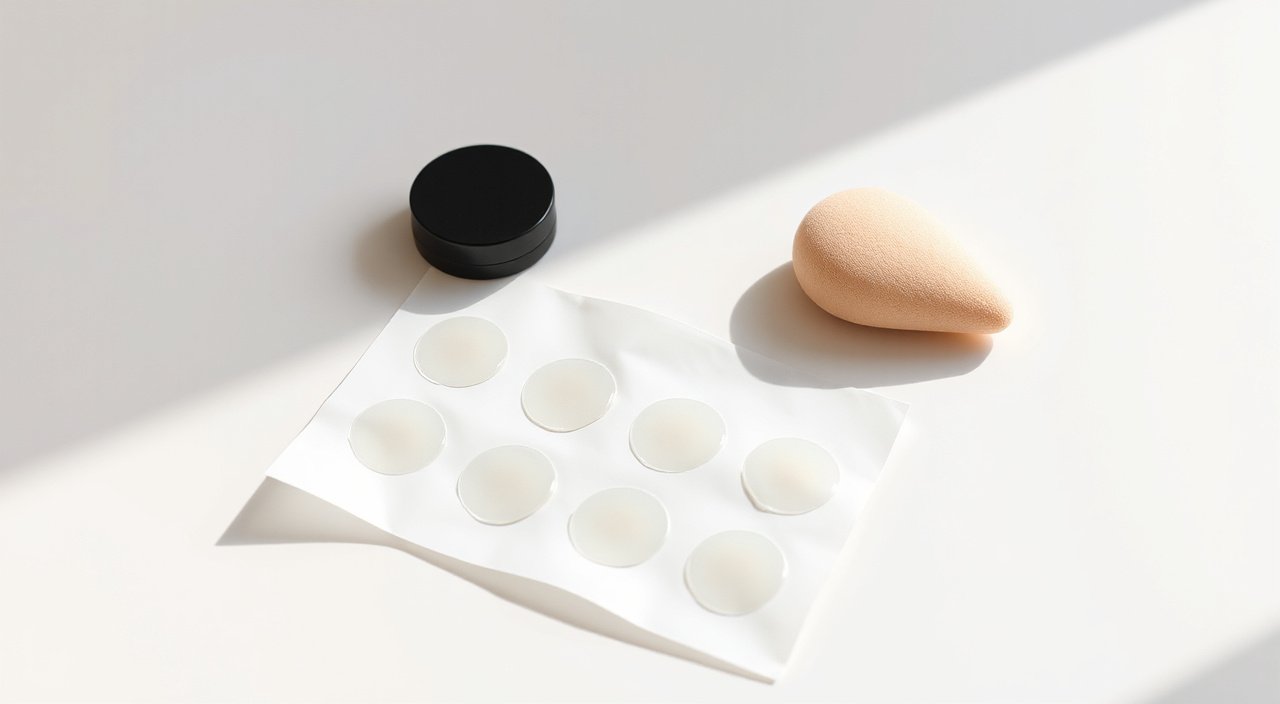
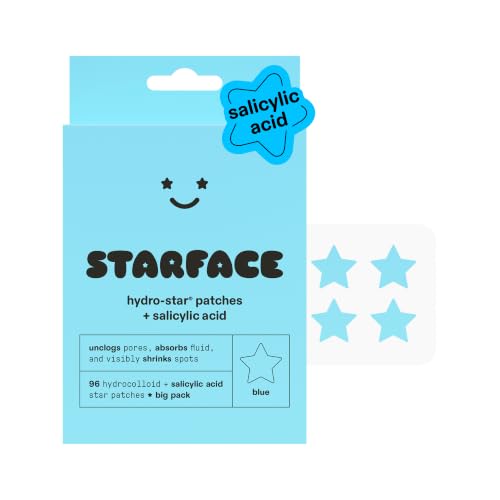
Patches work by drawing fluid from a pimple and protecting it from picking. Thin, matte patches blend into the skin best, while thick or star-shaped patches are meant to be seen. Choosing the right one makes makeup much easier.
Below you will find a simple routine, honest limits and a short list of patches and base makeup that fit the approach. If you also use a clay product on breakouts, our guide to the best clay masks may help.
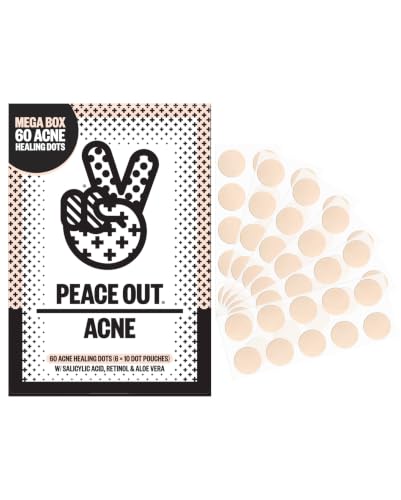
Patches and Makeup Worth Considering




What to Know First
- Apply the patch on clean, dry skin before makeup.
- Thin, matte patches hide best under makeup.
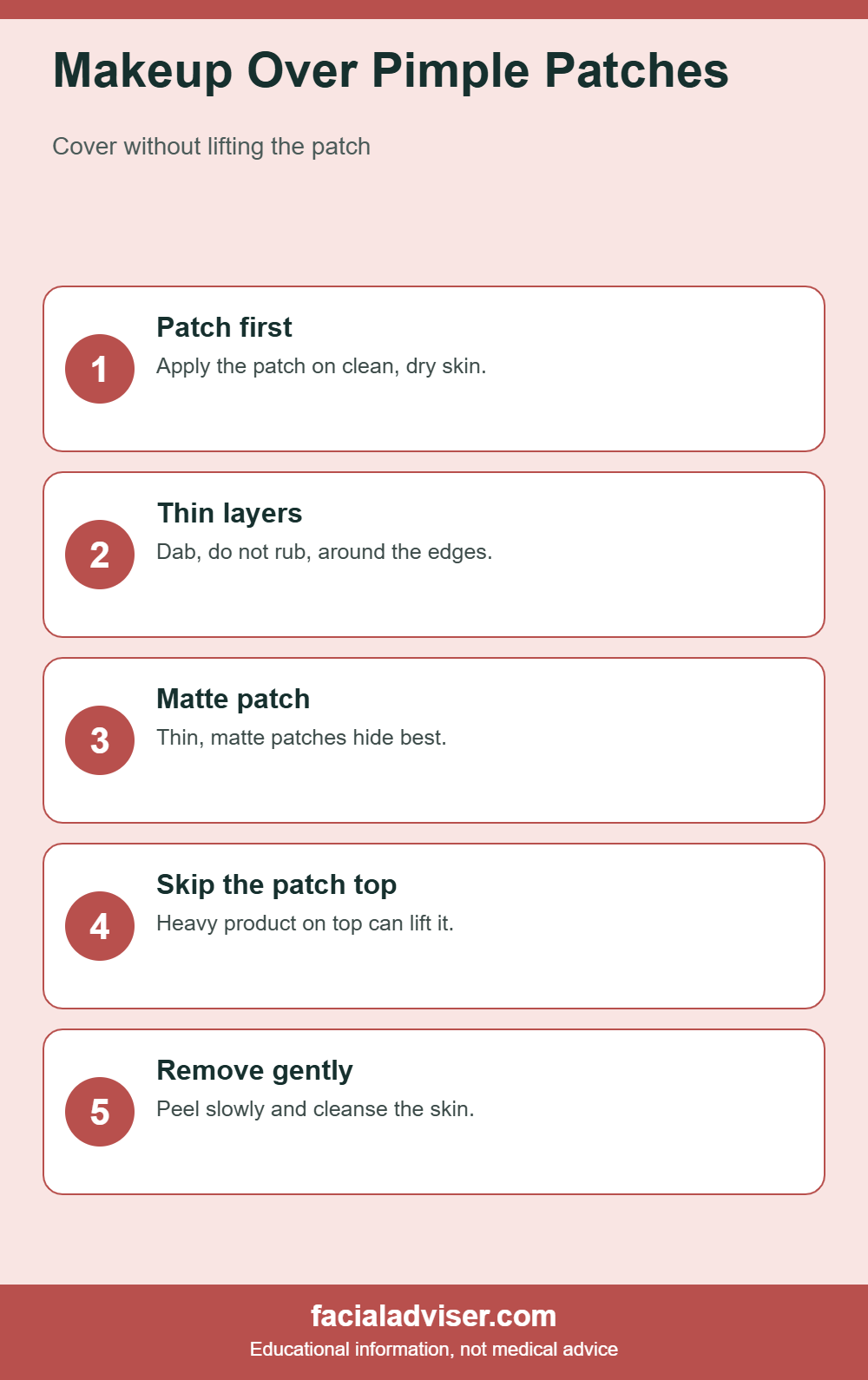
- Dab concealer around the edges first, then lightly over the patch.
- Avoid rubbing or heavy product that can lift the patch.
- Remove the patch gently and cleanse before reapplying.
- Do not patch open, infected or cystic spots without advice.
What This Covers
- How Pimple Patches Work
- Choosing a Patch That Hides Well
- Prepping Skin Before the Patch
- Which Makeup Works Around a Patch
- How to Wear Makeup Over a Pimple Patch
- When to Leave the Patch Bare
- Removing the Patch and Makeup
- Common Mistakes
- Honest Limits
- When to See a Professional
- Frequently Asked Questions
- The Takeaway
How Pimple Patches Work
Most pimple patches are made from hydrocolloid, a material that absorbs fluid and forms a seal over a blemish. This helps the spot stay clean and stops picking. Some patches also contain ingredients such as salicylic acid or tiny microdarts, which are meant to deliver active ingredients.
Because patches are sealed, they also protect a blemish from dirt and makeup. This is another reason to apply the patch before the rest of your routine and to avoid layering product directly under it.
Different brands use slightly different materials, so thickness, stickiness and absorption vary. If one brand lifts quickly on your skin, try another.
Patches are most useful once a pimple has a visible white or yellow head. On early, deep bumps without a head, they may have little to absorb. Many people see the patch turn white as it absorbs fluid, which is a sign it has done its job.
Using patches also helps stop picking. Picking can cause scars and dark marks, so the patch is as much a barrier as a treatment.
A patch works best on surface blemishes that have come to a head. It does little for deep, painful bumps under the skin.
If a spot is painful, spreading or does not heal, see a doctor instead of covering it.
Choosing a Patch That Hides Well
Thin, invisible or matte patches blend best under makeup. Thicker patches are better overnight, when you do not plan to cover them. Patches that are star-shaped, colored or glittery are made to be seen.
Overnight patches are thicker and more absorbent, so they are better when you can sleep in them. Daytime patches are thinner and less absorbent, so they may need to be replaced sooner.
Read the package for wear time. Many patches should be removed once they turn white or after several hours.
Check how the patch looks on your skin tone. Clear patches can show a visible edge on deeper skin tones, and a dab of concealer around the edge helps. Some brands sell tinted or skin-toned versions.
Count and size options vary. Packs with mixed sizes let you match the patch to the spot, which keeps edges small and easier to hide.
Size matters too. A patch only slightly larger than the blemish looks neater and is easier to hide.
| Patch type | Best for | Under makeup |
|---|---|---|
| Thin and invisible | Daytime wear | Blends well |
| Thick hydrocolloid | Overnight healing | Can look bulky |
| Microdart | Deeper spots | Usually not for daytime |
| Colored or star | Showing off | Not meant to hide |
Prepping Skin Before the Patch
Start with a clean, dry face. Oil, moisturizer or sunscreen on the spot stops the patch from sticking. Apply the patch first, then add skincare and makeup around it.
Clean hands matter here. Wash them before touching the face and avoid touching the blemish. If you must touch it, use a clean tissue.
A lightweight toner or micellar water can remove excess oil, but let skin dry fully before applying the patch.
Do not apply a patch over active treatments such as retinoids, benzoyl peroxide or acids unless the package says it is fine. These can irritate the skin under the patch.
If your skin is very oily, blot gently with a clean tissue before applying the patch so it sticks.
Press the patch gently for a few seconds so it warms and seals. Do not stretch the skin.
Dab skincare around the patch with a clean fingertip instead of rubbing over it.
Which Makeup Works Around a Patch
Lightweight foundation, tinted sunscreen and a creamy concealer work best. Heavy, thick or very matte formulas can pile up on the patch edges. Powder works well for setting but can cling to the sticky edges, so use a light hand.
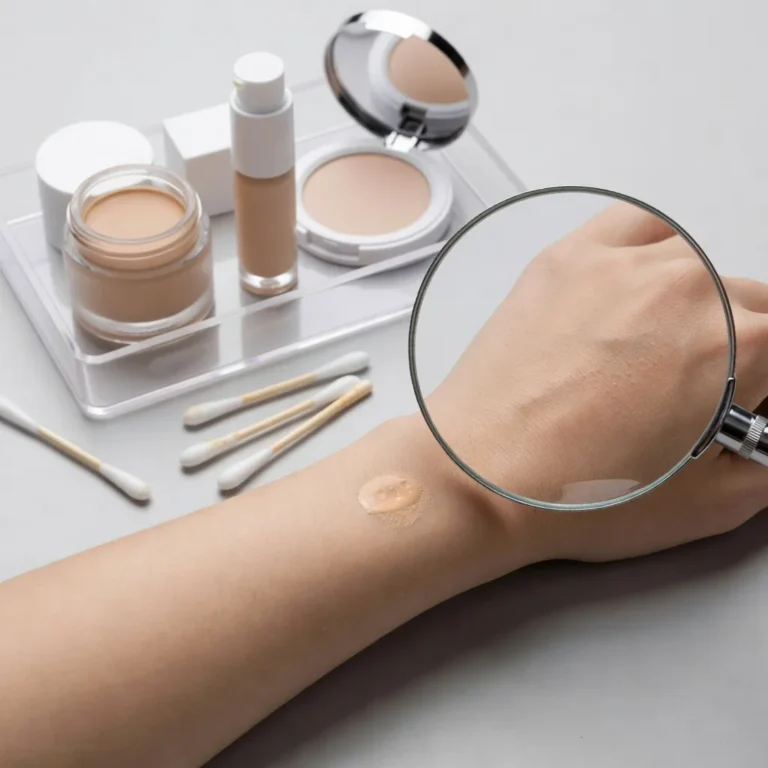
Color match matters as much as texture. Pick a concealer one shade lighter than your foundation only if you want to highlight, otherwise match your skin tone closely so the patch area does not look like a lighter circle.
Cream concealers press into the skin more naturally than liquid ones, which can slide on the patch surface.
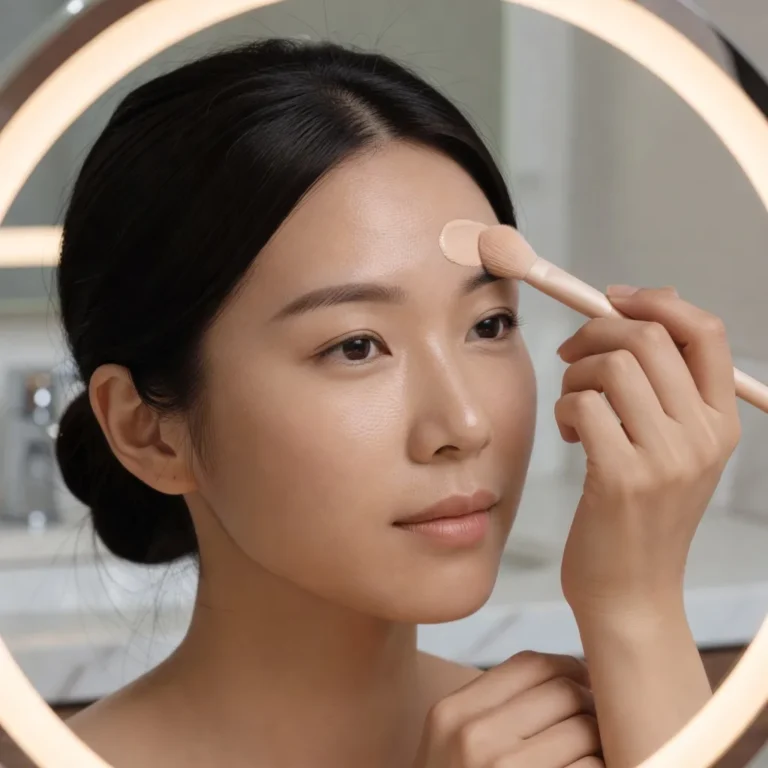
A stipple brush or a clean fingertip is better than a flat brush for working around a patch. Dab, do not swipe, and keep your movements small and light.
If you wear sunscreen in the morning, apply it first around the patch, then place base makeup. Keep sunscreen off the patch itself.
Avoid greasy products on the patch itself, since oil can break the seal.
Good Habits
- Thin patches
- Light layers
- Dabbing, not rubbing
Common Mistakes
- Thick foundation over the patch
- Oily products on the patch
- Dragging a brush across the edges
How to Wear Makeup Over a Pimple Patch
Aim for coverage that looks natural. Build from the outside in and keep product thin.
Think of the patch as a smooth dot you are blending into the skin. Feather the edges of concealer outward and keep the center very thin, since thick product highlights the shape.
If you are going out for the evening, bring a spare patch and a small concealer to touch up. Reapplying a fresh patch is easier than fixing a lifted one.
Check yourself in natural light. If the patch edge still shows, add one more thin layer of concealer rather than building one thick layer.
Let each layer set for a minute before adding more, so product does not drag the patch edge.
Apply the patch
Place it on clean, dry skin and press gently.
Prep the rest of the face
Moisturize and apply sunscreen around the patch.
Apply base makeup
Dab a thin layer of foundation or tint around the edges.
Conceal the patch
Pat a small amount of concealer on top with a clean finger.
Set lightly
Press a little powder over the area with a clean puff.
Do not cover open, infected or very painful spots. See a doctor if a spot spreads, swells or does not heal.
When to Leave the Patch Bare
If a spot is large, weeping or inflamed, makeup may irritate it. Wear the patch bare, or skip coverage for a day. Let the skin heal and apply makeup afterward.
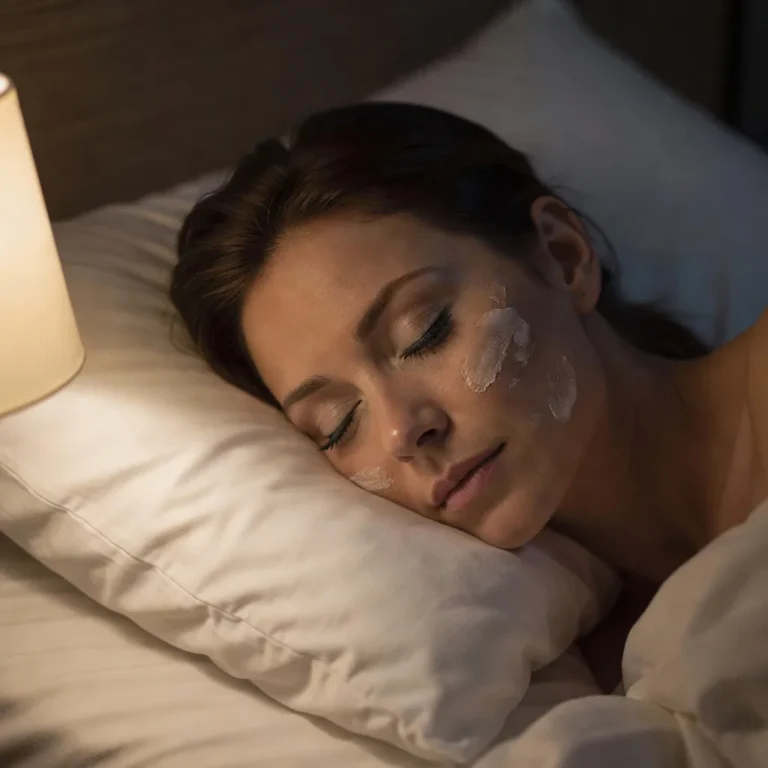
If you are prone to dark marks, resist the urge to cover and pick. Let the patch work, then care for the area with sunscreen and gentle moisturizer as it heals.
Give your skin a make-up-free day each week when possible so blemishes can heal with less interference.
Heat, sweat and friction from masks can also loosen patches and irritate blemishes. Plan lighter coverage on workout days, or apply a fresh patch afterward.
If you notice itching or a rash around the patch, remove it and let the skin rest.
Skipping makeup on active spots also lowers the chance that bacteria or product gets trapped under the patch.
Removing the Patch and Makeup
Wash your hands, then peel the patch off slowly from one edge. If it resists, soften it with a warm, damp cloth. Never pick the skin underneath.
Moisturize the area afterward, but keep it light. If the spot still looks open, leave it clean and uncovered for a short time before applying a fresh patch.
Wash your hands before and after touching the area to avoid spreading bacteria.
Some people find that makeup lifts patch edges by evening. If that happens, gently remove the patch, cleanse and decide whether you need a fresh one or a break.
Avoid hot water and rough towels on healing spots.
Cleanse with a mild cleanser, pat dry and moisturize lightly. Replace the patch with a fresh one if the spot is still active.
Common Mistakes
Typical errors include applying the patch over moisturizer, stacking makeup layers and picking at the patch edges. Another common issue is reusing a patch, which is not designed for that.
Some people place a patch over a spot that is too flat or too large. A patch should sit on the blemish and cover a little of the surrounding skin, not wrap across a large area.
Also avoid stacking two patches on the same spot, since it does not improve results and can irritate the skin.
Another mistake is using several spot treatments at once. Patches, acid pads and drying lotions together can irritate skin. Choose one approach at a time.
Do not use patches on skin that is broken from picking unless the package says so.
| Mistake | Better choice |
|---|---|
| Patch over lotion | Apply to clean, dry skin |
| Heavy concealer | Thin layers, dabbed |
| Picking at edges | Leave it alone |
| Reusing a patch | Use a fresh one |
Honest Limits
No patch hides a blemish completely under makeup, and some skin tones show the edge more. Patches are not a replacement for treatment of persistent acne.
Hormonal, deep or cystic blemishes often need a different approach. If you keep getting spots in the same area, a professional can look for causes.
Patches also do not prevent new breakouts. Gentle skincare and good habits matter just as much.
Results vary with the type of blemish. A patch is best for surface pimples, not deep cysts.
When to See a Professional
See a doctor or dermatologist if you have frequent breakouts, painful cysts, scarring or spots that do not improve. They can recommend treatments that go beyond patches.
Take photos of recurring spots so a professional can see patterns over time. Notes about products, hormones, stress and diet can also help narrow down triggers.
If a spot looks infected, with increasing pain, warmth, swelling or pus, see a doctor promptly instead of covering it.
This article is educational and not medical advice. The author is a registered pharmacist, not a dermatologist, and cannot diagnose acne.
Frequently Asked Questions
Can I wear makeup over a pimple patch?
Yes, if the patch is thin and you apply product gently and lightly.
Which pimple patches hide best?
Thin, invisible or matte patches blend best under makeup.
Should I apply the patch before makeup?
Yes, on clean, dry skin before skincare and makeup around it.
Will concealer lift my patch?
It can if you rub or use heavy oily products. Dab gently.
Can I use powder over a patch?
A little, pressed lightly, but avoid sticking powder to the edges.
How long can I leave a patch on?
Follow the package, often until the patch turns white or up to several hours.
Can I wear a patch overnight?
Yes, thick patches are made for overnight wear.
Should I patch an open pimple?
Follow the package and ask a professional if it is infected.
Do patches work on cysts?
They do little for deep, painful cysts. See a professional.
How do I remove a patch safely?
Peel slowly and cleanse gently, without picking.
The Takeaway
Makeup over a pimple patch works best with thin patches, light layers and gentle dabbing. Keep coverage minimal and leave the patch alone.
If spots are painful or frequent, ask a professional for help instead of relying on patches and makeup.

Written by
Registered pharmacist and founder of Facial Adviser. Rakib's pharmacy training covers how skincare actives work and interact; a later course in cosmetology turned that into a focus on facial treatments and skincare products. He plans, researches and edits every guide on the site and checks health claims against sources such as the American Academy of Dermatology, the FDA and the NIH. He is not a dermatologist; see the Editorial Policy and Medical Disclaimer.
About · Editorial policy · How we choose products · Medical disclaimer · Contact
Keep reading: Makeup basics and skin
- How to Properly Put On Face Makeup: The Right Order, Step by Step
- Makeup for Glasses Wearers: Eyes, Brows and Nose-Pad Marks
- How to Remove Halloween Makeup Without Wrecking Your Skin
- How to Calm Your Skin After Halloween Makeup
- Makeup or Hair First? The Real Chemistry Behind It
- Makeup vs No Makeup: Does Wearing It Damage Skin?
- What Can You Use to Make Your Makeup Stay On All Day? 9 Products and Tricks
- How to Get Started as a Freelance Makeup Artist: Training, Kit and Clients
Prime for Young Adults: a longer free trial and a lower price after it