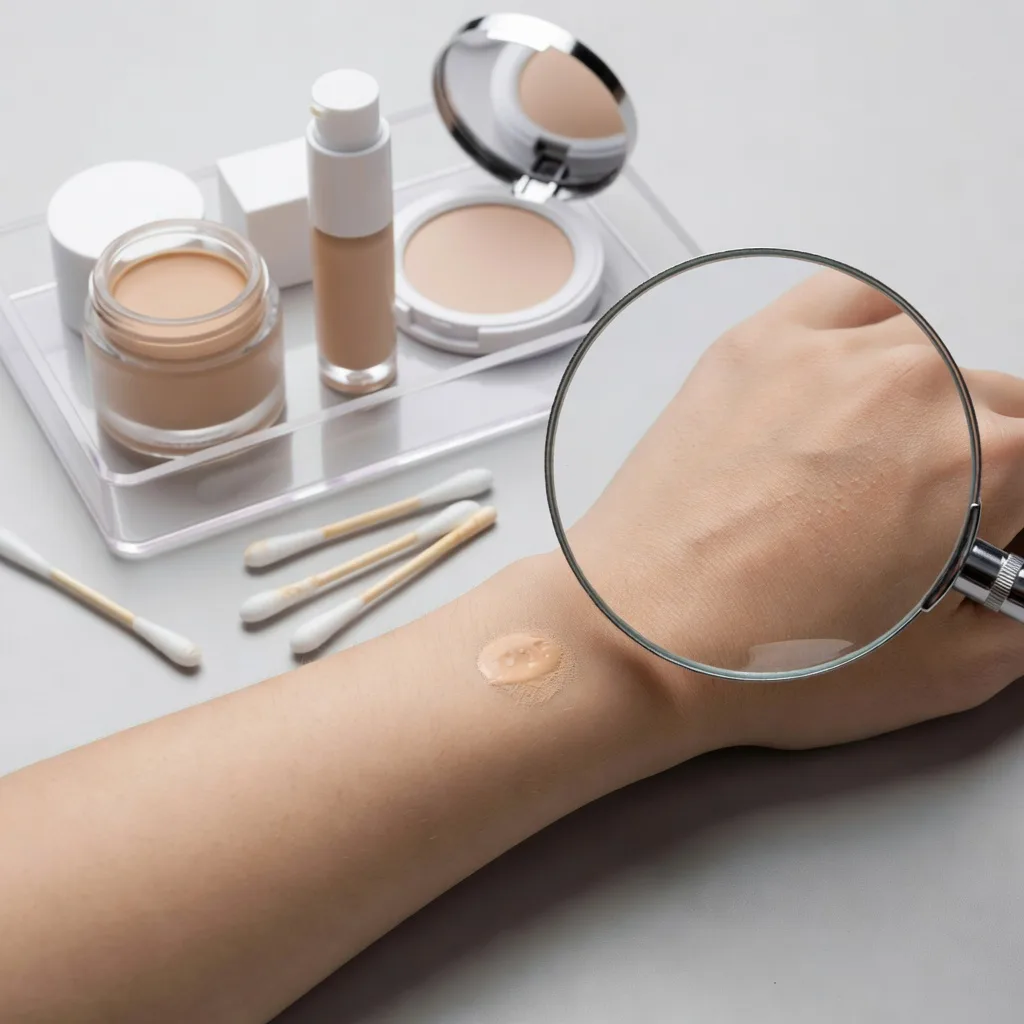
How Do You Know If Makeup Is Non-Comedogenic?
If you have acne-prone skin, the word non-comedogenic can feel like a promise: this product will not clog your pores. Many people choose foundation, concealer, and primer based on that one word. The reality is a little more complicated.
Part of our guide to makeup how-to. Start with: How to Properly Put On Face Makeup: The Right Order, Step by Step
Non-comedogenic means a product was formulated or tested to be less likely to clog pores, but the term is not defined or regulated by the US Food and Drug Administration. Brands decide for themselves how to test and when to use the label, so it is a helpful signal rather than a guarantee.
The idea dates back to the 1970s, when dermatologists Albert Kligman and Otto Mills described acne cosmetica, breakouts linked to cosmetics, and used a rabbit ear model to test which ingredients caused comedones. That research led to the comedogenicity ratings still seen online today, but rabbit skin reacts more strongly than human skin, and whole formulas behave differently from single ingredients.
The most reliable way to know if a product clogs your pores is how your own skin responds over a few weeks. Reading the label, scanning the ingredients, and testing carefully together give you a much better picture than any one of them alone.
This guide explains what the label really means, which ingredients deserve a second look, how to test new makeup without triggering a breakout, and when breakouts need a dermatologist rather than a product swap.
Shopping these picks?
Amazon Prime members get fast, free shipping on eligible items, plus Prime Video, Amazon Music and member deals. New members can start with a free trial.
Start a free Prime trialAged 18 to 24? Prime for Young Adults comes with a longer free trial and a lower price after it.
Affiliate link: we may earn a commission at no extra cost to you.
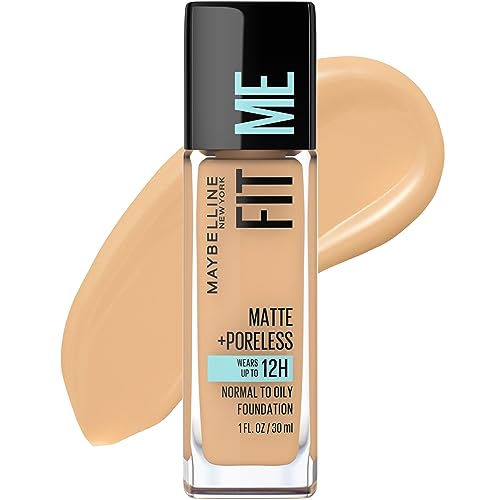
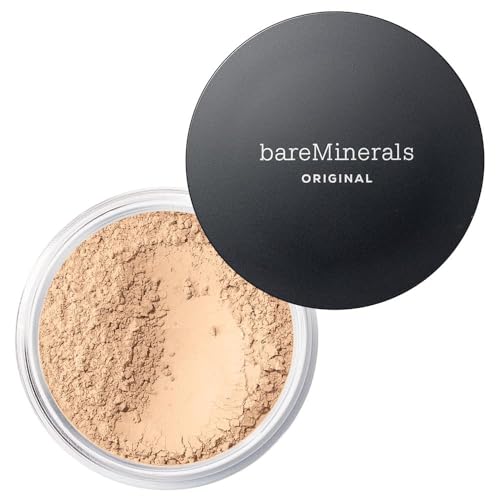
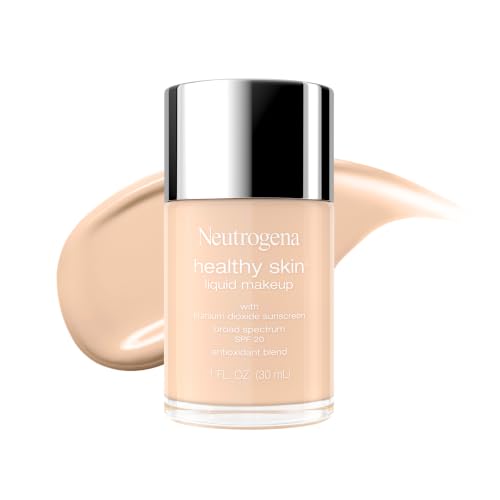
Recommended Non-Comedogenic Makeup and Skincare


Jump to a Section
- What Non-Comedogenic Actually Means
- Where Comedogenicity Ratings Come From
- How to Check a Product Before It Causes Breakouts
- Ingredients That Deserve a Second Look
- Choosing Makeup Formulas for Acne-Prone Skin
- The Products Under Your Makeup Count Too
- Habits That Matter as Much as the Label
- Is It Your Makeup or Something Else?
- What the Label Cannot Promise
- When to See a Dermatologist
- FAQ
- The Takeaway
Quick Answer
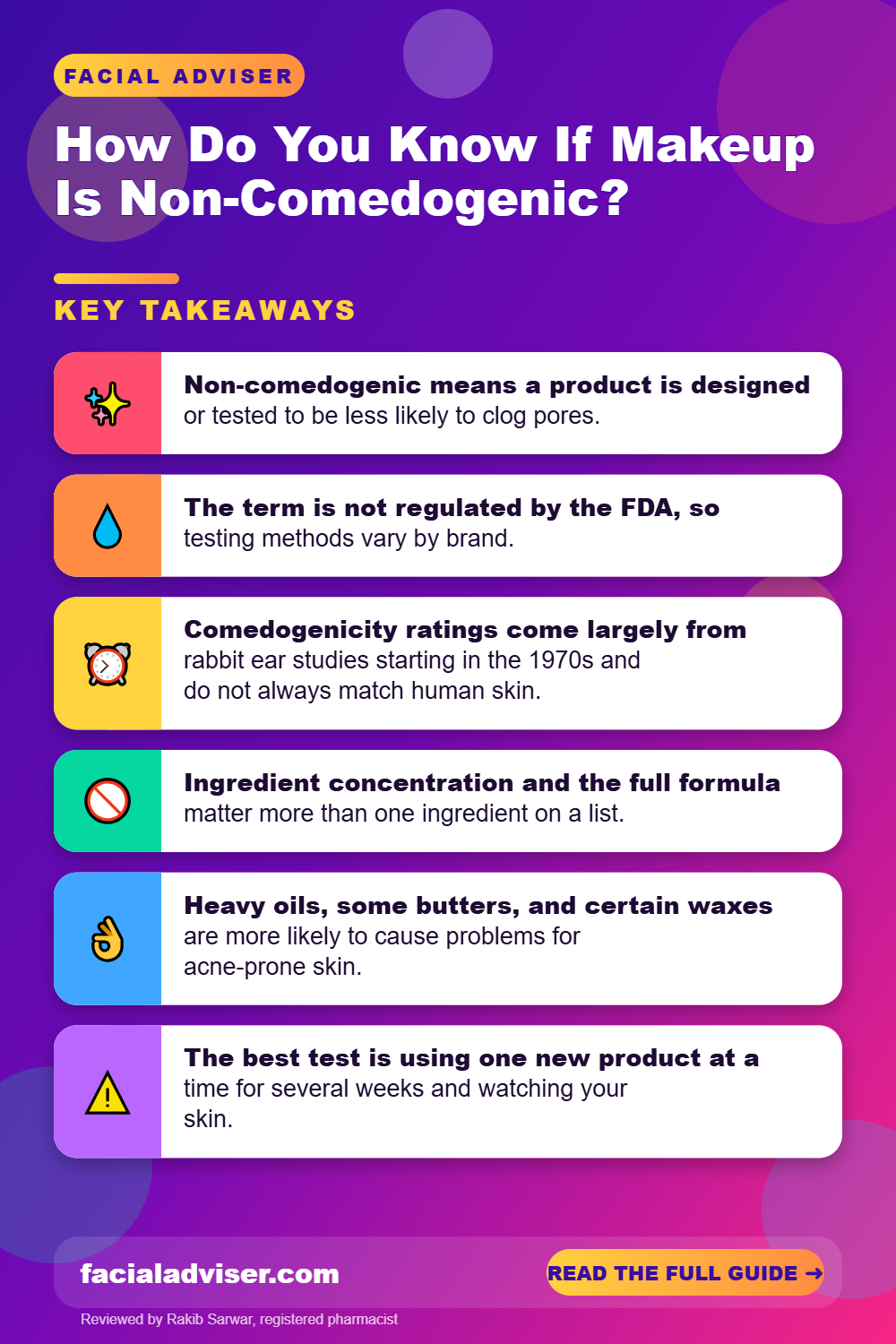
- Non-comedogenic means a product is designed or tested to be less likely to clog pores.
- The term is not regulated by the FDA, so testing methods vary by brand.
- Comedogenicity ratings come largely from rabbit ear studies starting in the 1970s and do not always match human skin.
- Ingredient concentration and the full formula matter more than one ingredient on a list.
- Heavy oils, some butters, and certain waxes are more likely to cause problems for acne-prone skin.
- The best test is using one new product at a time for several weeks and watching your skin.
- Removing makeup thoroughly each night matters as much as what you apply.
What Non-Comedogenic Actually Means
A comedo is a clogged pore, either an open comedo, commonly called a blackhead, or a closed comedo, a whitehead. A product is called comedogenic if it tends to cause these plugs, and non-comedogenic if it is designed not to.
Some brands test finished products on human volunteers over several weeks, often on the upper back, where pores are large and easy to examine. Others rely on ingredient lists and past data without testing the final product. Both may put non-comedogenic on the label.
Related terms you may see include oil-free, which means the formula contains no oils but may still include other pore-clogging ingredients, and acnegenic or non-acnegenic, which refers to whether a product triggers inflamed acne rather than just clogged pores.
Because there is no single standard, two products with the same non-comedogenic claim may have been tested in very different ways, or not tested as finished products at all. If a brand explains its testing, such as a clinical study on acne-prone volunteers, that is more reassuring than the word alone.
Where Comedogenicity Ratings Come From
In a 1972 paper in Archives of Dermatology, Kligman and Mills described acne cosmetica, a low-grade acne seen in women who used certain cosmetics. They and later researchers used the rabbit ear model, applying ingredients to the inner ear of rabbits and measuring how many plugged follicles formed.
These studies produced the 0 to 5 comedogenicity scales that circulate online today, where 0 means unlikely to clog pores and 5 means highly likely. The lists can be a useful starting point, but they have real limitations.
- Rabbit ears are more sensitive than human skin, so some ingredients rated as high risk may cause little trouble on people.
- Ratings usually test ingredients at high concentrations, not the small amounts used in real products.
- The full formula matters. An ingredient can behave differently when combined with others.
- Different lists sometimes give the same ingredient different scores.
Treat comedogenicity ratings as a clue, not a verdict. Your own skin’s reaction over time is the best evidence.
How to Check a Product Before It Causes Breakouts
Use this five-step method whenever you add a new foundation, concealer, primer, or setting product.
Read the label
Look for non-comedogenic, and ideally a note that the product was tested on people. Oil-free is helpful for oily skin but does not guarantee clear pores.
Scan the first ingredients
Ingredients are listed from highest to lowest concentration. If heavy oils, butters, or waxes appear near the top, be cautious if you are acne-prone.
Introduce one product at a time
Change only one item in your routine at once. Otherwise you will not know which product caused a problem.
Test on one area
Apply the product to a small area where you tend to break out, such as the jaw or chin, for one to two weeks.
Track for four to six weeks
Clogged pores can take weeks to appear. Take photos weekly in the same light. If new bumps or blackheads appear in the test area, stop using it.
Keep a simple note on your phone with the date you started each product. It makes it much easier to connect breakouts to the right cause.
Ingredients That Deserve a Second Look
No ingredient clogs every person’s pores, but some are more often linked to breakouts in acne-prone skin, especially when they appear high on the ingredient list.
| Ingredient type | Examples | Why it may matter |
|---|---|---|
| Heavy plant oils | Coconut oil, wheat germ oil | Rich oils can clog pores in some people |
| Butters | Cocoa butter | Very occlusive, often rated highly comedogenic |
| Certain esters | Isopropyl myristate, isopropyl palmitate | Often rated as pore-clogging in older studies |
| Some waxes | Lanolin derivatives, some heavy waxes | Can be occlusive in thick formulas |
| Algae extracts | Some seaweed extracts | Sometimes rated as comedogenic |
| Pigments and dyes | Some red dyes (D and C red) | Linked to acne cosmetica in older research |
Ingredients that are generally well tolerated by acne-prone skin include glycerin, hyaluronic acid, dimethicone, squalane, niacinamide, and zinc oxide, though individual reactions still vary.
Choosing Makeup Formulas for Acne-Prone Skin
Beyond ingredients, the type of product and finish matter.
- Mineral powder foundations often contain fewer ingredients and suit many people with oily or acne-prone skin.
- Oil-free liquid foundations with a matte or satin finish can work well if they also carry a non-comedogenic claim.
- Heavy cream foundations and sticks are more likely to contain waxes and oils, so check the ingredients carefully.
- Primers can add another layer to clog pores. Many people with acne-prone skin skip them.
- Setting sprays and powders are usually less of a concern, but fragrance can irritate.
If your makeup often looks heavy or patchy, our guide to fixing cakey makeup covers how to use less product while getting good coverage.
The Products Under Your Makeup Count Too
When people break out, they often blame foundation first. But the moisturizer, sunscreen, and primer underneath sit on the skin just as long, and sometimes contain richer ingredients than the makeup itself.
Sunscreen is essential, so the goal is to find one that suits your skin rather than skip it. Many people with acne-prone skin do well with lightweight, oil-free, or mineral sunscreens labeled non-comedogenic. Gel or fluid textures tend to sit better under makeup than thick creams.
Moisturizer matters too. Skipping it can leave skin dehydrated, which may lead to more oil and makes makeup cling to dry patches. A light gel or lotion moisturizer with humectants such as glycerin or hyaluronic acid is often a good fit.
If you use an acne treatment such as salicylic acid, benzoyl peroxide, adapalene, or a prescription retinoid, apply it at night so it has time to work without makeup layered on top. In the morning, keep things simple: gentle cleanser, light moisturizer, sunscreen, then makeup.
When you test a new makeup product, keep everything else in your routine the same. Changing your moisturizer and foundation in the same week makes it impossible to know which one caused a new breakout.
Habits That Matter as Much as the Label
Even the most carefully chosen makeup can contribute to breakouts if it stays on the skin too long or is applied with dirty tools.
Helps
- Remove all makeup every night before bed.
- Double cleanse if you wear long-wear or full-coverage makeup.
- Wash sponges and brushes at least weekly.
- Replace liquid makeup when it changes smell or texture.
- Use a gentle cleanser suited to your skin type.
Backfires
- Sleep in makeup, even occasionally.
- Share makeup or tools.
- Layer heavy primer, foundation, and concealer every day.
- Pick at blemishes and cover them with thick makeup.
- Assume non-comedogenic means you can skip cleansing.
If you are unsure which cleanser to use, our guide to hydrating vs foaming cleansers explains how to choose.
Is It Your Makeup or Something Else?
Makeup is only one possible cause of breakouts. Hormones, stress, genetics, certain medications, hair products, and friction from phones, masks, or helmets can all play a part.
Where the breakouts appear can offer a clue. Small, even bumps where you apply foundation may point to makeup. Breakouts along the hairline or temples may be linked to hair products. Deep, painful spots along the jaw are often hormonal. Our guide on acne on the temples covers some of these patterns.
Do not keep switching products every few days. Constant changes make it impossible to tell what is working and can irritate your skin, making breakouts worse.
What the Label Cannot Promise
A non-comedogenic label reduces the chance of clogged pores but cannot guarantee clear skin. Everyone’s pores and skin chemistry are different.
| Belief | Reality |
|---|---|
| Non-comedogenic means it will not cause acne | It means lower risk, not zero risk |
| The term is regulated | The FDA does not define or regulate it |
| Oil-free equals non-comedogenic | Oil-free products can still contain pore-clogging ingredients |
| Ingredient ratings are exact | Ratings come from animal models and vary between lists |
| Natural makeup is safer for acne | Some natural oils and butters clog pores |
If you still break out despite careful choices, it may be time to look beyond makeup.
When to See a Dermatologist
See a dermatologist if you notice:
- Painful, deep, or cystic acne.
- Acne that leaves dark marks or scars.
- Breakouts that do not improve after two to three months of over-the-counter care.
- Sudden acne as an adult, especially with irregular periods or excess hair growth.
- Itching, burning, or a rash where you apply makeup, which may be an allergy.
- Small, uniform bumps that do not respond to acne treatment, which may be another condition.
Medical disclaimer: This article is for general information and is not a substitute for professional medical advice. See a dermatologist about persistent or severe acne.
FAQ
What does non-comedogenic mean?
It means a product is designed or tested to be less likely to clog pores.
Is non-comedogenic regulated?
No. The FDA does not define or regulate the term, so testing varies between brands.
How can I tell if my makeup is clogging my pores?
Introduce one product at a time and watch for new blackheads, whiteheads, or bumps over four to six weeks.
Is oil-free the same as non-comedogenic?
No. Oil-free products contain no oils but can still include other pore-clogging ingredients.
Are comedogenicity ratings reliable?
They are a rough guide. Many come from rabbit ear studies that do not always match human skin.
Is mineral makeup non-comedogenic?
Many mineral foundations are well tolerated by acne-prone skin, but check the full ingredient list.
Can non-comedogenic makeup still cause acne?
Yes. It lowers the risk but does not eliminate it.
What ingredients should acne-prone skin avoid?
Common suspects include coconut oil, cocoa butter, isopropyl myristate, and some heavy waxes, especially near the top of the list.
Does sleeping in makeup cause breakouts?
It can, even with non-comedogenic products. Remove makeup every night.
How long does it take for makeup to cause breakouts?
Clogged pores can take several weeks to appear, which is why testing for four to six weeks is useful.
The Takeaway
Non-comedogenic means a product is designed to be less likely to clog pores, but the term is not regulated and testing varies. Comedogenicity ratings, based largely on older rabbit ear studies, are a helpful clue rather than a final answer.
To find makeup that works for your skin, read the label and first ingredients, introduce one product at a time, and track your skin over several weeks. Remove makeup every night, clean your tools, and see a dermatologist if breakouts are painful, scarring, or not improving.

Written by
Registered pharmacist and founder of Facial Adviser. Rakib's pharmacy training covers how skincare actives work and interact; a later course in cosmetology turned that into a focus on facial treatments and skincare products. He plans, researches and edits every guide on the site and checks health claims against sources such as the American Academy of Dermatology, the FDA and the NIH. He is not a dermatologist; see the Editorial Policy and Medical Disclaimer.
About · Editorial policy · How we choose products · Medical disclaimer · Contact
Keep reading: Makeup basics and skin
- How to Properly Put On Face Makeup: The Right Order, Step by Step
- How Do You Know If Makeup Is Fake? 8 Signs of Counterfeit Cosmetics
- Where Do Makeup Ingredients Come From? Minerals, Plants, Animals, and Labs
- How to Wear the Least Amount of Makeup and Still Look Put Together
- Makeup Tips for Women Over 60: A Fresher, Lighter Approach
- How Early Should You Do Your Makeup Before Going Out?
- Best Way to Use Makeup Remover: Micellar Water, Balms, Oils and Eye Removers
- How to Choose Lipstick Shade: Undertone, Skin Tone and Testing Tips