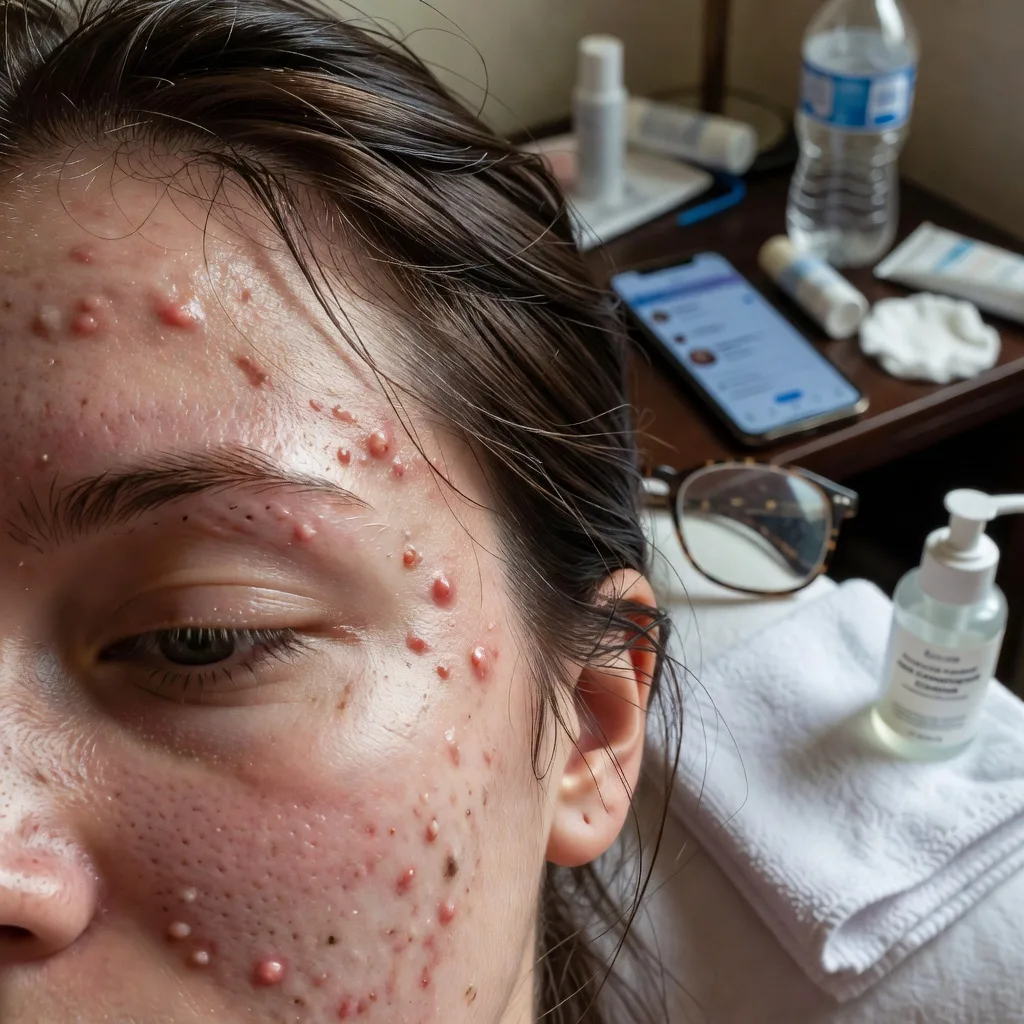
Why Do I Get Acne on My Temples? The Real Causes and How to Fix Them
Breakouts on the temples can feel oddly specific. The rest of your face might be fairly clear, yet the sides of your forehead, near the hairline and just above the ears, keep producing small bumps and the occasional sore spot. It is natural to wonder whether something unusual is going on in that exact area.
Part of our guide to skin concerns. Start with: Are Facials Good for Acne?
Most temple acne comes from things that touch that part of the face: hair products, hats, helmets, headbands, glasses arms, and pillowcases. Oils and silicones from pomades, gels, dry shampoos, and leave-in conditioners can migrate onto the skin along the hairline. Friction and heat under a cap or helmet can irritate follicles and trigger breakouts, a pattern dermatologists call acne mechanica.
Online acne face maps often claim that temple spots reveal problems with your kidneys, bladder, or digestion. There is no good scientific evidence for that kind of face mapping. Location does help, but in a practical way. It points to what is touching the skin there.
Some bumps on the temples are not acne at all. Itchy, uniform little bumps may be fungal folliculitis, and flaky redness at the hairline may be seborrheic dermatitis. Both look like breakouts but need different treatment.
This guide covers the common causes, a quick pattern test to identify yours, what actually helps, the look-alikes worth ruling out, and when a dermatologist should take a closer look at what is going on.
Shopping these picks?
Amazon Prime members get fast, free shipping on eligible items, plus Prime Video, Amazon Music and member deals. New members can start with a free trial.
Start a free Prime trialAged 18 to 24? Prime for Young Adults comes with a longer free trial and a lower price after it.
Affiliate link: we may earn a commission at no extra cost to you.
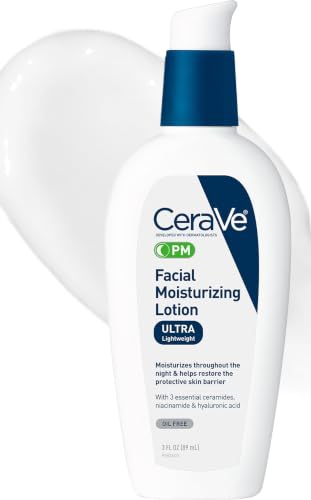
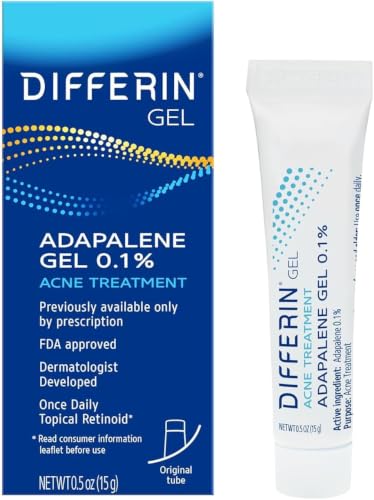
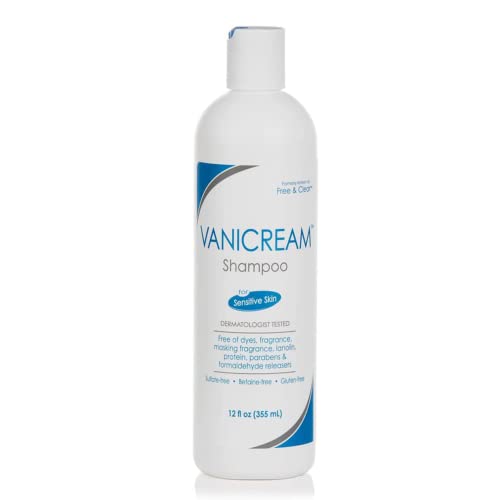
Recommended Products for Acne on the Temples




Quick Answer
- Temple acne is usually triggered by hair products, friction from hats or glasses, or ordinary acne that happens to show up there.
- Oils and silicones from pomades, gels, and leave-in products can clog pores along the hairline, a pattern called pomade acne.
- Caps, helmets, headbands, and phone or glasses contact can cause friction-related acne mechanica.
- Acne face maps that link temple spots to organs such as the kidneys are not supported by evidence.
- A pattern test, looking at exactly where the bumps sit, usually reveals the trigger.
- Itchy, uniform bumps may be fungal folliculitis rather than acne and need different treatment.
- Most cases improve within 6 to 12 weeks after removing the trigger and using a standard acne treatment.
What This Covers
Why the Temples Break Out
The temples sit at a busy crossroads. They border the hairline, where products and sweat collect. They are where hat bands, helmet pads, and headbands press. The arms of glasses and sunglasses rest along them, and they are often the part of the face that sinks into a pillow when you sleep on your side.
Each of these creates the conditions acne needs. Pores become blocked by oils, silicones, and dead skin, sebum builds up behind the blockage, and bacteria that live on the skin trigger inflammation. Heat and friction make blocked pores more likely and inflamed spots more painful.
The temple area also has plenty of oil glands. If you are generally acne-prone, spots may appear there along with the forehead and cheeks simply because the skin is oily.
Men who shave or trim sideburns can add another factor. Razor irritation and ingrown hairs at the sideburn edge can look like acne, and aftershaves or beard oils that drift upward add more oil to the area. If your bumps sit exactly where you shave, gentler shaving technique and a fragrance-free, non-comedogenic aftershave may help as much as any acne product.
The Most Common Triggers
Hair products, or pomade acne
Dermatologists have long recognized acne caused by oily hair products, first described in detail as pomade acne. Heavy oils, waxes, butters, silicones, and some styling products can creep onto the skin along the hairline, especially with sweat or at night. The result is often many small closed comedones, or whiteheads, lining the forehead and temples.
Friction and pressure, or acne mechanica
Repeated rubbing, pressure, heat, and trapped sweat irritate follicles. Common culprits are baseball caps, bike and sports helmets, headbands, hijabs worn tightly, headphones, and the arms of glasses. This type of acne often shows up exactly where the edge of the item sits.
Pillowcases and phones
Side sleepers press one temple into the pillowcase all night, where hair oils, product residue, and skin oils accumulate. Holding a phone against the side of the face can do something similar.
General acne and hormones
Sometimes temple acne is simply acne. If you also have comedones or spots on your forehead, cheeks, and chin, the temples may be one part of a broader pattern driven by oil production and hormones.
The Pattern Test: What Is Causing Yours?
The exact position of your spots is one of the best clues. Look carefully in good light and work through these steps.
Trace the hairline
Check whether the bumps line up along the edge of your hair, especially where styling products or oils go.
Look for a band
Check whether spots follow a straight line where a hat, helmet, headband, or glasses arm rests.
Compare sides
Spots mostly on one side often match the side you sleep on or hold your phone to.
Check the rest of your face
If you also have blackheads and whiteheads on the forehead, nose, and chin, this is likely general acne.
Note itch and uniformity
Many small, itchy bumps that all look the same size suggest fungal folliculitis rather than acne.
| Pattern you see | Likely cause | First change to try |
|---|---|---|
| Bumps lining the hairline | Hair products | Switch to lighter, oil-free styling and keep product off the skin |
| Straight band above the ears | Hat, helmet, or headband | Clean the band, add a liner, and limit wear time |
| Where glasses arms sit | Glasses friction and oil | Clean the arms daily and check the fit |
| One side only | Pillowcase or phone | Change pillowcases often and clean your phone |
| Spots all over the face | General acne | Start a standard acne routine |
| Itchy, uniform tiny bumps | Possible fungal folliculitis | See a clinician for diagnosis |
Fixing Hair-Product Breakouts
If your bumps follow the hairline, your hair routine is the first place to look.
Do
- Choose water-based or oil-free styling products.
- Apply products away from the hairline and wash hands after.
- Tie hair back at night and during workouts.
- Wash your face after washing and conditioning your hair.
- Rinse conditioner thoroughly so it does not sit on the temples.
- Give any change at least six weeks.
Don’t
- Use heavy pomades, butters, or oils near the hairline.
- Spray dry shampoo or hairspray toward your face.
- Leave leave-in conditioner on the skin at the edges.
- Sleep with product-heavy hair against your face.
- Assume a product is safe because it is labeled natural.
- Switch several products at once, which makes it hard to find the culprit.
Protecting the hairline with a clean cloth or your hand while spraying products can make a noticeable difference.
Fixing Friction and Pressure Acne
For acne mechanica, the goal is less rubbing, less heat, and cleaner surfaces.
- Wash hat bands, headbands, and helmet pads regularly, or use a thin removable liner.
- Take hats and helmets off when you do not need them, especially in heat.
- Clean glasses arms and nose pads daily with a gentle wipe.
- Rinse or cleanse your face soon after exercise.
- Wear sweat-wicking fabrics for workouts.
- Switch to headphones that do not press on the temples, or take breaks.
Pillowcase routine: changing pillowcases two or three times a week, or flipping them between changes, reduces the oil and product buildup that sits against your temples every night. The fabric matters less than keeping it clean.
Treatments That Help
Removing the trigger stops new spots forming. These treatments help clear what is already there.
| Treatment | How it helps | Tips |
|---|---|---|
| Benzoyl peroxide wash | Reduces acne bacteria and inflammation | 2.5 to 5 percent is gentler on the face than 10 percent, and it bleaches fabrics |
| Salicylic acid (BHA) | Clears oil and debris inside pores | Good for whiteheads along the hairline |
| Adapalene 0.1% | Prevents new clogged pores | Start two to three nights a week |
| Hydrocolloid patches | Protect and flatten individual spots | Best for surface whiteheads |
| Oil-free moisturizer | Supports the barrier while using actives | Choose fragrance-free |
Be patient: most acne treatments take 6 to 12 weeks to show their full effect. Changing products every few days makes it impossible to tell what is working.
A simple starting routine is a benzoyl peroxide or salicylic acid cleanser in the morning, adapalene two or three evenings a week, and an oil-free moisturizer twice a day. Apply treatments to the whole temple and hairline area rather than dotting individual spots, since the goal is to stop new clogged pores forming across the zone.
When It Is Not Acne
A few conditions commonly show up on the temples and are mistaken for acne.
- Fungal folliculitis (Malassezia or pityrosporum folliculitis): itchy, uniform small bumps, often on the forehead, temples, chest, and back. It tends to worsen with heat and sweat and does not respond to standard acne treatments.
- Seborrheic dermatitis: red, flaky or greasy patches at the hairline, eyebrows, and beside the nose.
- Heat rash: tiny prickly bumps after heat and sweating that fade quickly once cool. Our guide to heat rash on the face explains how to tell.
- Contact dermatitis: an itchy rash where a new hair dye, product, or glasses material touches the skin.
Do not self-treat suspected fungal folliculitis with more acne products. Harsh acne routines can make it worse. A clinician can confirm the diagnosis and recommend appropriate antifungal treatment.
What Will Not Help
Face mapping charts that link temple acne to your kidneys, bladder, or liver, and recommend detoxes or drinking more water to fix it, are not supported by research. Drinking water is good for you, but it will not clear pores blocked by pomade.
Scrubbing harder also backfires. Rough exfoliation irritates follicles and can increase inflammation. For more on this, see our guide on whether over-exfoliating can cause acne.
Finally, squeezing temple spots can push debris deeper and cause marks that last far longer than the spot itself.
When to See a Dermatologist
Book an appointment if:
- Spots are deep, painful, or leaving scars or dark marks.
- Bumps are very itchy and uniform, suggesting fungal folliculitis.
- There is flaking, redness, or scaling at the hairline that does not clear.
- Over-the-counter treatment has not helped after 12 weeks.
- Acne appeared suddenly in adulthood alongside other signs such as irregular periods or excess hair growth, which may point to a hormonal cause.
Medical disclaimer: This article is for general information and is not a substitute for professional medical advice. See a doctor or dermatologist for persistent, painful, or scarring acne, or if you are unsure what is causing your rash.
Questions People Ask
What causes acne on the temples?
Common causes are hair products migrating onto the skin, friction from hats, helmets, headbands, or glasses, pillowcase contact, and general acne.
Does temple acne mean something is wrong with my kidneys?
No. Acne face maps linking temple breakouts to organs are not supported by scientific evidence.
What is pomade acne?
Pomade acne is a breakout pattern caused by oily or waxy hair products clogging pores along the hairline, forehead, and temples.
Can glasses cause acne on the temples?
Yes. The arms of glasses can trap oil and sweat and cause friction, which can trigger breakouts where they rest.
Can wearing a hat cause temple acne?
Yes. Hats, helmets, and headbands can cause acne mechanica through friction, heat, and trapped sweat.
How do I get rid of acne on my temples?
Remove the trigger, such as heavy hair products or a dirty hat band, and use a standard acne treatment such as benzoyl peroxide, salicylic acid, or adapalene.
Why are the bumps on my temples itchy?
Itchy, uniform bumps may be fungal folliculitis rather than acne, which needs a different treatment.
Can my pillowcase cause temple acne?
It can contribute, especially for side sleepers, because oil and hair product residue build up. Changing it two or three times a week helps.
How long does temple acne take to clear?
Most cases improve within 6 to 12 weeks after removing the trigger and using consistent treatment.
Should I pop pimples on my temples?
No. Squeezing can push debris deeper, increase inflammation, and cause marks or scars.
Summing Up
Acne on the temples is usually a contact problem. Hair products, hat bands, helmets, glasses arms, and pillowcases all press oil, sweat, and friction into that part of the face, and the exact pattern of your spots usually points to the cause.
Fix the trigger first, then treat the spots with a proven option such as benzoyl peroxide, salicylic acid, or adapalene, and give it 6 to 12 weeks. If the bumps are itchy and uniform, flaky, or painful and scarring, see a dermatologist rather than adding more acne products.

Written by
Registered pharmacist and founder of Facial Adviser. Rakib's pharmacy training covers how skincare actives work and interact; a later course in cosmetology turned that into a focus on facial treatments and skincare products. He plans, researches and edits every guide on the site and checks health claims against sources such as the American Academy of Dermatology, the FDA and the NIH. He is not a dermatologist; see the Editorial Policy and Medical Disclaimer.
About · Editorial policy · How we choose products · Medical disclaimer · Contact
Keep reading: Acne and breakouts