Heat Rash on Face: How to Treat It Naturally, and How to Tell If It Is Something Else
A hot day, a workout, a long commute in a mask, or a night under a heavy duvet, and suddenly your forehead, cheeks, or neck are covered in tiny prickly bumps. It itches, it stings, and it looks worse the more you touch it. For many people, heat rash on the face is the most visible and uncomfortable place it can appear.
Part of our guide to makeup how-to. Start with: What Can You Use to Make Your Makeup Stay On All Day? 9 Products and Tricks
Heat rash, known medically as miliaria, happens when sweat ducts get blocked and sweat leaks into the skin instead of reaching the surface. The trapped sweat causes the tiny bumps and the prickling sensation. That is why it flares when you are hot and sweaty, and why it often appears where skin is covered or pressed, such as under a hat, a mask, or thick skincare.
The most effective natural treatment is also the simplest: cool the skin down and let it breathe. According to DermNet, most cases clear within a few days once the person moves to a cooler environment. Many popular home remedies have little evidence behind them, and some, like thick balms and oils, can make things worse by sealing the ducts further.
Not every hot, bumpy rash on the face is heat rash, though. Rosacea, acne, folliculitis, and contact dermatitis can look similar and need different care. A simple 48-hour cool-down test helps you tell them apart, because true heat rash improves quickly once the heat and occlusion are removed.
This guide explains the types of heat rash, how to soothe it, what to stop using, the look-alikes, and the signs that mean you should see a doctor.
Shopping these picks?
Amazon Prime members get fast, free shipping on eligible items, plus Prime Video, Amazon Music and member deals. New members can start with a free trial.
Start a free Prime trialAged 18 to 24? Prime for Young Adults comes with a longer free trial and a lower price after it.
Affiliate link: we may earn a commission at no extra cost to you.
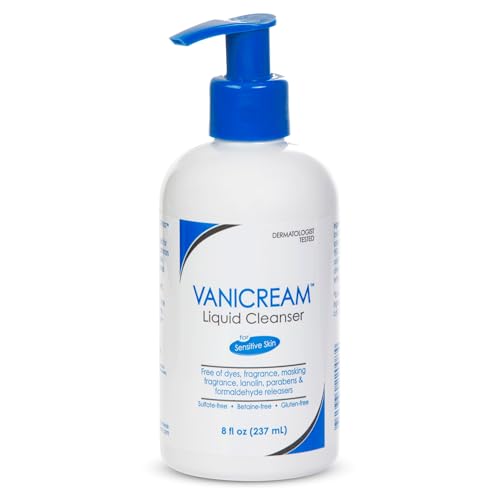
Recommended Products for Soothing Heat Rash




What This Covers
In Brief
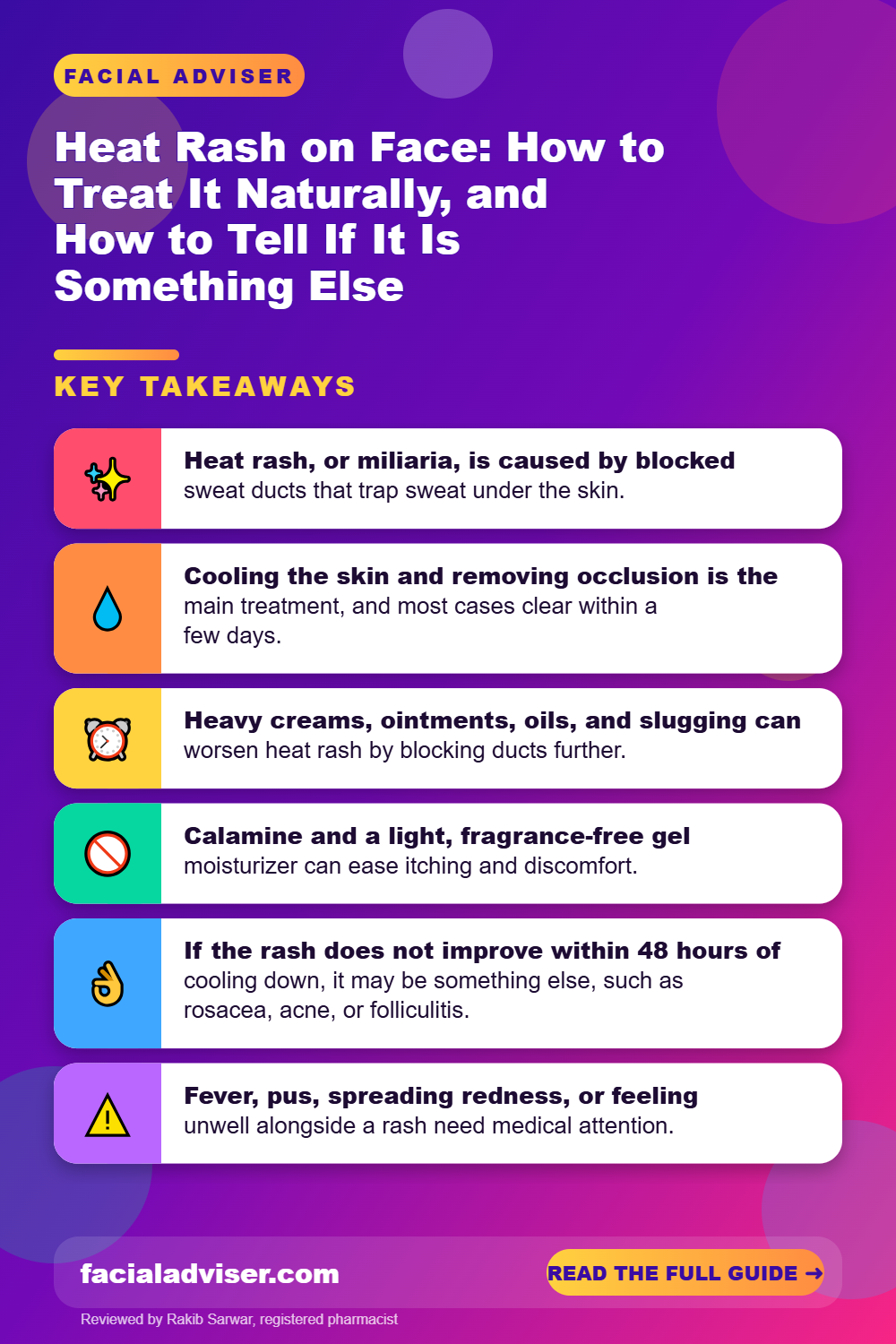
- Heat rash, or miliaria, is caused by blocked sweat ducts that trap sweat under the skin.
- Cooling the skin and removing occlusion is the main treatment, and most cases clear within a few days.
- Heavy creams, ointments, oils, and slugging can worsen heat rash by blocking ducts further.
- Calamine and a light, fragrance-free gel moisturizer can ease itching and discomfort.
- If the rash does not improve within 48 hours of cooling down, it may be something else, such as rosacea, acne, or folliculitis.
- Fever, pus, spreading redness, or feeling unwell alongside a rash need medical attention.
What Heat Rash on the Face Actually Is
Your skin has millions of eccrine sweat glands that release sweat through tiny ducts to cool you down. When those ducts become blocked, usually by a combination of heavy sweating, friction, and skin that is covered or coated, sweat cannot escape normally. It leaks into the surrounding skin instead.
The face is prone to this because it sweats readily and is often covered by masks, helmets, hats, hair, or thick products. Heat rash tends to appear on the forehead, hairline, cheeks, chin, and neck.
It is not an infection and it is not contagious. In most people it is a short-lived reaction to heat that resolves once the skin cools and can breathe again.
Babies and young children get it most often because their sweat ducts are still maturing, but adults are far from immune, especially during heat waves, travel to humid climates, fevers, or intense training.
The Types of Heat Rash
Heat rash is grouped by how deep in the skin the blockage occurs. The type tells you a lot about how uncomfortable it will be and how quickly it resolves.
| Type | What it looks like | How it feels | Typical course |
|---|---|---|---|
| Miliaria crystallina | Tiny clear blisters, 1 to 2 mm, that break easily | Usually no itch or pain | Clears quickly once cool |
| Miliaria rubra (prickly heat) | Small red bumps, 2 to 4 mm | Itchy, prickling, stinging | The most common type, settles in days with cooling |
| Miliaria pustulosa | Red bumps with small pustules | Itchy, sore | Needs cooling, watch for infection |
| Miliaria profunda | Flesh-colored, deeper bumps | Often no itch | Rare, usually after repeated rubra |
On the face, the most common forms are crystallina, which looks like tiny beads of water trapped in the skin, and rubra, the red, prickly form most people call prickly heat.
The 48-Hour Cool-Down Test
Because several facial rashes look alike, this test helps confirm heat rash before you reach for stronger treatments.
Remove the heat
Stay in an air-conditioned or well-ventilated room as much as possible, and avoid exercise and hot showers.
Remove the occlusion
Stop heavy moisturizers, face oils, balms, and thick sunscreens. Keep only a gentle cleanser and, if needed, a light gel moisturizer.
Free the skin
Tie hair back, avoid hats and masks where you can, and sleep on a clean cotton pillowcase with lighter bedding.
Check at 24 and 48 hours
Heat rash usually looks flatter, less red, and less itchy within a day or two.
Decide what comes next
Clearly better: keep cooling and reintroduce products slowly. Unchanged or worse: it is probably not simple heat rash, so see a doctor or pharmacist.
Take a photo in the same light at the start and after 48 hours. Changes in heat rash can be subtle day to day, and photos make the trend obvious.
How to Soothe Heat Rash Naturally
The best natural treatments work by cooling the skin and reducing sweat, not by adding more products.
- Cool compresses: a clean cloth soaked in cool water, held on the area for 10 minutes a few times a day.
- Cool, not cold, rinses: lukewarm to cool water for washing, and short showers.
- Air flow: a fan or air conditioning, especially at night.
- Loose, breathable fabrics: cotton pillowcases, scarves, and masks.
- Light hydration: a fragrance-free gel or lotion if skin feels tight, rather than a thick cream.
- Calamine lotion: dabbed on itchy bumps, it can ease itch and has a mild cooling effect.
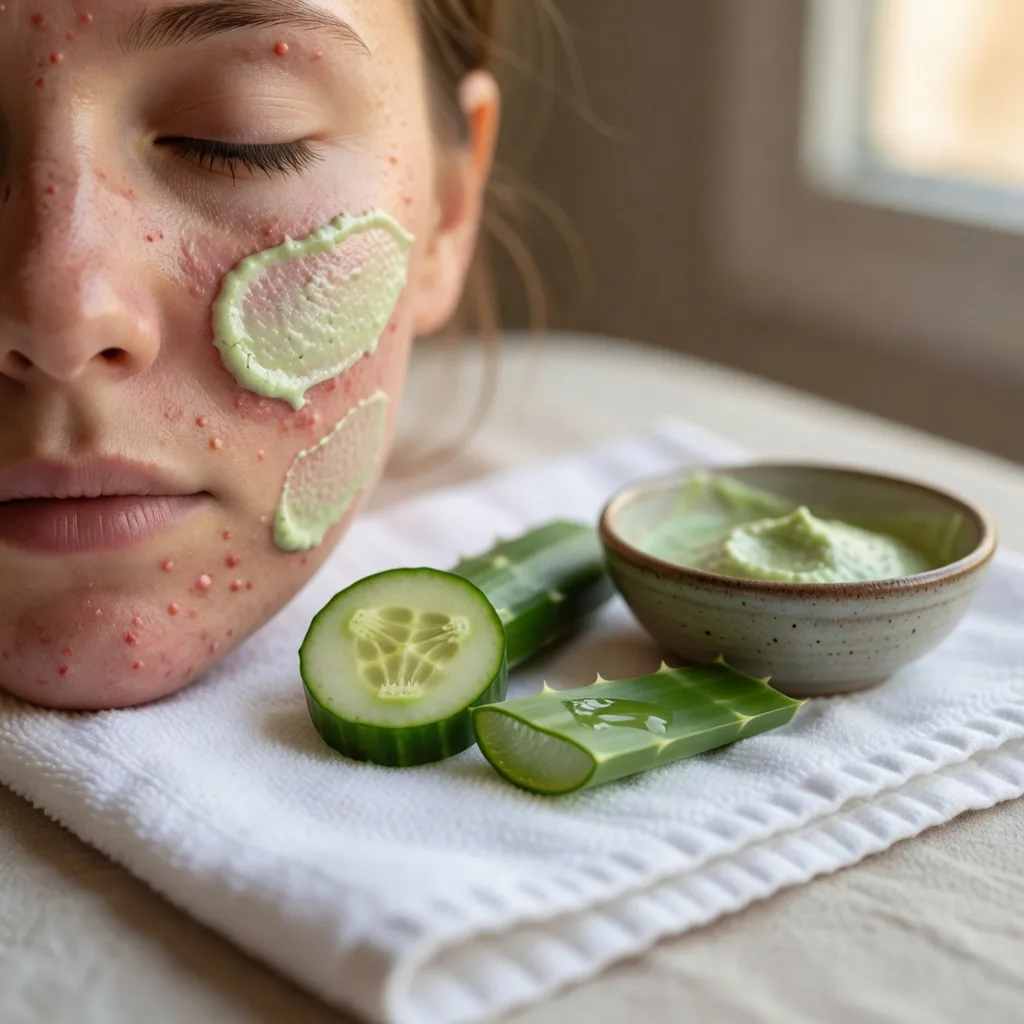
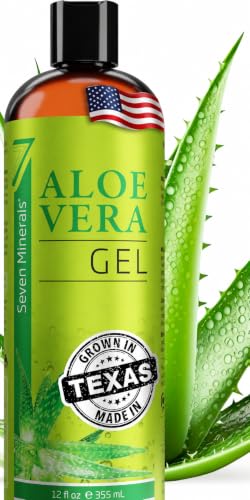
Pure aloe vera gel feels cooling and is generally well tolerated, though strong evidence for it in heat rash is lacking. Choose one without added fragrance or alcohol, and patch test first if your skin is sensitive.
What to Stop Using
Many people make heat rash worse by treating it like dryness. Heavy products seal the skin and trap more sweat.
Worth Doing
- Switch to a light, fragrance-free gel moisturizer.
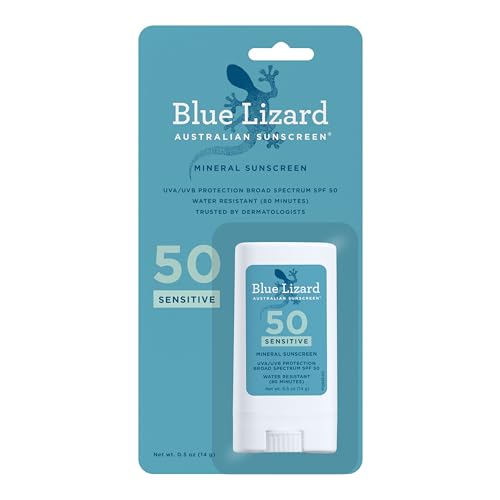
- Use a mineral sunscreen stick or light fluid outdoors.
- Wash sweat off gently after exercise.
- Pat skin dry instead of rubbing.
- Keep nails short to avoid scratching damage.
- Reintroduce your normal products one at a time once clear.
Skip It
- Slug with petroleum jelly or thick ointments.
- Apply face oils, butters, or heavy creams.
- Use scrubs, acids, or retinoids on the rash.
- Try fragranced or essential-oil remedies.
- Cover the area with tight masks or headbands.
- Scratch or pick at the bumps.
Slugging is a helpful barrier technique for dry skin, but it is the opposite of what heat rash needs. Our guide to slugging explains why occlusion helps some skin and hurts others.
Be careful with hydrocortisone on the face. A mild over-the-counter steroid is sometimes used short-term for itchy prickly heat, but facial skin is thin and prolonged use can cause thinning and rebound redness. Ask a pharmacist or doctor before using it on your face, and do not use it for more than a few days without advice.
Heat Rash vs Other Facial Rashes
If your rash does not settle with cooling, consider these look-alikes. They need different treatment.
| Condition | Clues | How it differs from heat rash |
|---|---|---|
| Rosacea | Flushing, persistent redness, bumps on central face | Triggered by heat but does not clear quickly with cooling |
| Acne | Blackheads, whiteheads, deeper tender spots | Comedones present, lasts weeks not days |
| Folliculitis | Pustules centered on hair follicles, often itchy | Follows hair follicles, may be bacterial or fungal |
| Contact dermatitis | Itchy, red, sometimes scaly patches after a new product | Matches where a product was applied |
| Perioral dermatitis | Small red bumps around mouth and nose, sparing the lip edge | Often linked to heavy creams or steroid use |
| Sweat-triggered hives | Raised welts that come and go within hours | Welts rather than tiny fixed bumps |
If your cheeks flush hot rather than bumping up, our guide on why cheeks get hot suddenly may fit better. If the rash started after a new product, our guide to fragrance sensitivity covers the most common culprit.
How to Prevent It From Coming Back
Once you know you are prone to heat rash, a few habits make a big difference in hot weather or during exercise.
Keep your skincare light in summer, favoring gels and fluids over creams. Rinse or gently cleanse after sweating rather than letting sweat sit on the skin. Choose breathable masks and headwear, and change them when damp. Keep your bedroom cool and use cotton or linen bedding.
Watch the sunscreen: sunscreen is essential, but very thick or water-resistant formulas can feel occlusive. Mineral sticks or lightweight fluids are often better tolerated by heat-rash-prone skin. Do not skip sun protection to avoid heat rash.
Workouts, masks, and helmets
If your heat rash follows exercise, cleanse or rinse within an hour of finishing, and skip heavy makeup and sunscreen layers during indoor workouts where you do not need them. For masks, choose breathable cotton or light technical fabric, carry a spare, and swap it once it feels damp. Under helmets and headbands, a thin moisture-wicking liner reduces friction and trapped sweat. These small changes target the two things heat rash needs to form: heat and blocked, covered skin.
What Home Remedies Cannot Do
Online lists of heat rash remedies often include baking soda, sandalwood paste, cornstarch, oatmeal baths, and essential oils. Some may feel soothing, but there is little good evidence that they speed recovery, and several can irritate facial skin or clog pores. Nothing works as reliably as cooling down and removing occlusion.
Home care also cannot treat an infection. If bumps turn into pus-filled spots, become painful and swollen, or crust over, bacteria may be involved and a doctor may need to prescribe treatment.
Finally, frequent or severe heat rash can be a sign of an underlying issue with sweating or skin barrier function, which is worth discussing with a doctor rather than managing alone.
When to See a Doctor
Seek medical advice promptly if you notice:
- Fever, chills, or feeling unwell alongside the rash.
- Pus, crusting, spreading redness, or increasing pain, which can signal infection.
- A rash that does not improve after 48 to 72 hours of cooling.
- Swelling of the lips, eyes, or face, or difficulty breathing, which needs emergency care.
- Recurrent heat rash that disrupts daily life.
- Any rash in a baby, older adult, or someone who is unwell, where heat stress can be more serious.
Medical disclaimer: This article is for general information and is not a substitute for professional medical advice. If you are unsure about a rash, especially with fever or signs of infection, contact a doctor or pharmacist.
Common Questions
What does heat rash on the face look like?
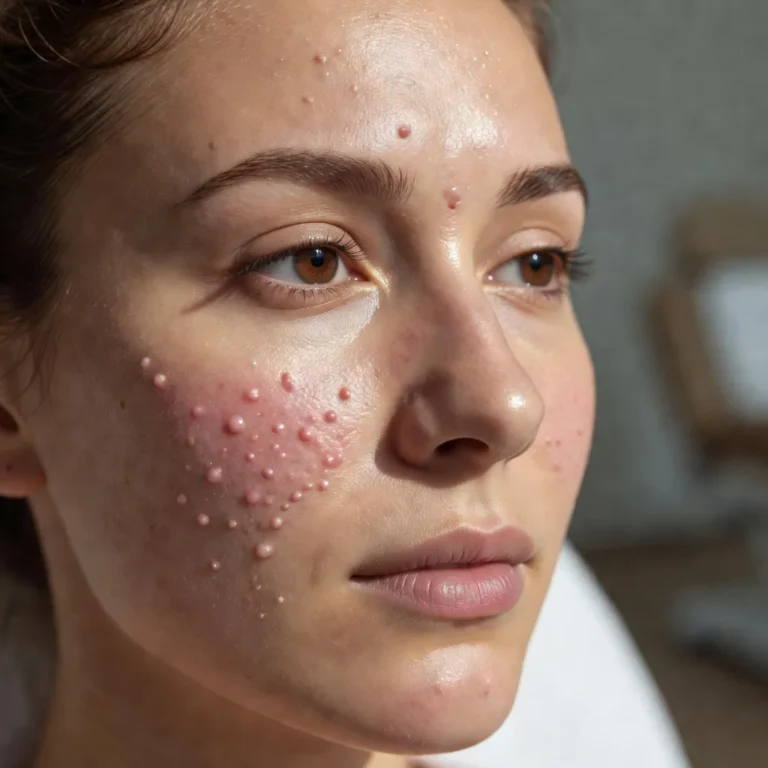
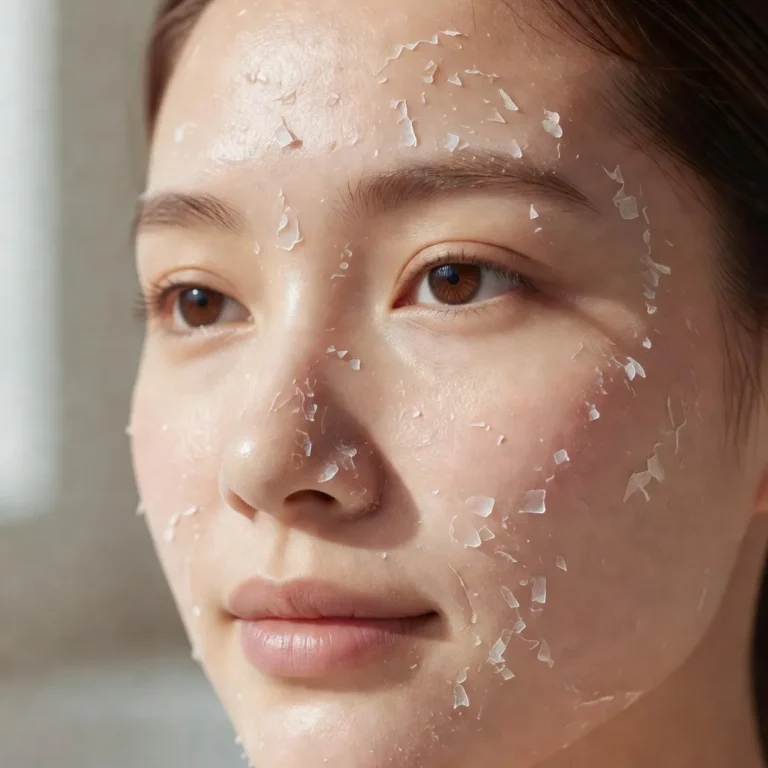
It usually appears as tiny clear blisters or small red, prickly bumps on the forehead, hairline, cheeks, chin, or neck after heat or sweating.
How long does heat rash on the face last?
Most cases improve within a few days once the skin is kept cool and free of heavy products.
What is the fastest natural way to treat heat rash?
Cool the skin with a cool environment and compresses, remove heavy creams and oils, and wear breathable fabrics.
Should I moisturize heat rash?
Only lightly if needed. Use a fragrance-free gel or lotion and avoid thick creams, oils, and ointments that trap sweat.
Does calamine lotion help heat rash?
Calamine can ease itching and has a mild cooling effect, which makes it a common comfort measure for prickly heat.
Can I use aloe vera on heat rash?
Pure, fragrance-free aloe vera gel feels cooling and is usually tolerated, though strong evidence is limited. Patch test first.
Is heat rash contagious?
No. Heat rash is caused by blocked sweat ducts and cannot spread from person to person.
Can skincare cause heat rash?
Heavy, occlusive products can contribute by blocking sweat ducts, especially in hot or humid weather.
How can I tell heat rash from rosacea?
Heat rash improves quickly after cooling down, while rosacea redness and bumps persist and tend to recur with triggers.
When should I worry about a facial rash?
See a doctor for fever, pus, spreading redness, swelling, or a rash that does not improve within two to three days.
Where This Leaves You
Heat rash on the face comes from blocked sweat ducts, and the most effective natural treatment is to cool the skin and stop sealing it in. Cool compresses, air flow, breathable fabrics, calamine, and a light gel moisturizer help most cases settle within a few days.
If the rash does not improve within 48 hours of cooling, it is probably something else, such as rosacea, acne, or folliculitis, and deserves a proper diagnosis. Seek medical help quickly for fever, pus, spreading redness, or swelling.

Written by
Registered pharmacist and founder of Facial Adviser. Rakib's pharmacy training covers how skincare actives work and interact; a later course in cosmetology turned that into a focus on facial treatments and skincare products. He plans, researches and edits every guide on the site and checks health claims against sources such as the American Academy of Dermatology, the FDA and the NIH. He is not a dermatologist; see the Editorial Policy and Medical Disclaimer.
About · Editorial policy · How we choose products · Medical disclaimer · Contact
Keep reading: Making makeup last
- What Can You Use to Make Your Makeup Stay On All Day? 9 Products and Tricks
- How to Stop Skincare Pilling When Layering Products
- Which Humectants Work Best in Humid Weather?
- Skincare for Humid Climates: A Practical Routine
- How to Make Setting Spray at Home: 3 Simple Recipes and Safety Tips
- Why Emulsions Separate Over Time: What It Means for Your Skincare and Makeup
- How to Find the Right Shade of Makeup: Undertone, Depth and Testing
- How to Choose the Right Eye Makeup Color for Your Eyes and Skin