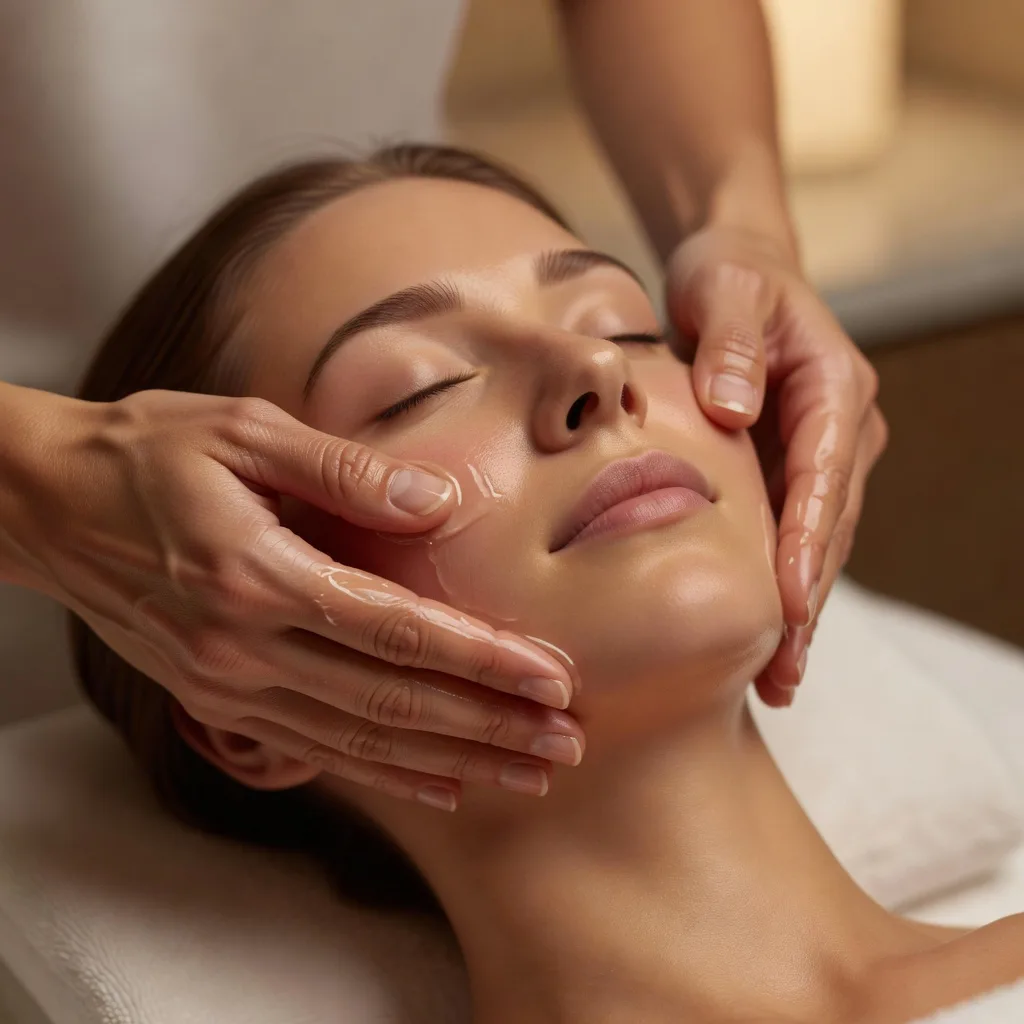
Facial vs Massage: Which Spa Treatment Is Worth Booking?
You have one free afternoon, a gift card, and a spa menu with two tempting options. Both promise to leave you relaxed and refreshed, both take about an hour, and both usually cost a similar amount. So which one should you pick?
Part of our guide to facial treatments. Start with: Facial Types: A Guide to 11 Popular Facials and How to Choose One
A facial is a skin treatment. A massage is a muscle and stress treatment. A facial cleanses, exfoliates, and hydrates the skin on your face, sometimes with extractions or a targeted mask. A massage works on the soft tissue of your body to ease tension, soreness, and stress. There is overlap, since most facials include a short face and shoulder massage, but the main goal is different.
The research behind them differs too. Massage has a fairly solid evidence base for short-term relief of stress and anxiety, including a well-known 2004 meta-analysis of 37 studies. The evidence for spa facials is thinner, and much of what they offer comes from simple steps such as deep cleansing and hydration that you can partly recreate at home.
The right choice depends on what is bothering you most right now: your skin or your body. If your skin feels congested, dull, or dehydrated, a facial targets that directly. If your shoulders are up by your ears and your sleep is off, a massage is likely to do more for how you feel.
This guide explains what happens in each treatment, gives you a quick way to decide, compares them side by side, and covers who should skip or delay each one.
Shopping these picks?
Amazon Prime members get fast, free shipping on eligible items, plus Prime Video, Amazon Music and member deals. New members can start with a free trial.
Start a free Prime trialAged 18 to 24? Prime for Young Adults comes with a longer free trial and a lower price after it.
Affiliate link: we may earn a commission at no extra cost to you.
Recommended Products for an At-Home Spa Day
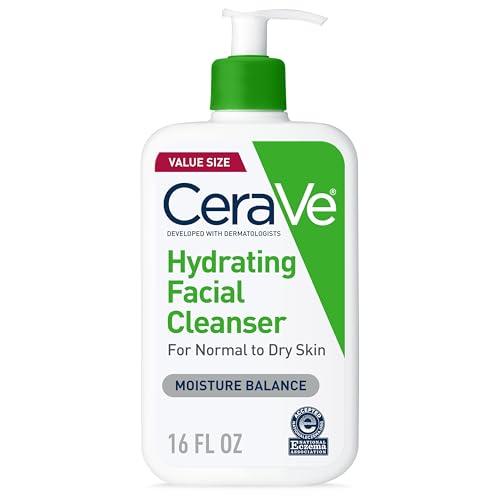

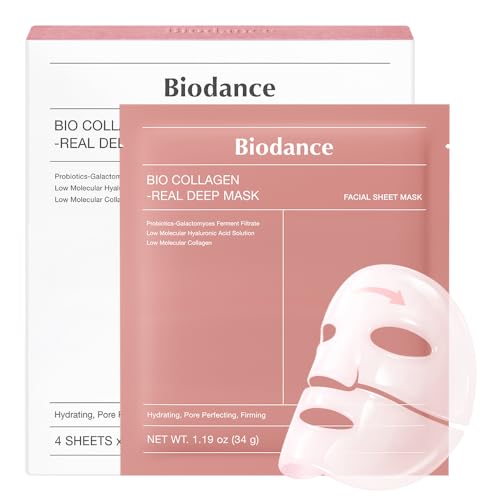
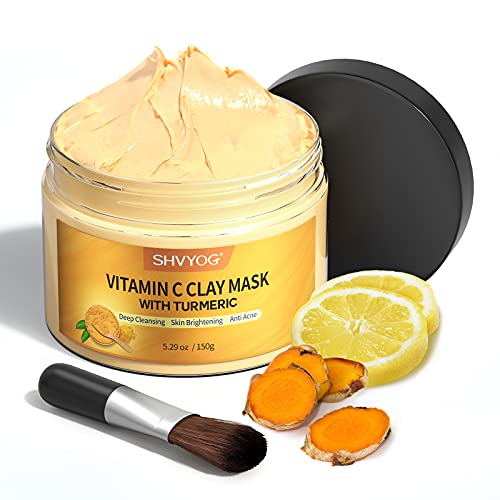


At a Glance
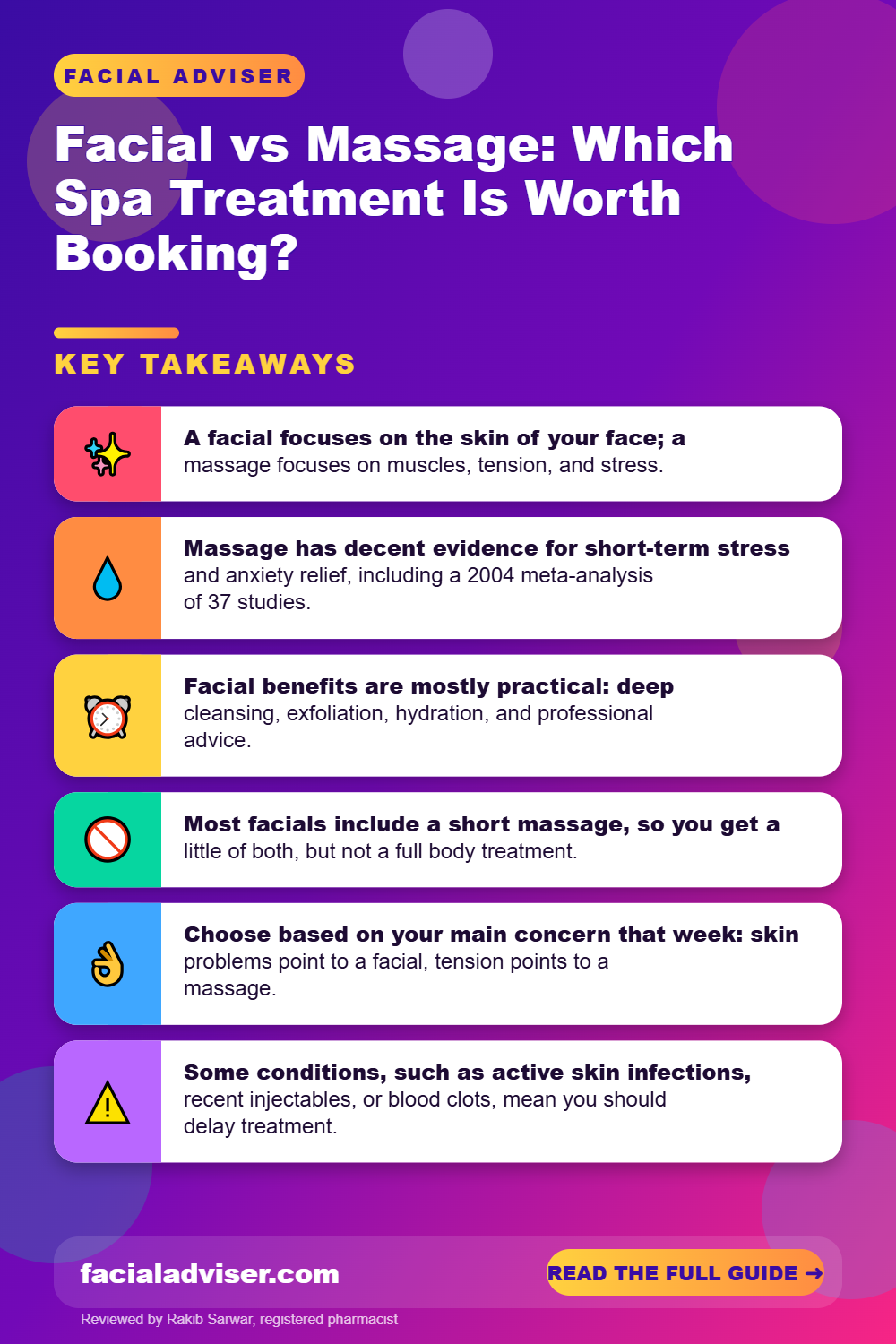
- A facial focuses on the skin of your face; a massage focuses on muscles, tension, and stress.
- Massage has decent evidence for short-term stress and anxiety relief, including a 2004 meta-analysis of 37 studies.
- Facial benefits are mostly practical: deep cleansing, exfoliation, hydration, and professional advice.
- Most facials include a short massage, so you get a little of both, but not a full body treatment.
- Choose based on your main concern that week: skin problems point to a facial, tension points to a massage.
- Some conditions, such as active skin infections, recent injectables, or blood clots, mean you should delay treatment.
- Tell your therapist about allergies, medications, and pregnancy before either treatment.
What This Covers
What Happens During a Facial
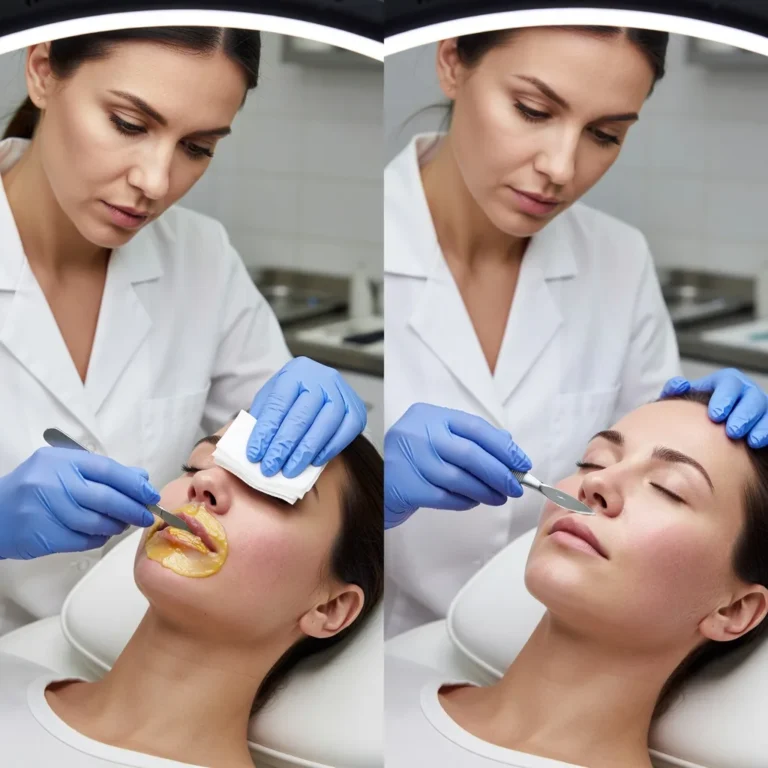
A standard facial usually runs 50 to 60 minutes. It typically begins with a skin assessment, where the esthetician looks at your skin type and concerns. Then comes a double cleanse, followed by exfoliation using a scrub, enzyme, or mild acid.
Many facials include steam to soften the skin, followed by extractions to clear blackheads or congested pores. A mask is applied to suit your skin, such as clay for oiliness or a hydrating gel for dryness, and the treatment finishes with serum, moisturizer, and sunscreen during the day.
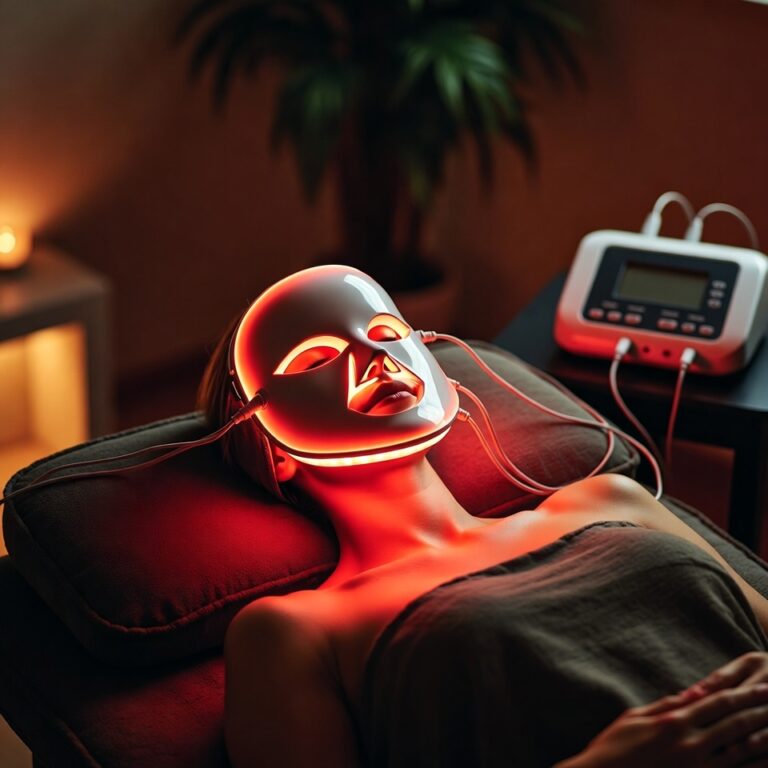
Most facials also include a few minutes of massage on the face, neck, and shoulders. It is relaxing, but it is not a replacement for a full massage. For a closer look at what to expect, see our guide to what a spa facial involves.
Facials vary a lot. A basic facial, a medical-grade peel, and a device facial such as a HydraFacial are very different treatments. Ask what is included before you book.
What Happens During a Massage
A massage usually lasts 60 or 90 minutes and focuses on the soft tissue of the body. Swedish massage uses long, flowing strokes and moderate pressure and is the most common choice for relaxation. Deep tissue massage uses slower, firmer pressure to target tight muscles.
Other options include hot stone, sports, prenatal, and aromatherapy massage. Your therapist will usually ask about problem areas, injuries, and pressure preferences before starting, and you can ask for more or less pressure at any time.
You may feel relaxed, sleepy, or slightly sore afterward, especially after deep tissue work. Drinking water and taking it easy for the rest of the day helps. Our guide to the benefits of massage therapy covers the different styles in more detail.
A Quick Way to Decide
If you are torn, this short self-check can help. Answer honestly based on how you feel this week, not in general.
Rate your skin
On a scale of 1 to 5, how bothered are you by congestion, dullness, dryness, or breakouts right now? A score of 4 or 5 points toward a facial.
Rate your body tension
Check your neck, shoulders, and lower back. If you notice stiffness, soreness, or headaches linked to tension, score yourself from 1 to 5. A 4 or 5 points toward a massage.
Check your stress and sleep
If you are sleeping poorly or feel constantly on edge, a massage is more likely to help, since that is where the research is strongest.
Look at your calendar
If you have an event in the next day or two, avoid a facial with extractions or peels, which can leave skin red. A hydrating facial or a massage is safer.
Pick the higher score
Book the treatment linked to your higher score. If both are equal, consider a combination package or alternate between them.
Facial vs Massage Side by Side
| Feature | Facial | Massage |
|---|---|---|
| Main focus | Skin on the face | Muscles and stress |
| Typical length | 50 to 60 minutes | 60 to 90 minutes |
| Best for | Congestion, dullness, dryness, texture | Tension, soreness, stress, sleep |
| Research support | Limited for spa facials | Moderate for short-term stress relief |
| Possible downtime | Redness after extractions or peels | Mild soreness after deep work |
| Clothing | Usually top removed, face exposed | Undressed to comfort level, draped |
| Home alternative | Good cleansing and a mask | Foam roller or handheld massager |
Both are services where the skill of the provider matters a lot. A good esthetician or massage therapist will adjust the treatment to you rather than follow a fixed script.
What the Evidence Says
The strongest research here is on massage. A 2004 meta-analysis by Moyer, Rounds, and Hannum in Psychological Bulletin pooled 37 studies and found that single sessions reduced state anxiety, blood pressure, and heart rate, while a series of treatments reduced trait anxiety and depression. The effects on longer-term anxiety and depression were comparable to those seen with a course of psychotherapy.
Research on spa facials as a package is much thinner. The individual steps have some logic behind them. Gentle exfoliation helps shed dead skin, hydrating masks temporarily plump the surface, and professional extractions can clear blackheads more safely than squeezing at home. But few studies have tested whether a monthly facial improves skin over time compared with a good daily routine.
Facial massage itself has limited evidence for anti-aging, although it can reduce puffiness temporarily and many people find it relaxing. Our guide on whether daily face massage is good for skin explores this further.
Combining Both Treatments
Many spas offer packages that include both treatments, often with the massage first so you are relaxed before the facial. If you book them separately, having the massage first also avoids pressing freshly treated facial skin into a face cradle.
If your facial includes a chemical peel, extractions, or microdermabrasion, ask whether a face-down massage is a good idea afterward. Some people prefer to leave a day between the two.
If budget is limited, consider alternating: a facial one month, a massage the next. That way you target both skin and stress without doubling costs.
It also helps to think about timing across the year. Many people find facials most useful at the change of seasons, when skin shifts from oily summer mode to dry winter mode, and before events where they want their skin at its best. Massage tends to be most helpful during stressful stretches of work or after periods of heavy training, travel, or long hours at a desk. Planning around those moments usually gives you more value than booking on a fixed schedule.
Getting Some of the Benefits at Home
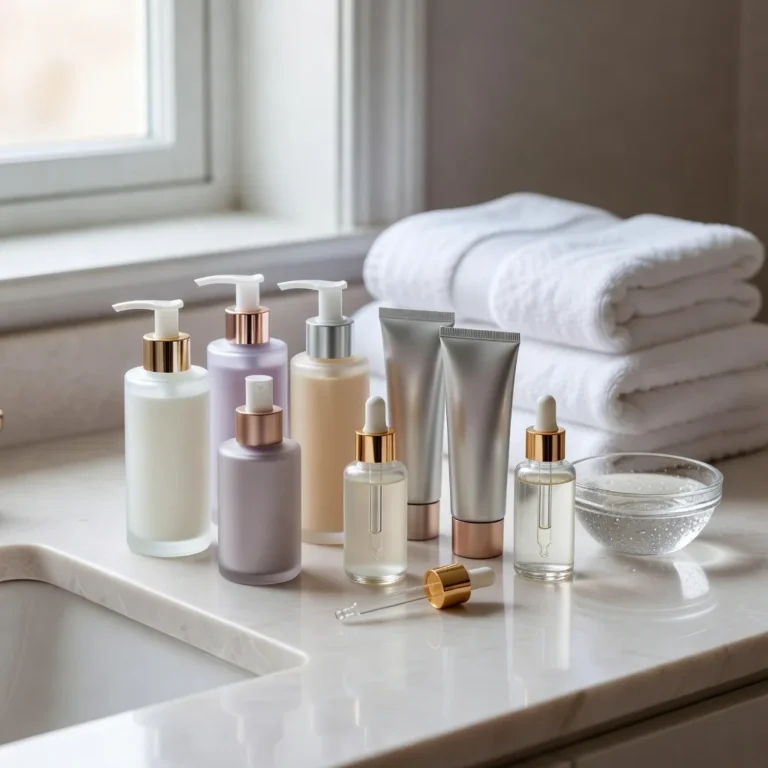
You can recreate part of each treatment at home, though not the expertise. For a home facial, cleanse gently, use a mask suited to your skin type, and finish with a moisturizer. Skip at-home extractions, which can lead to scarring and infection.
Worth Doing
- Use a gentle cleanser and lukewarm water.
- Pick a clay mask for oily skin or a hydrating mask for dry skin.
- Use a light oil for self-massage of the neck and shoulders.
- Keep massage tools on muscles, not bones or joints.
- Stop anything that causes pain or stinging.
Skip It
- Squeeze or pick at pores.
- Steam for long periods or with very hot water.
- Use a massage gun on your face, neck front, or throat.
- Layer several strong exfoliants in one session.
- Massage over bruises, varicose veins, or injuries.
A handheld massager or foam roller can help with muscle tension between professional massages, but a skilled therapist can find and work tension that tools often miss.
What Neither Treatment Can Do
A facial will not cure acne, rosacea, or melasma, and it cannot replace a daily skincare routine or dermatology treatment. Results from a single facial, such as a glowing look, often fade within a few days.
A massage will not fix a structural injury, cure chronic pain on its own, or replace medical care for anxiety or depression. The relaxation benefits are real but usually short-lived without regular sessions.
| Claim you may hear | What to expect |
|---|---|
| Facials detox the skin | Skin does not need to be detoxed; facials clean and hydrate it |
| Massage flushes toxins | No good evidence; the benefits are mainly on tension and stress |
| One facial clears acne | Acne needs consistent treatment, often from a dermatologist |
| Monthly facials stop aging | Sunscreen and retinoids have far stronger evidence |
| Massage fixes back problems | It can relieve symptoms, but persistent pain needs assessment |
The most realistic way to see both treatments is as support for good daily habits rather than a substitute for them. Sunscreen, gentle cleansing, and a moisturizer do the day-to-day work for your skin, while regular movement, sleep, and breaks from screens do the same for muscle tension and stress. A facial or massage then becomes a worthwhile extra rather than a quick fix.
Who Should Wait or Ask a Doctor First
Both treatments are low risk for most people, but some situations call for caution. Check with your doctor or delay treatment if you:
- Have an active skin infection, cold sore, or severe acne flare (for a facial).
- Have had Botox, filler, a peel, or laser treatment recently (for a facial).
- Have a history of blood clots, are on blood thinners, or have a recent injury (for a massage).
- Are pregnant, especially in the first trimester, and have not told the therapist.
- Have a fever, contagious illness, or unexplained swelling.
- Have severe allergies to skincare ingredients or massage oils.
Get urgent medical care for sudden calf pain with swelling, chest pain, or shortness of breath, which can signal a blood clot. Do not massage the area.
Medical disclaimer: This article is for general information and is not a substitute for professional medical advice. Speak to a doctor if you have a health condition that could be affected by a facial or massage.
Questions People Ask
Is a facial or massage better for relaxation?
A massage is usually more relaxing because it works on the whole body, and research supports its effects on stress and anxiety.
Is a facial or massage better for skin?
A facial, since it targets cleansing, exfoliation, and hydration of the face. A massage does little for facial skin.
Does a facial include a massage?
Most include a short face, neck, and shoulder massage, but not a full body treatment.
Should I get a massage or facial first?
If booking both on the same day, many people prefer the massage first so the face is not pressed into a face cradle after treatment.
How often should I get a facial?
Many estheticians suggest every four to six weeks, but a consistent home routine matters more.
How often should I get a massage?
It depends on your goals and budget. Monthly is common for maintenance, more often for specific tension.
Can I get a facial with acne?
Yes, but tell your esthetician. Active infected acne may need a dermatologist rather than extractions.
Is it safe to have a massage while pregnant?
Many therapists offer prenatal massage. Tell them you are pregnant and check with your doctor if you have complications.
Will a facial make me break out?
Some people get a few spots after extractions or new products. Mention sensitivities before starting.
What should I do after a facial or massage?
Drink water, avoid heavy makeup or intense exercise for the rest of the day, and wear sunscreen after a facial.
The Takeaway
A facial and a massage are both worth booking, but they do different jobs. A facial focuses on the skin of your face with cleansing, exfoliation, and hydration, while a massage focuses on muscles and stress, with better research support for short-term relief of anxiety and tension.
Choose based on what bothers you most right now, tell your provider about any health conditions or recent treatments, and remember that a good daily routine for your skin and your body will do more than an occasional spa visit.

Written by
Registered pharmacist and founder of Facial Adviser. Rakib's pharmacy training covers how skincare actives work and interact; a later course in cosmetology turned that into a focus on facial treatments and skincare products. He plans, researches and edits every guide on the site and checks health claims against sources such as the American Academy of Dermatology, the FDA and the NIH. He is not a dermatologist; see the Editorial Policy and Medical Disclaimer.
About · Editorial policy · How we choose products · Medical disclaimer · Contact
Keep reading: Types of facials compared
- Facial Types: A Guide to 11 Popular Facials and How to Choose One
- Facial Treatment Names Explained: 25+ Types and What Each One Does
- Best Place for a Facial: Spa, Dermatologist, Medspa, Salon or Home?
- Best Facial Treatment for Acne Scars: Options by Scar Type and Home Care
- Best Facial for Melasma: Gentle Treatments, What to Avoid and Home Care
- Best Facial for Blackheads and Large Pores: Which Treatment Actually Helps
- Microneedling Facial: Real Results, Explained
- Is Hydrafacial a Gimmick? What Evidence Shows