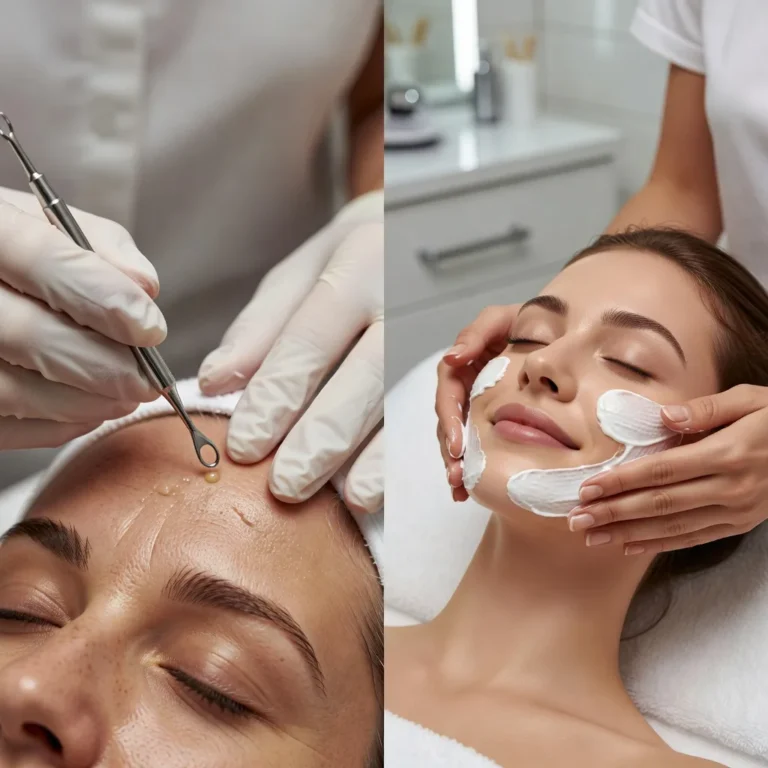
Facial Treatment Names Explained: 25+ Types and What Each One Does
Open any salon or spa menu and you will see a long list of facial treatment names: classic, European, deep-cleansing, hydrafacial, dermaplaning, oxygen, gold, diamond, LED and more. Many sound similar, some are the same thing under a different name, and a few are mostly marketing. Knowing what each name actually means makes it far easier to book the right one.
Part of our guide to facial treatments. Start with: Facial Types: A Guide to 11 Popular Facials and How to Choose One
Facial treatment names describe either the method used (microdermabrasion, dermaplaning, chemical peel, LED, microcurrent, lymphatic drainage), the main ingredient or theme (gold, diamond, fruit, oxygen, collagen), or the goal and audience (acne facial, anti-ageing facial, men’s facial, express facial, back facial). A classic or European facial is the base: cleanse, steam, exfoliate, extract, massage, mask and moisturise. Deep-cleansing and acne facials add more extraction and clarifying products. Hydrafacials use a vacuum tip to exfoliate and infuse serums. Peels and microdermabrasion remove the outer layer of dead skin more intensively. Device facials such as LED, microcurrent and radiofrequency add light, electrical or heat energy. Most sessions last 30 to 90 minutes, and the best choice depends on your skin type, your main concern and how much downtime you can accept.
In short: the name tells you the method, the ingredient or the target, and the classic facial is the foundation that most other facials build on.
The American Academy of Dermatology notes that professional procedures such as chemical peels and microdermabrasion vary in depth and results, and advises seeing a board-certified dermatologist for stronger treatments and for persistent skin conditions, which is a useful rule when a facial is being sold as a cure.
This guide lists more than 25 facial treatment names, explains what each one does and who it suits, compares gentle and intensive options, and walks you through choosing the right one for your skin.
Shopping these picks?
Amazon Prime members get fast, free shipping on eligible items, plus Prime Video, Amazon Music and member deals. New members can start with a free trial.
Start a free Prime trialAged 18 to 24? Prime for Young Adults comes with a longer free trial and a lower price after it.
Affiliate link: we may earn a commission at no extra cost to you.
Recommended At-Home Facial Kits and Tools




What This Covers
- Facial Treatment Names at a Glance
- Classic, European and Deep-Cleansing Facials
- Resurfacing Facials: Hydrafacial, Microdermabrasion, Dermaplaning and Peels
- Device Facials: LED, Microcurrent, Radiofrequency and Oxygen
- Ingredient-Named Facials: Gold, Diamond, Caviar, Fruit and Collagen
- Goal-Based Names: Acne, Anti-Ageing, Hydrating and Brightening Facials
- Audience and Format Names: Men’s, Teen, Express and Back Facials
- Gentle vs Intensive Facials
- How to Choose the Right Facial Treatment
- Dos and Don’ts Before and After a Facial
- Honest Limits
- When to See a Professional
- Frequently Asked Questions
- Final Word
What to Know First
- Facial names describe the method, the key ingredient or the target concern.
- A classic or European facial is the base that most others build on.
- Hydrafacials, oxygen and LED facials are gentle with little or no downtime.
- Peels, microdermabrasion and microneedling are more intensive and need aftercare.
- Gold, diamond and caviar facials are mostly about the experience, not proven results.
- Most facials last 30 to 90 minutes; express versions last about 30.
- Choose by skin concern and downtime, not by the most impressive name.
Facial Treatment Names at a Glance
This table lists the facial treatment names you are most likely to meet on a spa, salon or clinic menu, with what each one does, who it suits and how long a typical session takes. Session lengths vary by provider, so treat them as a guide.
| Facial name | What it does | Best for | Typical session |
|---|---|---|---|
| Classic / basic facial | Cleanse, steam, light exfoliation, mask, moisturise | First-timers, maintenance | 45-60 min |
| European facial | Classic steps plus extractions and massage | Most skin types, congestion | 60-75 min |
| Deep-cleansing facial | Longer steam, thorough extractions, clarifying mask | Oily, congested skin | 60-75 min |
| Acne facial | Extractions, salicylic or glycolic products, calming mask | Mild to moderate breakouts | 60 min |
| Hydrafacial | Vacuum tip exfoliates, extracts and infuses serums | Dullness, mild congestion, no downtime | 30-45 min |
| Microdermabrasion | Crystals or diamond tip sand away dead skin | Rough texture, mild marks | 30-45 min |
| Dermaplaning | Blade removes dead skin and fine facial hair | Smooth makeup base, peach fuzz | 30-45 min |
| Chemical peel (light) | Acid solution loosens dead surface skin | Tone, texture, mild acne | 20-45 min |
| Enzyme facial | Fruit enzymes dissolve dead skin gently | Sensitive skin, beginners | 45-60 min |
| Fruit / AHA facial | Fruit-derived acids brighten and smooth | Dull or uneven skin | 45-60 min |
| LED facial | Red or blue light on cleansed skin | Mild acne, redness, early ageing | 30-60 min |
| Microcurrent facial | Low-level current to tone facial muscles | Temporary lift, contour | 45-60 min |
| Radiofrequency facial | Heat energy to stimulate collagen | Mild laxity, early sagging | 45-60 min |
| Oxygen facial | Pressurised oxygen sprays serum onto skin | Dullness, pre-event glow | 45-60 min |
| Lymphatic drainage facial | Light rhythmic massage to reduce puffiness | Puffy, tired skin | 45-60 min |
| Collagen facial | Collagen-rich masks and serums | Dry, mature skin | 60 min |
| Anti-ageing facial | Peptides, antioxidants, massage, often a device | Fine lines, dullness | 60-90 min |
| Hydrating facial | Humectant serums and occlusive masks | Dry, dehydrated skin | 45-60 min |
| Brightening facial | Vitamin C, acids, pigment-targeting masks | Dark spots, uneven tone | 60 min |
| Gold facial | Gold-leaf or gold-tinted masks | Luxury experience, events | 60-90 min |
| Diamond facial | Diamond-tip microdermabrasion or diamond-dust products | Texture, polish | 45-60 min |
| Caviar facial | Rich, nutrient-based masks | Dry, mature skin, indulgence | 60-90 min |
| Microneedling facial | Fine needles create controlled micro-injuries | Scars, texture, lines | 45-60 min |
| Vampire (PRP) facial | Microneedling plus your own plasma | Texture, early ageing | 60-90 min |
| Fire and ice facial | Warming resurfacing mask then cooling mask | Pre-event glow, texture | 45-60 min |
| Men’s facial | Classic steps adapted for thicker skin and beards | Men, razor bumps, oiliness | 45-60 min |
| Express / mini facial | Shortened classic facial | Maintenance, lunch breaks | 20-30 min |
| Back facial | Classic facial steps on the back | Back acne, special occasions | 45-60 min |
| Teen facial | Gentle cleansing and acne education | Teenagers with breakouts | 30-45 min |
If your main question is how often to book, our guide on how often you should get a professional facial covers sensible spacing for each type.
Classic, European and Deep-Cleansing Facials
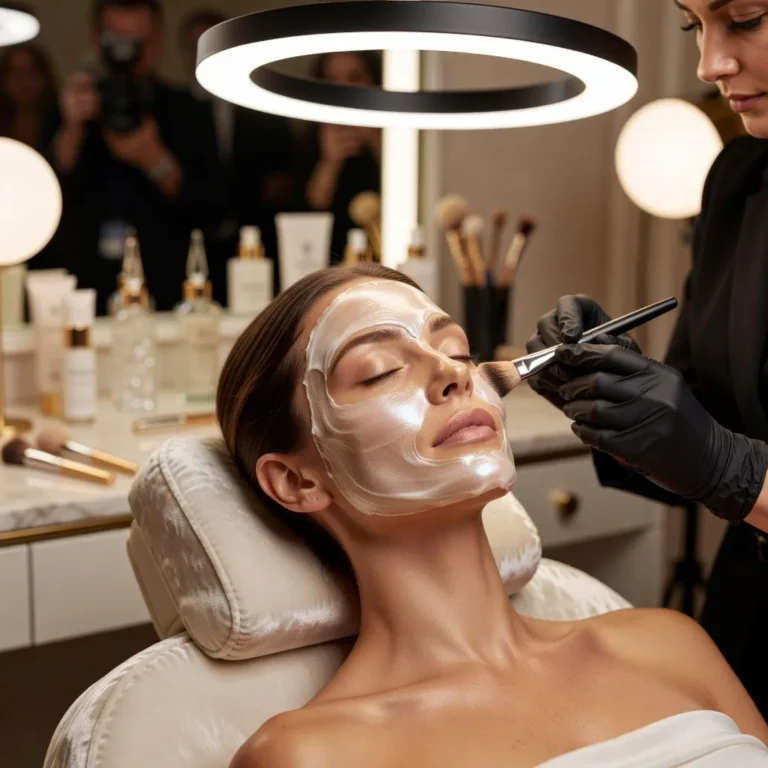
These three are the foundation of almost every spa menu, and the names overlap. A classic or basic facial includes cleansing, steam, light exfoliation, a mask and moisturiser. A European facial adds extractions of blackheads and whiteheads and a longer massage. A deep-cleansing facial extends the steam and extraction stage and finishes with a clarifying clay or sulphur mask.
- Classic facial: the gentlest, best for a first visit or regular upkeep.
- European facial: the standard full facial, good for mild congestion.
- Deep-cleansing facial: more time on extractions, suited to oily or blackhead-prone skin.
- Signature facial: a salon’s own version of the above, usually with its favourite product line.
Expect mild pinkness for an hour or two after extractions and no real downtime. Our comparison of European facial vs basic facial goes into the differences step by step.
Resurfacing Facials: Hydrafacial, Microdermabrasion, Dermaplaning and Peels
Resurfacing treatments all remove the outer layer of dead skin cells, but they do it in different ways and at different depths. This is where facial names start to matter for safety as well as results.
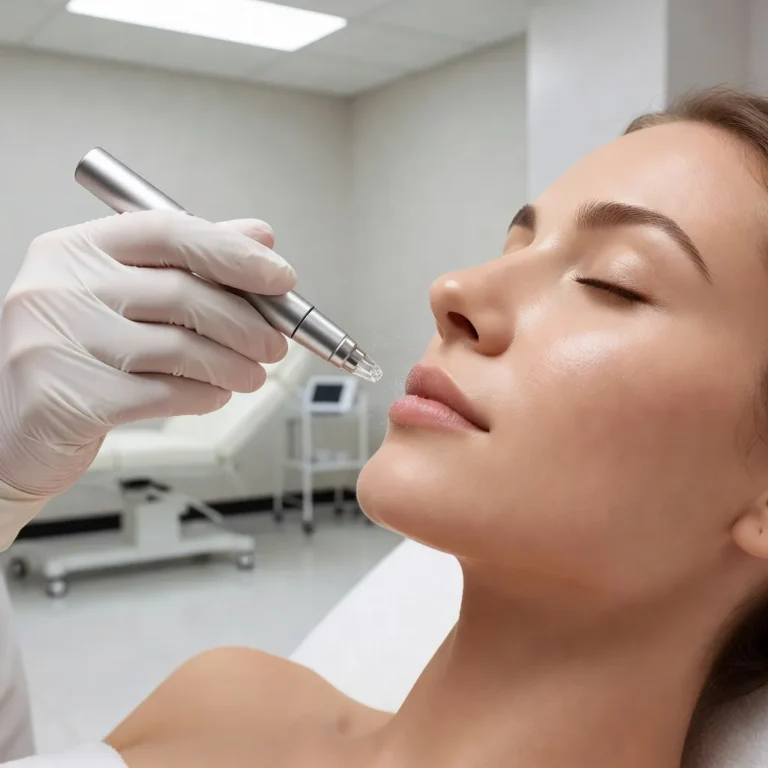
- Hydrafacial: a hand-held tip with suction exfoliates, loosens debris and delivers hydrating serums in one pass. Gentle, no downtime, instant glow that lasts days rather than weeks.
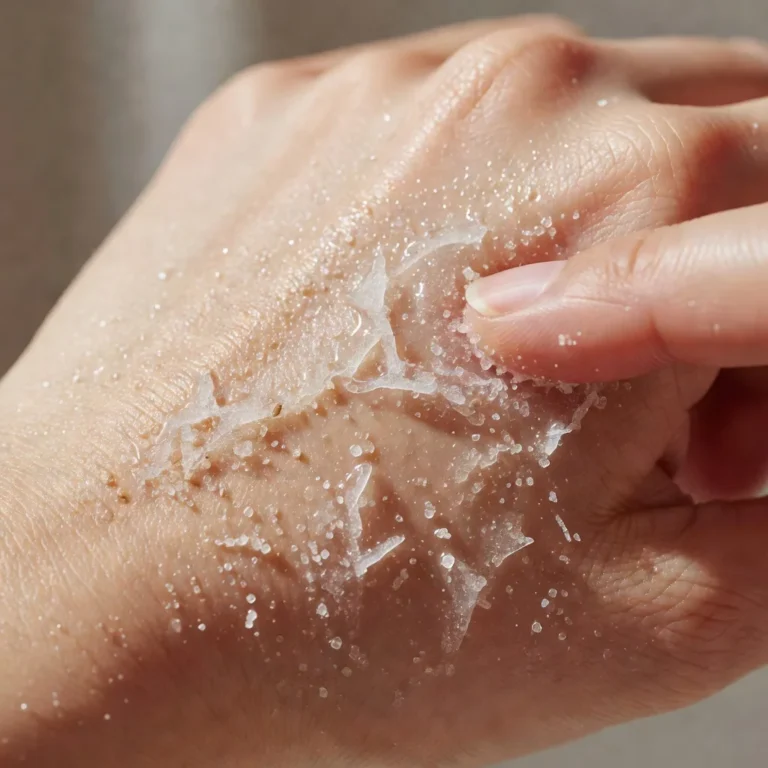
- Microdermabrasion: a machine with fine crystals or a diamond tip polishes the surface. Good for rough texture and mild marks. Skin may be pink for a day.
- Dermaplaning: a sterile blade is glided across the skin to remove dead cells and vellus hair. Makeup sits smoother afterwards. Not suited to active acne.
- Light chemical peel: a solution such as glycolic, lactic or salicylic acid is applied for a few minutes. Expect tightness and light flaking for a few days.
- Medium and deep peels: stronger acids reach deeper and need medical supervision, with days to weeks of recovery.
The AAD’s chemical peels overview explains that peels range from superficial to deep, with results and recovery increasing with depth, and its microdermabrasion overview describes the treatment as a gentle resurfacing that usually needs several sessions for visible change.
Many menus use branded names for the same methods. A diamond facial is often diamond-tip microdermabrasion, an aqua or skinwave facial is a hydrafacial-style treatment, and a glow or glass-skin facial is usually a light peel or enzyme facial with hydrating serums.
Device Facials: LED, Microcurrent, Radiofrequency and Oxygen
Device facials use energy or air rather than acids to change the skin. They are usually added on top of a classic facial and are popular because they are comfortable and have no downtime.
- LED facial: red light is used for redness and early signs of ageing, blue light for mild acne. Results build gradually over repeated sessions.
- Microcurrent facial: tiny electrical currents stimulate facial muscles for a temporary lifted look. The effect fades within days unless repeated.
- Radiofrequency facial: controlled heat in the deeper layers encourages collagen production over months. Mild and gradual results.
- Oxygen facial: pressurised oxygen pushes a serum onto the skin for a plump, dewy look that lasts a day or two.
- Ultrasonic facial: a vibrating spatula loosens debris and helps serums spread. Gentle and relaxing.
These treatments are safe for most skin types when performed by a trained professional, but the results are modest and temporary. Our guide to microcurrent facial steps and benefits explains what to expect from a course of sessions.
Ingredient-Named Facials: Gold, Diamond, Caviar, Fruit and Collagen
Some of the most expensive-sounding facial names describe an ingredient rather than a technique. They are relaxing and often feel luxurious, but the headline ingredient rarely does the heavy lifting.
- Gold facial: a gold-leaf or gold-coloured mask over a classic facial. Gold itself has no proven skin benefit; the glow comes from the exfoliation and hydration steps.
- Diamond facial: either diamond-tip microdermabrasion (a real resurfacing method) or a mask containing diamond dust (mostly for shimmer).
- Caviar facial: rich masks marketed for mature skin. Any benefit comes from the moisturising base.
- Fruit facial: fruit enzymes or fruit acids that gently exfoliate. These do work, because enzymes and AHAs are genuine exfoliants.
- Collagen facial: collagen masks hydrate the surface, but collagen molecules are too large to be absorbed and rebuild skin.
If collagen is your goal, a course of radiofrequency or microneedling has more evidence behind it than any collagen mask.
Goal-Based Names: Acne, Anti-Ageing, Hydrating and Brightening Facials
These names tell you the target rather than the tool. The aesthetician builds the session from the classic framework and swaps in products or add-ons for that concern.
| Facial name | Typical steps and products | What it realistically achieves |
|---|---|---|
| Acne facial | Extractions, salicylic acid, blue LED, clay mask | Clearer pores and calmer spots for a few weeks |
| Anti-ageing facial | Peptides, antioxidants, massage, microcurrent or RF | Plumper, smoother look for days; gradual change with a course |
| Hydrating facial | Hyaluronic acid serums, sheet or gel masks | Plumper skin for several days |
| Brightening facial | Vitamin C, light AHA peel, pigment masks | Fresher tone; dark spots need repeated sessions |
| Sensitive-skin facial | No steam or extractions, soothing masks | Calmer, less reactive skin |
| Lymphatic drainage facial | Gentle rhythmic massage, no actives | Reduced puffiness for a day or two |
For acne, the AAD’s skin care tips stress gentle cleansing and not picking or squeezing at home, which is one reason a professional extraction can help when you are struggling with blackheads.
If you cannot decide between goal-based names, ask the salon which steps are included and which are optional add-ons. The add-on list usually tells you exactly what the name means at that particular venue.
Audience and Format Names: Men’s, Teen, Express and Back Facials
The last group of names describes who the facial is for or how it is delivered. The steps are familiar; the adjustments are in products, pressure and time.
- Men’s facial: the classic sequence adapted for thicker, oilier skin and beard areas, often with attention to ingrown hairs.
- Teen facial: gentle cleansing, light extractions and advice on routine, with fewer strong actives.
- Express or mini facial: cleanse, exfoliate, mask and moisturise in about half an hour. No extractions.
- Back facial: cleansing, steam, extractions and mask on the back, useful before events or for back acne.
- Bridal or event facial: a hydrating or brightening facial booked a week or two before the day, never the day before.
Whatever the format, the person doing it matters more than the name. A good aesthetician will adjust the steps to your skin on the day.
Gentle vs Intensive Facials
A simple way to make sense of facial treatment names is to sort them by intensity. Gentle facials can be repeated often with no downtime; intensive ones give bigger changes but need recovery and more care in the sun.
| Feature | Gentle facials | Intensive facials |
|---|---|---|
| Examples | Classic, hydrating, hydrafacial, oxygen, LED, lymphatic, enzyme | Medium peels, microneedling, PRP, aggressive microdermabrasion |
| Downtime | None to a few hours of pinkness | One to seven days of flaking, redness or swelling |
| Results | Immediate glow, fades in days | Gradual, longer-lasting change over weeks |
| Frequency | Every 3-6 weeks | Every 4-12 weeks, in a planned course |
| Risks | Minimal | Irritation, dark marks, scarring if done poorly |
| Who performs it | Aesthetician | Dermatologist, nurse or supervised aesthetician |
| Best for | Maintenance, events, sensitive skin | Scars, deeper lines, stubborn pigmentation |
If you have darker skin, are pregnant, use retinoids or have taken isotretinoin recently, tell the provider before any intensive treatment, because the risk of dark marks and irritation is higher. Ask how the provider adjusts the treatment for your skin tone and medical history.
How to Choose the Right Facial Treatment
Use these steps to turn a long menu of facial names into one sensible booking.
Name your main concern
Pick one: congestion, dryness, dullness, redness, fine lines, dark spots or texture. The concern narrows the list quickly.
Decide how much downtime you can accept
None means classic, hydrafacial, oxygen, LED or lymphatic. A few days opens up peels and microdermabrasion.
Check your skin’s current state
Active acne, eczema, sunburn or a cold sore means postponing anything with blades, acids or heat.
Match the name to the method
Ask what the facial actually involves. A gold or diamond facial should be judged by its steps, not its name.
Check the provider’s training
Resurfacing and device treatments need a trained aesthetician; medium peels and microneedling need medical oversight.
Start gentle
A classic or hydrafacial first shows how your skin reacts before you try anything stronger.
Plan the timing
Book gentle facials a few days before an event and intensive ones at least two weeks before.
Review after two weeks
Judge results once any pinkness has settled, then decide whether to repeat or change.
If you prefer to try things at home first, a steamer, a gentle enzyme mask and a cleansing brush mimic the gentlest parts of a classic facial.
Dos and Don’ts Before and After a Facial
Try This
- Tell the therapist about retinoids, acids and medication
- Arrive with clean skin and no makeup
- Ask exactly what the named facial includes
- Wear broad-spectrum sunscreen afterwards
- Keep the routine simple for two to three days
Avoid This
- Book a peel or dermaplaning the day before an event
- Pick or squeeze any spots after extractions
- Use scrubs or acids at home for a few days after
- Assume a luxury name means better results
- Sit in the sun or a sauna straight after
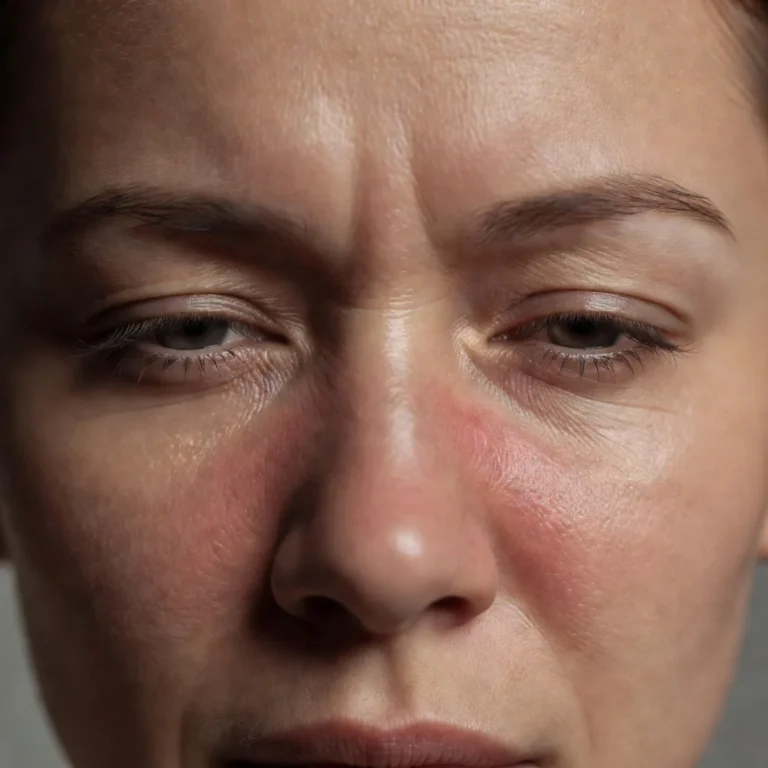
Resurfacing facials and peels make skin more sensitive to the sun for days afterwards. Skipping sunscreen in that window can cause dark marks that last far longer than the facial’s benefits. Never let anyone perform medium or deep peels, microneedling or PRP outside a properly supervised setting.
Honest Limits
A facial of any name is mostly a temporary treatment. The glow from a classic, oxygen or hydrafacial lasts days; the tightening from microcurrent fades within a week unless repeated. Lasting change comes from a consistent home routine with sunscreen, a gentle cleanser and, where suitable, a retinoid or vitamin C, plus a planned course of treatments rather than a one-off.
Ingredient-named facials such as gold, caviar and collagen are relaxing but have little evidence behind the headline ingredient. Device facials are safe and pleasant but produce modest results. Only resurfacing and medical treatments reliably change texture, scars and pigmentation, and they carry real risks when done badly. No facial cures acne, rosacea, melasma or eczema; it can support treatment, not replace it.
When to See a Professional
Facials are for healthy skin that wants maintenance or a boost. See a dermatologist rather than booking another facial if any of these apply.
- You have persistent or cystic acne, rosacea, eczema or melasma.
- A previous facial caused burns, blistering, dark marks or a breakout that lasted weeks.
- You have scars, deep lines or pigmentation that gentle facials have not improved.
- You are unsure whether a treatment is safe with your medication or skin tone.
- Any spot or mole has changed in size, colour or shape.
This article is for general information and does not replace professional medical advice. See a board-certified dermatologist for skin conditions, before stronger resurfacing treatments and if you react badly to any facial.
Frequently Asked Questions
What is the most common facial treatment name?
The classic or European facial, which is the base for most others.
What is the difference between a classic and a European facial?
A European facial adds extractions and a longer massage.
Which facial has no downtime?
Classic, hydrating, hydrafacial, oxygen, LED and lymphatic facials.
Is a gold facial worth it?
It is relaxing, but gold itself has no proven skin benefit.
What is a diamond facial?
Usually diamond-tip microdermabrasion, sometimes a mask with diamond dust.
How long does a facial take?
Most take 45 to 90 minutes; express facials take about 30.
Which facial is best for acne?
An acne or deep-cleansing facial with extractions, or a light salicylic peel.
Which facial is best for ageing skin?
An anti-ageing facial with microcurrent, radiofrequency or a light peel, in a course.
Can men get the same facials?
Yes; a men’s facial is the classic sequence adapted for thicker skin and beards.
How do I choose a facial?
Match your main concern and acceptable downtime to the method, not the name.
Final Word
Facial treatment names describe a method, an ingredient or a goal, and the classic facial is the base that hydrafacials, peels, device facials and luxury versions all build on.
Pick by your main concern, your downtime and the provider’s training, start gentle, and treat even the most impressive-sounding facial as a boost to a good home routine rather than a replacement for it.

Written by
Registered pharmacist and founder of Facial Adviser. Rakib's pharmacy training covers how skincare actives work and interact; a later course in cosmetology turned that into a focus on facial treatments and skincare products. He plans, researches and edits every guide on the site and checks health claims against sources such as the American Academy of Dermatology, the FDA and the NIH. He is not a dermatologist; see the Editorial Policy and Medical Disclaimer.
About · Editorial policy · How we choose products · Medical disclaimer · Contact
Keep reading: Types of facials compared
- Facial Types: A Guide to 11 Popular Facials and How to Choose One
- Best Place for a Facial: Spa, Dermatologist, Medspa, Salon or Home?
- Best Facial Treatment for Acne Scars: Options by Scar Type and Home Care
- Best Facial for Melasma: Gentle Treatments, What to Avoid and Home Care
- Best Facial for Blackheads and Large Pores: Which Treatment Actually Helps
- Best Facial for Acne-Prone Skin: Professional Options and Aftercare
- What Is a Spa Facial?
- Fruit Facial at Home: Does It Actually Work?