What Alcohol Does to Your Face Overnight (and Over Time)
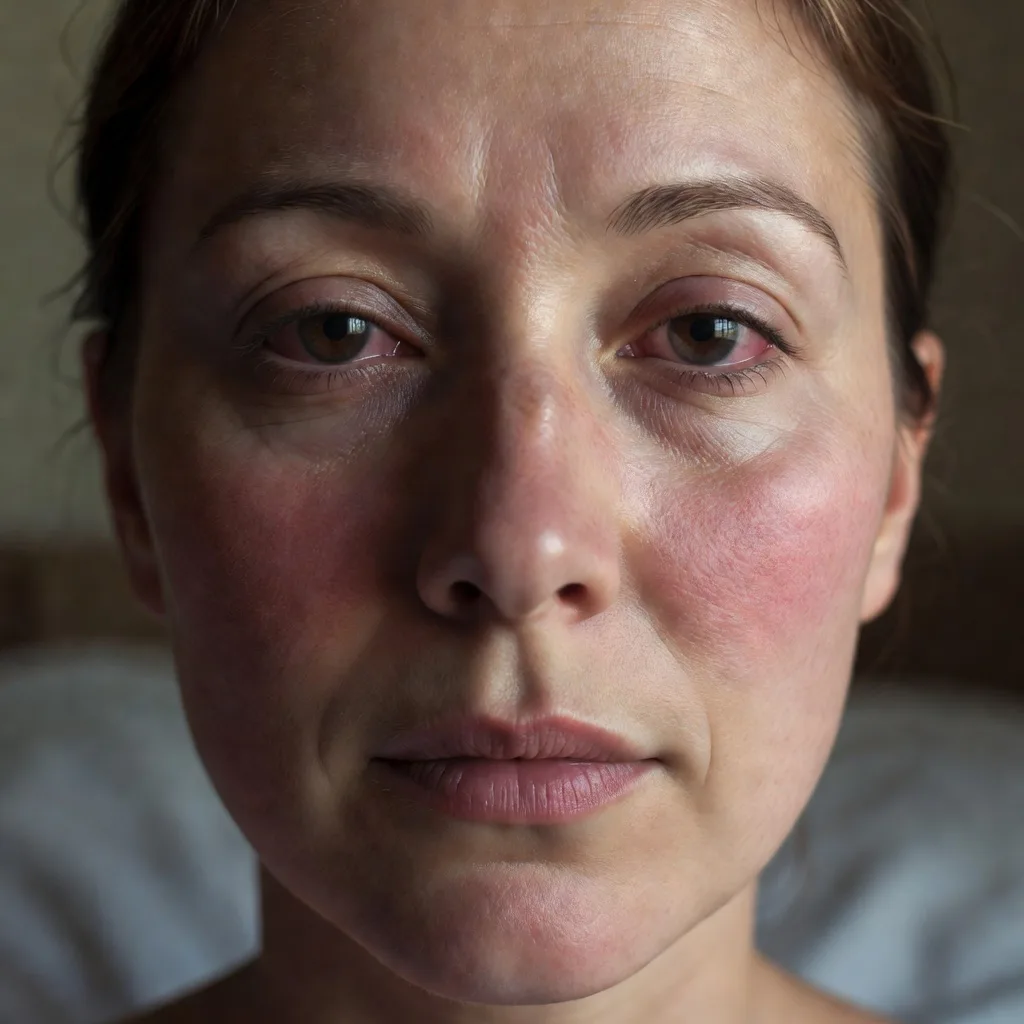
You wake up after a night out and your face looks different: puffier around the eyes, blotchy across the cheeks, dull and a little grey, with lines that seem deeper than usual. Most people have seen this in the mirror at some point, and it can take the best part of a day to fade.
Part of our guide to lifestyle and skin. Start with: How Diet Impacts the Skin Microbiome: What the Science Actually Shows
Alcohol affects facial skin overnight in several ways. It widens blood vessels, causing flushing and redness; it disrupts sleep, which leads to puffiness and dark circles; it shifts fluid balance, leaving some areas swollen and skin surface dehydrated; and it can trigger rosacea flares. Most of these effects fade within a day or two. With regular heavy drinking, the changes can become lasting, including broken blood vessels, puffiness and signs of faster ageing.
The overnight effects are mostly temporary and reversible. They are your skin’s response to changes in blood flow, fluid, inflammation and sleep, all of which settle once alcohol has cleared and you have rested.
Longer-term effects are a different matter. A large survey of more than 3,000 women found that drinking eight or more drinks a week was linked with more under-eye puffiness, more visible blood vessels, more lines on the upper face and more midface volume loss.
This guide explains what happens to your face during and after drinking, how long each effect lasts, how to help your skin recover the next morning, and when facial flushing or changes are a sign to see a doctor.
Shopping these picks?
Amazon Prime members get fast, free shipping on eligible items, plus Prime Video, Amazon Music and member deals. New members can start with a free trial.
Start a free Prime trialAged 18 to 24? Prime for Young Adults comes with a longer free trial and a lower price after it.
Affiliate link: we may earn a commission at no extra cost to you.
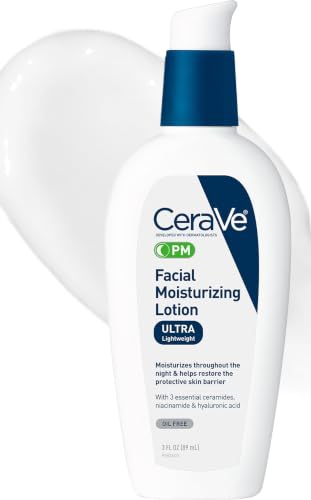
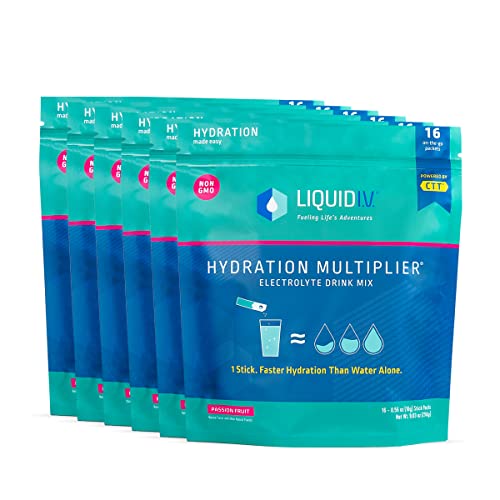
Recommended Products for Morning-After Skin




What This Covers
- What Happens to Your Face Overnight
- Why Your Face Goes Red
- Why Your Face Looks Puffy and Tired
- What Regular Drinking Does Over Time
- How Your Skin Recovers: A Rough Timeline
- Alcohol, Nutrition and Skin
- Is Alcohol Showing on Your Skin?
- How to Help Your Skin After a Night of Drinking
- Do Some Drinks Affect Skin More Than Others?
- Dos and Don’ts
- Honest Limits
- When to See a Doctor
- FAQ
- The Takeaway
What to Know First
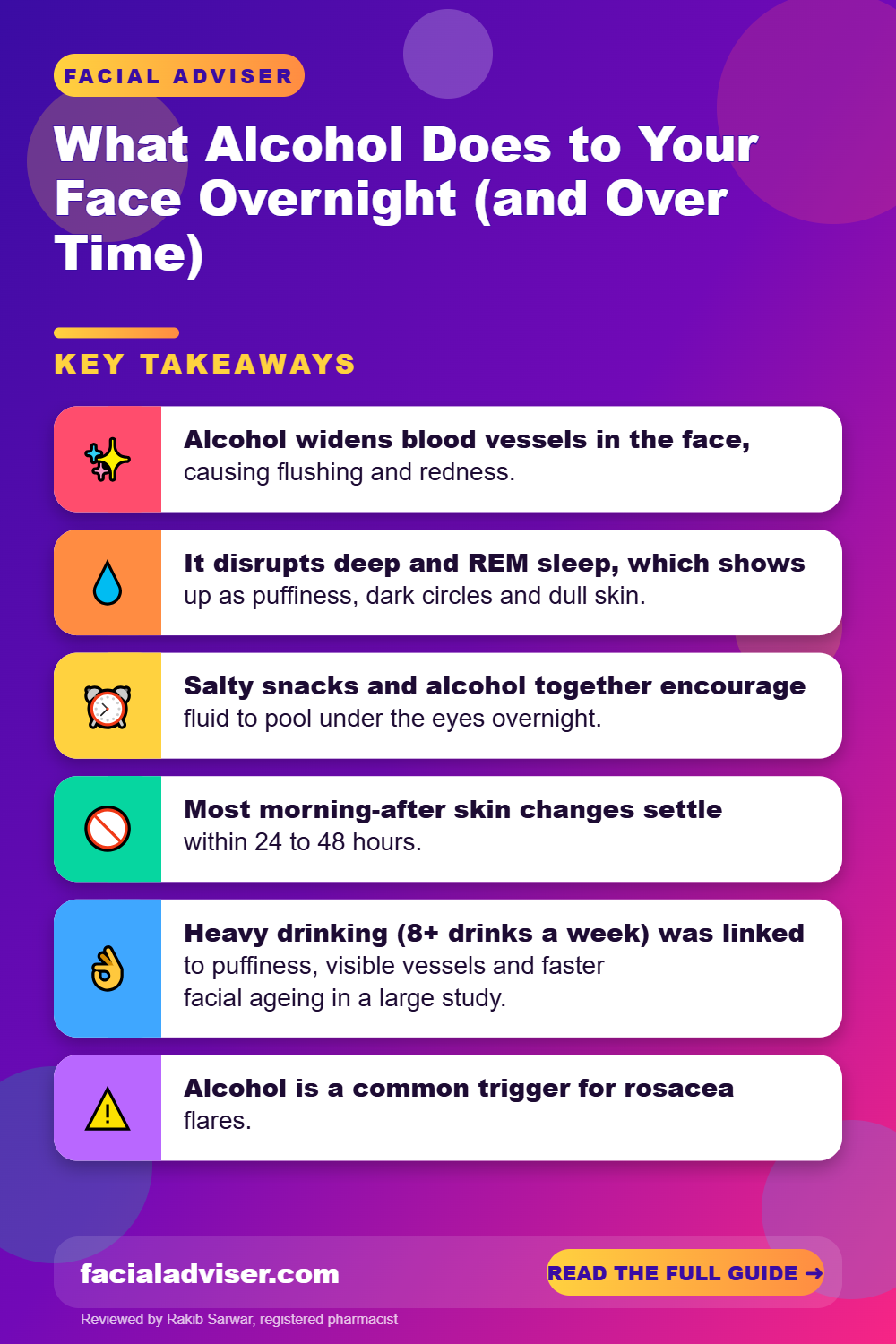
- Alcohol widens blood vessels in the face, causing flushing and redness.
- It disrupts deep and REM sleep, which shows up as puffiness, dark circles and dull skin.
- Salty snacks and alcohol together encourage fluid to pool under the eyes overnight.
- Most morning-after skin changes settle within 24 to 48 hours.
- Heavy drinking (8+ drinks a week) was linked to puffiness, visible vessels and faster facial ageing in a large study.
- Alcohol is a common trigger for rosacea flares.
- Strong flushing after small amounts of alcohol can signal an enzyme deficiency and a higher health risk.
What Happens to Your Face Overnight
| Effect | Why it happens | How long it usually lasts |
|---|---|---|
| Flushing and redness | Alcohol widens small blood vessels in the skin | Hours, sometimes into the next morning |
| Puffiness, especially under the eyes | Disrupted sleep, fluid shifts, salty food, lying flat | Hours to a day |
| Dark circles | Poor sleep and dilated vessels under thin eye skin | A day or two |
| Dull, grey tone | Poor sleep and dehydration | A day or two |
| Dry, tight skin | Surface dehydration and skipped skincare | A day or two |
| Breakouts | Sleeping in makeup, sugary mixers, disrupted sleep | Several days |
| Rosacea flare | Alcohol is a common trigger | Days |
These effects overlap. A late night of drinking usually also means less sleep, salty food, forgotten skincare and sometimes smoke exposure, all of which add to what the alcohol itself does.
Why Your Face Goes Red
Alcohol relaxes the muscle in the walls of small blood vessels, so they widen and more blood flows near the surface. That is the warm, flushed look many people get after a drink or two.
In some people, the reaction is much stronger. Around a third of people of East Asian descent carry a variant of the ALDH2 enzyme that breaks down acetaldehyde, a toxic by-product of alcohol, much more slowly. Acetaldehyde builds up and causes rapid, intense flushing, often with a racing heart and nausea. This is sometimes called ‘alcohol flush reaction’.
Intense flushing after small amounts of alcohol is not just cosmetic. People with this reaction who drink regularly have a higher risk of oesophageal cancer. Antacid tablets sometimes used to hide the flush do not reduce that risk.
Why Your Face Looks Puffy and Tired
Alcohol acts as a diuretic in the short term, making you pass more urine, and can leave the body relatively dehydrated. At the same time, fluid can shift into the tissues, particularly around the eyes where the skin is thin and loose. Salty bar snacks and late meals add to this.
Sleep is a big factor. Alcohol may help you fall asleep, but it fragments sleep later in the night and reduces REM sleep. Poor sleep is linked with puffier eyes, darker circles and a duller complexion. For more on sleep and skin, see our guide to circadian rhythm and skin repair.
Lying flat for hours lets fluid settle in the face, which is why puffiness is worst when you first wake up and often improves once you have been upright and moving for a while.
What Regular Drinking Does Over Time
The research on long-term effects is clearer than many people expect. In a cross-sectional survey of 3,267 women in the US, UK, Canada and Australia, heavy drinking of eight or more drinks a week was associated with more upper facial lines, under-eye puffiness, oral commissure lines, midface volume loss and visible blood vessels. Moderate drinking was linked mainly with under-eye puffiness and midface volume loss (Goodman et al., 2019).
- Broken blood vessels: repeated widening can leave small vessels permanently visible on the cheeks and nose.
- Persistent redness and rosacea: alcohol can trigger and worsen rosacea.
- Puffiness and volume changes: chronic fluid shifts and inflammation affect the midface and under-eye area.
- Dullness and dryness: ongoing poor sleep and nutrition affect skin quality.
- Slower healing: heavy drinking affects immune function and nutrition.
Our guide to how smoking affects facial blood vessels covers the other lifestyle factor highlighted by the same study.
How Your Skin Recovers: A Rough Timeline
Everyone is different, and a lot depends on how much you drank, how well you slept and how hydrated you are. As a rough guide:
| Time after drinking | What you may notice |
|---|---|
| During drinking | Flushing and warmth, especially on the cheeks and neck |
| Next morning | Puffy eyes, dark circles, dull tone, dry or tight patches |
| Midday | Puffiness eases once you are upright and moving; colour starts to return |
| 24 to 48 hours | Most visible effects settle with rest and fluids |
| Two to four weeks without alcohol | Many people notice brighter tone, less puffiness and fewer flare-ups |
If puffiness or redness persists well beyond a couple of days, or appears even when you have not been drinking, something else may be going on, and it is worth speaking to a doctor.
Alcohol, Nutrition and Skin
Regular drinking can affect skin indirectly through nutrition. Alcohol provides calories without nutrients, can reduce appetite for proper meals and interferes with the absorption and use of several vitamins and minerals, including B vitamins, zinc and vitamin A, all of which matter for skin repair.
Heavy drinking over time also affects the liver, which plays a role in processing hormones and toxins. Advanced liver disease can cause visible skin signs such as yellowing, spider-like blood vessels on the upper body and itching. These are signs to see a doctor promptly, not something skincare can address.
Is Alcohol Showing on Your Skin?
- You wake up puffier and duller the morning after drinking.
- Your face flushes quickly with one or two drinks.
- You have noticed small red vessels on your cheeks or nose.
- Your rosacea or redness flares after wine, beer or spirits.
- You regularly drink more than a few drinks a week.
- You often sleep in makeup or skip skincare after a night out.
If several apply, cutting back is likely to make a visible difference, often within a few weeks. Try a few alcohol-free weeks and compare photos taken in the same light; many people are surprised by the change in puffiness and tone.
How to Help Your Skin After a Night of Drinking
Drink water before bed
Alternate alcoholic drinks with water during the evening and have a glass before sleeping.
Remove makeup and cleanse
Even a quick micellar water cleanse is better than sleeping in makeup.
Moisturise generously
Use a barrier-supporting moisturiser at night to limit dryness.
Sleep with your head slightly raised
An extra pillow helps fluid drain away from the face.
Cool the eyes in the morning
A chilled gel mask or eye patches for a few minutes reduces puffiness.
Eat and rehydrate
Have water and a balanced breakfast; an electrolyte drink can help if you feel dehydrated.
Skip strong actives such as retinoids and acids on the night you drink. Skin is often more reactive, and you are less likely to apply them carefully.
Do Some Drinks Affect Skin More Than Others?
| Drink | Skin considerations |
|---|---|
| Red wine | A common rosacea trigger; many people flush more easily |
| Cocktails with sugary mixers | Extra sugar may worsen breakouts for some people |
| Beer | Often drunk in larger volumes, adding to bloating and puffiness |
| Clear spirits with soda water | Fewer additives and no sugar, but still dilate blood vessels |
| Low- and no-alcohol drinks | Avoid most alcohol effects on skin |
The total amount of alcohol matters more than the type. Choosing lower-strength options, smaller measures and alcohol-free days does more for your skin than switching drinks. If you do drink, having a meal beforehand slows the rise in blood alcohol, which may soften both the flushing and the next-morning puffiness.
Dos and Don’ts
Try This
- Alternate alcohol with water
- Remove makeup before bed
- Moisturise and wear sunscreen the next day
- Plan alcohol-free days each week
- Choose lower-strength drinks
Avoid This
- Sleep in makeup
- Pile on harsh treatments the morning after
- Use antacids to hide an alcohol flush
- Rely on skincare to undo heavy drinking
- Ignore spreading redness or visible vessels
Honest Limits
Skincare can ease the morning-after look, but it cannot reverse the effects of regular heavy drinking. Cutting down is the only reliable way to reduce long-term changes such as broken vessels and puffiness.
The large survey on alcohol and facial ageing relied on self-reported drinking and was cross-sectional, so it shows associations rather than definite cause. The findings are consistent with what dermatologists see, though.
Visible blood vessels that have already formed usually need treatment such as vascular laser or intense pulsed light to fade; they rarely disappear on their own. Daily sunscreen and gentle skincare help stop new ones forming, since sun damage also weakens the small vessel walls.
Many health authorities advise keeping alcohol low and spreading it across the week, with several alcohol-free days. Your skin is one of many parts of the body that benefit.
When to See a Doctor
See a doctor or dermatologist if you have:
- Intense flushing, palpitations or nausea after small amounts of alcohol
- Persistent facial redness, visible vessels or bumps that may be rosacea
- Swelling of the face, lips or tongue after drinking, which can signal an allergic reaction
- Yellowing of the skin or eyes, which needs urgent assessment
- Concerns about how much you drink or difficulty cutting down
This article is for general information and is not medical advice. If you are worried about your drinking, a doctor or a confidential alcohol support service can help.
FAQ
Why does my face look puffy after drinking?
Disrupted sleep, fluid shifts, salty food and lying flat all cause fluid to collect in the face, especially under the eyes.
Why does alcohol make my face red?
Alcohol widens blood vessels in the skin. Some people also clear acetaldehyde slowly, causing stronger flushing.
How long does alcohol affect your skin?
Most morning-after effects settle within 24 to 48 hours.
Can alcohol cause broken capillaries?
Regular heavy drinking is linked with more visible blood vessels on the face.
Does alcohol cause wrinkles?
Heavy drinking is associated with more facial lines and volume loss over time.
Does alcohol make rosacea worse?
Yes. Alcohol, especially red wine, is a common rosacea trigger.
Does drinking water prevent alcohol skin effects?
It helps with dehydration and puffiness but does not stop blood vessel widening.
Which alcohol is best for skin?
There is no skin-friendly alcohol. Less alcohol overall is what helps most.
Will my skin improve if I stop drinking?
Many people notice less puffiness and redness and better tone within weeks.
Is alcohol flush dangerous?
Strong flushing from slow alcohol breakdown is linked with a higher risk of some cancers if you drink regularly.
The Takeaway
Overnight, alcohol widens facial blood vessels, disrupts sleep and shifts fluid, which is why the morning after often brings flushing, puffiness, dark circles and dull, dry skin. Most of this settles within a day or two, especially if you drink water, remove your makeup and sleep with your head slightly raised.
Over time, regular heavy drinking is linked with more lasting changes, including visible blood vessels, puffiness, facial lines and volume loss. Keeping alcohol low, with alcohol-free days, is one of the most effective things you can do for your skin, and a doctor can help with persistent redness or concerns about drinking.

Written by
Registered pharmacist and founder of Facial Adviser. Rakib's pharmacy training covers how skincare actives work and interact; a later course in cosmetology turned that into a focus on facial treatments and skincare products. He plans, researches and edits every guide on the site and checks health claims against sources such as the American Academy of Dermatology, the FDA and the NIH. He is not a dermatologist; see the Editorial Policy and Medical Disclaimer.
About · Editorial policy · How we choose products · Medical disclaimer · Contact
Keep reading: Diet, sleep, stress and skin
- How Diet Impacts the Skin Microbiome: What the Science Actually Shows
- How Sleep Deprivation Causes Dull Skin (and How to Recover)
- Why Your Face Goes Red After Exercise and When It Matters
- Can Vitamin Deficiency Cause a Dull Face? What the Evidence Says
- Hormonal Facial Skin Changes During Your Cycle: A Phase-by-Phase Guide
- How Do You Get Cell Nutrition? The Real Answer