How Do You Get Cell Nutrition? The Real Answer
How do you get cell nutrition, and can a facial really deliver it to your skin? The honest, physiologically grounded answer is more limited than the marketing around “cell nutrition” treatments usually suggests.
Part of our guide to lifestyle and skin. Start with: How Diet Impacts the Skin Microbiome: What the Science Actually Shows
Living skin cells get their oxygen and nutrients from blood vessels in the dermis, not from anything applied to the surface, since the epidermis itself has no blood supply of its own. The outer stratum corneum is dead, keratinized tissue specifically built to keep substances out, governed by a real regulatory concept called the 500 Dalton rule.
Most ingredients marketed as delivering cellular nutrition, including many peptides, growth factors, and collagen, are simply too large to cross intact skin in meaningful amounts, and even smaller molecules face a second real barrier in the living epidermis itself.
This guide covers how skin cells actually get nourished, what a well-formulated topical can and can’t realistically deliver, and why there’s no legitimate at-home test for your skin’s “cellular nutrition status.”
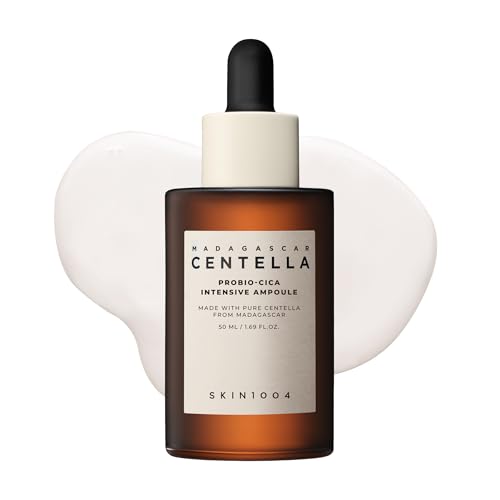
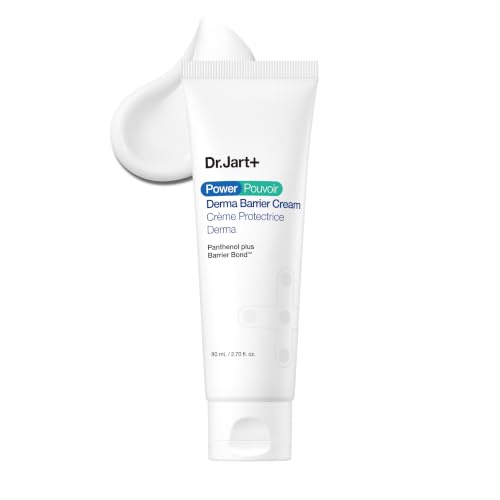
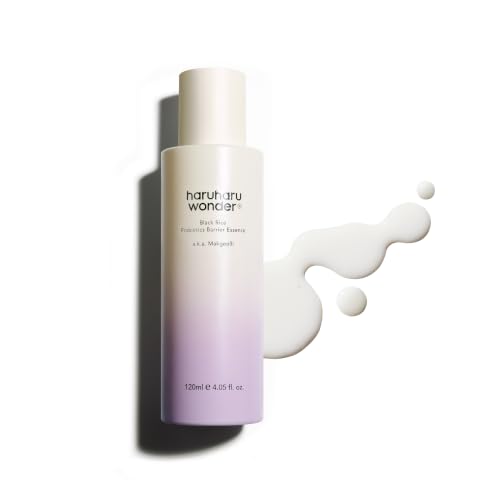
Recommended Products for Skin Barrier Support
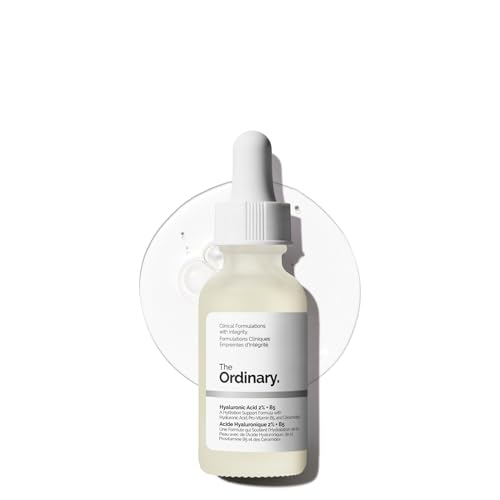
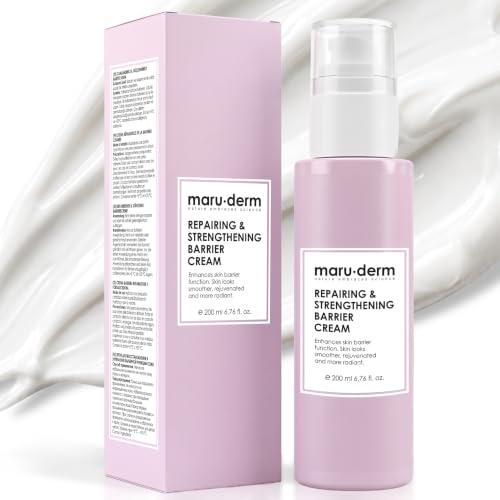
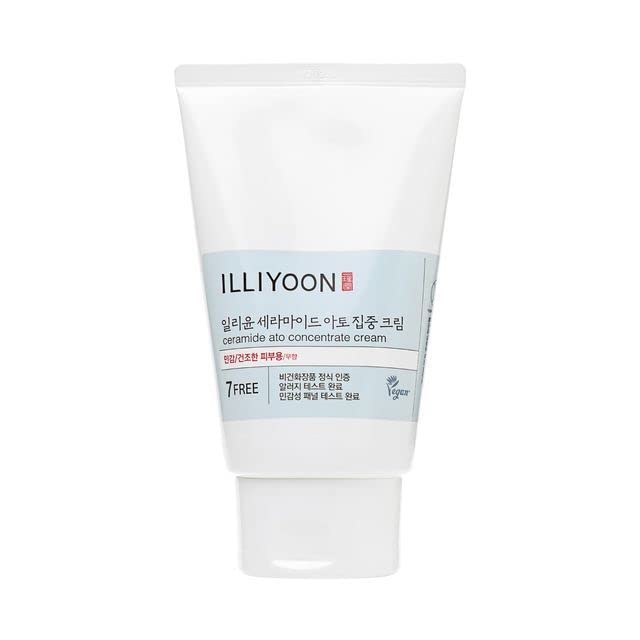
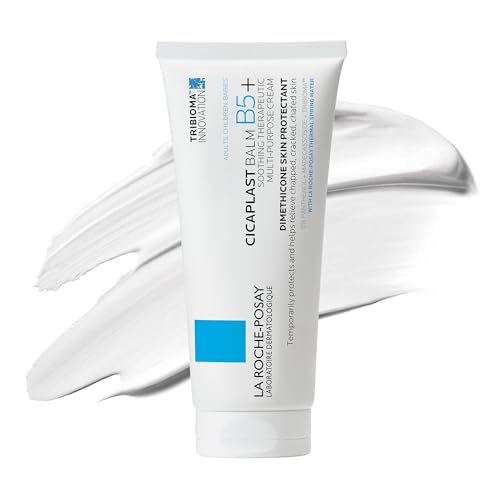
Key Takeaways
- Living skin cells get their oxygen and nutrients from blood vessels in the dermis, not from anything applied to the surface, since the epidermis itself has no blood supply of its own.
- The outer stratum corneum is a dead, tightly packed layer specifically structured to keep substances out, not let them in, a real regulatory concept known as the “500 Dalton rule.”
- Most ingredients marketed as delivering “cellular nutrition,” including peptides, growth factors, and collagen, are far too large to meaningfully cross intact skin.
- Even molecules small enough to cross the stratum corneum still face the living epidermis itself as a second real diffusion barrier before reaching deeper tissue.
- What a well-formulated topical can genuinely do is support barrier function, hydration, and surface antioxidant protection, not replicate a bloodstream-style nutrient delivery system.
- There’s no legitimate at-home test for your skin’s “cellular nutrition status,” this isn’t a real, measurable consumer parameter, and claims implying otherwise are marketing language, not physiology.
- Nutrients that genuinely reach skin cells mostly get there through diet and circulation, which is a separate conversation from what a facial can deliver topically.
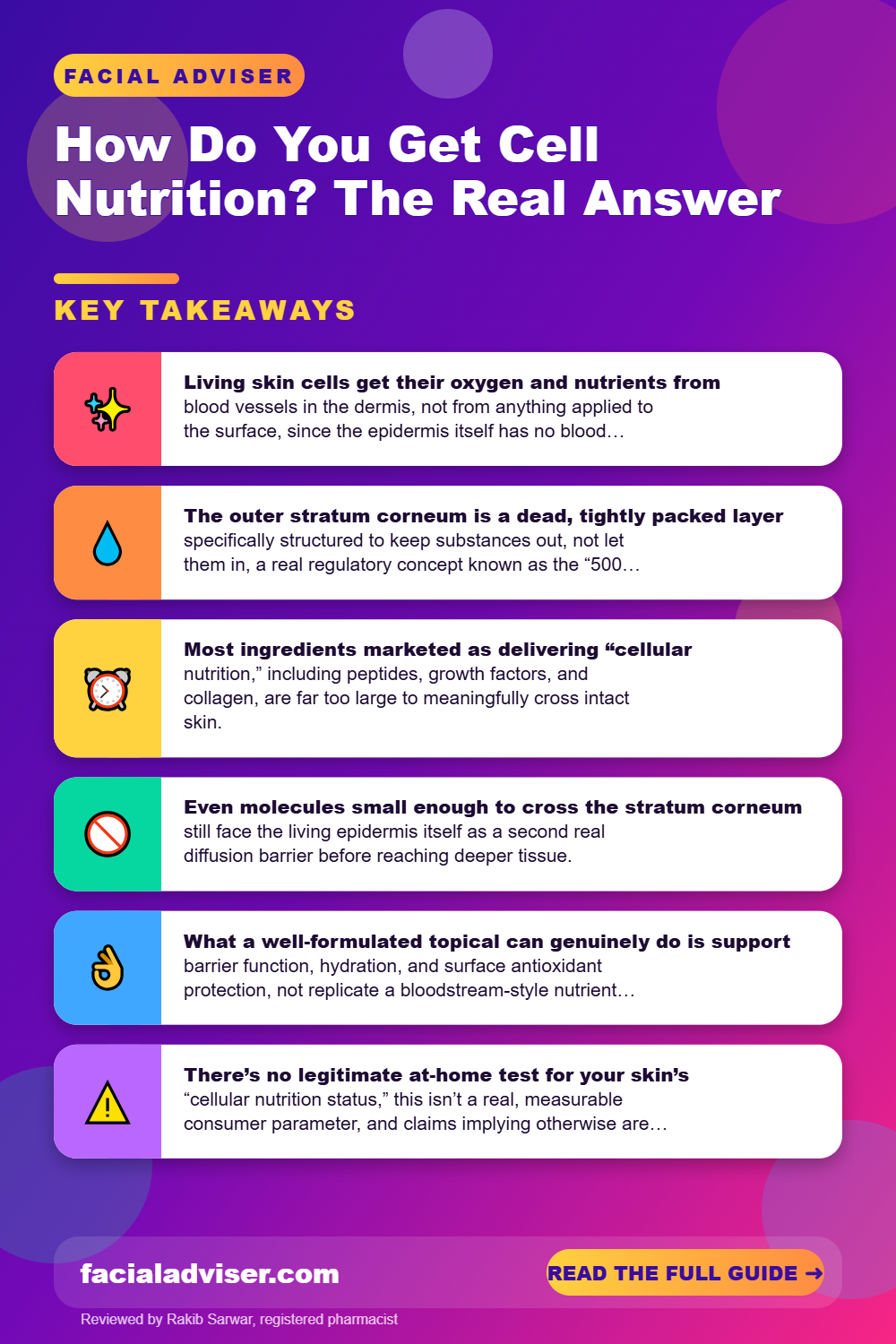
Table of Contents
- How Skin Cells Actually Get Nutrients
- Why the Skin Barrier Blocks Most “Nutrition” Claims
- A Practical Check Instead of a Fake Diagnostic
- What Topicals Can vs. Can’t Deliver
- Do This, Not That
- Getting Real Value From a Skincare Routine
- Where Diet Fits Into the Picture
- When to See a Dermatologist
- Frequently Asked Questions
- The Bottom Line
How Skin Cells Actually Get Nutrients
The epidermis, where living skin cells actually work and divide, has no blood vessels of its own. Oxygen and nutrients reach those cells by diffusion from capillaries sitting in the papillary dermis just below, crossing the basement membrane to reach the living basal and spinous layer keratinocytes above. That’s the real “cell nutrition” pathway, and it has essentially nothing to do with what gets rubbed onto the skin’s surface.
Shopping these picks?
Amazon Prime members get fast, free shipping on eligible items, plus Prime Video, Amazon Music and member deals. New members can start with a free trial.
Start a free Prime trialAged 18 to 24? Prime for Young Adults comes with a longer free trial and a lower price after it.
Affiliate link: we may earn a commission at no extra cost to you.
Marketing language like “feeds your cells” or “nourishes at the cellular level” borrows the imagery of this bloodstream-delivery system without actually replicating it, which is worth understanding clearly before paying for a treatment built around that promise.
Why the Skin Barrier Blocks Most “Nutrition” Claims
The outermost layer, the stratum corneum, is dead, keratinized tissue structured specifically to keep substances out, the “bricks and mortar” model of corneocytes embedded in a lipid matrix. A well-established regulatory concept called the 500 Dalton rule holds that compounds larger than roughly 500 daltons can’t passively cross an intact stratum corneum in pharmacologically meaningful amounts.
Note: Most ingredients marketed as “cellular nutrition,” including many peptides, growth factors, and collagen, are well above this size cutoff, native collagen alone runs around 300,000 daltons. Even genuinely helpful ingredients formulated at the right size and pH face a second real barrier: research shows the living epidermis itself, not just the dead outer layer, adds meaningful resistance to penetration. This same molecular-size problem is why raw fruit ingredients in a DIY strawberry facial rarely deliver what their marketing implies.
A Practical Check Instead of a Fake Diagnostic
There’s no genuine at-home test for your skin’s cellular nutrition status, and it would be misleading to invent one. This isn’t a real, consumer-measurable clinical parameter. What you can reasonably do instead when evaluating a “cell nutrition” product or facial:
- Check the ingredient list for the actual active compounds, not just the marketing name of the treatment.
- Ask what molecular weight or delivery system the product claims, and be skeptical of vague answers.
- Judge results by what you can actually observe, hydration, texture, comfort, not an invisible “nutrition level.”
What Topicals Can vs. Can’t Deliver
| Claim | Reality |
|---|---|
| “Feeds skin cells” / “cellular nutrition” | Marketing metaphor; no bloodstream-equivalent delivery exists topically |
| Small, well-formulated actives (some AHAs, retinoids, pH-correct vitamin C) | Can genuinely reach the epidermis at meaningful concentrations |
| Peptides, growth factors, native collagen, hyaluronic acid | Mostly too large to meaningfully cross intact skin |
| Barrier support (occlusives, humectants) | Real, indirect benefit to the environment cells work in |
| Nutrient pathway | Route |
|---|---|
| Diet and circulation | Blood -> dermal capillaries -> diffusion to living epidermal cells |
| Topical application | Must cross dead stratum corneum, then the living epidermis itself, in tiny quantities |
Do This, Not That
Do
- Judge a “cell nutrition” product by its actual formulated ingredients and concentrations
- Prioritize barrier support and hydration, which genuinely help the environment cells work in
- Get real nutrients through diet and overall health, not through a facial
- Look for pH-correct, appropriately concentrated actives when you want genuine topical benefit
- Treat “delivers nutrition to your cells” marketing language skeptically
Don’t
- Assume a facial can replicate what your bloodstream does for living cells
- Pay a premium for “cellular nutrition” without checking what’s actually in the formula
- Expect peptides, growth factors, or collagen in a cream to meaningfully penetrate intact skin
- Confuse surface hydration or glow with actual cellular nutrient delivery
- Ignore molecular weight and pH, they’re the real gatekeepers of what a topical can do
Getting Real Value From a Skincare Routine
Support the barrier first
A well-functioning barrier is the foundation everything else depends on, and it’s genuinely achievable topically.
Choose actives with real penetration data
Look for ingredients formulated at concentrations and pH levels shown to actually reach the epidermis, not just named on the label.
Tip: A pH-correct vitamin C serum or a properly formulated retinoid are examples of actives with genuine, studied penetration, unlike most “cell nutrition” claims.
Use sun protection daily
Protecting the surface from UV damage does more for long-term skin health than most “nutrition” claims combined.
Support your body’s actual nutrient delivery
Diet, hydration, and overall health support the bloodstream pathway that genuinely feeds living skin cells.
Evaluate results honestly
Judge a product by observable changes in texture, hydration, and tone, not by unverifiable “cellular” language.
Where Diet Fits Into the Picture
Since living skin cells genuinely get their nutrients through the bloodstream, overall diet and health have a more direct relationship to skin cell nutrition than any topical product does. That’s a separate, legitimate conversation from what a facial or serum can deliver, and it’s worth not conflating the two when evaluating marketing claims.
When to See a Dermatologist
Warning: If you’re using a “cell nutrition” product to try to address a real skin condition, persistent redness, breakouts, or noticeable texture changes, that’s a reason to see a dermatologist rather than relying on unverified marketing claims.
A dermatologist can recommend actives with actual clinical evidence behind them for your specific concern, rather than a product built around a physiologically inaccurate premise.
Frequently Asked Questions
What does a “cell nutrition facial” actually do?
It applies formulated products to the skin’s surface, which can support hydration and barrier function, but it cannot replicate the bloodstream-based nutrient delivery that living skin cells actually rely on.
How do skin cells actually get nutrients?
Through diffusion from blood vessels in the dermis, since the epidermis itself has no blood supply of its own.
Can topical products really “feed” skin cells?
Not in the way the bloodstream does. Topicals can deliver certain small, well-formulated actives into the epidermis, but this isn’t equivalent to systemic nutrient delivery.
What is the 500 Dalton rule?
A regulatory science concept stating that compounds larger than about 500 daltons generally can’t passively cross intact skin in meaningful amounts.
Can peptides and collagen in creams reach living skin cells?
Mostly not. Native collagen and many peptides are far larger than the 500 Dalton threshold for meaningful skin penetration.
Is there a way to test if a product is nourishing my skin cells?
No legitimate at-home test exists for cellular nutrition status; judge products by observable changes in hydration, texture, and tone instead.
What can a topical product realistically improve?
Barrier function, hydration, and surface antioxidant protection, along with delivering certain small, well-formulated actives into the epidermis.
Does diet matter more than skincare for cell nutrition?
Diet and circulation are the actual pathway that delivers nutrients to living skin cells, making them more directly relevant to cellular nutrition than topical products.
Why can’t most skincare “actives” reach deeper skin layers?
Beyond the stratum corneum, the living epidermis itself adds a second real diffusion barrier, limiting how much of any topical actually reaches deeper tissue.
Should I be skeptical of “cellular nutrition” marketing?
Yes. It’s a marketing metaphor rather than an accurate description of skin physiology, and products should be judged by their actual formulated ingredients instead.
The Bottom Line
Living skin cells get their real nutrition from the bloodstream, not from what’s applied to the surface, since the epidermis has no blood supply of its own and the stratum corneum is built specifically to keep things out. “Cell nutrition” marketing borrows that biological imagery without replicating the mechanism.
Judge any product by its actual formulated ingredients, concentrations, and observable results, and get your skin’s real cellular nutrition the way it actually arrives: through diet, circulation, and overall health.

Written by
Registered pharmacist and founder of Facial Adviser. Rakib's pharmacy training covers how skincare actives work and interact; a later course in cosmetology turned that into a focus on facial treatments and skincare products. He plans, researches and edits every guide on the site and checks health claims against sources such as the American Academy of Dermatology, the FDA and the NIH. He is not a dermatologist; see the Editorial Policy and Medical Disclaimer.
About · Editorial policy · How we choose products · Medical disclaimer · Contact
Keep reading: Diet, sleep, stress and skin