
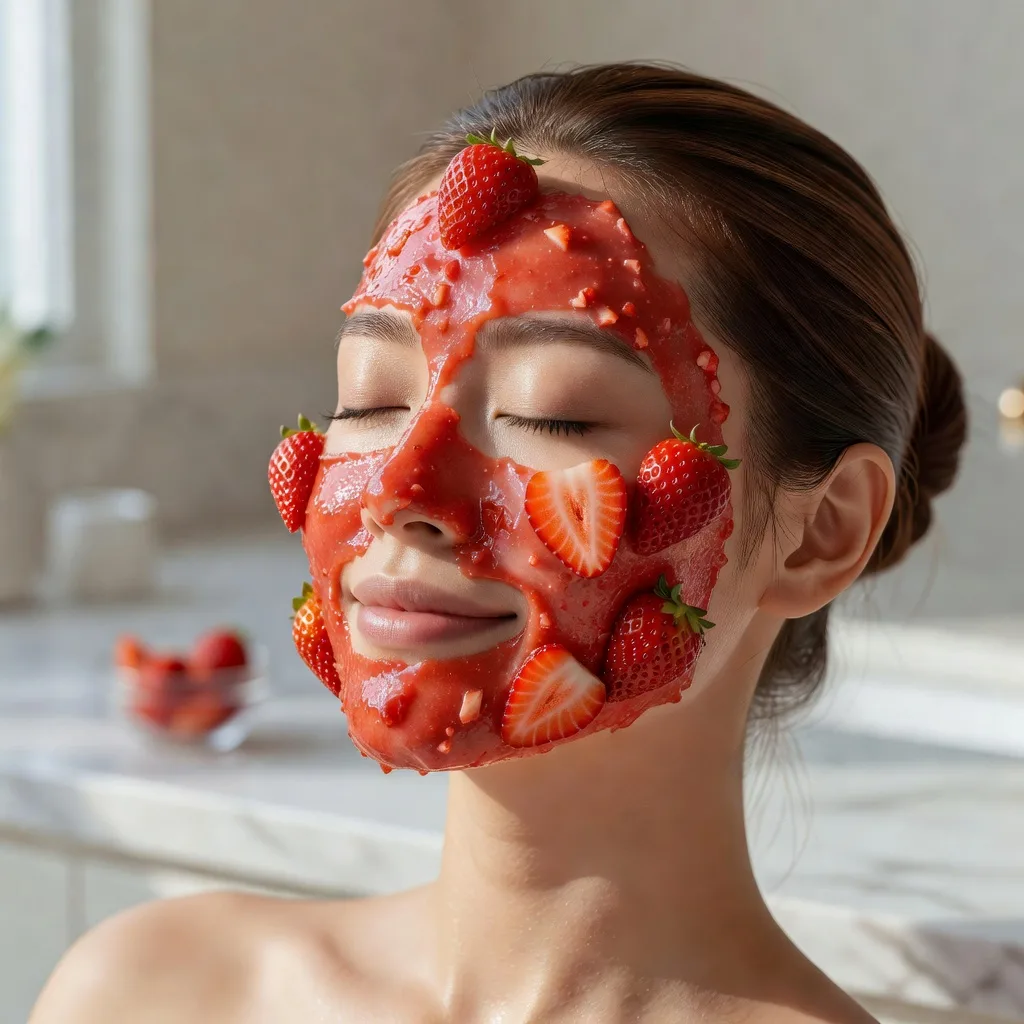
Strawberry Facial: Does the Vitamin C Claim Hold Up?
A strawberry facial is a popular DIY treatment built around two claims: gentle fruit-acid exfoliation and vitamin C brightening. One of those claims holds up reasonably well, the other is largely marketing exaggeration.
Part of our guide to facial treatments. Start with: Fruit Facial at Home: Does It Actually Work?
Strawberries do contain real fruit acids, mostly malic and citric acid, that can produce mild AHA-style exfoliation, but at unstandardized, unpredictable concentrations compared to a formulated product. The bigger issue is the vitamin C claim, which doesn’t survive contact with what’s actually known about topical vitamin C delivery.
A landmark study found topical vitamin C only penetrates skin meaningfully at a controlled pH below 3.5 and a concentration around 20%, conditions raw, rapidly-oxidizing strawberry pulp simply doesn’t meet.
This guide covers what a strawberry facial can genuinely deliver, why the vitamin C brightening claim doesn’t hold up, and the patch test worth running given strawberries’ real status as a food allergen.
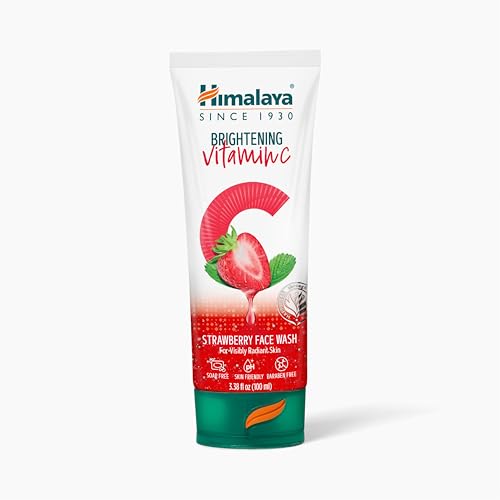
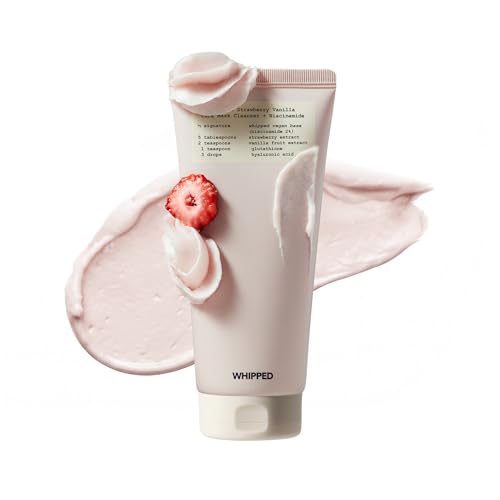
Recommended Strawberry Facial Products
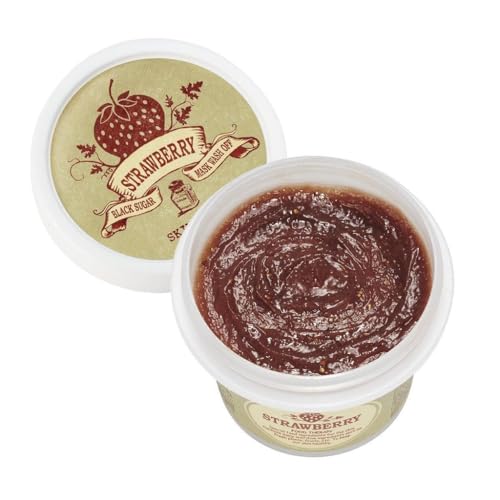
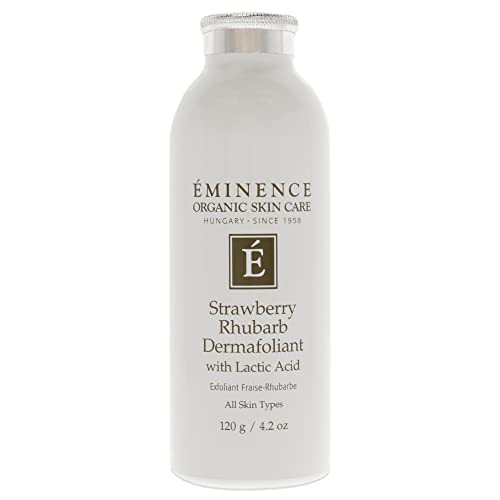
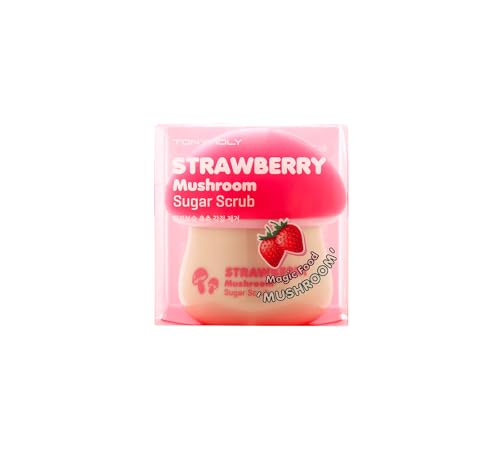


Key Takeaways
- Strawberries contain real fruit acids, mostly malic and citric acid, which can produce mild AHA-style exfoliation, but at unstandardized, unpredictable concentrations.
- The “vitamin C brightening” claim behind strawberry facials is largely marketing exaggeration: dietary vitamin C content has almost nothing to do with what a mashed fruit can deliver to living skin cells.
- A landmark study found topical vitamin C only penetrates skin meaningfully when formulated at a controlled pH below 3.5 and at concentrations around 20%, conditions raw strawberry pulp doesn’t reliably meet.
- Vitamin C in cut or crushed fruit also oxidizes and degrades quickly once exposed to air and light, further reducing whatever small amount might theoretically be present.
- Citric acid does have real evidence in a formulated, controlled 20% lotion used over months, but that doesn’t validate a single DIY mashed-strawberry application.
- Strawberries are a recognized food allergen, so a patch test is a genuine, worthwhile precaution before applying one to your face.
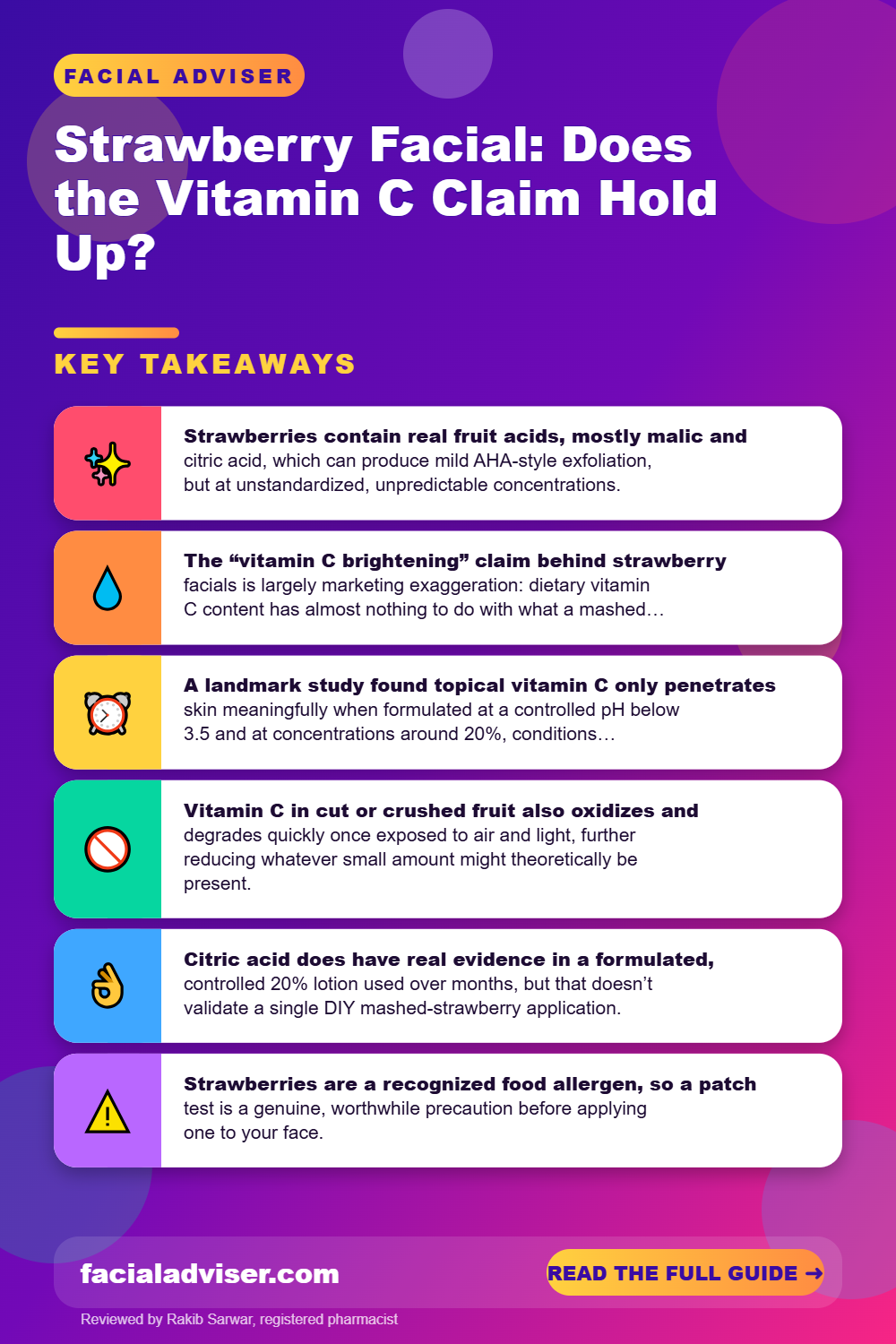
Table of Contents
- The Real Fruit-Acid Exfoliation Claim
- Why the Vitamin C Claim Doesn’t Hold Up
- The Patch Test Before You Try It
- DIY Strawberry vs. Formulated Products
- Do This, Not That
- Trying a Strawberry Facial Safely
- What a Strawberry Facial Won’t Do
- When to See a Dermatologist
- Frequently Asked Questions
- The Bottom Line
The Real Fruit-Acid Exfoliation Claim
Strawberries genuinely contain fruit acids, primarily malic acid and citric acid, both real alpha-hydroxy acids that can loosen corneocyte cohesion the way other AHAs do. But concentration is the real problem: a formulated peel or serum is made at a controlled, tested percentage, while a mashed strawberry delivers those acids at whatever low, unstandardized amount nature happened to put there, with no dosing control and no pH standardization.
Shopping these picks?
Amazon Prime members get fast, free shipping on eligible items, plus Prime Video, Amazon Music and member deals. New members can start with a free trial.
Start a free Prime trialAged 18 to 24? Prime for Young Adults comes with a longer free trial and a lower price after it.
Affiliate link: we may earn a commission at no extra cost to you.
Malic acid specifically is considered a more irritating AHA relative to lactic acid, and in formulated products it’s typically used as a pH adjuster rather than a primary active ingredient, not the star exfoliant a DIY strawberry facial implies.
Why the Vitamin C Claim Doesn’t Hold Up
Strawberries do contain meaningful vitamin C for dietary purposes, roughly 59mg per 100g, a genuinely high amount among common fruits. But dietary content and topical delivery are two entirely different questions, and the landmark research on this makes the gap clear.
Note: A widely cited study on topical L-ascorbic acid absorption found it must be formulated at a pH below 3.5 to penetrate skin in its active form, with maximal absorption occurring specifically at a 20% concentration, higher concentrations actually reduced absorption. Mashed strawberry pulp isn’t a stable, controlled-pH delivery vehicle, and vitamin C in cut fruit oxidizes rapidly once exposed to air and light, degrading further before it’s even applied.
The same research found that repeated daily application was needed to saturate skin tissue levels, and that common vitamin C derivatives failed to increase usable vitamin C in skin without the right formulation. In short: raw strawberry vitamin C essentially doesn’t translate into usable topical delivery, whatever the marketing implies.
The Patch Test Before You Try It
Apply mashed strawberry to your inner forearm and wait 24 hours before facial use:
- No redness, itching, or irritation: reasonable to proceed to facial use.
- Redness or itching develops: avoid facial application, strawberries are a recognized food allergen with documented oral allergy syndrome cross-reactivity in some people.
This is a genuine, worthwhile precaution given strawberries’ real allergen status, not an invented diagnostic.
DIY Strawberry vs. Formulated Products
| DIY strawberry facial | Formulated citric acid lotion (20%) | Formulated vitamin C serum (pH-correct) | |
|---|---|---|---|
| Acid concentration | Unstandardized, low | Controlled, tested | Not applicable (vitamin C, not AHA) |
| Clinical evidence | None specific to raw fruit | Increases epidermal thickness/GAG over 3 months | Absorbed at pH under 3.5, ~20% concentration |
| Stability | Degrades quickly once cut | Formulated for shelf stability | Formulated for shelf stability |
| Claim | Reality check |
|---|---|
| “Brightens with vitamin C” | Raw fruit vitamin C doesn’t reliably penetrate skin at usable levels |
| “Natural exfoliation” | Real but weak, unstandardized malic/citric acid content |
Do This, Not That
Do
- Patch test given strawberries’ real allergen status
- Treat a strawberry facial as a mild, low-risk sensory experience, not a brightening treatment
- Use a formulated, pH-correct vitamin C serum if brightening is your actual goal
- Use fresh strawberries immediately rather than storing a mashed mixture
- Rinse thoroughly to remove any seed residue that can cause mechanical irritation
Don’t
- Expect meaningful vitamin C delivery from raw strawberry application
- Assume dietary vitamin C content predicts topical skin benefit
- Skip a patch test given the real risk of allergic contact reaction
- Store a mashed strawberry mixture, it has no preservative system and can harbor bacteria
- Substitute a strawberry facial for a formulated AHA or vitamin C product if you want measurable results
Trying a Strawberry Facial Safely
Patch test first
Apply mashed strawberry to your inner forearm and wait 24 hours before facial use.
Mash fresh strawberries
Use fresh fruit immediately rather than a stored mixture, since vitamin C content degrades quickly once cut.
Apply to clean skin
Spread a thin layer over clean, dry skin, avoiding the eye area.
Tip: Strain out seeds before applying if your skin is sensitive to mechanical irritation.
Leave on briefly
10-15 minutes is typical for a fruit-based mask; longer contact time won’t meaningfully increase benefit given the low acid concentration.
Rinse and moisturize
Rinse thoroughly with lukewarm water and follow with a moisturizer.
What a Strawberry Facial Won’t Do
A strawberry facial won’t deliver the vitamin C brightening its marketing implies, and its exfoliation is real but mild and unpredictable. If brightening or meaningful exfoliation is your actual goal, a formulated product like a controlled-concentration AHA peel or a pH-correct vitamin C serum will get you measurably further than raw fruit.
When to See a Dermatologist
Warning: Any facial swelling, hives, or breathing difficulty after strawberry contact is a sign of a real allergic reaction and needs prompt medical attention, not a wait-and-see approach.
If you have a history of oral allergy syndrome or known fruit sensitivities, a dermatologist or allergist can advise whether a strawberry facial is appropriate for you at all.
Frequently Asked Questions
Does a strawberry facial really brighten skin with vitamin C?
Largely no. Dietary vitamin C content in strawberries doesn’t translate into meaningful topical delivery without specific pH and concentration formulation raw fruit doesn’t provide.
Do strawberries have real exfoliating acids?
Yes, malic and citric acid, both real AHAs, though at unstandardized, low, unpredictable concentrations compared to a formulated product.
Why doesn’t raw strawberry vitamin C penetrate skin well?
Topical vitamin C needs a pH below 3.5 and a concentration around 20% for meaningful absorption, conditions mashed fruit doesn’t reliably meet, and it also degrades quickly once cut.
Is a strawberry facial safe for sensitive skin?
It’s generally low-risk, but a patch test is recommended given strawberries’ status as a recognized food allergen.
Can strawberries cause an allergic reaction on skin?
Yes, especially in people with oral allergy syndrome related to birch pollen allergy, which can extend to skin contact reactions.
Should I store a mashed strawberry face mask?
No, use it immediately since it has no preservative system and can harbor bacteria or mold if stored.
Is citric acid in strawberries clinically proven to help skin?
A formulated 20% citric acid lotion showed real benefits over 3 months in one study, but that doesn’t validate a single DIY mashed-strawberry application.
What’s a better option than a strawberry facial for brightening?
A formulated, pH-correct vitamin C serum delivers far more reliable, evidence-backed results than raw fruit.
Do strawberry seeds irritate skin?
They can cause mechanical micro-irritation on sensitive skin; straining them out before application can help.
Is a strawberry facial a substitute for a professional chemical peel?
No, its acid content is far weaker and less standardized than any formulated peel.
The Bottom Line
A strawberry facial offers a genuinely mild, if unpredictable, fruit-acid exfoliation, but its signature “vitamin C brightening” claim doesn’t hold up against what’s actually known about topical vitamin C delivery. Raw fruit simply can’t match the pH and concentration control a formulated product provides.
Enjoy it as a gentle, low-risk sensory treat, patch test given the real allergen risk, and look to formulated actives if you want measurable exfoliation or brightening results.

Written by
Registered pharmacist and founder of Facial Adviser. Rakib's pharmacy training covers how skincare actives work and interact; a later course in cosmetology turned that into a focus on facial treatments and skincare products. He plans, researches and edits every guide on the site and checks health claims against sources such as the American Academy of Dermatology, the FDA and the NIH. He is not a dermatologist; see the Editorial Policy and Medical Disclaimer.
About · Editorial policy · How we choose products · Medical disclaimer · Contact
Keep reading: DIY and ingredient facials
- Fruit Facial at Home: Does It Actually Work?
- Seaweed Facial: What The Science Actually Shows
- Flower Facial: Which Botanical Claims Hold Up
- Banana Facial: The Claim That Doesn't Hold Up
- Pearl Facial: What the Evidence Actually Shows
- Lemon Facial: The Safety Issue Nobody Mentions
- Is Hydrafacial a Gimmick? What Evidence Shows
- Ultimate Guide Microdermabrasion: What to Know

One Comment