Fruit Facial at Home: Does It Actually Work?
A fruit facial at home sounds like a gentle, natural version of a proper exfoliating treatment, but the raw ingredients behave very differently on skin than the formulated products they’re compared to.
Fresh lemon juice contains roughly 1.44 grams of citric acid per ounce at a pH of about 2 to 2.6, up to 40 times more concentrated and completely unbuffered compared to commercial products — nothing like a pH-balanced formulated AHA serum. Papaya and pineapple’s active compounds, papain and bromelain, are protein-digesting enzymes, mechanistically distinct from an AHA entirely.
No published clinical trial has tested raw, DIY fruit facials specifically; the real research exists only for purified, standardized versions of these same compounds. Phytophotodermatitis, a genuine sun-triggered chemical burn from citrus, is the one safety finding worth treating as a hard rule rather than a footnote.
This guide covers the real acid and enzyme content, where the evidence actually stops, and how to try this safely if you still want to.
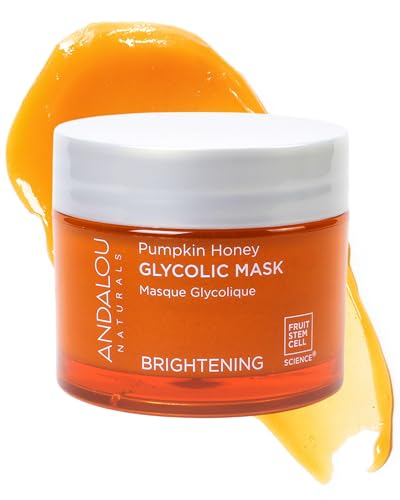
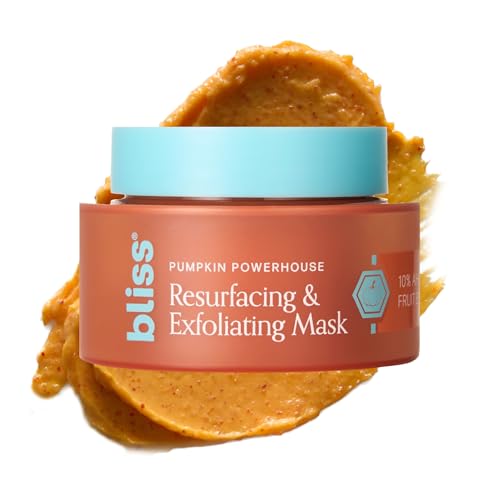
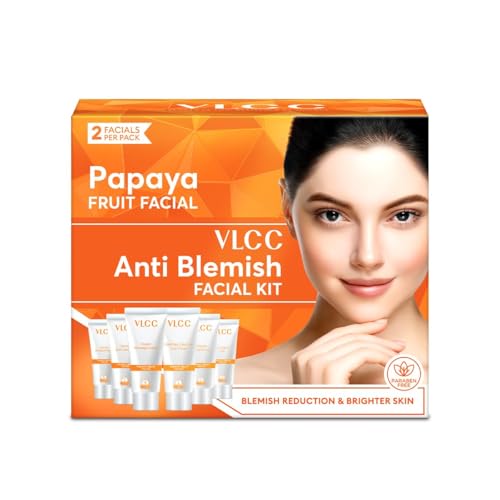
Recommended Fruit Facial Kits and Fruit Enzyme Products
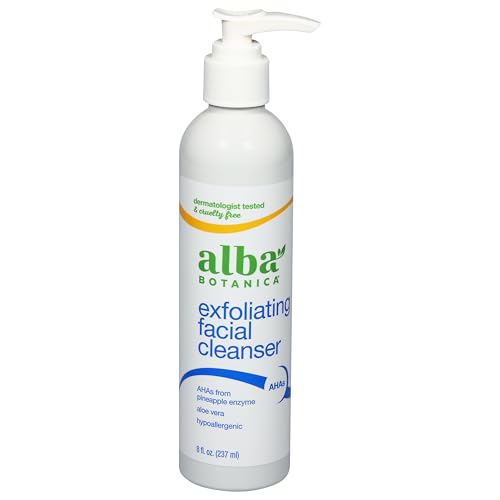
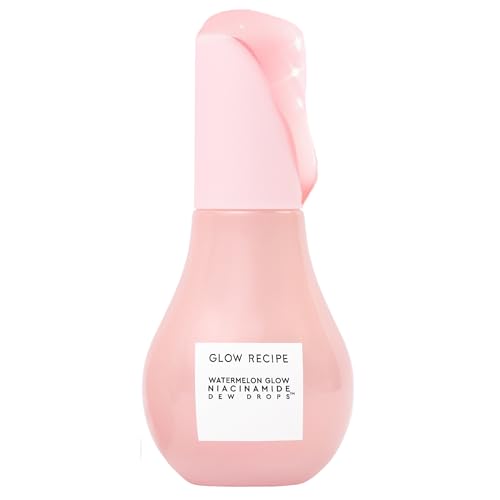
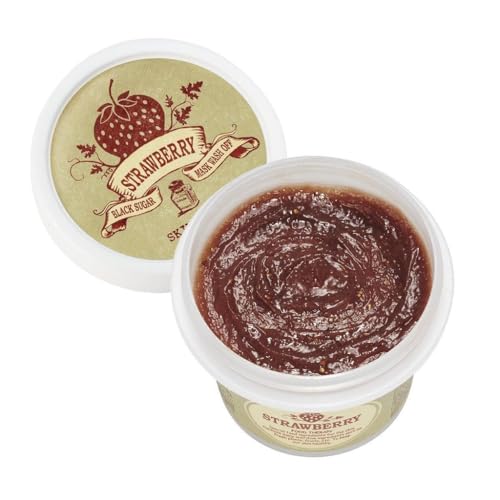
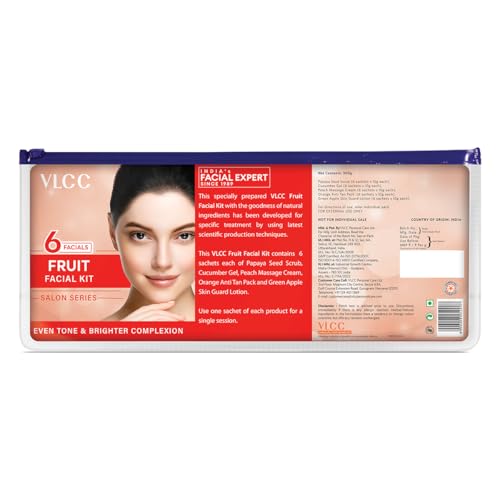
What a DIY Fruit Facial Actually Involves
A fruit facial at home usually means mashing or blending a fruit — papaya, pineapple, strawberry, pomegranate, or citrus — and applying it directly to the skin, on the theory that the fruit’s natural acids or enzymes will exfoliate and brighten. The ingredients themselves do contain real active compounds. The honest question is whether applying them raw and unformulated actually delivers those compounds the way a proper cosmetic product does — and on that question, the evidence and the marketing diverge sharply.
Shopping these picks?
Amazon Prime members get fast, free shipping on eligible items, plus Prime Video, Amazon Music and member deals. New members can start with a free trial.
Start a free Prime trialAged 18 to 24? Prime for Young Adults comes with a longer free trial and a lower price after it.
Affiliate link: we may earn a commission at no extra cost to you.
Snapshot
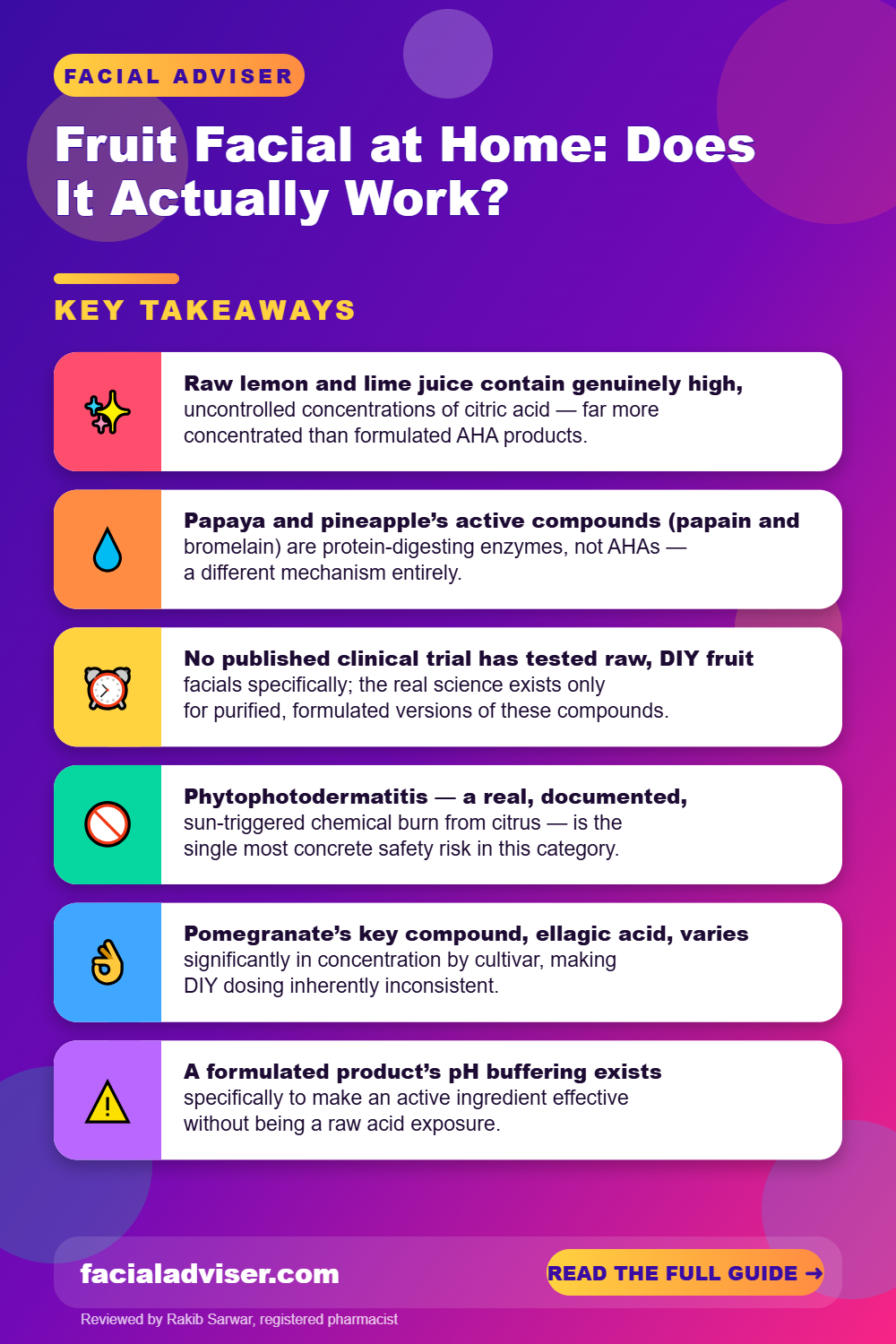
- Raw lemon and lime juice contain genuinely high, uncontrolled concentrations of citric acid — far more concentrated than formulated AHA products.
- Papaya and pineapple’s active compounds (papain and bromelain) are protein-digesting enzymes, not AHAs — a different mechanism entirely.
- No published clinical trial has tested raw, DIY fruit facials specifically; the real science exists only for purified, formulated versions of these compounds.
- Phytophotodermatitis — a real, documented, sun-triggered chemical burn from citrus — is the single most concrete safety risk in this category.
- Pomegranate’s key compound, ellagic acid, varies significantly in concentration by cultivar, making DIY dosing inherently inconsistent.
- A formulated product’s pH buffering exists specifically to make an active ingredient effective without being a raw acid exposure.
Table of Contents
- What a DIY Fruit Facial Actually Involves
- Real Acid Content: The Numbers
- Enzymes vs. Acids: Not the Same Mechanism
- What the Clinical Evidence Actually Covers
- Why pH Buffering Matters
- Phytophotodermatitis: The Real Safety Story
- Pomegranate’s Inconsistent Dosing Problem
- Step by Step: If You Still Want to Try It Safely
- Who Might Reasonably Try This
- Who Should Skip It Entirely
- When to See a Dermatologist Instead
- A One-Minute Check Before You Apply Anything
- Where the Evidence Runs Out
- Formulated Alternatives With Real Evidence
- Frequently Asked Questions
Real Acid Content: The Numbers
A peer-reviewed quantitative analysis found fresh lemon juice contains approximately 1.44 grams of citric acid per ounce, and fresh lime juice approximately 1.38 grams per ounce — genuinely concentrated, strongly acidic exposure, with raw citrus juice typically sitting around pH 2 to 2.6. For comparison, the same analysis found commercial ready-to-drink lemonade and juice products measured only 0.03 to 0.22 grams per ounce — up to roughly 40 times more dilute than the raw juice. Rubbing raw lemon juice on your face is nothing like using a formulated AHA serum; it’s a substantially more concentrated, entirely unbuffered acid exposure.
| Source | Citric acid concentration | pH |
|---|---|---|
| Fresh lemon juice | ~1.44 g/oz | ~2-2.6 |
| Fresh lime juice | ~1.38 g/oz | ~2-2.6 |
| Commercial lemonade/juice products | 0.03-0.22 g/oz | Higher, more diluted |
Enzymes vs. Acids: Not the Same Mechanism
Papaya’s notable active compound is papain, and pineapple’s is bromelain — both proteolytic enzymes that break down keratin protein bonds to loosen dead surface cells. That’s mechanistically distinct from an AHA like citric, malic, or tartaric acid, which works by loosening the “glue” between skin cells through a different chemical pathway entirely. It’s inaccurate to lump “fruit enzymes” and “fruit acids” together as though they’re doing the same thing — they’re two different exfoliation mechanisms that happen to both come from fruit.
| Fruit | Active compound | Mechanism |
|---|---|---|
| Papaya | Papain | Proteolytic enzyme (breaks protein bonds) |
| Pineapple | Bromelain | Proteolytic enzyme (breaks protein bonds) |
| Lemon/lime | Citric acid | AHA (loosens intercellular “glue”) |
| Pomegranate | Ellagic acid | Antioxidant / tyrosinase inhibitor |
What the Clinical Evidence Actually Covers
This is the central honest gap in the whole topic: there’s no published human clinical trial testing raw, DIY fruit facials — mashed papaya, pineapple, strawberry, or pomegranate applied directly to skin — as commonly practiced. What real science does exist is on isolated, purified, formulated versions of these same compounds: research on standardized bromelain, ficin, and papain extracts from fruit byproducts for cosmetic applications, and studies on formulated bromelain cream showing antioxidant and photoprotective activity. Those studies test a standardized, extracted, concentration-controlled version of the compound — not “rub pineapple on your face.” The real science on purified fruit-derived enzymes and acids in controlled formulations exists; the clinical evidence for raw DIY application essentially doesn’t, despite marketing that implies they’re interchangeable.
Why pH Buffering Matters
Formulated cosmetic AHA products are deliberately pH-buffered, typically to around pH 3 to 4, a range chosen specifically to balance efficacy against irritation, and their acid concentration is controlled — commonly 5 to 10% for over-the-counter products, higher only under professional supervision. Raw fruit juice has no such buffering or standardization at all. The same “citric acid” ingredient behaves very differently on skin depending entirely on how it’s formulated, which is exactly why a product built around an ingredient can be safe while the raw version of that same ingredient, applied with no controls, is a genuinely different risk profile.
Phytophotodermatitis: The Real Safety Story
This is the single most concrete, well-documented risk in this entire category, and it deserves to be the headline safety point rather than a footnote, one we cover in more depth in our lemon facial article. Citrus juice — lemon and lime especially — contains furocoumarin compounds that become intensely reactive to UV light once on the skin. Combine citrus juice with sun exposure and the result can be a genuine phototoxic chemical burn: redness, blistering, and hyperpigmentation that can last for months or even years. This is documented in real case literature and by poison control resources, and it’s specific and serious enough that it should change behavior directly: never apply raw citrus to skin before going outside.
Pomegranate’s Inconsistent Dosing Problem
Pomegranate’s most notable active compound is ellagic acid, an antioxidant and tyrosinase-inhibiting polyphenol — not an AHA — but its concentration varies significantly by cultivar and ripeness according to published fruit-composition research. That means a DIY pomegranate mask is inherently inconsistent from one fruit to the next; there’s no way to know what concentration of active compound you’re actually applying, which is a real, underused reason “natural” doesn’t mean “standardized.”
Step by Step: If You Still Want to Try It Safely
Patch test first
Apply a small amount to your inner forearm and wait 24 hours before using it on your face.Skip citrus entirely, or use it only at night
Given the phytophotodermatitis risk, citrus-based mixtures should never be followed by sun exposure.Limit contact time
Keep any raw fruit application to a few minutes, not the 15-20 minutes many DIY recipes suggest — raw acid has no buffering to make longer contact safer.Rinse thoroughly and moisturize
Wash off completely with lukewarm water and follow with a plain moisturizer and SPF the next morning.
Who Might Reasonably Try This
People with resilient, non-sensitive skin who want an occasional, low-stakes at-home ritual — and who understand this is a sensory experience rather than a clinically proven treatment — are the most reasonable candidates. It’s not a substitute for a formulated exfoliant with known, standardized concentration and pH.
Do
- Patch test any raw fruit mixture before full-face use
- Keep citrus-based applications strictly to nighttime, indoors
- Treat this as a sensory ritual, not a clinically validated treatment
Don’t
- Apply raw lemon or lime juice before any sun exposure
- Leave a raw fruit mixture on for 15-20 minutes expecting a stronger effect
- Assume “natural” means standardized, gentle, or clinically tested
Who Should Skip It Entirely
Anyone with sensitive, reactive, eczema-prone, or currently irritated skin should skip raw fruit facials, since there’s no buffering to protect a compromised barrier. Anyone with a known citrus, papain, or bromelain allergy should avoid the relevant fruit entirely, and anyone planning any sun exposure that day should skip citrus-based mixtures specifically.
When to See a Dermatologist Instead
See a board-certified dermatologist rather than continuing DIY experimentation if you develop a burn, blistering, or unusual pigmentation after any fruit-based application, or if you have a persistent skin condition that home remedies haven’t resolved. A phytophotodermatitis burn in particular should be evaluated promptly rather than treated at home.
A One-Minute Check Before You Apply Anything
Ask yourself: am I going outside today or getting significant window-light sun exposure? If yes, skip anything citrus-based entirely. Do I have any known fruit allergy? Is my skin currently irritated, sunburned, or flaring? Have I patch-tested this specific mixture before? A “yes” to any risk factor, or “no” to patch-testing, is a real reason to hold off.
Where the Evidence Runs Out
Be honest about what’s actually known: there’s real science on purified, formulated fruit-derived acids and enzymes, and essentially no clinical evidence for raw DIY fruit facials as commonly practiced online. Marketing that implies these are interchangeable — “get the same brightening effect, naturally” — isn’t supported by anything in the current literature. Treat DIY fruit facials as a pleasant, low-cost ritual with a real, specific safety risk (citrus phototoxicity) rather than a clinically proven substitute for formulated skincare.
Formulated Alternatives With Real Evidence
If the goal is a genuine, evidence-backed exfoliation or brightening benefit rather than a sensory ritual, formulated products built around the same active compounds have real research behind them in a way raw fruit doesn’t: standardized glycolic or lactic acid serums at controlled, buffered concentrations, formulated vitamin C serums (with their own separate stability and packaging considerations), and azelaic acid products with genuine peer-reviewed backing for pigmentation and mild exfoliation. These aren’t “less natural” substitutes — they’re the same underlying chemistry (acids, antioxidants, enzymes) delivered in a form that’s actually been tested at the concentration and pH you’re applying, which raw fruit cannot offer.
Frequently Asked Questions
Is a lemon facial safe?
Only with real caution — raw lemon juice is a concentrated, unbuffered acid, and combined with sun exposure it can cause phytophotodermatitis, a genuine chemical burn. Use only at night if at all.
Does papaya really exfoliate skin?
Papain, papaya’s enzyme, does break down surface protein bonds — that mechanism is real, though it’s different from an AHA and hasn’t been tested in raw form in human clinical trials.
Can I leave a fruit mask on overnight?
This isn’t advisable — raw fruit acids and enzymes have no buffering, and prolonged uncontrolled contact increases irritation risk without added benefit.
Is a strawberry facial good for brightening skin?
Strawberries contain some vitamin C and mild acids, but there’s no clinical trial on raw strawberry application specifically — treat any brightening claim as unproven for the DIY version.
Why does my skin sting after a fruit facial?
Raw fruit acids are unbuffered and can be genuinely irritating, especially on compromised or sensitive skin — stinging is a sign to rinse off immediately, not to leave it on longer.
Are formulated fruit-acid products the same as DIY fruit facials?
No — formulated products are pH-buffered and concentration-controlled specifically to be both effective and safer; raw fruit has neither of those controls.
Can pineapple facials remove dead skin?
Bromelain, pineapple’s enzyme, can break down surface protein, but concentration in raw pineapple is inconsistent and no clinical trial has tested raw pineapple facials specifically.
What’s phytophotodermatitis?
A real, documented phototoxic skin reaction caused by furocoumarin compounds in citrus reacting with UV light, causing burns, blistering, and long-lasting hyperpigmentation.
Is pomegranate good for dark spots?
Its ellagic acid compound is a real tyrosinase-inhibiting antioxidant, but concentration varies significantly by fruit, making DIY dosing inconsistent and unpredictable.
Should I patch test a fruit facial before using it on my whole face?
Yes — always patch test any raw fruit mixture on your inner forearm and wait 24 hours before full-face application.

Written by
Registered pharmacist and founder of Facial Adviser. Rakib's pharmacy training covers how skincare actives work and interact; a later course in cosmetology turned that into a focus on facial treatments and skincare products. He plans, researches and edits every guide on the site and checks health claims against sources such as the American Academy of Dermatology, the FDA and the NIH. He is not a dermatologist; see the Editorial Policy and Medical Disclaimer.
About · Editorial policy · How we choose products · Medical disclaimer · Contact
Keep reading: DIY and ingredient facials
- Honey Facial: What the Real Evidence Shows
- Charcoal Facial: What the Evidence Actually Shows
- Green Tea Facial: Benefits and Side Effects
- Silver Facial: What the Real Evidence Shows
- What Are Home Remedies to Minimize Large Pores?
- Facial vs Chemical Peel: Differences, Results and Which to Choose
- What Is the Best Anti-Aging Facial Treatment? Options Compared by Goal