What Is Microdermabrasion Good For? Benefits, Limits and Who It Suits
Microdermabrasion is one of the most popular in-clinic skin treatments, partly because it has little or no downtime. But it is often sold as a fix for almost everything, from wrinkles to deep acne scars. The reality is more modest, and knowing what it is actually good for helps you decide whether it is worth it.
Part of our guide to facial treatments. Start with: Ultimate Guide Microdermabrasion: What to Know
Microdermabrasion is good for improving dull skin, rough or uneven texture, mild uneven skin tone, age spots and dark marks left after acne, and for helping skincare products spread more evenly. It works by gently removing the outermost layer of dead skin cells, using a diamond-tipped wand or a stream of fine crystals with suction. Most people see smoother, brighter skin after a series of treatments, usually several sessions a few weeks apart. It is not effective for deep wrinkles, deep or pitted acne scars, active inflamed acne or significant sagging, which need stronger treatments. At-home kits are gentler than professional treatment.
In short: microdermabrasion is a surface refresher for dullness, texture and mild discolouration, not a treatment for deep scars or wrinkles.
The American Academy of Dermatology describes microdermabrasion as a treatment for a dull complexion, uneven tone and texture, age spots, dark spots after acne and melasma, and notes that it is suitable for all skin colours with little downtime.
This guide explains what microdermabrasion does, what it helps and does not help, what treatment involves, side effects, aftercare and how at-home options compare.
Shopping these picks?
Amazon Prime members get fast, free shipping on eligible items, plus Prime Video, Amazon Music and member deals. New members can start with a free trial.
Start a free Prime trialAged 18 to 24? Prime for Young Adults comes with a longer free trial and a lower price after it.
Affiliate link: we may earn a commission at no extra cost to you.
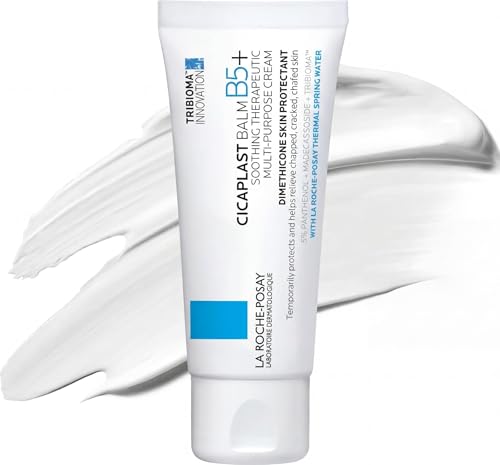
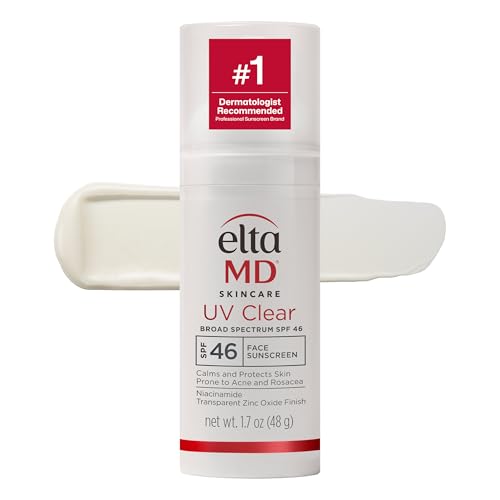
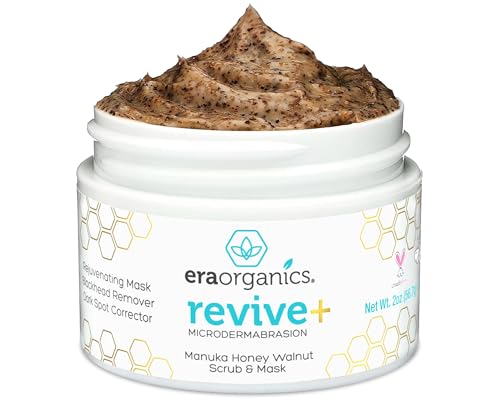
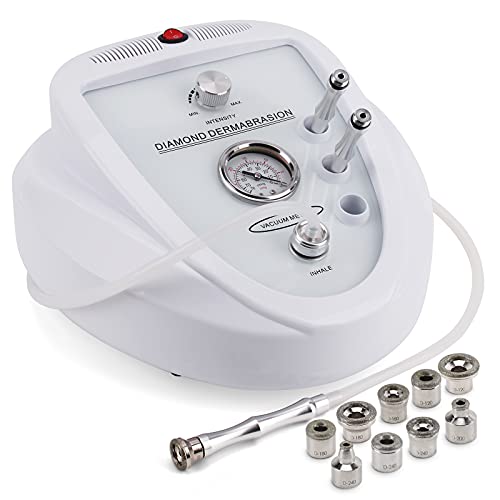
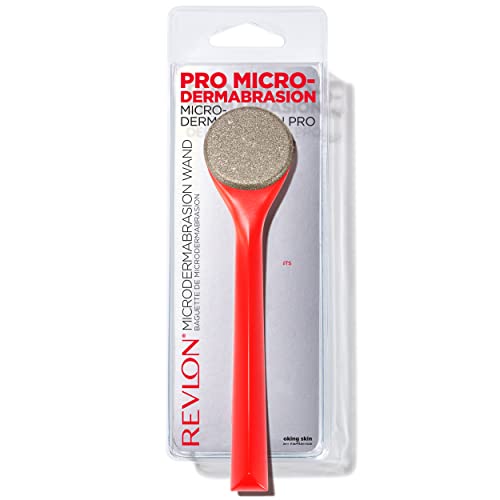
Recommended At-Home Microdermabrasion and Aftercare Products


In Brief
- Microdermabrasion removes the outermost layer of dead skin cells.
- It helps dullness, rough texture, mild uneven tone and age spots.
- It may help faint acne marks but not deep or pitted scars.
- Several sessions are usually needed for visible results.
- There is little to no downtime.
- At-home kits are gentler than in-clinic treatment.
- Daily sunscreen is essential afterwards.
What This Covers
- What Microdermabrasion Is and How It Works
- What Microdermabrasion Is Good For
- What Microdermabrasion Is Not Good For
- What Happens During a Session
- Side Effects and Who Should Avoid It
- How to Care for Your Skin After Microdermabrasion
- At-Home Microdermabrasion: Does It Work?
- Microdermabrasion Compared With Other Treatments
- Microdermabrasion for Different Skin Types
- Dos and Don’ts
- Honest Limits
- When to See a Dermatologist
- FAQ
- The Bottom Line
What Microdermabrasion Is and How It Works
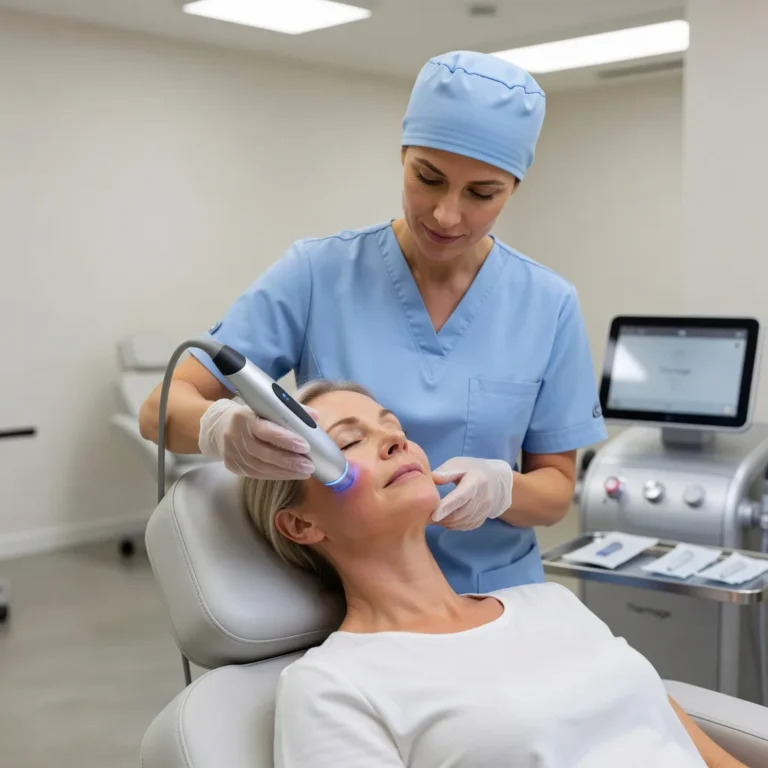
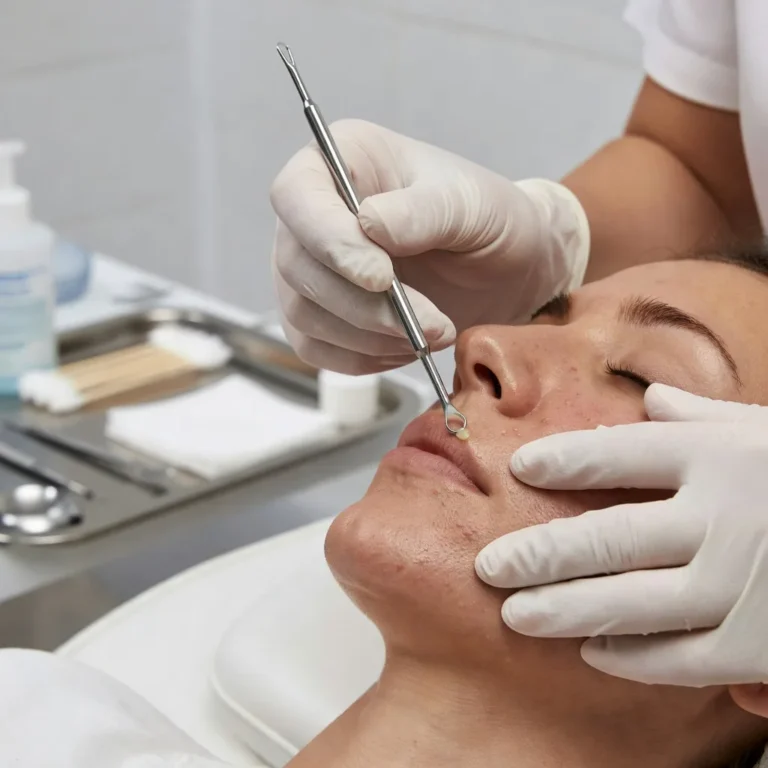
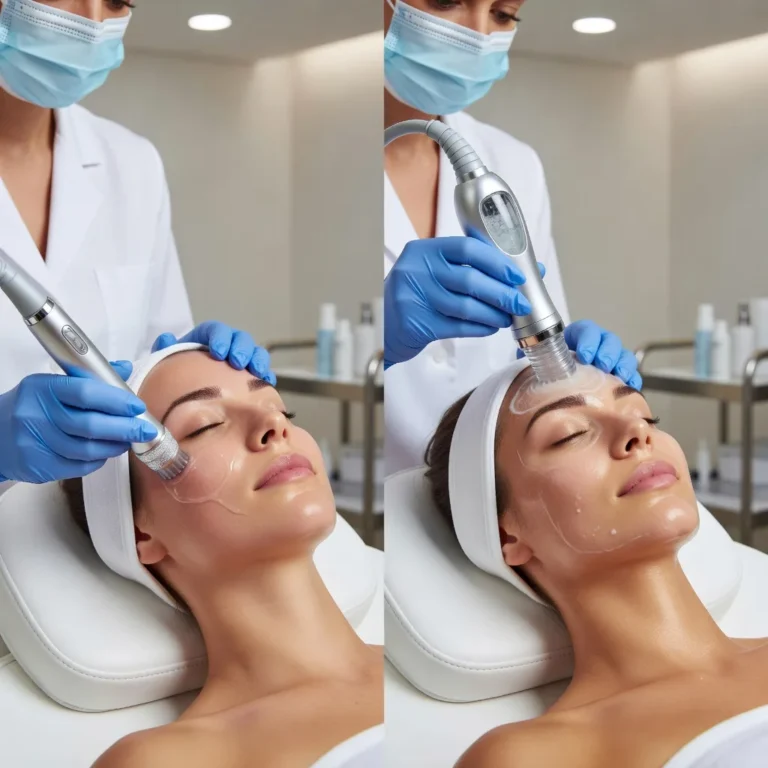
Microdermabrasion is a mechanical exfoliation treatment. A handheld device gently sands away the very top layer of the skin while suction lifts away the loosened cells. The suction may also briefly increase blood flow to the area, which is part of why skin can look pinker and fresher straight afterwards.
- Diamond-tip microdermabrasion: a wand with a roughened diamond tip exfoliates as it moves over the skin.
- Crystal microdermabrasion: fine crystals are sprayed onto the skin and vacuumed back up.
- Hydra or wet variations: combine exfoliation with serums and water, and are often sold under other names.
Because it only works on the surface, it is considered a light treatment. The AAD notes that a dermatologist’s treatment goes a little deeper than at-home kits. See the AAD overview of microdermabrasion.
What Microdermabrasion Is Good For
These are the concerns microdermabrasion helps most, based on how it works and dermatologist guidance. The common thread is that all of them sit at or near the surface of the skin, which is the only layer this treatment reaches.
| Concern | How well it helps | What to expect |
|---|---|---|
| Dull complexion | Good | Brighter, fresher-looking skin after treatment |
| Rough or uneven texture | Good | Smoother feel and more even surface |
| Mild uneven skin tone | Moderate | Gradual evening of tone over several sessions |
| Age spots and sun spots | Moderate | Lighter spots with repeated treatment and sunscreen |
| Dark marks after acne | Moderate | Faster fading of flat marks |
| Melasma | Mild, variable | May help as part of a wider plan; can flare if irritated |
| Clogged pores and blackheads | Mild | Temporarily clearer-looking pores |
| Product absorption | Mild | Skincare may spread and feel more effective |
Results build gradually over a course of treatments, and they fade if you stop, because the skin continually renews itself. Most people who like the results keep them up with occasional maintenance sessions and a consistent at-home routine of gentle exfoliation, moisturiser and sunscreen.
What Microdermabrasion Is Not Good For
Microdermabrasion is popular, but it is not the right tool for every concern. Knowing the limits helps you avoid spending money on the wrong treatment. If your main concern is one of these, it is worth asking a dermatologist about more suitable options before booking a course.
- Deep wrinkles: it works too superficially to change deep lines.
- Deep, pitted or ice-pick acne scars: these need resurfacing lasers, microneedling or other procedures.
- Active inflamed acne: exfoliating over pustules can spread bacteria and irritate skin.
- Sagging skin: it does not tighten or lift.
- Rosacea and sensitive skin: it can trigger redness and flare-ups.
Our guide on pimple scars that will not fade explains treatments that work better for deeper scarring. For active breakouts, getting acne under control with a suitable routine or prescription treatment should come first; microdermabrasion can then be considered for the flat marks left behind.
What Happens During a Session
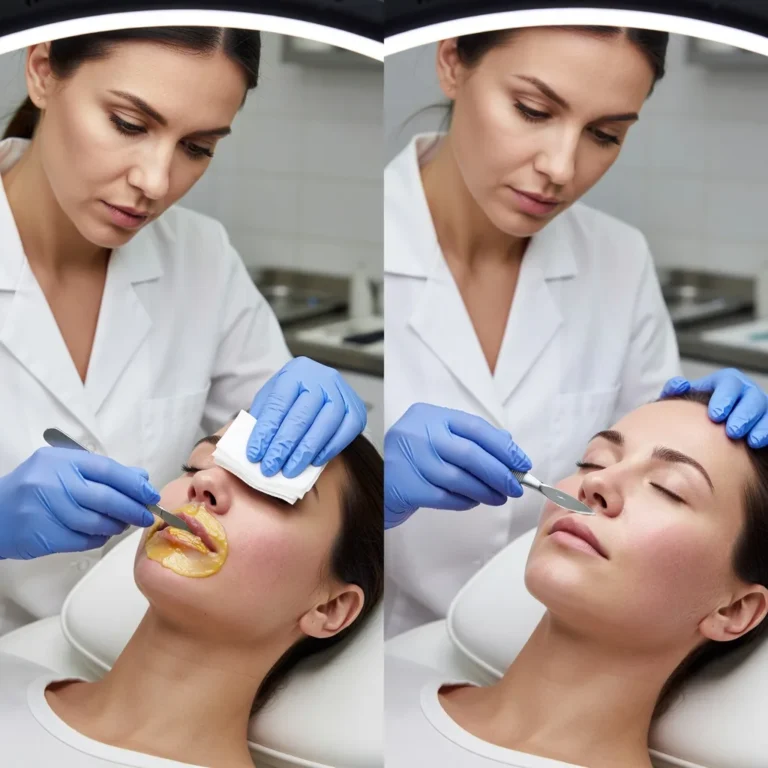
A typical in-clinic microdermabrasion session is quick and straightforward, which is why it is sometimes called a lunchtime treatment.
- Your skin is cleansed and any makeup removed.
- The practitioner passes the device over your face in sections, usually for 20 to 40 minutes.
- You may feel a gentle scratching or sucking sensation, but it should not be painful; tell the practitioner if it is uncomfortable so they can lower the setting.
- A moisturiser and sunscreen are applied afterwards.
Most people are advised to have a series of treatments, often around a few weeks apart, followed by occasional maintenance. Your practitioner may adjust the strength from one session to the next depending on how your skin responded. The AAD explains how to prepare in its microdermabrasion FAQs.
Side Effects and Who Should Avoid It
Microdermabrasion is generally safe when done properly, but side effects can happen, especially if the settings are too strong or the same area is treated too many times.
- Temporary redness, tightness and mild swelling for a few hours, similar to a mild windburn.
- Dryness or flaking for a day or two.
- Increased sensitivity to sunlight for several days, which is why daily sunscreen matters.
- Rarely, bruising from suction, or darker patches in people prone to pigmentation.
Avoid microdermabrasion on active acne breakouts, cold sores, rashes, sunburn, eczema or rosacea flares, and do not have it if you have recently used isotretinoin or strong retinoids without checking with your dermatologist first. Tell your practitioner about any medications and skin conditions before treatment.
Most side effects are mild and settle within a day or two. If redness, swelling or darkening lasts longer, or if you notice any broken skin, stop further treatments and get advice before continuing.
How to Care for Your Skin After Microdermabrasion
Good aftercare helps you get the best result and reduces irritation. Freshly exfoliated skin is more sensitive than usual for a day or two, so keep things simple.
Keep skin clean and simple
Use a gentle, fragrance-free cleanser for the first day or two.
Moisturise well
Apply a soothing, barrier-supporting moisturiser morning and night.
Protect from the sun
Wear broad-spectrum SPF 30 or higher every day and avoid strong sun.
Pause strong actives
Skip retinoids, acids and scrubs for a few days.
Avoid heat and sweat
Skip saunas, hot yoga and very hot showers for 24 hours.
Do not pick flakes
Let any dryness settle on its own.
Wait before makeup
If possible, go makeup-free for the rest of the day.
Book microdermabrasion a few days before an event, not the day before. That gives any redness time to settle and lets your skin look its brightest.
At-Home Microdermabrasion: Does It Work?
At-home microdermabrasion comes in two main forms: handheld suction devices and exfoliating creams or scrubs sold as microdermabrasion. Both are cheaper than clinic treatments, but they are also less powerful and rely on you using them carefully.
- Devices: gentler than clinic machines, useful for mild dullness and texture if used carefully.
- Microdermabrasion creams and scrubs: fine particles give a polishing effect similar to a gentle scrub.
- Results: subtle and short-lived compared with professional treatment, so they work best as occasional maintenance between clinic sessions or as a gentle introduction.
At-home suction devices can cause redness, broken capillaries or bruising if used too often or on high settings. Start on the lowest setting, keep the device moving, avoid the thin skin around the eyes and use it no more than the instructions allow.
If you prefer a gentler option, our guide to gentler alternatives to exfoliation covers softer ways to brighten skin.
Microdermabrasion Compared With Other Treatments
Microdermabrasion is one of several options for texture and tone. Here is how it compares in broad terms. The right choice depends on your main concern, your skin type and how much downtime you can accept.
| Treatment | How it works | Best for | Downtime |
|---|---|---|---|
| Microdermabrasion | Mechanical exfoliation with suction | Dullness, texture, mild tone | Little to none |
| Chemical peel | Acids dissolve dead cells; stronger peels go deeper | Tone, texture, some scarring | None to over a week |
| Dermaplaning | Blade removes dead skin and fine hair | Instant smoothness, makeup prep | None |
| Hydrafacial-style | Exfoliation, extraction and hydration | Congestion, dehydration | None |
| Laser or microneedling | Deeper resurfacing or collagen stimulation | Scars, wrinkles | Days to weeks |
Our guides on skin dermaplaning and facials versus chemical peels explain two common alternatives. Some clinics combine treatments, such as microdermabrasion followed by a mild peel, but combinations increase the risk of irritation and should be planned by an experienced practitioner.
Microdermabrasion for Different Skin Types
How well microdermabrasion suits you depends a lot on your skin type, any conditions you have and the products you already use at home, especially retinoids and exfoliating acids.
- Oily and combination skin: often tolerates it well and may notice smoother texture and clearer-looking pores.
- Dry skin: can benefit from the smoother surface but needs a rich, soothing moisturiser afterwards.
- Mature skin: may look brighter and smoother, but deeper lines need other treatments.
- Sensitive or rosacea-prone skin: usually better avoided, or done very gently after a dermatologist’s advice.
- Deeper skin tones: generally suitable, but gentle settings help reduce the small risk of dark patches after irritation.
If you are unsure, ask for a patch test or a gentle first session. A good practitioner will adjust the intensity to your skin rather than using the same settings for everyone, and will stop if your skin looks too red.
Dos and Don’ts
Try This
- Choose a qualified practitioner
- Plan a series of sessions
- Wear sunscreen daily afterwards
- Keep aftercare gentle
- Tell your practitioner about medications
Avoid This
- Treat active inflamed acne
- Expect deep scars or wrinkles to disappear
- Overuse at-home devices
- Use strong acids or retinoids straight after
- Go sunbathing after treatment
Honest Limits
Research on microdermabrasion shows modest, surface-level benefits. Many of the claims seen in adverts, such as major collagen building or scar removal, are stronger than the evidence supports.
Results vary with skin type, the device and the practitioner. Microdermabrasion is best seen as a maintenance treatment for brighter, smoother skin, and it works best alongside a good daily routine rather than as a replacement for one. For deeper problems, a dermatologist can recommend more effective options.
When to See a Dermatologist
- You want to treat acne scars, deep lines or melasma.
- You have rosacea, eczema or very sensitive skin.
- You get persistent redness, bruising or darkening after treatment.
- You are unsure which treatment suits your skin.
This article is for general information and does not replace professional medical advice. See a board-certified dermatologist before cosmetic treatments if you have a skin condition or take medications that affect the skin.
FAQ
What is microdermabrasion good for?
Dullness, rough texture, mild uneven tone, age spots and flat acne marks.
Does microdermabrasion help acne scars?
It may help faint marks but not deep or pitted scars.
Does microdermabrasion reduce wrinkles?
It may soften very fine lines but not deep wrinkles.
How many microdermabrasion sessions do I need?
Usually a series of several sessions a few weeks apart.
Is there downtime after microdermabrasion?
Little to none; mild redness usually fades within hours.
Is microdermabrasion safe for dark skin?
Generally yes, when done carefully by a trained practitioner.
Can I do microdermabrasion at home?
Yes, but home devices are gentler and results are subtler.
Is microdermabrasion good for blackheads?
It can make pores look clearer temporarily.
Can I wear makeup after microdermabrasion?
It is best to wait until the next day if possible.
Who should avoid microdermabrasion?
People with active acne, rosacea flares, rashes or recent isotretinoin use.
The Bottom Line
Microdermabrasion is good for refreshing dull skin, smoothing rough texture and gradually improving mild uneven tone, age spots and flat acne marks. It is not a treatment for deep wrinkles, pitted scars or active acne.
Plan a series of treatments with a qualified practitioner, keep aftercare gentle and wear sunscreen every day to protect the results.

Written by
Registered pharmacist and founder of Facial Adviser. Rakib's pharmacy training covers how skincare actives work and interact; a later course in cosmetology turned that into a focus on facial treatments and skincare products. He plans, researches and edits every guide on the site and checks health claims against sources such as the American Academy of Dermatology, the FDA and the NIH. He is not a dermatologist; see the Editorial Policy and Medical Disclaimer.
About · Editorial policy · How we choose products · Medical disclaimer · Contact
Keep reading: Microdermabrasion and diamond peel
- Ultimate Guide Microdermabrasion: What to Know
- Do Dermatologists Recommend Microdermabrasion?
- Can Diamond Peel Remove Scars? Real Answer
- How Many Sessions of Diamond Peel Is Needed?
- Microderm Infusion vs Facial: Differences, Results and Which One to Book
- Microdermabrasion vs Facial: Which Treatment Does Your Skin Need?
- Fruit Facial at Home: Does It Actually Work?
- Facial Types: A Guide to 11 Popular Facials and How to Choose One