What Is Skin Dermaplaning? How It Works, Benefits and Risks
Dermaplaning has gone from a niche spa treatment to one of the most talked-about skincare trends, with videos showing a blade gliding across the face and leaving skin smooth and glowing. It sounds simple, but it raises obvious questions: is it safe to shave your face, will hair grow back thicker, and is it worth doing at home or better left to a professional?
Part of our guide to at-home facial devices. Start with: 10 Best Products for Women's Facial Hair Removal (2026): Gentle Picks
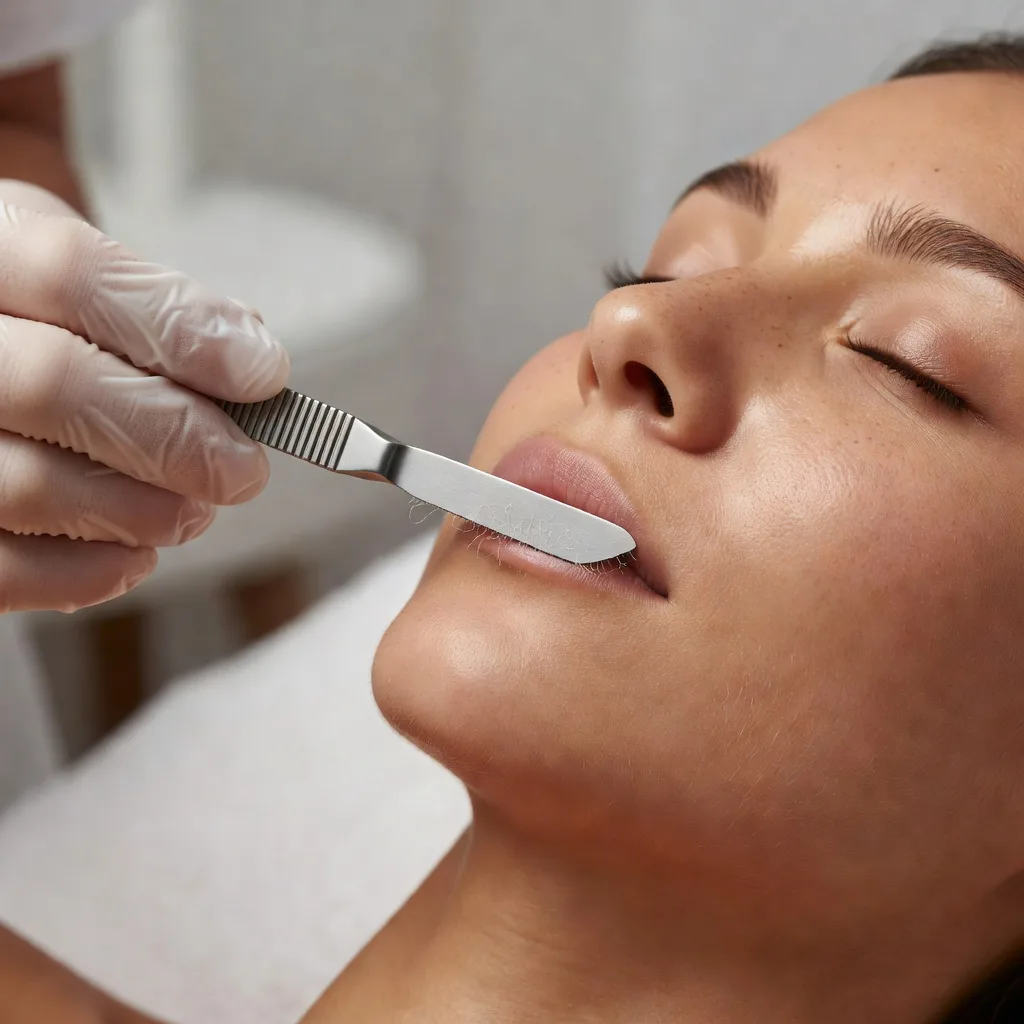
Dermaplaning is a form of physical exfoliation in which a trained professional, or a person at home using a dermaplaning tool, gently scrapes the surface of the skin with a fine, sterile blade held at an angle. It removes the outer layer of dead skin cells and fine, soft facial hair, often called peach fuzz. Skin usually looks smoother and brighter straight away, and makeup tends to sit more evenly. It does not make hair grow back thicker or darker. It is not suitable for active acne, broken skin or very sensitive skin, and results last about three to four weeks.
Dermaplaning is a surface treatment. It does not reach deep enough to change wrinkles, scars or pore size, but it can make texture look smoother and help skincare products spread more evenly.
As with any exfoliation, the American Academy of Dermatology cautions that over-exfoliating can irritate skin and recommends protecting freshly exfoliated skin with sunscreen. Both points apply to dermaplaning.
This guide explains how dermaplaning works, its benefits and risks, who should avoid it, the differences between professional and at-home dermaplaning and how to care for your skin afterwards.
Shopping these picks?
Amazon Prime members get fast, free shipping on eligible items, plus Prime Video, Amazon Music and member deals. New members can start with a free trial.
Start a free Prime trialAged 18 to 24? Prime for Young Adults comes with a longer free trial and a lower price after it.
Affiliate link: we may earn a commission at no extra cost to you.
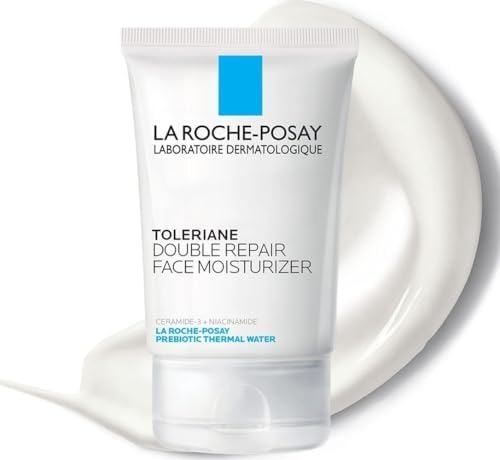
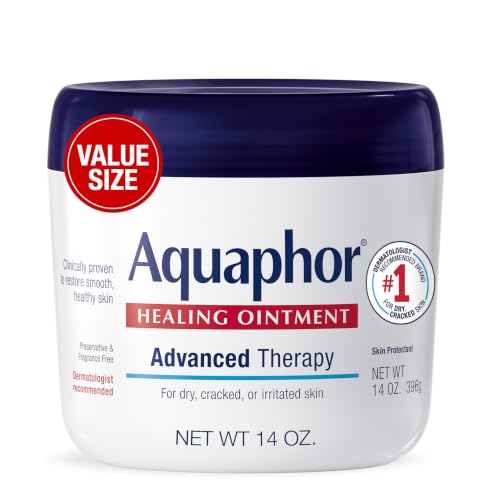
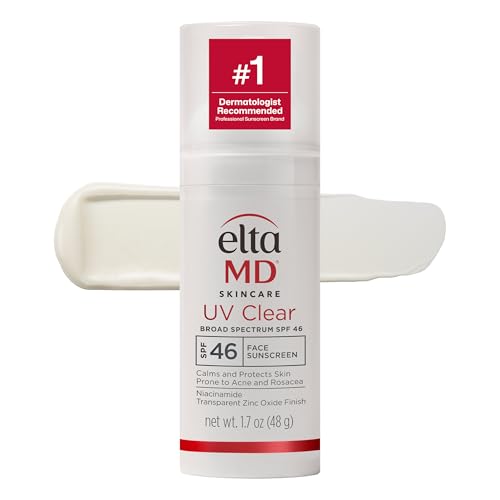
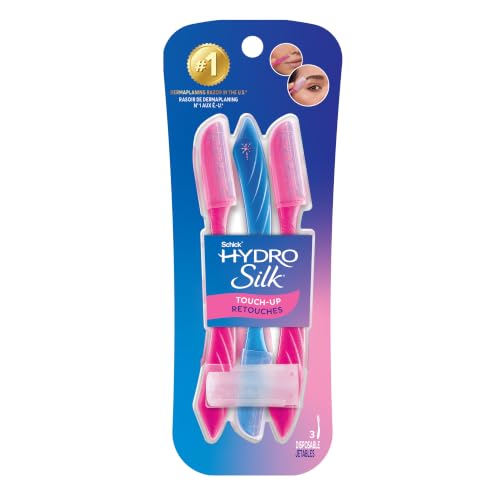
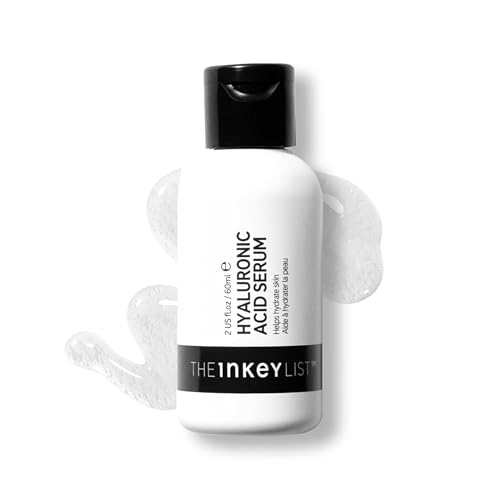
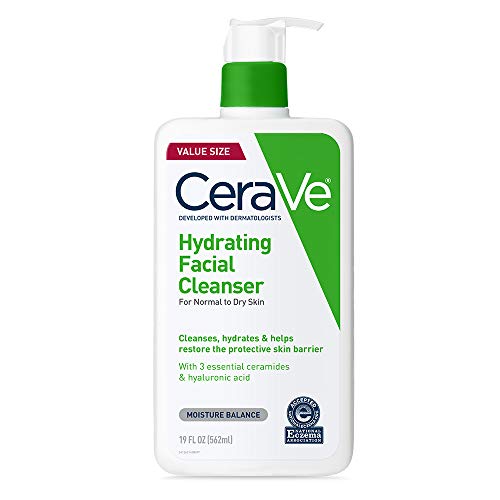
Recommended Products for Dermaplaning and Aftercare

In Brief
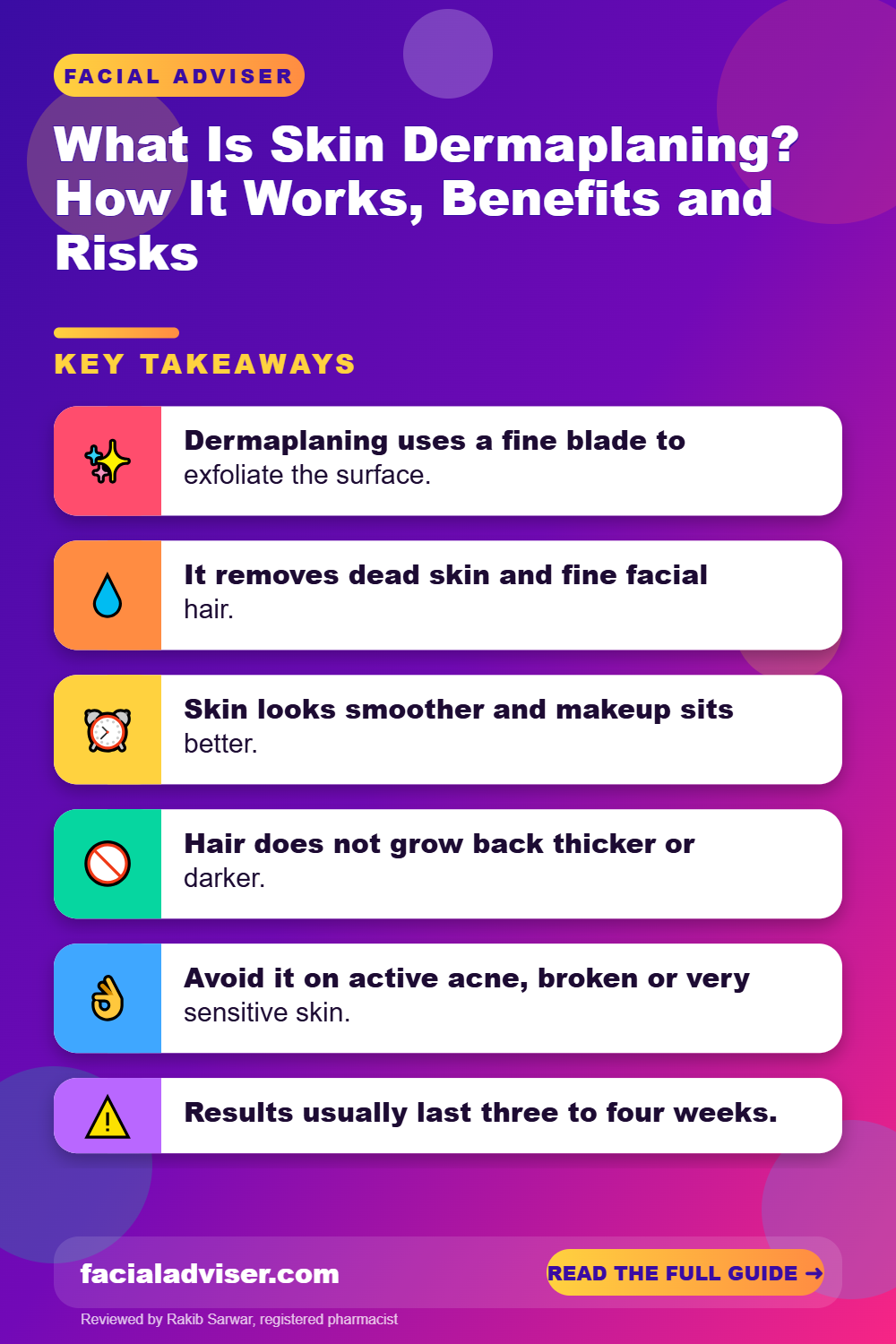
- Dermaplaning uses a fine blade to exfoliate the surface.
- It removes dead skin and fine facial hair.
- Skin looks smoother and makeup sits better.
- Hair does not grow back thicker or darker.
- Avoid it on active acne, broken or very sensitive skin.
- Results usually last three to four weeks.
- Sunscreen afterwards is essential.
On This Page
- How Dermaplaning Works
- Benefits of Dermaplaning
- Does Hair Grow Back Thicker?
- Risks and Side Effects
- Who Should Avoid Dermaplaning
- Professional Versus At-Home Dermaplaning
- How to Care for Your Skin Before and After Dermaplaning
- Aftercare and Sun Protection
- Dermaplaning Compared With Other Exfoliation
- Dos and Don’ts
- Honest Limits
- When to See a Dermatologist
- Questions People Ask
- The Takeaway
How Dermaplaning Works
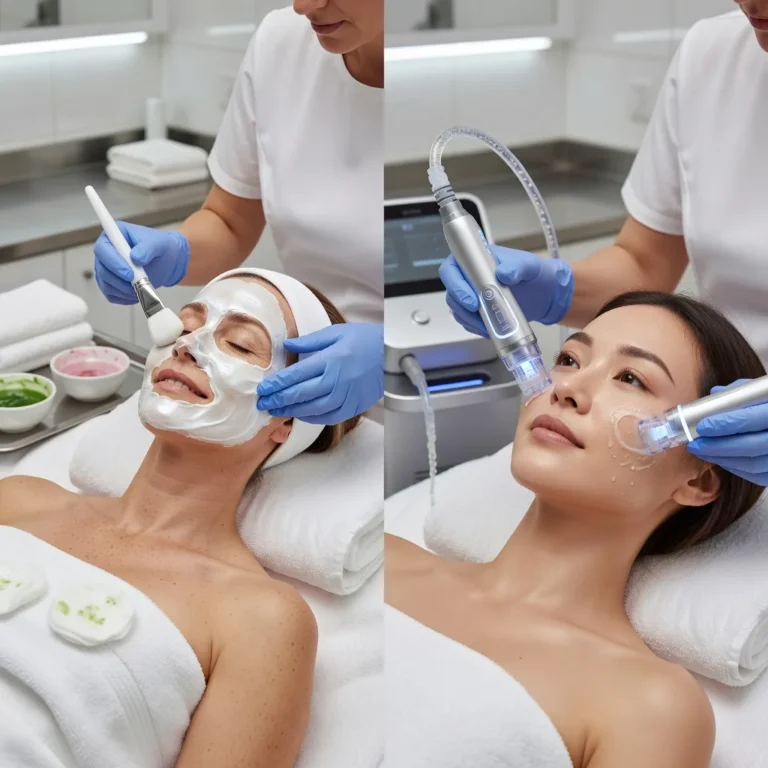
During dermaplaning, the skin is cleansed and dried, then held taut while a sterile blade is drawn across it in short, light strokes at about a 45-degree angle. The blade removes the outermost layer of dead skin cells along with fine vellus hair. No chemicals are used, which is one reason some people prefer it to peels.
| Aspect | What to know |
|---|---|
| What it removes | Dead surface skin cells and fine vellus hair |
| Depth | Very superficial; only the outer layer |
| Treatment time | About 30 to 45 minutes in a clinic, including cleansing and aftercare |
| Downtime | Usually none; mild redness for a few hours |
| How long results last | About three to four weeks, as skin and hair regrow |
| Often combined with | Light peels, hydrating masks or facials |
Before starting, a professional will usually check your skin for breakouts, cold sores or irritation and ask about medications. Professional dermaplaning uses a surgical-style scalpel blade. At-home tools use a smaller, safer blade with guards, which removes less and carries less risk of cuts. Our guide on facial razors versus normal razors explains why the tool matters.
Benefits of Dermaplaning
The main benefits are cosmetic and usually visible immediately.
- Smoother-looking skin with less visible dead skin build-up.
- Removal of peach fuzz, which can make skin look brighter.
- Makeup and sunscreen that apply more evenly.
- Skincare products that spread more easily.
- No chemical exfoliants, which suits some people who react to acids.
Some people also find that dermaplaning helps with the look of mild, rough texture. It will not remove deep scars, wrinkles or pigmentation, although skin may look slightly more even because the surface reflects light better. Many people notice the biggest difference in how foundation and powder look, since there is less fine hair and dead skin for makeup to catch on. Skincare applied afterwards can also feel as if it absorbs more easily, though that does not mean it works more strongly.
Removing peach fuzz is optional. Fine facial hair is completely normal, and many people prefer to leave it. Dermaplaning is a cosmetic choice, not something skin needs.
Does Hair Grow Back Thicker?
One of the most common worries is that shaving the face will make hair grow back thicker, darker or coarser. This is a myth. Cutting hair at the surface does not change the follicle, so it cannot change how thick, dark or fast the hair grows.
What can happen is that regrowing hair feels slightly blunt for a few days because it was cut straight across rather than tapering naturally. This is temporary, and the hair softens as it grows out. Regrowth usually appears within a few weeks, at the same rate as before. If you notice coarse, dark hair growing on the chin, upper lip or jawline, that is terminal hair rather than vellus hair, and it is not caused by dermaplaning. New or increasing coarse facial hair in women can have hormonal causes; our guide on normal facial hair versus PCOS explains when it may need checking.
Risks and Side Effects
Dermaplaning is generally low risk when done carefully, but it is still a form of exfoliation with a sharp blade.
- Small nicks or cuts, especially with incorrect angle or pressure.
- Redness, stinging or irritation, particularly on sensitive skin.
- Breakouts if bacteria are spread by an unclean blade or over active acne.
- Increased sensitivity to sun and active ingredients for a few days.
- Flares of rosacea or eczema in people prone to them.
The American Academy of Dermatology explains that exfoliation should be gentle and not too frequent, and warns that people using retinoids or with sensitive skin may react more strongly. Read its advice on how to exfoliate safely at home.
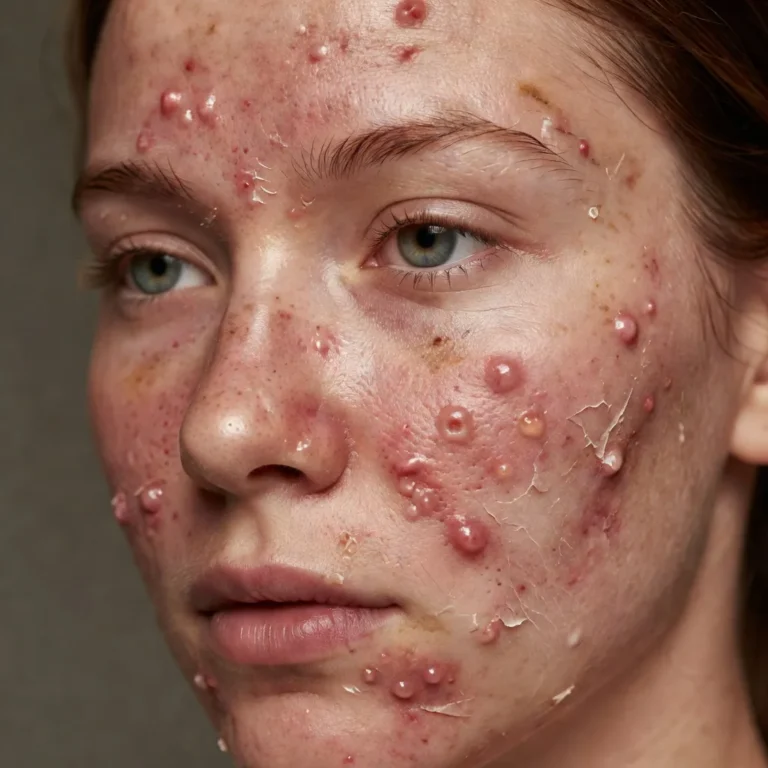
Never dermaplane over active acne, cold sores, open cuts or raised moles. Running a blade over inflamed or broken skin can spread bacteria, cause bleeding and lead to infection or scarring.
Who Should Avoid Dermaplaning
Dermaplaning suits many people with normal, dry or combination skin, but it is not right for everyone.
- People with active inflammatory acne or frequent breakouts.
- Those with rosacea, eczema or psoriasis on the face.
- Anyone using oral isotretinoin or who has recently finished it.
- People using strong prescription retinoids, unless a professional advises otherwise.
- Anyone with sunburn, cold sores or broken skin.
If you have darker skin that tends to develop dark marks after irritation, go gently or choose a professional who has experience with your skin tone. Irritation from over-exfoliation can leave marks that last for months. If you are unsure whether your skin is suitable, a dermatologist or experienced esthetician can assess it first, and a small test area along the jawline is a sensible first step at home.
Professional Versus At-Home Dermaplaning
Both options remove dead skin and fine hair, but they differ in depth, risk and results.
| Feature | Professional | At home |
|---|---|---|
| Blade | Surgical-style scalpel | Small, guarded blade |
| Depth | Slightly deeper exfoliation | Lighter exfoliation |
| Risk of cuts | Low with a trained provider | Low if used correctly |
| Results | More noticeable smoothing | Subtler, mainly peach fuzz removal |
| Frequency | About every three to four weeks | About every two to four weeks |
| Best for | Stronger texture concerns, events | Maintenance and fine hair |
If you want to try it at home, use a dedicated dermaplaning tool, never a regular razor or an unguarded scalpel, and replace or sanitise it as directed. Our guide on waxing versus shaving facial hair compares other hair removal options.
How to Care for Your Skin Before and After Dermaplaning
Pause strong actives
Stop retinoids and acids a few days before.
Cleanse and dry
Start with clean, completely dry skin.
Use a clean tool
Use a new or sanitised blade on skin free of breakouts.
Hold skin taut
Use short, light strokes at a shallow angle, moving downwards.
Soothe
Apply a gentle hydrating serum or moisturiser.
Protect
Use broad-spectrum sunscreen every morning.
Wait before actives
Restart retinoids and acids after a few days.
Skip dermaplaning the week before an event if you have never tried it. Give your skin a trial run a few weeks earlier to see how it reacts.
Avoid the area around the eyes, the nose and the lips, where skin is thin and the contours make cuts more likely. Keep strokes light; pressing harder does not remove more dead skin and increases the risk of irritation. Go over each area only once or twice, and stop if your skin starts to sting or look red. Clean the blade with alcohol between uses if the instructions allow reuse, and replace it as soon as it feels dull, because a blunt blade drags and irritates the skin.
Aftercare and Sun Protection
Freshly dermaplaned skin can be more sensitive for a few days. Keep your routine simple with a gentle cleanser, a hydrating serum or moisturiser and sunscreen.
The American Academy of Dermatology explains how to apply sunscreen correctly. Avoid heavy makeup for the rest of the day if you can, skip saunas and intense exercise for about 24 hours and hold off on exfoliants for several days. For more on gentle options between treatments, see our guide to gentler alternatives to exfoliation.
Dermaplaning Compared With Other Exfoliation
Dermaplaning is one of several ways to exfoliate. Each works differently, and the best choice depends on your skin and goals.
- Chemical exfoliants such as AHAs and BHAs dissolve the bonds between dead cells and can reach into pores; they do not remove hair.
- Enzyme exfoliants are gentler and suit sensitive skin, but work more slowly.
- Scrubs physically buff the surface but can irritate if the particles are rough.
- Microdermabrasion uses a device to abrade the surface and can be slightly more intense.
- Dermaplaning removes dead skin and fine hair together with a blade and no chemicals.
If your main concern is clogged pores or blackheads, a salicylic acid product is often more useful than dermaplaning, because it works inside the pore. If your main concern is peach fuzz and makeup sitting unevenly, dermaplaning may suit you better. Many people alternate methods, but avoid using several strong exfoliants in the same week.
People with dry skin often like dermaplaning because it removes flakes without the stinging some acids cause. People with oily, acne-prone skin usually get more benefit from chemical exfoliants and should avoid shaving over breakouts.
Dos and Don’ts
Helps
- Use a dedicated dermaplaning tool
- Start with clean, dry skin
- Use light, short strokes
- Moisturise and use sunscreen afterwards
- Replace or clean blades as directed
Backfires
- Dermaplane over acne or broken skin
- Use a regular razor or scalpel at home
- Press hard or go over the same area repeatedly
- Combine with strong acids on the same day
- Share blades
Honest Limits
Dermaplaning is a cosmetic surface treatment. It does not treat acne, deep wrinkles, scarring or pigmentation, and its effects fade as skin and hair regrow.
There is limited high-quality research on dermaplaning compared with other exfoliation methods. Most of what is known comes from clinical experience, so results and tolerance vary between people. If your skin does not like it, there is no need to continue; gentle chemical exfoliation or simply a good moisturiser and sunscreen can keep skin looking smooth.
When to See a Dermatologist
- You develop persistent redness, burning or rash after dermaplaning.
- Cuts become red, swollen or painful, or show signs of infection.
- You notice dark patches after treatment that do not fade.
- You have sudden new coarse facial hair growth.
This article is for general information and does not replace professional medical advice. See a dermatologist before dermaplaning if you have a skin condition, use prescription skin medicines or have concerns about facial hair growth.
Questions People Ask
What is dermaplaning?
A form of exfoliation using a fine blade to remove dead skin and peach fuzz.
Does hair grow back thicker after dermaplaning?
No, it does not change hair thickness or colour.
How long does dermaplaning last?
About three to four weeks.
Is dermaplaning safe at home?
It can be with a dedicated tool used gently on clear skin.
Can you dermaplane with acne?
No, avoid it on active breakouts.
Does dermaplaning hurt?
It is usually painless, though it can feel scratchy.
How often can you dermaplane?
About every three to four weeks.
Can I wear makeup after dermaplaning?
It is best to wait until the next day.
Is dermaplaning good for sensitive skin?
It may irritate very sensitive skin; test carefully or avoid.
What should I put on my face after dermaplaning?
A gentle moisturiser and broad-spectrum sunscreen.
The Takeaway
Dermaplaning uses a fine blade to remove dead skin and peach fuzz, leaving skin smoother and helping makeup sit more evenly. It does not make hair grow back thicker, and results last about three to four weeks.
Avoid it on acne, broken or very sensitive skin, use a proper tool with light strokes and protect your skin with moisturiser and sunscreen afterwards.

Written by
Registered pharmacist and founder of Facial Adviser. Rakib's pharmacy training covers how skincare actives work and interact; a later course in cosmetology turned that into a focus on facial treatments and skincare products. He plans, researches and edits every guide on the site and checks health claims against sources such as the American Academy of Dermatology, the FDA and the NIH. He is not a dermatologist; see the Editorial Policy and Medical Disclaimer.
About · Editorial policy · How we choose products · Medical disclaimer · Contact
Keep reading: Facial hair removal
- 10 Best Products for Women's Facial Hair Removal (2026): Gentle Picks
- Trimming vs Shaving Facial Hair: Which Is Better for Your Skin?
- Peach Fuzz vs Facial Hair: How to Tell the Difference and What to Do
- Facial Waxing vs Dermaplaning: Which Is Better for Facial Hair and Smooth Skin?
- Microdermabrasion vs Dermaplaning: Differences, Results and Which to Choose
- Normal Facial Hair in Women vs PCOS: The Signs That Point to Hormones
- 10 Best Gua Sha Facial Tools (2026): Stone and Steel Picks Compared
- 10 Best Facial Tools (2026): LED, Cleansing, Gua Sha and More