What Causes Open Pores on the Nose? Oil, Genes, Age and What Helps
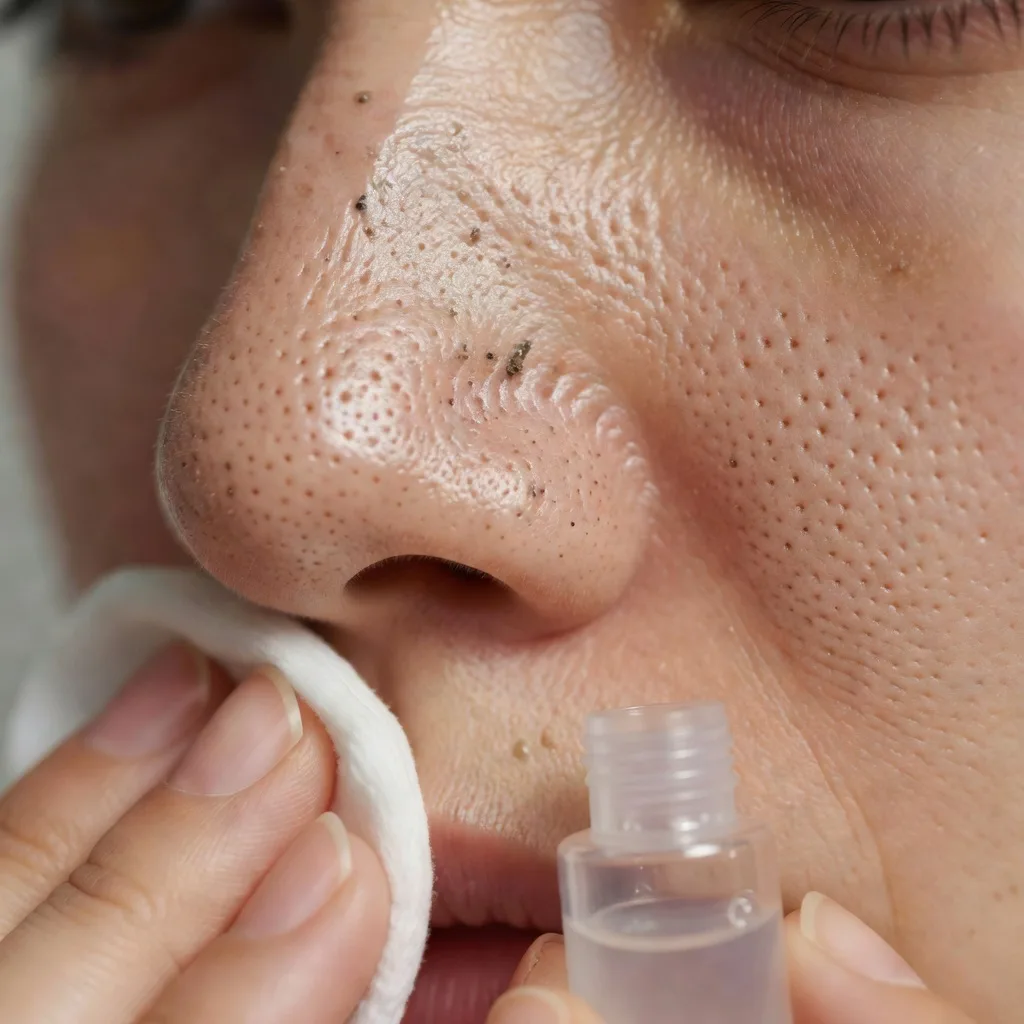
Pores on the nose are usually the most noticeable on the whole face. Up close they can look like tiny open holes, sometimes with dark or grey dots inside, and they often seem to get larger with age. That makes many people assume their pores are dirty, damaged or permanently stretched, but the real reasons are mostly about oil, genetics and the skin around each pore.
Part of our guide to skin concerns. Start with: How Can I Make My Pores Less Visible?
Open pores on the nose are mainly caused by high oil production, because the nose has many large sebaceous glands and extra sebum widens and highlights the pore opening. Genetics sets your baseline pore size, and oily skin types tend to have larger pores. With age and sun exposure, collagen and elastin around each pore weaken, so the opening sags and looks bigger. Pores filled with oil and dead skin, called sebaceous filaments or blackheads, make them more visible. You cannot close or shrink pores permanently, but BHA, retinoids, niacinamide and sunscreen can make them look smaller.
In short: nose pores look open because of oil, genes and weakening skin support, and the goal is to keep them clear and firm rather than to close them.
The American Academy of Dermatology recommends gentle, non-irritating care for oily and acne-prone skin, warning that scrubbing and harsh products can make skin look worse rather than better.
This guide covers each cause, the ingredients with reasonable evidence, the habits that backfire and the realistic results you can expect.
Shopping these picks?
Amazon Prime members get fast, free shipping on eligible items, plus Prime Video, Amazon Music and member deals. New members can start with a free trial.
Start a free Prime trialAged 18 to 24? Prime for Young Adults comes with a longer free trial and a lower price after it.
Affiliate link: we may earn a commission at no extra cost to you.
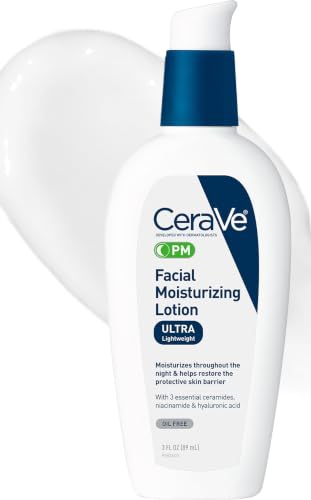
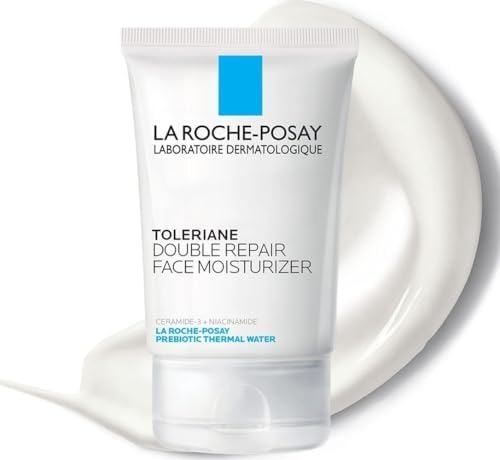
Recommended Products for Nose Pores
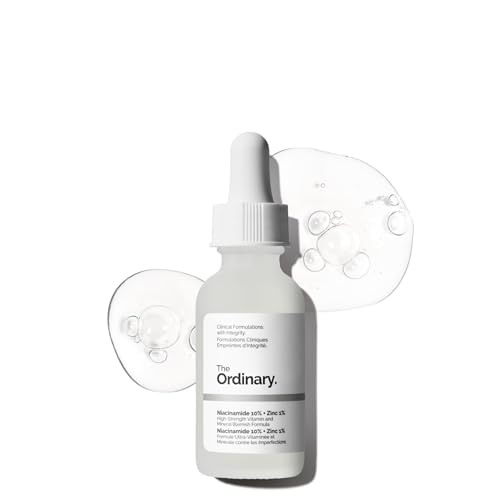
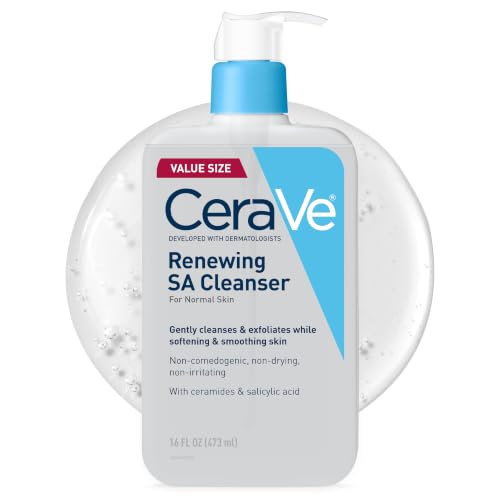


In Brief
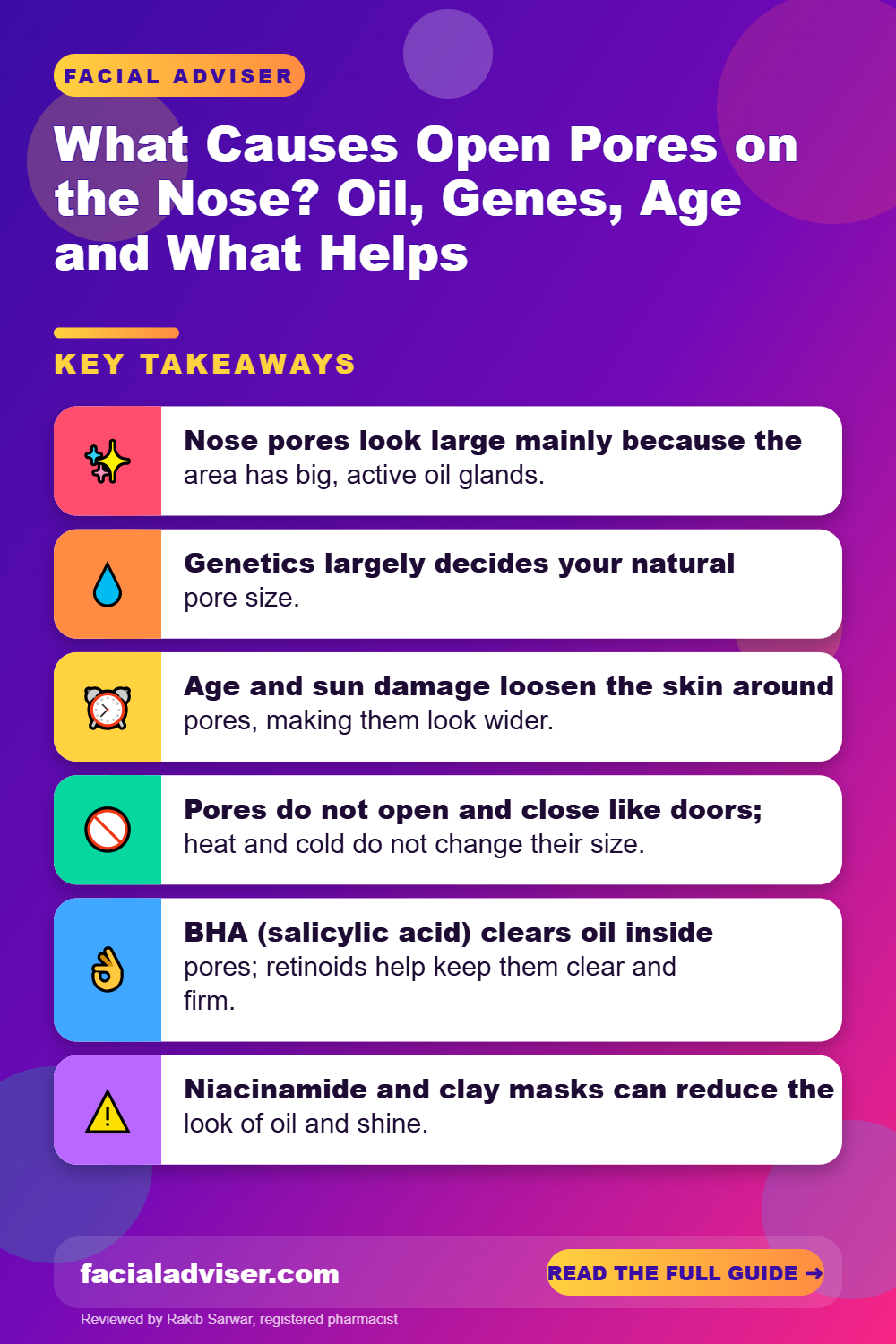
- Nose pores look large mainly because the area has big, active oil glands.
- Genetics largely decides your natural pore size.
- Age and sun damage loosen the skin around pores, making them look wider.
- Pores do not open and close like doors; heat and cold do not change their size.
- BHA (salicylic acid) clears oil inside pores; retinoids help keep them clear and firm.
- Niacinamide and clay masks can reduce the look of oil and shine.
- Pore strips and squeezing give short-lived results and can irritate skin.
Jump to a Section
- Why Pores on the Nose Look So Open
- Sebum and Clogged Pores
- Genetics, Hormones and Age
- Sun Damage and Pore Size
- Ingredients That Can Make Nose Pores Look Smaller
- Do Clay Masks and Niacinamide Really Work for Pores?
- How to Build a Routine for Visible Nose Pores
- Pore Strips, Steaming and Squeezing: What Not to Expect
- Dos and Don’ts for Open Nose Pores
- Honest Limits
- When to See a Dermatologist
- Your Questions, Answered
- Summing Up
Why Pores on the Nose Look So Open
Every pore is the opening of a hair follicle, and most facial follicles are attached to an oil gland. The nose has some of the largest and most active oil glands on the body, so its pores are naturally wider than those on the cheeks or forehead. When oil and shed skin cells fill the opening, the pore becomes easier to see.
| Cause | How it makes pores look bigger | Can you change it? |
|---|---|---|
| High sebum production | Oil stretches and highlights the opening | Partly, with BHA, retinoids and niacinamide |
| Genetics and skin type | Sets the baseline size of glands and pores | No |
| Ageing | Loss of collagen and elastin lets the pore edge sag | Partly, with retinoids and sun protection |
| Sun damage | Speeds up collagen breakdown around pores | Prevent with daily sunscreen |
| Clogged pores | Filaments and blackheads fill and darken the opening | Yes, with regular exfoliation |
| Hormones | Androgens increase oil output | Sometimes, with medical treatment |
Most people have several of these factors at once. Someone with oily skin in their thirties who spent years without sunscreen, for example, has both more oil and less firm skin around each pore.
Sebum and Clogged Pores
Sebum is the natural oil your skin makes to protect itself. When a lot of it flows through a pore, the opening widens slightly and the oil reflects light, which makes the pore stand out. Oil also mixes with dead skin cells to form soft plugs.
On the nose these plugs are usually sebaceous filaments, which look like small grey or beige dots and are a normal part of skin. True blackheads are firmer plugs whose surface darkens when exposed to air. Our guide on sebaceous filaments vs blackheads explains how to tell them apart.
Sebaceous filaments refill within days after being squeezed or stripped, because they are part of how oil reaches the skin surface. Keeping them less visible is realistic; removing them for good is not.
Genetics, Hormones and Age
Pore size runs in families. If your parents have visible pores or oily skin, you are more likely to have them too, and no routine will change the underlying structure. Hormones also play a part: androgens rise at puberty and increase oil production, which is why pores often become noticeable in the teenage years.
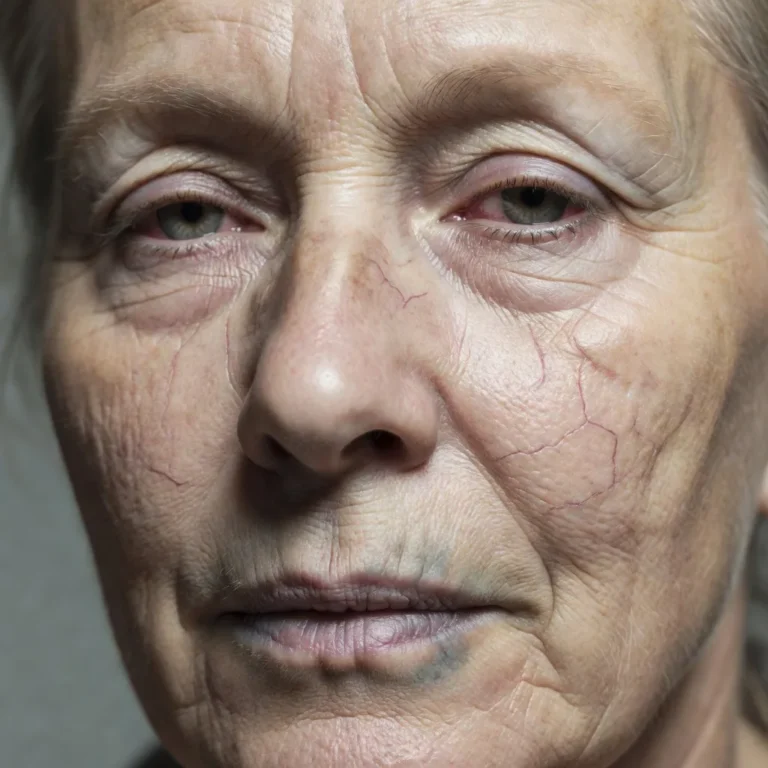
With age, the collagen and elastin that hold the skin firm around each pore gradually decline. The pore edge then loses support and can look stretched or elongated, especially on the cheeks next to the nose. This is why pores can look bigger in your forties than in your twenties even if your skin is less oily.
Skin tone and texture also change how pores read. Shadows collect in each opening, so pores often look more obvious under harsh overhead lighting or in magnifying mirrors than they do at normal conversational distance. Close inspection in a mirror tends to exaggerate them, which is worth remembering before you start an aggressive routine to fix something other people rarely notice.
- Oily skin types usually have larger visible pores.
- Hormonal changes around periods, pregnancy or menopause can alter oil levels.
- Some medical conditions and medicines affect oil production.
- Dehydrated skin can make texture, including pores, look more obvious.
Sun Damage and Pore Size
Ultraviolet light breaks down collagen over time. On the nose, which catches a lot of sun, that loss can make pores look wider and the surrounding skin rougher. Daily sun protection is one of the simplest ways to slow this change.
The AAD explains how to apply sunscreen, recommending broad-spectrum protection of SPF 30 or higher and reapplication when you are outdoors. If you have oily skin, a lightweight gel or fluid sunscreen labelled non-comedogenic is less likely to feel greasy.
Ingredients That Can Make Nose Pores Look Smaller
No ingredient closes pores, but several can reduce oil, clear plugs and support the skin around each opening. Results build over weeks, not days.
| Ingredient | How it helps | Typical use |
|---|---|---|
| BHA (salicylic acid) | Oil-soluble, so it clears sebum and debris inside the pore | Leave-on exfoliant or cleanser, a few times a week to daily |
| Retinoids (retinol, adapalene) | Normalise skin cell shedding and support collagen | At night, starting two or three times a week |
| Niacinamide | May reduce the look of oil and pores and support the skin barrier | Serum or moisturiser, once or twice daily |
| Clay masks | Absorb surface oil for a short-term matte look | Once or twice a week |
| Sunscreen | Protects collagen from UV damage | Every morning |
BHA and retinoids have the strongest role for clogged, oily pores. Adapalene is a retinoid available without a prescription in some countries and is designed for acne-prone skin. If you want to combine ingredients, our guide on using niacinamide with acids explains how to layer them.
Do Clay Masks and Niacinamide Really Work for Pores?
Clay masks and niacinamide are popular because they are gentle and easy to use, but their effects are different from BHA and retinoids. Clay absorbs surface oil, so the nose looks less shiny and pores look a little less obvious for several hours. It does not pull deep plugs out or change pore size, and overusing it can leave skin tight and dry.
Niacinamide has some supportive research suggesting it can reduce the appearance of oil and pores and strengthen the skin barrier, although results are modest and vary between people. It is well tolerated by most skin types, which makes it a useful partner for stronger ingredients that can irritate.
- Use clay only on oily zones such as the nose and forehead, not on dry cheeks.
- Rinse clay off before it cracks fully to avoid excess dryness.
- Look for niacinamide in a serum or moisturiser you will use daily.
- Higher niacinamide strengths are not always better and can cause flushing in some people.
- Treat both as supporting steps, with BHA, retinoids and sunscreen doing the main work.
How to Build a Routine for Visible Nose Pores
A simple routine done consistently beats a long list of products. These steps suit most oily and combination skin types.
Cleanse morning and night
Use a gentle cleanser, or a salicylic acid cleanser if you are very oily, and rinse with lukewarm water.
Add a BHA exfoliant
Start two or three evenings a week on the nose and oily areas, then increase if your skin tolerates it.
Introduce a retinoid slowly
Use a pea-sized amount at night on non-BHA evenings at first to limit irritation.
Apply niacinamide and a light moisturiser
Choose non-comedogenic textures to support the barrier without adding grease.
Use sunscreen every morning
A broad-spectrum SPF 30 or higher protects collagen around pores.
Use a clay mask when needed
Once or twice a week on oily zones for a temporary matte finish.
Wait 8 to 12 weeks
Judge the routine after a couple of months, not after a few days.
Do not start BHA and a retinoid in the same week. Introduce one, let your skin settle for two to four weeks, then add the other.
Pore Strips, Steaming and Squeezing: What Not to Expect
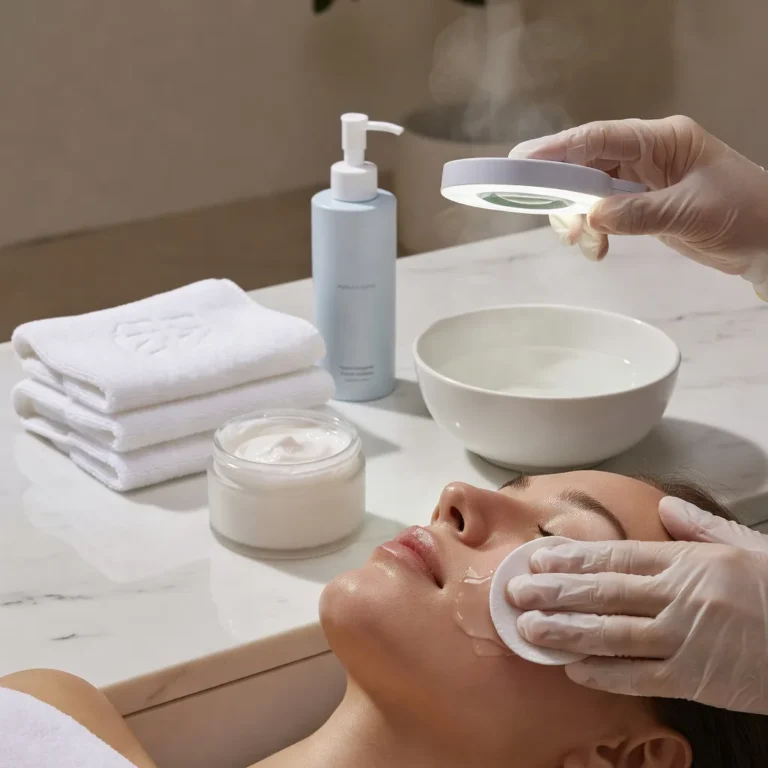
Pore strips can pull out the top of sebaceous filaments, which feels satisfying, but they do not shrink pores and the filaments refill quickly. They can also irritate or break tiny blood vessels on sensitive skin. Steam softens plugs a little but does not open pores, and cold water does not close them.
- Squeezing can stretch the pore edge, cause redness and leave marks.
- Harsh scrubs with rough particles irritate skin and can increase oil and redness.
- Alcohol-heavy toners give a brief tight feeling but often dry the surface.
- Pore-shrinking claims on labels usually mean a temporary cosmetic effect.
Avoid using metal extractors, pins or fingernails on your nose at home. You risk broken capillaries, infection and scarring. If you want extractions, ask a dermatologist or trained professional.
The AAD page on exfoliating safely at home recommends matching the method to your skin type and being gentle, which applies to the nose as much as anywhere else. Our article on how to deep clean your pores covers safer cleansing methods.
Dos and Don’ts for Open Nose Pores
Worth Doing
- Use BHA to clear oil inside pores
- Introduce retinoids slowly
- Wear sunscreen daily
- Choose non-comedogenic products
- Be patient for 8 to 12 weeks
Skip It
- Squeeze or pick at pores
- Rely on pore strips for lasting results
- Scrub hard with gritty exfoliants
- Stack several strong acids at once
- Expect pores to close permanently
Honest Limits
You cannot change the number of pores you have or their genetic size. Skincare can make them look smaller by keeping them clear and supporting firmness, but the effect is modest and depends on continued use. Stop the routine and oil and plugs usually return.
Professional treatments such as chemical peels, lasers or microneedling may improve texture further for some people, but results vary and they carry risks such as irritation and pigment changes, especially on darker skin tones. Makeup primers can blur pores for a day, but they are a cover, not a fix.
When to See a Dermatologist
- Pores are accompanied by persistent acne, cysts or scarring.
- Over-the-counter BHA and retinoids have not helped after about three months.
- Your skin becomes red, stinging or flaky with every product you try.
- You notice thickened, bumpy or very red skin on the nose, which can be linked to rosacea.
- You want to discuss prescription retinoids or in-office procedures.
This article is for general information and does not replace professional medical advice. See a board-certified dermatologist for acne, rosacea or any skin change that worries you.
Your Questions, Answered
What causes open pores on the nose?
Mostly high oil production, genetics, age-related loss of firmness and sun damage.
Can open pores on the nose close permanently?
No, but they can look smaller with consistent care.
Does salicylic acid shrink pores?
It clears oil inside pores, which makes them look smaller.
Is niacinamide good for nose pores?
It may reduce the look of oil and pores over time.
Do pore strips work?
Only briefly; filaments refill within days.
Does cold water close pores?
No, pore size does not change with water temperature.
Are the dots on my nose blackheads?
Often they are sebaceous filaments, which are normal.
Can retinol help large pores?
Yes, retinoids help keep pores clear and support collagen.
How often should I use a clay mask?
Once or twice a week on oily areas.
Why are my nose pores getting bigger with age?
Collagen and elastin around the pore weaken over time.
Summing Up
Open pores on the nose are caused by oil, genetics, ageing and sun damage, and clogged filaments make them more visible. They cannot be closed, but they can look noticeably less obvious.
Use a BHA and a slowly introduced retinoid, add niacinamide and sunscreen, skip pore strips and squeezing, and give your routine two to three months before judging the results.

Written by
Registered pharmacist and founder of Facial Adviser. Rakib's pharmacy training covers how skincare actives work and interact; a later course in cosmetology turned that into a focus on facial treatments and skincare products. He plans, researches and edits every guide on the site and checks health claims against sources such as the American Academy of Dermatology, the FDA and the NIH. He is not a dermatologist; see the Editorial Policy and Medical Disclaimer.
About · Editorial policy · How we choose products · Medical disclaimer · Contact
Keep reading: Pores and texture
- How Can I Make My Pores Less Visible?
- Dry, Flaky Skin on the Nose: Causes and How to Treat It
- Does Cold Water Close Pores? Myth or Fact, Explained
- Is Pore Minimizing Good for Oily Skin?
- How Do Koreans Reduce Pore Size?
- Do Pores Look Bigger When Skin Is Oily?
- Are Facials Good for Acne?
- How to Calm Inflamed Red Patches on Your Face