Winter Dry Skin: Causes, Fixes and a Simple Routine
When the temperature drops, many people notice tight, flaky, itchy skin, rough hands and chapped lips. Cold outdoor air holds little moisture, and indoor heating dries the air further. Your skin loses water faster, and the protective barrier on its surface can become weaker and more easily irritated.
I am Rakib Sarwar, a registered pharmacist with a cosmetology course. I am not a dermatologist, so I stick to widely accepted advice and flag when you should see a doctor. This guide is for general information and does not replace medical advice.
The good news is that winter dryness usually responds well to simple steps. Shorter lukewarm showers, a gentle cleanser, a rich moisturizer applied while skin is damp and a humidifier in the bedroom make a big difference for most people. What you apply matters, but how and when you apply it matters just as much.
Black Friday is coming: shop the deals with Prime
I have kept the advice practical and affordable, because most winter dryness improves with habits you can start tonight. Expensive products are rarely needed, and I explain what to look for on a label instead.
Where I mention conditions such as eczema, I do so only to help you spot when home care is not enough.
Below you will find why winter dries out skin, a step-by-step routine, how to choose moisturizers, how to care for hands, lips and legs, mistakes to avoid, who should be careful and when to see a doctor.
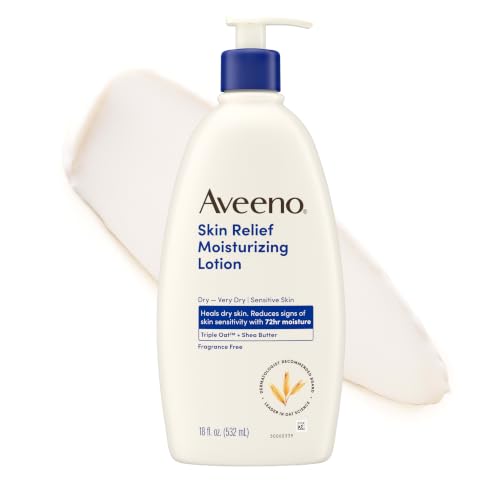
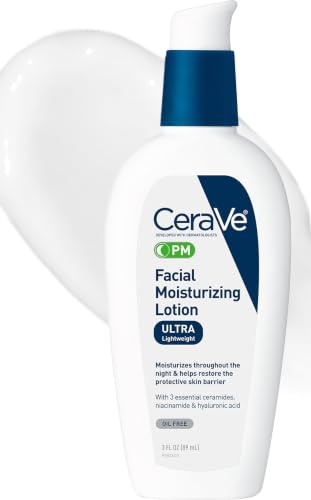
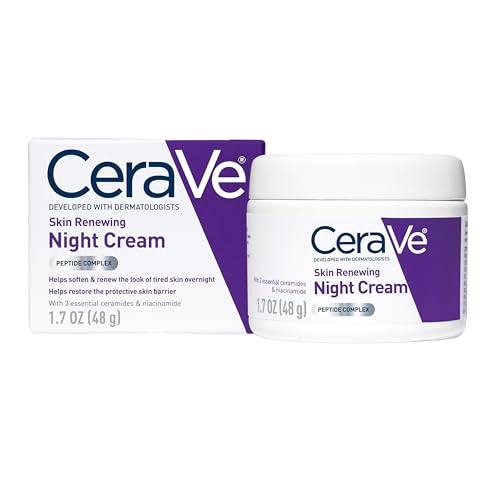
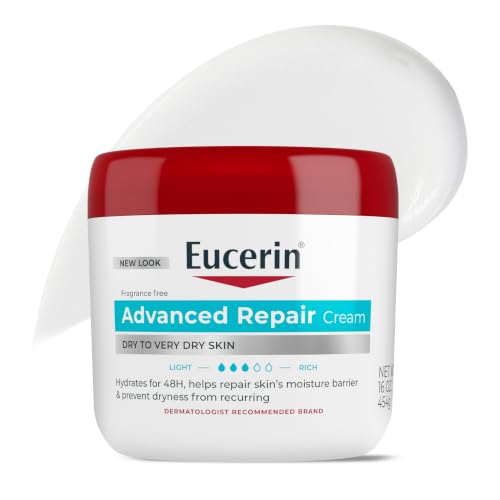
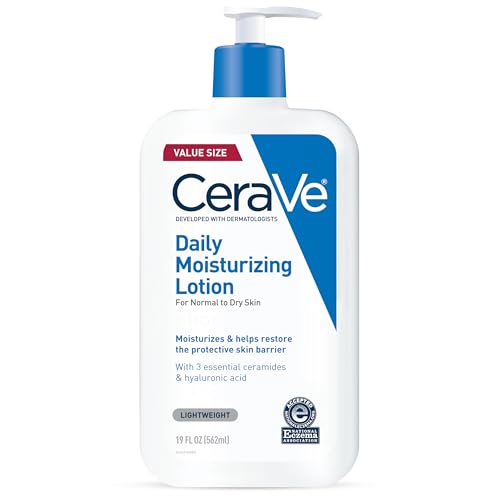
Moisturizers People Often Use for Winter Dry Skin


In This Guide
- Why Skin Gets Drier in Winter
- Signs of Winter Dry Skin
- A Simple Winter Skin Routine
- How to Choose a Winter Moisturizer
- Caring for Hands, Lips, Legs and Feet
- Humidity, Heating and Clothing
- Winter Face Care
- Diet, Water and Lifestyle
- Common Mistakes
- Who Should Be Careful
- Honest Limits
- When to See a Professional
- Common Questions
- The Takeaway
The Short Version
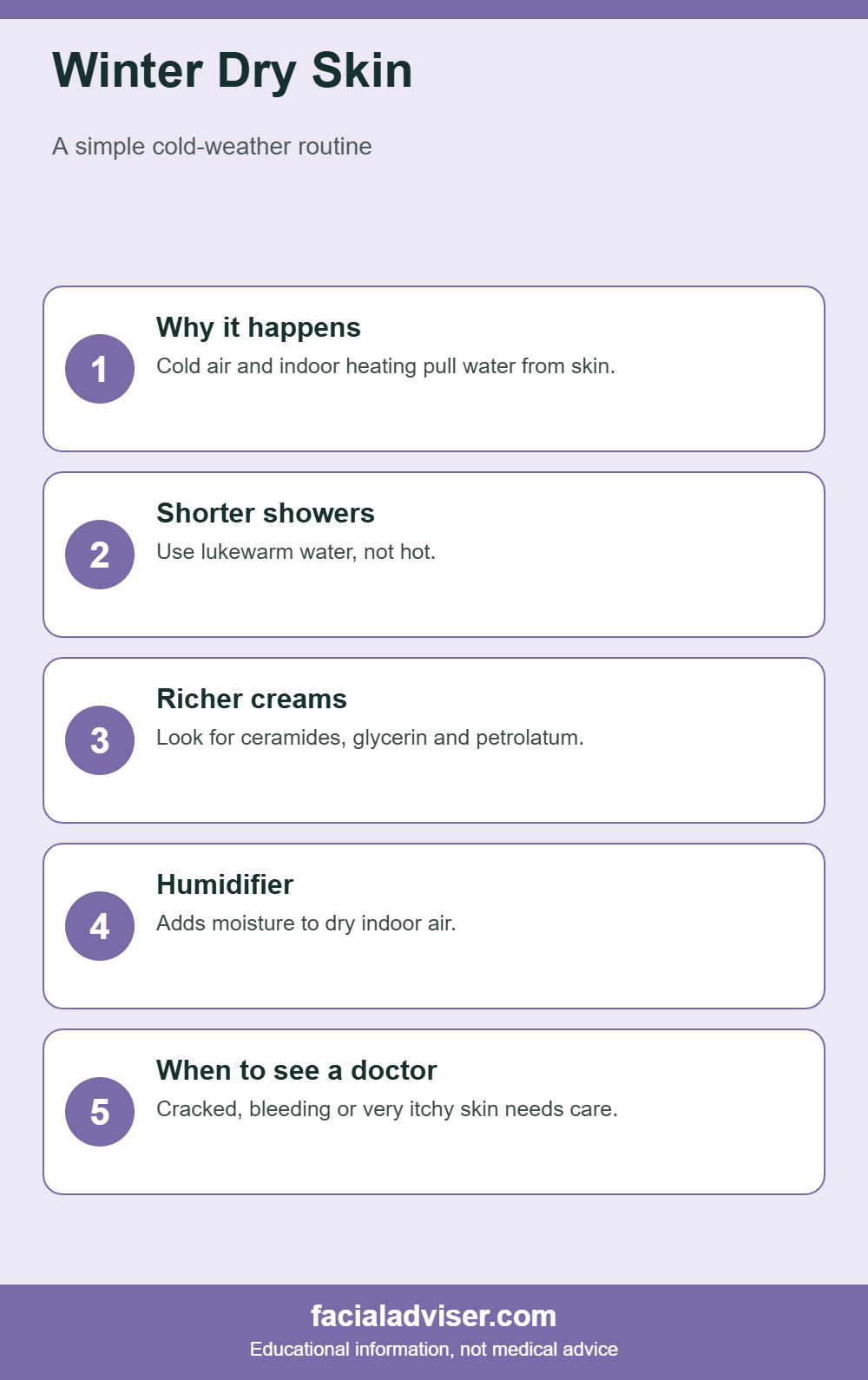
- Cold air and indoor heating pull moisture from skin in winter.
- Lukewarm, shorter showers protect natural oils.
- Use a gentle, fragrance-free cleanser instead of harsh soap.
- Apply a rich moisturizer within minutes of washing.
- Look for ceramides, glycerin, shea butter and petrolatum.
- A humidifier adds moisture to dry indoor air.
- See a doctor for cracked, bleeding, infected or very itchy skin.
Why Skin Gets Drier in Winter
Skin has a barrier made of cells and fats that holds in water and keeps out irritants. In winter, low humidity and cold wind strip water from this barrier faster than the skin can replace it.
Indoor heating adds to the problem by drying the air. Long hot showers, frequent hand washing and harsh soaps remove natural oils and weaken the barrier further.
As we get older, skin makes less oil, so older adults are often more affected. People with eczema, psoriasis or very sensitive skin may also see flare-ups in winter.
Hard water, central heating and fast temperature changes between cold streets and warm rooms all add stress to the barrier. Your skin is constantly adapting, and in winter it often cannot keep up without help.
Children and teenagers can suffer too, especially on cheeks, hands and shins. Gentle care and fragrance-free moisturizers work for them just as they do for adults.
Signs of Winter Dry Skin
Common signs include tightness after washing, rough or flaky patches, dull skin, itching and fine cracks, especially on the hands, shins, elbows and lips.
In more severe cases skin may crack, bleed or become red and inflamed. That is a sign to step up care and, if it does not improve, to see a doctor.
| Sign | Likely cause | What helps |
|---|---|---|
| Tight, flaky skin | Water loss from barrier | Rich moisturizer, shorter showers |
| Itching | Dry, irritated skin | Fragrance-free cream, lukewarm water |
| Cracked hands | Cold plus hand washing | Hand cream after washing, gloves |
| Chapped lips | Wind and dry air | Balm, avoid licking |
| Red, scaly patches | Possible eczema | See a doctor |
Dry skin often looks worse at night and after showers. Pay attention to where it appears. Symmetrical red, scaly or weeping patches in the elbow creases or behind the knees are more typical of eczema than simple dryness.
If dryness appears suddenly, covers large areas or comes with other symptoms such as tiredness or weight change, mention it to your doctor, since some health conditions and medicines can dry the skin.
A Simple Winter Skin Routine
You do not need many products. A gentle cleanser, a good moisturizer and sunscreen cover most needs.
Shower in lukewarm water
Keep showers short, about 5 to 10 minutes.
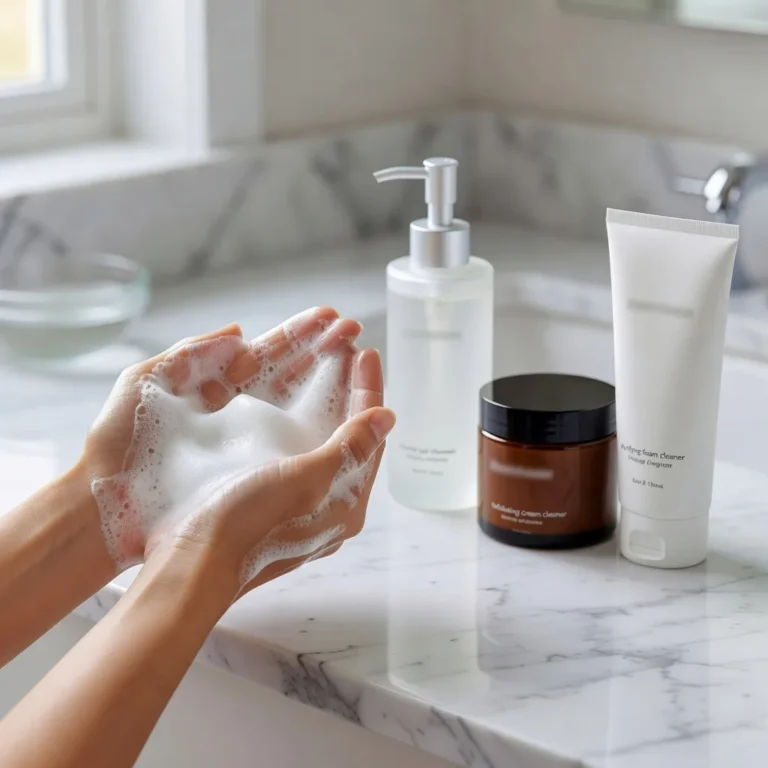
Use a gentle cleanser
Choose a creamy, fragrance-free wash, and use it only where needed.
Pat dry
Leave skin slightly damp rather than rubbing dry.
Moisturize within minutes
Apply a rich cream to damp skin to lock in water.
Seal dry areas
Use an ointment or balm on hands, lips and heels at night.
Wear sunscreen
UV is still present in winter, especially with snow.
Keep a small tube of hand cream by every sink. Reapplying after each wash prevents cracked hands.
Avoid very hot water, harsh soaps and scrubs on dry, irritated skin. They can make cracks and itching worse.
In the morning, a quick rinse and moisturizer is often enough. In the evening, use your gentle cleanser if you wore makeup or sunscreen, and finish with your richest cream. Consistency over weeks matters more than any single product.
If a product stings on dry skin, switch to a simpler formula until the barrier recovers. Think of winter care as repairing a damaged wall: be gentle, be consistent and give it time.
How to Choose a Winter Moisturizer
A thicker product usually works better in winter. Creams and ointments contain more oil than lotions and seal in water for longer. Lotions are lighter and easier to spread over large areas.
Look for ceramides, glycerin, hyaluronic acid, shea butter, petrolatum and dimethicone. Fragrance-free formulas are less likely to irritate dry skin.
| Product type | Best for | Note |
|---|---|---|
| Lotion | Large areas, mild dryness | Light and easy to spread |
| Cream | Dry skin on face and body | Good everyday winter choice |
| Ointment or balm | Very dry or cracked skin | Greasy but very effective |
| Hand cream | Hands | Reapply after washing |
| Lip balm | Chapped lips | Choose fragrance-free |
A cream in a tub is often richer than one in a pump bottle. Check the label rather than relying on marketing words.
Patch test a new moisturizer on a small area for a few days if your skin is reactive. Stop using it if it burns, stings or causes redness, and choose a plainer formula next time.
Larger tubs and pump bottles for the body save money, while a smaller tube for the bag makes it easier to reapply during the day.
Caring for Hands, Lips, Legs and Feet
Hands lose moisture fast because we wash them often. Use lukewarm water, a gentle soap and a hand cream after every wash. At night, apply a thick layer and wear cotton gloves.
Lips have no oil glands, so they dry out quickly. Use a balm and avoid licking them, which makes chapping worse.
Shins and legs are common itchy spots in winter. Apply a rich cream right after bathing. For heels and feet, a urea cream or a thick balm with socks at night can soften rough skin.
Cotton gloves under waterproof gloves protect hands during dishwashing, and a small amount of moisturizer before outdoor activity forms a light shield against wind and cold.
For elbows and knees, a thick cream or ointment applied at bedtime often smooths rough patches within a week or two.
Humidity, Heating and Clothing
A humidifier in the bedroom can add moisture to dry air. Keep it clean to avoid mold and bacteria, and follow the maker’s instructions.
Turn the heating down slightly if you can. Very warm rooms dry the air more.
Wool and rough fabrics can irritate dry skin. Wear soft cotton next to the skin, and wash clothes with a fragrance-free detergent.
A bowl of water near a radiator adds a small amount of moisture, but a proper humidifier is more effective. Aim for indoor humidity around 40 to 50 percent if you can measure it.
Winter Face Care
Switch to a creamier cleanser and a richer moisturizer in winter. If you use retinoids or exfoliating acids, you may need to use them less often while your skin is dry.
Apply sunscreen daily, since winter sun and snow glare still expose your skin to UV. Protect your lips and ears too.
Avoid facial products with alcohol or strong fragrance if your skin feels tight or stings.
If your skin feels too dry for makeup, apply moisturizer first and wait a few minutes before foundation. Cream formulas look smoother on dry skin than powders.
Diet, Water and Lifestyle
Drinking water supports general health, but it will not fix very dry skin alone. Moisturizers and barrier care do more for the surface.
A balanced diet with healthy fats, such as those found in fish, nuts and olive oil, supports skin health. Limit smoking and alcohol, which can dry the skin.
Good sleep, stress control and gentle exercise also help skin look and feel better.
Warm drinks, soups and plenty of fruits and vegetables help you stay hydrated through the cold months, and they support overall wellbeing as well as skin comfort.
Common Mistakes
The most common mistake is long hot showers. Another is applying moisturizer to completely dry skin instead of damp skin. A third is using harsh soaps or scrubs.
Many people also switch products too often. Give a new routine two to four weeks, unless it stings or irritates, in which case stop and see a doctor if needed.
Another mistake is ignoring the lips and hands until they crack. Treat them early, and keep balm and hand cream within reach throughout the day.
Who Should Be Careful
Worth Doing
- People with dry, tight or flaky skin
- Those with itchy shins or rough hands
- Older adults with thinner skin
- Anyone who wants a gentle, simple routine
- People who spend time in heated rooms
Skip It
- People with eczema or psoriasis who have not seen a doctor
- Anyone with open, bleeding or infected skin
- Those allergic to common skincare ingredients
- People using strong products on cracked skin
- Anyone with sudden, severe itching
If you have a skin condition, follow your doctor’s treatment plan and ask before changing it.
Children, older adults and people with diabetes should pay extra attention to cracks and sores on the feet and hands.
Honest Limits
Moisturizers help manage dry skin but do not cure conditions like eczema. Results vary from person to person.
Persistent dryness, severe itching without a rash or sudden changes in skin can sometimes point to other health problems. Check with a doctor.
This guide is general information and not personal medical advice.
Product listings, prices and ratings change often, so check the current Amazon page before buying.
Keep notes on what helps your skin, since winter routines are easy to forget by next year.
When to See a Professional
See a doctor or dermatologist if your skin is cracked, bleeding, oozing or infected, if itching keeps you awake or if there is a rash that does not improve in a week or two with good moisturizing.
This article is for general information only and is not medical advice. It does not replace a visit to a doctor or pharmacist. I am a registered pharmacist with a cosmetology course, not a dermatologist.
Common Questions
Why is my skin so dry in winter?
Cold air and indoor heating pull moisture out of the skin and weaken its barrier.
What is the best moisturizer for dry winter skin?
A fragrance-free cream or ointment with ceramides, glycerin or petrolatum is usually effective.
Should I shower less in winter?
Shorter, lukewarm showers help. Hot water strips natural oils.
When should I apply moisturizer?
Within a few minutes of washing, while skin is still damp.
Does a humidifier help dry skin?
It can by adding moisture to dry indoor air. Keep it clean.
Do I need sunscreen in winter?
Yes, UV is still present, especially with snow.
How do I treat cracked hands?
Use hand cream after washing, a thick balm at night and cotton gloves.
Why are my shins so itchy in winter?
Shin skin has fewer oil glands and dries out easily. Moisturize right after bathing.
Is winter dry skin the same as eczema?
No, but dry skin can trigger eczema flare-ups. See a doctor for red, scaly patches.
When should I see a doctor?
See a doctor for cracked, bleeding, infected or very itchy skin.
The Takeaway
Winter dryness is common and usually manageable. Shorter lukewarm showers, a gentle cleanser, a rich moisturizer and a humidifier can keep skin comfortable all season.
If your skin is cracked, infected or very itchy, see a doctor.

Written by
Registered pharmacist and founder of Facial Adviser. Rakib's pharmacy training covers how skincare actives work and interact; a later course in cosmetology turned that into a focus on facial treatments and skincare products. He plans, researches and edits every guide on the site and checks health claims against sources such as the American Academy of Dermatology, the FDA and the NIH. He is not a dermatologist; see the Editorial Policy and Medical Disclaimer.
About · Editorial policy · How we choose products · Medical disclaimer · Contact
Build a spa-like routine with ad-free music