Oily vs Dehydrated Skin: How to Tell the Difference
Oily and dehydrated are two different things, and mixing them up leads to the wrong routine. Oily describes a skin type with plenty of sebum, while dehydrated describes a condition where the skin lacks water, and any skin type can be dehydrated.
That is why your face can be shiny and tight at the same time. Many people with oily skin strip it with harsh products, which leaves it dehydrated and makes it produce even more oil.
Hydrating and Balancing Products to Consider


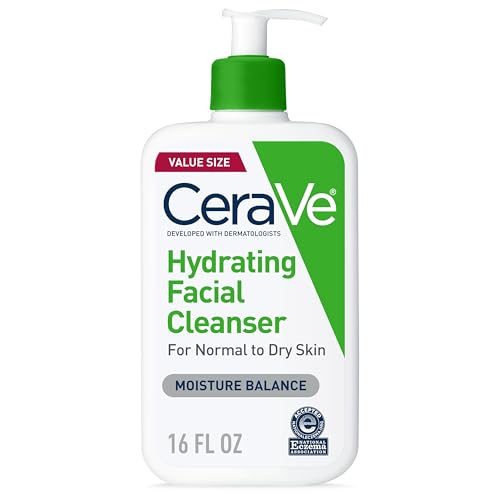
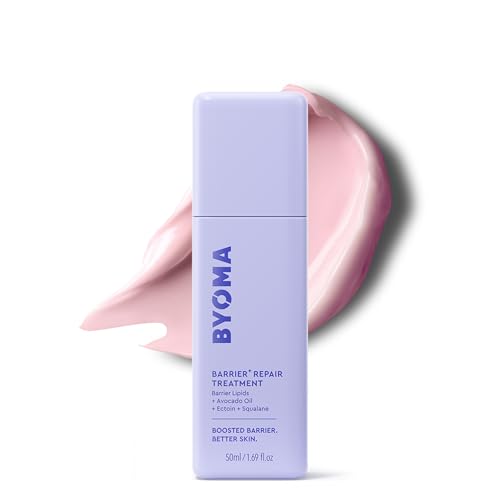

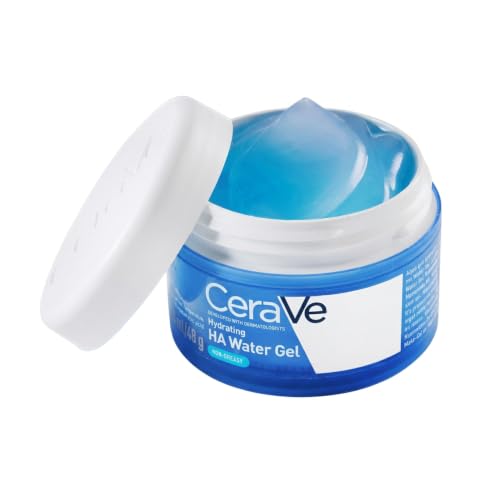
Black Friday is coming: shop the deals with Prime
The good news is that you can tell the difference with a few simple checks, and the fixes are usually gentle: a mild cleanser, a light moisturizer with humectants and sunscreen.
This guide explains how oily and dehydrated skin differ, how to test your own, what to use for each, and how to care for skin that is both oily and dehydrated.
Reading about skin types can be confusing because labels such as oily, dry, combination and dehydrated are used loosely, so we start with clear definitions and simple tests.
We also explain why the same product can feel perfect in summer and wrong in winter, and how to adjust without buying a whole new routine.
I am Rakib Sarwar, a registered pharmacist with a cosmetology course, and I prefer simple routines based on how your skin actually behaves.
If your skin is painful, very red, itchy or flaking in patches, it may need medical advice rather than a new product.
At a Glance
- Oily is a skin type, dehydrated is a skin condition.
- Skin can be oily and dehydrated at once.
- A pinch test and the bare-face test help you tell them apart.
- Dehydrated skin needs water-binding ingredients.
- Oily skin needs gentle cleansing, not stripping.
- Both need daily moisturizer and sunscreen.
On This Page
The Difference in Plain Language
Oily skin makes more sebum than average. It looks shiny, feels greasy by midday and often has larger-looking pores. It is mostly a matter of genetics and hormones.
Diet and lifestyle can influence skin, but the effects are modest and individual. Regular sleep, balanced meals and sun protection matter more than any single product or trick.
Combination skin is a mix, with an oily T-zone and normal or dry cheeks. Sensitive skin is about reactivity rather than oil or water. A person can be, for example, oily, dehydrated and sensitive at the same time, which is why a one-size-fits-all label rarely works.
Skin type is mostly stable, but your skin state shifts. A cold winter, central heating, a long flight, a new acne treatment or too little sleep can all leave the skin short of water for a while.
Understanding the difference stops you from fighting the wrong problem. Using drying products on dehydrated oily skin makes it worse, while piling heavy creams on oily skin that is only dehydrated can lead to clogged pores.
Dehydrated skin lacks water. It can feel tight, look dull, show fine lines and feel rough. It can happen to oily, normal or dry skin, and it often changes with weather, diet, products and sleep.
Dry skin is a third idea. It means the skin makes less oil. Dry skin lacks oil, dehydrated skin lacks water, and oily skin has plenty of oil.
| Term | What is missing | Typical signs |
|---|---|---|
| Oily | Nothing, there is extra oil | Shine, large pores |
| Dry | Oil | Flaking, rough, tight |
| Dehydrated | Water | Dull, tight, fine lines |
How to Tell Which You Have
Try these two simple checks at home. They are not medical tests, but they give useful clues.
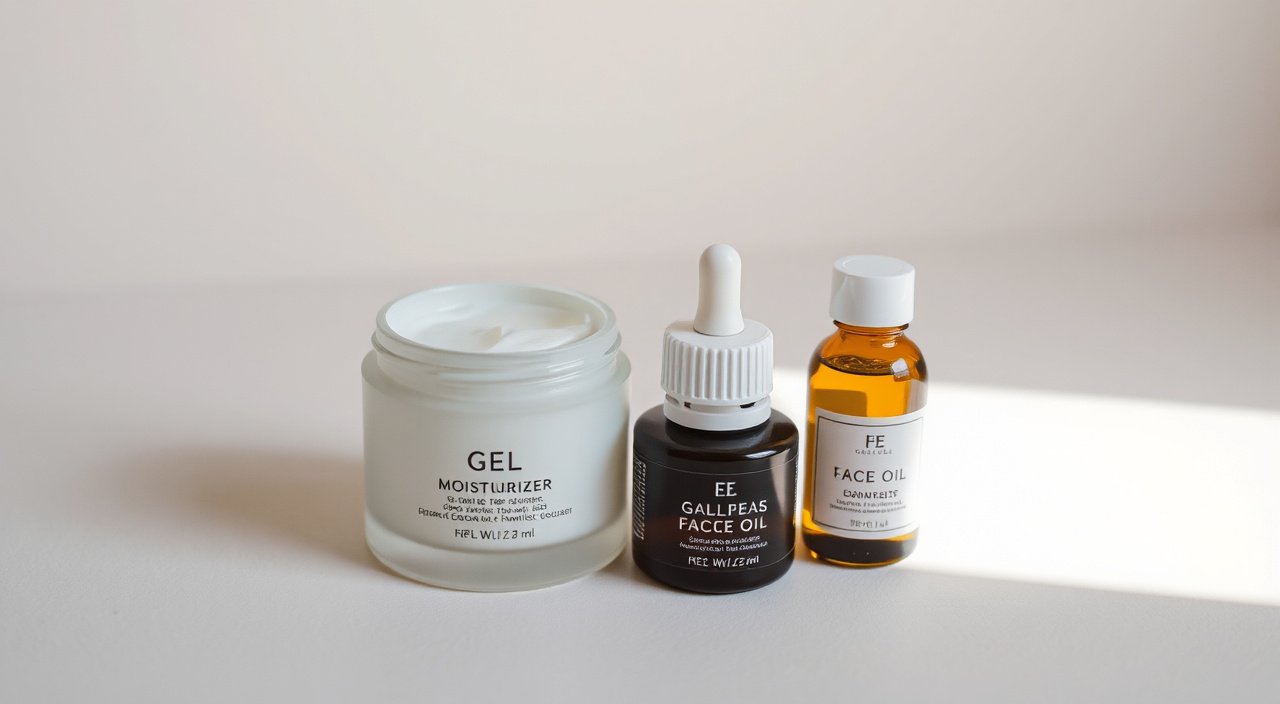
Another clue is how your skin reacts to products. If a gel moisturizer makes your skin feel comfortable and bouncy, you probably needed water. If a rich cream makes you break out, you probably have enough oil.
If you are unsure, repeat the bare-face test on a different day, because stress, sleep and weather can change results. You can also take photos in the same light to compare.
Remember that tests have limits. A skin condition such as seborrheic dermatitis can cause shine and flaking together, and it needs professional advice.
Do not self-diagnose persistent flaking, redness or itching. See a pharmacist or doctor if symptoms last more than a couple of weeks.
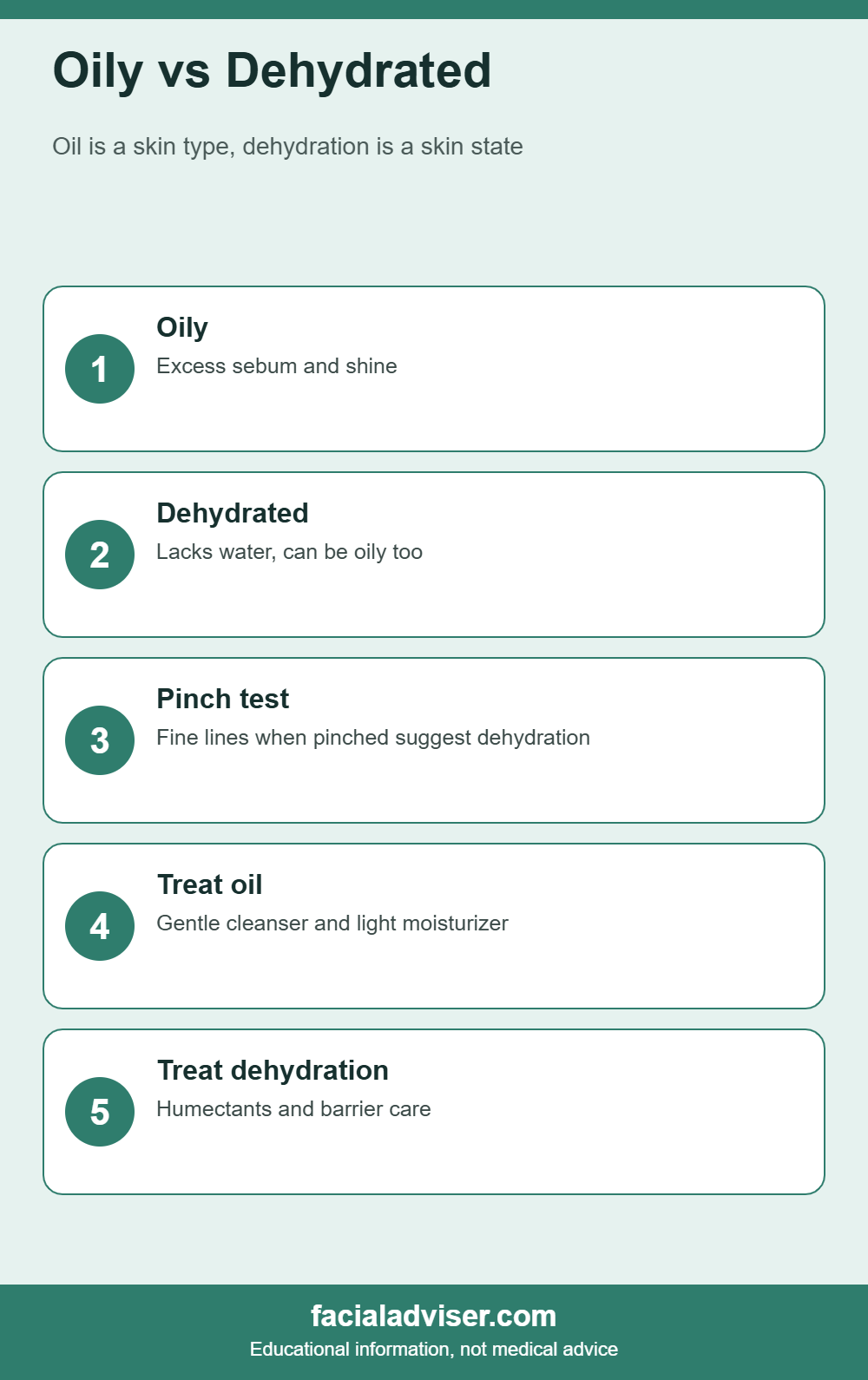
The bare-face test: wash your face gently, pat dry and do not apply anything. After an hour, look at your skin. If your forehead, nose and chin are shiny, you likely have oily skin. If your skin feels tight and looks dull, it may be dehydrated.
Wash gently
Use a mild cleanser and lukewarm water, then pat dry.
Leave your skin bare
Do not apply any product.
Wait one hour
Avoid touching your face.
Check the shine
Shine in the T-zone points to oil.
Do the pinch test
Gently pinch your cheek. Fine lines that appear point to dehydration.
Check your skin in natural light and compare it with how it looks in the morning and in the afternoon.
Skin That Is Oily and Dehydrated
Many people have both. Their T-zone is shiny, but their cheeks feel tight, or the whole face looks greasy while feeling uncomfortable.
Think about cleansing frequency as well. Washing three or four times a day removes the lipids that hold water in the skin. Wash twice a day at most, and if your skin feels fine in the morning, a splash of water may be enough.
If breakouts are part of the picture, choose gentle options and add one active at a time. Our acne face wash guide covers washes for blemish-prone skin.
If your skin is both oily and dehydrated, avoid heavy occlusive creams and strong acids at the same time. Use a gel moisturizer in the morning and a slightly richer lotion at night if you need it.
You may also see that skin looks better after a week of simplified skincare. Cutting back to a gentle cleanser, moisturizer and sunscreen gives the barrier time to recover.
This often happens when harsh cleansers, strong acne treatments or skipped moisturizer leave the skin short of water. The skin may then make more oil to compensate.
The fix is to cleanse gently, add water-binding ingredients such as glycerin and hyaluronic acid, use a light moisturizer and avoid piling on drying actives.
| Problem | Likely cause | Fix |
|---|---|---|
| Shiny but tight | Over-cleansing | Use a milder cleanser |
| Breakouts and dullness | Dehydration with oil | Add a hydrating gel |
| Peeling with oil | Strong actives | Pause actives for a week |
Caring for Oily Skin
Use a gentle gel or foaming cleanser once or twice a day, a light gel or lotion moisturizer and a daily sunscreen. Look for products labeled non-comedogenic, though remember it is only a guide. Our guide to what non-comedogenic means explains why.
Remember that oil is not dirt. Sebum protects the skin and helps keep it supple, so the aim is to balance it, not to remove all of it. Skin that is cleaned until it squeaks usually bounces back with more oil within hours.
Pores cannot be shrunk permanently, but keeping them clear and protecting from the sun can help them look less noticeable.
Do not skip sunscreen because you worry it will feel greasy. Gels, fluids and matte formulas are light and designed for oily skin. Our mineral sunscreen guide is a good place to start.
If you wear makeup, choose oil-free or non-comedogenic formulas and cleanse thoroughly at night.
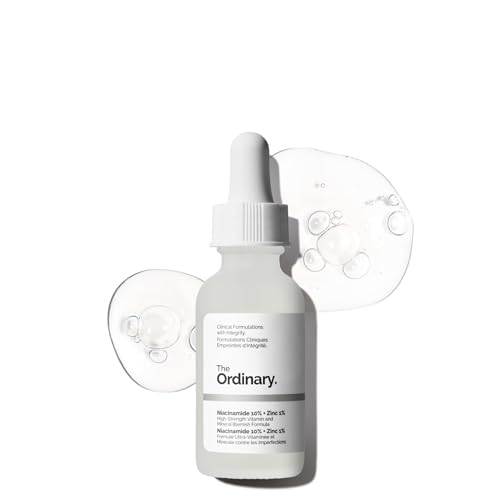
Niacinamide can help with the look of oil and pores for some people. Salicylic acid can help with clogged pores, but use it gently and not every day at first.
Avoid scrubbing, alcohol-heavy toners and hot water, which can irritate the skin and make it oilier over time.
Caring for Dehydrated Skin
Dehydrated skin needs ingredients that attract and hold water, called humectants, such as glycerin, hyaluronic acid and panthenol. It also needs ceramides and a moisturizer to seal in the water.
Environment matters. Dry indoor air, wind and air conditioning pull water from the skin, so a humidifier and a good moisturizer can help. Long hot showers are another common cause, so keep showers short and lukewarm.
If your lips and body skin also feel dry, a gentle body lotion can help. If a problem is limited to the face, look at your face products first.
A hydrating serum applied to damp skin, followed by moisturizer, is a simple way to add water. Layer from thin to thick, and finish with sunscreen in the morning.
If you use retinol or exfoliating acids, space them out. These actives can make dehydrated skin feel worse, so start slowly and use them on separate nights.
Apply hydrating products to slightly damp skin, then follow with moisturizer. See our hydrating toner guide for toners that add water.
Avoid long hot showers and harsh scrubs, and drink water normally. Drinking extra water is unlikely to fix dehydrated skin on its own, though dehydration of the body can make skin look duller.
A Simple Routine for Both
Morning: rinse or gentle cleanse, a light hydrating serum or moisturizer, and sunscreen. Night: gentle cleanse, treatment if you use one, and moisturizer.
Weekly extras can help too. A hydrating sheet mask or a gentle clay mask on the T-zone only can balance a mixed skin. Use masks once or twice a week at most, and stop if your skin feels tight or irritated.
Adjust the routine with the seasons. In winter you may need a richer moisturizer, and in summer a lighter gel. The goal is a skin that feels comfortable by the end of the day.
If you use actives such as retinol or acids, introduce them slowly and use a moisturizer. See our skincare order guide for how to layer.
| Time | Step | Why |
|---|---|---|
| Morning | Gentle cleanse or rinse | Avoid stripping |
| Morning | Hydrating serum or gel | Add water |
| Morning | Moisturizer and sunscreen | Seal and protect |
| Night | Gentle cleanse and moisturizer | Repair |
Common Mistakes
The biggest mistake is stripping oily skin with harsh products. The skin then produces more oil, and you end up with oily and dehydrated skin together.
A further mistake is relying on blotting papers all day. They remove surface oil but do not change oil production, and constant touching can irritate. Use them occasionally, then reapply a light moisturizer if the skin feels tight.
Many people also change cleansers when the real problem is that their moisturizer is wrong. Before replacing everything, ask whether your skin is lacking water, oil or something else.
Another is skipping moisturizer because skin feels oily, and a third is changing products constantly.
Worth Doing
- Use a gentle cleanser
- Moisturize every day
- Introduce actives slowly
Skip It
- Scrub hard
- Skip moisturizer
- Use many actives at once
Honest Limits
Skin changes with the seasons, age, hormones, medicines and stress, so what suits you now may not suit you later. Home tests are guides, not diagnoses.
Hormones, medicines and conditions such as polycystic ovary syndrome can affect oil production. If you notice sudden changes, talk to a doctor.
The products below are examples with strong ratings, not personal recommendations.
When to See a Professional
See a pharmacist, doctor or dermatologist if your skin is painful, itchy, very red, flaking in patches or does not improve with a gentle routine.
This article is educational and is not medical advice. Product details come from public listings and may change.
Quick Tips
Give any new product two weeks before judging it, and change one thing at a time.
If your skin feels both oily and tight, simplify your routine first. Fewer products often help more than extra steps.
Questions People Ask
Can skin be oily and dehydrated?
Yes. Oil is a skin type and dehydration is a condition.
What is the difference between dry and dehydrated skin?
Dry lacks oil, dehydrated lacks water.
How do I know if my skin is dehydrated?
It feels tight, looks dull and may show fine lines.
Should oily skin use moisturizer?
Yes, a light one.
What ingredients help dehydrated skin?
Glycerin, hyaluronic acid and ceramides.
Does drinking water fix dehydrated skin?
Not on its own.
Can harsh cleansers cause oiliness?
They can leave skin tight and may increase oil.
Is niacinamide good for oily skin?
Many people find it helpful.
How long until I see improvement?
Usually two to four weeks.
When should I see a doctor?
If skin is painful, itchy or flaking.
Final Word
Oily and dehydrated are different, and many people have both.
Cleanse gently, hydrate and protect, and ask a pharmacist, doctor or dermatologist if your skin does not improve.

Written by
Registered pharmacist and founder of Facial Adviser. Rakib's pharmacy training covers how skincare actives work and interact; a later course in cosmetology turned that into a focus on facial treatments and skincare products. He plans, researches and edits every guide on the site and checks health claims against sources such as the American Academy of Dermatology, the FDA and the NIH. He is not a dermatologist; see the Editorial Policy and Medical Disclaimer.
About · Editorial policy · How we choose products · Medical disclaimer · Contact
Build a spa-like routine with ad-free music