How to Use Under-Eye Patches: Placement, Timing and Tips
Under-eye patches are small crescent-shaped masks, usually made of hydrogel, that sit on the skin beneath the eyes. They are soaked in a serum and are used to hydrate and cool the area, often before makeup or after a short night. They are easy to use, but placement and timing make a real difference.
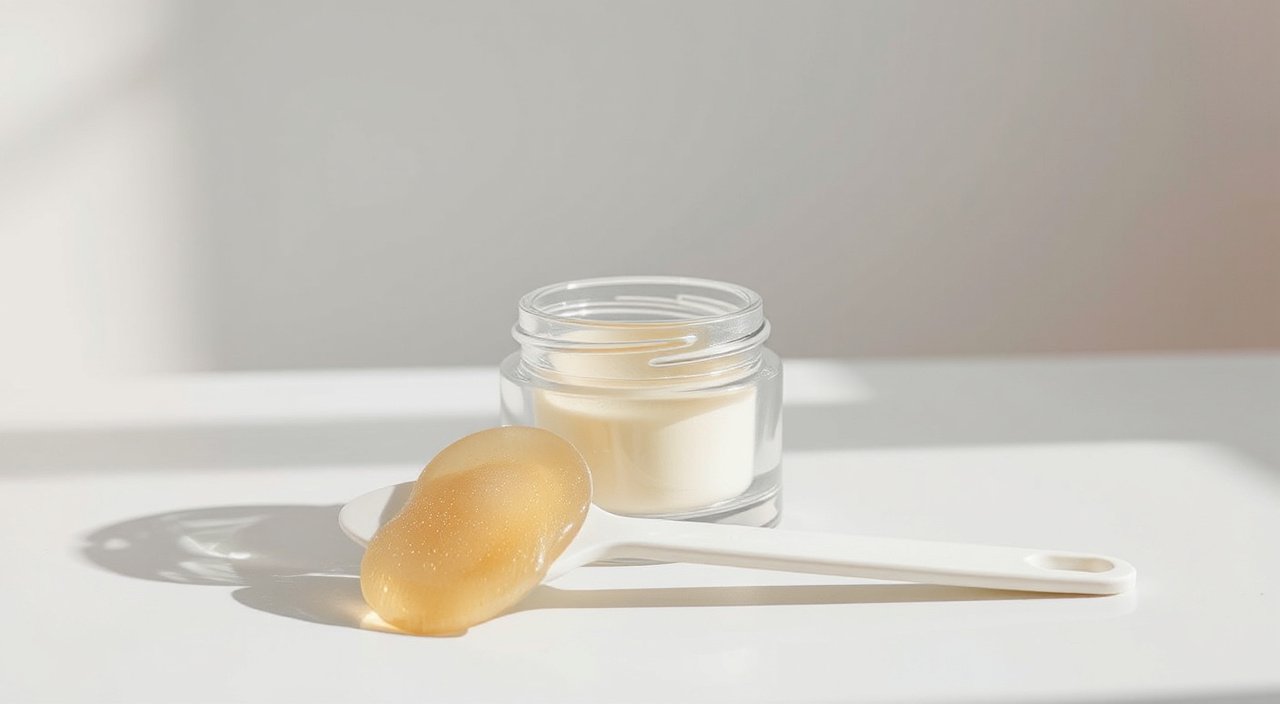
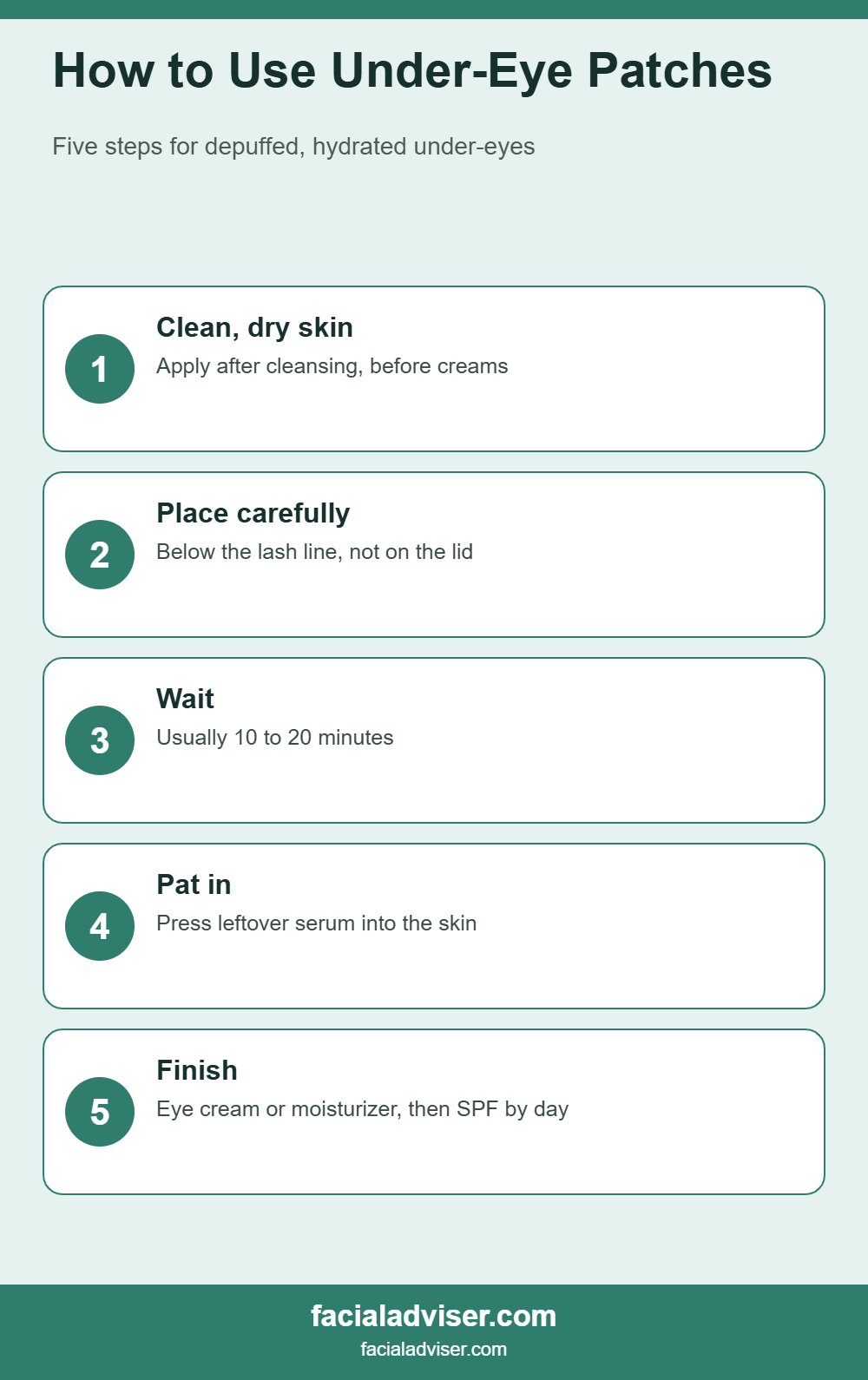
To use under-eye patches, start with clean, dry skin. Lift a patch with clean fingers or the spatula provided and place it under the eye, about a few millimetres below the lower lash line, with the wider end toward the outer corner unless the pack says otherwise. Smooth it flat, leave it on for the time stated, usually 10 to 20 minutes, and remove it before it dries out. Pat the leftover serum into the skin, then apply eye cream or moisturizer, and sunscreen in the daytime. Use each pair once, and stop if your eyes or skin sting.
Recommended Under-Eye Patches and Eye-Area Care
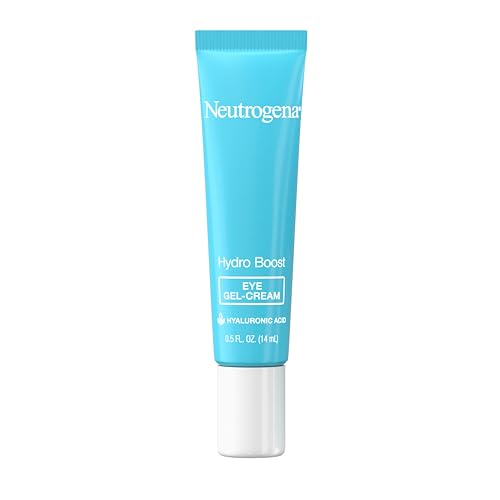





In short: clean skin, careful placement, the stated time, then moisturize.
Black Friday is coming: shop the deals with Prime
The American Academy of Dermatology notes that under-eye puffiness is often worse after sleep and can be eased with a cool compress. Chilled patches work partly in the same way, which helps set realistic expectations.
I am Rakib Sarwar, a registered pharmacist with a cosmetology course. This is general information, not medical advice. Disclosure: this post contains affiliate links, and the first mask set listed is part of an Amazon Creator Connections campaign that pays us a commission. As an Amazon Associate I earn from qualifying purchases.
What to Know First
- Apply patches to clean, dry skin before eye cream and makeup.
- Place them just below the lash line, never on the eyelid or touching the eye.
- Follow the pack time, usually 10 to 20 minutes, and remove before they dry.
- Pat in the leftover serum and follow with eye cream or moisturizer.
- Expect short-term hydration and depuffing, not a cure for dark circles.
- Each pair is single-use; stop if you notice stinging, redness or swelling.
On This Page
- What Under-Eye Patches Do
- Types of Under-Eye Patch
- What They Can and Cannot Do
- When to Use Them in Your Routine
- How to Use Under-Eye Patches: Step by Step
- Placement: Which Way Round?
- Do and Do Not for Under-Eye Patches
- Sensitive Skin and Safety
- Honest Limits of This Guide
- When to See a Professional
- Frequently Asked Questions
- Final Word
What Under-Eye Patches Do
The skin under the eyes is thin and has few oil glands, so it shows dryness, fine lines and puffiness easily.
A patch holds a water-based serum against that skin for several minutes. This hydrates the surface, which can make fine lines look softer for a few hours.
Many patches are also cooling, especially if stored in the fridge. Cold narrows surface blood vessels for a short time, which can reduce morning puffiness.
Common ingredients include glycerin, hyaluronic acid, caffeine, niacinamide and peptides. Their effect from a short patch session is modest, and the main benefit is hydration and a refreshed look.
Patches also act as a light physical barrier while they are on. That stops the serum evaporating, so the skin has more time to take up water.
Some people use them simply because the routine is calming. A few minutes with cool patches on can be a pleasant pause in the morning.
Types of Under-Eye Patch
Patches differ in material and purpose. This table shows the main kinds.
| Type | Material | Best for | Notes |
|---|---|---|---|
| Hydrogel patches | Gel that holds serum | Hydration and depuffing | Most common; often sold in jars |
| Sheet or fabric patches | Cotton or cellulose | Hydration | Usually in single sachets |
| Silicone patches | Reusable medical-grade silicone | Smoothing overnight | Used with or without product |
| Microneedle or dissolving patches | Tiny dissolving points | Targeted ingredients | Follow directions closely; not for sensitive skin |
Hydrogel patches are the easiest starting point. They stay in place well and feel cool on the skin.
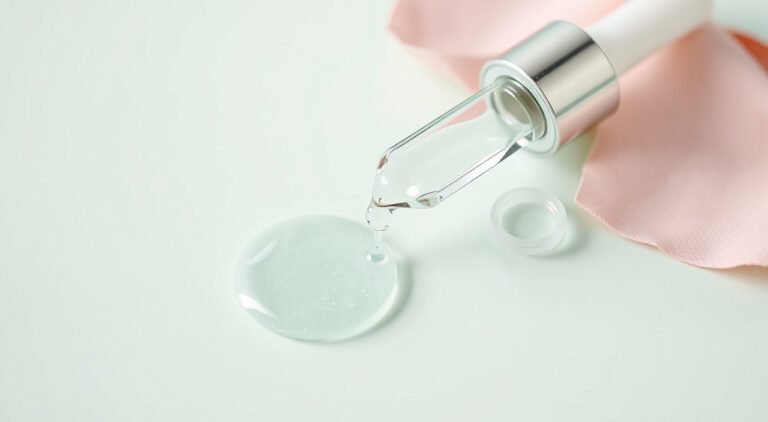
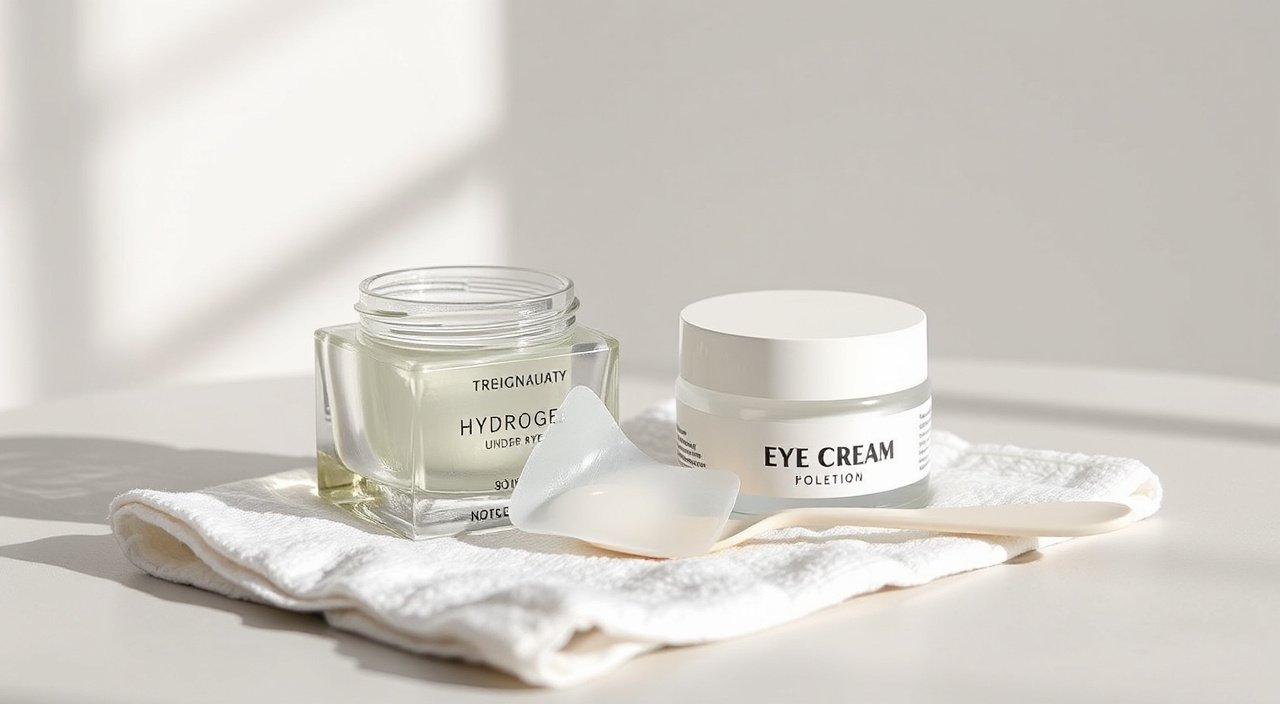
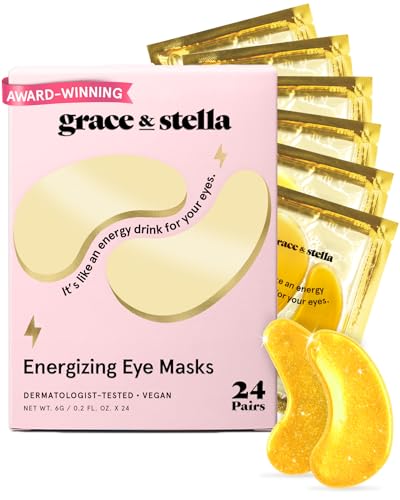
Jars usually hold 30 pairs and cost less per use than single sachets. The BliBling lip, eye and face mask set featured at the top of this guide is one option (paid link). Sachets are handy for travel, since each pair stays sealed until you need it.
Reusable silicone patches work differently. They hold moisture against the skin and are washed after each use, so the care instructions matter.
For product comparisons, see our list of the best under-eye patches for puffiness and dark circles.
What They Can and Cannot Do
Under-eye patches are popular, and marketing often promises more than they deliver. This table separates the two.
| Concern | What to expect |
|---|---|
| Dryness and fine dehydration lines | Short-term improvement from hydration |
| Morning puffiness | May ease briefly, mainly from cooling |
| Dark circles from pigment or genetics | Little or no change |
| Hollowing or deep wrinkles | No meaningful change |
| Bags from fat pads | No change; a medical matter |
Results also depend on what the patch replaces. If you already use an eye cream every day, a patch adds a short extra boost. If you use nothing, the difference will be easier to see.
Photos and videos that show dramatic changes are often taken straight after removal, when the skin is at its most hydrated. The effect fades over the following hours.
Dark circles have several causes, including visible blood vessels, pigment and the shape of the face. A patch cannot change these.
Lifestyle factors usually matter more than patches. Sleep, hydration, salt and alcohol intake, and allergies all affect how the under-eye area looks in the morning.
If puffiness is your main concern, sleeping with your head slightly raised and using a cool compress can help as much as a patch.
That does not make patches pointless. As a quick refresh before an event or after travel, they do their job.
When to Use Them in Your Routine
Patches go on after cleansing and before eye cream, moisturizer and makeup.
- Morning: useful for puffiness and as a smooth base under concealer
- Evening: a calm moment to hydrate the area before night cream
- Before events or photos: for a fresher look
- After flights or late nights: to cool and rehydrate
On mornings when you plan to wear makeup, give the serum a minute or two to absorb after removing the patches. Makeup applied over wet product tends to slide and crease.
Many people wear them while doing their hair or drinking coffee. If you use them during makeup, patches can also catch eyeshadow fallout.
There is no need to use patches twice a day. Pick the time that suits your routine, and keep the rest of your eye care simple.
If you apply concealer afterward, let the area dry fully first. Our guide on preventing creasing under the eyes explains how to set it.
How to Use Under-Eye Patches: Step by Step
Check the directions on your pack, since timing varies. These are the usual steps.
Cleanse
Wash your face and pat the under-eye area dry. Patches slide on damp or oily skin.
Lift a patch
Use clean fingers or the spatula. Avoid dipping fingers into the jar.
Place it
Set the patch under the eye, a few millimetres below the lower lashes, following the shape shown on the pack.
Smooth it down
Press gently from the inner corner outward so it lies flat with no air pockets.
Wait
Leave it on for the stated time, usually 10 to 20 minutes. Sit upright if they tend to slip.
Remove and pat in
Peel the patch away and tap the remaining serum into the skin with your ring finger.
Finish
Apply eye cream or moisturizer, and sunscreen if it is daytime.
If the patches feel slippery, lift them out and let the excess serum drip back into the jar for a moment before placing them.
Throw the used patches away. Close the jar firmly so the remaining patches do not dry out.
Store the jar in the fridge door if you like a cooling effect. Cold patches feel soothing on puffy mornings.
Placement: Which Way Round?
Most patches are teardrop or crescent shaped, and people often wonder which end goes where.
The common method is the wider end toward the outer corner, to cover the area where fine lines form. Some brands suggest the opposite, with the wider end near the nose, to target puffiness at the inner corner.
Either way is fine. Choose the position that covers your main concern, and follow the diagram on the pack if there is one.
Keep the patch off the eyelid and away from the lash line. Serum that seeps into the eye can sting.
If a patch is too large for your face, it can be trimmed with clean scissors before use. A patch that folds onto the cheek or into the lash line will not sit flat.
Avoid stretching the skin as you smooth the patch down. Light pressure with the pad of your finger is enough.
Do and Do Not for Under-Eye Patches
A few habits get the best from each pair.
Helps
- Apply to clean, dry skin
- Use the spatula for hygiene
- Remove before the patch dries
- Pat in the leftover serum
- Close the jar tightly
Backfires
- Reuse a pair
- Leave them on for hours unless designed for it
- Place them on the eyelid
- Use on broken or irritated skin
- Share a jar
Keep the spatula clean and dry between uses, and replace the inner lid if the jar has one. Small steps like these keep the remaining patches fresh.
Leftover serum in the jar can be patted onto smile lines or the neck. Use it soon after opening, and note the period-after-opening symbol on the label.
Write the opening date on the jar. Hydrogel patches dry out and can become contaminated once opened, so use them within the period shown on the label.
Sensitive Skin and Safety
The eye area reacts more easily than the rest of the face, so introduce new patches with a little care.
Remove the patches and rinse with cool water if you feel burning or itching, or if serum gets into your eye and it continues to sting. See a doctor if you develop swelling, a rash or persistent redness, since these can be signs of an allergic reaction.
Fragrance, essential oils and some preservatives are common triggers. If you have eczema or sensitive skin, choose fragrance-free patches and test one on the inner arm first.
Patches that contain retinol or acids can irritate thin under-eye skin. Use them less often, and not alongside other strong actives.
Contact lens wearers can use patches with lenses in, but take care that no serum runs into the eye. Remove the patches if your eyes begin to water.
If you have had a recent cosmetic procedure near the eyes, such as filler or a peel, ask your provider before using patches.
Sets marketed for parties or younger users should still be checked for age guidance and ingredients before children use them.
Honest Limits of This Guide
Independent research on under-eye patches is limited. Most evidence relates to hydration and cooling in general, not to specific products.
I have not tested the listed products myself. They are research-based picks from Amazon listings. The first product is part of a paid Amazon campaign, as disclosed above. It is a mixed set of lip, eye and face masks, so check the listing to see how many under-eye pairs are included.
Ingredients and directions differ between brands. Follow the pack you buy.
When to See a Professional
See a doctor if puffiness or dark circles appear suddenly, affect one eye only, or come with itching, pain or swelling elsewhere.
Persistent swelling around the eyes can be linked to allergies, thyroid problems or other conditions that need assessment.
For lasting changes to dark circles or eye bags, a dermatologist can explain options that go beyond skincare.
This article is general educational information from a pharmacist and is not medical advice. It does not replace an examination by a doctor or dermatologist. Seek professional care for any skin reaction that is severe, spreading or not improving.
Frequently Asked Questions
How long should I leave under-eye patches on?
Follow the pack, usually 10 to 20 minutes. Remove them before they dry out.
Which way do under-eye patches go?
Most people place the wider end toward the outer corner. Some brands suggest the reverse for inner-corner puffiness. Follow your pack or target your main concern.
Do I wash my face after using under-eye patches?
No. Pat the leftover serum into the skin and follow with eye cream or moisturizer.
Can I reuse under-eye patches?
No, unless they are reusable silicone patches. Hydrogel and sheet patches are single-use.
Should I use under-eye patches before or after moisturizer?
Before. Apply them to clean skin, then use eye cream or moisturizer afterward.
Do under-eye patches get rid of dark circles?
They can make the area look fresher for a short time. They do not remove dark circles caused by pigment, blood vessels or facial structure.
Can I use under-eye patches every day?
Many are gentle enough for daily use. If they contain retinol or acids, use them less often and watch for irritation.
Should I keep under-eye patches in the fridge?
You can. Cold patches feel soothing and may help with puffiness. It is optional.
Can I wear under-eye patches overnight?
Only if they are designed for overnight wear. Standard hydrogel patches dry out and should be removed after the stated time.
Why do my under-eye patches slide down?
The skin is usually damp or oily. Dry the area well, apply patches before creams, and stay upright.
Final Word
Under-eye patches are simple to use: clean skin, careful placement below the lashes, 10 to 20 minutes, then pat in the serum and moisturize. They give a short-term hydrated, refreshed look.
Keep expectations realistic, use each pair once, and see a doctor if swelling or dark circles appear suddenly or do not settle.

Written by
Registered pharmacist and founder of Facial Adviser. Rakib's pharmacy training covers how skincare actives work and interact; a later course in cosmetology turned that into a focus on facial treatments and skincare products. He plans, researches and edits every guide on the site and checks health claims against sources such as the American Academy of Dermatology, the FDA and the NIH. He is not a dermatologist; see the Editorial Policy and Medical Disclaimer.
About · Editorial policy · How we choose products · Medical disclaimer · Contact
Turn skincare time into me-time with a free audiobook