10 Tips to Prevent Creasing Under Eyes (Concealer That Stays Smooth)
You apply concealer, it looks perfect in the mirror, and an hour later there are fine lines of product settled under your eyes. Creasing is one of the most common makeup frustrations, and it happens to almost everyone at some point, whatever their age or skin type.
Part of our guide to makeup how-to. Start with: How to Choose the Right Eye Makeup Color for Your Eyes and Skin
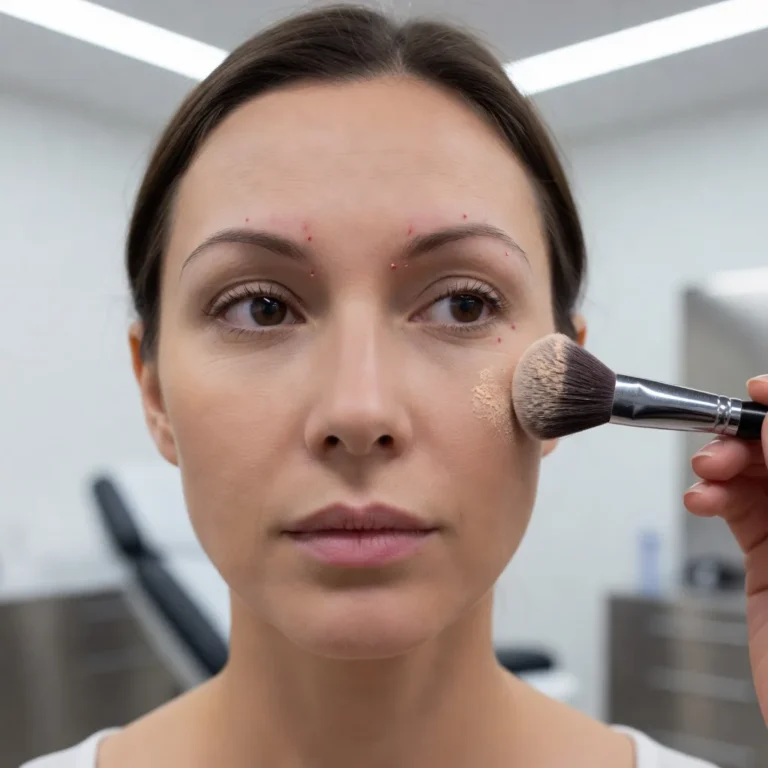
To prevent creasing under your eyes, hydrate the area with a light eye cream and let it absorb, then use a very small amount of a thin, flexible concealer only where you need it. Pat it in with a damp sponge or fingertip instead of swiping, and set it straight away with a tiny amount of finely milled powder pressed in with a small brush or puff. Look up while you apply and set so the skin is stretched the way it moves when you smile. During the day, smooth creases by tapping with a clean fingertip rather than adding more product. Less product, good prep and quick setting are the three things that make the biggest difference.
In short: hydrate, use less, pat not swipe, set immediately and tap out creases rather than piling on more.
The skin under the eyes is thin and moves every time you blink, talk or smile, so some movement of product is normal. Daily sunscreen and moisturiser, which the American Academy of Dermatology recommends to help reduce premature skin ageing, also help keep the area smoother over time.
These ten tips cover preparation, product choice, application, setting and touch-ups.
Shopping these picks?
Amazon Prime members get fast, free shipping on eligible items, plus Prime Video, Amazon Music and member deals. New members can start with a free trial.
Start a free Prime trialAged 18 to 24? Prime for Young Adults comes with a longer free trial and a lower price after it.
Affiliate link: we may earn a commission at no extra cost to you.
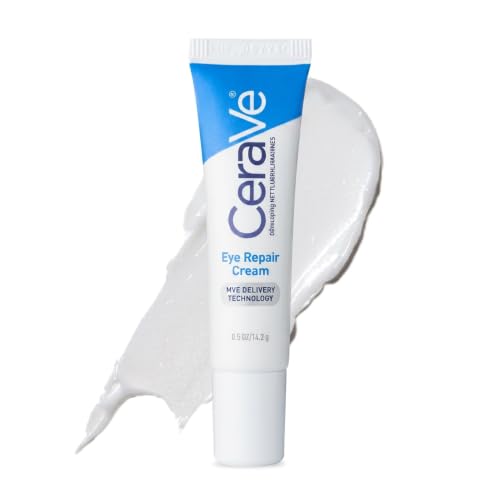
Recommended Products to Prevent Under-Eye Creasing
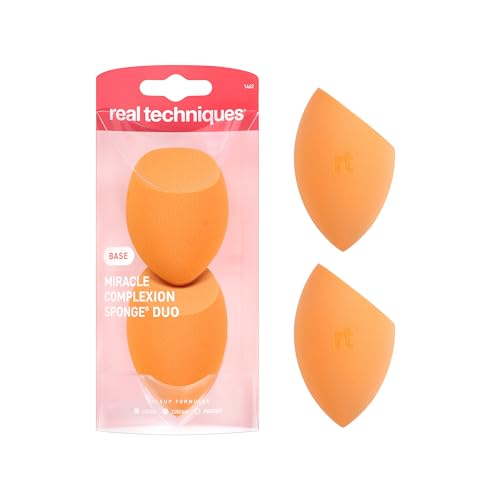
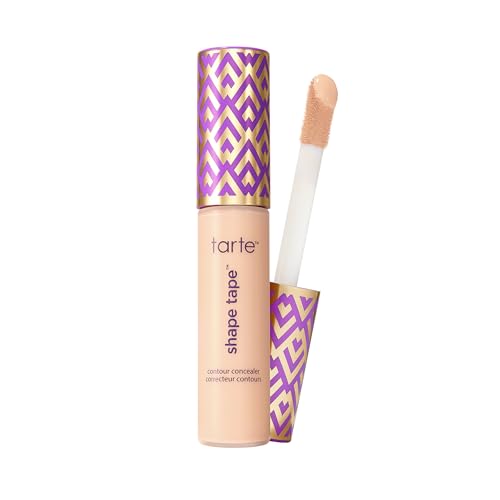

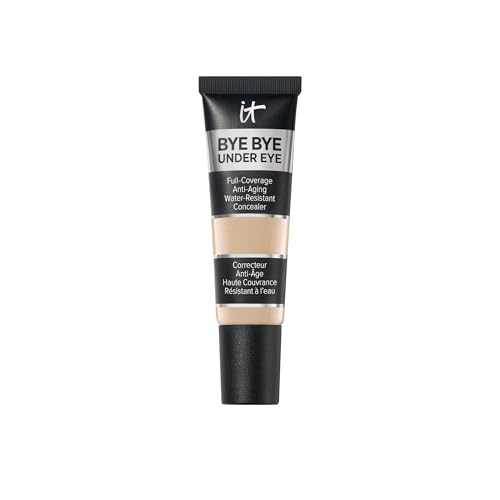
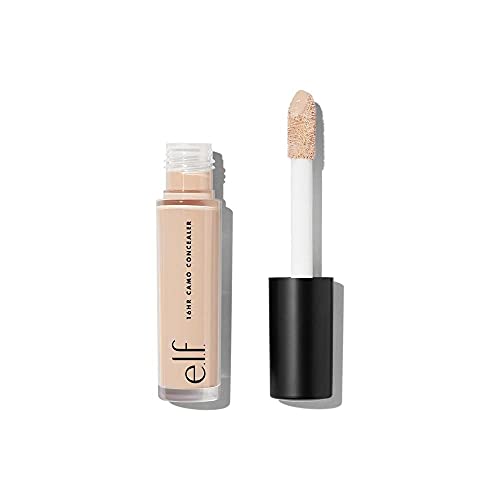

The Short Version
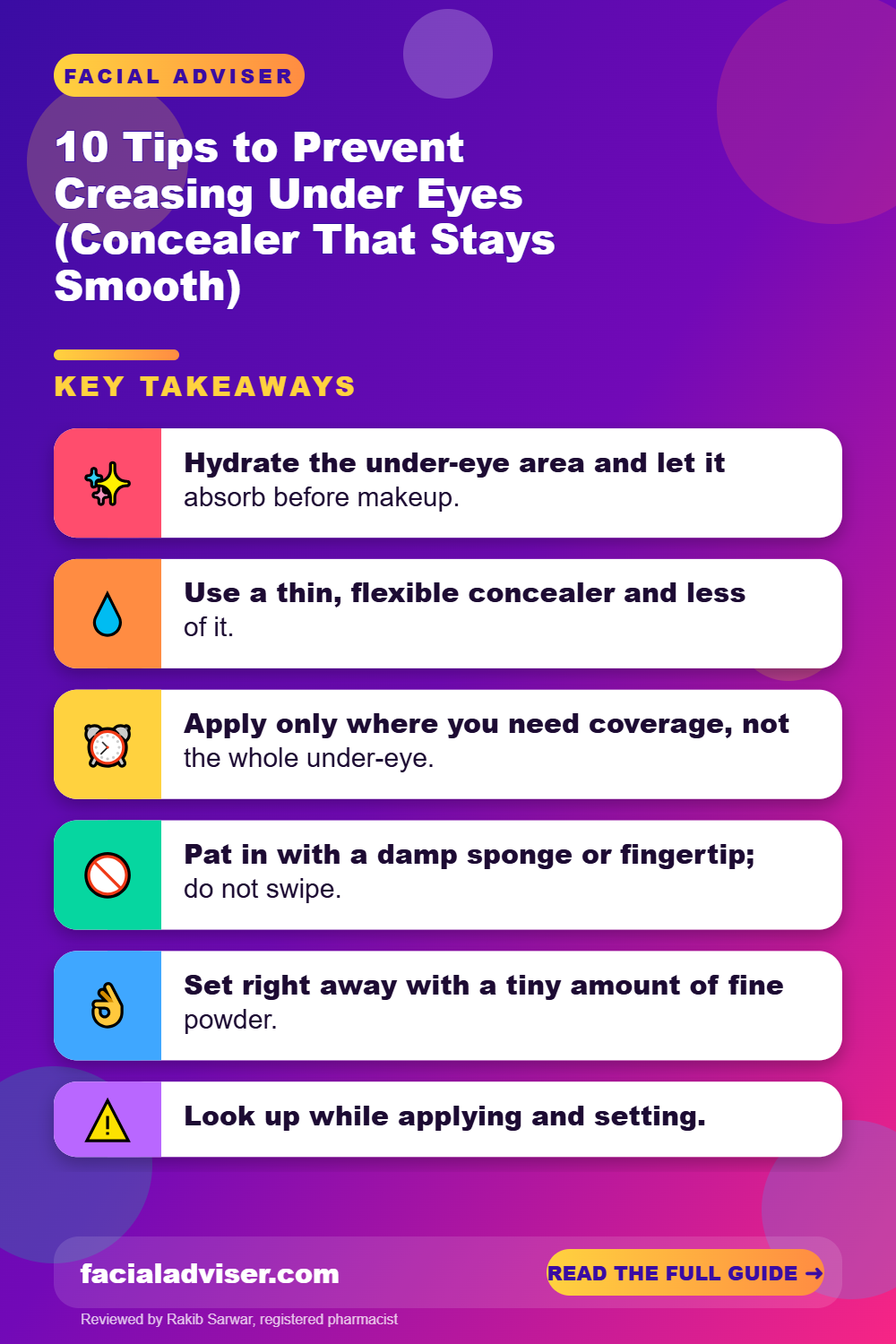
- Hydrate the under-eye area and let it absorb before makeup.
- Use a thin, flexible concealer and less of it.
- Apply only where you need coverage, not the whole under-eye.
- Pat in with a damp sponge or fingertip; do not swipe.
- Set right away with a tiny amount of fine powder.
- Look up while applying and setting.
- Tap out creases during the day instead of adding more.
In This Guide
- Why Concealer Creases Under the Eyes
- 10 Tips to Prevent Under-Eye Creasing
- Prep: The Step Most People Skip
- How to Apply Concealer So It Does Not Crease
- Choosing a Concealer That Creases Less
- How to Set Without Looking Cakey
- Tips for Mature Skin and Fine Lines
- Fixing Creases During the Day
- Common Mistakes That Cause Creasing
- Dos and Don’ts
- Honest Limits
- When to See a Dermatologist
- FAQ
- The Bottom Line
Why Concealer Creases Under the Eyes
Understanding why creasing happens makes the tips below easier to use. Most creasing comes from a combination of movement and too much product, rather than from one single mistake.
| Cause | What happens | Tip that helps |
|---|---|---|
| Movement | Blinking and smiling fold the skin and push product into lines | Thin layers, set quickly |
| Too much product | Excess concealer has nowhere to go but into creases | Use less, spot-apply |
| Dry skin | Concealer clings to dry patches and cracks | Hydrate first |
| Heavy or oily eye cream | Slippery base lets concealer slide | Light cream, let it absorb |
| Thick formula | Dense concealer sits on top of the skin | Choose a thinner, flexible formula |
| No setting | Creamy product stays mobile | Set with fine powder |
| Fine lines | Lines give product a place to gather | Minimal product, hydrating formulas |
Our guide on why concealer creases easily explains the causes in more depth.
10 Tips to Prevent Under-Eye Creasing
Try these in order. Most people see a big improvement from the first four alone, and the rest fine-tune the finish for your skin type.
- 1. Hydrate first: use a lightweight eye cream and wait a few minutes until it has absorbed.
- 2. Blot the excess: if the area still feels slippery, press a tissue gently over it.
- 3. Use less concealer: a small dot or two is usually enough for both eyes.
- 4. Apply only where needed: focus on the inner corner and darkest area, not the whole half-moon.
- 5. Choose a thin, flexible formula: very thick, matte concealers crease more easily.
- 6. Pat, do not swipe: press product in with a damp sponge or ring finger.
- 7. Look up while applying: this stretches the skin so product settles evenly.
- 8. Set immediately: press a tiny amount of finely milled powder in before the concealer settles into lines.
- 9. Use a small brush or puff: it places powder precisely without overloading the area.
- 10. Tap out creases: during the day, smooth lines with a clean fingertip before adding anything.
Our guide on finding the right shade of makeup helps you choose a concealer tone that looks natural with less product. A shade that matches well needs far less coverage, and less coverage means less creasing.
Prep: The Step Most People Skip
Makeup cannot sit smoothly on dry or slippery skin, and the under-eye area is often both. The skin here has fewer oil glands than the rest of the face, so it dries out quickly, yet it is also where people tend to apply the richest creams.
- Use a lightweight, fragrance-free eye cream in the morning.
- Wait three to five minutes for it to absorb before concealer.
- If you use a rich night cream, keep it for the evening.
- If the area still feels greasy, blot lightly with a tissue.
Heavy, oily eye products are a very common cause of sliding and creasing, and even a good concealer will move on top of them. If you love a rich cream, use a lighter one on makeup days. Our guide on dehydrated under-eyes and dark circles explains why hydration matters for how the area looks.
How to Apply Concealer So It Does Not Crease
This simple routine puts all the tips together. It takes about two minutes once you are used to it and works with most concealers.
Moisturise lightly
Apply a thin layer of eye cream and let it absorb fully.
Colour correct if needed
Use a tiny amount of peach or orange corrector only on dark areas.
Dot on concealer
Place one or two small dots at the inner corner and darkest spots.
Pat to blend
Use a damp sponge or ring finger to press and blend outward.
Look up
Tilt your head down slightly and look up at the mirror while blending.
Set straight away
Press a small amount of fine powder in with a puff or small brush.
Check and tap
Smile, then tap out any lines before the powder fully sets.
Wait about 30 seconds after blending, then gently tap any lines that have already formed before you set. This small pause catches creases before powder locks them in.
Choosing a Concealer That Creases Less
The right formula makes every other tip easier. If you have tried everything and your concealer still creases, the formula may simply be too thick or too dry for the delicate under-eye area.
- Thin, liquid or serum-like concealers usually crease less than thick creams.
- Hydrating or radiant finishes suit dry and mature skin.
- Long-wear, full-coverage formulas work if you use very little and set well.
- Avoid very heavy, dry, matte formulas under the eyes if you have fine lines.
A concealer that works well on blemishes may not be the best one for under your eyes. Many people use a thicker concealer for spots and a thinner, more flexible one for the under-eye area.
How to Set Without Looking Cakey
Setting powder stops concealer moving, but too much makes the area look dry and ageing. The goal is to set the concealer, not to cover it with a visible layer of powder.
| Setting step | Why it matters |
|---|---|
| Choose a finely milled translucent or lightly tinted powder | Fine powder sets without looking dusty |
| Tap off the excess first | Stops too much powder landing on thin skin |
| Press it in, do not sweep | Keeps concealer in place instead of moving it |
| Save baking for photos and events | Thick layers can look heavy in daylight |
| Finish with a light mist of setting spray | Softens any powdery look |
Our guide on makeup fixer and setting spray explains which sprays suit your skin. Hold the bottle at arm’s length and keep your eyes closed, then let the mist dry without touching the area.
Tips for Mature Skin and Fine Lines
Fine lines and crepey skin give concealer more places to settle, so a lighter approach works best. In many cases, less coverage actually makes the under-eye area look younger and fresher.
- Use the smallest amount of a hydrating, flexible concealer, warmed between your fingers so it melts into the skin.
- Skip powder over lines, or use the lightest possible dusting.
- Focus concealer on the inner corner, where darkness is strongest.
- Try a light-reflecting concealer rather than heavy coverage.
Avoid rubbing or pulling the under-eye skin when applying or removing makeup. Repeated friction can irritate the thin skin, and rubbing can darken it over time. Remove makeup by holding a gentle remover on a pad over the eye for a few seconds, then wiping softly.
Longer term, daily sunscreen and moisturiser help protect the thin skin around the eyes. They are among the American Academy of Dermatology’s tips to reduce premature skin ageing.
Fixing Creases During the Day
Even with good technique, some creasing may appear by the afternoon, especially after a long day of talking, smiling or looking at screens. Fix it without adding bulk.
- Tap the crease with a clean ring finger to smooth product back in.
- Use a clean, slightly damp sponge to press and even out the area.
- Only add a tiny amount of powder if the area has become shiny or mobile.
- Avoid adding more concealer on top of creased concealer.
Keeping a mini sponge in your bag makes midday touch-ups quick and neat. A folded tissue pressed gently over the area can also lift excess oil before you smooth any lines.
Common Mistakes That Cause Creasing
If you still see lines after trying the tips above, one of these habits is often the reason. They are easy to fall into, especially when you are in a hurry.
- Applying foundation and concealer in thick layers on top of each other under the eyes.
- Using a heavy night cream in the morning before makeup.
- Waiting too long to set, so concealer has already moved into lines.
- Using a large, fluffy brush that dumps powder on the area.
- Setting with a shimmery or heavy powder that emphasises texture.
- Rubbing the eyes during the day, which pushes product into folds.
Try removing one step at a time. Many people find that skipping foundation under the eyes and using only a small amount of concealer instantly reduces creasing, because there is simply less product to move.
Dos and Don’ts
Worth Doing
- Hydrate and let eye cream absorb
- Use a small amount of concealer
- Pat product in with a damp sponge
- Set immediately with fine powder
- Tap out creases with a clean fingertip
Skip It
- Apply concealer over wet or greasy cream
- Cover the whole under-eye area heavily
- Swipe or rub concealer on
- Bake thick powder for daily wear
- Pile more concealer on creased product
Honest Limits
No technique can completely stop product from moving on skin that blinks thousands of times a day, and results also depend on your skin type, age and the products you use. The aim is to reduce creasing so it is barely noticeable, not to eliminate all movement.
Deep lines and loose skin under the eyes will always show some creasing with makeup. In those cases, lighter coverage often looks better than heavier coverage, and a slightly dewy finish can look softer than a completely matte one. For persistent concerns about lines or hollowness, a dermatologist can discuss treatments.
When to See a Dermatologist
- Your under-eye skin is red, itchy, flaky or swollen.
- Makeup or eye cream makes your eyes sting or water.
- Dark circles or lines are worsening and bothering you.
- You want to discuss treatments for fine lines or hollows.
This article is for general information and does not replace professional medical advice. See a doctor for eye irritation and a board-certified dermatologist for persistent skin concerns around the eyes.
FAQ
How do I stop concealer creasing under my eyes?
Hydrate, use less product, pat it in and set it right away.
Why does my concealer crease so fast?
Usually too much product, dry skin or not setting it.
Should I use eye cream before concealer?
Yes, a light one, and let it absorb first.
Does setting powder stop creasing?
Yes, a small amount pressed in helps a lot.
Is baking good for under-eye creasing?
It can help for events but may look heavy for daily wear.
Which concealer creases the least?
Thin, flexible, hydrating formulas used sparingly.
Should I apply concealer on the whole under-eye?
No, focus on the darkest areas.
How do I fix creased concealer during the day?
Tap it smooth with a clean fingertip or damp sponge.
Does looking up while applying help?
Yes, it stretches the skin so product settles evenly.
Can mature skin avoid creasing?
It can reduce it with minimal, hydrating products and light powder.
The Bottom Line
Under-eye creasing comes from movement, dryness and too much product. Hydrate first, use a small amount of a thin concealer, pat it in and set it straight away with a little fine powder.
Look up while applying, tap out lines during the day and choose lighter coverage over heavier layers for the smoothest result.

Written by
Registered pharmacist and founder of Facial Adviser. Rakib's pharmacy training covers how skincare actives work and interact; a later course in cosmetology turned that into a focus on facial treatments and skincare products. He plans, researches and edits every guide on the site and checks health claims against sources such as the American Academy of Dermatology, the FDA and the NIH. He is not a dermatologist; see the Editorial Policy and Medical Disclaimer.
About · Editorial policy · How we choose products · Medical disclaimer · Contact
Keep reading: Eye makeup
- How to Choose the Right Eye Makeup Color for Your Eyes and Skin
- How to Avoid Fallout With Dark Eyeshadow: Clean Smoky Eyes Every Time
- How to Fix Smudged Eyeliner Midday (and Stop It Happening Again)
- How to Apply Eyeliner for Droopy Lids: Lifting Techniques That Work
- How to Revive Dried Mascara Safely (and When to Throw It Out)
- Eyeshadow Looks for Small Eyes: Placement Tricks That Open Them Up
- How to Choose Lipstick Shade: Undertone, Skin Tone and Testing Tips
- How to Find the Right Shade of Makeup: Undertone, Depth and Testing