Why Concealer Creases Easily and How to Stop It for Good
Concealer that looks smooth when you apply it can settle into fine lines under the eyes within an hour. By midday, the thin lines where your skin folds when you smile or squint have filled with product, and the area can look drier and older than it did before you started. It is one of the most common makeup frustrations, and it happens to people with every skin type and at every age.
Part of our guide to makeup how-to. Start with: How to Find the Right Shade of Makeup: Undertone, Depth and Testing
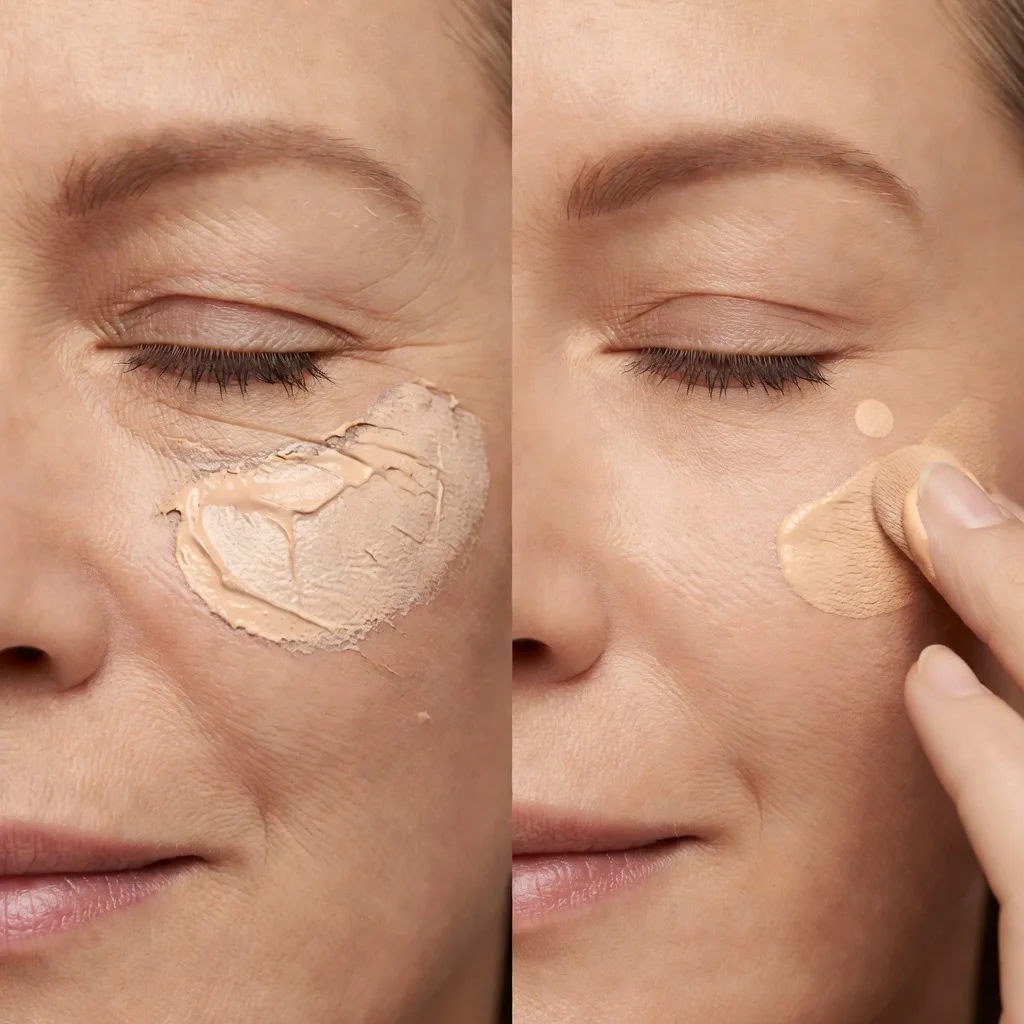
Concealer creases easily because the skin under the eyes is thin, moves constantly and folds every time you blink, smile or squint. Creasing gets worse when you apply too much product, use a very thick or very emollient formula, skip moisturiser so the product clings to dry patches, or leave the concealer unset. To stop it, hydrate the area lightly, let skincare absorb, use a small amount of a flexible concealer only where you need it, blend with a damp sponge or finger, pat away the excess once it creases, and set with a thin layer of finely milled powder.
The good news is that creasing is rarely a sign that you need a new product. In most cases it comes down to how much concealer you use, what sits underneath it and how you set it. Small adjustments to those steps usually make a visible difference the same day.
Hydration matters more than most people expect. The American Academy of Dermatology notes that dry skin benefits from moisturiser applied soon after washing, and concealer grips dry patches far more than it grips well-hydrated skin.
This guide explains why concealer creases, how different formulas behave, a step-by-step application method, how to set without dryness and what to do when creasing still appears during the day.
Shopping these picks?
Amazon Prime members get fast, free shipping on eligible items, plus Prime Video, Amazon Music and member deals. New members can start with a free trial.
Start a free Prime trialAged 18 to 24? Prime for Young Adults comes with a longer free trial and a lower price after it.
Affiliate link: we may earn a commission at no extra cost to you.
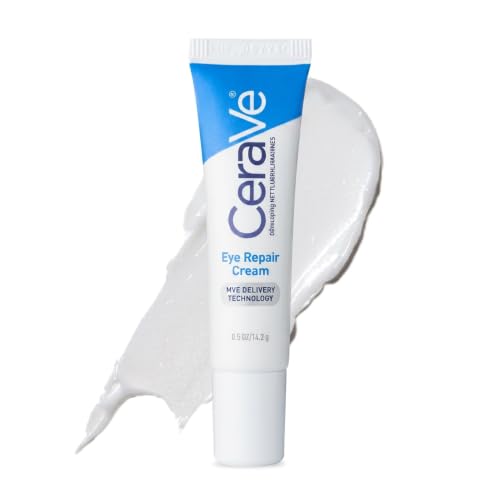
Recommended Products for Crease-Free Concealer




Key Takeaways
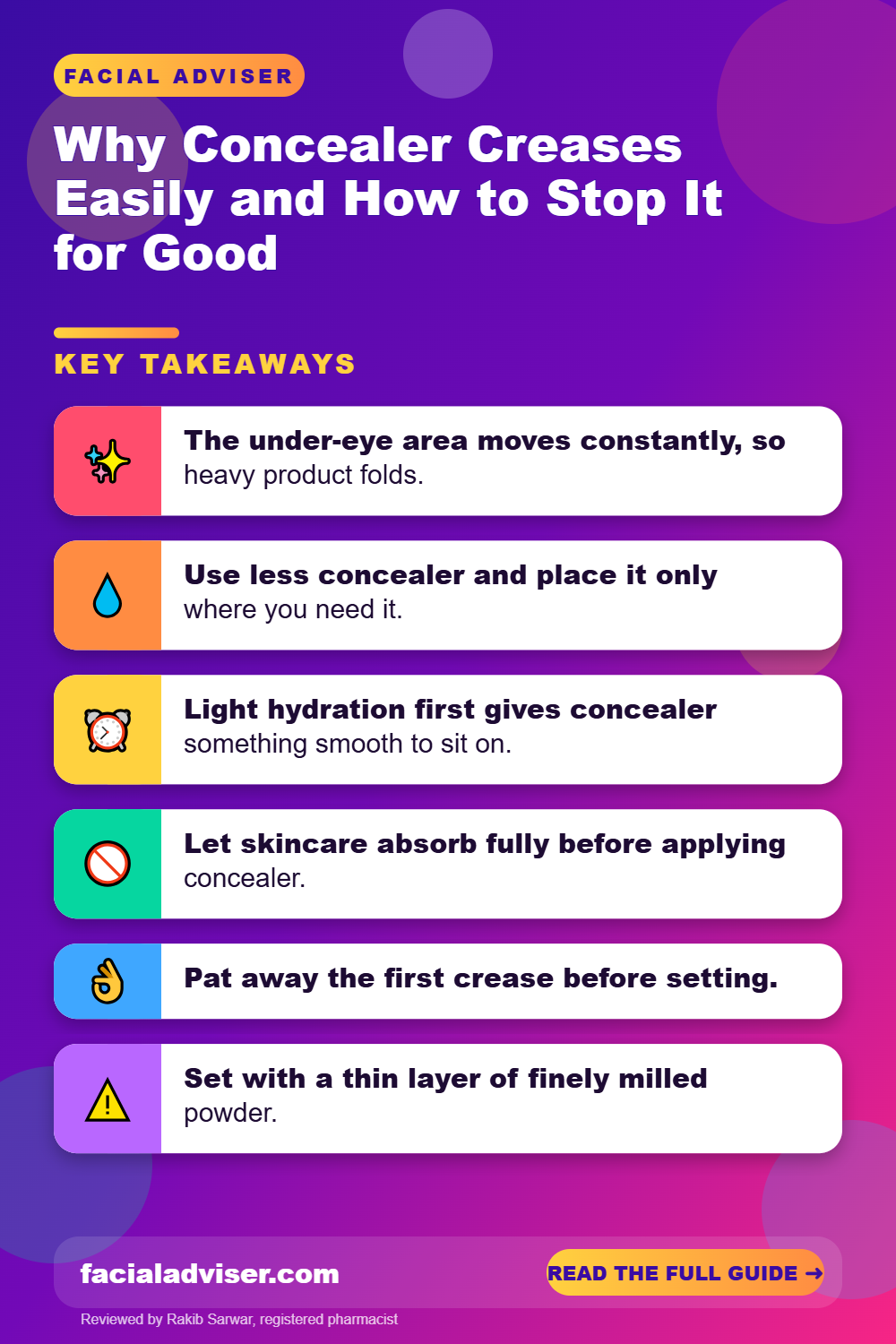
- The under-eye area moves constantly, so heavy product folds.
- Use less concealer and place it only where you need it.
- Light hydration first gives concealer something smooth to sit on.
- Let skincare absorb fully before applying concealer.
- Pat away the first crease before setting.
- Set with a thin layer of finely milled powder.
- Dry, heavy baking can make lines look more obvious.
In This Guide
- Why Concealer Creases Easily
- How Concealer Formulas Behave Under the Eyes
- Prep: Getting the Skin Right First
- How to Apply Concealer So It Does Not Crease
- Setting Without Making Lines Worse
- Adjusting for Your Skin Type and Age
- How to Fix Creasing During the Day
- Tools That Help
- Dos and Don’ts
- Honest Limits
- When to See a Dermatologist
- Common Questions
- Summing Up
Why Concealer Creases Easily
The skin under the eyes is among the thinnest on the face, and it has fewer oil glands than the T-zone. It also moves far more than most other areas. Every blink, smile and squint folds the skin along the same lines, and any product sitting on top gets pushed into those folds. Over the course of the day the product collects in the lines and makes them more visible than they were without makeup.
| Cause | What happens | Fix |
|---|---|---|
| Too much product | Thick layer folds with every movement | Use a small dot and build only where needed |
| Very emollient formula | Stays slippery and migrates into lines | Blot with tissue or set lightly |
| Dry skin underneath | Concealer clings to flakes and cracks | Hydrate with a light eye cream first |
| Heavy eye cream | Product slides and pools in lines | Use less and let it absorb for a few minutes |
| No setting | Cream stays mobile all day | Press in a thin layer of fine powder |
| Too much powder | Powder cakes and emphasises lines | Use a small fluffy brush and tap off excess |
| Wrong placement | Product sits directly in expression lines | Focus on the inner corner and darkest areas |
Most creasing comes from a combination of these causes rather than just one. For example, a thick layer of a creamy concealer on dry skin, left unset, will crease much faster than a thin layer of the same product on hydrated skin that has been lightly powdered.
How Concealer Formulas Behave Under the Eyes
Concealers vary widely in texture. Some are designed for high coverage on blemishes and are very thick, while others are thinner and more flexible for the under-eye area. Using a heavy spot concealer under the eyes is one of the most common reasons for creasing.
| Formula | Coverage | Creasing risk | Best for |
|---|---|---|---|
| Liquid, flexible | Light to medium | Low when used sparingly | Everyday under-eye wear |
| Creamy, radiant | Medium | Moderate; needs setting | Dark circles on normal to dry skin |
| Full-coverage matte | High | Higher if applied thickly | Spot concealing blemishes |
| Hydrating serum or stick | Sheer to light | Low to moderate | Mature or dry under-eyes |
| Colour corrector | Varies | Adds another layer | Strong blue or purple circles, used thinly |
Hydrating concealers can be kinder to dry skin, but they sometimes stay slightly mobile, so a light set is still useful. Matte, long-wear concealers resist moving but can look dry or settle into lines if they are layered too thickly. If you like a very high coverage product, use it on blemishes and a lighter one under the eyes.
Prep: Getting the Skin Right First
Concealer only looks as smooth as the skin underneath it. If the under-eye area is dry, flaky or tight, the product will catch on those areas and crease along them. The American Academy of Dermatology recommends applying moisturiser soon after washing to help trap moisture in dry skin, and that advice applies to the delicate eye area too.
- Use a light eye cream or face moisturiser under the eyes.
- Apply a small amount with your ring finger, patting rather than rubbing.
- Wait a few minutes so it absorbs before applying concealer.
- If the area still feels greasy, blot gently with a tissue.
- Apply sunscreen under the eyes too, and let it set before makeup.
More is not better with eye cream before makeup. A thick layer of a rich cream can make concealer slide and collect in lines just as much as dryness does. Aim for skin that feels comfortable and smooth to the touch, not slippery. Gel-cream textures are often easier to wear under makeup than heavy balms.
If your under-eyes are dry only in the morning, a richer eye cream at night and a lighter one before makeup can give you comfort without making concealer slip during the day.
How to Apply Concealer So It Does Not Crease
Hydrate lightly
Pat on a small amount of eye cream and let it absorb for a few minutes.
Apply foundation first
Foundation often covers some darkness, so you need less concealer.
Place a small amount
Dot concealer at the inner corner and the darkest area, not along the whole lash line.
Blend with a damp sponge or finger
Tap outwards gently until the edges disappear; do not drag or rub.
Wait and check
Give it a minute, then smile and squint to see where it creases.
Pat away the crease
Tap the lines with a finger or sponge to smooth product out of the folds.
Set lightly
Press a thin layer of finely milled powder over the area with a small brush.
Smile before you set. Any lines that appear in that moment are where concealer will crease later, so smoothing them out first makes the finished result last much longer.
Applying concealer after foundation is usually the better order for creasing. Foundation often evens out the area on its own, so you can use less concealer on top. Where you place the product matters too. The outer corner and the area directly under the lower lashes move the most and often need little or no concealer at all.
Setting Without Making Lines Worse
Setting powder stops concealer from staying mobile, which is why it helps with creasing. But too much powder can have the opposite effect, making the area look dry and textured and settling into lines on its own.
- Choose a finely milled translucent or lightly tinted powder.
- Use a small, fluffy brush and tap off excess before applying.
- Press and roll rather than sweep, so you do not move the concealer.
- Apply only where concealer tends to crease, not the whole eye area.
- Brush away any leftover powder after a minute.
Baking, where a heavy layer of powder is left on the skin for several minutes, can help some people with oily under-eyes. For dry or mature skin, it often makes lines look deeper. A light press of powder is usually enough. If you prefer not to use powder at all, a light mist of setting spray or blotting with a tissue can reduce slipperiness without adding texture. Our guide on layering cream and powder products explains how to combine textures without caking.
Adjusting for Your Skin Type and Age
Different skin types need slightly different approaches. Oily skin tends to break down concealer as the day goes on, while dry skin tends to make it cling to flakes. Mature skin often has more visible fine lines and needs thinner layers.
- Oily skin: use a light gel moisturiser, a long-wear concealer and a thin set of powder.
- Dry skin: use a hydrating eye cream, a creamy or serum concealer and very little powder.
- Mature skin: focus concealer on the inner corner and the darkest areas only.
- Sensitive skin: choose fragrance-free products and patch test new formulas.
With mature skin, less coverage often looks younger than more. Heavy concealer highlights texture rather than hiding it. A lightweight product with a slight glow tends to reflect light away from lines. Our guide on makeup mistakes that age you covers more ways to keep under-eye makeup soft and fresh.
If your under-eye skin is dry and flaky across the rest of the face too, gentle exfoliation a couple of times a week and a consistent moisturiser can help. Our guide on makeup tips for dry skin and flakes covers prep in more detail.
How to Fix Creasing During the Day
Even well-applied concealer can crease a little during a long day. Fixing it is usually quick and does not mean starting over.
- Pat the crease gently with your ring finger to smooth it out.
- If the product has built up, dab with a clean sponge to lift the excess.
- Blot any oil with a tissue before adding anything.
- Add a very small amount of concealer only if coverage has worn away.
- Finish with the lightest touch of powder, or none at all.
Adding more product on top of a crease is the most common mistake. It adds thickness to the same spot and makes the crease more obvious. Lifting the excess first, then reapplying only where needed, gives a far smoother result. A small damp sponge in your bag is useful for this.
Avoid rubbing or pulling the under-eye skin when you fix concealer. The skin is delicate, and repeated rubbing can cause irritation. Tapping gently is enough to move product out of lines.
Tools That Help
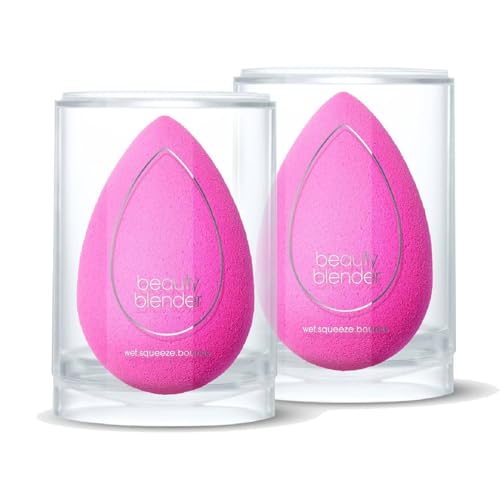
The tool you use makes a difference to how thin and even the concealer layer is. A damp makeup sponge presses product into the skin and absorbs excess, which gives a thin, flexible layer. A fluffy blending brush can diffuse edges without adding thickness. Your ring finger warms cream formulas and applies light pressure, which is ideal for delicate skin.
Keep sponges and brushes clean. Product build-up on tools makes it harder to apply thin layers and can transfer bacteria to the eye area. The FDA advises on eye cosmetic safety, including keeping applicators clean and not sharing eye products.
Dos and Don’ts
Try This
- Hydrate lightly before concealer
- Use a small amount only where needed
- Blend with a damp sponge or finger
- Smile and pat away creases before setting
- Set with a thin layer of fine powder
Avoid This
- Apply thick layers under the eyes
- Use rich eye cream right before makeup
- Drag or rub the skin
- Bake with heavy powder on dry skin
- Add more concealer over a crease
Honest Limits
Some creasing is normal, especially on skin that moves a lot or has existing fine lines. No concealer stays perfectly smooth all day on every face, and small touch-ups are a normal part of wearing makeup.
Concealer cannot remove fine lines or deep hollows. Lighter, thinner layers tend to look better than trying to fill lines with product. If deep lines or hollows bother you, a dermatologist can explain treatment options.
Sleep, allergies and fluid retention can also change how the under-eye area looks from day to day. On puffy mornings, concealer may crease more simply because the skin is moving differently.
When to See a Dermatologist
- The skin under your eyes is red, itchy or stinging after makeup.
- You have persistent dryness or flaking that moisturiser does not improve.
- Swelling or dark circles appear suddenly or on one side only.
- You want to discuss treatments for fine lines or pigmentation.
This article is for general information and does not replace professional medical advice. See a dermatologist or doctor for persistent skin concerns or reactions around the eyes.
Common Questions
Why does my concealer crease so fast?
Usually too much product, dry skin underneath or no setting.
Should I apply concealer before or after foundation?
After foundation is usually better, since you need less concealer.
Does eye cream make concealer crease?
A heavy layer can; use a small amount and let it absorb first.
What concealer is least likely to crease?
A thin, flexible liquid or hydrating concealer used sparingly.
Do I need to set concealer?
A thin layer of fine powder helps it stay put.
Is baking good for creasing?
It helps some oily skin, but often emphasises lines on dry or mature skin.
How do I fix creased concealer?
Pat the crease smooth or lift excess with a damp sponge before adding more.
Why does concealer look dry under my eyes?
Dehydrated skin or too much powder.
Should I use a brush or sponge?
A damp sponge gives the thinnest, most flexible layer for most people.
Can concealer hide fine lines?
Not really; thin layers make them less noticeable than heavy ones.
Summing Up
Concealer creases because the under-eye area is thin and moves constantly, and it gets worse with thick layers, dry skin, heavy eye cream or no setting. Light hydration, a small amount of flexible concealer and a thin set of powder solve most creasing.
Smile and pat away any lines before you set, and lift excess product rather than adding more when you touch up during the day. With those habits, your concealer can stay smooth and fresh for much longer.

Written by
Registered pharmacist and founder of Facial Adviser. Rakib's pharmacy training covers how skincare actives work and interact; a later course in cosmetology turned that into a focus on facial treatments and skincare products. He plans, researches and edits every guide on the site and checks health claims against sources such as the American Academy of Dermatology, the FDA and the NIH. He is not a dermatologist; see the Editorial Policy and Medical Disclaimer.
About · Editorial policy · How we choose products · Medical disclaimer · Contact
Keep reading: Foundation, BB cream and base
- How to Find the Right Shade of Makeup: Undertone, Depth and Testing
- Why Blush Fades Quickly and How to Make It Last All Day
- Foundation Not Matching Neck? How to Fix the Face and Neck Colour Gap
- How Long Does Facial Contouring Last?
- Is BB Cream the Same as Foundation?
- What to Do When Makeup Oxidizes
- What Can You Use to Make Your Makeup Stay On All Day? 9 Products and Tricks
- How to Get Started as a Freelance Makeup Artist: Training, Kit and Clients