Foundation Not Matching Neck? How to Fix the Face and Neck Colour Gap
Few makeup problems are as easy to spot in photos as a face that is one shade lighter, pinker or more orange than the neck below it. The gap shows most along the jawline and under the chin, and it can make even careful makeup look like a mask. The good news is that it is usually fixable without buying a whole new routine.
Part of our guide to makeup how-to. Start with: How to Find the Right Shade of Makeup: Undertone, Depth and Testing
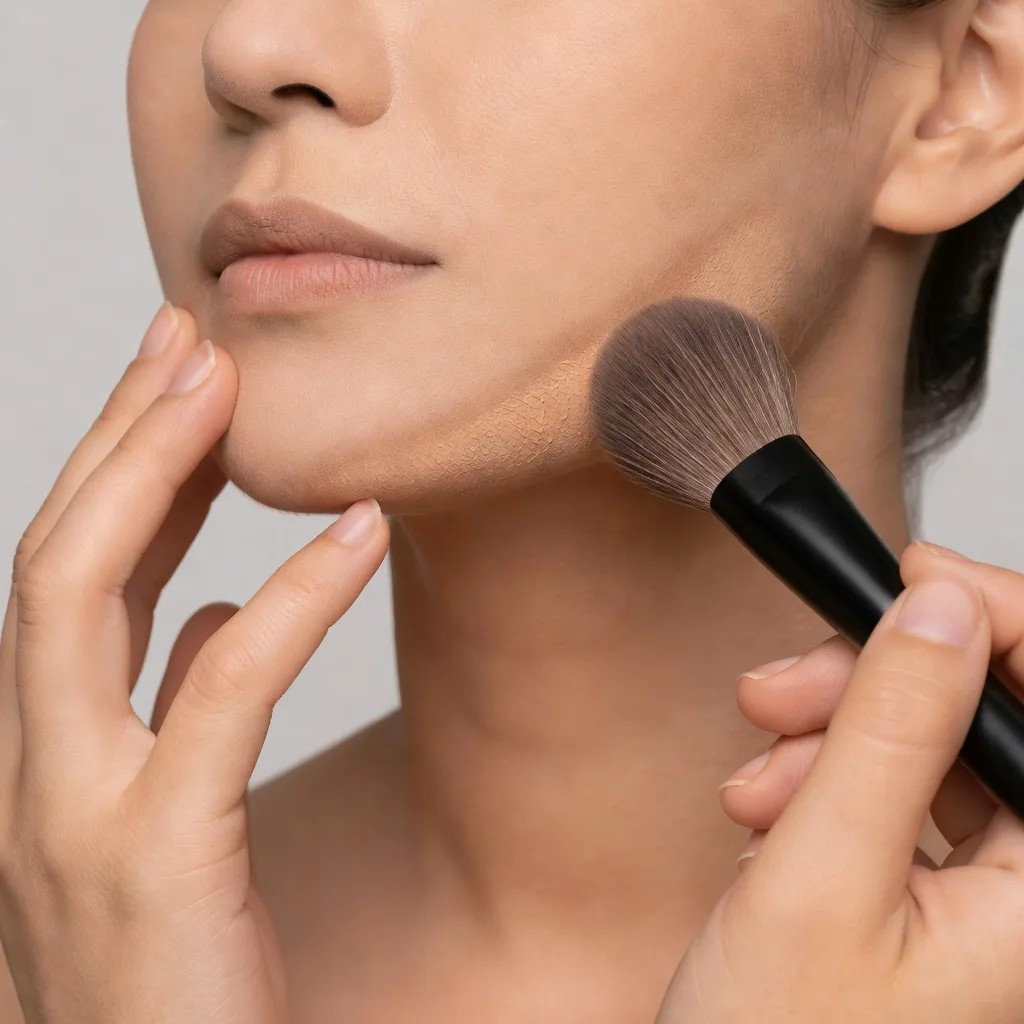
If your foundation does not match your neck, the fix is to choose a shade that matches the skin along your jawline and the top of your neck rather than your cheeks, then blend it down past the jaw so there is no hard edge. Face and neck often differ because the face gets more sun, more redness and more skincare, so the face may be warmer, pinker or darker than the neck. If you already own a shade that is slightly off, mix two shades, colour correct the redness underneath, or use a light bronzer or tinted sunscreen to bridge the neck. Always check the result in daylight.
In short: match to the jawline and neck, not the cheek, and blend the edge until you cannot find it.
The American Academy of Dermatology recommends applying sunscreen to the neck as well as the face, which also helps stop the colour gap between them from growing over time.
This guide explains why the face and neck differ, how to test shades correctly and seven practical fixes, from blending technique to colour correcting.
Shopping these picks?
Amazon Prime members get fast, free shipping on eligible items, plus Prime Video, Amazon Music and member deals. New members can start with a free trial.
Start a free Prime trialAged 18 to 24? Prime for Young Adults comes with a longer free trial and a lower price after it.
Affiliate link: we may earn a commission at no extra cost to you.
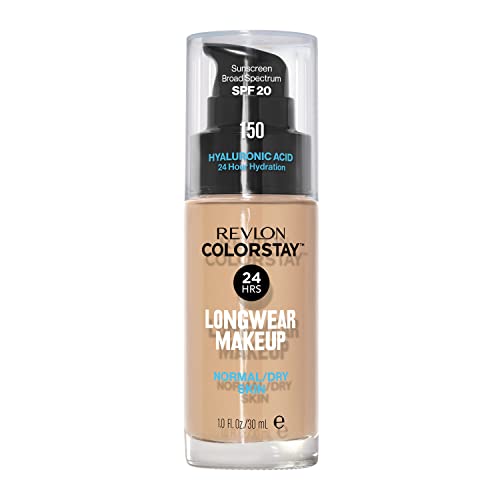
Recommended Foundations With Wide Shade Ranges on Amazon




Jump to a Section
- Why Your Face and Neck Are Different Colours
- Signs Your Foundation Is the Wrong Shade or Undertone
- How to Shade Match at the Jawline
- Blending Down: The Technique That Hides the Edge
- Colour Correcting Redness So Foundation Matches
- Bridging a Paler Neck With Bronzer or Tint
- How to Fix Foundation That Does Not Match Your Neck
- Neck Sunscreen: Stop the Gap Getting Bigger
- Dos and Don’ts
- Honest Limits
- When to See a Dermatologist
- Questions People Ask
- The Takeaway
The Short Version
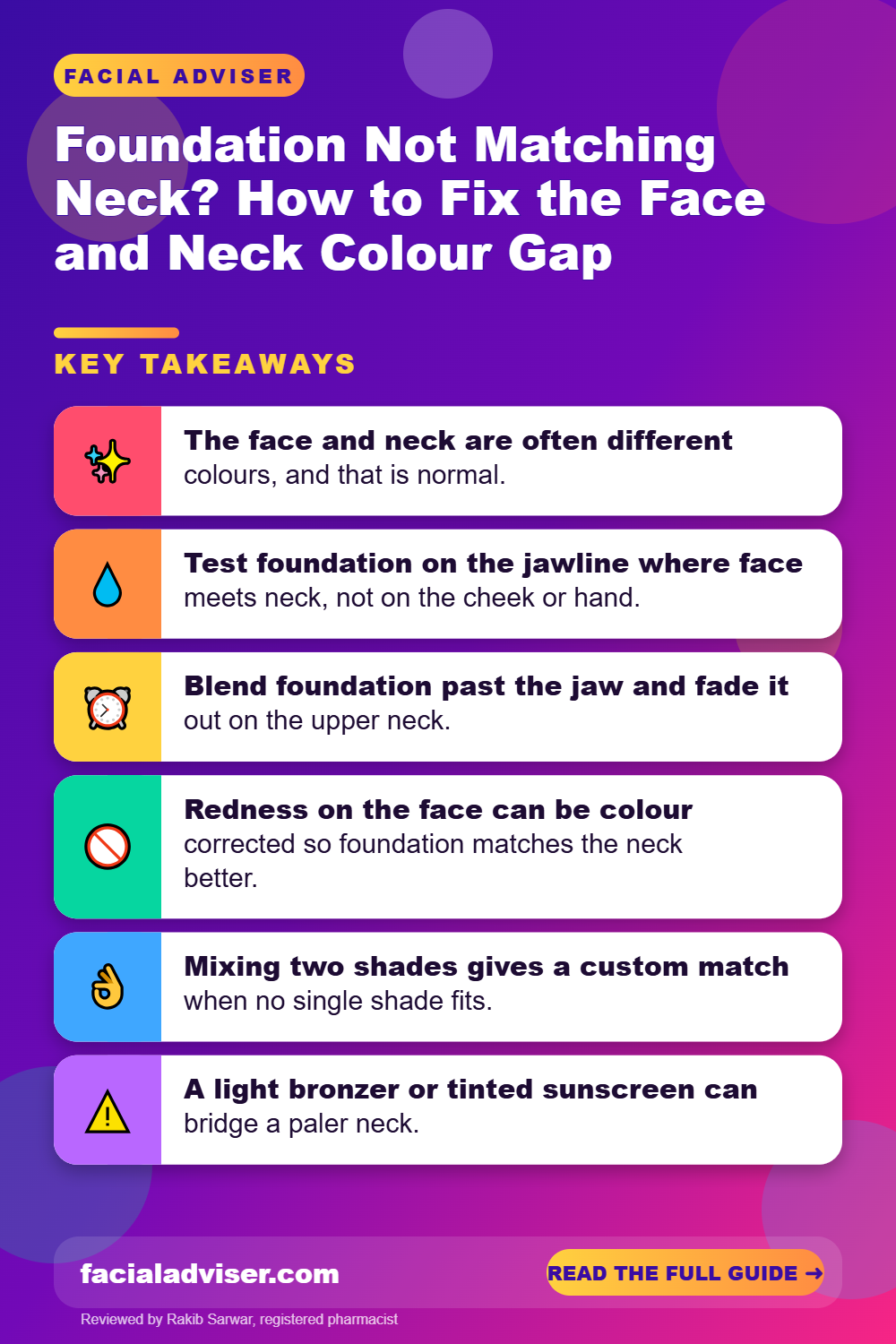
- The face and neck are often different colours, and that is normal.
- Test foundation on the jawline where face meets neck, not on the cheek or hand.
- Blend foundation past the jaw and fade it out on the upper neck.
- Redness on the face can be colour corrected so foundation matches the neck better.
- Mixing two shades gives a custom match when no single shade fits.
- A light bronzer or tinted sunscreen can bridge a paler neck.
- Daily sunscreen on the neck stops the gap growing over the years.
Why Your Face and Neck Are Different Colours
A mismatch is not always the foundation’s fault. In many people the skin on the face and the skin on the neck really are different colours, and a perfect cheek match can look wrong once you step back from the mirror.
- Sun exposure: the face is exposed every day, while the neck is often shaded by the jaw, hair or collars, so the face may tan or develop more pigment.
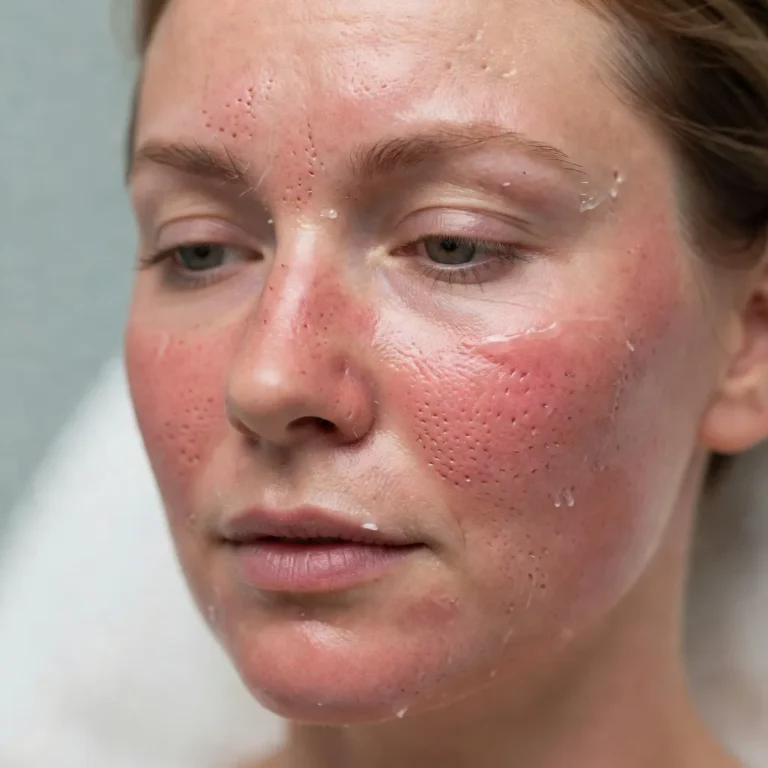
- Redness: the cheeks, nose and chin often carry more redness from visible blood vessels, rosacea, irritation or acne, which makes the face look pinker.
- Undertone: the face can look warmer or more olive than the neck, especially if it tans easily.
- Skincare: exfoliating acids, retinoids and brightening products are usually used on the face only, which can change its tone and texture.
- Self-tan or bronzing products: these are often applied more heavily on the face.
- Dark marks: pigmentation on the face shifts its overall shade compared with a clear neck.
Because of this, the target is not your cheek colour. It is a shade that sits between the face and neck so the two look like they belong together. Our guide on whether you should put makeup on your neck covers when a little product below the jaw helps and when it just transfers onto clothes.
Signs Your Foundation Is the Wrong Shade or Undertone
A mismatch can come from the depth of the shade, the undertone or both. Working out which one is off tells you what to change.
| What you see | Likely cause | What to try |
|---|---|---|
| Face looks lighter than neck | Shade too light or face is paler | Go one shade deeper or add a warmer shade |
| Face looks darker than neck | Shade too deep or neck is paler | Go lighter or bridge the neck with bronzer |
| Face looks pink or rosy | Undertone too cool, or redness showing | Try a neutral or warmer undertone, colour correct redness |
| Face looks orange or yellow | Undertone too warm, or oxidation | Try neutral or cooler, check after one hour |
| Face looks grey or ashy | Shade too light for deep skin | Go deeper and warmer |
| Clear line at jaw | Poor blending or wrong depth | Blend down, soften edges with a damp sponge |
If the shade looked right in the shop but changes by midday, the formula may be oxidising. Oil and air can shift the colour of some formulas, so allow for that when choosing a shade.
How to Shade Match at the Jawline
Most wrong shades come from testing in the wrong place. The back of the hand and the inner wrist are usually a different colour from the face, and the cheek is often redder than the rest of the skin.
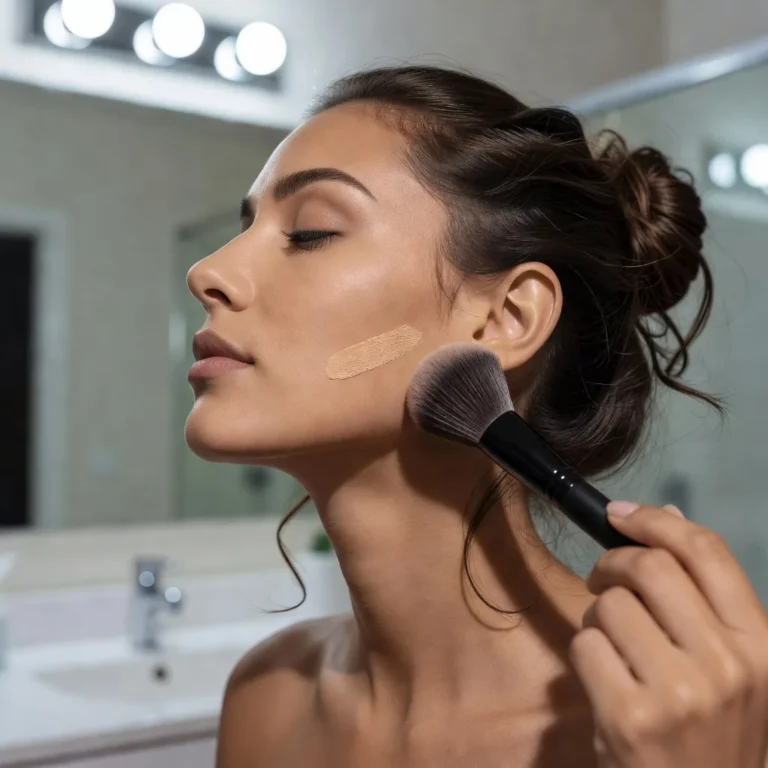
- Swatch two or three shades in stripes along the jawline, running from the cheek down onto the neck.
- Let them dry for a few minutes, since many formulas darken slightly as they set.
- Check in natural daylight near a window, not under shop lighting.
- Choose the stripe that seems to disappear on both the jaw and the upper neck.
- If one stripe vanishes on the face and another on the neck, you may need to mix the two.
- Take a photo with a normal phone camera and no filter to see the match as others will.
Your shade can change across the year. Many people need a slightly deeper or warmer shade in summer and a lighter one in winter. Keeping two shades and mixing them lets you adjust without buying a new bottle each season.
Undertone matters as much as depth. If you are unsure whether you are warm, cool, neutral or olive, our guide on how to match makeup to your undertone walks through simple tests.
Blending Down: The Technique That Hides the Edge
Even a good match can look wrong if the foundation stops at a sharp line. The aim is to fade it out so gradually that nobody can see where it ends.
Apply the foundation to the centre of the face first and work outwards, using less product as you reach the edges. When you reach the jawline, use whatever product is left on your sponge or brush and sweep it down under the jaw and onto the top of the neck. Do not add fresh product to the neck unless the colour gap is large, because thick layers there rub onto collars.
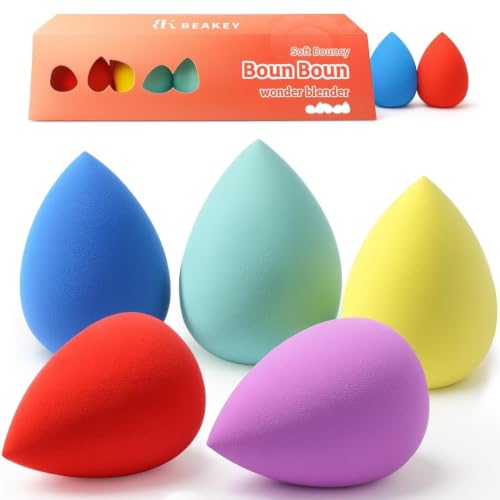
- Use a damp sponge for the final pass along the jaw; it sheers product out naturally.
- Press and roll rather than wipe so the product does not streak.
- Tilt your head up to check under the chin, where lines are often missed.
- Check the sides of the face near the ears and the hairline too.
- Finish with a very light dusting of translucent powder along the jaw so the edge does not shift.
Blending is also where lighter coverage helps. A sheer or medium foundation is far more forgiving at the jaw than a full-coverage, matte formula.
Colour Correcting Redness So Foundation Matches
When the face is mainly redder than the neck, the problem is often redness rather than shade. Choosing a warmer, deeper foundation to hide pink cheeks can make the face look orange against the neck. Neutralising the redness first lets you wear the shade that actually matches.
| Corrector colour | What it neutralises | Where it is often used |
|---|---|---|
| Green | Redness, blemishes, flushed areas | Cheeks, nose, chin |
| Peach or salmon | Blue or grey tones on light to medium skin | Under-eyes, dark marks |
| Orange or red | Blue or grey tones on deeper skin | Under-eyes, dark marks |
| Yellow | Mild purple or dullness | Eyelids, around the mouth |
| Lavender | Sallow or yellow tones | Overall dullness |
Apply corrector in thin layers only where needed, let it set for a minute and press foundation on top without rubbing. Our guide on how colour correctors neutralise undertone explains the colour theory in more detail.
Bridging a Paler Neck With Bronzer or Tint
Sometimes the face is noticeably darker than the neck, for example after a summer where the face tanned and the neck did not. In that case, lightening the face with a pale foundation often looks ashy. Bringing the neck up a little can look more natural.
- Sweep a light, matte bronzer from under the jaw down to the collarbones with a large fluffy brush.
- Use a bronzer close to your natural tan colour, not a deep contour shade.
- A tinted sunscreen or tinted moisturiser on the neck can add a hint of colour and sun protection.
- Keep the product sheer so it does not transfer to clothing.
- Set lightly with powder if you are wearing a light-coloured collar.
If you have two foundations, use the deeper one on the face and mix a drop of it into moisturiser for the neck. The same pigments on both areas make them look connected, even if the neck coverage is much lighter.
How to Fix Foundation That Does Not Match Your Neck
Use these steps in order. Most people only need the first three or four to make the gap disappear.
Check the gap in daylight
Stand near a window without makeup and compare the jaw, cheek and neck to see whether the face is lighter, darker, pinker or warmer.
Swatch at the jawline
Test two or three shades in stripes from cheek to neck and pick the one that disappears on both.
Mix if needed
If no single shade works, mix two shades on the back of your hand until the stripe vanishes.
Correct redness first
If the face is mainly pinker, apply a thin green corrector on red areas before foundation.
Apply from the centre out
Use less product towards the edges of the face so it fades naturally.
Blend down past the jaw
Sweep leftover product under the jaw and onto the upper neck with a damp sponge.
Bridge the neck if it is paler
Add a light bronzer or tinted sunscreen from jaw to collarbone.
Recheck after an hour
Look again in daylight and in a photo to catch oxidation or lines.
Neck Sunscreen: Stop the Gap Getting Bigger
Many people apply sunscreen carefully to the face and forget the neck, or wipe what is left on their hands across it. Over years, that difference in protection can make the face and neck age and pigment differently.
The AAD guide on how to apply sunscreen recommends covering all skin not covered by clothing, including the neck and ears, and reapplying when outdoors. Take sunscreen down to the collarbones every morning and include the back and sides of the neck.
Makeup that covers a colour difference does not protect the skin. If one area is changing colour, gaining new dark patches or developing spots that look different from the rest, have it checked rather than covering it.
Dos and Don’ts
Good Habits
- Match foundation at the jawline and upper neck
- Check the shade in natural daylight
- Blend foundation down past the jaw
- Colour correct strong redness before foundation
- Wear sunscreen on the neck every day
Common Mistakes
- Test shades on your hand or wrist
- Pick a shade to match red cheeks
- Stop foundation at a hard line on the jaw
- Pile thick foundation on the neck
- Use a deep contour shade to bronze the neck
Honest Limits
No technique makes the face and neck identical if they are very different colours. Blending and bridging reduce the contrast so it is not noticeable at normal distance, but strong lighting, flash photography and close-up video can still show a difference.
Colour correcting also has limits. It helps with redness and mild discolouration, but it adds an extra layer, and too much corrector can look grey or muddy through light foundation. Shade finders and online quizzes are useful starting points, but they cannot replace a swatch on your own jawline in daylight. If a colour gap keeps growing, daily sun protection matters more than any makeup fix.
When to See a Dermatologist
- Your face has become much darker or blotchier than the rest of your skin.
- You have persistent redness, flushing or visible blood vessels.
- You notice new dark patches, such as possible melasma.
- A spot or mole on the face or neck is changing in size, shape or colour.
- Makeup or correctors cause itching, stinging or a rash.
This article is for general information and does not replace professional medical advice. Patch test new makeup, and see a board-certified dermatologist about changes in skin colour, persistent redness or reactions to cosmetic products.
Questions People Ask
Why does my foundation not match my neck?
The face often has more sun, redness and pigment than the neck.
Should foundation match my face or my neck?
Aim for the jawline and upper neck so both look connected.
Where should I test foundation shades?
On the jawline, in stripes from cheek to neck, in daylight.
Should I put foundation on my neck?
Only a light blended layer if there is a clear gap.
How do I fix foundation that is too dark?
Mix in a lighter shade or moisturiser and blend down.
How do I fix foundation that is too light?
Mix in a deeper shade or add bronzer to warm the face and neck.
Why does my face look pink compared with my neck?
Redness or a cool undertone; try green corrector or a neutral shade.
Can bronzer fix a pale neck?
Yes, a light matte bronzer can bridge a small gap.
Does foundation get darker during the day?
Some formulas oxidise; check the shade after an hour.
Do I need sunscreen on my neck?
Yes, every day, down to the collarbones.
The Takeaway
A foundation that does not match the neck is usually fixed by matching at the jawline, blending down past the jaw and neutralising redness rather than chasing a darker or warmer shade.
Mix shades when no single one fits, bridge a paler neck with a sheer bronzer or tint, check everything in daylight and protect the neck with sunscreen so the gap does not widen over time.

Written by
Registered pharmacist and founder of Facial Adviser. Rakib's pharmacy training covers how skincare actives work and interact; a later course in cosmetology turned that into a focus on facial treatments and skincare products. He plans, researches and edits every guide on the site and checks health claims against sources such as the American Academy of Dermatology, the FDA and the NIH. He is not a dermatologist; see the Editorial Policy and Medical Disclaimer.
About · Editorial policy · How we choose products · Medical disclaimer · Contact
Keep reading: Foundation, BB cream and base
- How to Find the Right Shade of Makeup: Undertone, Depth and Testing
- How Long Does Facial Contouring Last?
- Is BB Cream the Same as Foundation?
- What to Do When Makeup Oxidizes
- How to Find the Right Shade of Makeup for Your Skin
- Why Your Makeup Looks Cakey and How to Fix It
- How to Choose Lipstick Shade: Undertone, Skin Tone and Testing Tips
- How to Choose the Right Eye Makeup Color for Your Eyes and Skin