Is It Safe to Put Makeup on Your Waterline?
Lining the waterline, the moist inner rim of the eyelid just behind the lashes, is a popular way to make eyes look more defined or smoky, or to make them look bigger with a nude or white pencil. It is also one of the eye makeup habits eye doctors are most cautious about.
Part of our guide to makeup how-to. Start with: How to Choose the Right Eye Makeup Color for Your Eyes and Skin
Putting makeup on your waterline is not automatically dangerous, but it does carry more risk than lining outside the lashes. Product sits right next to the eye’s surface, mixes with tears more easily, and can block the tiny oil glands along the lid margin. For people with dry eyes, contact lenses, or frequent eye irritation, it is often best avoided.
Research supports that caution. A 2015 study led by Alison Ng, published in Eye and Contact Lens, filmed eyeliner particles and found that 15 to 30 percent more particles moved into the tear film within five minutes when liner was applied to the waterline rather than outside the lash line.
If you do line your waterline, hygiene makes a big difference. A freshly sharpened pencil, clean hands, never sharing products, and removing everything at night all reduce the chance of problems.
This guide explains why the waterline is sensitive, what the research shows, who should skip it, safer alternatives, a step-by-step method if you still want to line it, and the eye symptoms that mean you should stop and see a doctor.
Shopping these picks?
Amazon Prime members get fast, free shipping on eligible items, plus Prime Video, Amazon Music and member deals. New members can start with a free trial.
Start a free Prime trialAged 18 to 24? Prime for Young Adults comes with a longer free trial and a lower price after it.
Affiliate link: we may earn a commission at no extra cost to you.
Recommended Products for Safer Eye Makeup





Quick Answer
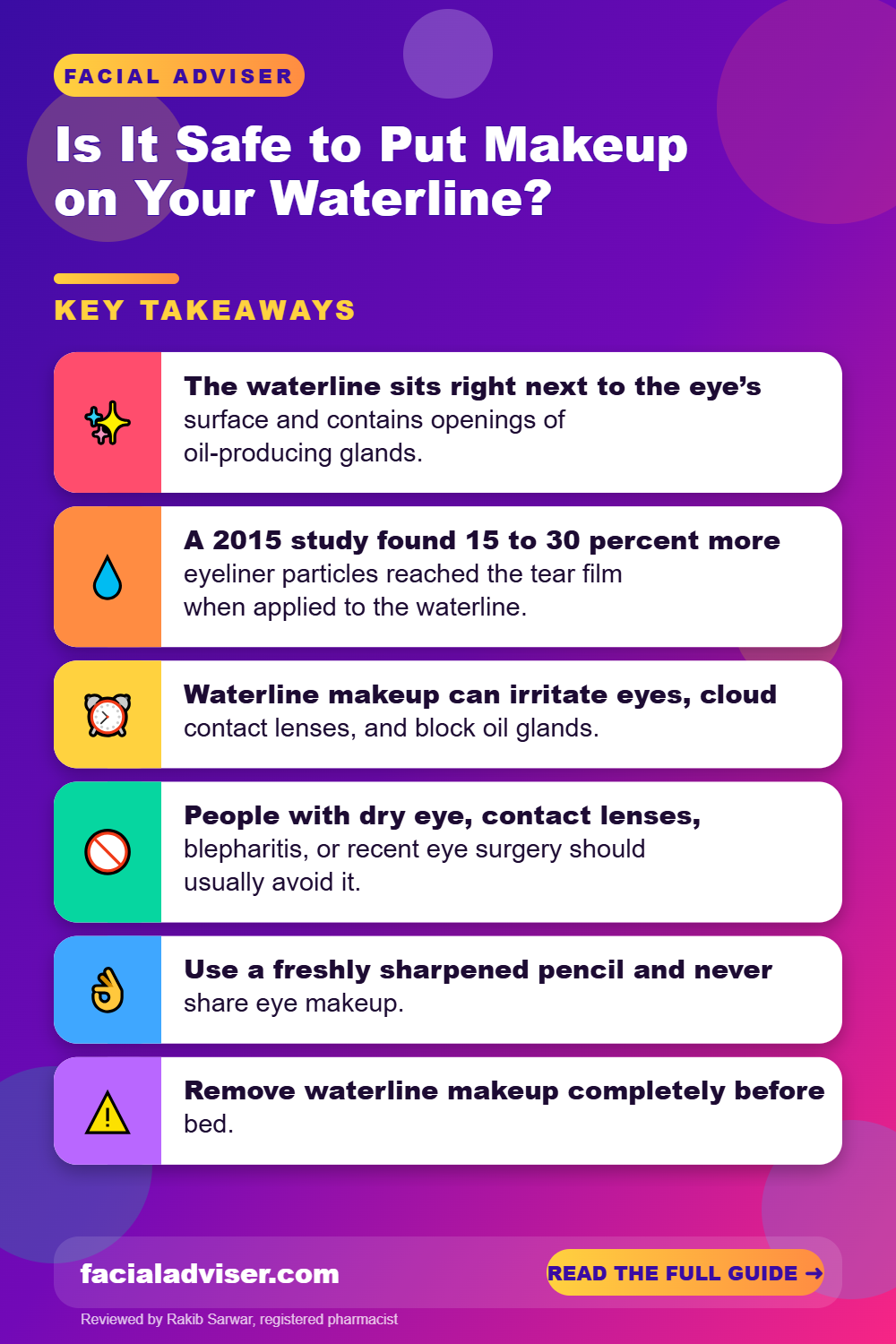
- The waterline sits right next to the eye’s surface and contains openings of oil-producing glands.
- A 2015 study found 15 to 30 percent more eyeliner particles reached the tear film when applied to the waterline.
- Waterline makeup can irritate eyes, cloud contact lenses, and block oil glands.
- People with dry eye, contact lenses, blepharitis, or recent eye surgery should usually avoid it.
- Use a freshly sharpened pencil and never share eye makeup.
- Remove waterline makeup completely before bed.
- Pain, persistent redness, discharge, or vision changes need an eye doctor.
Jump to a Section
- What the Waterline Is and Why It Matters
- What the Research Found
- Waterline vs Lash Line: The Differences
- Who Should Skip Waterline Makeup
- How to Line Your Waterline More Safely
- Alternatives That Give a Similar Look
- Choosing Products for Sensitive Eyes
- Removing Eye Makeup Properly
- Eye Makeup Hygiene Basics
- What We Know and What We Do Not
- When to See an Eye Doctor
- Common Questions
- The Bottom Line
What the Waterline Is and Why It Matters
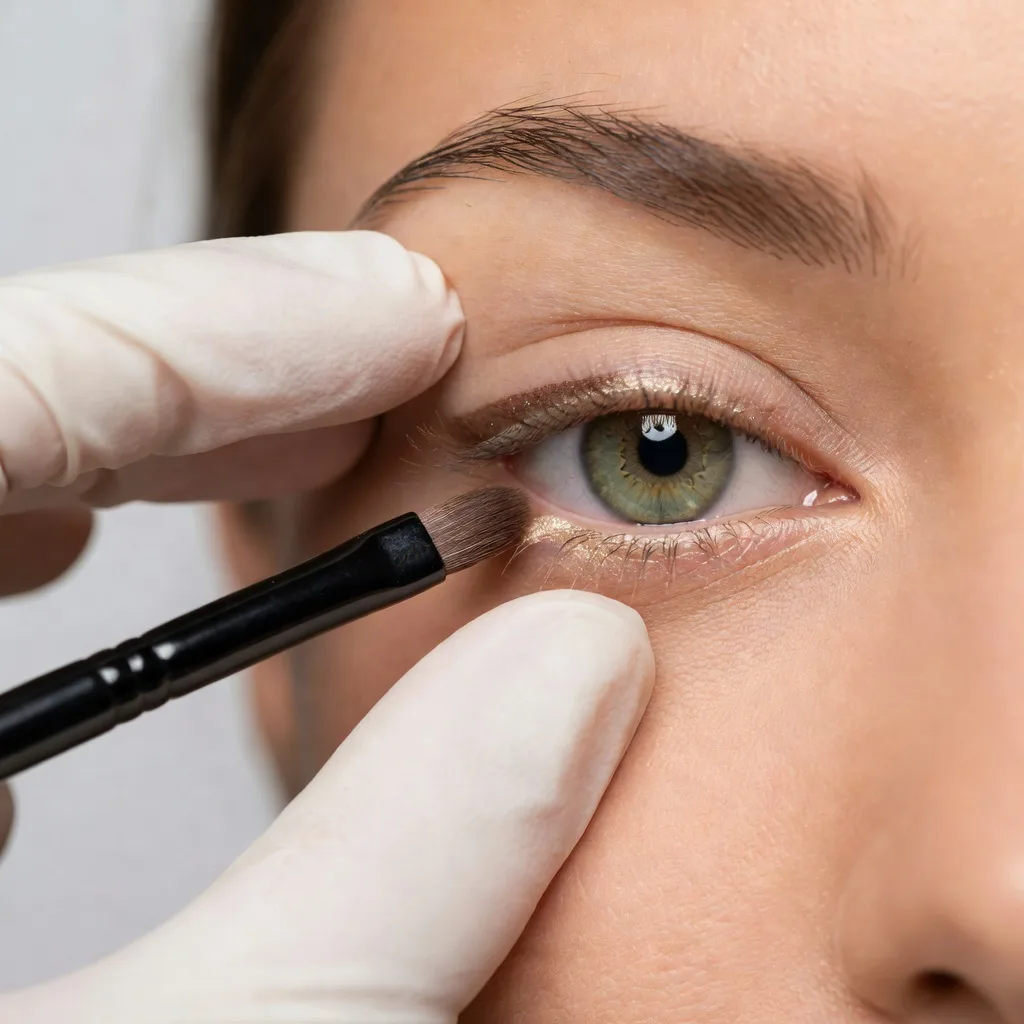
The waterline is the narrow strip of moist skin on the inner edge of the upper and lower eyelids, between the lashes and the eye itself. Along this edge are the openings of the meibomian glands, which release oils that form part of your tear film and help stop tears from evaporating.
Because the waterline is so close to the eye, anything applied there can easily mix with tears and spread across the eye’s surface. That includes pigments, waxes, preservatives, and any bacteria on the pencil.
Blocked meibomian glands are a common cause of dry, gritty, or irritated eyes. Eye doctors often point to waterline makeup as one possible contributor, especially when it is not removed thoroughly.
The lower waterline also sits close to the tear duct opening at the inner corner of the eye, the small point where tears drain. Product applied to the inner corner can travel into this area more easily, which is one reason to keep liner to the outer part of the lid if you use it at all.
What the Research Found
In the 2015 study by Ng and colleagues, published in Eye and Contact Lens: Science and Clinical Practice, participants applied glitter eyeliner either outside the lash line or on the waterline. Researchers then filmed the eyes to track how many particles moved into the tear film.
Within five minutes, 15 to 30 percent more particles entered the tear film when eyeliner was applied on the waterline. Particles also moved faster from the waterline. By two hours, little eyeliner remained in the tear film, but the researchers noted that repeated exposure could still matter for people with sensitive eyes or contact lenses.
The study was small, but it confirms what many eye doctors see in practice: the closer makeup is to the eye, the more likely it is to end up in it.
Contact lens wearers can find deposits building up on their lenses, which may cloud vision and cause discomfort. If you wear lenses, keep liner outside the lash line.
Waterline vs Lash Line: The Differences
| Factor | Waterline | Outside the lash line |
|---|---|---|
| Distance from eye surface | Directly beside it | A few millimeters away |
| Product entering tear film | More, and faster | Less |
| Effect on oil glands | May block gland openings | Less likely |
| Contact lens deposits | More likely | Less likely |
| Longevity | Often fades faster with tears | Usually lasts longer |
| Best for sensitive eyes | Usually avoid | Better choice |
You can often get a similar look with less risk by tightlining, pressing liner into the roots of the upper lashes from underneath, or by smudging a pencil just below the lower lashes.
Who Should Skip Waterline Makeup
Some people are more likely to have problems and should usually avoid lining the waterline:
- People with dry eye disease or meibomian gland dysfunction.
- Contact lens wearers.
- Anyone with blepharitis, styes, or chalazia.
- People recovering from eye surgery, including cataract or LASIK surgery.
- Anyone with a current or recent eye infection.
- People who notice redness, itching, or watering after lining the waterline.
If you have recently had eye surgery, see our guide on makeup after cataract surgery for general timelines.
How to Line Your Waterline More Safely
If you choose to line your waterline, these steps lower the risk.
Start with clean hands and a clean face
Wash your hands and remove old makeup so you are not pushing leftover product or bacteria toward the eye.
Sharpen the pencil
Sharpen a pencil liner before each use to remove the outer layer, which may carry bacteria. Clean the sharpener regularly.
Use a soft pencil, not liquid
Choose a soft, creamy pencil designed for eyes. Avoid liquid liner, glitter, and loose pigments on the waterline.
Apply gently to the outer part
Pull the lower lid down slightly and apply lightly to the outer two-thirds, avoiding the inner corner where tears drain.
Remove it thoroughly at night
Use a gentle eye makeup remover on a cotton swab, then rinse. Do not sleep with waterline makeup on.
If your eyes feel gritty or watery within minutes of lining the waterline, remove it and switch to lining outside the lashes instead.
Alternatives That Give a Similar Look
You can get much of the effect of waterline liner while keeping product further from the eye.
- Tightlining: press a pencil gently into the roots of the upper lashes from underneath. This makes lashes look thicker without a visible line and keeps product on the lash roots rather than the waterline itself.
- Smudged lower lash line: apply a soft pencil or dark eyeshadow just below the lower lashes and smudge it with a brush for a smoky effect.
- Brightening the eyes: instead of white liner on the lower waterline, dab a little light, matte eyeshadow or concealer on the inner corner of the eye and under the brow bone.
- Defined lashes: well-curled lashes and mascara focused at the roots can make eyes look more open without liner inside the lid.
These options also tend to last longer, since they are not constantly washed by tears.
Choosing Products for Sensitive Eyes
If you have sensitive eyes, what you use matters as much as where you put it.
Choose pencils labeled for use around the eyes and ophthalmologist-tested if possible, although no label guarantees you will not react. Avoid glitter, chunky shimmer, and loose pigments near the eyes, since particles can scratch or irritate. Fragrance-free formulas are usually a better choice.
Mechanical or retractable pencils avoid the need for sharpening, but the tip still touches your eye area, so wipe it with a clean tissue before and after use and replace it regularly.
Removing Eye Makeup Properly
Thorough removal is one of the most important steps for eye comfort. Soak a cotton pad or swab with a gentle eye makeup remover, hold it on closed lids for a few seconds to loosen product, then wipe gently outward. Use a pointed swab for the lash line, and rinse your eyes area afterward.
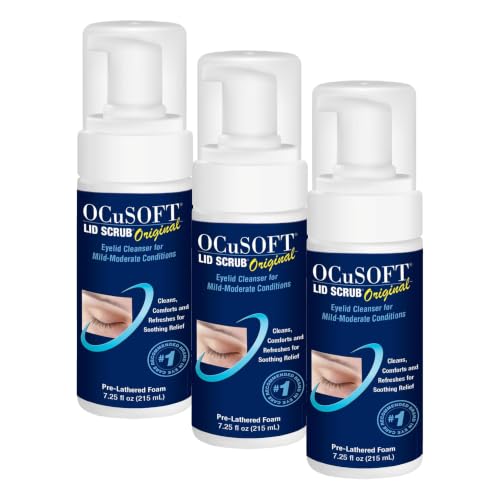
If you are prone to blocked glands or dry eyes, your eye doctor may suggest a gentle lid cleanser or warm compresses as part of your nightly routine.
Never sleep in waterline makeup. Overnight, product can sit against the eye and lid margin for hours, which increases the chance of irritation and blocked glands.
Eye Makeup Hygiene Basics
Helps
- Replace mascara about every three months.
- Sharpen pencils before each use.
- Keep eye makeup for your use only.
- Store makeup in a cool, dry place.
- Throw out any product used during an eye infection.
Backfires
- Share eyeliner or mascara.
- Use testers directly on your eyes in stores.
- Add water or saliva to dried makeup.
- Apply makeup while driving or on the move.
- Keep using products that smell or look different.
Counterfeit eye makeup is another risk, since it may contain contaminants. Our guide on how to tell if makeup is fake covers the warning signs. If you have had pink eye, our guide on makeup after pink eye explains what to throw away.
What We Know and What We Do Not
The evidence shows that makeup applied to the waterline reaches the tear film more easily, but there is little research on long-term outcomes, such as how often it leads to infection or chronic dry eye in healthy people.
| Belief | Reality |
|---|---|
| Waterline makeup always causes infections | It raises risk, especially with poor hygiene, but many people use it without problems |
| It is completely harmless | Particles reach the tear film more easily |
| Waterproof liner is safer | It may be harder to remove and linger longer |
| White liner is gentler | Color does not change how close it is to the eye |
| If it does not sting, it is fine | Gland blockage can build up without immediate symptoms |
If you choose to line your waterline, do it occasionally rather than every day, and pay attention to how your eyes feel.
When to See an Eye Doctor
Stop using waterline makeup and see an eye doctor if you notice:
- Eye pain, not just mild irritation.
- Redness that lasts more than a day or two.
- Discharge, crusting, or sticky eyelids.
- A painful bump on the eyelid, such as a stye.
- Blurred vision or light sensitivity.
- Ongoing dry, gritty, or burning eyes.
Contact lens wearers with red, painful eyes should remove their lenses and seek care promptly, since corneal infections can threaten vision.
Medical disclaimer: This article is for general information and is not a substitute for professional medical advice. See an eye care professional about eye symptoms.
Common Questions
Is it safe to put eyeliner on your waterline?
It is not automatically unsafe, but it carries more risk of irritation and contamination than lining outside the lashes.
What does waterline makeup do to your eyes?
Particles can enter the tear film and may block oil glands along the lid margin.
Can waterline makeup cause infections?
It can increase risk, particularly with old, shared, or contaminated products.
Is it bad to wear eyeliner on the waterline every day?
Daily use increases exposure. If you have dry or sensitive eyes, consider lining outside the lashes instead.
Can I line my waterline with contact lenses?
It is better not to, since makeup can build up on lenses and cause discomfort.
Which eyeliner is safest for the waterline?
A soft pencil designed for the eyes, freshly sharpened, and free of glitter.
Can waterline makeup cause dry eye?
It may contribute by blocking the oil glands along the lid margin.
What is tightlining?
Applying liner into the roots of the upper lashes from underneath, which gives definition with less product near the eye.
How do I remove waterline makeup?
Use a gentle eye makeup remover on a cotton swab and wipe carefully, then rinse.
When should I see a doctor?
If you have eye pain, persistent redness, discharge, eyelid bumps, or vision changes.
The Bottom Line
Makeup on the waterline sits right next to the eye’s surface, so it reaches the tear film more easily and can block the oil glands along the lid margin. A 2015 study found 15 to 30 percent more eyeliner particles entered the tear film when applied to the waterline compared with outside the lashes.
If you have dry eyes, wear contact lenses, or are recovering from eye surgery or infection, it is best to skip it. Otherwise, use a freshly sharpened pencil, keep it to the outer part of the lid, remove it every night, and see an eye doctor about pain, persistent redness, or vision changes.

Written by
Registered pharmacist and founder of Facial Adviser. Rakib's pharmacy training covers how skincare actives work and interact; a later course in cosmetology turned that into a focus on facial treatments and skincare products. He plans, researches and edits every guide on the site and checks health claims against sources such as the American Academy of Dermatology, the FDA and the NIH. He is not a dermatologist; see the Editorial Policy and Medical Disclaimer.
About · Editorial policy · How we choose products · Medical disclaimer · Contact
Keep reading: Eye makeup
- Best Way to Do Makeup for Hooded Eyes: Shadow, Liner and Lash Tips
- How to Choose the Right Eye Makeup Color for Your Eyes and Skin
- Puffy Eyes After Salty Food: Why It Happens and How to De-Puff Fast
- Dark Circles vs Hyperpigmentation Under Eyes: How to Tell Them Apart
- How to Fix Translucent Under-Eye Skin: Visible Veins and What Really Helps
- How to Get Started as a Freelance Makeup Artist: Training, Kit and Clients
- Best Way to Use Makeup Remover: Micellar Water, Balms, Oils and Eye Removers