When Can You Wear Makeup After Cataract Surgery?
Cataract surgery is one of the most common operations in the world, and recovery is usually quick. Many people see more clearly within days and feel ready to get back to normal routines, including makeup, well before their eye has fully healed. It is completely understandable to want to look like yourself again quickly.
Part of our guide to makeup how-to. Start with: How to Properly Put On Face Makeup: The Right Order, Step by Step
Most eye surgeons advise avoiding all makeup for at least one week after cataract surgery, and eye makeup such as mascara, eyeliner, and eyeshadow for longer, sometimes up to a month. Your own surgeon’s instructions always come first, since timing depends on your surgery, your healing, and any complications.
The reason for caution is infection. The small incision in the eye takes time to seal fully, and makeup particles, applicators, and fingers near the eye can introduce bacteria. Serious infection inside the eye after cataract surgery, called endophthalmitis, is rare but can threaten vision, so surgeons prefer to keep risks as low as possible.
When you do return to eye makeup, it is safest to start with new products. Mascara and liquid liner used before surgery may carry bacteria, and fresh products plus clean tools reduce the chance of introducing germs to a healing eye.
This guide gives a practical timeline, a checklist to confirm you are ready, what to replace and what you can keep, how to choose gentle products, and the symptoms after surgery that need urgent attention.
Shopping these picks?
Amazon Prime members get fast, free shipping on eligible items, plus Prime Video, Amazon Music and member deals. New members can start with a free trial.
Start a free Prime trialAged 18 to 24? Prime for Young Adults comes with a longer free trial and a lower price after it.
Affiliate link: we may earn a commission at no extra cost to you.
Recommended Products for Returning to Makeup After Eye Surgery




Quick Answer
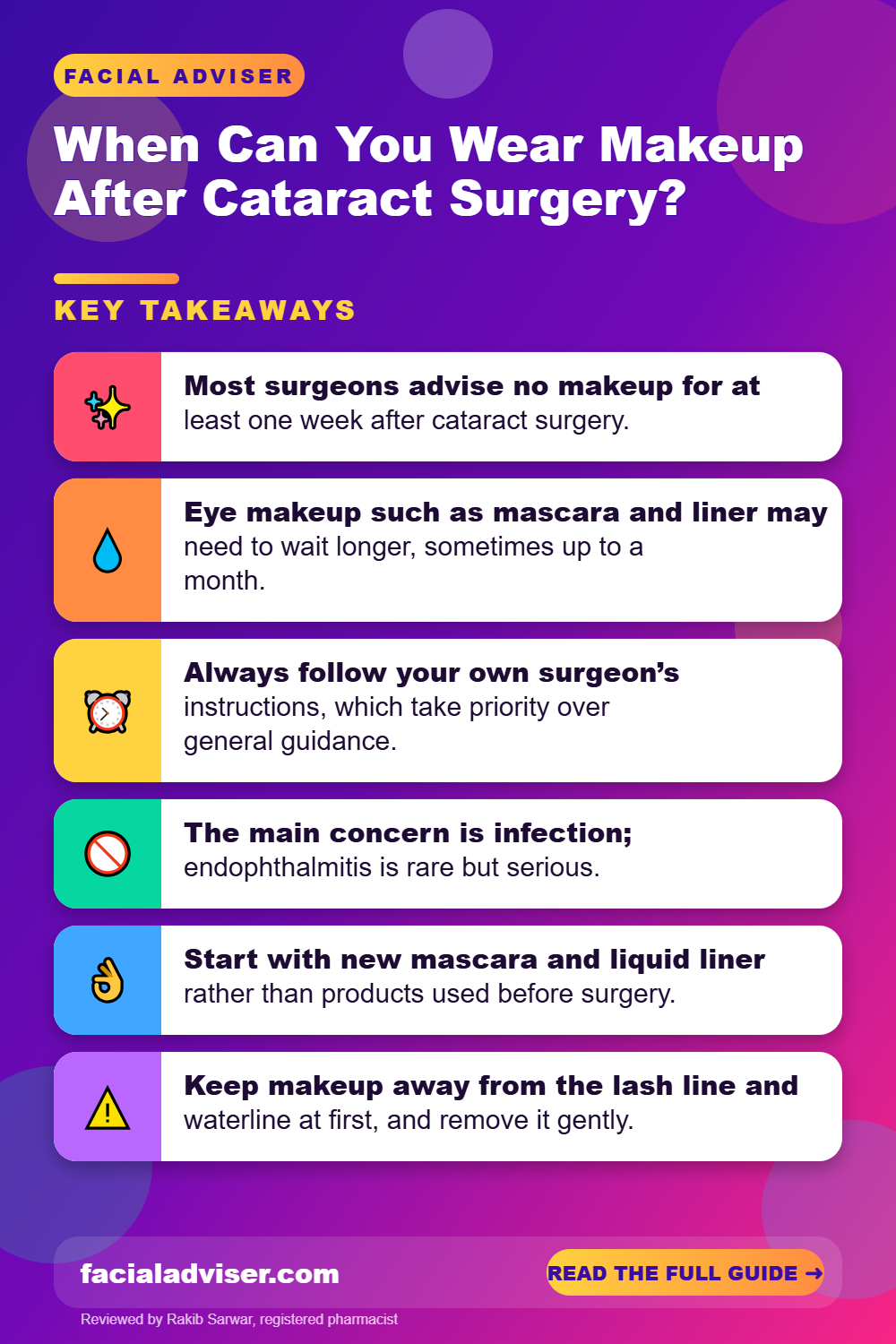
- Most surgeons advise no makeup for at least one week after cataract surgery.
- Eye makeup such as mascara and liner may need to wait longer, sometimes up to a month.
- Always follow your own surgeon’s instructions, which take priority over general guidance.
- The main concern is infection; endophthalmitis is rare but serious.
- Start with new mascara and liquid liner rather than products used before surgery.
- Keep makeup away from the lash line and waterline at first, and remove it gently.
- Pain, worsening vision, increasing redness, or discharge after surgery need urgent care.
Jump to a Section
- Why Makeup Has to Wait
- A Typical Makeup Timeline After Cataract Surgery
- Are You Ready? A Pre-Makeup Checklist
- What to Replace and What You Can Keep
- How to Apply and Remove Makeup Gently
- Choosing Gentle Eye Products
- Planning Around Surgery on Your Second Eye
- Other Recovery Habits That Protect Your Eye
- What General Guidance Cannot Tell You
- Symptoms That Need Urgent Attention
- Your Questions, Answered
- The Takeaway
Why Makeup Has to Wait
During cataract surgery, the surgeon makes a tiny incision in the cornea to remove the cloudy lens and insert a clear artificial lens. The incision is usually self-sealing, but it takes time to heal completely, and the eye surface stays more vulnerable for a while.
Makeup products and applicators can carry bacteria, and applying makeup often means touching or rubbing the eyelids. Particles of powder, mascara flakes, or liner can also fall into the eye and cause irritation, which may lead to rubbing.
Endophthalmitis, a serious infection inside the eye, is rare after cataract surgery, but it can cause significant vision loss. Keeping makeup, hands, and water away from the eye in the first days after surgery is one of the simple steps that helps keep the risk low.
Your eye also produces fewer tears for a while after surgery in many people, and the drops you use can make the surface feel different. Makeup that you tolerated for years may sting or feel gritty during this period, which is another reason to reintroduce it slowly.
A Typical Makeup Timeline After Cataract Surgery
| Time after surgery | Typical guidance | Notes |
|---|---|---|
| First 24 to 48 hours | No makeup at all | Rest, use prescribed drops, wear the eye shield as instructed |
| Days 2 to 7 | Usually no face or eye makeup | Keep the area clean and avoid rubbing |
| After about 1 week | Light face makeup away from the eyes may be allowed | Check with your surgeon first |
| About 2 to 4 weeks | Eye makeup may be allowed | Start with new products and a light hand |
| If complications occur | Wait longer | Follow your surgeon’s specific instructions |
These timelines are general and vary between surgeons. Some people are cleared for light eye makeup earlier, and others are asked to wait a month. Your follow-up appointment is a good time to ask.
Are You Ready? A Pre-Makeup Checklist
Before your first day back in eye makeup, go through this checklist.
Get the all-clear
Ask your surgeon or eye care team directly whether you can wear face makeup and eye makeup. Note any specific instructions for your eye.
Check how your eye feels
Your eye should be free of pain, discharge, increasing redness, and new blurred vision. Mild dryness can be normal, but anything worse needs a check first.
Finish or confirm your drop schedule
Some surgeons prefer you to complete the main course of post-operative drops before using eye makeup. Ask whether this applies to you.
Replace eye products
Open a new mascara and liquid liner. Sharpen pencil liners to remove the outer layer and clean brushes thoroughly.
Start small
Use face makeup first, then add a small amount of eye makeup away from the lash line. Watch for irritation over the next day or two.
Plan ahead if you have an event. Book cataract surgery several weeks before, so you have time to heal and return to your usual makeup.
What to Replace and What You Can Keep
Try This
- Buy new mascara and liquid or gel liner.
- Sharpen pencil liners before using them.
- Wash brushes and let them dry completely.
- Use new sponges or clean ones thoroughly.
- Choose fragrance-free, ophthalmologist-tested products if your eyes are sensitive.
Avoid This
- Reuse old mascara from before surgery.
- Share makeup with anyone.
- Use cream products applied with fingers near the eye early on.
- Apply liner on the waterline while healing.
- Use glitter or loose shimmer that can fall into the eye.
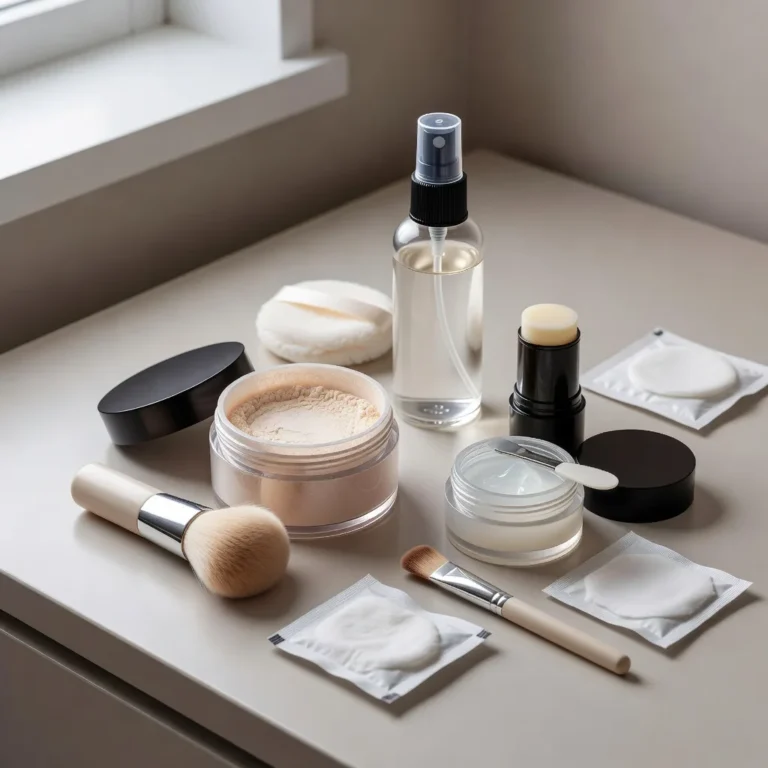
Face products such as foundation and blush that were never used near the eyes can usually be kept. Just use clean brushes or sponges and keep them away from the eye area at first.
How to Apply and Remove Makeup Gently
When you are cleared to wear eye makeup, gentle technique helps protect the eye.
- Wash your hands before touching your face.
- Apply eyeshadow with a clean brush, keeping it on the lid rather than near the lash line.
- Use mascara on the outer part of the lashes, avoiding the roots at first.
- Avoid pulling or stretching the eyelid.
- Remove makeup with a gentle remover on a soft pad, pressing and wiping outward instead of rubbing.
- Keep water and soap out of the eye while cleansing.
Skip waterproof mascara early on. It usually needs more rubbing or oil-based removers to come off, which can irritate a healing eye.
If you have had other procedures recently, waiting times can differ. Our guide on makeup after Botox explains the timeline for injections.
Choosing Gentle Eye Products
Your eyes may feel drier and more sensitive for weeks after surgery, so it is worth choosing simpler products when you restart.
- Mascara: a basic, non-waterproof formula that washes off easily with a gentle remover. Avoid fiber or lengthening formulas that can flake into the eye.
- Eyeliner: a pencil you can sharpen before each use is easier to keep clean than a liquid liner with a wand that goes back into the tube.
- Eyeshadow: pressed matte powders tend to shed less than loose shimmer or glitter.
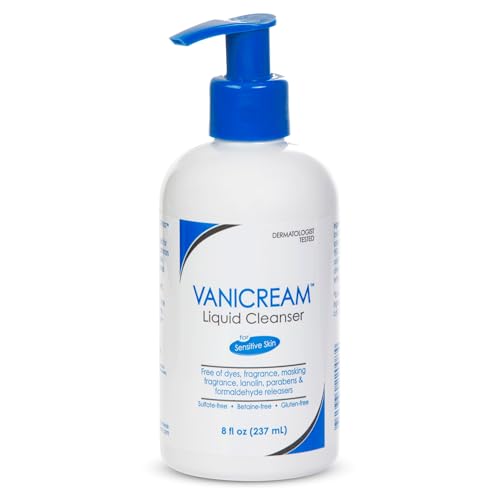
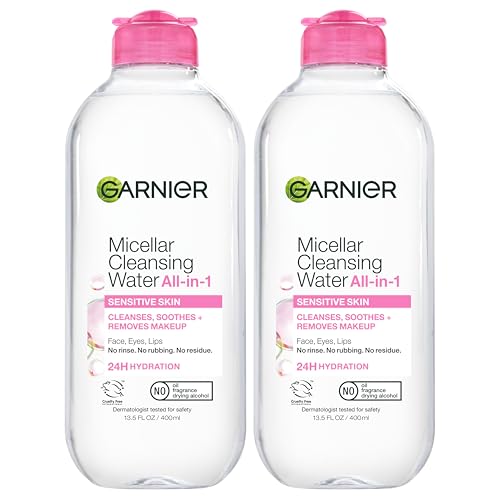
- Remover: a gentle micellar water or cleanser for sensitive skin, used on a soft pad without rubbing.
- Labels: fragrance-free and ophthalmologist-tested products may be better tolerated, although no label can guarantee you will not react.
Keep your makeup routine short at first. Fewer products mean fewer chances for irritation and less time spent touching the area around your eye.
Planning Around Surgery on Your Second Eye
Many people have cataract surgery on both eyes, usually a few weeks apart. Each surgery comes with its own recovery period, so plan your makeup around both.
After the first eye, you may be cleared for eye makeup on that side before the second surgery. It is usually simplest to keep eye makeup to a minimum on both sides until the second eye has healed, so you are not applying products near a freshly operated eye.
Before the second surgery, remove all makeup carefully the night before, and arrive at your appointment with a clean face unless told otherwise. Afterward, follow the same timeline again and replace mascara once more if you used it between surgeries.
Other Recovery Habits That Protect Your Eye
Makeup is only one part of protecting your eye after surgery. Most surgeons also advise:
- Using prescribed eye drops exactly as directed.
- Wearing the eye shield at night for the period recommended.
- Avoiding rubbing or pressing on the eye.
- Keeping soap, shampoo, and tap water out of the eye.
- Avoiding swimming pools, hot tubs, and dusty environments for a period.
- Wearing sunglasses outdoors if light feels bright.
Dry eye is common after cataract surgery. If your eyes feel gritty or dry, ask your surgeon whether lubricating drops are suitable and which kind to use.
If your eyes have also been red from infection in the past, our guide on makeup after pink eye covers similar hygiene steps.
What General Guidance Cannot Tell You
No article can tell you exactly when your eye is ready. Healing varies between people, and your surgeon may have specific reasons to ask you to wait longer, such as a complex surgery, a history of eye infections, or other eye conditions.
| Belief | Reality |
|---|---|
| If I can see well, I am healed | Vision can recover before the incision fully heals |
| Face makeup is always fine | Many surgeons still ask you to wait about a week |
| Old mascara is fine if not expired | It may carry bacteria from before surgery |
| A little eyeliner cannot hurt | Liner near the lash line is close to the healing eye |
| Drops mean infection risk is gone | Drops reduce risk but do not remove the need for hygiene |
When guidance conflicts, always follow your surgeon’s advice. They know the details of your surgery and your eye.
Symptoms That Need Urgent Attention
Contact your surgeon or seek urgent care right away if you notice any of the following after cataract surgery:
- Increasing eye pain that is not relieved by usual pain relief.
- Worsening or sudden loss of vision.
- Increasing redness rather than gradual improvement.
- Discharge, especially yellow or green.
- New flashes of light or a shower of floaters.
- A curtain or shadow moving across your vision.
Do not wait to see if these symptoms settle. Infection and other complications after eye surgery are treated most effectively when caught early.
Medical disclaimer: This article is for general information and is not a substitute for professional medical advice. Always follow your surgeon’s instructions after eye surgery.
Your Questions, Answered
How long after cataract surgery can I wear makeup?
Most surgeons advise waiting at least one week for any makeup, and often longer for eye makeup. Follow your surgeon’s advice.
When can I wear mascara after cataract surgery?
Often after about two to four weeks, once your surgeon says it is safe. Use a new tube.
Can I wear foundation after cataract surgery?
Many people can after about a week, keeping it away from the eye area. Check with your surgeon.
Why can’t I wear makeup right after cataract surgery?
Makeup and applicators can introduce bacteria and particles to the healing eye, raising the risk of irritation and infection.
Do I need to throw away my makeup after cataract surgery?
Replace mascara and liquid liner. Face products can usually be kept if used with clean tools.
Can I wear eyeliner on my waterline after cataract surgery?
It is best to avoid the waterline while healing, as product can easily enter the eye.
Is waterproof mascara okay after cataract surgery?
It is usually better to avoid it at first, since removing it takes more rubbing.
Can I wear false eyelashes after cataract surgery?
Wait until your surgeon approves, as glue and removal can irritate the eye.
What if my eye gets red after wearing makeup?
Remove the makeup gently and contact your surgeon, especially if redness increases or you have pain or discharge.
Does the second eye have the same makeup rules?
Yes. Follow the same timeline after each surgery.
The Takeaway
After cataract surgery, most surgeons advise avoiding all makeup for at least a week and waiting longer, sometimes up to a month, for eye makeup. The goal is to protect the healing incision from bacteria and irritation, and your surgeon’s specific instructions always come first.
When you are cleared, start with new mascara and liner, clean tools, and a light hand away from the lash line. Keep up good eye hygiene, and contact your surgeon promptly about pain, vision changes, increasing redness, or discharge.

Written by
Registered pharmacist and founder of Facial Adviser. Rakib's pharmacy training covers how skincare actives work and interact; a later course in cosmetology turned that into a focus on facial treatments and skincare products. He plans, researches and edits every guide on the site and checks health claims against sources such as the American Academy of Dermatology, the FDA and the NIH. He is not a dermatologist; see the Editorial Policy and Medical Disclaimer.
About · Editorial policy · How we choose products · Medical disclaimer · Contact
Keep reading: Makeup basics and skin
- How to Properly Put On Face Makeup: The Right Order, Step by Step
- How Do You Know If Makeup Is Non-Comedogenic?
- How Do You Know If Makeup Is Fake? 8 Signs of Counterfeit Cosmetics
- Where Do Makeup Ingredients Come From? Minerals, Plants, Animals, and Labs
- How to Wear the Least Amount of Makeup and Still Look Put Together
- Makeup Tips for Women Over 60: A Fresher, Lighter Approach
- What Can You Use to Make Your Makeup Stay On All Day? 9 Products and Tricks
- How to Get Started as a Freelance Makeup Artist: Training, Kit and Clients