Are You Supposed to Tip Makeup Artists? Salon, Freelance and Bridal Etiquette
Tipping etiquette can feel confusing, especially for services you only book once in a while. Hairdressers are commonly tipped in many countries, but makeup artists work in so many different settings, from salons and department store counters to freelance bridal work, that it is not always clear what is expected.
Part of our guide to makeup how-to. Start with: How to Get Started as a Freelance Makeup Artist: Training, Kit and Clients
In many places, including the United States, it is customary to tip makeup artists in a similar way to hairstylists and other personal-care providers, usually as a percentage of the service in line with local norms. Tipping is generally expected for salon and freelance artists who are not the business owner, and appreciated but less expected for owners who set their own fees. Some artists include a service charge or gratuity in their quote, in which case an extra tip is optional. Customs vary a lot between countries, so check local norms, read your contract, and remember that a glowing review or referral is also a valued thank you.
In short: tipping is common and appreciated in many places, but it depends on where you live, who does your makeup and what your contract says.
Whatever you decide, good service starts with good hygiene and safety. The US Food and Drug Administration notes that some cosmetic ingredients can cause allergic reactions, so an artist who asks about allergies and works cleanly is giving you a service worth recognising.
This guide explains tipping etiquette for salon, freelance and owner artists, how bridal parties usually handle it, and thoughtful alternatives if a cash tip is not expected or not possible.
Planning your wedding?
Set up a free Amazon Wedding Registry so guests can find your beauty, home and honeymoon wish list in one place.
Create a Wedding RegistryAffiliate link: we may earn a commission at no extra cost to you.
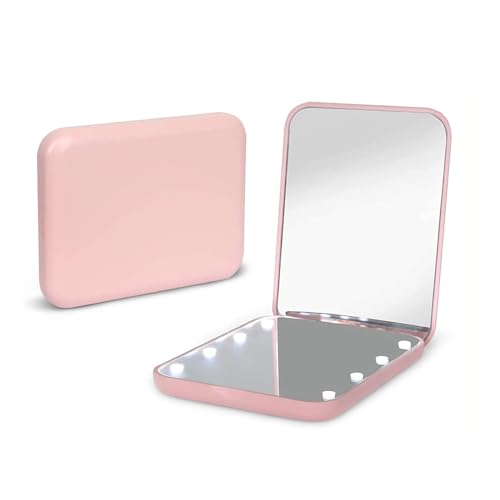
Recommended Bridal Touch-Up Kit Essentials


What to Know First
- Tipping customs differ widely between countries and regions, so check local norms.
- In many places artists are tipped like hairstylists, as a percentage of the service.
- Salon employees and freelancers often rely on tips more than business owners.
- Check your contract for an included gratuity or service charge before tipping.
- For weddings, the couple or host usually handles the tip for the whole party.
- Reviews, referrals and photo credits are valuable thank-yous too.
- Tip for good service, not out of pressure or obligation.
Jump to a Section
- Tipping Makeup Artists: The Basic Etiquette
- Salon vs Freelance vs Owner: Who Is Usually Tipped?
- How Much Is Appropriate Without Overthinking It
- Tipping Etiquette for Bridal Parties
- Check Your Contract First
- How to Decide Whether and How to Tip Your Makeup Artist
- Alternatives and Additions to a Cash Tip
- Help Your Makeup Last: A Simple Touch-Up Kit
- Dos and Don’ts
- Honest Limits
- When to Get Professional Advice
- Your Questions, Answered
- The Takeaway
Tipping Makeup Artists: The Basic Etiquette
Makeup artistry is a personal service, much like hairdressing, nail care or massage. In countries where those services are commonly tipped, makeup artists usually are too. In other countries, tipping personal-care providers is less common or already built into the price, and nobody expects extra.
- Check whether tipping personal-care services is usual where you live.
- Look at your booking confirmation or contract for any gratuity or service charge.
- Consider who did your makeup: an employee, a freelancer or the business owner.
- Think about the level of service, including travel, early starts and extra time.
- Decide in advance, so you are not caught off guard at the end of the appointment.
This guide describes general etiquette only. Tipping customs vary by country, region and even city, and they change over time. When in doubt, ask the salon reception or check what is usual for hairdressers in your area and use that as a guide.
Makeup artists also work in a wide range of settings, which is part of the confusion. The same person might do a quick lesson at a counter one day and a full bridal party at dawn the next, and the expectations around tipping can differ for each type of booking.
Salon vs Freelance vs Owner: Who Is Usually Tipped?
Who does your makeup changes the expectation. Employees and independent artists often depend on tips more than owners who set their own rates.
| Type of artist | Is a tip usually expected? | Why |
|---|---|---|
| Salon or spa employee | Often, where tipping is customary | They usually receive a share of the fee, not the full amount |
| Freelance artist | Often, unless gratuity is included | They cover their own kit, travel and business costs |
| Business owner | Appreciated but less expected | They set their own fees and keep the profit |
| Assistant artist | Often appreciated separately | They may be paid a set rate by the lead artist |
| Department store counter artist | Often not expected; sometimes not permitted | Some stores have policies against accepting tips |
| Makeup lesson or consultation | Varies | Often treated like a class rather than a service |
Traditionally, owners were not tipped because they keep the full fee. Today many people tip owners anyway, especially for weddings and special events, but it is a gesture of thanks rather than an obligation.
If you are not sure who you are dealing with, it is fine to ask. A simple question at booking, such as whether tips are customary or already included, is common and rarely causes offence. Most artists would rather you ask than feel awkward on the day.
How Much Is Appropriate Without Overthinking It
This guide does not give fixed amounts, because what is usual depends heavily on where you live and changes over time. A simple approach is to follow the same custom you would use for a hairstylist in your area.
- Where tipping is customary, a percentage similar to what you would give a hairstylist is a common guide.
- Consider tipping a little more for exceptional service, early starts, long days or last-minute changes.
- If a service charge is already included, an extra tip is optional.
- If you were unhappy with the service, speak to the artist or salon first rather than simply withholding a tip without explanation.
- Tip the assistant separately if someone else worked on you.
Paying by card is usually fine if the artist accepts it, but many freelancers prefer cash or a bank transfer for tips. If you plan to tip digitally, check in advance which option works best so the artist actually receives the full amount.
Put the tip in a labelled envelope before the appointment, especially on a wedding morning. It saves you from searching for cash or a card reader in the final rush and makes sure nobody is forgotten.
Tipping Etiquette for Bridal Parties
Weddings are where tipping questions come up most. The makeup artist may work on the bride, bridesmaids, parents and guests, often starting very early and working under time pressure.
| Situation | Common approach |
|---|---|
| Couple books the artist for the whole party | The couple or host usually includes the tip in the final payment |
| Each bridesmaid pays for her own makeup | Each person often tips for her own service |
| Contract includes a service charge | An extra tip is optional |
| Artist stays for touch-ups | A larger thank-you is often appreciated |
| Artist brings an assistant | Tip the assistant separately or ask the lead artist to share it |
| Destination or early morning wedding | Recognise the extra effort where appropriate |
Agree beforehand who in the wedding party will handle tips so the artist is not left wondering. Many couples hand the envelopes to a trusted friend or planner to distribute at the end of the morning. Keeping everyone’s makeup fresh through the day also shows respect for the artist’s work; our guide on keeping makeup intact for photos has practical tips.
Check Your Contract First
Before thinking about a tip, read your booking terms. Many freelance and bridal artists now include a gratuity or service charge in their quote, while others state that tips are welcome but not required.
- Look for words such as gratuity, service charge or tip in the contract.
- Check whether travel, early start or waiting time fees are listed separately.
- If it is unclear, ask politely before the day.
- Remember that a service charge may not go to the artist in a salon; ask if you want to be sure.
- Keep receipts and confirmations for your records.
Never let tipping replace clear agreements on hygiene and allergies. Tell your artist about any allergies or sensitive skin before your appointment. The FDA’s page on allergens in cosmetics explains that fragrances and some other ingredients can trigger reactions, and a professional should always use clean tools and disposable applicators.
How to Decide Whether and How to Tip Your Makeup Artist
Use these steps to make a quick, fair decision that fits local custom and your budget.
Check local custom
Find out whether personal-care services are usually tipped where you are.
Read your contract
Look for an included gratuity or service charge.
Identify the artist’s role
Employees and freelancers usually rely on tips more than owners.
Consider the service
Think about travel, early starts, extra people and touch-ups.
Plan ahead
Prepare cash or check card options, and label envelopes for weddings.
Add a personal thank-you
Pair your tip, or replace it, with a review, referral or note.
Alternatives and Additions to a Cash Tip
For freelancers especially, word of mouth is what fills their diary. A thoughtful non-cash thank-you can be just as meaningful, and sometimes more useful long term.
- Write a detailed online review mentioning the artist by name.
- Recommend the artist to friends, family and other brides.
- Share photos with permission and tag or credit the artist.
- Give permission for the artist to use your photos in their portfolio.
- Send a handwritten thank-you note.
- Book them again for future events.
These gestures do not have to replace a tip where tipping is customary, but they are an excellent addition, and a genuine alternative where tipping is not usual or when an owner has priced the service to include everything. For a small business, a single detailed review that mentions the style, punctuality and hygiene can bring in several new bookings, which is often worth more to the artist over time than a one-off tip.
Help Your Makeup Last: A Simple Touch-Up Kit
Another way to respect your artist’s work is to keep it looking fresh. A small touch-up kit covers most problems on a long day.
- Blotting papers to lift shine without extra powder.
- A travel-size setting spray to refresh the look.
- Your lipstick and matching lip liner.
- A pressed powder compact with a mirror.
- Cotton buds for smudges under the eyes.
- A small makeup bag to keep everything together.
Our guide on making your makeup stay on all day explains how to use these items without building up heavy layers.
Dos and Don’ts
Good Habits
- Check local tipping customs
- Read your contract for included gratuity
- Decide who tips for the bridal party in advance
- Tip assistants separately where appropriate
- Leave a review or referral
Common Mistakes
- Assume every country tips the same way
- Tip twice by missing an included service charge
- Leave the artist chasing payment
- Feel pressured to tip for poor service without speaking up
- Forget to thank the artist in person
Honest Limits
There is no universal rule on tipping makeup artists. Customs vary between countries, regions and types of business, and they continue to change. What is expected in one city may seem unusual in another, so treat any general guide, including this one, as a starting point rather than a rule.
A tip is also not a substitute for fair pricing or clear agreements. If you are unhappy with the service, raise it politely and directly with the artist or salon, and focus on resolving the issue rather than using the tip to send a message. Most artists welcome honest feedback, and a calm conversation gives them the chance to fix the problem, which is fairer to both of you.
When to Get Professional Advice
- You are unsure what your contract says about fees, service charges or cancellations.
- You have a dispute with an artist or salon that you cannot resolve directly.
- You react to a product used during your appointment.
- You have sensitive skin and want advice before a big event.
This article is for general information and does not replace legal, financial or medical advice. Check local customs and your contract, and see a doctor or dermatologist if you have a skin reaction to cosmetics.
Your Questions, Answered
Are you supposed to tip makeup artists?
In many places yes, similar to hairstylists, but customs vary.
Do you tip a makeup artist who owns the business?
It is appreciated but less expected.
Do you tip a freelance makeup artist?
Often yes, unless gratuity is included in the quote.
Do you tip at a makeup counter?
Usually not, and some stores do not allow it.
Who tips the makeup artist at a wedding?
Usually the couple or host, unless each person pays separately.
Should I tip if gratuity is included?
An extra tip is optional.
Should I tip the assistant too?
Yes, where tipping is customary, or ask the lead artist to share.
Is it rude not to tip a makeup artist?
It can be where tipping is customary; less so where it is not.
What can I give instead of a tip?
A review, referral, photo credit or thank-you note.
When should I give the tip?
At the end of the service or with the final payment.
The Takeaway
You are often, but not always, supposed to tip makeup artists. It depends on local custom, whether the artist is an employee, freelancer or owner, and whether a gratuity is already in your contract.
Check your terms, plan ahead for bridal parties, and remember that a detailed review, referral or photo credit is a valued thank-you, whether or not you add a tip.

Written by
Registered pharmacist and founder of Facial Adviser. Rakib's pharmacy training covers how skincare actives work and interact; a later course in cosmetology turned that into a focus on facial treatments and skincare products. He plans, researches and edits every guide on the site and checks health claims against sources such as the American Academy of Dermatology, the FDA and the NIH. He is not a dermatologist; see the Editorial Policy and Medical Disclaimer.
About · Editorial policy · How we choose products · Medical disclaimer · Contact
Keep reading: Makeup artists and careers
- Why Do Makeup Artists Charge More for Brides? What the Bridal Rate Covers
- Advantages of Being a Makeup Artist: Honest Pros, Cons and Career Reality
- What is the Meaning of Makeup in a Dream?
- How to Get Started as a Freelance Makeup Artist: Training, Kit and Clients
- How to Choose the Right Makeup Artist for Your Wedding: Trials and Contracts
- Best Way to Use Makeup Remover: Micellar Water, Balms, Oils and Eye Removers
- How to Properly Put On Face Makeup: The Right Order, Step by Step