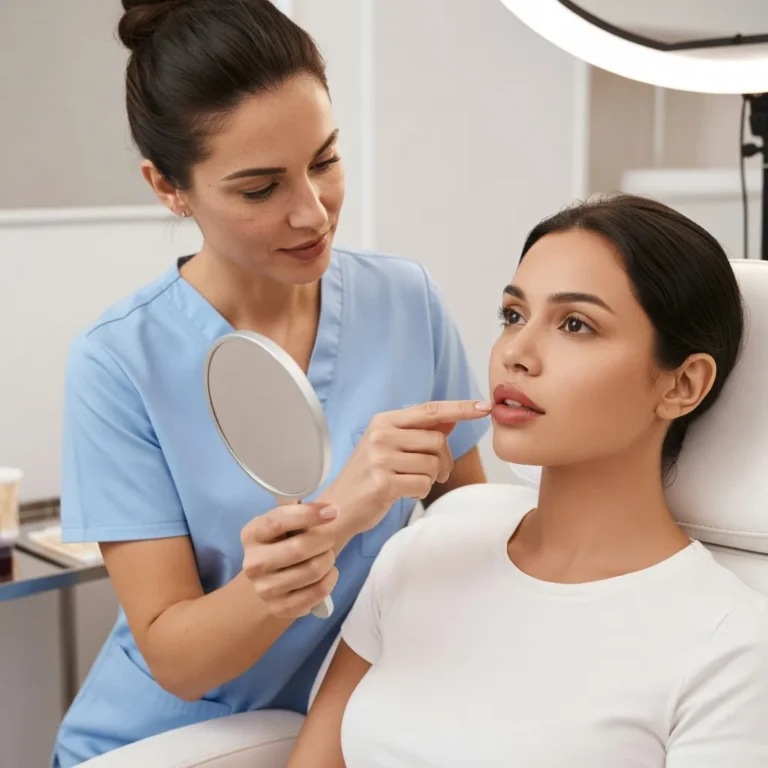
How to Apply Lipstick on Thin Lips: Overlining, Shades, Gloss and Highlight
Thin lips are simply one of many natural lip shapes, and plenty of people love them as they are. If you would like them to look a little fuller, though, the way you apply lipstick matters far more than the product you buy.
Part of our guide to makeup how-to. Start with: How to Choose Lipstick Shade: Undertone, Skin Tone and Testing Tips
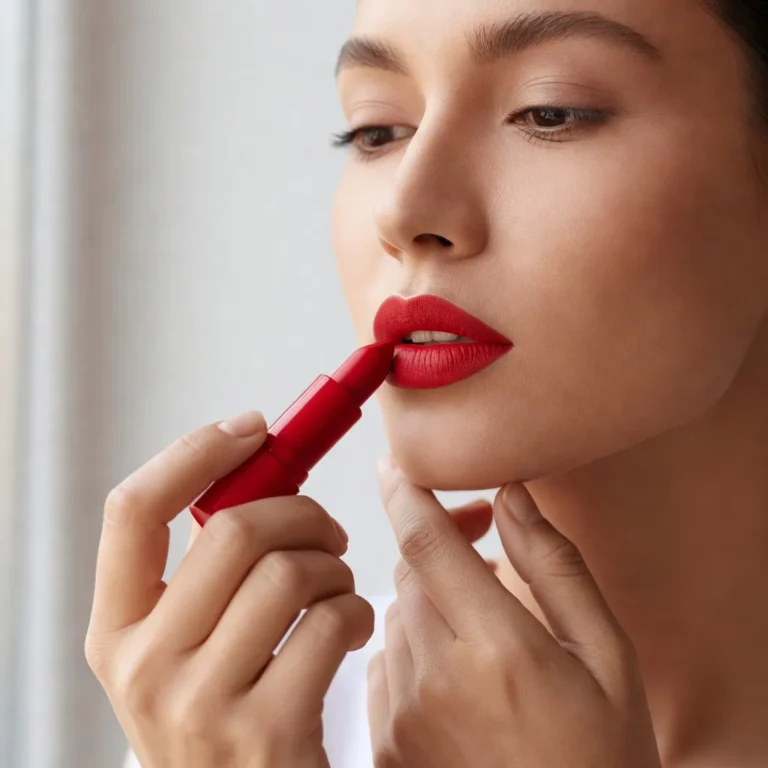
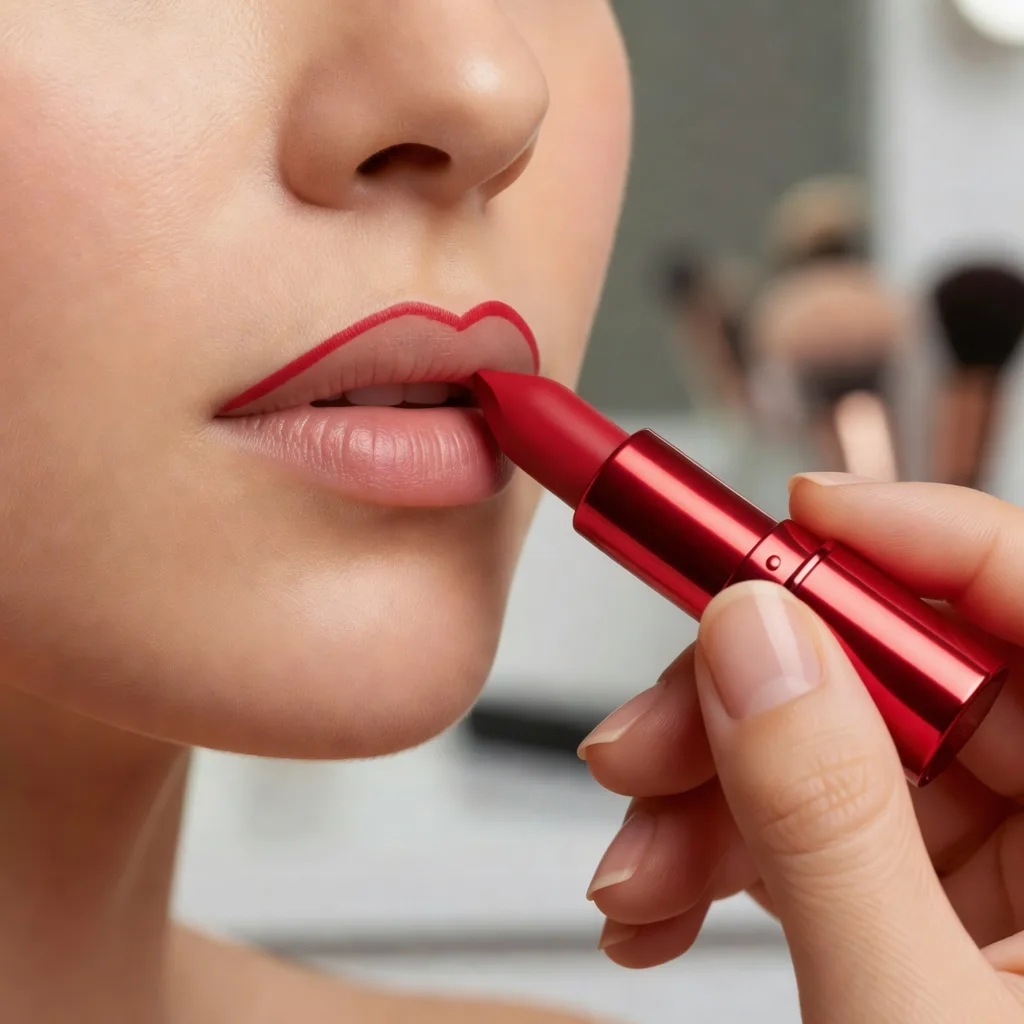
To apply lipstick on thin lips, start by lining just on or very slightly outside your natural lip line, mainly at the centre of the upper and lower lips, using a liner that matches your lip colour. Fill in with liner, then apply a light or mid-tone lipstick in a satin or creamy finish, because lighter shades reflect light and make lips look bigger while very dark matte shades make them look smaller. Add a dab of gloss to the centre of the lower lip for a plump, rounded effect, and touch a little highlighter on the cupid’s bow to lift the upper lip. Keep overlining subtle so it looks natural.
In short: line subtly outside the centre, choose lighter shades, add gloss in the middle and highlight the cupid’s bow.
Plumping glosses often tingle because they contain ingredients that mildly irritate the skin. The US Food and Drug Administration notes on its page about allergens in cosmetics that products harmless to most people can still cause reactions in some, so patch testing matters.
This guide covers overlining, choosing shades, gloss, highlighting and the mistakes that make thin lips look smaller.
Shopping these picks?
Amazon Prime members get fast, free shipping on eligible items, plus Prime Video, Amazon Music and member deals. New members can start with a free trial.
Start a free Prime trialAged 18 to 24? Prime for Young Adults comes with a longer free trial and a lower price after it.
Affiliate link: we may earn a commission at no extra cost to you.
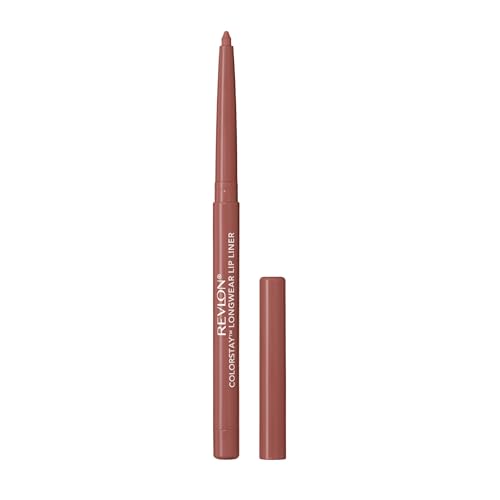
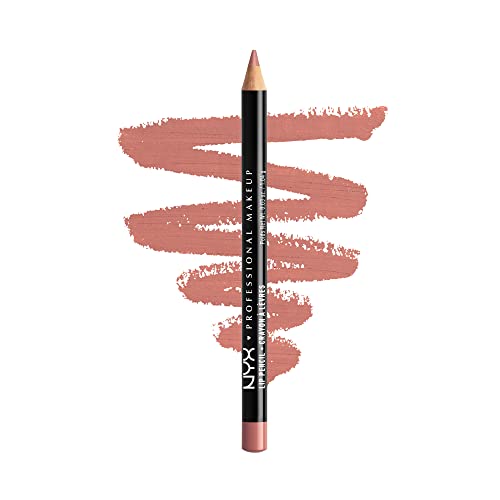
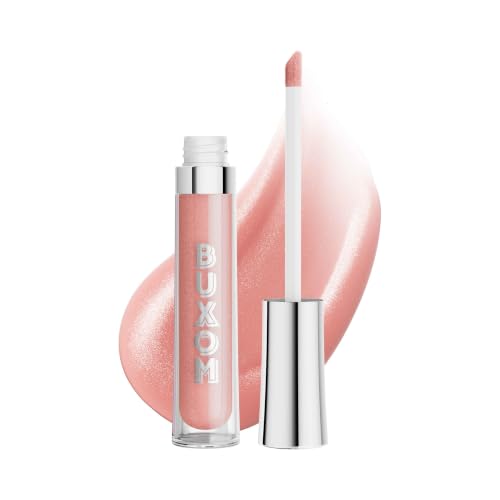
Recommended Lip Liners, Nude Lipsticks and Glosses



Contents
- Why Some Lipstick Makes Thin Lips Look Thinner
- Overlining: How Much Is Too Much
- How to Apply Lipstick on Thin Lips Step by Step
- Choosing Shades That Make Lips Look Fuller
- Using Gloss and Plumping Gloss
- Highlighter on the Cupid’s Bow
- Which Finish Works Best for Thin Lips
- Thin Upper Lip vs Thin Lower Lip
- Dos and Don’ts
- Honest Limits
- When to See a Dermatologist
- Frequently Asked Questions
- The Bottom Line
At a Glance
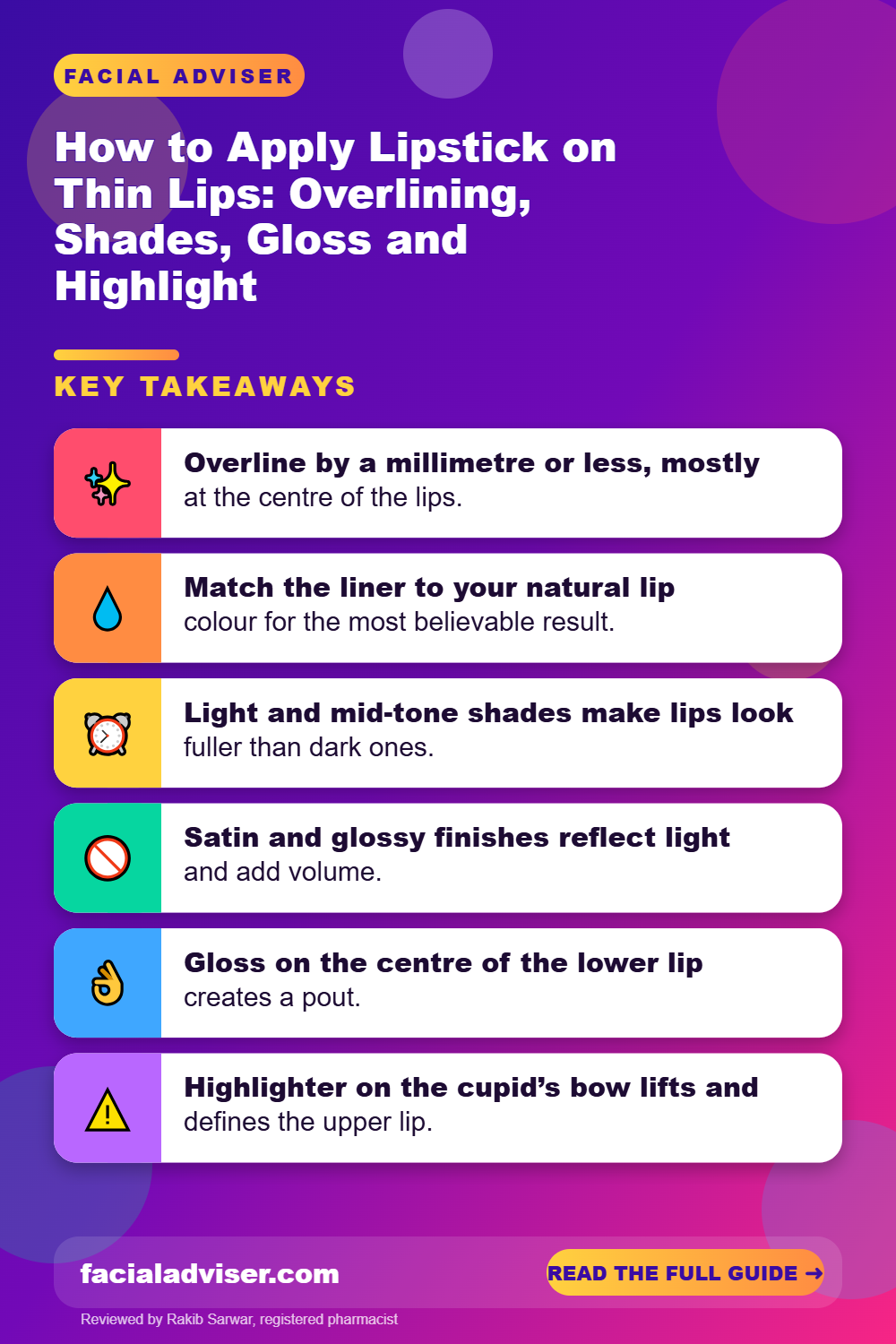
- Overline by a millimetre or less, mostly at the centre of the lips.
- Match the liner to your natural lip colour for the most believable result.
- Light and mid-tone shades make lips look fuller than dark ones.
- Satin and glossy finishes reflect light and add volume.
- Gloss on the centre of the lower lip creates a pout.
- Highlighter on the cupid’s bow lifts and defines the upper lip.
- Plumping glosses give a temporary effect and can irritate.
Why Some Lipstick Makes Thin Lips Look Thinner
Before changing technique, it helps to know what makes lips look smaller. Most of the effect comes from light and contrast rather than from the size of the lips themselves.
- Very dark shades absorb light and make any shape look smaller and flatter.
- Flat matte finishes remove the shine that gives lips a rounded look.
- Harsh, dark liner around the edge draws attention to the outline.
- Lipstick applied only inside the lip line shrinks the shape further.
- Dry, flaky lips break up the colour and reduce the smooth, full look.
Skin tone plays a part as well. A shade that nearly matches your skin can make the lips visually disappear, while one with a little more colour than your natural lips keeps them defined and full.
The good news is that each of these is easy to reverse. Lighter colour, a little shine and a soft outline in the right places can make a noticeable difference without looking obviously drawn on.
Overlining: How Much Is Too Much
Overlining means drawing the liner slightly outside your natural lip line. Done well, it adds a little fullness that nobody notices; done too far, it looks like a ring of colour sitting on the skin.
| Technique | How far outside the line | Result |
|---|---|---|
| Lining on the line | None | Defines shape, no extra fullness |
| Subtle overlining | Up to about 1 mm, at the centre only | Natural looking extra fullness |
| Moderate overlining | About 1 to 2 mm at the centre | Noticeably fuller in photos, can show up close |
| Heavy overlining | More than 2 mm or around the whole lip | Usually looks drawn on |
The key is to overline mostly at the centre of the upper and lower lips and to blend back into your natural line towards the corners. Overlining the corners tends to make the mouth look droopy. Use a liner that matches your natural lip colour or is one shade deeper, never a very dark one, and soften the outer edge with a lip brush so there is no hard line.
How to Apply Lipstick on Thin Lips Step by Step
This routine combines subtle overlining with light-reflecting colour for a fuller but natural look.
Prep your lips
Smooth away flakes and apply a thin balm, then blot off the excess.
Conceal the edges lightly
Pat a little concealer around the lip line to create a clean canvas.
Outline the cupid’s bow
Draw the peaks just on or very slightly above your natural line.
Line the centre of the lower lip
Draw slightly below your natural line at the centre, then taper back to the corners.
Connect and fill in
Join the lines to the corners and fill the whole lip lightly with liner.
Apply a light or mid-tone lipstick
Use a brush or the bullet, pressing colour up to the new line.
Add gloss and highlight
Dab gloss on the centre of the lower lip and a touch of highlighter on the cupid’s bow.
Use a lipstick one shade lighter in the centre of both lips and your main shade at the outer edges, then blend with a fingertip. This simple two-tone trick creates a rounded, three-dimensional look.
Choosing Shades That Make Lips Look Fuller
Light reflects off pale and bright colours and is absorbed by dark ones. That is why the same lips can look fuller in a soft pink than in a deep plum.
| Shade type | Effect on thin lips | Tips |
|---|---|---|
| Nude one or two shades deeper than your lips | Adds fullness naturally | Avoid nudes paler than your skin |
| Soft pink, peach, rose | Fuller and fresh | Great for daytime |
| Bright coral or warm pink | Fuller and eye-catching | Satin or creamy finish works best |
| True red | Can work well | Needs precise liner and a clean edge |
| Deep plum, brown, black | Makes lips look smaller | Use sheer versions or pair with gloss |
You do not have to avoid dark shades altogether. A sheer or glossy version of a deep colour looks fuller than a flat matte one, and a touch of gloss in the centre helps a lot. Our guide on how to choose a lipstick shade explains how to test colours against your skin tone and undertone.
Using Gloss and Plumping Gloss
Gloss is one of the easiest ways to make thin lips look fuller, because shine catches the light and makes the surface look rounder. You can wear it alone or on top of lipstick.
- Apply gloss only to the centre of the lower lip for a subtle pout.
- Use clear gloss over lipstick so the colour stays where you placed it.
- Choose a shimmer or pearl gloss for extra light reflection.
- Plumping glosses create a brief swollen, tingling effect that makes lips look slightly fuller.
- Keep gloss away from the edges, where it can slide and blur your line.
Plumping glosses work by mildly irritating the lips, often with ingredients such as capsicum, menthol or cinnamon oils. Stop using one that burns, blisters or causes lasting redness, and avoid them on cracked, sore or recently treated lips.
For everyday wear, a tinted gloss one shade lighter than your lipstick is often the most flattering choice. It softens the edges of the colour, adds shine where it counts and is easy to reapply without a mirror.
The plumping effect from glosses is temporary and usually lasts only a short time. It is a cosmetic trick, not a treatment, and it does not permanently increase lip size.
Highlighter on the Cupid’s Bow
A small touch of highlighter just above the cupid’s bow catches the light and makes the upper lip look lifted and more defined. It is one of the quickest tricks for a thin upper lip.
- Use a soft, light-reflecting highlighter rather than a chunky glitter.
- Apply a tiny amount with a fingertip or small brush right on the V of the cupid’s bow.
- Blend the edges so there is no visible line.
- A dot of highlighter on the centre of the lower lip, just below the lip line, adds depth too.
- Skip it if you have visible texture or pores in that area, as shimmer can emphasise them.
Highlighters work because of light-reflecting particles such as mica. Our article on how mica creates shimmer explains why fine particles look natural while larger ones look glittery.
Which Finish Works Best for Thin Lips
Finish affects fullness nearly as much as colour. Shinier finishes generally make lips look bigger, while flat finishes make them look smaller but last longer.
- Satin: a soft sheen that adds some fullness and stays comfortable.
- Cream: a noticeable shine that flatters thin lips well.
- Gloss: the most volume, but the least staying power.
- Matte: long-lasting but can make lips look flatter; add gloss in the centre if you love it.
- Sheer or tinted balm: natural, low-effort and softening.
If you prefer matte for its staying power, choose a soft or velvet matte in a light or mid-tone shade rather than a flat, very dark one. Pressing a little clear balm or gloss onto just the centre of the lower lip keeps most of the long wear while adding back the roundness a flat finish takes away.
Our guide on the difference between matte and satin finishes explains how each looks and wears.
Thin Upper Lip vs Thin Lower Lip
Many people have one lip thinner than the other. Adjusting where you overline helps balance the shape without changing the whole mouth.
- Thin upper lip: overline the cupid’s bow slightly and highlight above it.
- Thin lower lip: overline the centre of the lower lip and add gloss there.
- Both thin: overline both centres subtly and use a lighter shade.
- Uneven sides: line the smaller side slightly outside to match the fuller one.
Your face shape matters too. A soft, rounded outline suits most people with thin lips better than a sharply angled one, which can look severe. If your cupid’s bow is barely visible, draw a gentle curve rather than two sharp peaks.
Always check the result from a normal distance, not just up close in a magnifying mirror. Small corrections that look obvious at a few centimetres often look perfectly natural at conversation distance.
Dos and Don’ts
Good Habits
- Overline subtly at the centre
- Match liner to your natural lip colour
- Choose light or mid-tone shades
- Add gloss to the centre of the lower lip
- Blend the liner edge softly
Common Mistakes
- Overline all the way to the corners
- Use very dark liner with a pale lipstick
- Rely only on flat matte dark shades
- Use harsh glitter on the cupid’s bow
- Use plumping gloss on sore lips
Honest Limits
Makeup can make thin lips look fuller, but it cannot change their size. Overlining has a natural limit; beyond a millimetre or two, most people can tell. Plumping glosses give a temporary, mild swelling at best, and no lipstick, balm or serum permanently enlarges lips.
Lip fillers and other procedures do change lip shape, but they are medical treatments with their own risks and should only be done by a qualified, licensed practitioner. Thin lips are normal and do not need to be fixed.
When to See a Dermatologist
- Your lips swell, blister or burn after using a plumping product.
- Your lips are cracked, peeling or sore for more than two weeks.
- You notice a lump, sore or patch on your lip that does not heal.
- You are considering lip fillers and want advice on safety.
This article is for general information and does not replace professional medical advice. Patch test new lip products, especially plumpers, if you have sensitive skin or allergies, and see a board-certified dermatologist for persistent lip reactions.
Frequently Asked Questions
How do I make thin lips look fuller with lipstick?
Overline subtly, use lighter shades and add gloss to the centre.
Is overlining obvious?
Not if you stay within about a millimetre and blend the edge.
What lipstick colour is best for thin lips?
Nudes slightly deeper than your lips, soft pinks and warm corals.
Does dark lipstick make lips look smaller?
Yes, especially in a flat matte finish.
Is matte lipstick bad for thin lips?
It can look flatter; add gloss in the centre.
Where should I put highlighter for fuller lips?
On the cupid’s bow and just below the centre of the lower lip.
Do plumping glosses work?
They give a brief, mild plumping effect only.
Why does lip plumper tingle?
It contains ingredients that mildly irritate the lips.
Should lip liner be darker than lipstick?
Match it or go one shade deeper, not much darker.
Can I wear red lipstick with thin lips?
Yes, with precise liner and a satin finish.
The Bottom Line
Thin lips look fuller with subtle overlining at the centre, lighter or mid-tone shades, a touch of gloss in the middle of the lower lip and a little highlighter on the cupid’s bow.
Keep liner close to your natural colour, blend the edges and treat plumping glosses as a short-lived trick rather than a lasting change.

Written by
Registered pharmacist and founder of Facial Adviser. Rakib's pharmacy training covers how skincare actives work and interact; a later course in cosmetology turned that into a focus on facial treatments and skincare products. He plans, researches and edits every guide on the site and checks health claims against sources such as the American Academy of Dermatology, the FDA and the NIH. He is not a dermatologist; see the Editorial Policy and Medical Disclaimer.
About · Editorial policy · How we choose products · Medical disclaimer · Contact
Keep reading: Lipstick
- How to Wear Black Lipstick: Styling, Makeup Pairing, Application and Removal
- How to Apply Red Lipstick: Prep, Liner, Brush and Clean Edges
- How to Fix Broken Lipstick: Re-Set It, Melt It or Make a Lip Palette
- When Can You Wear Lipstick After Lip Blushing? Healing Timeline and Aftercare
- How to Choose Lipstick Shade: Undertone, Skin Tone and Testing Tips
- How to Get Started as a Freelance Makeup Artist: Training, Kit and Clients
- Best Way to Use Makeup Remover: Micellar Water, Balms, Oils and Eye Removers