How Often Do Makeup Brushes Need to Be Replaced?
How often do makeup brushes need to be replaced, as opposed to simply washed more thoroughly the next time they start feeling stiff?
Part of our guide to makeup tools. Start with: 10 Best Makeup Brush Sets (2026): Soft, Well-Made Kits for Every Look
Face brushes typically need replacing roughly every 1 to 3 years and eye brushes every 2 to 4 years, though the real signal is concrete wear — persistent shedding, permanently splayed bristles, or a loose ferrule — not a fixed calendar date. Ordinary stiffness from product buildup is usually fixable with a proper deep clean and doesn’t by itself mean a brush is done.
Natural and synthetic bristles fail in different ways, too: synthetic bristles tend to stiffen with repeated washing, while natural hair softens but sheds and frays more readily under heavy use.
This guide covers concrete signs a brush should actually be retired, how incorrect washing technique quietly shortens brush life, and how to extend it.
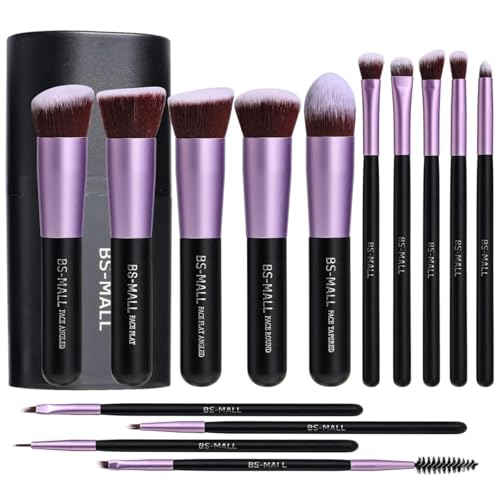
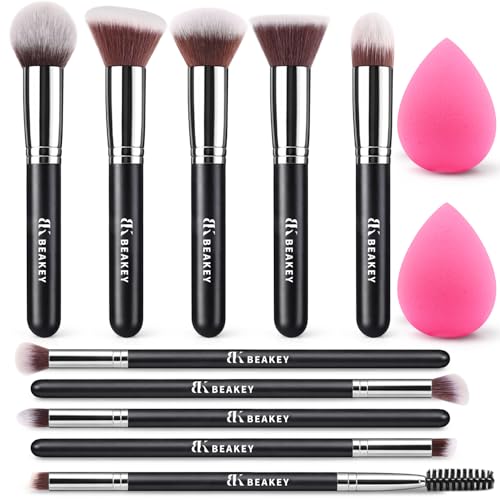
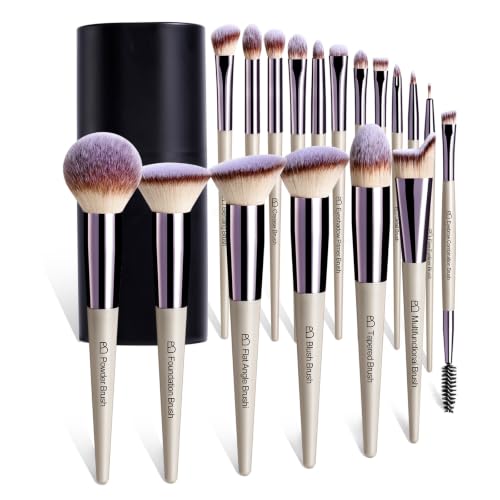
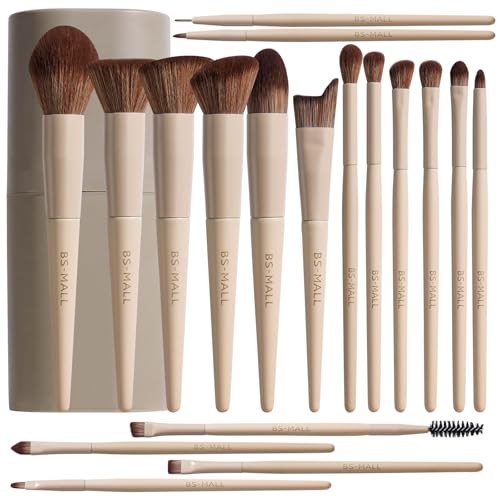
Recommended Long-Lasting Synthetic Brush Sets


The Essentials
- Face brushes generally last 1-3 years and eye brushes 2-4 years with proper care — replacement, not just washing, eventually becomes necessary.
- Synthetic bristles tend to stiffen with age; natural-hair bristles tend to soften but shed and fray more over time.
- Washing a brush incorrectly — standing it bristles-up while wet — can break down the ferrule glue and cause the very shedding that forces early replacement.
- Persistent shedding, permanent bristle fraying, and a wobbly ferrule are signs a brush needs replacing, not just cleaning.
- There’s no rigorous clinical study pinning down exact replacement intervals — the guidance here comes from consistent cosmetic-industry and trade-publication consensus.
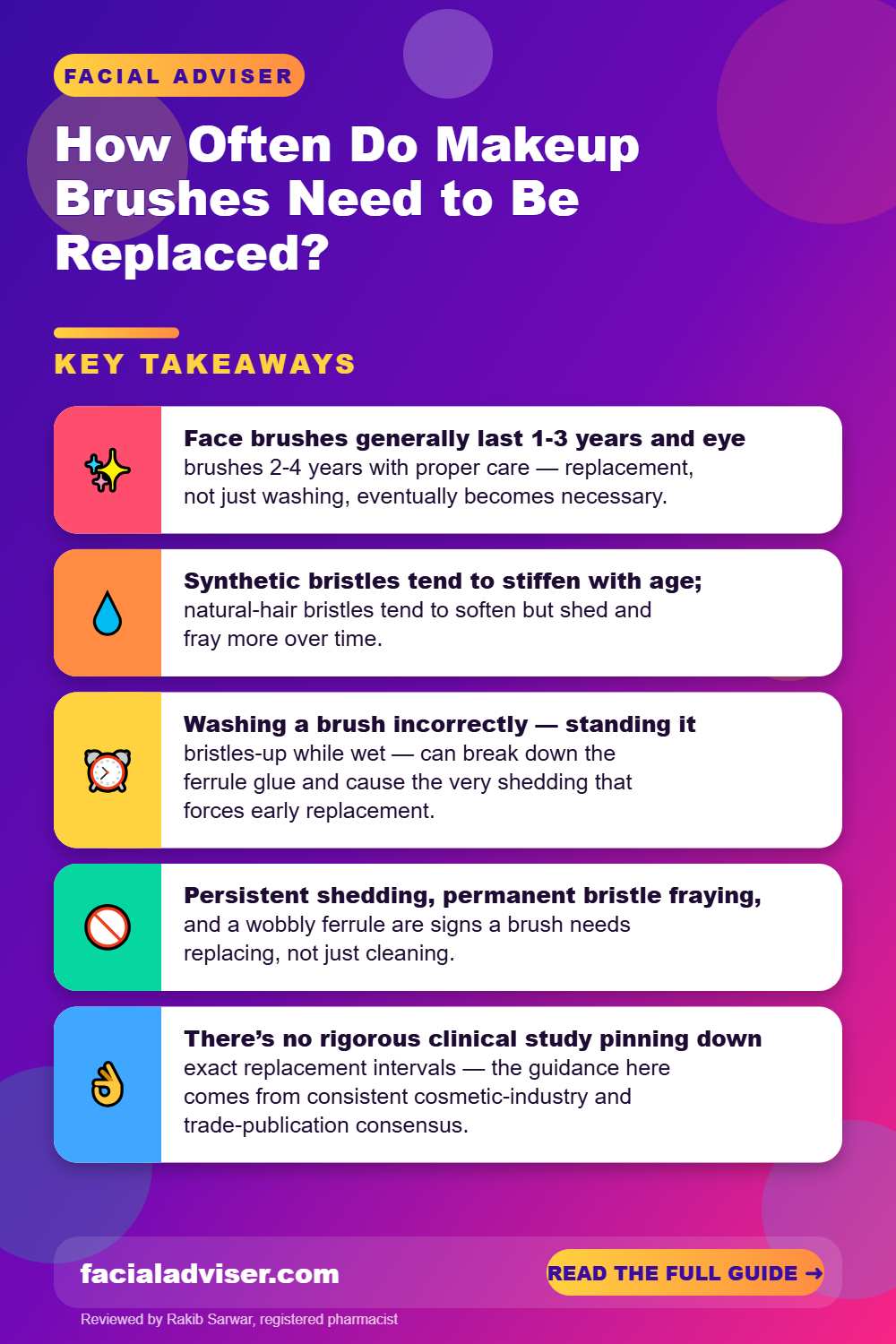
Table of Contents
- Replacing vs. Washing: Two Different Questions
- How Long a Brush Actually Lasts
- Synthetic vs. Natural Bristles: Different Failure Modes
- How Washing Itself Can Wear Out a Brush
- Concrete Signs It’s Time to Retire a Brush
- Lifespan by Brush Type
- When Buildup Is Fixable vs. When It Isn’t
- Natural vs. Synthetic Bristles: Lifespan and Care Differences
- Do This, Not That
- How to Extend a Brush’s Working Life
- Where This Guidance Comes From
- Frequently Asked Questions
Replacing vs. Washing: Two Different Questions
Washing a makeup brush regularly removes product buildup, oil, and surface bacteria — but it doesn’t reset a brush’s structural lifespan. A clean brush and a brush that still needs replacing are not mutually exclusive. This distinction matters because most advice online focuses on how often to wash your brushes, leaving the separate question of when a brush is simply worn out, regardless of how well you’ve cleaned it, mostly unanswered.
Shopping these picks?
Amazon Prime members get fast, free shipping on eligible items, plus Prime Video, Amazon Music and member deals. New members can start with a free trial.
Start a free Prime trialAged 18 to 24? Prime for Young Adults comes with a longer free trial and a lower price after it.
Affiliate link: we may earn a commission at no extra cost to you.
How Long a Brush Actually Lasts
Across cosmetic-brush-industry consumer guidance and trade publications, the consistent range given is roughly 1 to 3 years for face brushes — foundation, powder, and contour brushes — and 2 to 4 years for eye brushes, which see less product buildup and friction than face brushes handle. Some sources note that a genuinely high-quality brush, cared for ideally, can theoretically last much longer, even a decade in rare cases. The more practically useful range, though, clusters around that 1-4 year window depending on brush type and how often it’s used, with brushes used for liquid or cream formulas — which absorb the most product — generally wearing out fastest of all.
Synthetic vs. Natural Bristles: Different Failure Modes
This is a genuinely useful, slightly counterintuitive point: synthetic and natural bristles don’t just have different lifespans, they fail in different ways. Synthetic bristles, typically a nylon filament called Taklon, tend to become stiffer and more rigid with repeated use and washing over time. Natural hair bristles tend to soften with use instead, but they’re more porous, absorb more product and oil, shed more, and are generally more prone to fraying or splaying under heavy use.
Practically, this means synthetic brushes are usually positioned as more durable for liquid and cream products, and more hygienic overall since non-porous fiber doesn’t harbor bacteria as readily as natural hair. Natural-hair brushes are prized for how they perform with powder blending, but they may need replacing sooner specifically because of shedding and fraying rather than stiffening.
Lifespan by Brush Type
| Brush type | Typical lifespan | Most common failure mode |
|---|---|---|
| Liquid foundation brush | 1-2 years | Product saturation, bristle stiffening or fraying |
| Powder/contour brush | 2-3 years | Gradual shedding, softening of shape |
| Blending eye brush | 2-4 years | Shedding, loss of taper/shape |
| Precision liner brush | 2-4 years | Bristle splaying, loss of fine tip |
| Any brush, improperly dried | Shortened regardless of type | Ferrule glue breakdown from water exposure |
How Washing Itself Can Wear Out a Brush
Washing is necessary for hygiene, but done incorrectly it’s also a real mechanical failure pathway — this is genuinely underdiscussed. Standing a brush bristles-up in water, or otherwise letting water pool at the base of the bristles, allows water and residual cleanser to seep into the ferrule — the metal sleeve holding the bristles to the handle — and break down the adhesive inside it over time. That’s a structural failure, not a hygiene one: it results in a loose, wobbly ferrule and bristles that shed even when the brush is otherwise clean.
Concrete Signs It’s Time to Retire a Brush
A few specific, checkable signs distinguish “needs a deep clean” from “needs to be replaced”:
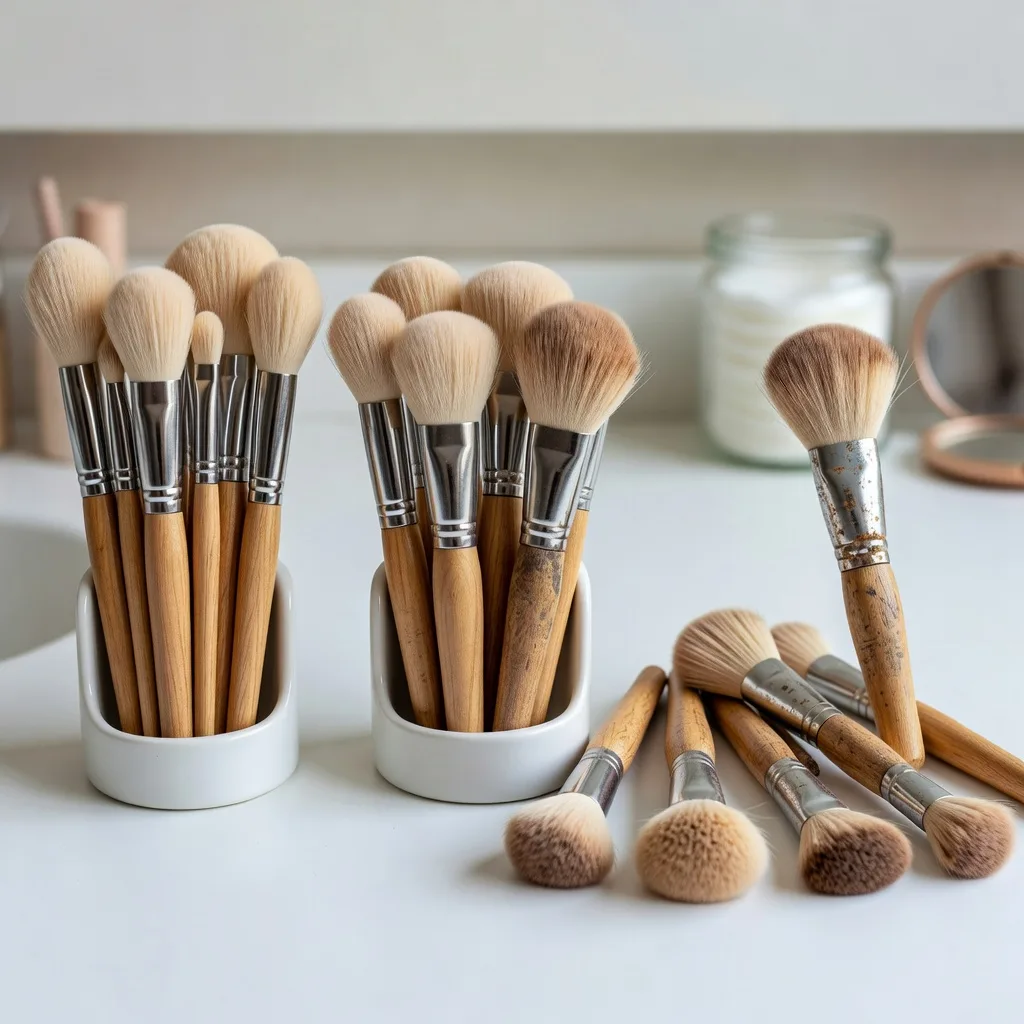
- Persistent shedding that continues even after a proper deep clean — a sign the bristles or the ferrule glue are structurally failing, not just dirty.
- Bent, splayed, or permanently frayed bristles that won’t return to their original shape even when clean and fully dry.
- Odor that survives a full deep clean — this typically means mold, mildew, or bacteria have penetrated the bristle base or ferrule, somewhere a surface wash can’t reliably reach.
- Increased breakouts or irritation despite regular, proper cleaning, which suggests a bacterial load basic washing isn’t clearing.
- A loose or wobbly ferrule — direct evidence of adhesive breakdown, and a purely structural failure that cleaning can’t fix.
When Buildup Is Fixable vs. When It Isn’t
By contrast, stiffness from ordinary product buildup alone is generally fixable with a proper deep clean and conditioning, and doesn’t by itself mean a brush needs replacing. This distinction is the core of the whole topic: a stiff, gunky brush that softens right back up after a real deep clean just needed washing; a brush that stays misshapen, sheds persistently, or has a loose ferrule needs replacing, no matter how thoroughly you clean it.
Natural vs. Synthetic Bristles: Lifespan and Care Differences
Brush type (foundation vs. blending vs. liner) is one axis of lifespan; bristle material is a separate one, and it changes both how long a brush lasts and how it eventually fails.
| Bristle material | How it degrades | Best suited for | Hygiene profile |
|---|---|---|---|
| Synthetic (Taklon/nylon) | Stiffens and becomes more rigid with repeated washing | Liquid and cream formulas, which it doesn’t absorb as readily | Non-porous; retains less bacteria between washes |
| Natural hair | Softens with use but frays, splays, and sheds more readily under heavy use | Powder-based blending, where softness improves performance | More porous; absorbs more oil and product, so it needs more frequent washing |
Neither material is simply “better” — a synthetic brush that’s gone permanently stiff and a natural-hair brush that’s shedding and fraying have both reached end of life, just by different mechanical routes. Knowing which failure mode to expect from a given brush makes it easier to tell normal wear from a brush that’s actually done.
Do This, Not That
Do
- Dry brushes flat or bristle-down after washing, never bristles-up.
- Replace a brush with a persistently loose ferrule rather than continuing to use it.
- Match brush type to formula — synthetic for liquid/cream, natural hair for powder — to extend working life.
Don’t
- Don’t assume a stiff brush automatically needs replacing before trying a proper deep clean.
- Don’t let water pool at the base of the bristles or submerge the ferrule when washing.
- Don’t ignore odor that survives a full deep clean — that’s a sign of contamination washing alone won’t fix.
How to Extend a Brush’s Working Life
Wash regularly, but correctly
Use a dedicated brush cleanser, work it gently into the bristles away from the ferrule, and rinse thoroughly without submerging the base.
Dry bristle-down or flat
Lay the brush flat on a towel or hang it bristle-down to prevent water from seeping into the ferrule as it dries.
Reshape while damp
Gently reshape bristles to their original form while still slightly damp, which helps prevent permanent splaying over repeated washes.
Rotate brushes by formula
Use dedicated brushes for liquid/cream versus powder products where possible, since mixing formulas accelerates buildup and degradation in a single brush.
Check in on your brushes periodically
A quick look every few months for shedding, fraying, or ferrule wobble catches problems before they affect your skin.
Where This Guidance Comes From
No rigorous, peer-reviewed, quantified dermatological study establishing precise replacement intervals by brush type was found for this article — the guidance above reflects consistent cosmetic-industry consumer guidance and a professional skincare trade publication (Dermascope), which is a reasonable and consistent secondary-source base for a practical lifestyle question like this one, but it’s honestly more “consistent industry and trade consensus” than “clinical trial evidence.” No AAD-specific statement on brush replacement intervals, as distinct from brush washing frequency (which the AAD does address elsewhere), was found either.
A Note From a Dermatology Perspective
If you’re experiencing persistent breakouts or skin irritation you suspect is related to your makeup tools, a board-certified dermatologist can help rule out other causes rather than relying on brush-replacement guidance alone.
Frequently Asked Questions
How often should I actually replace my makeup brushes?
Roughly every 1 to 3 years for face brushes and 2 to 4 years for eye brushes, depending on use frequency and how well they’re cared for — this is industry/trade guidance rather than a fixed clinical rule.
Is washing my brushes the same as replacing them?
No. Washing removes product buildup and surface bacteria, but it doesn’t reverse structural wear like bristle fraying, shedding, or a loose ferrule — those require replacement, not just cleaning.
Do synthetic brushes last longer than natural-hair brushes?
They fail differently rather than simply lasting longer across the board. Synthetic bristles tend to stiffen with age but resist shedding and fraying better; natural-hair bristles soften but shed and fray more with heavy use.
Can washing my brushes actually damage them?
Yes, if done incorrectly. Letting water pool at the bristle base or submerging the ferrule can break down the internal adhesive, causing a loose ferrule and shedding — a structural failure caused by improper washing technique.
What are the clearest signs a brush needs replacing?
Persistent shedding after a proper clean, bristles that won’t reshape when dry, odor that survives a deep clean, and a loose or wobbly ferrule are the most concrete, checkable signs.
Is a stiff brush always ready for the trash?
Not necessarily. Stiffness from ordinary product buildup is often fixable with a proper deep clean and conditioning — try that first before assuming the brush needs replacing.
Why does my brush smell bad even after washing?
Odor that survives a full deep clean usually means mold, mildew, or bacteria have penetrated the bristle base or ferrule, somewhere surface washing can’t reliably reach — this is a sign to replace the brush.
Should I dry my brushes bristles-up or bristles-down?
Bristles-down or flat. Drying bristles-up lets water seep into the ferrule and break down the internal glue, which shortens the brush’s structural life regardless of bristle quality.
Do face brushes wear out faster than eye brushes?
Generally yes, since face brushes handle more product volume and friction, especially with liquid or cream formulas that saturate bristles more than the lighter powder products eye brushes typically apply.
Is there a clinical study on exact brush replacement timing?
No rigorous, peer-reviewed study pinning down precise replacement intervals by brush type was found. The guidance available comes from consistent cosmetic-industry and trade-publication consensus rather than a controlled clinical trial.

Written by
Registered pharmacist and founder of Facial Adviser. Rakib's pharmacy training covers how skincare actives work and interact; a later course in cosmetology turned that into a focus on facial treatments and skincare products. He plans, researches and edits every guide on the site and checks health claims against sources such as the American Academy of Dermatology, the FDA and the NIH. He is not a dermatologist; see the Editorial Policy and Medical Disclaimer.
About · Editorial policy · How we choose products · Medical disclaimer · Contact
Keep reading: Makeup brushes and tools
- 10 Best Makeup Brush Sets (2026): Soft, Well-Made Kits for Every Look
- Are You Supposed to Wet Makeup Sponges? When, How, and Why
- Best Way to Dry Makeup Brushes: Flat, Angled Down and Never Upright
- How Often Do Makeup Brushes Need to Be Cleaned?
- IT Cosmetics Heavenly Luxe Complexion Perfection Brush #7: Is It Worth It?
- Hourglass Veil Powder Brush: Double-Ended Brush for a Smooth Finish