How to Remove Waterproof Makeup Gently Without Tugging Your Skin
Waterproof mascara, liner and long-wear foundation are made to survive tears, sweat and rain, which is exactly why they are so hard to take off at night. Many people end up rubbing their eyes with a cotton pad over and over, pulling at the lashes and leaving the skin red and sore. Some give up and go to bed with traces of makeup still on.
Part of our guide to makeup how-to. Start with: Best Way to Use Makeup Remover: Micellar Water, Balms, Oils and Eye Removers
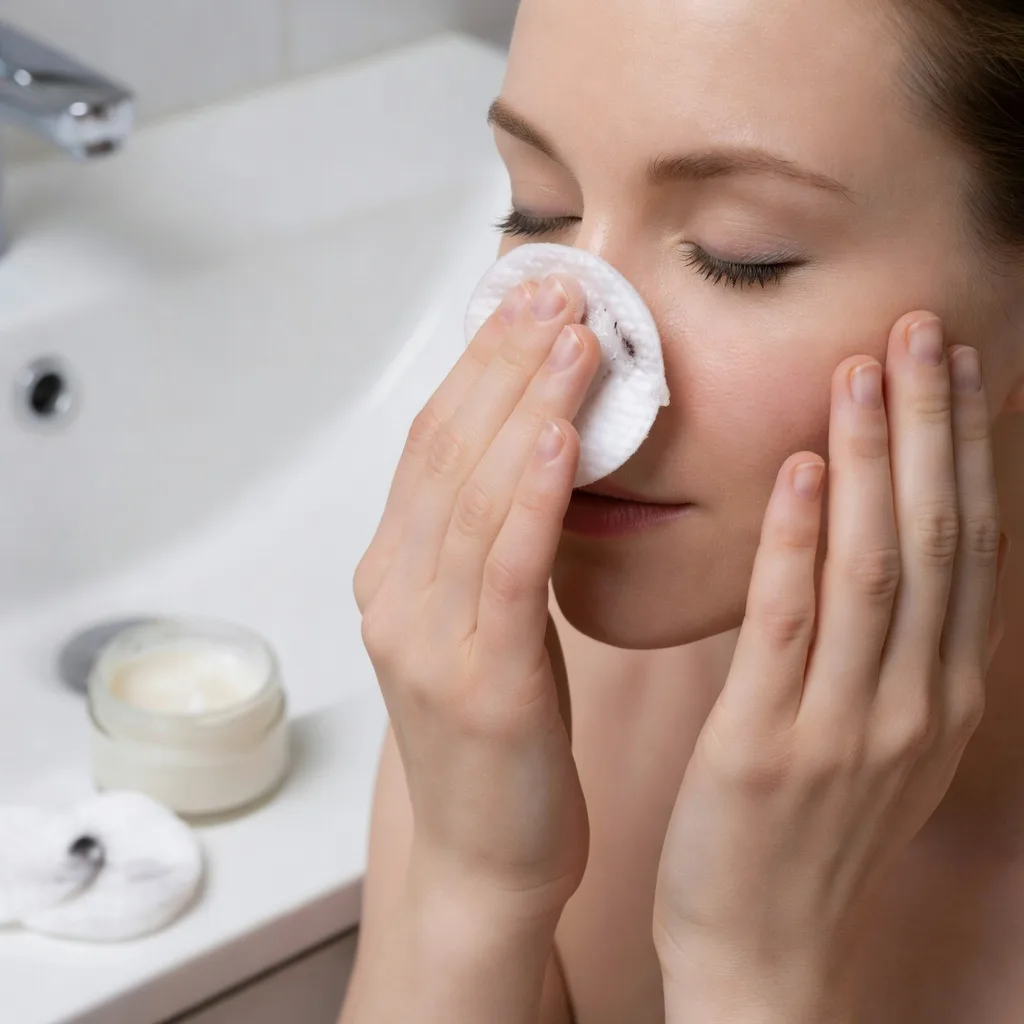
To remove waterproof makeup gently, use a remover that contains oil, such as a biphase eye makeup remover, cleansing oil or cleansing balm, because waterproof formulas are designed to resist water, not oil. Soak a cotton pad, hold it against closed eyes for 20 to 30 seconds so the product can dissolve the makeup, then wipe downwards once without scrubbing. Use a cotton bud for the lash line, massage a cleansing balm or oil over the rest of the face, emulsify with water, and follow with a gentle cleanser and moisturiser.
The key idea is dissolving rather than rubbing. Waterproof formulas use film-forming polymers, waxes and silicones that water cannot break down. The right remover loosens them in seconds, so you do not need force at all.
Gentleness matters because the eyelid skin is thin and easily irritated. The FDA reminds people that eye cosmetics can cause problems if used or removed carelessly, and it advises against sharing eye products or using them when an eye is infected.
This guide explains why waterproof makeup is so hard to remove, which removers work best, a step-by-step routine, how to adapt it for sensitive skin and lash extensions, and the mistakes that cause lash loss and irritation.
Shopping these picks?
Amazon Prime members get fast, free shipping on eligible items, plus Prime Video, Amazon Music and member deals. New members can start with a free trial.
Start a free Prime trialAged 18 to 24? Prime for Young Adults comes with a longer free trial and a lower price after it.
Affiliate link: we may earn a commission at no extra cost to you.
Recommended Products for Removing Waterproof Makeup


The Short Version
- Waterproof makeup resists water, not oil.
- Use a biphase remover, cleansing oil or balm.
- Hold the pad on closed eyes before wiping.
- Wipe once, downwards and outwards, without scrubbing.
- Use a cotton bud for the lash line.
- Follow with a gentle cleanser and moisturiser.
- Stop using products that sting or cause redness.
What This Covers
- Why Waterproof Makeup Is So Hard to Remove
- Choosing the Right Remover
- How to Remove Waterproof Makeup Gently
- Why a Second Cleanse Helps
- Adjusting for Sensitive Eyes and Skin
- Common Mistakes That Damage Lashes and Skin
- Everyday Tips for Easier Removal
- Dos and Don’ts
- Honest Limits
- When to See a Doctor
- Questions People Ask
- Where This Leaves You
Why Waterproof Makeup Is So Hard to Remove
Waterproof products are designed to form a flexible film that repels water. Mascara formulas often contain waxes and film-forming ingredients that coat each lash, while long-wear liners and foundations use silicones and polymers that cling to the skin. Plain water, and many water-based cleansers, simply slide over this film.
Oils and oil-containing removers work differently. They dissolve the waxes and loosen the polymers so the makeup breaks down and lifts away. That is why a few seconds of soaking with the right remover often achieves more than a minute of scrubbing with the wrong one.
| Product | Why it resists removal | What dissolves it best |
|---|---|---|
| Waterproof mascara | Waxes and film formers coat the lashes | Biphase remover or cleansing oil |
| Tubing mascara | Forms polymer tubes around lashes | Warm water and gentle pressure, then remover |
| Gel or long-wear liner | Silicones and polymers set firmly | Biphase remover on a cotton bud |
| Long-wear foundation | Film formers and silicones | Cleansing balm or oil, then cleanser |
| Liquid lipstick | Volatile solvents leave a firm film | Oil or balm, left on briefly |
| Waterproof sunscreen | Water-resistant film formers | Oil cleanser followed by gentle cleanser |
Tubing mascaras are an exception. They are designed to slide off with warm water and light pressure, so you may not need an oil-based remover for them at all.
Choosing the Right Remover
There is no single best remover for everyone. The right choice depends on your skin type, how sensitive your eyes are and how much makeup you wear. What matters most is that the remover contains an oil phase or is designed specifically for waterproof makeup.
| Remover type | How it works | Best for | Things to know |
|---|---|---|---|
| Biphase eye remover | Oil and water layers; shake to mix | Waterproof mascara and liner | Can leave a light oily film; rinse or cleanse after |
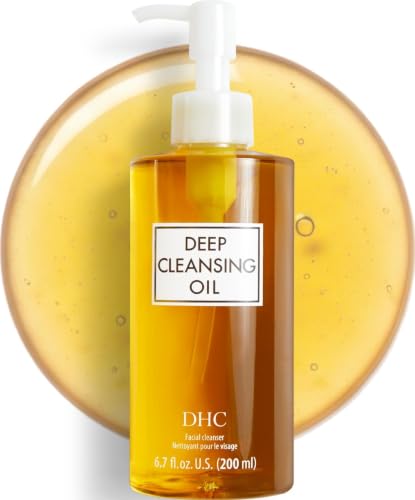
| Cleansing oil | Dissolves makeup, emulsifies with water | Full face, including eyes | Choose fragrance-free if eyes are sensitive |
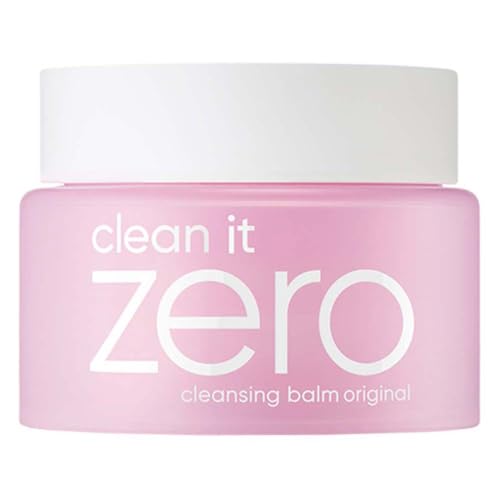
| Cleansing balm | Solid oil that melts on skin | Heavy or long-wear makeup | Rinse well to avoid residue |
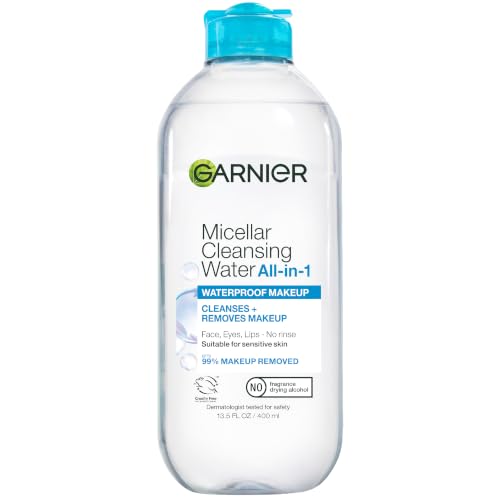
| Micellar water (waterproof version) | Micelles plus an oil phase | Light waterproof makeup | Regular micellar water may not be enough |
| Oil-free eye remover | Surfactants and solvents | Regular mascara, lash extensions | Less effective on heavy waterproof products |
If you wear lash extensions, check with your technician before using oil-based removers, since some adhesives are weakened by oil. For people prone to breakouts, cleansing oils that emulsify and rinse cleanly are usually fine when followed by a gentle cleanser. Our guide on whether makeup wipes are bad for your face explains why wipes alone are not the best option for waterproof products.
How to Remove Waterproof Makeup Gently
Wash your hands
Start with clean hands so you do not transfer dirt or bacteria to your eyes.
Soak a cotton pad
Shake a biphase remover and soak a pad until it is fully wet, not just damp.
Press and hold
Close your eyes and hold the pad over each eye for 20 to 30 seconds.
Wipe downwards
Wipe gently down and outwards in one motion, following the lashes.
Clean the lash line
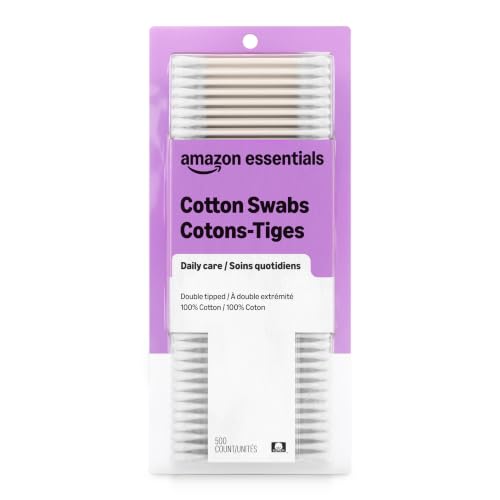
Dip a cotton bud in remover and roll it along the lash line to lift liner.
Cleanse the face
Massage a balm or oil over dry skin, add water to emulsify, then rinse.
Second cleanse and moisturise
Wash with a gentle cleanser, pat dry and apply moisturiser.
Hold the pad longer rather than pressing harder. Giving the remover time to work is what saves your lashes, and it usually means you only need one wipe.
Work from the top of the lashes downwards, and repeat with a fresh pad rather than re-using a dirty one. Folding the pad in half gives you a clean edge for the second pass. If any mascara remains on the lower lashes, place a pad under the lashes and use a cotton bud soaked in remover to gently roll the product downwards onto the pad.
Why a Second Cleanse Helps
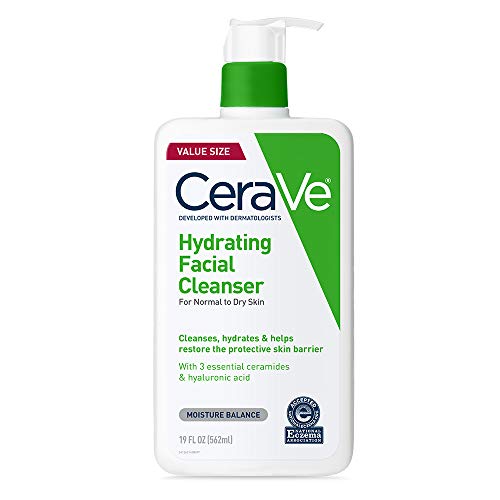
Oil-based removers leave a light residue behind. That is not harmful, but it can feel greasy and may leave traces of makeup on the skin. Following with a gentle cleanser removes both, and it is especially useful for people with oily or acne-prone skin.
The American Academy of Dermatology advises people with acne-prone skin to remove makeup before going to bed and to wash gently rather than scrub. A mild, non-foaming or low-foam cleanser is usually enough after a balm or oil. If your skin feels tight or squeaky after the second cleanse, the cleanser is probably too strong. Skin should feel clean and comfortable, not stripped, and a gentler cream cleanser or a shorter wash usually fixes that.
- Use lukewarm water rather than hot water.
- Massage with your fingertips for about 30 seconds.
- Avoid washcloths or brushes on the eye area.
- Pat dry with a clean towel.
- Moisturise straight away while skin is still slightly damp.
Adjusting for Sensitive Eyes and Skin
Sensitive eyes often sting with fragranced removers or those containing certain preservatives. If removal regularly leaves your eyes watering or red, look for fragrance-free, ophthalmologist-tested formulas and use the smallest amount that works.
- Choose fragrance-free removers with short ingredient lists.
- Patch test a new remover on your inner arm or behind the ear first.
- Keep your eyes closed while removing and rinsing.
- Rinse with cool water if a product gets into your eye.
- Switch to non-waterproof mascara on days you do not need it.
Redness, itching or swelling around the eyes after makeup or removers can be a sign of contact dermatitis. The American Academy of Dermatology explains that contact dermatitis can be caused by ingredients such as fragrances and preservatives, and stopping the product usually helps. If remover gets into your eye, our guide on what to do if makeup gets in your eye explains what to do next.
Never use nail polish remover, household oils with added fragrance or other non-cosmetic products around the eyes. They can irritate the eyes and skin.
Common Mistakes That Damage Lashes and Skin
- Scrubbing back and forth with a dry or barely wet pad.
- Pulling lashes sideways, which can cause breakage.
- Using face wipes alone for waterproof mascara.
- Sleeping in waterproof mascara.
- Using very hot water on the face.
- Rubbing eyes with a towel after washing.
Most lash loss linked to makeup removal comes from friction. Lashes grow in cycles and shed naturally, but repeated tugging can make more of them fall out sooner. Using enough remover and letting it sit is the simplest way to protect them.
Sleeping in mascara is a common habit after late nights. It can leave lashes dry and brittle, and flakes can get into the eyes. The FDA advises removing eye makeup properly and replacing eye products regularly, as explained in its guidance on eye cosmetic safety.
Everyday Tips for Easier Removal
Small habits during the day can make removal easier at night. Waterproof mascara only on the bottom lashes, for example, or a regular mascara on days without rain or exercise, both reduce the amount of stubborn product you need to take off.
Warm the remover slightly by holding the pad between your palms for a few seconds before placing it on your eyes. A little warmth helps oils soften waxes faster, and it feels more comfortable on sensitive skin than a cold, wet pad. You can also press a warm, damp flannel over closed eyes for a moment before starting, which loosens tubing mascara and softens liner.
Keep your remover and cotton pads next to your bed or sink so removal becomes routine. If you often skip it when tired, keep a small bottle of biphase remover and a few pads by your bed for nights when a full cleanse feels like too much. For dry skin, follow removal with a richer moisturiser; our guide on makeup tips for dry skin and flakes has more ideas for comfortable skin.
Dos and Don’ts
Try This
- Use an oil-based or biphase remover
- Hold the pad on closed eyes before wiping
- Wipe downwards once
- Use cotton buds for the lash line
- Cleanse and moisturise afterwards
Avoid This
- Scrub back and forth
- Use hot water
- Rely on wipes alone
- Sleep in waterproof mascara
- Keep using a remover that stings
Honest Limits
Even the best remover sometimes needs a second pass for very heavy or long-wear makeup. That is normal and still far gentler than rubbing hard once.
Removal also cannot undo damage that has already happened. If your lashes are sparse or brittle from years of rubbing, switching to a gentler routine helps new lashes grow in without breakage, but regrowth takes several weeks because lashes grow slowly. Be patient and avoid lash curlers and heavy mascara layering while they recover.
Some people react to ingredients in removers regardless of how gently they are used. If one product causes problems, it does not mean all removers will, but it is worth noting the ingredients so you can avoid them in future.
When to See a Doctor
- Your eyes stay red, painful or watery after removing makeup.
- Your eyelids are swollen, itchy or flaky.
- You notice significant lash loss or patchy lashes.
- You have blurry vision or discharge from the eye.
This article is for general information and does not replace professional medical advice. See a doctor, eye care professional or dermatologist for persistent irritation, pain or changes in vision.
Questions People Ask
What is the best way to remove waterproof mascara?
Soak a pad in biphase remover, hold on closed eyes, then wipe down once.
Does micellar water remove waterproof makeup?
Waterproof versions with an oil phase work; regular ones often struggle.
Can I use coconut oil to remove makeup?
Some people do, but it can irritate eyes and clog pores for some skin types.
Why does my mascara not come off?
It is designed to resist water, so it needs an oil-based remover.
Is it bad to sleep in waterproof mascara?
Yes, it can dry lashes and irritate eyes.
Can removing mascara cause lash loss?
Rubbing and tugging can cause lashes to break or fall out.
Do I need to cleanse after using makeup remover?
A gentle cleanse removes remaining oil and makeup.
Can I use oil remover with lash extensions?
Check with your technician, as oil can weaken some adhesives.
How long should I hold remover on my eyes?
About 20 to 30 seconds.
What if my eyes sting when removing makeup?
Rinse with cool water and try a fragrance-free remover.
Where This Leaves You
Waterproof makeup comes off gently when you dissolve it instead of scrubbing it. A biphase remover, cleansing oil or balm, held on closed eyes for a few seconds, does most of the work with a single downward wipe.
Follow with a gentle cleanse and moisturiser, use cotton buds for stubborn liner and stop using any product that stings. Your lashes and the delicate skin around your eyes will stay healthier as a result.

Written by
Registered pharmacist and founder of Facial Adviser. Rakib's pharmacy training covers how skincare actives work and interact; a later course in cosmetology turned that into a focus on facial treatments and skincare products. He plans, researches and edits every guide on the site and checks health claims against sources such as the American Academy of Dermatology, the FDA and the NIH. He is not a dermatologist; see the Editorial Policy and Medical Disclaimer.
About · Editorial policy · How we choose products · Medical disclaimer · Contact
Keep reading: Makeup removal and hygiene
- Best Way to Use Makeup Remover: Micellar Water, Balms, Oils and Eye Removers
- How to Get Makeup Off Without Makeup Remover
- Can Makeup Expire? The Real Shelf-Life Rules
- Will Makeup Come Out of a White Shirt?
- Why Can't I Sleep With Makeup On?
- Makeup Remover vs Micellar Water: The Real Difference
- How to Get Started as a Freelance Makeup Artist: Training, Kit and Clients
- How to Properly Put On Face Makeup: The Right Order, Step by Step