Why Can’t I Sleep With Makeup On?
Why can’t I sleep with makeup on, and which of the warnings you’ve heard about it are backed by real evidence versus internet exaggeration?
Part of our guide to makeup how-to. Start with: Best Way to Use Makeup Remover: Micellar Water, Balms, Oils and Eye Removers
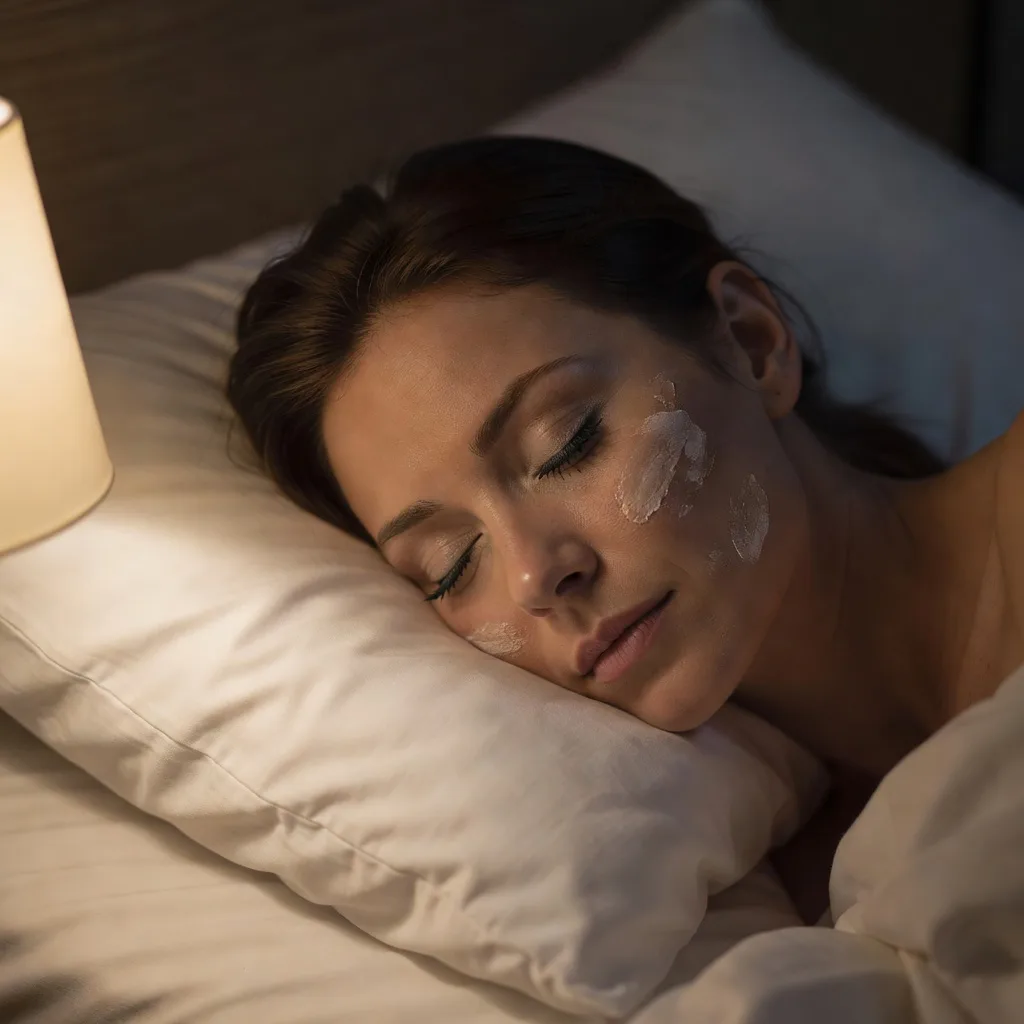
Sleeping in makeup lets sebum, pillow friction, and occlusive product combine overnight to clog pores, and it keeps eye makeup against the lash line long enough to irritate the eyelid margin and meibomian glands. The oft-repeated claim that it ages skin by ten years traces back to a single uncontrolled 2013 tabloid stunt, not a peer-reviewed study, and should be set aside.
Old or contaminated eye makeup left on overnight also extends daily contact time with a product that can already carry bacterial buildup from repeated use.
This guide separates the mechanism-backed risks from the debunked ones, and covers exactly what removal method actually reduces overnight harm.
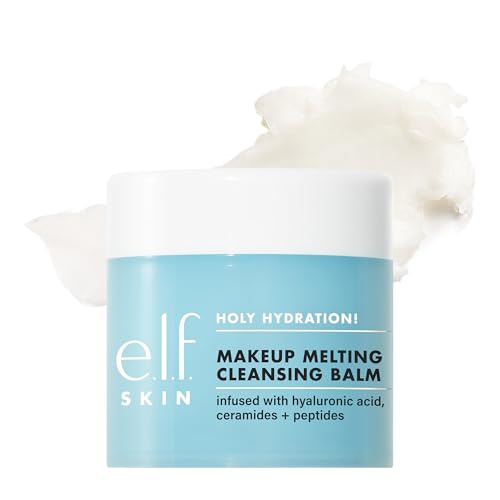
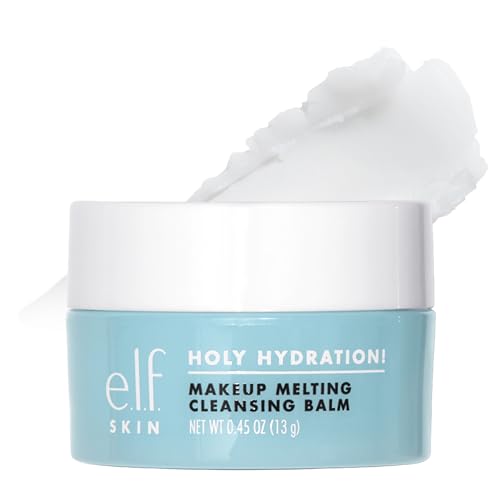
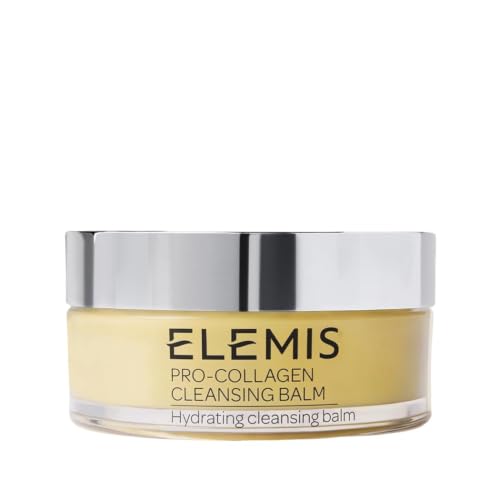
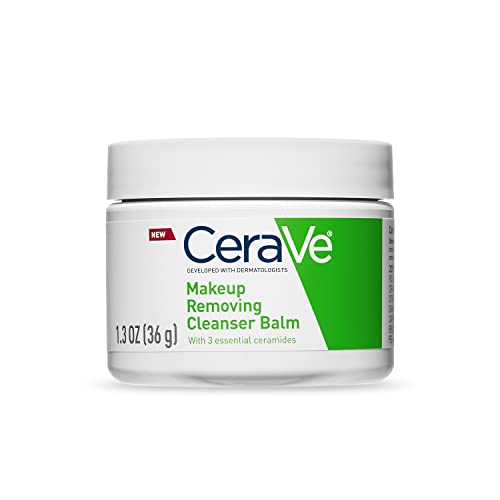
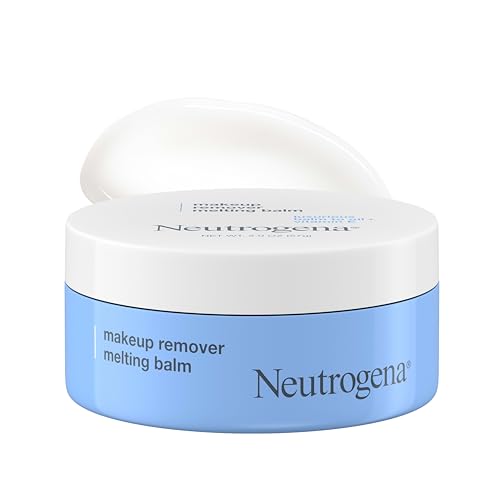
Recommended Micellar Waters and Cleansing Balms


Key Facts
- Overnight, occlusive makeup traps sebum and dead skin against the skin, a well-established mechanism behind clogged pores and breakouts.
- Leaving eye makeup on can irritate the eyelid margin and meibomian glands — the American Academy of Ophthalmology lists it as a real cause of eyelash damage.
- Old or contaminated eye products left on overnight raise real infection risk, especially for mascara and eyeliner used past their safe lifespan.
- The viral “makeup ages your skin 10 years faster” statistic traces to a 2013 magazine self-experiment on one person — not a scientific study.
- The strongest, best-evidenced reason to remove makeup nightly is still simple: clogged pores and irritated eyes, not a dramatic aging claim.
What’s Ahead
- The Clogged-Pore Mechanism, Explained
- What Happens to Your Eyes Overnight
- Eyelash Damage: A Real, Documented Risk
- Eye Infection Risk From Old Product
- The “10 Years Faster Aging” Claim, Debunked
- What the Pollution Research Actually Shows
- One Night vs. a Regular Habit
- Which Products Are Riskiest to Sleep In
- Removal Method Matters as Much as Removal Timing
- Do This, Not That
- A Fast Removal Routine for Lazy Nights
- Where the Evidence Runs Thin
- Frequently Asked Questions
The Clogged-Pore Mechanism, Explained
Skin produces sebum continuously, including while you sleep. Add a layer of foundation, primer, or long-wear makeup formulated to resist transfer, and that sebum has nowhere to go — it mixes with makeup, dead skin cells, and pillow friction to physically block pores. This is standard comedogenesis: occlusion plus trapped oil plus keratinocyte debris equals comedones, which can progress into inflammatory acne lesions with repeated nights of the same pattern.
Shopping these picks?
Amazon Prime members get fast, free shipping on eligible items, plus Prime Video, Amazon Music and member deals. New members can start with a free trial.
Start a free Prime trialAged 18 to 24? Prime for Young Adults comes with a longer free trial and a lower price after it.
Affiliate link: we may earn a commission at no extra cost to you.
This is the most solid, mainstream part of the “take your makeup off” advice — it’s accepted dermatological mechanism, not a single controversial study, and it applies more strongly to heavier, longer-wear formulas than to light, water-based products.
What Happens to Your Eyes Overnight
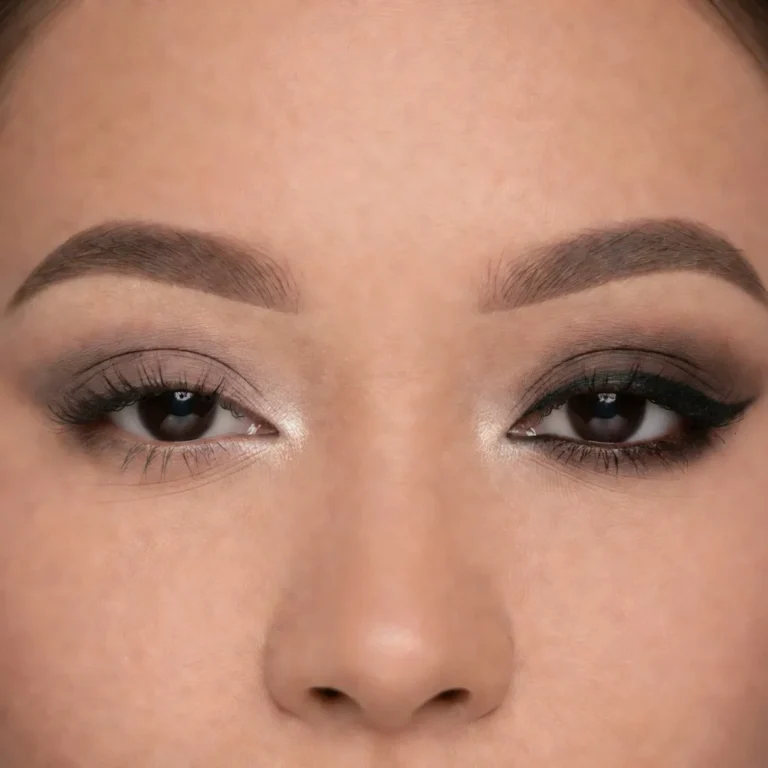
The eye area gets less attention in most sleeping-in-makeup discussions, but it’s arguably where the clearest evidence sits. Leaving mascara and eyeliner on keeps product in direct contact with the lash line and the openings of the meibomian glands — tiny glands along the eyelid margin that secrete the oily layer of your tear film — for eight or more hours at a stretch. Ocular-surface-disease research describes how cosmetic residue sitting at the lash line can contribute to blepharitis, an inflammation of the eyelid margin, and can clog those meibomian gland openings, which over time worsens dry eye symptoms.
Eyelash Damage: A Real, Documented Risk
This isn’t just derm-blog folklore. The American Academy of Ophthalmology’s own patient guidance on eyelash loss explicitly lists leaving eye makeup on for too long among the concrete, named causes of increased lash shedding and lash damage — grouped alongside eyelash extensions and heated eyelash curlers as recognized mechanical/chemical stressors on the lash follicle. That’s a professional ophthalmology body naming this as a real contributor, not an exaggerated beauty-industry talking point.
Eye Infection Risk From Old Product
Mascara wands and eye pencils are dipped repeatedly into a tube that then touches the ocular surface, and bacterial contamination — commonly Staphylococcus species — builds up in the product over its use-life. Hospital-system patient-education content from sources like Nationwide Children’s Hospital and University of Rochester Medical Center describes old or contaminated eye makeup as a recognized vector for conjunctivitis, styes, and in more serious cases corneal problems.
Sleeping in makeup compounds this two ways: it extends the total daily contact time between contaminated product and the eye, and it skips the nightly removal step that would otherwise clear debris and bacteria off the lashes and lid margin before you close your eyes for hours.
One Night vs. a Regular Habit
| Situation | Realistic risk level | What’s actually happening |
|---|---|---|
| One night, light makeup, fresh product | Low | Minor pore occlusion; unlikely to cause a breakout on its own |
| One night, heavy foundation or long-wear formula | Low-moderate | More significant pore occlusion for a single night |
| Regular habit, several nights a week | Moderate-high | Cumulative comedone formation, possible new breakouts |
| Regular habit, eye makeup, old mascara | Moderate-high | Cumulative lash-margin irritation and rising bacterial exposure |
The “10 Years Faster Aging” Claim, Debunked
A statistic repeated across beauty articles and social posts claims sleeping in makeup ages your skin by roughly a decade. This traces back to a 2013 self-experiment by a Daily Mail writer, who didn’t remove her makeup for 30 days — simply layering more on top each day — and then had her skin evaluated by a single dermatologist using a 3D imaging camera, for a magazine feature.
That’s one person, no control group, no randomization, and no peer review — a magazine stunt dressed up with a scientific-sounding “3D camera” detail, not a study. It’s worth naming this directly rather than repeating the number as if it were established research, because it isn’t.
What the Pollution Research Actually Shows
There is real, peer-reviewed literature on air pollution and skin oxidative stress — reviews describe how particulate matter and pollutants generate free radicals, trigger inflammatory responses, and contribute to photoaging and barrier damage over time. What that literature does not include is a controlled study isolating “makeup left on overnight trapping pollution particles” as a specific, measured cause of accelerated aging.
The honest, accurate version of this claim is that makeup can trap pollutants and debris against skin overnight, and pollution exposure is separately linked to oxidative skin damage in the broader research. It is not accurate to say a rigorous study proved sleeping in makeup accelerates aging by a specific measured amount — that’s the tabloid statistic above dressed in more scientific-sounding language.
Which Products Are Riskiest to Sleep In
Not all makeup carries equal risk overnight. Heavy, long-wear, or waterproof foundation and concealer sit more occlusively on skin than a light tinted moisturizer, making pore-clogging more likely. Waterproof mascara and gel eyeliner are harder to fully remove even when you try, meaning residue is more likely to linger at the lash line even after a rushed cleanup. Powder products (blush, bronzer, setting powder) are generally lower-risk than cream or liquid formulas, since they sit less occlusively and are easier to remove with minimal residue.
Removal Method Matters as Much as Removal Timing
| Removal method | Residue left behind | Best suited for |
|---|---|---|
| Micellar water, no rinse | Low-moderate | Quick, tired-night removal |
| Cleansing balm or oil | Low, if followed by a rinse-off cleanser | Heavy, long-wear, or waterproof makeup |
| Makeup wipe alone | Moderate | Emergency backup, not a nightly primary method |
| Double cleanse (oil then water-based) | Lowest | Full nightly routine, heaviest makeup days |
Do This, Not That
Do
- Remove eye makeup every night, even if you skip a full routine elsewhere.
- Replace mascara every three months, since it’s one of the most contamination-prone products in a routine.
- Keep makeup wipes or micellar water by the bed for nights you’re too tired for a full cleanse.
Don’t
- Don’t repeat the “10 years faster aging” statistic as if it were a study — it’s a single magazine self-experiment.
- Don’t assume one occasional late night with makeup on is a serious problem; the real risk is the repeated habit.
- Don’t share mascara or eyeliner, which increases bacterial exposure risk beyond what your own use-life already carries.
A Fast Removal Routine for Lazy Nights
Start with the eyes
Eye makeup carries the clearest, most specific risk, so prioritize removing it even on a rushed night.
Use a micellar water or cleansing wipe
These require no rinsing and take under a minute — enough to clear the bulk of product and debris.
Skip the double cleanse, not the single one
A full double-cleanse routine is ideal, but one pass with a proper makeup remover is far better than none.
Don’t rub aggressively
Tired-night removal is still removal — pat and wipe gently rather than scrubbing, especially around the eyes.
Keep supplies within reach of the bed
The single biggest predictor of skipping removal is friction — keeping wipes on the nightstand removes that barrier.
Where the Evidence Runs Thin
The clogged-pore mechanism and the AAO’s eyelash-damage guidance are solid, mainstream, professionally-endorsed points. The bacterial-infection risk is real but scales heavily with how old or contaminated the specific product already is, rather than being a fixed risk from any one night. The pollution-and-oxidative-stress framing is a reasonable, honest extrapolation from adjacent research rather than a directly tested finding, and the specific “10 years” statistic should be treated as debunked rather than cited.
A Note From a Dermatology Perspective
Persistent breakouts, chronic eyelid irritation, or recurring eye infections are reasons to see a board-certified dermatologist or ophthalmologist rather than relying on removal-routine adjustments alone. This article covers general mechanisms, not a diagnosis for your specific skin or eyes.
Frequently Asked Questions
Will sleeping in makeup one night ruin my skin?
No. One night with makeup on is a minor, low-risk event for most people. The real concern is making it a regular habit, since the pore-clogging and eyelid-irritation effects are cumulative.
Is the claim that sleeping in makeup ages your skin 10 years true?
No. That statistic comes from a 2013 magazine self-experiment involving one person with no control group or peer review, not a scientific study. It shouldn’t be repeated as an established fact.
What’s the biggest real risk of sleeping in makeup?
Clogged pores from occlusive makeup trapping sebum and dead skin overnight, and eyelid-margin irritation or eyelash damage from leaving eye makeup on — both are recognized mechanisms, the eyelash point specifically acknowledged by the American Academy of Ophthalmology.
Can sleeping in mascara cause an eye infection?
It can raise the risk, especially with old or contaminated mascara, since bacteria accumulate in the tube over its use-life and sleeping in it extends contact time with the eye. Fresh, properly stored mascara carries lower risk than mascara kept well past its replacement date.
Does sleeping in makeup actually trap pollution against my skin?
It’s plausible that makeup can trap pollutant particles and debris against skin overnight, and pollution is separately linked to oxidative skin stress in the research. No study has directly measured this specific combination, so it’s a reasonable inference rather than a proven, quantified effect.
Is powder makeup safer to sleep in than liquid foundation?
Generally yes. Powder products sit less occlusively on skin and are easier to remove with minimal residue compared to heavy liquid or cream formulas, which trap more sebum and debris against the skin overnight.
How often should I replace my mascara to reduce infection risk?
A common guideline is around three months, since bacterial contamination accumulates in the tube with repeated use and exposure to the eye area over time.
What’s the fastest way to remove makeup if I’m too tired for a full routine?
Prioritize the eye area first, then use a micellar water or cleansing wipe for a quick, no-rinse pass over the rest of your face. It’s not a substitute for a full routine every night, but it’s meaningfully better than leaving everything on.
Can leaving eye makeup on cause permanent eyelash loss?
The American Academy of Ophthalmology lists it as a contributor to increased lash shedding and damage, generally tied to repeated, chronic exposure rather than a single instance. Lashes typically regrow once the irritating habit stops, barring an underlying medical condition.
Does sleeping in makeup cause wrinkles?
There’s no direct, controlled study proving sleeping in makeup causes wrinkles specifically. The stronger, better-evidenced concerns are clogged pores and eyelid-margin irritation rather than a measurable acceleration of wrinkle formation.

Written by
Registered pharmacist and founder of Facial Adviser. Rakib's pharmacy training covers how skincare actives work and interact; a later course in cosmetology turned that into a focus on facial treatments and skincare products. He plans, researches and edits every guide on the site and checks health claims against sources such as the American Academy of Dermatology, the FDA and the NIH. He is not a dermatologist; see the Editorial Policy and Medical Disclaimer.
About · Editorial policy · How we choose products · Medical disclaimer · Contact
Keep reading: Makeup removal and hygiene
- Makeup Remover vs Micellar Water: The Real Difference
- Best Way to Use Makeup Remover: Micellar Water, Balms, Oils and Eye Removers
- How Do You Get Makeup Out of Clothes? A Stain-by-Stain Guide
- How Do You Know If Makeup Is Expired? Signs, Shelf Life and Symbols
- Are Makeup Wipes Bad for Your Face? What to Use Instead
- How to Choose Lipstick Shade: Undertone, Skin Tone and Testing Tips
- How to Find the Right Shade of Makeup: Undertone, Depth and Testing